
Directing
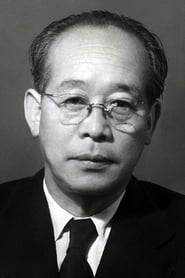
Kenji Mizoguchi
Born — Died
1898-05-16 — 1956-08-24
Place of birth
Asakusa, Tokyo, Japan
Known for
Directing
Credits
42 titles
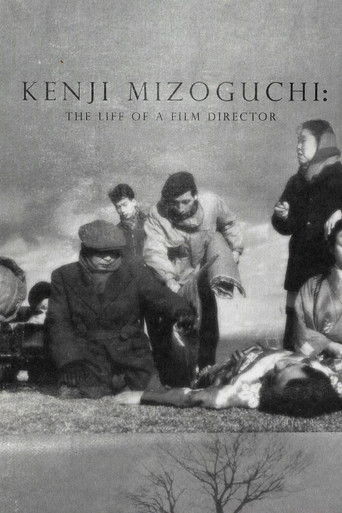
Kenji Mizoguchi (16 May 1898 – 24 August 1956) was a Japanese film director and screenwriter. His film Ugetsu (1953) won the Silver Lion at the Venice Film Festival, and appeared in the Sight & Sound Critics' Top Ten Poll in 1962 and 1972. Mizoguchi is renowned for his mastery of the long take and mise-en-scène. His films have an extraordinary force and purity. They shake and move the viewer by the power, refinement and compassion with which they confront human suffering.
Known for
 8.0
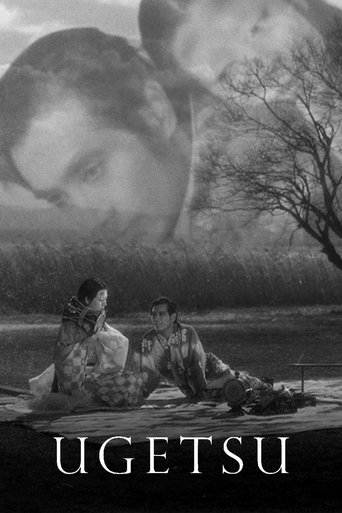
In 16th century Japan, peasants Genjuro and Tobei sell their earthenware pots to a group of soldiers in a nearby village, in defiance of a local sage's warning against seeking to profit from warfare. Genjuro's pursuit of both riches and the mysterious Lady Wakasa, as well as Tobei's desire to become a samurai, run the risk of destroying both themselves and their wives, Miyagi and Ohama.
Ugetsu
1953
 8.1
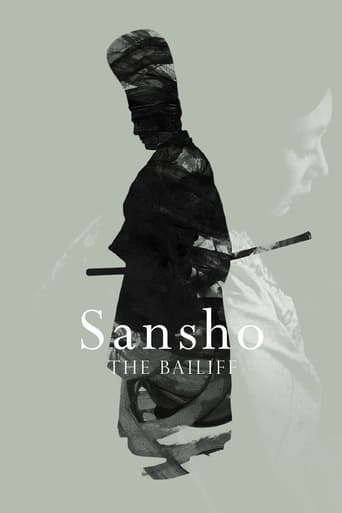
In 11th-century feudal Japan, following the exile of an idealistic governor, his wife and children are separated by slave traders; the children, Zushio and Anju, are sold into brutal servitude under the cruel bailiff Sansho.
Sansho the Bailiff
1954
 7.8
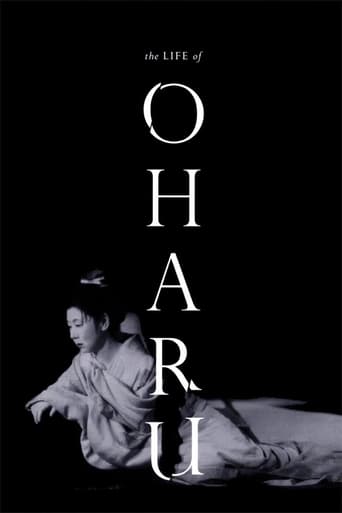
During the Edo Period, a noblewoman's banishment for her love affair with a lowly page signals the beginning of her inexorable fall.
The Life of Oharu
1952
 6.7
In 8th-century China, the Emperor grieves the death of his wife. The Yang family wants to provide the Emperor with a consort so that they may consolidate their court influence. General An Lushan finds a distant relative working in their kitchen, whom they groom to present to the Emperor. The Emperor falls in love and she becomes the Princess Yang Kwei-fei. The Yangs are then appointed important ministers, though An Lushan is not given the court position he covets.
Princess Yang Kwei-fei
1955
 7.2
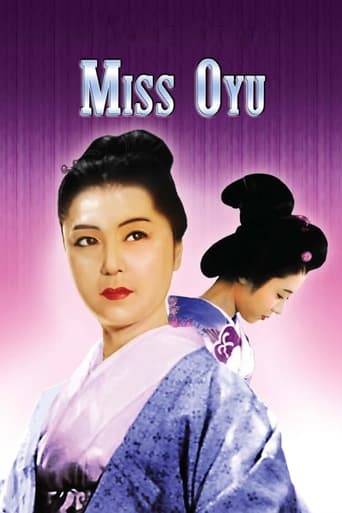
Shinnosuke is introduced to Shizu as a prospective marriage partner, but he falls in love with her widowed sister Oyu. Convention forbids Oyu to marry because she has to raise her son as the head of her husband's family. Oyu convinces Shinnosuke and Shizu to marry so that she can remain close to Shinnosuke.
Miss Oyu
1951
 6.8
Japan, 1137. The Taira family, a samurai clan, becomes involved in the disputes between Emperor Toba and the monks of Mount Hiei.
Taira Clan Saga
1955
Film credits

Behind the camera
8.0In 16th century Japan, peasants Genjuro and Tobei sell their earthenware pots to a group of soldiers in a nearby village, in defiance of a local sage's warning against seeking to profit from warfare. Genjuro's pursuit of both riches and the mysterious Lady Wakasa, as well as Tobei's desire to become a samurai, run the risk of destroying both themselves and their wives, Miyagi and Ohama.
Ugetsu
1953
8.1In 11th-century feudal Japan, following the exile of an idealistic governor, his wife and children are separated by slave traders; the children, Zushio and Anju, are sold into brutal servitude under the cruel bailiff Sansho.
Sansho the Bailiff
1954
7.8During the Edo Period, a noblewoman's banishment for her love affair with a lowly page signals the beginning of her inexorable fall.
The Life of Oharu
1952
7.8During the Edo Period, a noblewoman's banishment for her love affair with a lowly page signals the beginning of her inexorable fall.
The Life of Oharu
1952
7.8During the Edo Period, a noblewoman's banishment for her love affair with a lowly page signals the beginning of her inexorable fall.
The Life of Oharu
1952
6.7In 8th-century China, the Emperor grieves the death of his wife. The Yang family wants to provide the Emperor with a consort so that they may consolidate their court influence. General An Lushan finds a distant relative working in their kitchen, whom they groom to present to the Emperor. The Emperor falls in love and she becomes the Princess Yang Kwei-fei. The Yangs are then appointed important ministers, though An Lushan is not given the court position he covets.
Princess Yang Kwei-fei
1955
7.2Shinnosuke is introduced to Shizu as a prospective marriage partner, but he falls in love with her widowed sister Oyu. Convention forbids Oyu to marry because she has to raise her son as the head of her husband's family. Oyu convinces Shinnosuke and Shizu to marry so that she can remain close to Shinnosuke.
Miss Oyu
1951
6.8Japan, 1137. The Taira family, a samurai clan, becomes involved in the disputes between Emperor Toba and the monks of Mount Hiei.
Taira Clan Saga
1955
 7.7
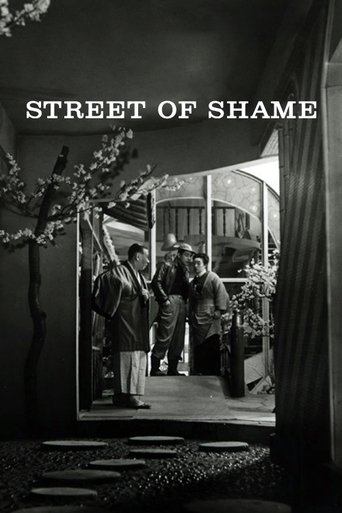
Follows five sex workers employed at a Japanese brothel while the nation debates the passage of an anti-prostitution law.
Street of Shame
1956
 6.9
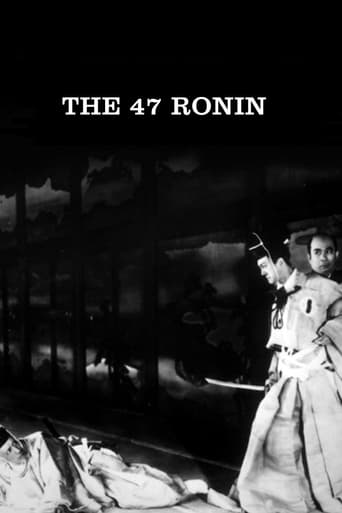
In the early 18th-century, Lord Takumi-no-kami Asano, feuding with Lord Kira, tries to kill his opponent in the corridors of the Shogun's palace. The Shogun sentences Asano to seppuku and deprives the palace and lands from his clan, but does not punish Kira. Asano's vassals leave the land and his samurais become ronin and want to seek revenge against the Lord's dishonour. But their leader Kuranosuke Oishi seeks to restore the Asano clan with his brother Daigaku Asano. One year later, the Shogun refuses, and Oishi and 46 rōnin are out for revenge.
The 47 Ronin
1941
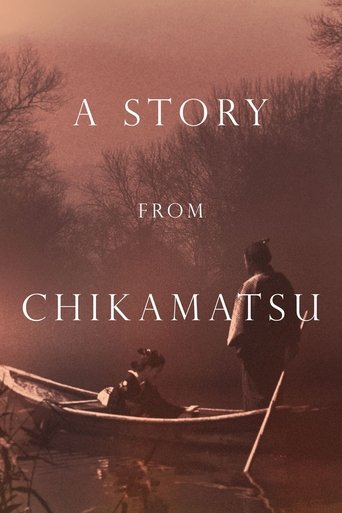 7.8
When the wife of a 17th-century Kyoto scrollmaker is falsely accused of having an affair with his best employee, the pair flee the city and find themselves truly falling for one another.
Chikamatsu Monogatari
1954
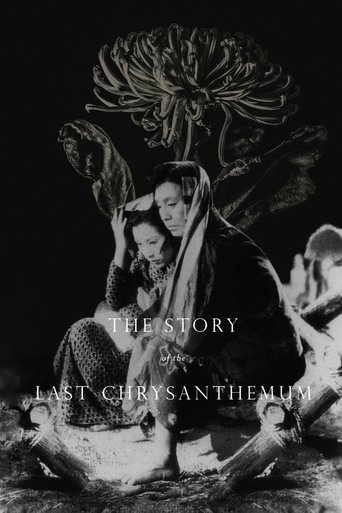 7.8
In late 19th-century Tokyo, Kikunosuke Onoue, the adopted son of a legendary actor, himself an actor specializing in female roles, discovers that the praise he receives is only due to his status as his father's heir. Devastated, he turns to Otoku, a servant of his family, for comfort, and they fall in love. Kikunosuke becomes determined to leave home and develop as an actor on his own merits, and Otoku faithfully joins him.
The Story of the Last Chrysanthemum
1939
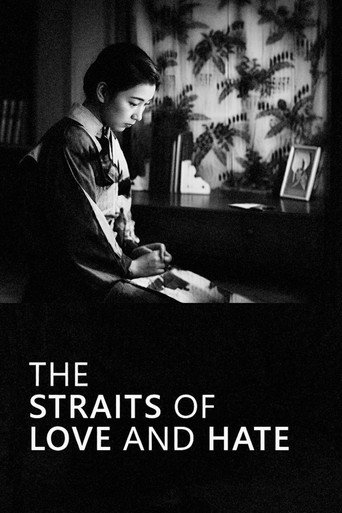 7.4
A servant girl is seduced and abandoned by her lover, a man from a higher social class, forcing her to navigate a harsh world as an itinerant performer to survive and raise their child.
The Straits of Love and Hate
1937
7.4A servant girl is seduced and abandoned by her lover, a man from a higher social class, forcing her to navigate a harsh world as an itinerant performer to survive and raise their child.
The Straits of Love and Hate
1937
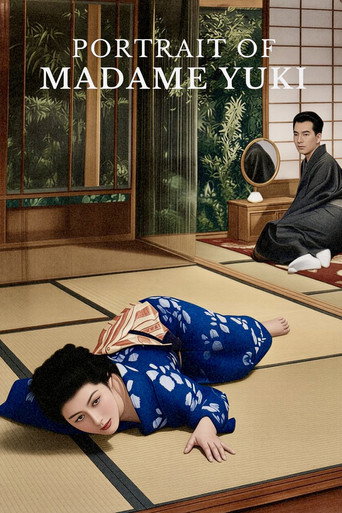 6.8
A young woman takes up her new job as the servant of a noblewoman and soon discovers that underneath her facade of luxury lies great unhappiness.
Portrait of Madame Yuki
1950
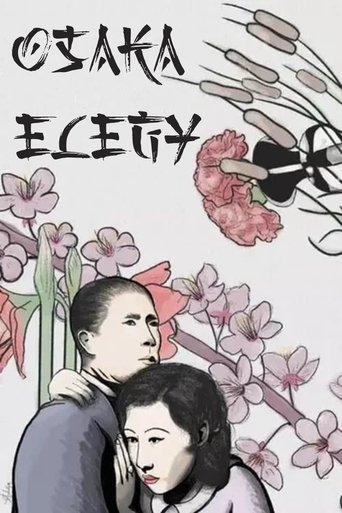 6.7
Ayako becomes the mistress of her boss in order to pay her father's debt and prevent him from going to prison for embezzlement.
Osaka Elegy
1936
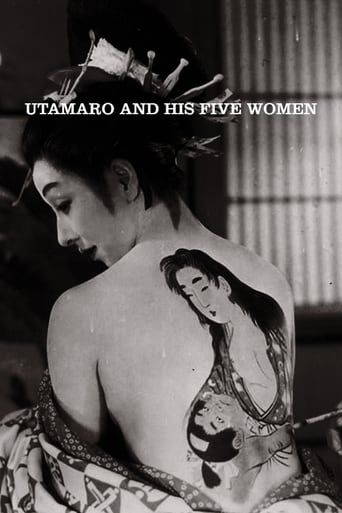 7.1
Utamaro, a great artist, lives to create portraits of beautiful women, and the Tokyo brothels provide his models. A world of passion swirls around him, as the women vie for lovers, and, occasionally, his art gets him into trouble.
Utamaro and His Five Women
1946
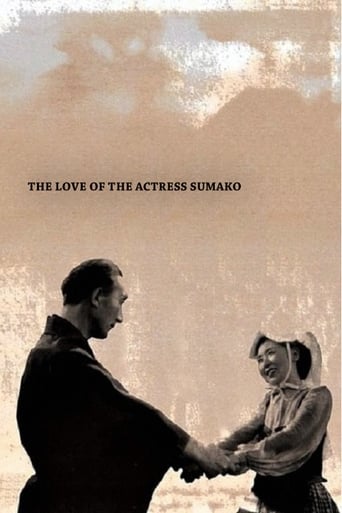 7.0
Stage director Shimamura, who is bringing western theatre to Japan, falls in love with outspoken actress Sumako Matsui, and leaves his family to be with her, while trying to keep his Art Theatre solvent.
The Love of the Actress Sumako
1947
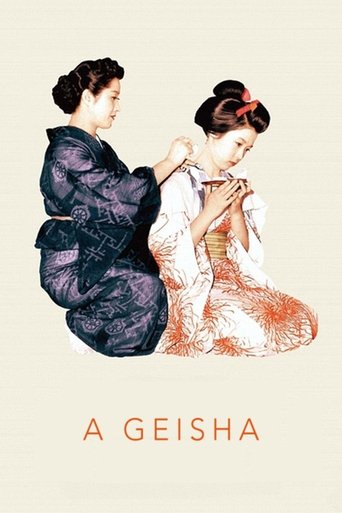 7.6
Fleeing a distressing family situation, Eiko, a very young girl, becomes an apprentice to Miyoharu, a veteran geisha. Both, determined to preserve their professional integrity, must face the selfishness and ambition of several petty people.
A Geisha
1953
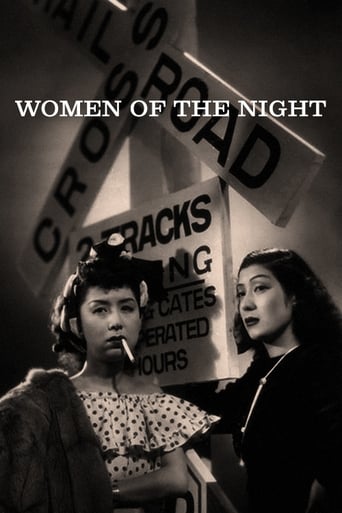 7.1
In early post-war Osaka, three women—war widow Fusako, her Korean expat sister Natsuko, and Kumiko, Fusako's sister-in-law—descend into prostitution, all for their individual reasons.
Women of the Night
1948
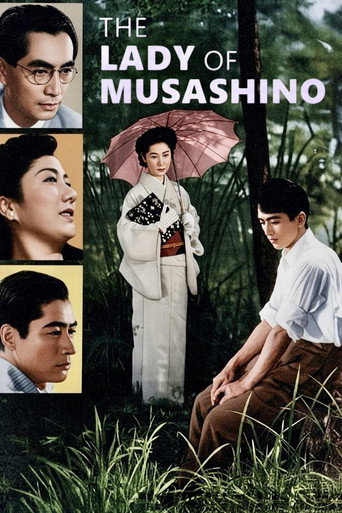 6.3
In post-war Japan, Michiko, a disillusioned young woman trapped in a loveless marriage, confides in her younger cousin, Tsutomo, and the two become close, but decide not to consummate their affair. He instead becomes involved with the flirtatious Tomiko, who is also conducting an affair with Michiko's husband. When Michiko finds that her husband has abandoned her, she decides to take her fate into her own hands.
The Lady of Musashino
1951
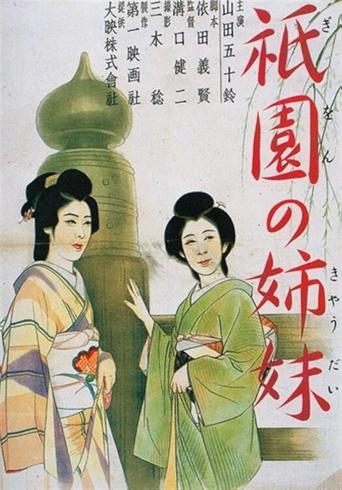 7.1
A geisha in the Gion district of Kyoto feels obliged to help her lover when he asks to stay with her after going bankrupt and leaving his wife. However, her younger sister opposes this, thinking that they should both find wealthy patrons to support them.
Sisters of the Gion
1936
7.1A geisha in the Gion district of Kyoto feels obliged to help her lover when he asks to stay with her after going bankrupt and leaving his wife. However, her younger sister opposes this, thinking that they should both find wealthy patrons to support them.
Sisters of the Gion
1936
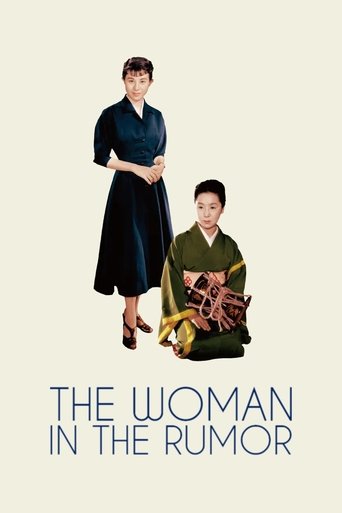 7.3
After living a traumatic experience in Tokyo, Yukiko returns to Kyoto, where Hatsuko, her mother, runs a brothel, which upsets Yukiko very much.
The Woman in the Rumor
1954
 6.4
Shinobu and her brother Genichiro plead with famous swordsman Musashi Miyamoto to teach them to avenge their father's death. The perpetrators of their father's demise see the siblings practicing, and so enlist the help of another revered swordsman, Kojiro Sasaki, giving the latter an excuse to battle Miyamoto.
Miyamoto Musashi
1944
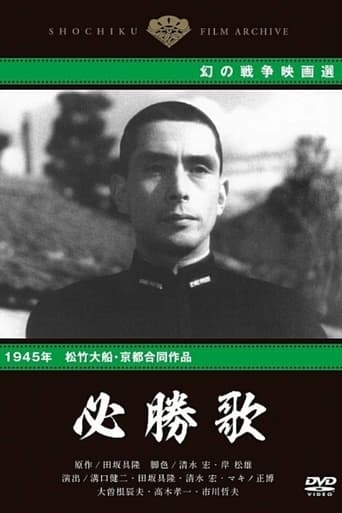 5.7
An anthology of thirteen patriotic stories about Japanese citizens contributing to the war effort.
Victory Song
1945
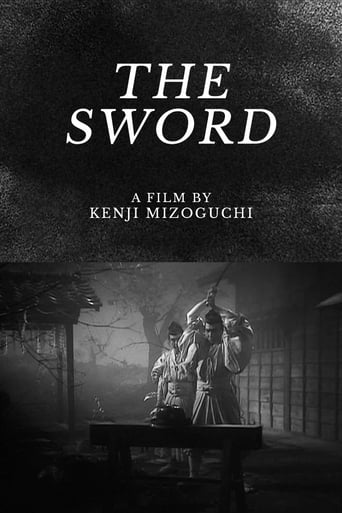 6.1
In 19th-century Japan, a young swordsmith is determined to make the best sword possible after an inferior one he made indirectly led to the death of his guardian.
The Famous Sword Bijomaru
1945
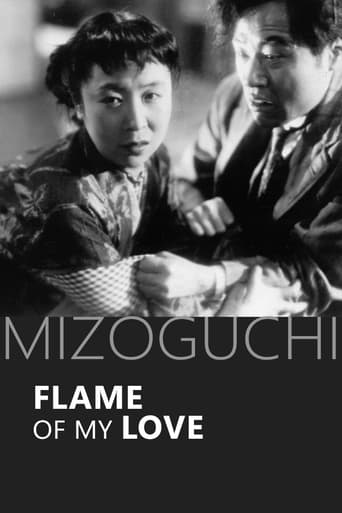 5.6
In 1880s Japan, women's struggle for equality rages on. Eiko Hirayama leaves Okayama for Tokyo, where she helps the fledgling Liberal Party and falls in love with its leader Kentaro Omoi, just as the party is being disbanded by the government.
Flame of My Love
1949
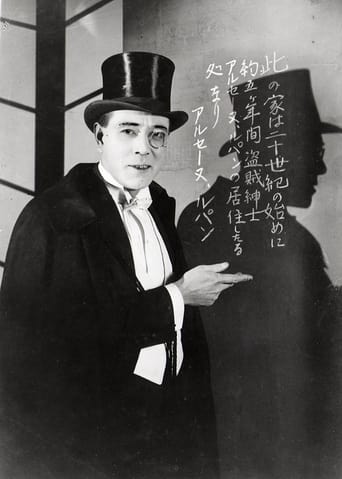 7.0
One of Mizoguchi's first films, considered lost.
The Adventures of Arsène Lupin
1923
7.0One of Mizoguchi's first films, considered lost.
The Adventures of Arsène Lupin
1923
 9.0
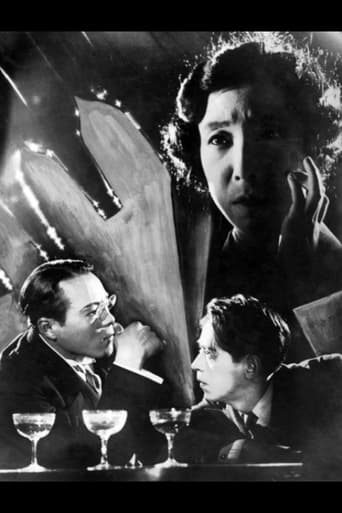
Directed by Kenji Mizoguchi. Released in 2 parts. His only release of 1931. Considered a lost film.
And Yet They Go On
1931
While returning by boat to Japan, Yoshie Fujiwara meets a rich woman who suggests him to become a singer thanks to an impresario friend of hers.
Yoshie Fujiwara's Hometown
1930
 7.2
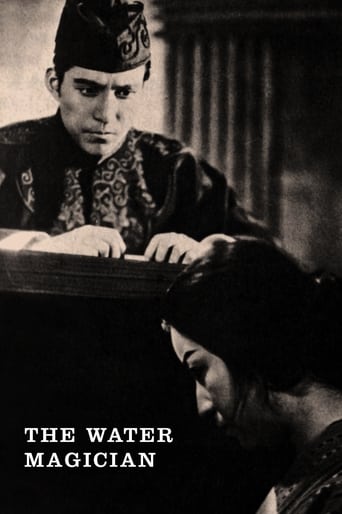
Taki no Shiraito is a very independent young woman with a famous water juggling act in a travelling carnival troupe. She falls in love with an orphaned carriage driver Kinya Murakoshi, and pledges to put him through law school in Tokyo. She always encloses money in her letters to him, until one hard winter there is no work to be found.
The Water Magician
1933
A Japanese silent drama about two farmers
The Homeland
1923
A Japanese silent drama about two farmers
The Homeland
1923
An old potter despairs of having only two daughters and no son, hoping his apprentice will one day bring him an heir. The apprentice meets the eldest daughter but is disgusted by her. He decides to marry the younger daughter, who is in love with another man. Considered a lost film.
The Day Love Came Back
1923
 6.1
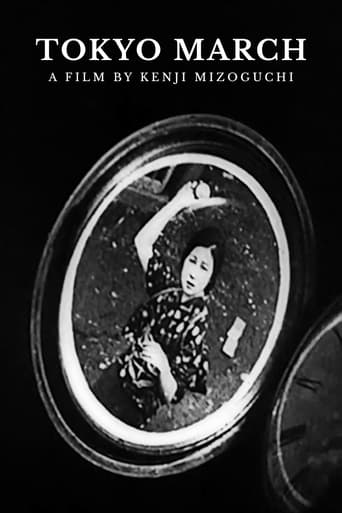
A classic melodramatic love tragedy addressing social inequality in Taishō-era Japan, The nostalgic scenes of 1920s Tokyo provides a valuable visual experience set against the background of the title song, "Tokyo March." (Sadly, less than a half hour of the footage has been recovered and restored.)
Tokyo March
1929
Propaganda film, presumed lost.
The Dawn of Manchuria and Mongolia
1932
Mizoguchi’s 30th film is the earliest surviving example of his work, and his only film of the 1920s to survive complete. Song of Home finds the director already concerning himself with the collision of traditional and modern values. The film is structured around the contrast of two country-bred boys: a coach driver who has never left his home, and a student who returns from Tokyo with city-slicker affectations and Western jazz records. Produced by the Ministry of Education, the film has a simplistic lesson-plan at its heart, but what lingers in the mind after viewing are its more ineffable qualities: The dulcet, lyric, evocation of a disappeared rural past.
Song of Home
1925
 7.1
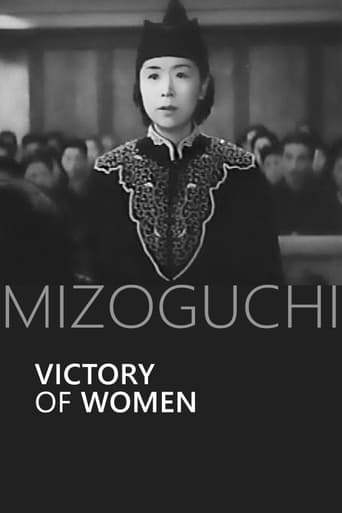
Representing a destitute mother in an infanticide trial, a female lawyer attempts to convince a conservative prosecutor of the benefits of Japan's democratized post-war legal system.
Victory of Women
1946