

Acting
Colleen Moore
Born — Died
1899-08-18 — 1988-01-25
Place of birth
Port Huron, Michigan, USA
Known for
Acting
Credits
62 titles
Colleen Moore (born Kathleen Morrison, August 19, 1899 – January 25, 1988) was an American film actress who began her career during the silent film era. Moore became one of the most fashionable and highly-paid stars of the era and helped popularize the bobbed haircut. A huge star in her day, approximately half of Moore's films are now considered lost, including her first talking picture from 1929. What was perhaps her most celebrated film during her lifetime, Flaming Youth (1923), is now mostly lost as well, with only one reel surviving. Moore took a brief hiatus from acting between 1929 and 1933, just as sound was being added to motion pictures. After the hiatus, her four sound pictures r…
Known for
 6.3
6.3In 1973 the American Film Institute initiated its Life Achievement Award, to be presented to a yearly recipient whose talent has fundamentally advanced the film art; whose accomplishments have been acknowledged by scholars, critics, professional peers and the general public; and whose work has stood the test of time.
The American Film Institute Salute to ...
1973
 8.4
8.4A 1980 documentary series exploring the establishment and development of the Hollywood studios and its impact on 1920s culture.
Hollywood
1980
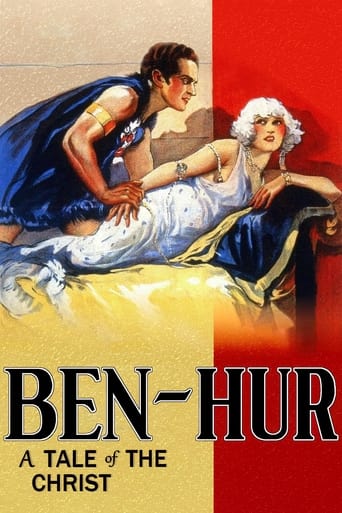 7.3
7.3Judah Ben-Hur, a wealthy Jewish prince in Jerusalem, is betrayed by his childhood friend, Roman tribune Messala, and wrongfully sent to the galley slaves.
Ben-Hur: A Tale of the Christ
1925
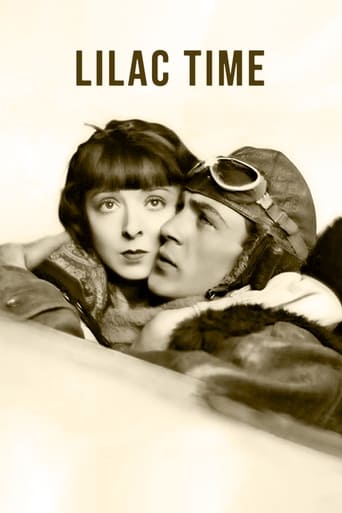 6.9
6.9In France during World War I, a charming farm girl keeps a squadron of English pilots in good spirits as best as she can. She falls for a handsome newcomer who is already engaged.
Lilac Time
1928
 9.0
9.0Among the pieces featured in Fragments are the final reel of John Ford's The Village Blacksmith (1922) and a glimpse at Emil Jannings in The Way of All Flesh (1927), the only Oscar®-winning performance in a lost film. Fragments also features clips from such lost films as Cleopatra (1917), starring Theda Bara; The Miracle Man (1919), with Lon Chaney; He Comes Up Smiling (1918), starring Douglas Fairbanks; an early lost sound film, Gold Diggers of Broadway (1929), filmed in early Technicolor, and the only color footage of silent star Clara Bow, Red Hair (1928). The program is rounded out with interviews of film preservationists involved in identifying and restoring these films. Also featured is a new interview with Diana Serra Cary, best known as "Baby Peggy", one of the major American child stars of the silent era, who discusses one of the featured fragments, Darling of New York (1923).
Fragments: Surviving Pieces of Lost Films
2011
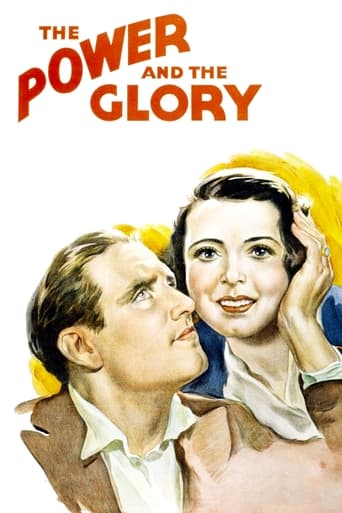 5.9
5.9A man's life is retold just after his funeral. Beginning as a track walker, Tom Garner rose through all sorts of railroad jobs to head the company. In the meantime he lost touch with his family. When he saw what was happening it was already too late.
The Power and the Glory
1933
Film credits
1930s · 3 titles
5.9A man's life is retold just after his funeral. Beginning as a track walker, Tom Garner rose through all sorts of railroad jobs to head the company. In the meantime he lost touch with his family. When he saw what was happening it was already too late.
The Power and the Glory
1933
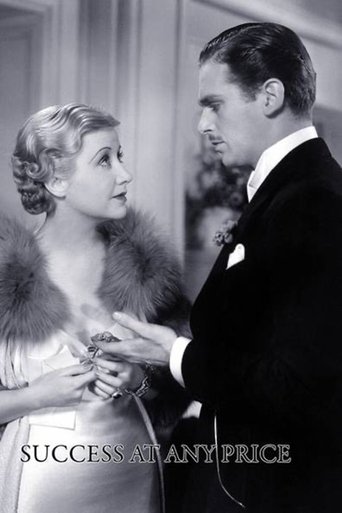 4.1
4.1A young man ruthlessly climbs the corporate ladder only to attempt suicide when the stock market crashes.
Success at Any Price
1934
 5.1
5.1In the seventeenth century, in Massachusetts, a young woman is forced to wear a scarlet "A" on her dress for bearing a child out of wedlock.
The Scarlet Letter
1934
1920s · 43 titles
7.3Judah Ben-Hur, a wealthy Jewish prince in Jerusalem, is betrayed by his childhood friend, Roman tribune Messala, and wrongfully sent to the galley slaves.
Ben-Hur: A Tale of the Christ
1925
6.9In France during World War I, a charming farm girl keeps a squadron of English pilots in good spirits as best as she can. She falls for a handsome newcomer who is already engaged.
Lilac Time
1928
 6.6
6.6The story of a young actress trying to attain stardom on Broadway.
Broken Hearts of Broadway
1923
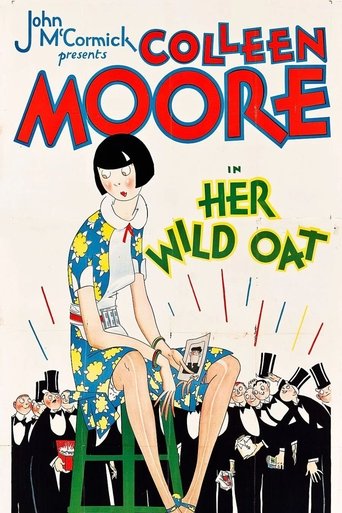 10.0
10.0In this feature comedy, silent film star Colleen Moore plays a woman who owns a small lunch wagon and falls for a duke’s son, played by Larry Kent, who is pretending to be his own chauffeur. With her savings, she pursues him to a resort hotel, only to be mistaken for a duchess. Preserved by the Academy Film Archive in partnership with Národní filmový archív in 2007.
Her Wild Oat
1927
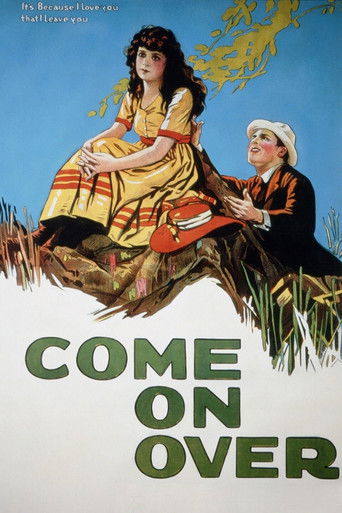 9.0
9.0Shane O'Mealia leaves Ireland, promising to send for his sweetheart, Moyna. In the mean time the son of the old lady she lives with, takes them back to America without telling Shane, who then must explain a girl he's been seeing in New York.
Come on Over
1922
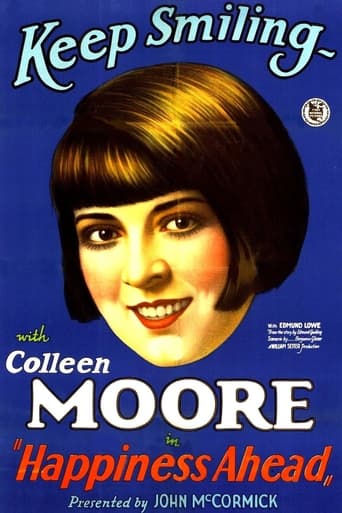 8.0
8.0Happiness Ahead is a persumed lost 1928 silent film drama directed by William A. Seiter and starring Colleen Moore and then husband and wife Edmund Lowe and Lilyan Tashman.
Happiness Ahead
1928
 5.9
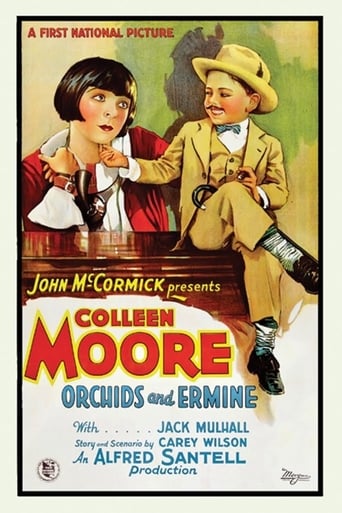
5.9Set in New York City, flapper Pink Watson works a telephone operator at a cement factory who dreams of marrying rich. Her constant daydreaming of wealth annoys her fellow workers, and ruins the heart of one of her worshiping colleagues.
Orchids and Ermine
1927
 10.0
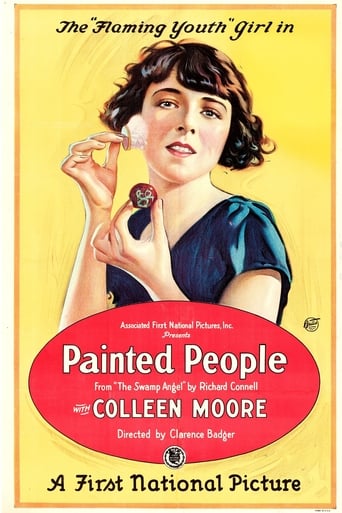
10.0Ellie Byrne and Don Lane, chums, living in the poor section of a factory town, go away to make their fortunes. Ellie wishes to become a lady so that she can marry Preston Dutton, a society chap, and Don becoming infatuated with Stephanie Parrish, daughter of a wealthy man. Ellie becomes a leading actress and Don the author of her first play. Ellie refuses Dutton’s suit when she learns he is after her money, and Stephanie returns Don’s engagement ring. Ellie and Don go back to the factory town disillusioned. They realize that they love each other and in reality had not bettered themselves for someone else but for each other. A lost film.
Painted People
1924
 7.0
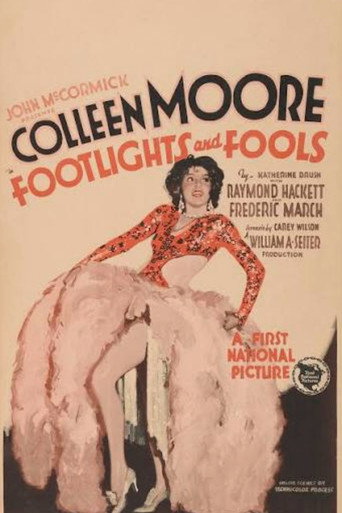
7.0Moore plays the "dual" role of a French singer in America who was originally an American chorus girl in France to acquire a new persona.
Footlights and Fools
1929
 9.0
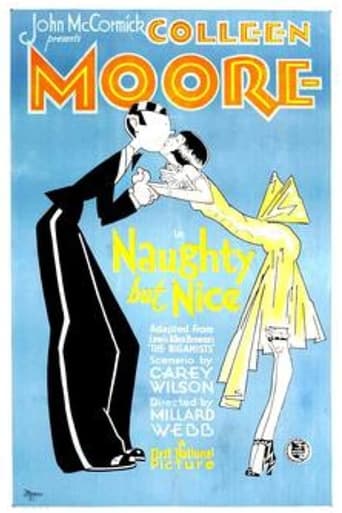
9.0Naughty But Nice was based on The Bigamists, a story by Lewis Alen Brown. Gawky country girl Berenice Summers (Colleen Moore) is catapulted head-first into High Society when her Uncle Seth (Burr McIntosh) strikes oil. Shipped off to a fancy boarding school, Berenice suffers at the hands of her snooty classmates, but the last straw comes when she's publicly humiliated by local wise-guy Paul Carroll (Donald Reed).
Naughty But Nice
1927
 9.0
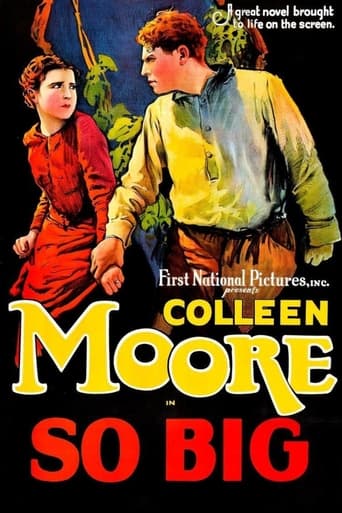
9.0After graduating from a fashionable finishing school and touring Europe with her father, Selina Peake returns to the United States, where her father is accidentally killed after losing his fortune in a gambling den. Selina is reduced to teaching in a high school in the Dutch community at High Prarie near Chicago. She boards in the farmhouse of Klass Poole, a dull-witted market gardener, and finally marries Pervus DeJong, a poor and backward farmer. She shares the drudgery of her husband's futile life and finds happiness only in their small son, Dirk, whom she calls "So-Big."
So Big
1924
 7.0
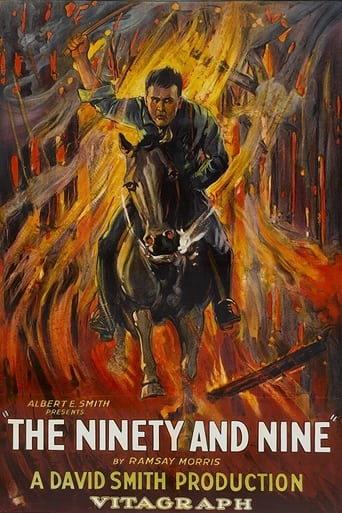
7.0Melodramatic thriller, presented in 9.5mm format
The Ninety and Nine
1922
 10.0
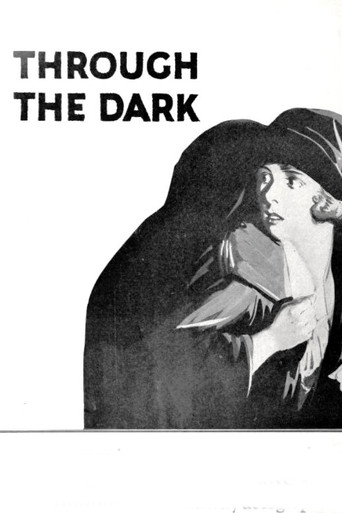
10.0During a rebellion of prisoners at the San Quentin State Prison, Boston Blackie makes a lightning escape aided by Mary McGinn while chased prison guards. Mary is a school girl, unaware that her brothers are crooks. She is expelled from school. Blackie rejoins his gang and takes refuge in Mother McGinn's house, where he again meets Mary. She devotes herself to making Blackie go straight and wins her point.
Through the Dark
1924
 7.0
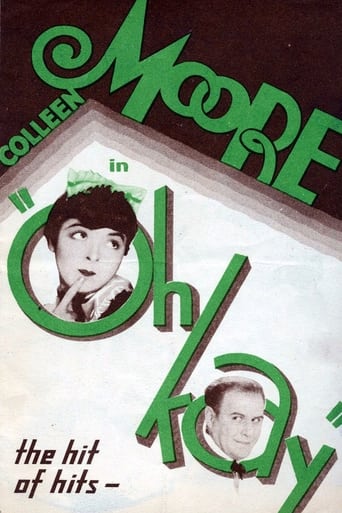
7.0On the eve of her wedding Lady Kay Rutfield runs off aboard her sloop. A storm carries her out to sea and she is rescued by a passing rumrunner bound for the Long Island Sound. Once they arrive in the States, Kay makes her escape and hides in the deserted mansion of Jimmy Winter. Jimmy is due to marry the following day. He comes home to the mansion unexpectedly, and finds Kay, who persuades him to let her pose for a night as his wife.
Oh Kay!
1928
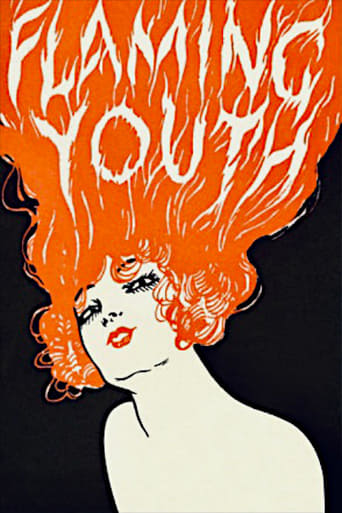 3.8
3.8When Mona Frentiss dies, she has her confidante "Doctor Bobs" watch over her family, especially her youngest daughter Patricia. The family has been raised in a most unconventional manner, with Mona having a much younger lover and the father Ralph keeping his own lover on the side. As Patricia grows older, she attracts the attention of her mother's former lover, the much older (than Patricia, who in the book is in her early to mid teens) Carey Scott. Patricia tempts fate with her wild ways, nearly loses her virtue to a musician aboard an ocean-going boat, and is saved in time by Carey. Realizing that he is the man for her, she settles down into an experimental marriage.
Flaming Youth
1923
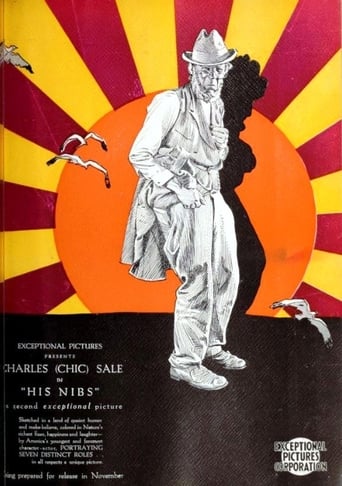 7.0
7.0Shenanigans at a small town movie theater.
His Nibs
1921
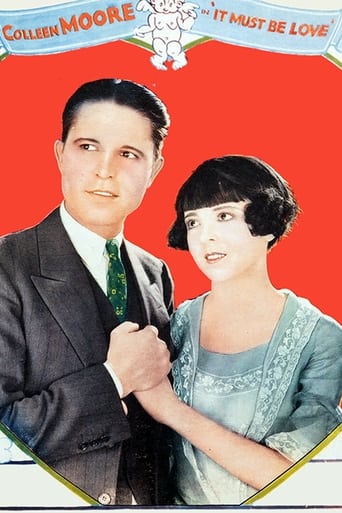 10.0
10.0Fernie Schmidt (Colleen Moore) lives with her parents in the rear of their delicatessen. The smells of the business - cheeses, sausages, garlic and pickled herrings - repulses Fernie, who dreams of leaving this environment and moving into a life that's more rarified. Her father, Pop Schmidt (Jean Hersholt) has plans for his daughter to marry Peter Halitovsky (Arthur Stone), a sausage salesman, but Fernie is repulsed by the idea. At a dance, Fernie meets Jack Dugan (Malcolm McGregor), who tells her that he is in stocks, a paper-counter, and she falls for him. Because of her rejection of her father's chosen candidate for matrimony, Pop puts Fernie out of the house.
It Must Be Love
1926
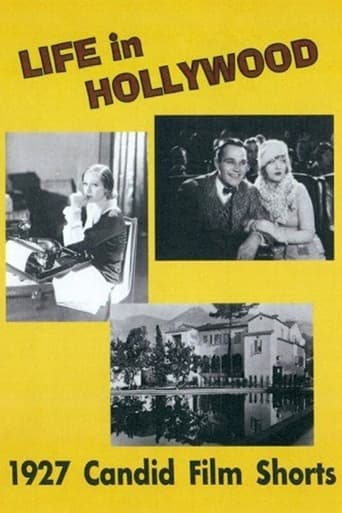 9.0
9.0Part of a 7-part series exploring all aspects of Hollywood.
Life in Hollywood No. 2
1927
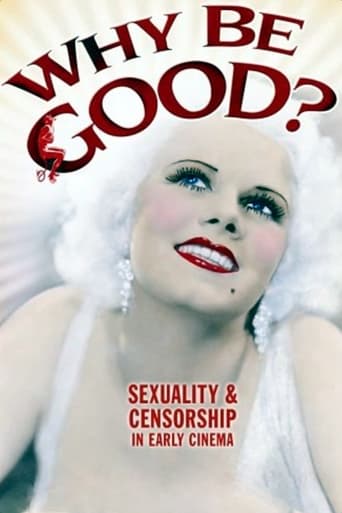
 6.8
6.8A flapper unwittingly falls for the boss' son.
Why Be Good?
1929
 9.0
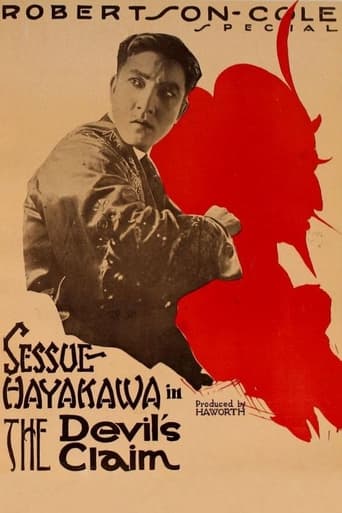
9.0A Persian novelist living in New York throws aside the woman who loves him, and she gets an American woman to help get him back. Meanwhile, the novelist's current novel is in progress, and it's dramatized for us as he writes.
The Devil's Claim
1920
 10.0
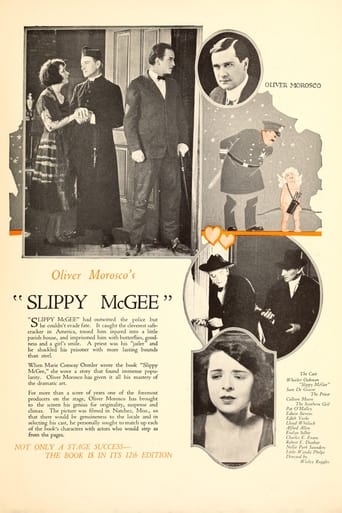
10.0The title is also the moniker of a renowned safe-cracker, Slippy McGee, who has always managed to evade capture until his latest job, when he is wounded. He escapes aboard a freight train, bound for parts unknown, and finds himself in the town of Appleborro. There, he is discovered and cared for by Father De Rance and Mary Virginia. His leg is amputated, and during his recovery in Appleborro, the town's influence causes him to reform.
Slippy McGee
1923
 9.0
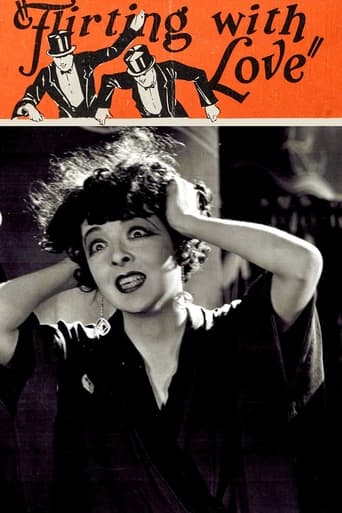
9.0When Wade Cameron, chairman of the Better Plays Society, stops the production of actress Gilda Lamont's first stage success, she attempts to revenge herself by affecting another personality and earning his confidence. He assigns her a role in an improvised production of a new play as an unknown actress, derails her attempt to expose him, and ends by winning her heart.
Flirting with Love
1924
 8.0
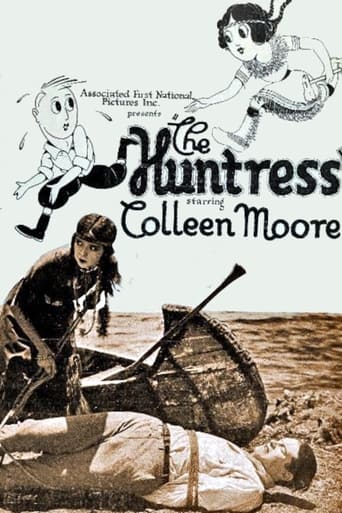
8.0Bela, reared by Indians, learns that she is a white orphan and runs away from the Indian village to avoid marrying a brave from the tribe. She determines to marry land prospector Sam Gladding, who resists her advances but later falls in love with Bela when an Indian sage gives him some advice.
The Huntress
1923
 NR
NRThe WAMPAS Baby Stars was a promotional campaign sponsored by the United States Western Association of Motion Picture Advertisers, which honored 13 (15 in 1932) young actresses each year whom they believed to be on the threshold of movie stardom. 1922 was the first.
The Wampas Baby Stars of 1922
1922
 7.0
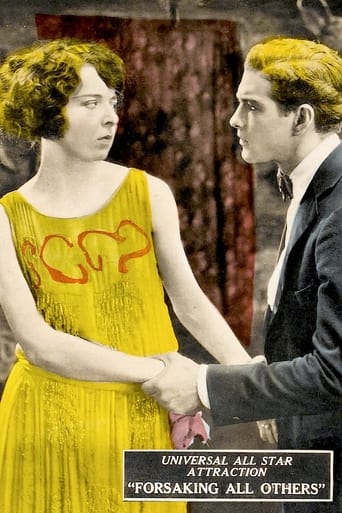
7.0Jealous of her son Oliver's interest in Penelope Mason, Mrs. Newell takes him to a resort where he is easy prey for designing Enid Morton. After some near-disastrous situations with Enid's suspicious husband, Penelope comes to Oliver's rescue at Mrs. Newell's request.
Forsaking All Others
1922
 7.1
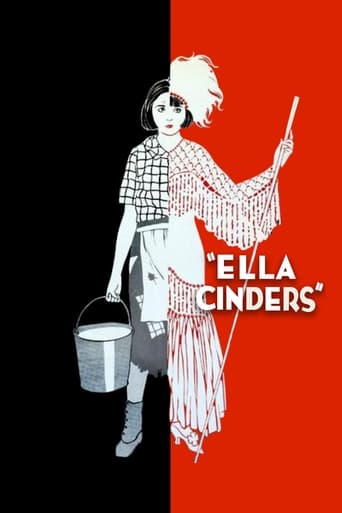
7.1Poor Ella Cinders is much abused by her evil step-mother and step-sisters. When she wins a local beauty contest she jumps at the chance to get out of her dead-end life and go to Hollywood, where she is promised a job in the movies. When she arrives in Hollywood, she discovers that the contest was a scam and the job non-existent. But through pluck, luck, and talent, she makes it in the movies anyway, and finds true love.
Ella Cinders
1926
 8.0
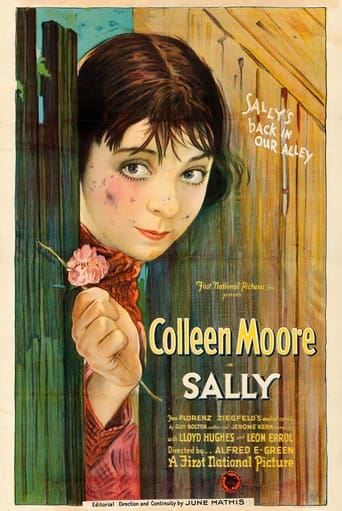
8.0Sally works at a cafe resort in Paris. After dancing at the cafe, Otis, an American theatrical agent, convinces her to pose as a Russian dancer. After being unmasked, she is offered a contract on Broadway. A lost film.
Sally
1925
 9.0
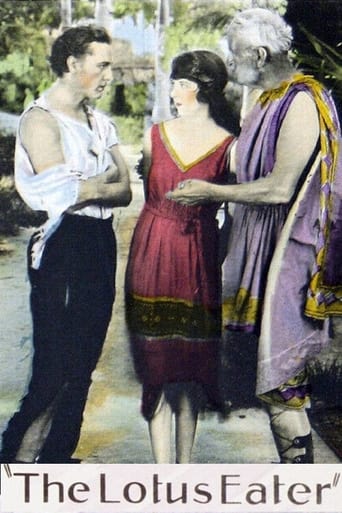
9.0Naive Jacques Lenoi marries money-hungry Madge Vance. When Madge realizes he isn't as moneyed as she assumed she turns a cold shoulder to him and he takes off on a balloon trip to China.
The Lotus Eater
1921
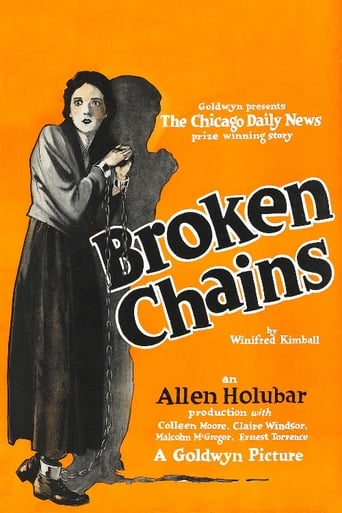 9.0
9.0No synopsis available yet.
Broken Chains
1922
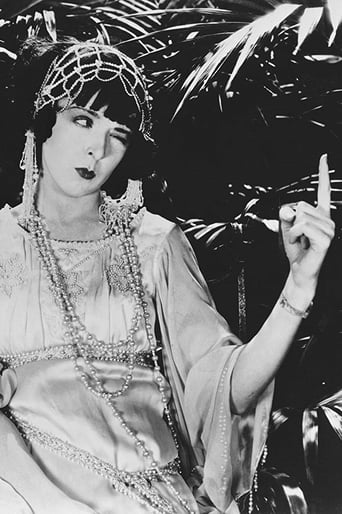 7.0
7.0A 1924 film directed by John Francis Dillon.
The Perfect Flapper
1924
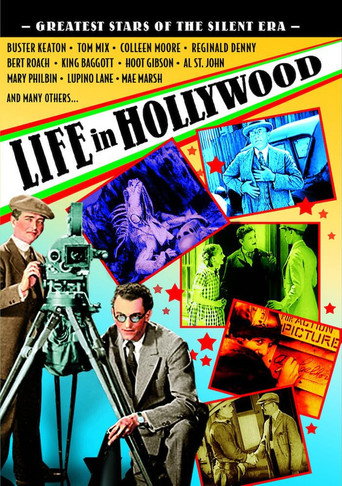 NR
NRA 1927 silent-era series of Hollywood studio tours, these short subjects go behind the scenes at major studios and showcase famous stars, directors, and landmarks of the movie capital.
Life in Hollywood
1927
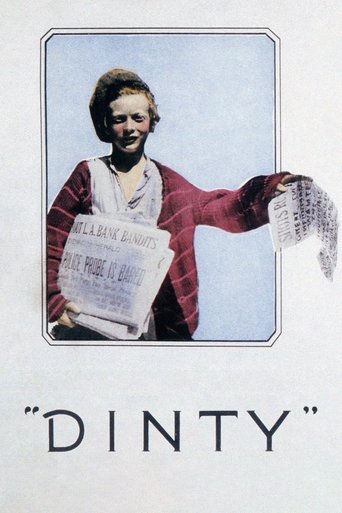 5.5
5.5Dinty is a newsboy whose fight to care for his ailing mother leads him into conflicts with the other boys on the street and then with drug smugglers in Chinatown.
Dinty
1920
 10.0
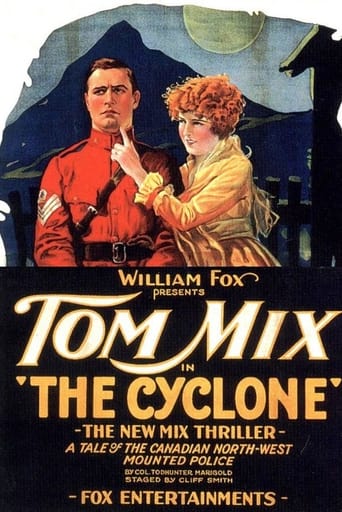
10.0Sergeant Tim Ryerson of the North West Mounted Police is commissioned to round up a gang that smuggles Chinese laborers across the border. While visiting his fiancée, Sylvia Sturgis, at her father's ranch, Tim becomes suspicious of ranch foreman Ferdinand Baird, who is the leader of the smugglers. One night, Tim catches Baird smuggling Chinese across the border to the U.S., but Baird escapes and flees to the Sturgis house where he abducts Sylvia. Tim pursues Baird to Vancouver's Chinatown, raids the smuggler's headquarters, and rescues Sylvia. A lost film.
The Cyclone
1920
 NR
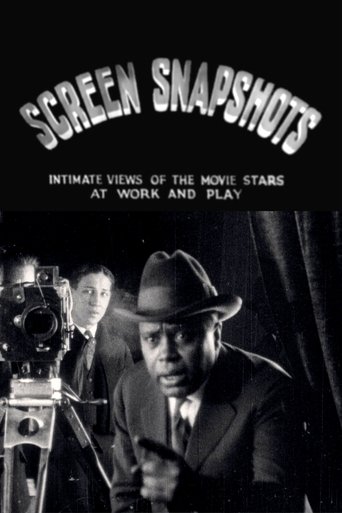
NRAn episode of the Screen Snapshots newsreels, showing seven segments of filmmakers behind the scenes. Featuring Oscar Micheaux,Colleen Moore, Ormer Locklear, and more.
Screen Snapshots (Series 1, No. 7)
1920
 8.0
8.0A mining camp girl attempts to reform a young derelict addicted to drink. Colleen Moore broke her neck in a fall from a moving handcar during the making of this rousing sagebrush melodrama. The pert Moore, an idol of her generation, quickly regained her mobility but was reportedly forced to sleep in a leather neck support for nearly ten years.
The Desert Flower
1925
 10.0
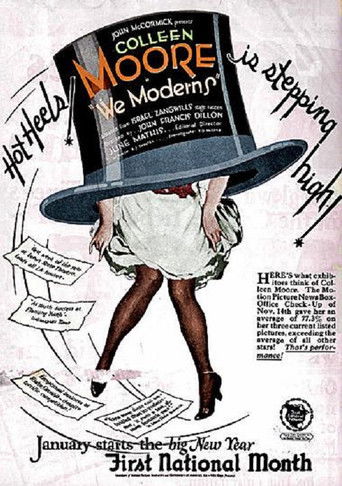
10.0Mary Sundale is a young woman who spurns her childhood sweetheart to attach herself to a large group of riotous, semi-artistic young people and becomes infatuated with a superficial poet and critic. One night this poet becomes too bold in his advances and is thrashed by the man who has been rejected. On a later night, the group holds a party in a dirigible. The ship crashes and fear grips the revelers. Mary, now disgusted with the group and all it represents, mends her manner of living and plans a future with the man who has always sincerely loved her. A lost film.
We Moderns
1925
 5.4
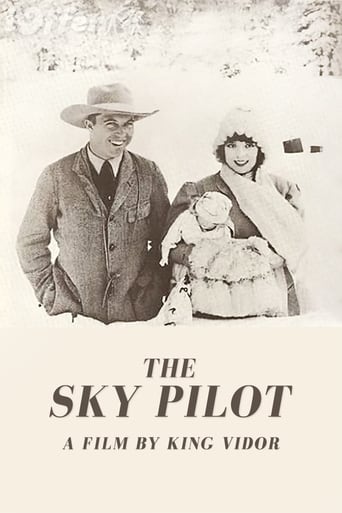
5.4Arthur Moore, a missionary preacher, attempts to fit into the cowboy community so he can set up a church in the local saloon. Gwen, daughter of the "Old Timer," is injured in a stampede and loses her ability to walk. Though rejected by the townsfolk, the preacher's wisdom and love are needed if the young girl is to be healed. Shot in 'Vidor Village', Vidor's ill-fated studio property in California's High Sierra.
The Sky Pilot
1921
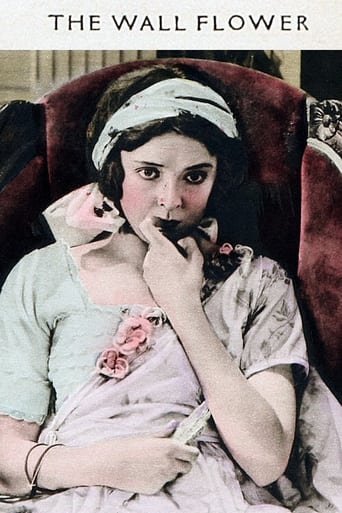 NR
NRIdalene Nobbin attends a village dance but, due to the constant nagging of her mother, she believes herself to be a constitutional wallflower. By great luck she gets a dance with college football star Roy Duncan, although Roy has eyes for the village belle Prue Nickerson.
The Wall Flower
1922
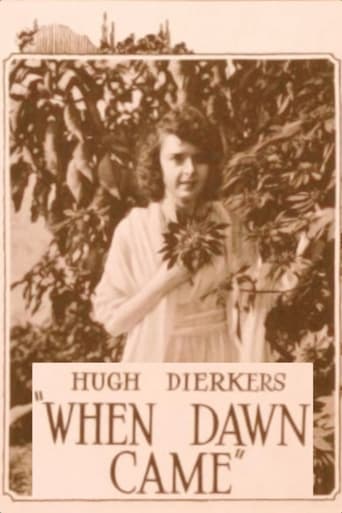 10.0
10.0A doctor serving the slums questions his faith after transitioning to a position with more prestige and wealth.
When Dawn Came
1920
 9.0
9.0Perla Quaranta, a half-starved "daughter of Little Italy," is given the place in Carlo Bruni's "Butterfly Act" that is vacated by a chorus girl who has become overweight. Although Perla becomes friendly with Krug, the wire-man, she rejects him as a suitor, and in revenge Krug causes Perla's wire to break.
Look Your Best
1923
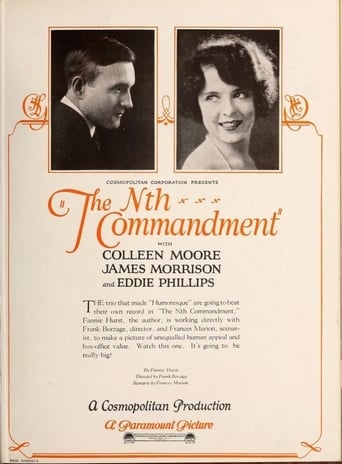 5.8
5.8A department store clerk decides to marry a withdrawing colleague with tuberculosis, over another dashing, ambitious suitor, leads to a life of hardship and struggle. Though The Nth Commandment survives incomplete, enough exists of director Frank Borzage’s last film while under contract with William Randolph Hearst’s Cosmopolitan Pictures for scholar Hervé Dumont to declare “it the first truly Borzagian work.”
The Nth Commandment
1923
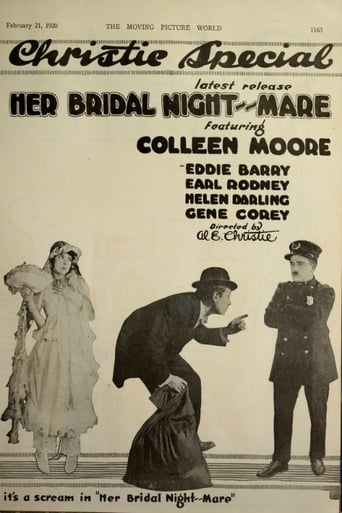 5.7
5.7Mary, a bride-to-be, has a troublesome wedding day.
Her Bridal Night-Mare
1920
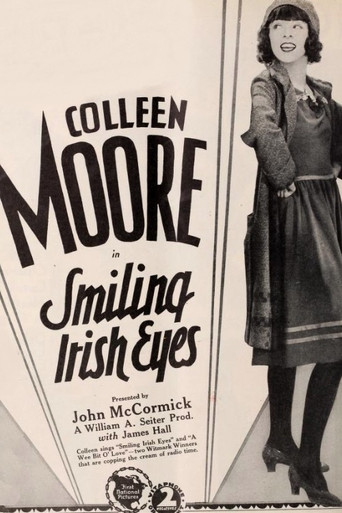 9.0
9.0A pretty, young violinist who travels from Ireland to America to seek fame and fortune on Broadway finds a bit more than she expected. A lost film.
Smiling Irish Eyes
1929
1910s · 12 titles
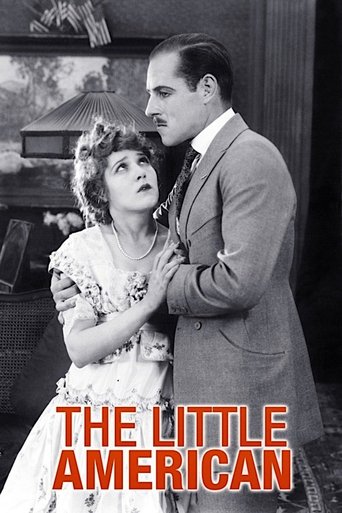 6.3
6.3A young American has her ship torpedoed by a German U-boat but makes it back to her ancestral home in France, where she witnesses German brutality firsthand.
The Little American
1917
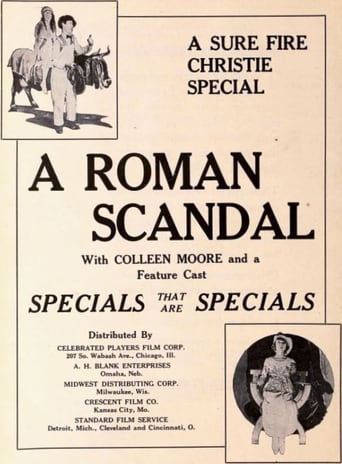 6.5
6.5Mary and her steady, Jack, have differing opinions on "the stage"-- Mary wishes to devote her life to the craft, while Jack strives to settle down and leave all that play-acting behind. When a traveling troupe that performs a Fall-of-Roman epic is ordered to strike, both Mary and Jack are called upon to participate in their stead.
A Roman Scandal
1919
 NR
NRPretty Patience Thompson, a "girl with a singing soul," lives with her cold-hearted and avaricious father, Jeff Thompson, on their Indiana farm. Her life of drudgery is brightened by John, the hired hand, but when he asks for her hand in marriage, the old man flies into a rage and discharges him. Soon an aged but wealthy widower courts Patience, and although she still loves John, "Old Jeff" orders her to marry the widower, claiming that a father's will is the law.
A Hoosier Romance
1918
 10.0
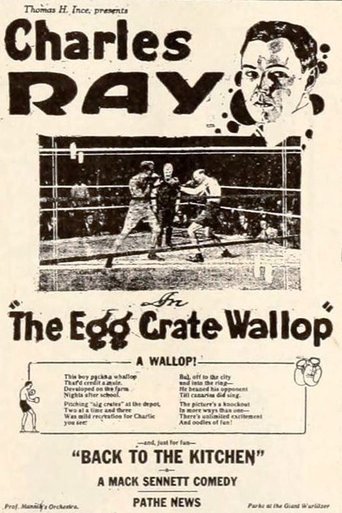
10.0Assistant to freight express agent Dave Haskell in the town of Pitt's Junction, Jim Kelly develops strong biceps lifting egg crates onto the daily train. Jim soon falls in love with Dave's lovely daughter Kitty, who, he worries, is interested in city slicker Perry Woods. When Woods steals $2,000 from the station safe, Jim, thinking that Dave took the money, confesses the crime and leaves for Chicago.
The Egg Crate Wallop
1919
 5.1
5.1A young baseball pitcher in the bush leagues is discovered by a big-league manager and given his chance in the major leagues.
The Busher
1919
 7.0
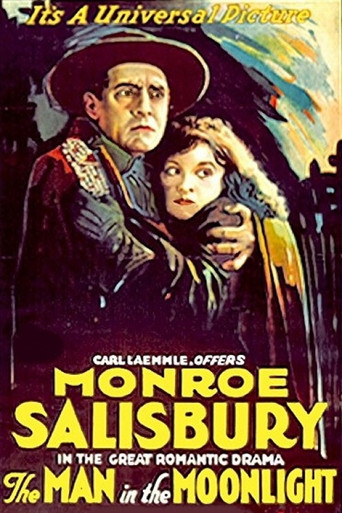
7.0Two mysterious strangers arrive uninvited at the wedding of Sergeant O'Farrell of the Royal Mounted Police and Rosine Delorme, the daughter of an innkeeper. After O'Farrell receives a message that Rosine's wayward brother Louis has escaped from prison with the notorious devil-may-care outlaw Rossingnol, O'Farrell postpones the wedding to find the convicts.
The Man in the Moonlight
1919
 NR
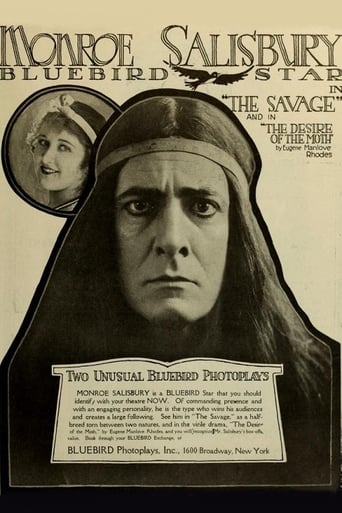
NRWhen Marie Louise, the daughter of the town factor, returns home from school, Julio Sandoval, a reckless young half-breed ruled by his animal instincts, develops a passion for the girl, even though she is engaged to Captain McKeever of the mounted police. Meeting Marie when she is alone in the woods one day, the half-breed carries her to his cabin on the mountain top where he collapses from an attack of mountain fever brought on by overexertion.
The Savage
1917
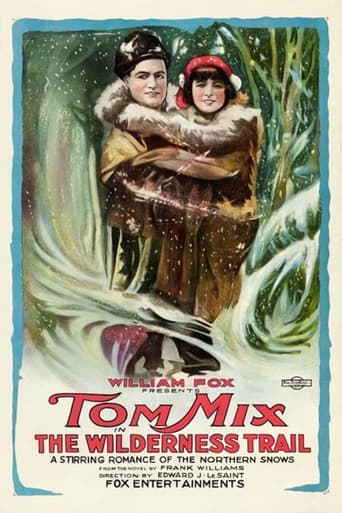 10.0
10.0Set in the Northwoods of Canada, Tom Mix stars as Donald MacTavish, the newly appointed head commissioner of the Hudson's Bay Company. This promotion infuriates MacTavish's rival Angus Fitzpatrick (Frank Clark) who wanted the job. Angus Fitzpatrick takes his anger and resentment out on MacTavish then sets out to get MacTavish fired.
The Wilderness Trail
1919
Frank Trent, raised by his father with an old-fashioned reverence for women, goes to the city where he obtains a job as an aide to corrupt politician Senator Briggs. Learning that Briggs, who is supporting the incumbent mayor, plans to smear his opponent, Mrs. Burke, by stirring up charges that her adopted daughter Margaret is actually her illegitimate child, Frank quits his job and determines to prove Mrs. Burke's innocence. A lost film
An Old Fashioned Young Man
1917
 NR
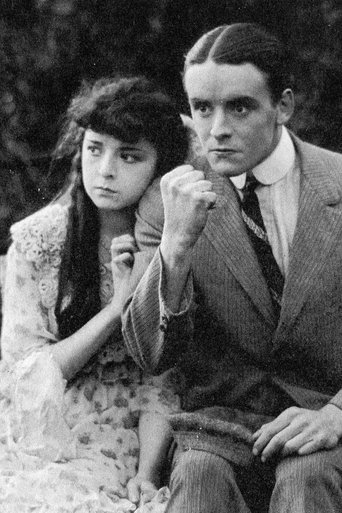
NRSmall town youth Jimmie Bates is a well-intentioned, but troubled youth. Jimmie is a rowdy boy who is always getting into trouble and playing pranks on his friends and neighbors. Although deeply in love with young Mary, he eventually spurns Mary's affection for the more outgoing and worldly young Ruth.
The Bad Boy
1917
 NR
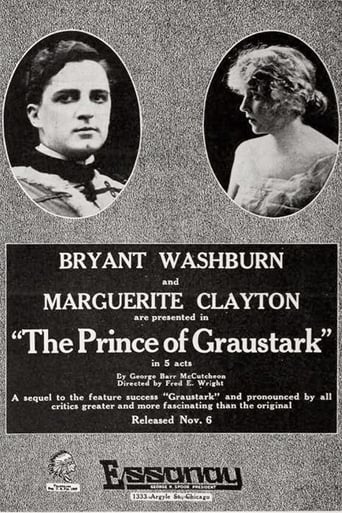
NRGraustark needs thirty million dollars to satisfy a Russian loan. The Prince of Dawsbergen, ruler of the adjoining principality, will advance the money if the young Prince of Graustark marries his daughter. Prince Robin, however, inherits an independent spirit, his father having been an American. He refuses absolutely to marry a Princess whom he has never seen. His councilors plead in vain. With the ruin of his country imminent, the boy ruler hastily sails for America to negotiate the loan, hoping at the same time to meet the girl of his dreams. The money is readily advanced by William W. Blithers, a self-made millionaire anxious to have his daughter marry into royalty. The daughter, however, avoids the Prince and he does not see her. He rescues a girl from drowning and falls in love with her. He believes her to be Blithers' daughter, but she does not reveal her identity.
The Prince of Graustark
1916
 5.3
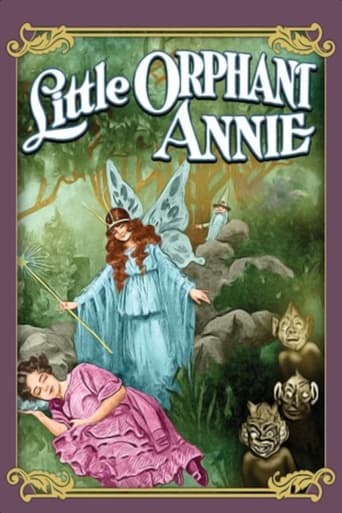
5.3Annie, left orphaned after the death of her mother, goes to an orphanage where she tells her fellow orphans stories of ghosts and goblins. The matron of the orphanage finds Annie's closest relative, the abusive Uncle Thomp. Big Dave, a neighbor comes to her aid, becoming her protector. Eventually Annie goes to live with Squire Goode and his large family. There, she entertains the children of the household with her stories, but sees her abusive aunt and uncle as her chief tormentors. She tells stories of how the goblins will take away the children if they are not good. War breaks out and Dave, who Annie adores, enlists. In a feverish vision triggered by her distress—revealed later as a nightmare—she imagines receiving news of Dave's battlefield death, delivered mockingly by her uncle, leading to her heartbroken collapse and apparent deathbed vigil.
Little Orphant Annie
1918
Series credits
6.3In 1973 the American Film Institute initiated its Life Achievement Award, to be presented to a yearly recipient whose talent has fundamentally advanced the film art; whose accomplishments have been acknowledged by scholars, critics, professional peers and the general public; and whose work has stood the test of time.
The American Film Institute Salute to ...
1973
8.4A 1980 documentary series exploring the establishment and development of the Hollywood studios and its impact on 1920s culture.
Hollywood
1980