
Acting
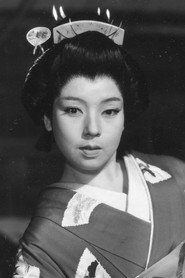
Machiko Kyō
Born — Died
1924-03-25 — 2019-05-12
Place of birth
Osaka, Osaka Prefecture, Japan
Known for
Acting
Credits
63 titles
Machiko Kyō (Japanese: 京 マチ子 Hepburn: Kyō Machiko, March 25, 1924 – May 12, 2019) was a Japanese actress whose film work occurred primarily during the 1950s. She rose to extraordinary domestic praise in Japan for her work in two of the greatest Japanese films of the 20th century, Akira Kurosawa's Rashōmon and Kenji Mizoguchi's Ugetsu. Machiko trained to be a dancer before entering films in 1949. The following year, she would achieve international fame as the female lead in Akira Kurosawa's classic film Rashōmon. Kyō starred in many more Japanese productions, including Kenji Mizoguchi's Ugetsu (1953) and Street of Shame (1956), Teinosuke Kinugasa's Gate of Hell (1953), Kon Ichikawa's Odd Obs…
Known for
 8.0
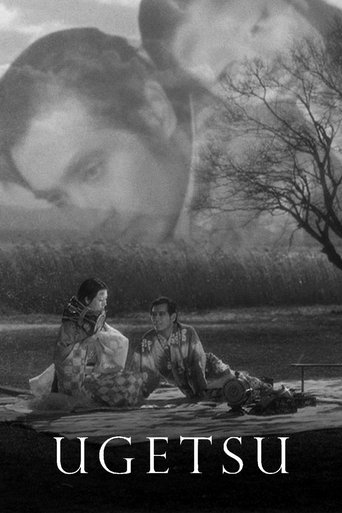
8.0In 16th century Japan, peasants Genjuro and Tobei sell their earthenware pots to a group of soldiers in a nearby village, in defiance of a local sage's warning against seeking to profit from warfare. Genjuro's pursuit of both riches and the mysterious Lady Wakasa, as well as Tobei's desire to become a samurai, run the risk of destroying both themselves and their wives, Miyagi and Ohama.
Ugetsu
1953
 7.0
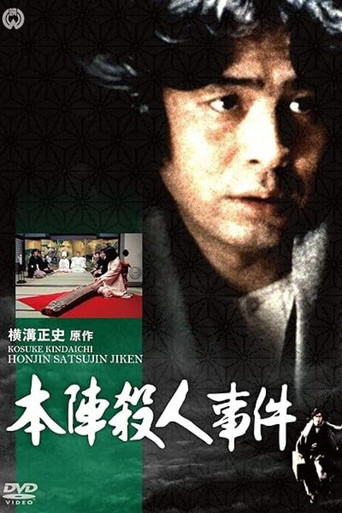
7.0TV series starring Ikko Furuya, based on the Kosuke Kindaichi mystery novel series by Seishi Yokomizo.
Yokomizo Seishi Series
1977
 8.0
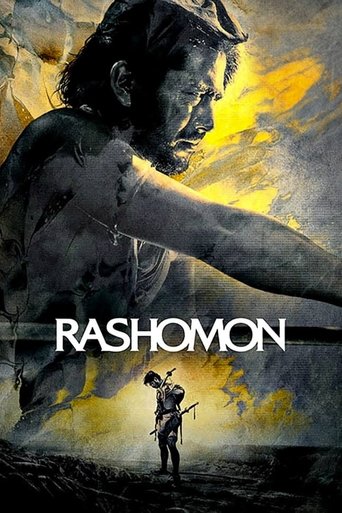
8.0Four people recount different versions of the story of a man's murder and the rape of his wife.
Rashomon
1950
 7.0
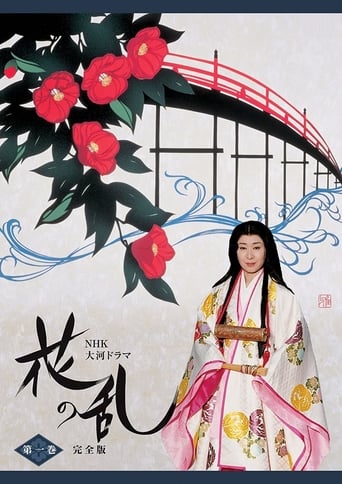
7.0The story takes place during the Muromachi period of Ancient Japan, in the midst of the Ōnin War. The main character in the series is Tomiko Hino, a historical figure with a bad reputation because of her actions to rebuild Kyoto after the Ōnin War.
Hana no Ran
1994
 7.8
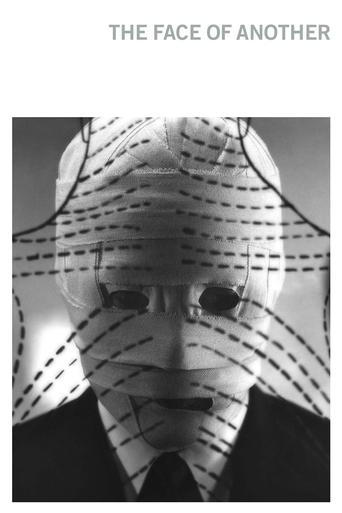
7.8A businessman with a disfigured face obtains a lifelike mask from his new doctor, but the mask starts altering his personality and causing him to question his identity.
The Face of Another
1966
 7.7
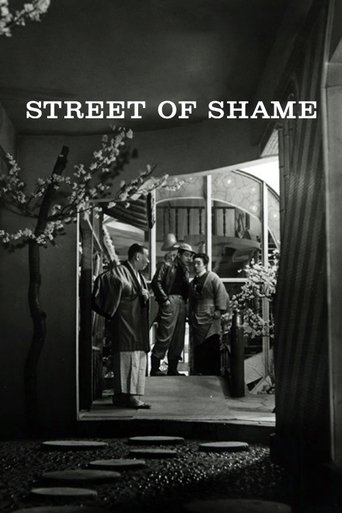
7.7Follows five sex workers employed at a Japanese brothel while the nation debates the passage of an anti-prostitution law.
Street of Shame
1956
Film credits
2000s · 1 titles
1970s · 5 titles
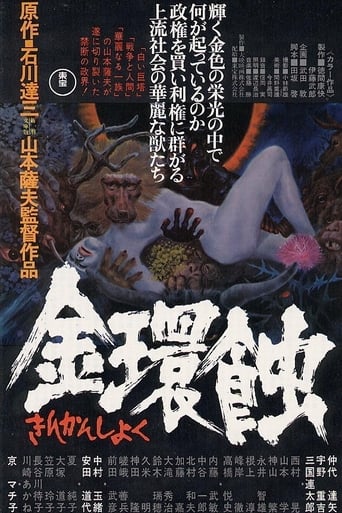 6.9
6.9When bribe money from a rigged election funnels into a dam construction project, collusion, lust, greed and even murder are on the ballot.
Solar Eclipse
1975
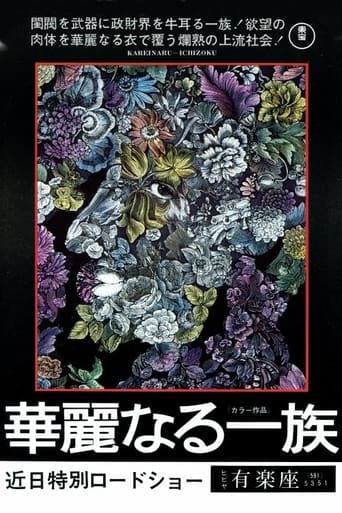 9.2
9.2Set in the post-World War II climate of the 1960s in Kobe, the movie explores the struggle for power within the powerful Manpyo family.
The Family
1974
 9.2
9.2When Tora-san's infatuation with his nephew's school teacher causes family turmoil, he leaves on his travels again. When he returns, he falls in love with the teacher's mother.
Tora-san's Pure Love
1976
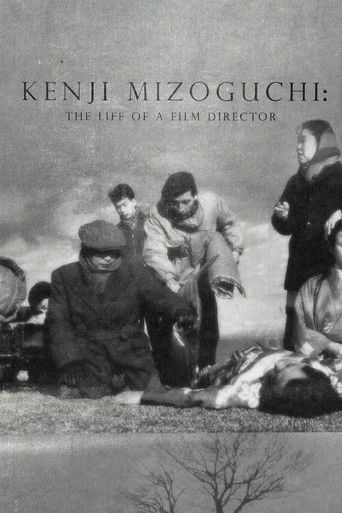 7.2
7.2In 39 interviews with actors and actresses, writers, producers and staff members, interspersed with film excerpts and stills, Shindō recounts the life and career of his friend and mentor Mizoguchi.
Kenji Mizoguchi: The Life of a Film Director
1975
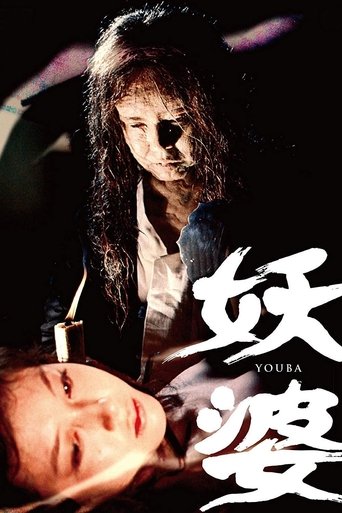 7.0
7.0Oshima, a rich girl married Shinzo, and her cousin girl Sawa has been jealous of Oshima deeply. Sawa cursed Oshima so Shinzo could not hold her and do anything at all. Shinzo hated Oshima, and he made love with Sawa.
The Possessed
1976
1960s · 15 titles
7.8A businessman with a disfigured face obtains a lifelike mask from his new doctor, but the mask starts altering his personality and causing him to question his identity.
The Face of Another
1966
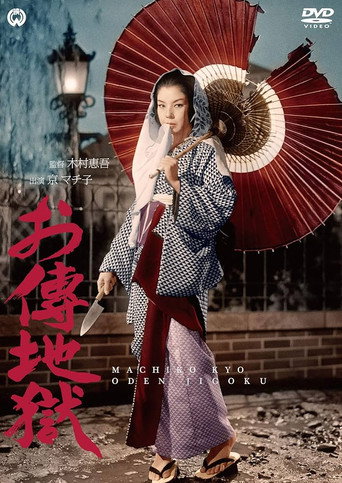 NR
NRNo synopsis available yet.
The Legendary Hell
1960
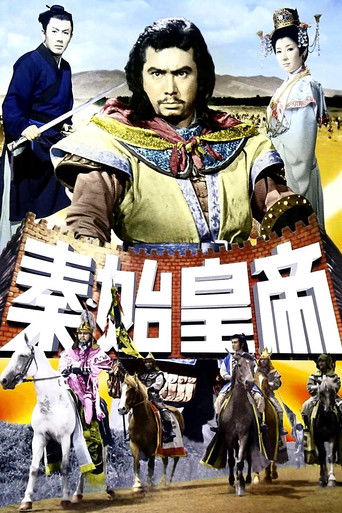 7.0
7.0In 221 BC, Qin Shihuangdi conquered the rest of China. Qin's great accomplishments and also his serious faults are showed in this film. Qin adopted autocratic dictatorship and led a luxurious life: abolition of feudalism and the centralization of power in the form of a now-hereditary bureaucracy loyal to himself; burning books and burying scholars; the construction of a sumptuous palace for his concubines and also the Great Wall.
The Great Wall
1962
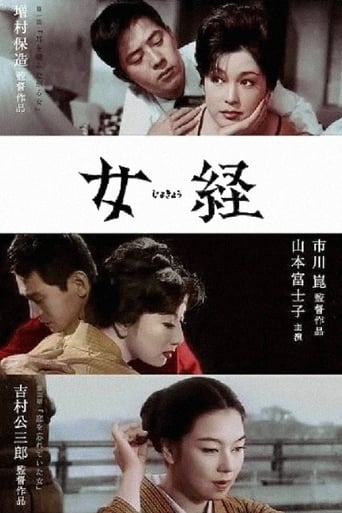 6.4
6.4The first story concerns an attractive young woman who works in a Tokyo nightclub. Her plan for a solid financial future has a double whammy. In the second story, a beautiful young woman is employed by an unscrupulous real estate agent to convince male clients to invest in worthless property. The last story is about a widowed geisha who has no real financial worries and who falls in love with a forger.
A Woman's Testament
1960
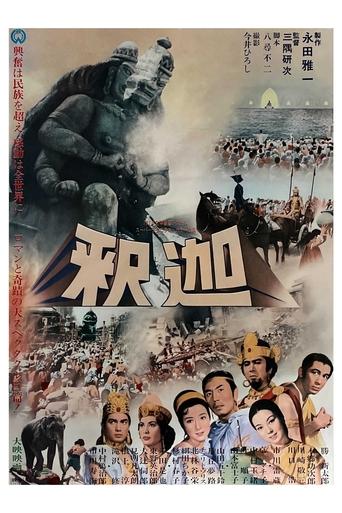 10.0
10.0An Indian prince leaves his world of comfort and riches behind to wander and meditate for six years in search of spiritual enlightenment. Siddartha (Cojoin Hong) turns his back on the old religion when people are starving needlessly and holy rituals include human sacrifices. During his meditations, he is tempted by erotic dancing women, demons, and the evil machinations of his criminal cousin. Devastate to attain the spiritual perfection and become the Buddha. He travels to convert followers by his kindness and wisdom, gaining a multitude of believers when he stops an elephant from crushing a local priest. Buddha of course goes on to become one of the great religious leaders of the world.
Buddha
1961
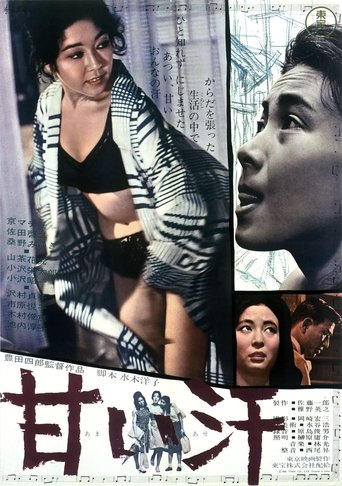 8.3
8.3This film by Toyoda depicts the hard life of an unmarried mother in Tokyo. Umeko (Machiko Kyo), at 36, is working in a bar, struggling valiantly to keep her family together. Her 17-year-old daughter Takeko becomes increasingly upset by her mother's constant drinking and yakuza boyfriend, and runs away from home. Kyo's performance was highly praised.
Sweet Sweat
1964
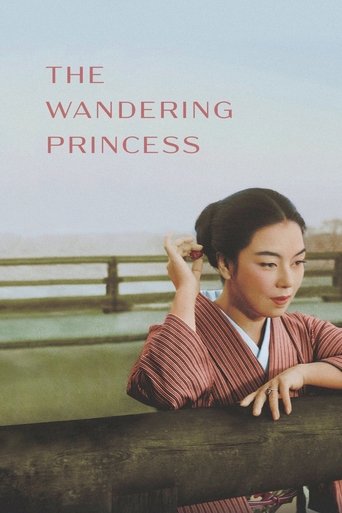 6.5
6.5Pu Zhe, younger brother of the Emperor of Manchukuo, marries Ryuko, daughter of an aristocratic family. To the surprise of all, a deep love between Pu Zhe and Ryuko develops and is put to the test when Japan loses the war.
The Wandering Princess
1960
 7.1
7.1The cunning detective Kogoro Akechi must foil a kidnapping plot orchestrated by the notorious jewel thief known as Black Lizard.
Black Lizard
1962
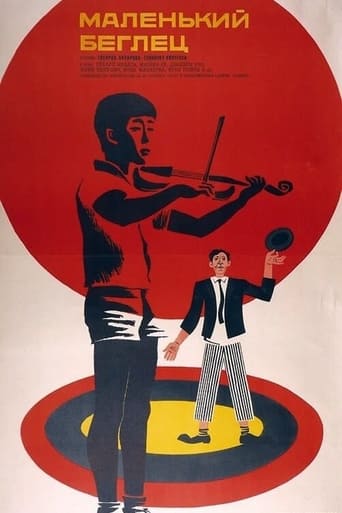 3.0
3.0During a Soviet circus tour in Japan, a small street musician, Ken, meets a clown, Yuri Nikulin. Upon learning that his sick father is being treated in the Soviet Union, Ken sets off in search of him. The friendship of the great clown and the boy continues in Moscow.
The Little Runaway
1966
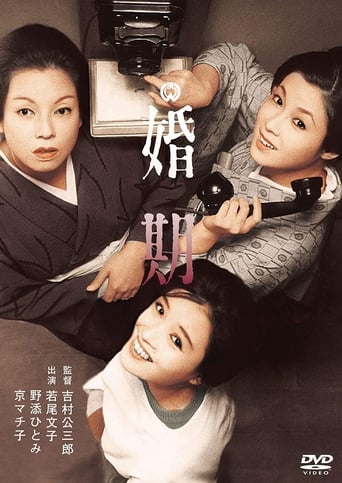 7.0
7.0The three Matsunami sisters navigate adulthood and the complex social pressures of finding a husband while living under their traditional father’s roof. As they balance their personal desires against the family's obsession with status, their search for "marriageable age" stability is complicated by secret affairs and the cold reality of arranged matches. They must ultimately decide whether to conform to the rigid expectations of their upper-class upbringing or break away to pursue their own independence.
Marriageable Age
1961
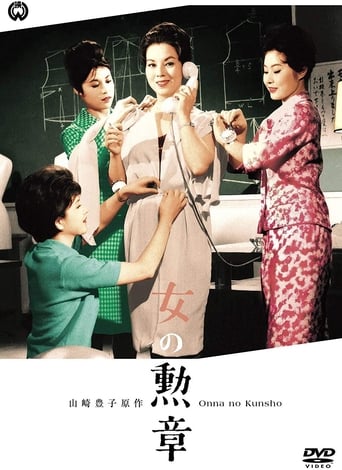 6.5
6.5Shikiko Oba is nimble with her fingers and teaches dressmaking and designing. Among her pupils are Rinko, Katsumi and Tomie. Ginshiro, who is as shrewd as the shrewdest of the older generation of dyed-in-the-wool Osaka businessmen, steps into picture and Shikiko soon feels that he is indispensable to her. But the advent of a man in their midst breaks up the harmony that has existed among the four women, as gradually he forces himself on them with promises of love.
A Design for Dying
1961
 7.5
7.5Based on Kaoru Morimoto oft performed 1945 play, a starring vehicle for famed actress Machiko Kyo as Kei an abused orphaned girl that eventually finds sanctuary with a wealthy family that trades goods with China and becomes a successful businesswoman. Masumura dilutes the originally intended pro-Japan propaganda elements for a more anti-war approach.
A Woman's Life
1962
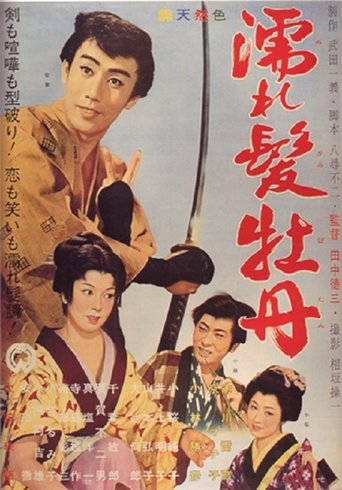 NR
NRNo synopsis available yet.
Fantastico
1961
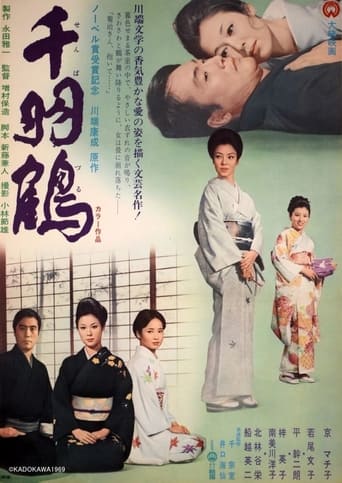 8.2
8.2The entangled relations between the son of a seductive tea-ceremony teacher and the women in his father's life. Based on the novel by Kawabata Yasunari.
Thousand Cranes
1969
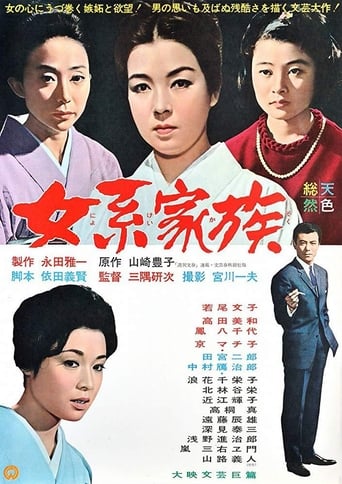 7.7
7.7AKA Family of Women. A story about a wealthy family and the greed and selfishness of three daughters and relatives, after the passing of their old father.
The Third Will
1963
1950s · 36 titles
8.0In 16th century Japan, peasants Genjuro and Tobei sell their earthenware pots to a group of soldiers in a nearby village, in defiance of a local sage's warning against seeking to profit from warfare. Genjuro's pursuit of both riches and the mysterious Lady Wakasa, as well as Tobei's desire to become a samurai, run the risk of destroying both themselves and their wives, Miyagi and Ohama.
Ugetsu
1953
8.0Four people recount different versions of the story of a man's murder and the rape of his wife.
Rashomon
1950
7.7Follows five sex workers employed at a Japanese brothel while the nation debates the passage of an anti-prostitution law.
Street of Shame
1956
 6.7
6.7In 8th-century China, the Emperor grieves the death of his wife. The Yang family wants to provide the Emperor with a consort so that they may consolidate their court influence. General An Lushan finds a distant relative working in their kitchen, whom they groom to present to the Emperor. The Emperor falls in love and she becomes the Princess Yang Kwei-fei. The Yangs are then appointed important ministers, though An Lushan is not given the court position he covets.
Princess Yang Kwei-fei
1955
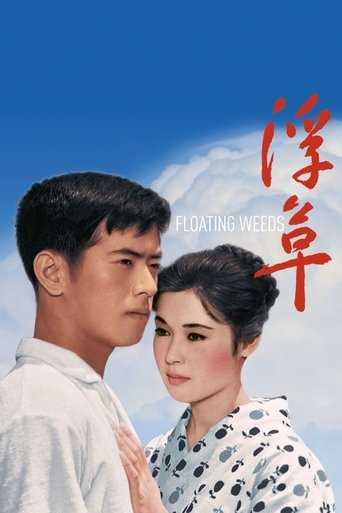 7.5
7.5A theater troupe master's visit with his old flame unintentionally sets off a chain of unexpected events with devastating consequences.
Floating Weeds
1959
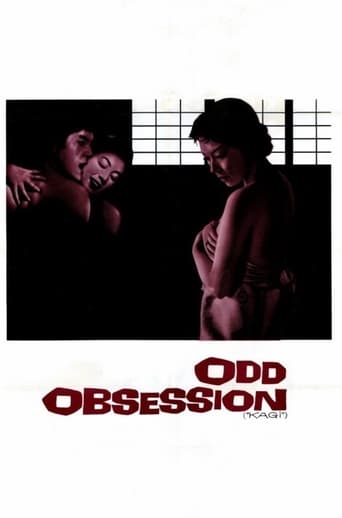 6.2
6.2A middle-aged husband of a younger woman finds her youth intimidating to the point that he cannot become aroused. His solution involves the introduction of his daughter's lover to his wife.
Odd Obsession
1959
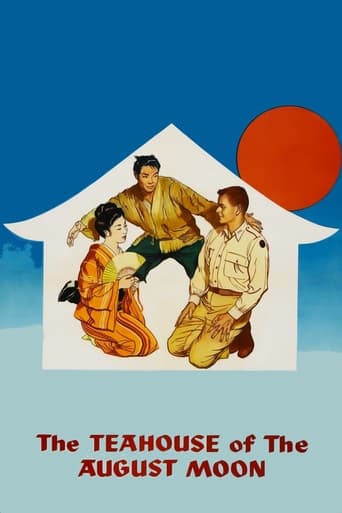 6.2
6.2In post-WWII Japan, an American captain is brought in to help build a school, but the locals want a teahouse instead.
The Teahouse of the August Moon
1957
 NR
NRNo synopsis available yet.
Kanojo no tokudane
1952
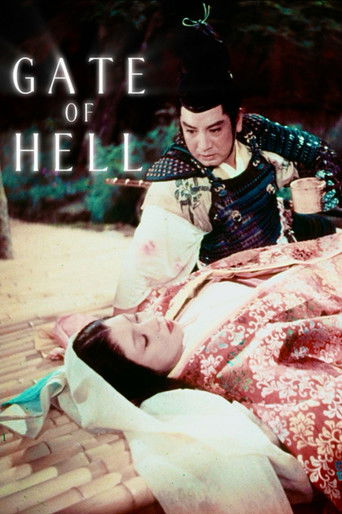 7.1
7.1Japan, 1159. Moritō, a brave samurai, performs a heroic act by rescuing the lovely Kesa during a violent uprising. Moritō falls in love with her, but becomes distraught when he finds out that she is married.
Gate of Hell
1953
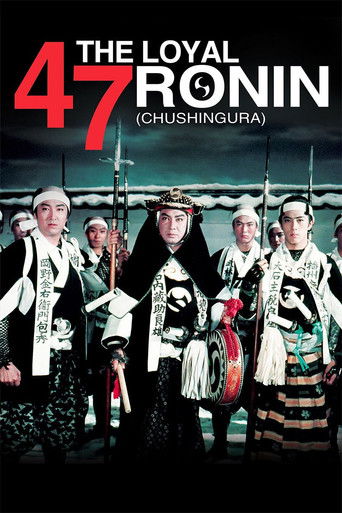 6.2
6.2Japan, 1701. A group of samurai become rônin after their lord is forced to commit seppuku for assaulting a court official, who will become the target of a merciless revenge.
The Loyal 47 Ronin
1958
 6.3
6.3The eldest daughter of a rural family Mon returns home from Tokyo pregnant after an affair with a college student Kobata, which causes a scandal that will threaten the marriage prospects of the younger sister San, in her cash-strapped family. The ill-tempered eldest brother Inokichi decides to take on the role of disciplinarian, with harrowing results.
Brother and Sister
1953
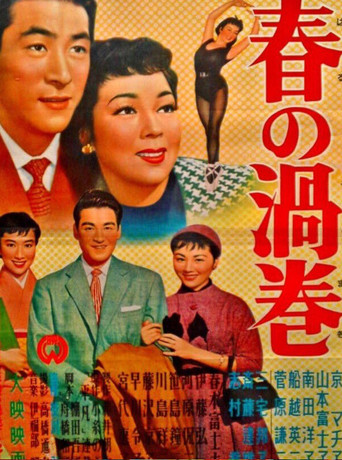 NR
NRA beautiful dancer who lost her mother and was raised abroad searches for her long-lost father in the homeland she has always longed for.
Haru no uzumaki
1954
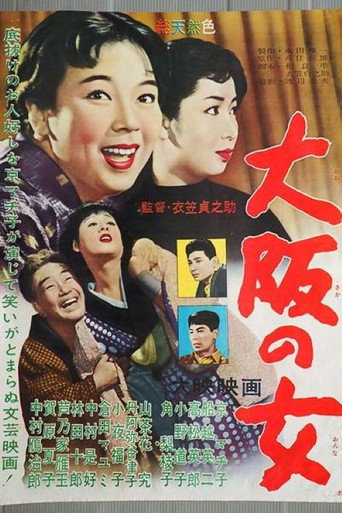 NR
NRIn the ruins of postwar Osaka, performers and drifters gather in a rundown tenement known as "Geinin Mura." Osen, a kind-hearted seamstress, supports her eccentric former-comedian father while carrying the memory of a lost love, Sо̂ji. After a misunderstanding separates them, she marries the cheerful performer Yonetaro, only for tragedy to strike soon after.
Ôsaka no onna
1958
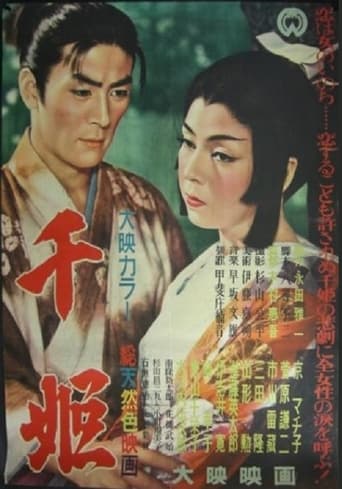 5.0
5.0During the Warring States era of early 17th century Japan, teenage princess Sen is besieged with other members of her family in Osaka Castle, by a rival force led by her grandfather.
The Princess Sen
1954
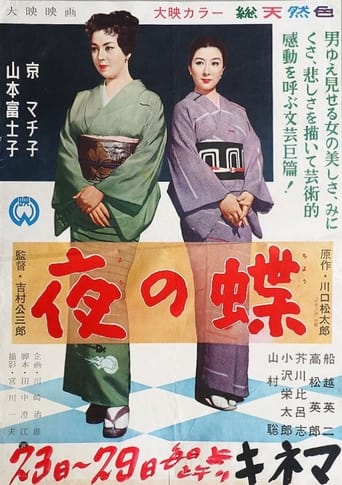 6.5
6.5A traditional bar mistress in Kyoto clashes with her Tokyo rival.
Night Butterflies
1957
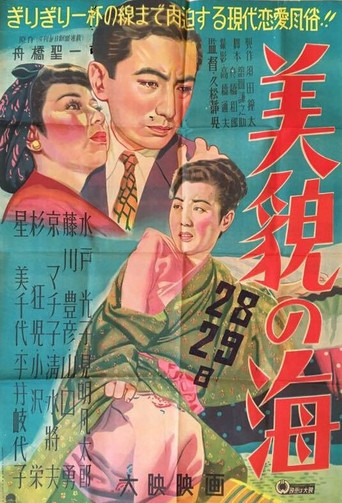 NR
NRNo synopsis available yet.
The Sea of Beauty
1950
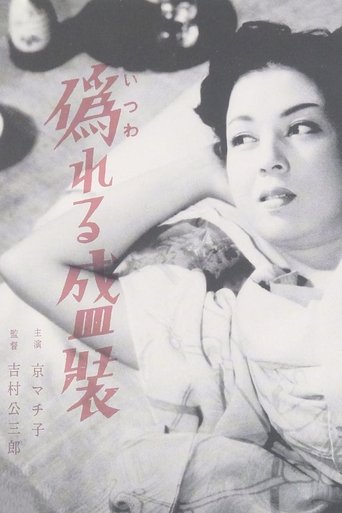 7.0
7.0The story of two sisters in post-war Japan. One is a geisha and the other works for the tourist board.
Clothes of Deception
1951
 6.0
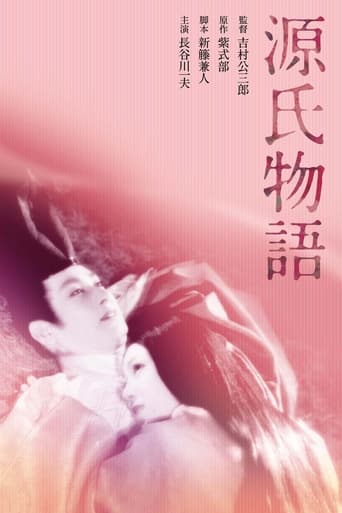
6.0Genji, the illegitimate offspring of a Japanese potentate, goes by the philosophy of "love 'em and leave 'em" as a matter of course. Only when his heart is broken by Awaji does Genji realizes how much pain he himself has caused.
The Tale of Genji
1951
 NR
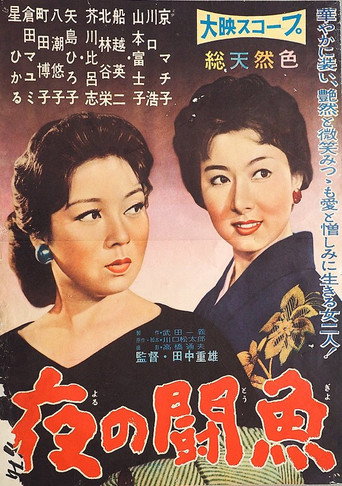
NRNo synopsis available yet.
Paper Pigeon
1959
 6.8
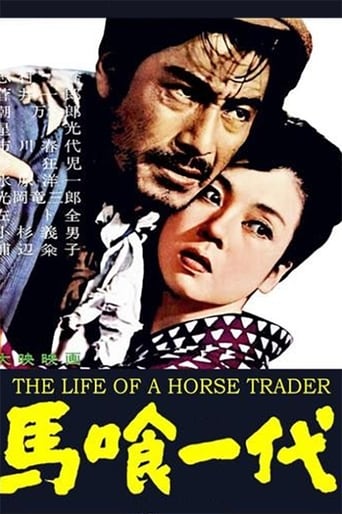
6.8The tale of Katakana Yonetaro aka "The Shark," a rough-and-tumble horse trader in Japan's northernmost island of Hokkaido, despite being a father and a husband he is frequently drawn to taverns.
The Life of a Horse Trader
1951
 7.0
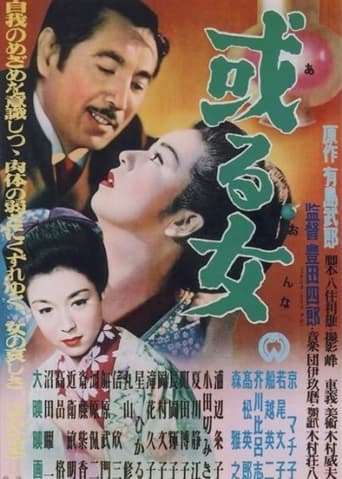
7.0No synopsis available yet.
A Certain Woman
1954
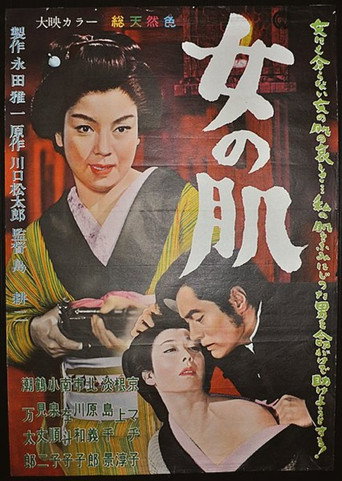 NR
NRSet in the midst of the Satsuma Rebellion, this story depicts the sadness of a woman’s heart. Though she hates the Imperial Army captain who violated her, she cannot bring herself to hate him completely.
A Woman's Skin
1957
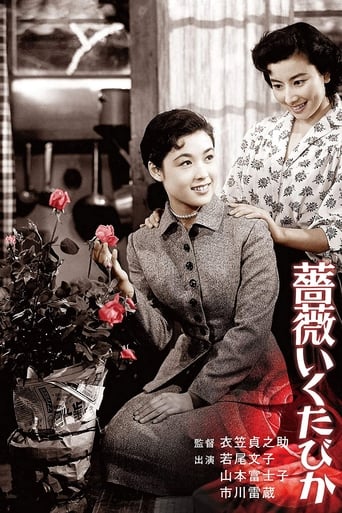 10.0
10.0A Girl isn't Allowed to Love is a 1955 Japanese film directed by Teinosuke Kinugasa.
A Girl Isn't Allowed to Love
1955
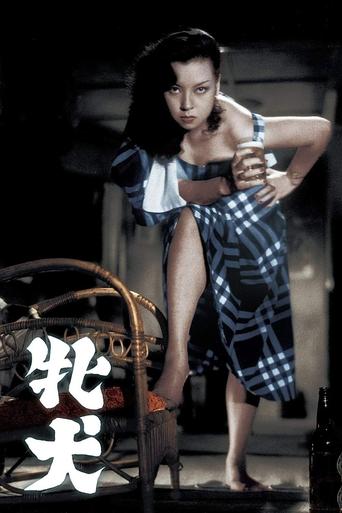 8.0
8.0The fall of an accountant enthralled by the sexual charms of a cabaret dancer.
The Bitch
1951
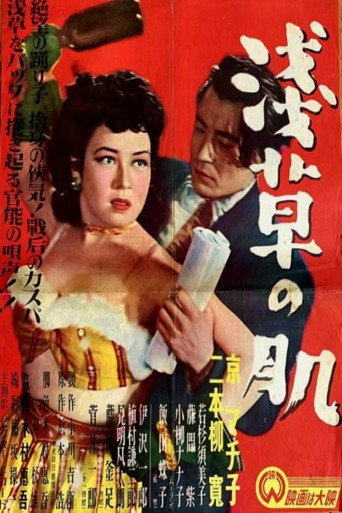 NR
NRNo synopsis available yet.
Asakusa no hada
1950
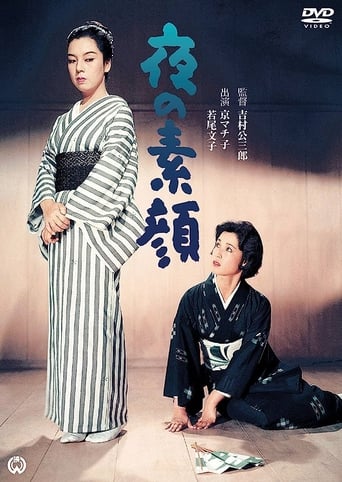 6.5
6.5A biting portrait of the world of classical Japanese dance: an ambitious young woman (Wakao Ayako) shoves aside her mentor (Kyo Machiko) on her way to the top.
The Ladder of Success
1958
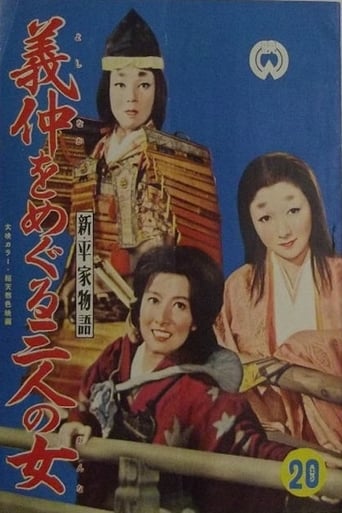 7.7
7.7The story of Yoshinaka during the tumultuous period of warring related to us in the Heike Monogatari. Close in setting to Kinugasa’s famous Gate of Hell (1953).
Three Women Around Yoshinaka
1956
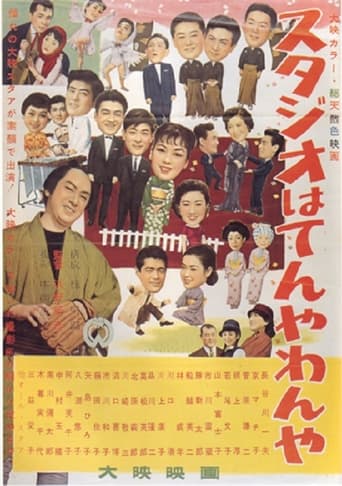 NR
NRA studio introduction version for Daiei Stars.
Daiei Studio is Bustling
1957
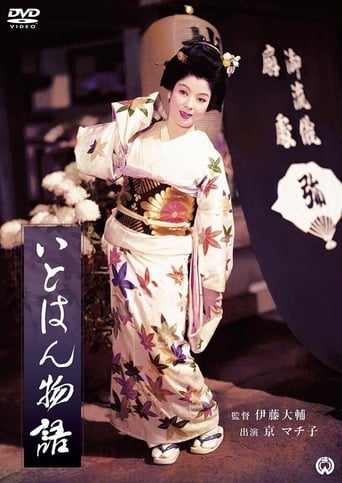 7.0
7.0Based on the original work by Shuji Hojo, Itohan Monogatari depicts the fate of a clumsy and kind-hearted woman in the Taisho era.
Itohan Monogatari
1957
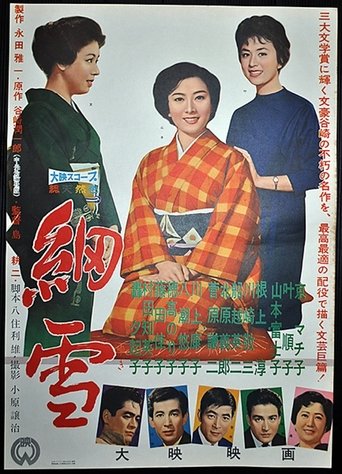 8.5
8.5Based on the famous novel by Junichiro Tanizaki, this is a story of the four sisters of the ancient and reputable Makioka family of Osaka.
The Makioka Sisters
1959
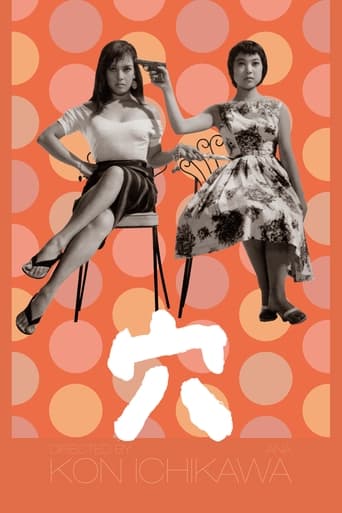 8.0
8.0A female reporter is fired for writing about police corruption; to make money while hiding from the press, she posts a bounty upon herself.
Hole in One
1957
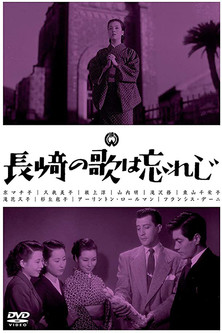 NR
NRA Japanese soldier who died in a Japanese prisoner-of-war camp in Hawaii entrusted Henry Gray with an unfinished score and promised to complete it.
Eternal Song of Nagasaki
1952
 7.4
7.4Legendary yakuza Shimizu Jirocho and his 28 henchmen travel the unruly path from a 'Fire Festival' in Akiba to a decisive battle by the Fujigawa.
Jirocho Fuji
1959
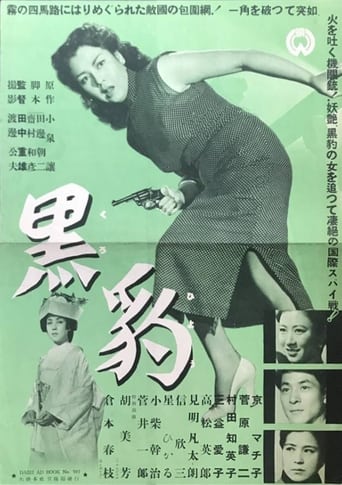 NR
NRNo synopsis available yet.
Kurohyō
1953
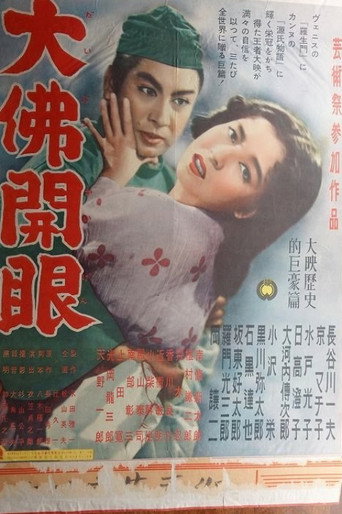 10.0
10.0The film depicts how the work to build the Great Buddha overcame a number of obstacles as proponents and opponents clashed over the construction of the Buddha. This work is based on a play by Hideo Osada, which was performed by the Shin Kyodo Theater Company in 1940.
Dedication of the Great Buddha
1952
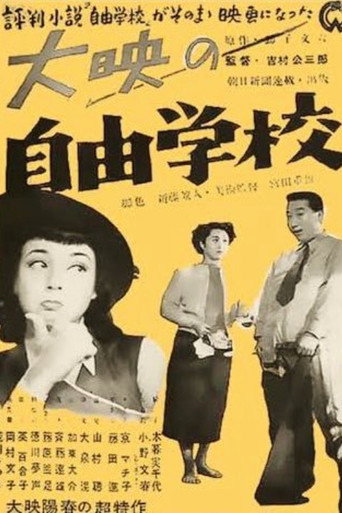 NR
NRReleased on the same date as Shochiku's version.
Freedom School
1951
1940s · 3 titles
 9.0
9.0Adaptation of Junichiro Tanizaki's novel whit the same name. It is perversely erotic relationship between a young salaryman and his teenage wife whom he 'adopted' at first as to 'train' her to be his idealistic modern woman.
A Fool's Love
1949
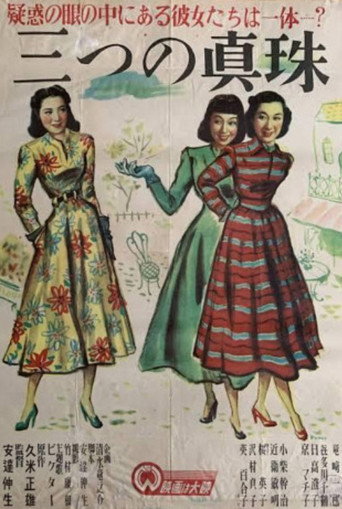 NR
NRExpressing the distinct personalities of the three daughters.
Three Pearls
1949
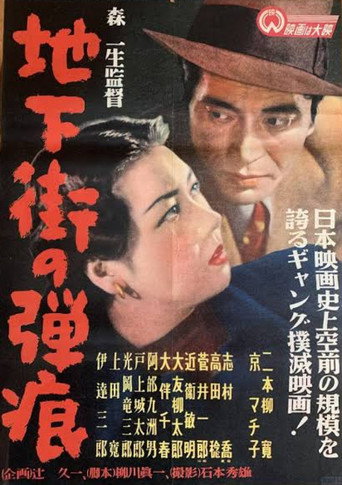 NR
NRNo synopsis available yet.
A Bullet Hole Underground
1949
Series credits
7.0TV series starring Ikko Furuya, based on the Kosuke Kindaichi mystery novel series by Seishi Yokomizo.
Yokomizo Seishi Series
1977
7.0The story takes place during the Muromachi period of Ancient Japan, in the midst of the Ōnin War. The main character in the series is Tomiko Hino, a historical figure with a bad reputation because of her actions to rebuild Kyoto after the Ōnin War.
Hana no Ran
1994
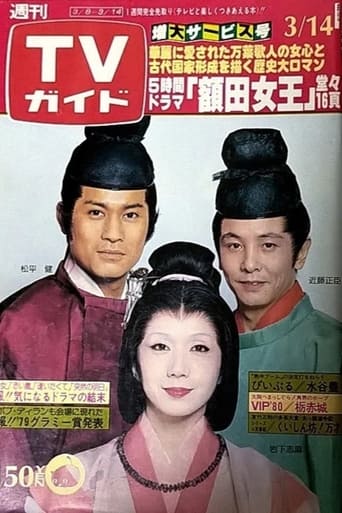 NR
NRA historical romance about the life of Princess Nukata, a Manyo poetess who was loved by two brothers, Emperor Tenji and Emperor Tenmu, and the formation of an ancient nation.
Nukata no Ōkimi
1980