
Directing
Raymond Depardon
Born
1942-07-06 (84)
Place of birth
Villefranche-sur-Saône
Known for
Directing
Credits
55 titles
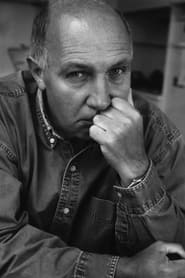
Raymond Depardon is a photographer, a journalist and a filmmaker, but, above all, his eyes view humans with compassion. He respects others and is kind with the reality of their lives. He was born into a family of farmers in 1942 in Burgundy and went to Paris in 1958, wishing to be a photographer. He was first taken on as a messenger in an agency and was sent to take photos of an opening-night at the cinema: the movie was none other than Jean-Luc Godard's Breathless. He finally established his own agency, Gamma, together with three reporters, in 1966 'not for money but for the freedom'. He suggested to set up a cinema department: 'we bought an Eclair- camera and tried to make news-films for t…
Known for
 6.4
6.4Commissioned to mark the 60th anniversary of the Cannes Film Festival, "To Each His Own Cinema" brought together 33 of the world's pre-eminent filmmakers to produce short pieces exploring the multifarious facets of cinema and their perspective on the state of their chosen artform in the early 21st century.
To Each His Own Cinema
2007
 6.4
6.440 international directors were asked to make a short film using the original Cinematographe invented by the Lumière Brothers, working under conditions similar to those of 1895. There were three rules: (1) The film could be no longer than 52 seconds, (2) no synchronized sound was permitted, and (3) no more than three takes.
Lumière & Company
1995
 7.0
7.0The co-founder of the Gamma press agency, Raymond Depardon, created this documentary of press photographers in Paris and their subjects by following the photographers around for one month, in October, 1980. In-between long hours waiting for a celebrity to emerge from a restaurant or a hotel, boredom immediately switches to fast action as the cameras click and roll when the person appears. The reaction to the gaggle of photographers is as varied as the people they often literally chase all around town. While some of the celebrities, such as Jacques Chirac who was mayor of Paris at the time, are perceived as comical caricatures, others are shown simply going about ordinary pursuits - including Catherine Deneuve, Gene Kelly, and Jean-Luc Godard.
Reporters
1981
 6.1
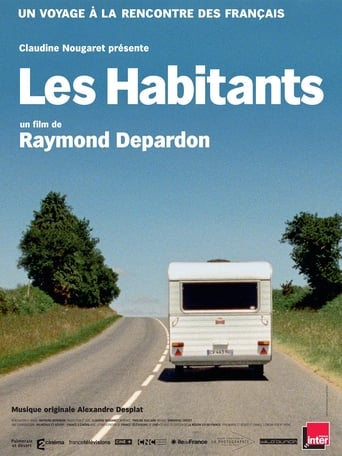
6.1Raymond Depardon sets out to meet French people to listen to them tell their tales. From Charleville-Mézières to Nice, Sète to Cherbourg, he invites people encountered in the street to continue their conversation in front of Depardon's camera and us, unfettered from any constraints.
Les Habitants
2016
 7.5
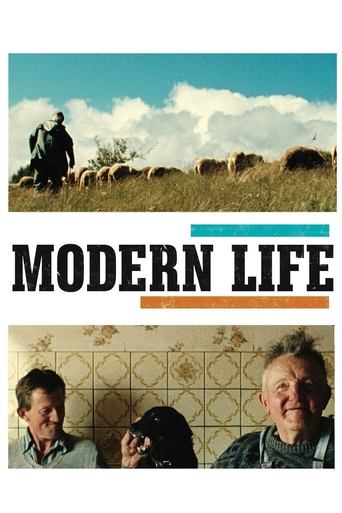
7.5For ten years, Raymond Depardon has followed the lives of farmer living in the mountain ranges. He allows us to enter their farms with astounding naturalness. This moving film speaks, with great serenity, of our roots and of the future of the people who work on the land. This the last part of Depardon's triptych "Profils paysans" about what it is like to be a farmer today in an isolated highland area in France. "La vie moderne" examines what has become of the persons he has followed for ten years, while featuring younger people who try to farm or raise cattle or poultry, come hell or high water.
Modern Life
2008
 8.0
8.0An almost blind writer moves to a hidden property in an Alpine village with a female friend, Renata. The two play sado-masochistic games including long recitals of elaborate texts. A neighbor, Serge, gets interested in the mysterious couple.
Incognito
1990
Film credits
2010s · 3 titles
 NR
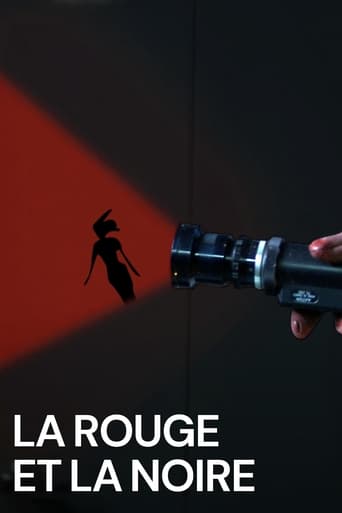
NRCarrying on Luc Moullets unfinished screenplay about the theft of la pénélope, a camera created by Aaton and capable of recording equally well in 35 mm and digitally, LA ROUGE ET LA NOIRE is a film in kaleidoscope form. The portrait of Aatons founder, Jean-Pierre Beauviala creator, inter alia, of the time-code and the light cameras used by the New Wave (in particular the bush camera specially designed for Jean Rouch) is centered around the basic plot introduced by two women thieves who talk as voice-overs, and whose identities will only be revealed at the end.
La rouge et la noire
2011
 NR
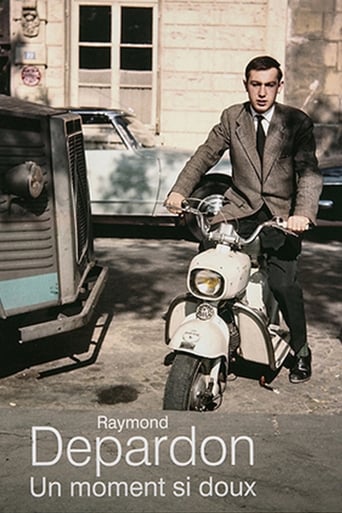
NRIn lights and colors, Raymond Depardon photographs according to his desires. He retraces his steps, wanders around the places he loves or discovers: Buenos Aires, Paris, Los Angeles, Honolulu, the Mediterranean, Faya-Largeau, Modra and his peasant friends's homes. A portrait in the atmosphere of a free man.
Un Moment Si Doux
2013
 6.8
6.8A journal, a voyage through time. He photographs France, she rediscovers the unseen footage he has so carefully kept: his first steps behind the camera, his TV reports from around the world, snatches of their memories and of our history.
Journal de France
2012
2000s · 6 titles
7.5For ten years, Raymond Depardon has followed the lives of farmer living in the mountain ranges. He allows us to enter their farms with astounding naturalness. This moving film speaks, with great serenity, of our roots and of the future of the people who work on the land. This the last part of Depardon's triptych "Profils paysans" about what it is like to be a farmer today in an isolated highland area in France. "La vie moderne" examines what has become of the persons he has followed for ten years, while featuring younger people who try to farm or raise cattle or poultry, come hell or high water.
Modern Life
2008
 7.4
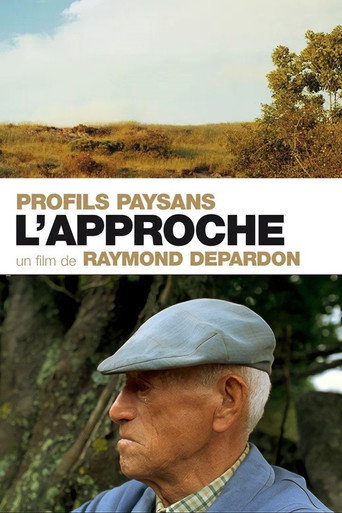
7.4The first of a documentary serie about rural France.
Profiles Farmers: The Approach
2001
 7.2
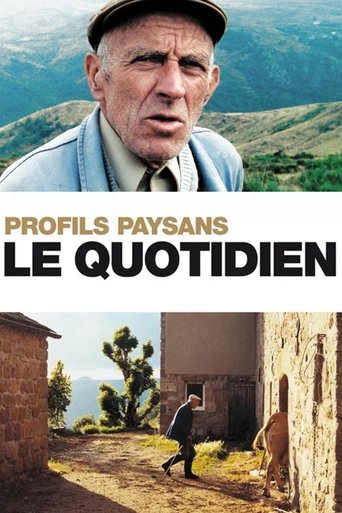
7.2Second documentary of a trilogy produced on the long term (together with Profils paysans: l'approche (2001) and Profils paysans: La vie moderne (2008)), showing the simple lives of farmers in contemporary Southern France.
Profiles Farmers: Daily Life
2005
 7.2
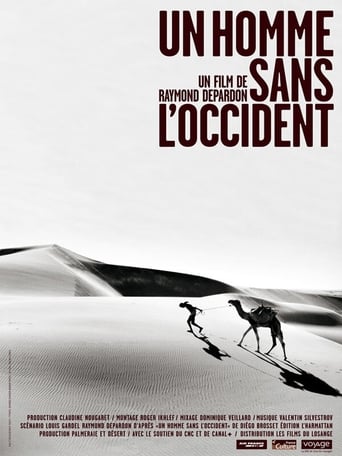
7.2Loosely based on Diégo Brosset’s novel, set in the Sahara at the beginning of the twentieth century. A man of the desert is adopted by some hunters and becomes a highly respected guide while trying to escape colonization.
Untouched by the West
2003
 7.0
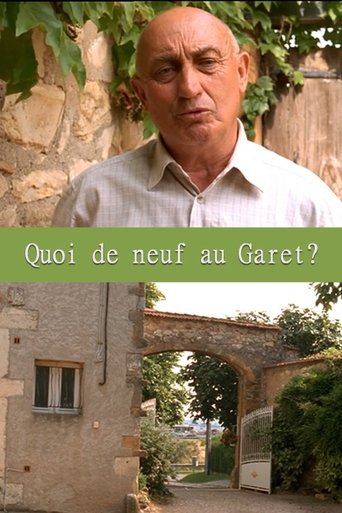
7.0The Garet farm is for sale. Brothers Jean and Raymond Depardon chat about the past and the future of the farm.
Quoi de neuf au Garet?
2005
 5.2
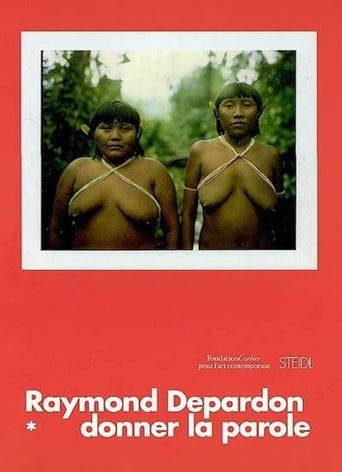
5.2Documentary Short
Donner la parole
2008
1980s · 4 titles
 9.0
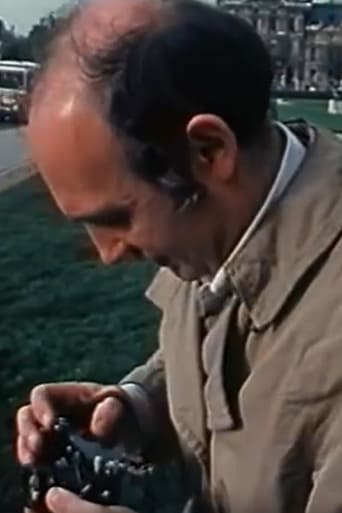
9.0A fortuitous meeting, late one afternoon, in the garden of the Tuileries, of one or two cameras, a tape recorder, and three cameramen/directors, Raymond Depardon, Jean Rouch, and Philippe Costantini.
Ciné-Portrait of Raymond Depardon
1983
 7.0
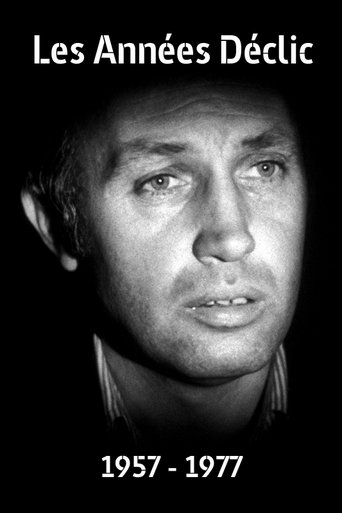
7.0This documentary is an autobiography based on director Depardon's voice, his face and pictures from his childhood which are all mixed together on screen and contrasted with selected pictures he shot between 1957 and 1977 and now comments on.
The Declic Years
1984
 NR
NRA film about Raymond Depardon's photography in his native countryside from the documentary TV series "Territoires photographiques" for France 3 and INA.
Raymond Depardon: Fermes familiales
1985
 6.5
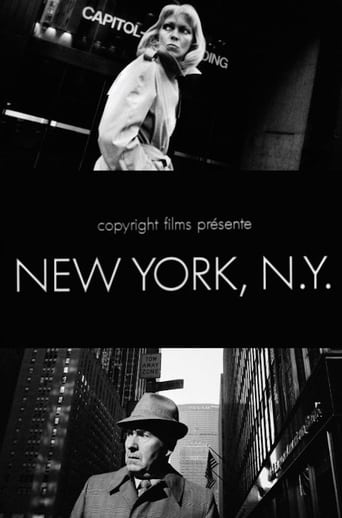
6.5It is slow, succinct and absolutely riveting. With his photojournalist's eye, and simple but inspired camera work, Depardon plunges us into both the sounds and silences of a day and a night in the city.
New York, N.Y.
1986
Behind the camera
6.4Commissioned to mark the 60th anniversary of the Cannes Film Festival, "To Each His Own Cinema" brought together 33 of the world's pre-eminent filmmakers to produce short pieces exploring the multifarious facets of cinema and their perspective on the state of their chosen artform in the early 21st century.
To Each His Own Cinema
2007
6.440 international directors were asked to make a short film using the original Cinematographe invented by the Lumière Brothers, working under conditions similar to those of 1895. There were three rules: (1) The film could be no longer than 52 seconds, (2) no synchronized sound was permitted, and (3) no more than three takes.
Lumière & Company
1995
7.0The co-founder of the Gamma press agency, Raymond Depardon, created this documentary of press photographers in Paris and their subjects by following the photographers around for one month, in October, 1980. In-between long hours waiting for a celebrity to emerge from a restaurant or a hotel, boredom immediately switches to fast action as the cameras click and roll when the person appears. The reaction to the gaggle of photographers is as varied as the people they often literally chase all around town. While some of the celebrities, such as Jacques Chirac who was mayor of Paris at the time, are perceived as comical caricatures, others are shown simply going about ordinary pursuits - including Catherine Deneuve, Gene Kelly, and Jean-Luc Godard.
Reporters
1981
6.1Raymond Depardon sets out to meet French people to listen to them tell their tales. From Charleville-Mézières to Nice, Sète to Cherbourg, he invites people encountered in the street to continue their conversation in front of Depardon's camera and us, unfettered from any constraints.
Les Habitants
2016
7.5For ten years, Raymond Depardon has followed the lives of farmer living in the mountain ranges. He allows us to enter their farms with astounding naturalness. This moving film speaks, with great serenity, of our roots and of the future of the people who work on the land. This the last part of Depardon's triptych "Profils paysans" about what it is like to be a farmer today in an isolated highland area in France. "La vie moderne" examines what has become of the persons he has followed for ten years, while featuring younger people who try to farm or raise cattle or poultry, come hell or high water.
Modern Life
2008
7.5For ten years, Raymond Depardon has followed the lives of farmer living in the mountain ranges. He allows us to enter their farms with astounding naturalness. This moving film speaks, with great serenity, of our roots and of the future of the people who work on the land. This the last part of Depardon's triptych "Profils paysans" about what it is like to be a farmer today in an isolated highland area in France. "La vie moderne" examines what has become of the persons he has followed for ten years, while featuring younger people who try to farm or raise cattle or poultry, come hell or high water.
Modern Life
2008
 5.6
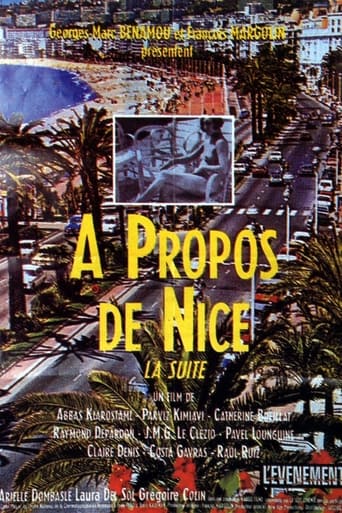
5.6Anthology of short films about the French city of Nice, by various directors. A homage to Jean Vigo and his "À propos de Nice" from 1930.
Concerning Nice
1995
 6.9
6.9This documentary follows the daily life of a section of the police station of the fifth "arrondissement" (district) of Paris.
News Items
1983
 7.1
7.1A new documentary by filmmaker-photographer Raymond Depardon – where justice and psychiatry meet.
12 Days
2017
 7.0
7.0A compilation of 30 French filmmakers, Alain Resnais and Jean Luc Godard among them, who use film to make a plea on behalf of a political prisoner. Jean Luc Godard and Anne Marie Mieville's film concerns the plight of Thomas Wanggai, West Papuan activist who has since died in prison. The short films were commissioned by Amnesty International.
Lest We Forget
1991
 6.5
6.5Using a rostrum camera, Raymond Depardon films a long series of photos, from the narrow streets of Paris to the endless desert, accompanied by original sounds of the city. A Cartier Foundation initiative for the contemporary arts.
Amour
1997
 6.5
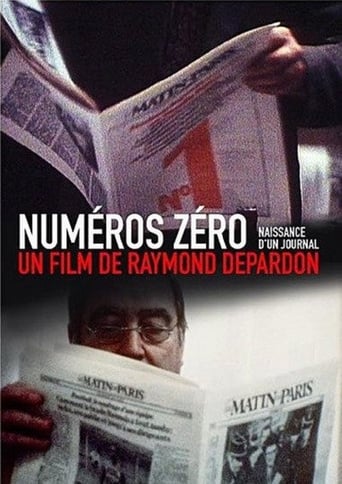
6.5On the eve of the publication of the zero issue of the daily newspaper "Le Matin de Paris", we dive into the heart of an editorial staff directed by Claude Perdriel in turmoil.
Numéros zéro
1981
 6.0
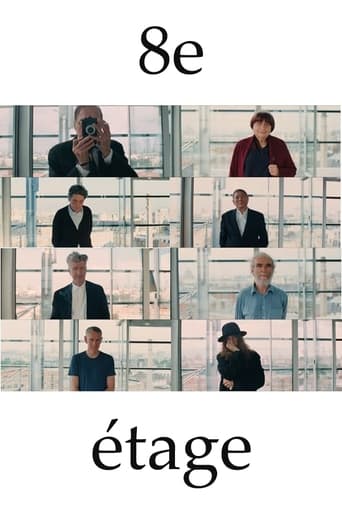
6.0On the 8th floor of the Fondation Cartier in Paris, Raymond Depardon's film features a minute of silence with eight artists and scientists: David Lynch, Patti Smith, William Eggleston, Takeshi Kitano, Ron Mueck, Jean Michel Alberola, Agnès Varda and Misha Gromov.
The 8th Floor
2014
 6.6
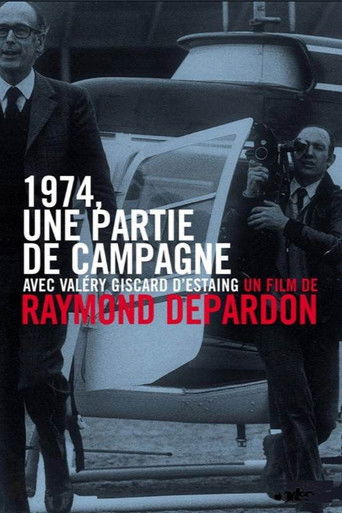
6.6Following the 1974 French presidential campaign with Valéry Giscard d’Estaing.
1974, une partie de campagne
2002
 NR
NRCreated for the exhibition "Nous les Arbres" (2019 – Fondation Cartier pour l'art contemporain), this film gives a voice to those who live alongside trees, spend time with them, cherish them, observe them, advocate for them, care for them, admire them, or who are perhaps a little weary of living in their midst.
Mon arbre
2019
NRCreated for the exhibition "Nous les Arbres" (2019 – Fondation Cartier pour l'art contemporain), this film gives a voice to those who live alongside trees, spend time with them, cherish them, observe them, advocate for them, care for them, admire them, or who are perhaps a little weary of living in their midst.
Mon arbre
2019
 7.5
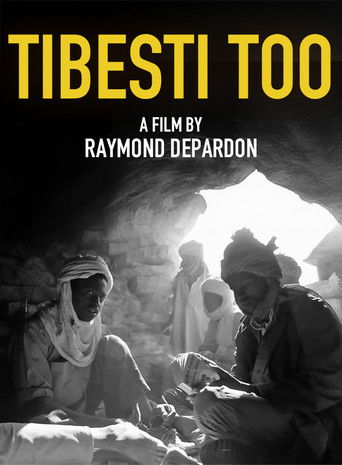
7.5This documentary draws a sensitive, unsensational portrait of the desert and the people who inhabit it, the Toubous.
Tibesti Too
1976
7.5This documentary draws a sensitive, unsensational portrait of the desert and the people who inhabit it, the Toubous.
Tibesti Too
1976
 8.0
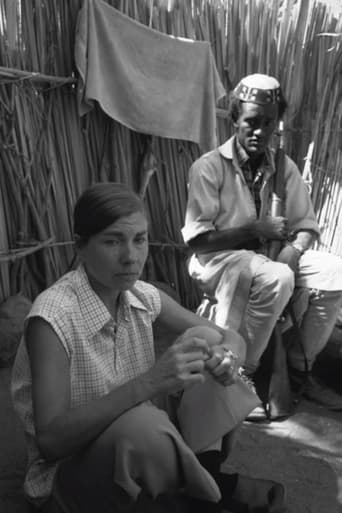
8.0No synopsis available yet.
Tchad 2 : L'Ultimatum
1975
 10.0
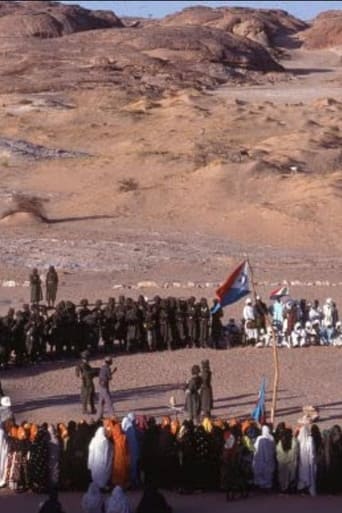
10.0No synopsis available yet.
Tchad 3
1976
7.0This documentary is an autobiography based on director Depardon's voice, his face and pictures from his childhood which are all mixed together on screen and contrasted with selected pictures he shot between 1957 and 1977 and now comments on.
The Declic Years
1984
7.4The first of a documentary serie about rural France.
Profiles Farmers: The Approach
2001
 7.0
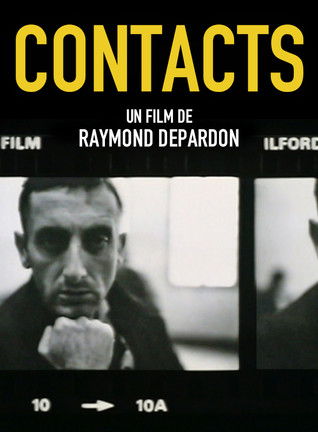
7.0Raymond Depardon reflects on the photographs he took at the San Clemente psychiatric hospital. He discusses the photographer’s wandering eye and his hesitation when it comes to choosing the right image.
Contacts
1990
7.0Raymond Depardon reflects on the photographs he took at the San Clemente psychiatric hospital. He discusses the photographer’s wandering eye and his hesitation when it comes to choosing the right image.
Contacts
1990
7.2Second documentary of a trilogy produced on the long term (together with Profils paysans: l'approche (2001) and Profils paysans: La vie moderne (2008)), showing the simple lives of farmers in contemporary Southern France.
Profiles Farmers: Daily Life
2005
7.2Second documentary of a trilogy produced on the long term (together with Profils paysans: l'approche (2001) and Profils paysans: La vie moderne (2008)), showing the simple lives of farmers in contemporary Southern France.
Profiles Farmers: Daily Life
2005
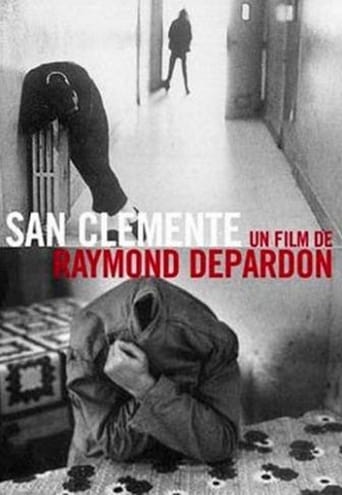 6.8
6.8This documentary is about the life of a Venetian psychiatric hospital. The relationships between the doctors, the patients and their families are followed.
San Clemente
1981
 6.0
6.0A European researcher is abducted by some ill-educated rebels in a North African country. Their reasons are unclear...
Captive of the Desert
1990
6.0A European researcher is abducted by some ill-educated rebels in a North African country. Their reasons are unclear...
Captive of the Desert
1990
7.2Loosely based on Diégo Brosset’s novel, set in the Sahara at the beginning of the twentieth century. A man of the desert is adopted by some hunters and becomes a highly respected guide while trying to escape colonization.
Untouched by the West
2003
7.2Loosely based on Diégo Brosset’s novel, set in the Sahara at the beginning of the twentieth century. A man of the desert is adopted by some hunters and becomes a highly respected guide while trying to escape colonization.
Untouched by the West
2003
 8.0
8.0No synopsis available yet.
Tchad 1 : L'Embuscade
1970
7.0The Garet farm is for sale. Brothers Jean and Raymond Depardon chat about the past and the future of the farm.
Quoi de neuf au Garet?
2005
 6.0
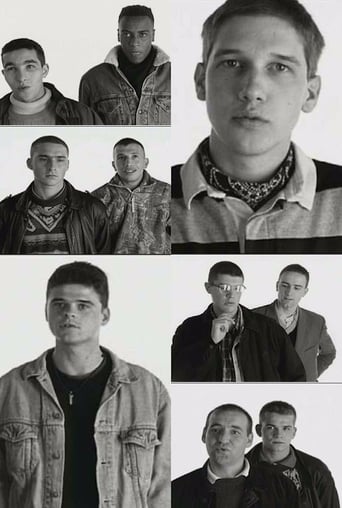
6.0In the context of the World Aids Day on the 1st December 1994, the French Ministry of Defence commissioned the producer Raymond DEPARDON to make a film to show to all new French military recruits called up for their national service, in which they gave their 'personal' views on the AIDS (Sida) problem. Each year about 240.000 young men are called to do their military service in the French Armed Forces. They remain in bases both in France and in French overseas territories, the film will be projected throughout these multiple installations. The 'on camera" interviews by Depardon were authorised without any form of restriction by the military authorities, selecting a scattering of young men from all walks of life who will spend 10 months under the flag. They were each free to give their own personal opinions related to the Aids problem, without any form of censorship.
Sida propos (ou Paroles d'appelés)
1994
 5.8
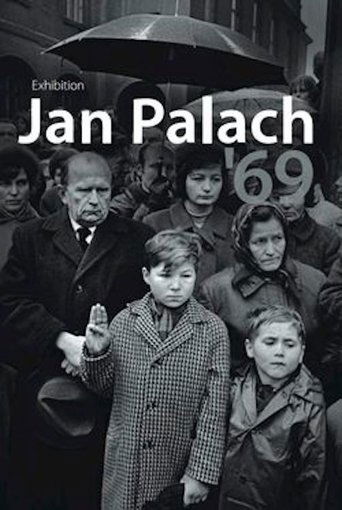
5.8For his directorial debut, Raymond Depardon traveled to Prague to document the funeral of Czechoslovak student Jan Palach, who died after setting himself on fire in protest against the Soviet occupation and the suppression of the Prague Spring. Filmed on 25 January 1969, the documentary records the massive public procession that followed, as hundreds of thousands of mourners gathered despite official efforts to discourage public participation. (Note: This film is distinct from the anonymous short "The Funeral of Jan Palach" (1969), which circulated separately as an uncredited protest document.)
Jan Palach
1969
After offering spectators a projection/comparison of extracts from 17 films (each time, the first 5 minutes of their second reel) entitled "Une histoire A/B du cinéma" (A/B history of cinema), Jean-Luc Godard becomes a film historian, reflecting live and in public on his future Histoire(s) du cinéma (History(s) of cinema), which will not be considered complete until 1998. Edited from Betacam cassette rushes recovered in 2023 and digitized by the Cinémathèque française.
Jean-Luc Godard à la Cinémathèque française
1985
Film about writer Malraux, with photographs portraying great moments of his life and accompanied by his most famous speeches.
Malraux
1996
 NR
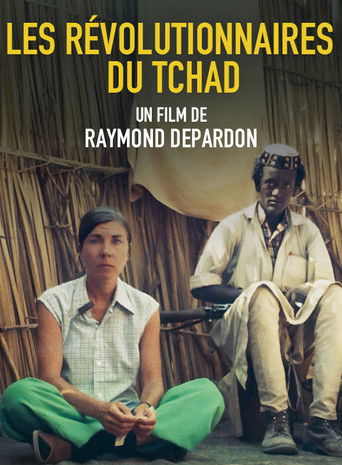
NRFilm in three parts: Raymond Depardon films L'ambuscade d'Aouzou, in Chad, where Gilles Caron, Michel Honorin, Robert Pledge and a group of rebels are attacked by Chadian auxiliary troops in 1970. The other two parts (1975-76) include an interview with Françoise Claustre, a captive of the Frolinat fighters led by Hissène Habré and Goukouni Wedey, and the attack on the Faya palm grove. Raymond Depardon's interview for this short documentary moved public opinion, and Paris relented, paying the ransom demanded by Hissène Habré, amounting to ten million francs. Françoise Claustre's story served as the basis for Raymond Depardon's film La Captive du désert, starring Sandrine Bonnaire.
Les Révolutionnaires du Tchad
1970
 6.0
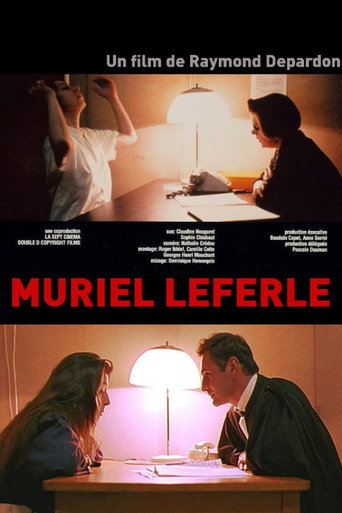
6.0Muriel Leferle is 22-years-old, a convicted felon, HIV-positive, and can talk her way out of nearly anything. Filmmaker Raymond Depardon first encountered Leferle while shooting his documentary Delits Flagrants/Caught In The Act, about criminals dealing with the judicial system, and eventually decided her story was too good to limit to the 20 minutes of screen time she won in that picture. Muriel Leferle tells her hair-raising life story in greater scope than in the earlier film (both the truth and the version she gives to the judge); despite an unrepentant attitude about her life of crime, Leferle comes off as oddly likable, with street smarts and spunk to spare.
Muriel Leferle
1999
 6.0
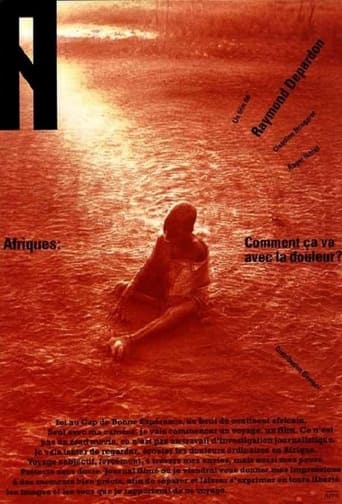
6.0Miscellaneous images of African life.
Afriques : comment ça va avec la douleur ?
1996