
Acting
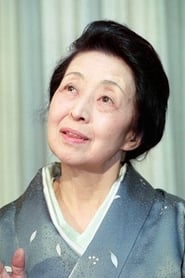
Sadako Sawamura
Born — Died
1908-11-11 — 1996-08-16
Place of birth
Asakusa, Taito, Tokyo, Japan
Known for
Acting
Credits
64 titles
Sadako Sawamura (沢村貞子, Sawamura Sadako; 11 November 1908 – 16 August 1996) was a Japanese stage and film actress and essayist who appeared in more than 350 films between 1935 and 1976. Sawamura was born in the Asakusa district of Tokyo. After dropping out of Japan Women's University, she was active in left-wing theatre groups and was twice arrested for her political beliefs, spending over a year in prison with much of it in solitary confinement. She started acting in films in 1934, first at the Nikkatsu studio, later at Toho. She appeared in many supporting roles after the war, often working with director Mikio Naruse. Sawamura also acted in films by directors including Kenji Mizoguchi, Yas…
Known for
 7.7
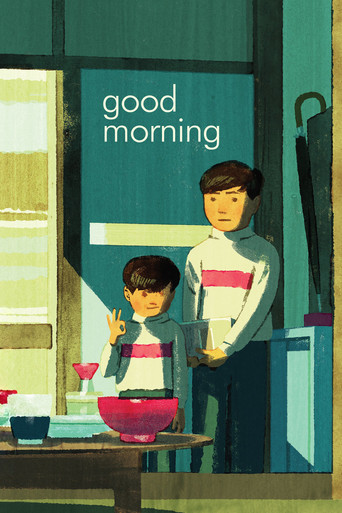
7.7Two boys beg their parents for a television set, nagging them until all patience is lost. The parents order the boys to be quiet and the boys do exactly that--refusing to utter a word. The boys' silence ultimately puts the whole neighborhood into turmoil.
Good Morning
1959
 NR
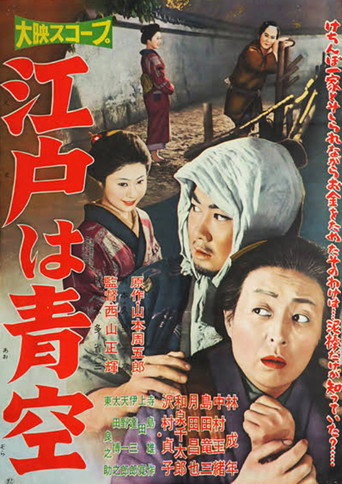
NRNo synopsis available yet.
Edo wa aozora
1958
 7.7
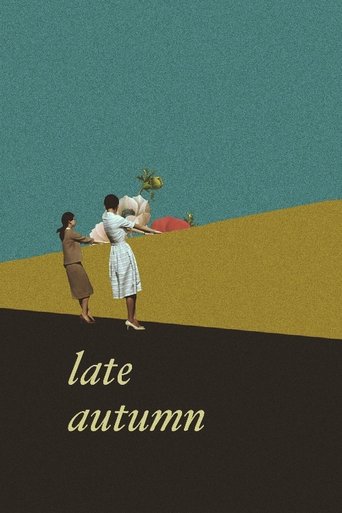
7.7A woman and her daughter are each forced to contend with an increasing pressure to marry, particularly from three men who knew her late husband.
Late Autumn
1960
 7.8
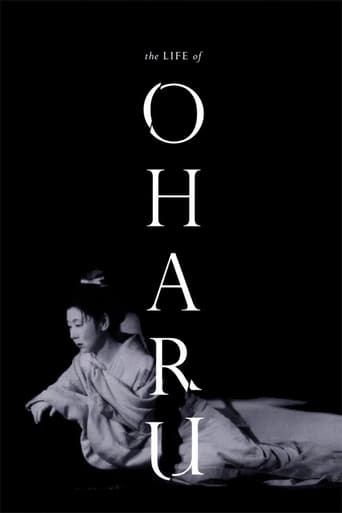
7.8During the Edo Period, a noblewoman's banishment for her love affair with a lowly page signals the beginning of her inexorable fall.
The Life of Oharu
1952
 8.0
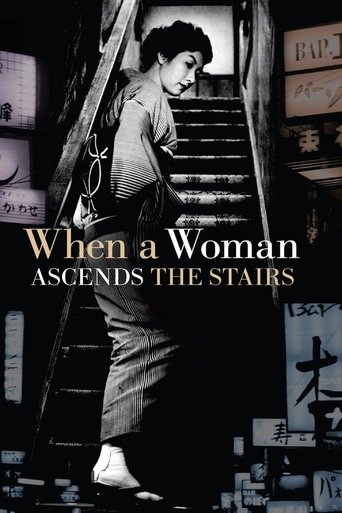
8.0Keiko, whom everyone calls Mama, narrates her story: she's a hostess on the Ginza, 30, a widow. She describes life's vicious cycle: acting cheerful around drunks, dressing and living well to convey confidence, needing money for these expenses and for her demanding mother and brother, and knowing she's growing older.
When a Woman Ascends the Stairs
1960
 7.7
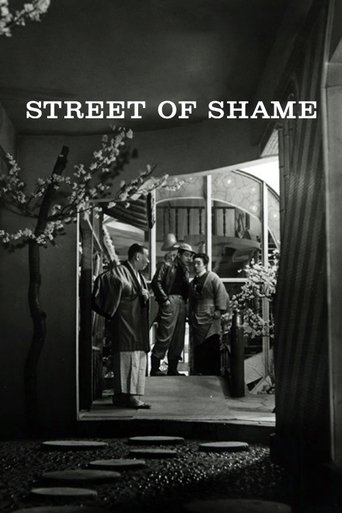
7.7Follows five sex workers employed at a Japanese brothel while the nation debates the passage of an anti-prostitution law.
Street of Shame
1956
Film credits
1960s · 21 titles
7.7A woman and her daughter are each forced to contend with an increasing pressure to marry, particularly from three men who knew her late husband.
Late Autumn
1960
8.0Keiko, whom everyone calls Mama, narrates her story: she's a hostess on the Ginza, 30, a widow. She describes life's vicious cycle: acting cheerful around drunks, dressing and living well to convey confidence, needing money for these expenses and for her demanding mother and brother, and knowing she's growing older.
When a Woman Ascends the Stairs
1960
 8.7
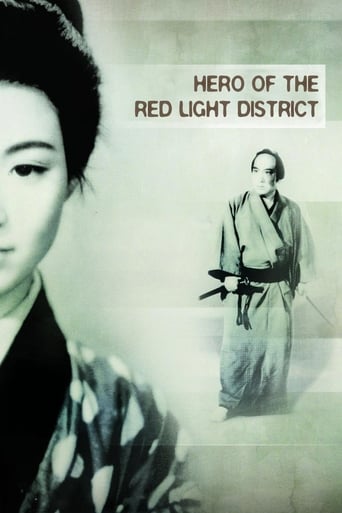
8.7A successful textile industrialist from the provinces, who is beloved by his employees for his kindness, cannot find a wife because of a disfiguring birthmark on his face. Even the courtesans in Yoshiwara refuse to entertain him, until an indentured peasant prostitute, Tamarazu, takes the unsavoury assignment and treats him with brash tenderness.
Hero of the Red Light District
1960
 7.3
7.3Three robbers escape with loot from a heist before one of them kills the others. Their corpses wash up near the aftermath of a maritime calamity, provoking a policeman's interest.
A Fugitive from the Past
1965
 6.5
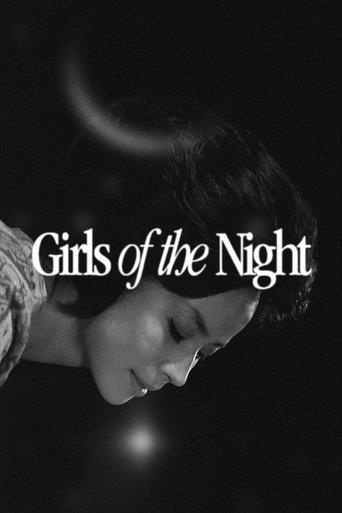
6.5In the wake of the 1956 Prostitution Prevention Law, a young woman recently released from one of Japan's new rehabilitation centers struggles to build a new life.
Girls of the Night
1961
 7.1
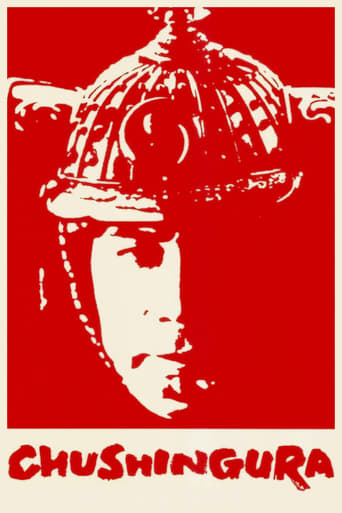
7.1After their lord is tricked into committing ritual suicide, forty-seven samurai warriors await the chance to avenge their master and reclaim their honor.
Chûshingura
1962
 7.5
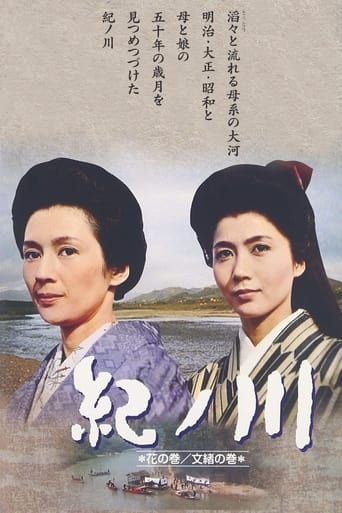
7.5Epic saga of an idealistic land-owning family dealing with militarism, war, social change and economic reform.
The Kii River
1966
 NR
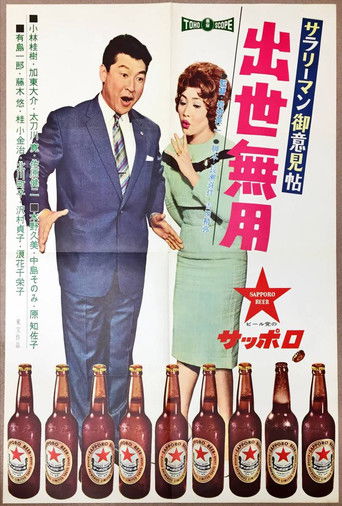
NRA beer salesman with a passion for fishmongering stumbles through mishaps, rivalries, and gangster trouble while chasing a big contract, winning the deal through quick thinking—then turns down a promotion to keep working his own way.
Salaryman Idea Book: Concern for Success
1960
 5.5
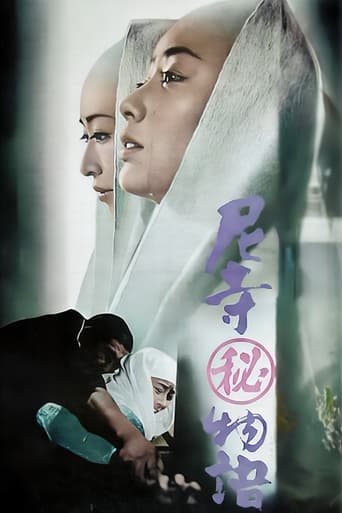
5.5Erotic Pinku film showcasing he life of Buddhist nuns during the Edo Period.
Nunnery Confidential
1968
 8.3
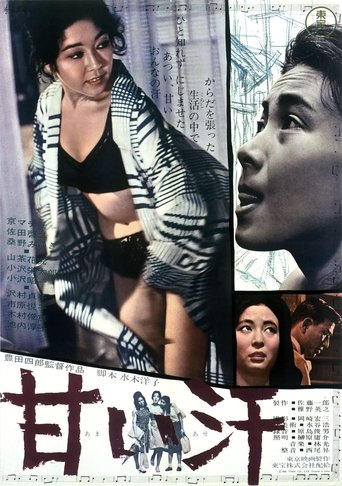
8.3This film by Toyoda depicts the hard life of an unmarried mother in Tokyo. Umeko (Machiko Kyo), at 36, is working in a bar, struggling valiantly to keep her family together. Her 17-year-old daughter Takeko becomes increasingly upset by her mother's constant drinking and yakuza boyfriend, and runs away from home. Kyo's performance was highly praised.
Sweet Sweat
1964
 6.5
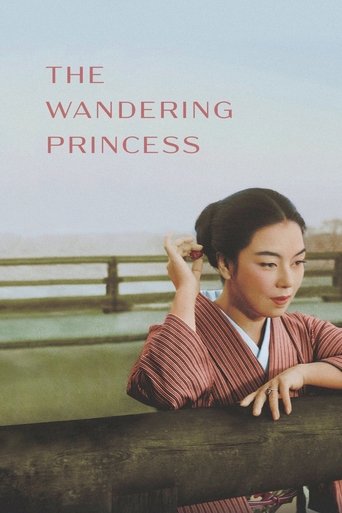
6.5Pu Zhe, younger brother of the Emperor of Manchukuo, marries Ryuko, daughter of an aristocratic family. To the surprise of all, a deep love between Pu Zhe and Ryuko develops and is put to the test when Japan loses the war.
The Wandering Princess
1960
 10.0
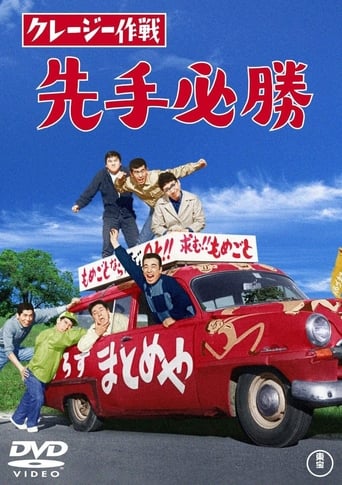
10.0After being fired from his company, Hitoshi Ueda opens a arbitration company. Experts from various fields gather around him and with their natural vitality, they solve one dispute after another. But as it turns out, their next dispute will be at a global scale.
Crazy Operation: First Move
1963
 8.0
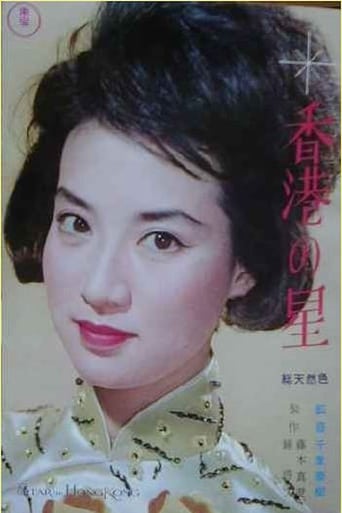
8.0Wang Xinglian returns from her studies in Japan to visit her father in Hong Kong where she has an encounter with the young Japanese Hasegawa Toru. The two meet again and fall in love in Hokkaido when Wang and her best friend Sugimoto Kanako are going on a holiday. Urged by her friend Zhang Yingming to concentrate on her studies, Wang remains ambivalent about the relationship, and is even more upset to realise that Sugimoto is in love with her fellow countryman. Feigning an engagement with Zhang, Wang initiates a break-up with Hasegawa and finds work in Singapore after graduation. Hasegawa learns the real cause of the break-up from Sugimoto in Hong Kong. A frenzy search finally leads to a reunion and a proposal in Kuala Lumpur. However, their love is doomed by a twist of fate as Wang must leave to see her desperately ill father in Hong Kong while Hasegawa has to leave for America to pursue his career.
Star of Hong Kong
1962
 6.5
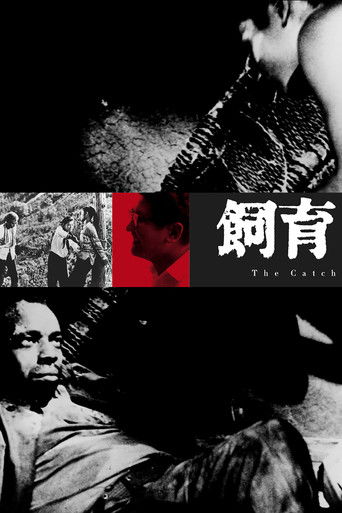
6.5Towards the end of WWII, a black American pilot is captured and imprisoned by rural Japanese villagers, who await official instructions as to how to proceed with their 'catch'.
The Catch
1961
 6.7
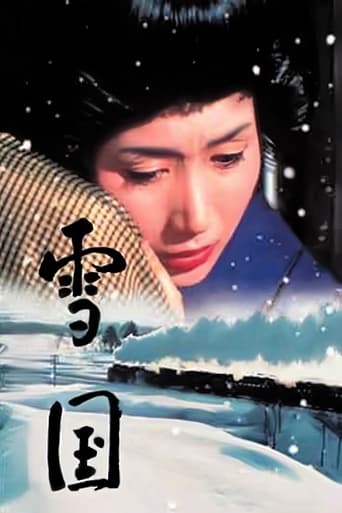
6.7This movie is based on an immortal literary work "The Snow Country," a story about a life of geisha Komako who lives in a region with heavy snowfalls.
Snow Country
1965
 NR
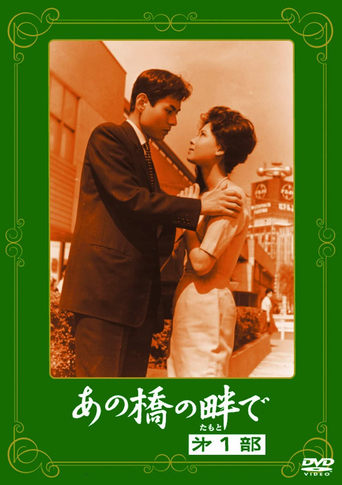
NR1962 Japanese movie
At the Side of the Bridge
1962
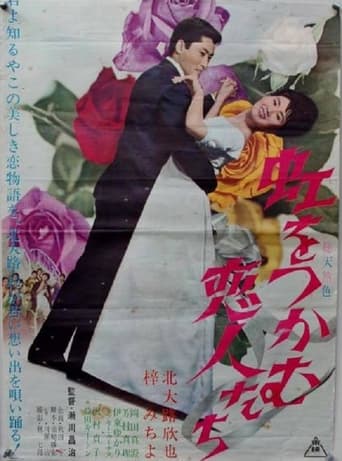 NR
NRA seamstress seeks the love of her life while helping a troubled couple.
Love on the Rainbow
1965
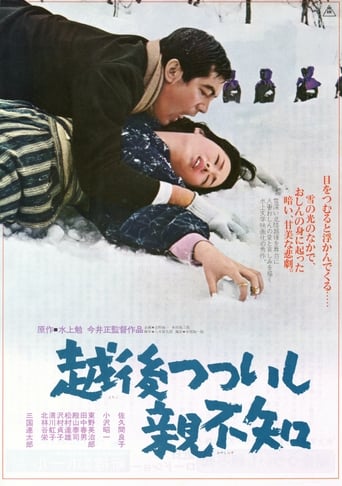 7.2
7.2A sake factory worker on holiday returns to his home town, where he rapes the wife of one of his co-workers in the forest. The other man returns home to find his wife changed and suspects that she has been unfaithful.
A Story from Echigo
1964
 6.3
6.3One week into newlywed Teiko Uhara's marriage, her husband, Kenichi, leaves on a short business trip and never returns. Teiko travels across Japan to search for him, and along the way discovers some surprising facts about her husband's past. With only a pair of old photographs among his belongings to go off of, Teiko tries to figure out what has happened to him.
Zero Focus
1961
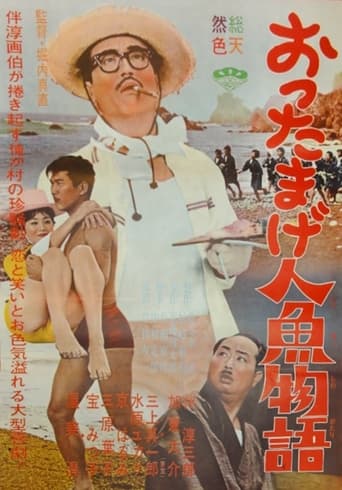 NR
NR1962 Japanese movie
Ottamage ningyo monogatari
1962
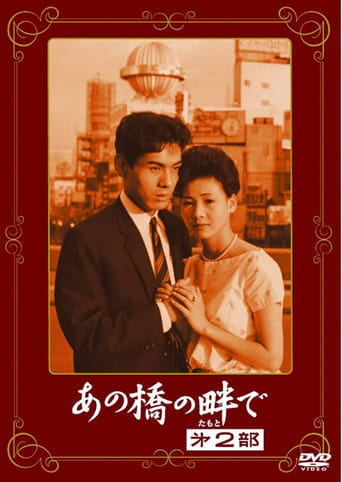 NR
NR1962 Japanese movie
At the Side of the Bridge 2
1962
1950s · 34 titles
7.7Two boys beg their parents for a television set, nagging them until all patience is lost. The parents order the boys to be quiet and the boys do exactly that--refusing to utter a word. The boys' silence ultimately puts the whole neighborhood into turmoil.
Good Morning
1959
NRNo synopsis available yet.
Edo wa aozora
1958
7.8During the Edo Period, a noblewoman's banishment for her love affair with a lowly page signals the beginning of her inexorable fall.
The Life of Oharu
1952
7.7Follows five sex workers employed at a Japanese brothel while the nation debates the passage of an anti-prostitution law.
Street of Shame
1956
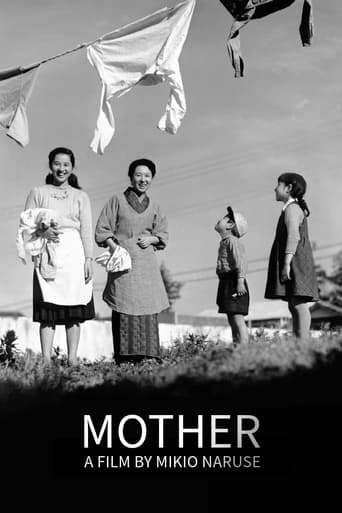 7.0
7.0A teenaged girl witnesses her widowed mother's attempt to sustain her family.
Mother
1952
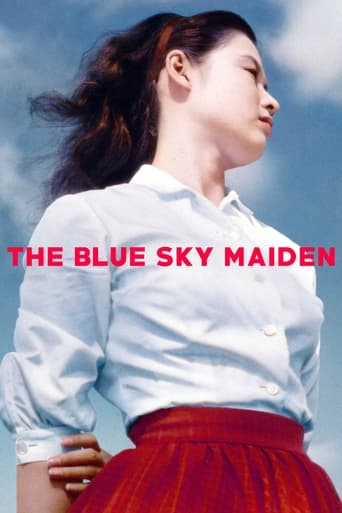 7.1
7.1Yuko is sent to the coastal regions to be raised away from the rest of her sophisticated family where she finds out from her ill grandmother that she is not who she thought she was.
The Blue Sky Maiden
1957
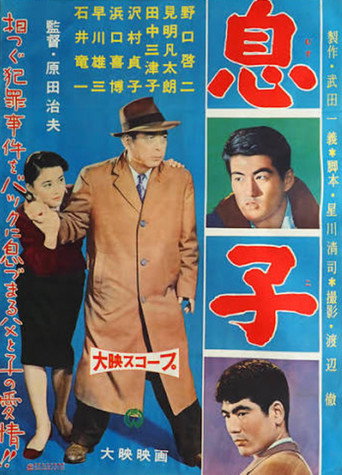 NR
NRA series of mysterious robberies at gas stations across Tokyo and a seasoned detective with no leads—until his runaway son suddenly emerges as a suspect.
Musuko
1959
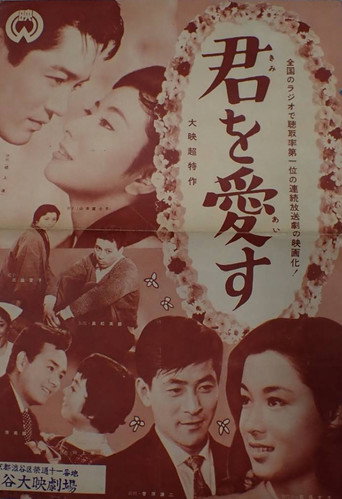 NR
NRA romantic story about a young medical student and a Japanese dancer who meet while watching a university ice hockey league game, and how they overcome various difficulties to be together.
I Love You
1956
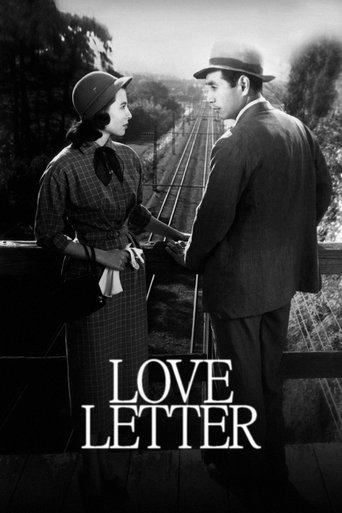 6.9
6.9Five years after the end of the Second World War, Reikichi, a repatriated veteran, translates love letters for Japanese women to American GIs, while searching for his lost love, Michiko.
Love Letter
1953
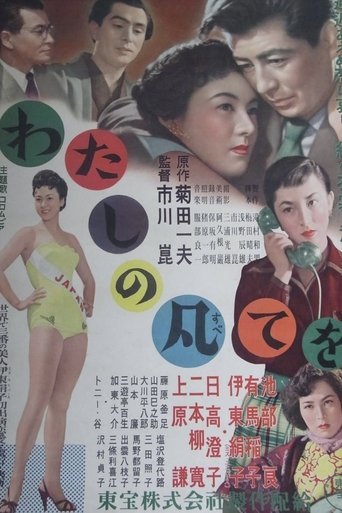 NR
NRThe daughter of a former Miss Universe winner finds success as a fashion model in Tokyo following the death of her fiancé.
All of Myself
1954
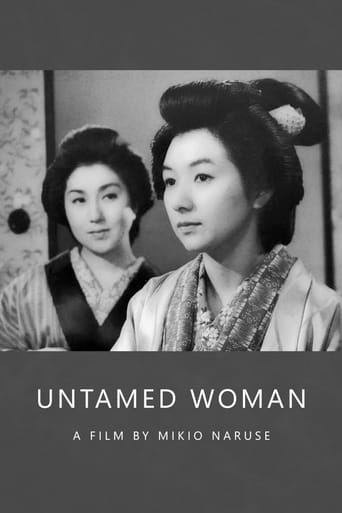 7.5
7.5A woman marries, gives birth to a stillborn child, and divorces, falls in love with a hotel-keeper, only to find herself subordinated to his drive for success, takes up with a tailor who cannot console himself with her strong personality.
Untamed Woman
1957
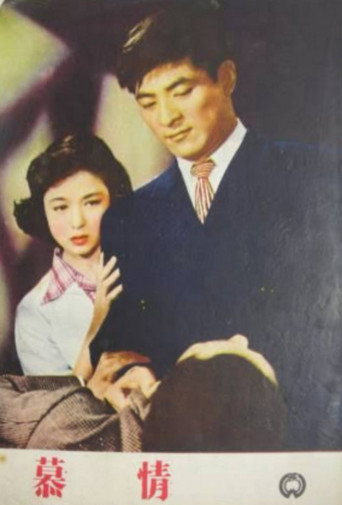 NR
NRA young judo athlete ends up working as a cabaret bouncer.
Yearning
1954
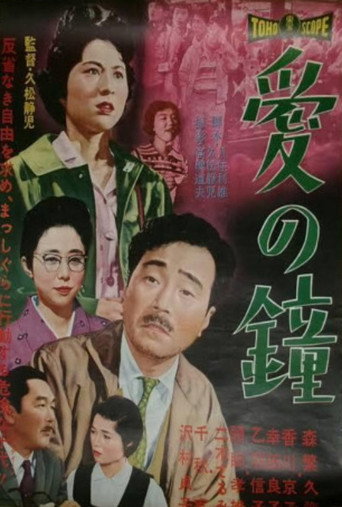 NR
NRNo synopsis available yet.
The Bell of Love
1959
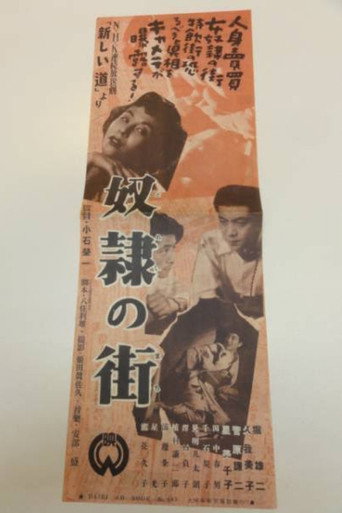 NR
NRYosuke Machida of the Daito Shinpo hears from a boy named Toshi-bo, whom he found on the street, that Toshi-bo’s older sister, Toyo, was deceived by a man named Taichi Tachikawa and sold into prostitution in a red-light district. He then set foot in this district for the first time and met Michiko Kawabe, a female reporter known by the nickname “Yoshie.” After hearing various details about the situation from her, he learned that Toyo was at “Kotogawa.”
Dorei no machi
1951
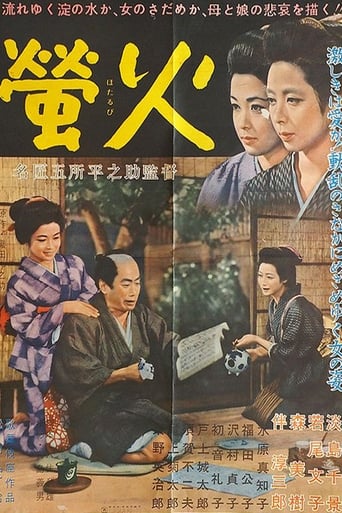 9.0
9.0Set in the 1860s, the final years of the Tokugawa Shogunate, The Fireflies focuses on Tose (Awashima Chikage), the mistress of the Teradaya, a small inn in the Kyoto suburb of Fushimi. She does not have an easy life. Her husband, Isuke (Ban Junzaburo), is a wastrel who fancies himself a kabuki singer and who is obsessed with cleanliness. Her mother-in-law, Sada (Miyoshi Eiko) dislikes her because of her humble origins (her family are farmers) and because she fears that she will inherit the inn instead of Sugi, her daughter. Sada's hopes for Sugi, however, are dashed when she runs off with a con artist and leaves her child behind for Tose to take care of. When Sada becomes seriously ill, it is Tose who nurses her. On her deathbed, Sada asks her daughter-in-law's forgiveness. Meanwhile Isuke spends most of his time with a mistress he has taken, forcing Tose to manage the inn by herself
Firefly Light
1958
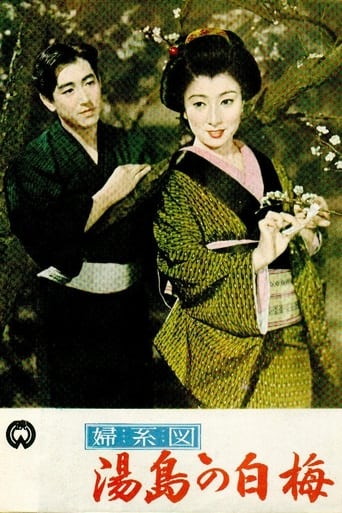 8.0
8.0Hayase, a schoolteacher, assists Sakai in editing a German-Japanese dictionary. Hayase owes much to Sakai, as Sakai raised him for 13 years after Hayase lost his parents in a war. Hayase has been secretly married to Otsuta, a former geisha, and has been unable to tell Sakai of the marriage, aware as he is that Sakai wants him to marry his daughter, Taeko. Otsuta wants Hayase to tell Sakai about her, but understands the difficulty of his position. At a festival, Otsuta is mistaken for a pickpocket and taken to the police. Because of her background as a geisha, newspaper reporters eagerly delve into her past and report that she has been married to Hayase. Unaware of what has been printed in the papers, Hayase decides to tell Sakai about his marriage. Sakai shows the newspaper to him and orders Hayase to part with Otsuta. Given no chance to explain, Hayase accepts Sakai's order.
The Romance of Yushima
1955
 NR
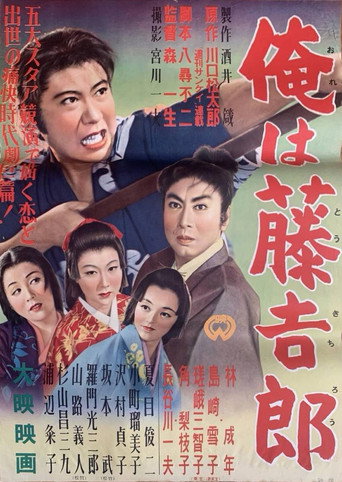
NRNo synopsis available yet.
I Was Tokichiro
1955
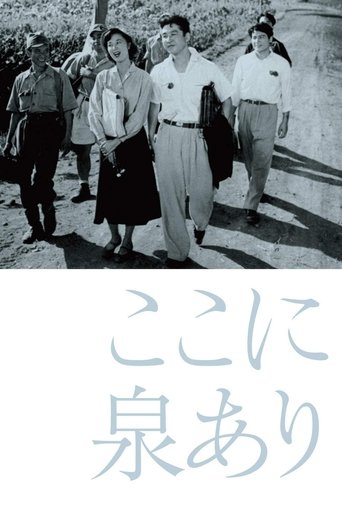 8.2
8.2The story of a group of young people who organise their own travelling symphony orchestra to provide music for people living in remote villages shortly after the war.
Here Is a Spring
1955
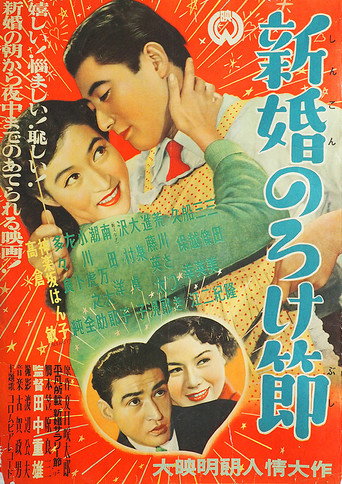 NR
NRA comedy about newlyweds.
Shinkon noroke bushi
1953
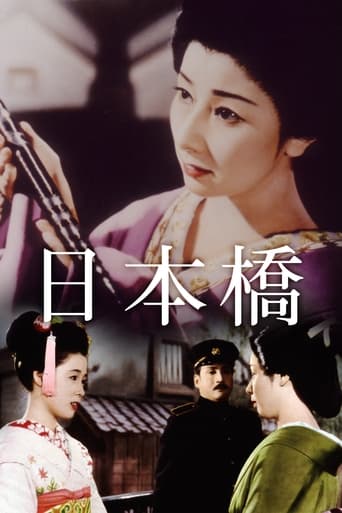 7.8
7.8Ichikawa's 1956 adaptation of Nihonbashi was the first to take the work of Kyoka Izumi— until then regarded as a writer of common tragic melodramas—and re-evaluate it as a tanbi-ha work of decadence, aestheticism, and intrigue. Ichikawa's film presents the tragic plot of the young geisha who is unable to enact her love for a man publicly in any way other than a histrionic story of torment, a heart-rending tale of lovers being crushed by fate. Instead, Ichikawa shows the contest of wills that transpires as two geisha, Oko and Kiyoha fight for the top spot in Nihonbashi, the pinnacle of the Tokyo geisha world. Nihonbashi is an elegant, if steely, exposition of manners. The young doctor, Shinzo Katsuragi, is the object of affection for both women, but appears to be more the choice reward for the plotting and thieving of these two early modern superwomen, than a lover they swoon over.
Bridge of Japan
1956
 7.2
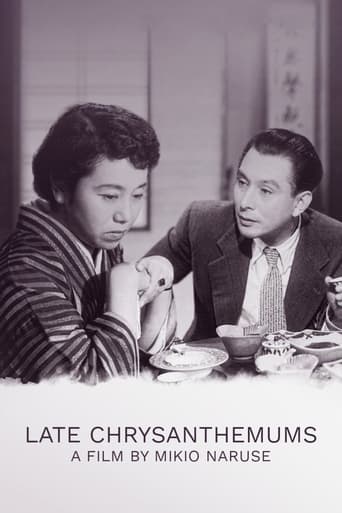
7.2What is the life of a Geisha like once her beauty has faded and she has retired? Kin has saved, and become a wealthy money-lender, spending her days coldly collecting debts. Even her best friends, fellow Geisha Tomi, Nobu, and Tamae, are now indebted to her. For all of them, the glamour of their young lives has passed; Tomi and Tamae have disappointing children. Kin has two former lovers who still pursue her; one she wants to see, and the other she doesn't. But even the one she remembers fondly, when he shows up, proves less than satisfactory.
Late Chrysanthemums
1954
 8.0
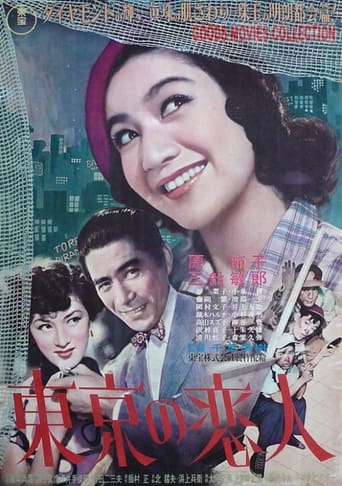
8.0Following the Second World War, the lives of various people in a poverty-stricken area of Tokyo are entertwined. Pachinko parlor girls, shoeshine boys, a maker of costume jewelry, and a streetcorner artist all struggle to make their livings and to find happiness in difficult surroundings.
Tokyo Sweetheart
1952
 NR
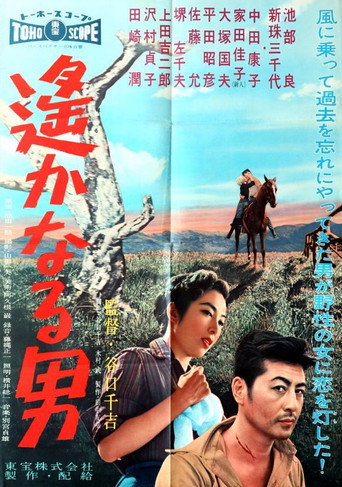
NRNo synopsis available yet.
Faraway Man
1957
 8.0
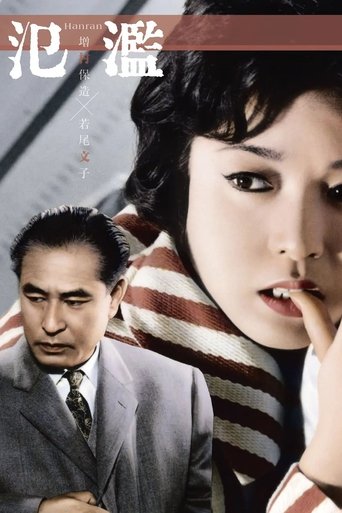
8.0The inventor of a ground-breaking glue, Sanada, becomes rich thanks to his discovery a high executive in his company. Because of this promotion, his world is changing completely : his wife behaves like never before, considering she's now rich and has the right to do whatever she wants, even having an affair. (Also occasionally known in English as “Overflow”)
The Cast-Off
1959
 6.9
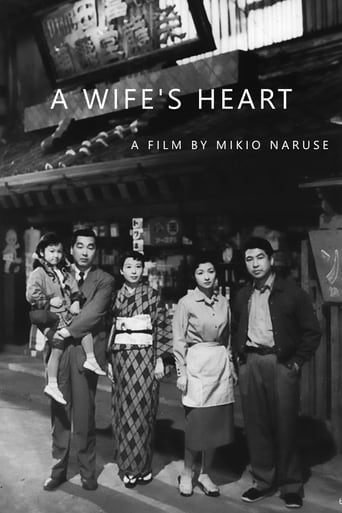
6.9A young woman tries to raise money to open her own coffee shop. She arranges a loan when her rigid family won't help and then her husband becomes jealous of the loan officer.
A Wife's Heart
1956
 10.0
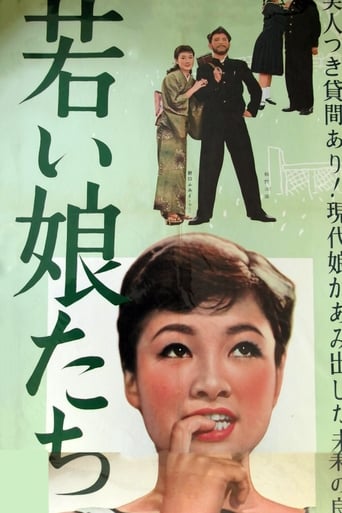
10.0In order to get Kanako (Izumi Yukimura) married, her mother places a rental listing in the student medical school newsletter and attempts to find a suitable lodger who will catch the eye of her daughter.
Bright Young Maidens
1958
No synopsis available yet.
Story of a Detective's Assistant Sequel
1957
 7.8
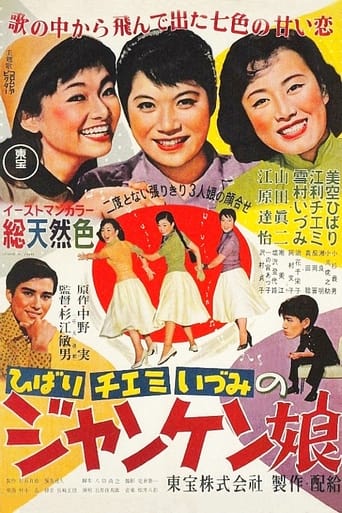
7.8Two high school girls, Ruri and Yumi, go to Kyoto on a school trip, here they get acquainted with Hinagiku, there are many adventures ahead of the three of them. A musical starring 3 Japanese pop music and TV stars.
So Young, So Bright
1955
 NR
NRNo synopsis available yet.
Gendai no yokubô
1956
 7.0
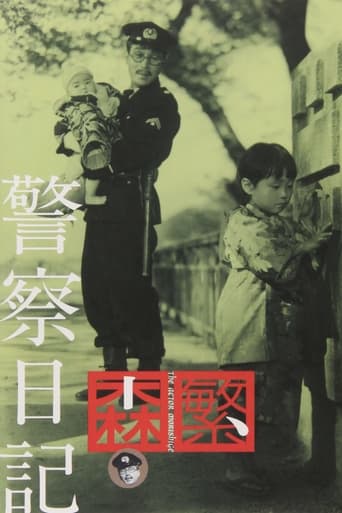
7.0Lending money, job hunting for civilians and babysitting. All these things are usually not listed on a policeman's job description. But for the officers of this local police station, it‘s part of their daily routine. One day, patrolman Yoshii (Hisaya Morishige) finds an abandoned baby and a six year old girl standing in front of the station. When he's declined by the welfare office, orphanage and local health clinic to take them in, he decides to take care of them himself.
Policeman's Diary
1955
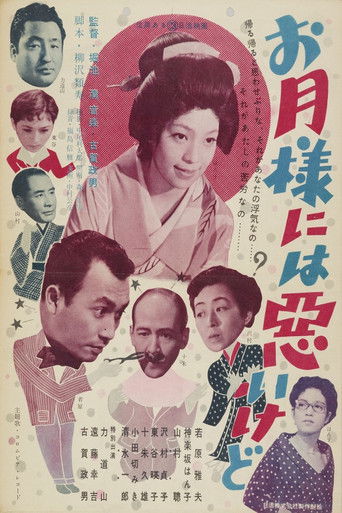 8.0
8.0No synopsis available yet.
お月様には悪いけど
1954
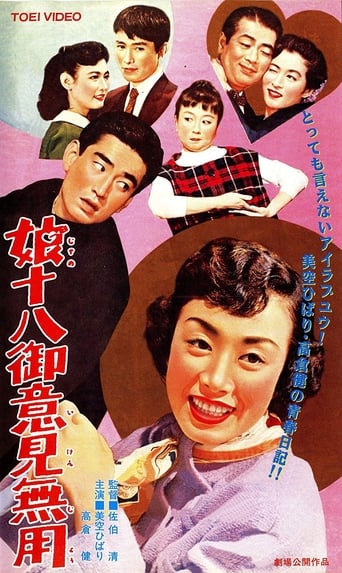 NR
NRA comical love story between two college students — Hitomi, a strong-willed girl, and Shogo, a handsome, earnest and poverty stricken man.
No Advice Taken
1958
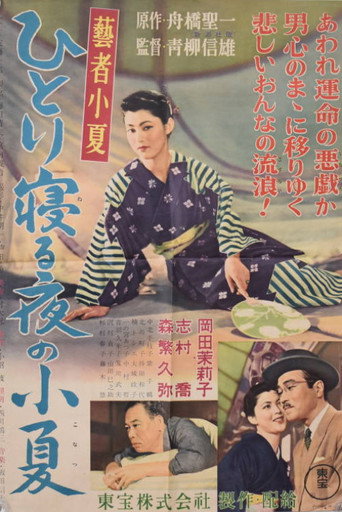 NR
NRA sequel to Geisha Konatsu (1954).
The Tears of Geisha Konatsu
1955
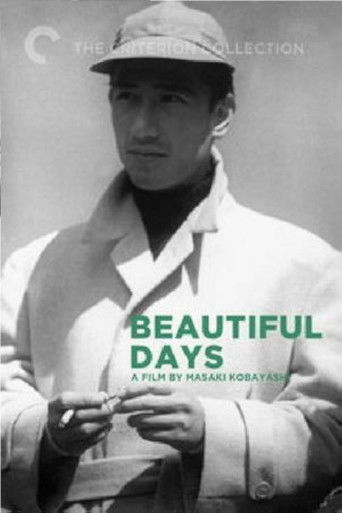 6.9
6.9A romantic drama depicting the lives of two generations of a family who run a Tokyo florist shop.
Beautiful Days
1955
1940s · 5 titles
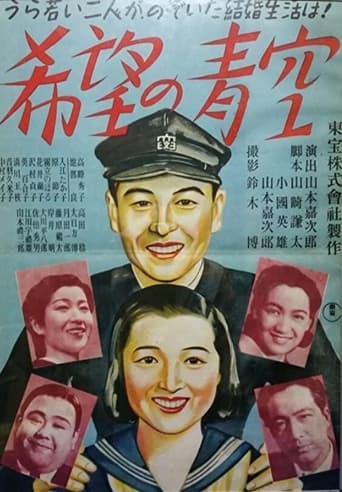 8.0
8.0What is marriage? Young couple in match-making wanted to know before they decide. They visited married couples of sisters and brothers. Love comedy in 1942.
Sky of Hope
1942
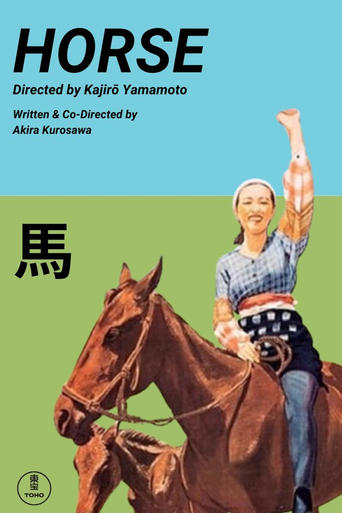 6.3
6.3Ine Onoda, the eldest daughter of a poor family of farmers, raises a colt from birth and comes to love the horse dearly. When the horse is grown, the government orders it auctioned and sold to the army. Ine struggles to prevent the sale.
Horse
1941
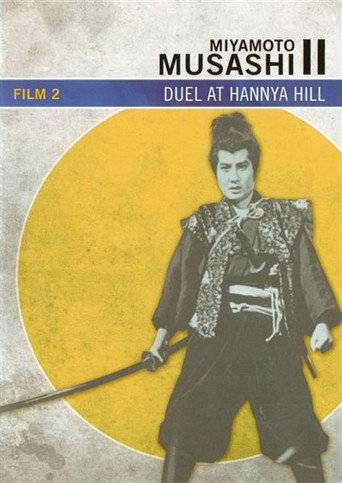 NR
NRMiyamoto Musashi is challenged by a series of opponents in this follow up to Miyamoto Musashi's Kongoin Ketto (1942, also called Nitoryu Kaigen) also directed by Ito Daisuke.
Miyamoto Musashi - Battle at Han'nya Hill
1943
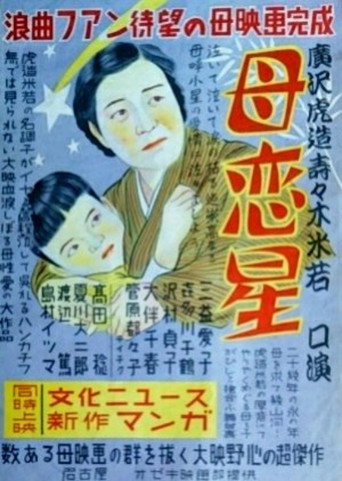 NR
NRNo synopsis available yet.
Haha koiboshi
1949
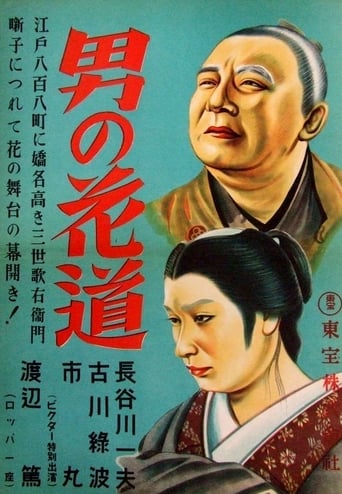 7.0
7.0No synopsis available yet.
A Man's Flower Road of Triumph
1941
Series credits
No synopsis available yet.
おれの義姉さん
1970
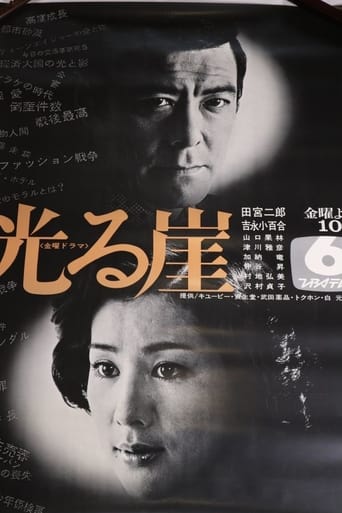 NR
NRThe drama depicts the fateful meeting and falling in love between a man living in the glamorous world of the fashion business and a woman living in the social reality of law and order.
Hikarugake
1977
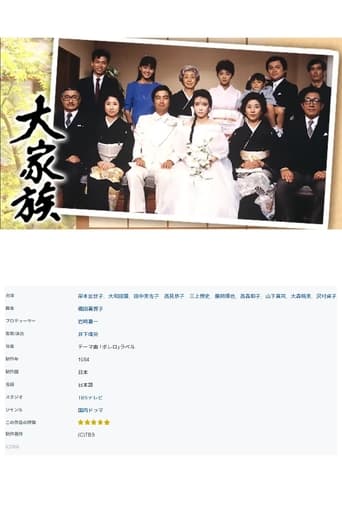 NR
NRNo synopsis available yet.
Daikazoku
1984
 NR
NRNo synopsis available yet.
365日の献立日記
2019