
Acting
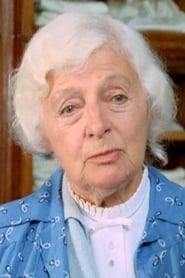
Sheila Raynor
Born — Died
1908-03-15 — 1998-02-17
Place of birth
London, England, UK
Known for
Acting
Credits
39 titles
Sheila Raynor (15 March 1906 – 17 February 1998) was a British actress. She appeared in Jack Clayton's adaptation of Room at the Top. One of her notable roles was that of Alex's (Malcolm McDowell) mother in A Clockwork Orange.
Known for
 5.7
5.7Crown Court is an afternoon television courtroom drama produced by Granada Television for the ITV network that ran from 1972, when the Crown Court system replaced Assize courts and Quarter sessions in the legal system of England and Wales, to 1984.
Crown Court
1972
 8.2
8.2In a near-future Britain, young Alexander DeLarge and his pals get their kicks beating and raping anyone they please. When not destroying the lives of others, Alex swoons to the music of Beethoven. The state, eager to crack down on juvenile crime, gives an incarcerated Alex the option to undergo an invasive procedure that'll rob him of all personal agency. In a time when conscience is a commodity, can Alex change his tune?
A Clockwork Orange
1971
 7.8
7.8The trials and misadventures of the staff at a country veterinary office in Yorkshire. James Herriot, a young animal surgeon, moves to a small Yorkshire town to begin his first job.
All Creatures Great and Small
1978
 7.4
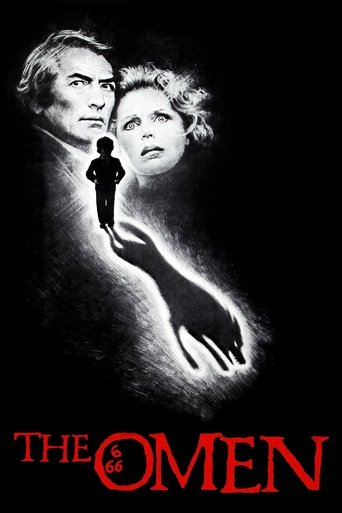
7.4Immediately after their miscarriage, the US diplomat Robert Thorn adopts the newborn Damien without the knowledge of his wife. Yet what he doesn’t know is that their new son is the son of the devil.
The Omen
1976
 6.8
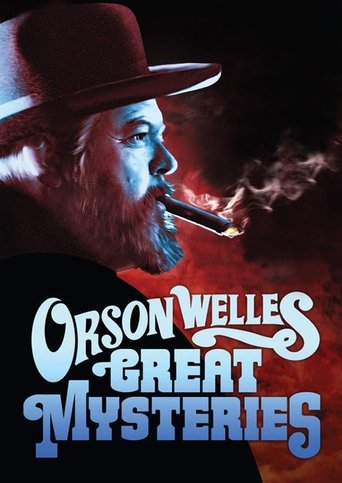
6.8Orson Welles’ Great Mysteries is a British television anthology series produced by Anglia Television for the ITV network and broadcast between 1973 and 1974. The series presents standalone adaptations of classic mystery, crime, and supernatural stories drawn from literary sources including Dickens, Conan Doyle, Wilkie Collins, Balzac, Maugham, O. Henry, and others. Each episode is framed by original introductory and closing sequences performed by Orson Welles, who serves as the series’ host and sole recurring on-screen presence. These segments, written and directed by Welles (uncredited), function as stylized narrative framing devices rather than dramatic participation in the stories themselves. The dramatic content of each episode is performed by separate casts and directors, with no continuing characters or serialized narrative, establishing the series as a unified television anthology rather than a collection of standalone films.
Orson Welles' Great Mysteries
1973
Drama 61-67 is anthology drama series which took a different title, based on year of transmission, each year. It alternated with Armchair Theatre from ABC in the Sunday evening slot. The series was described at the time as epitomising ATV drama.
Drama 61-67
1961
Film credits
1980s · 3 titles
 6.5
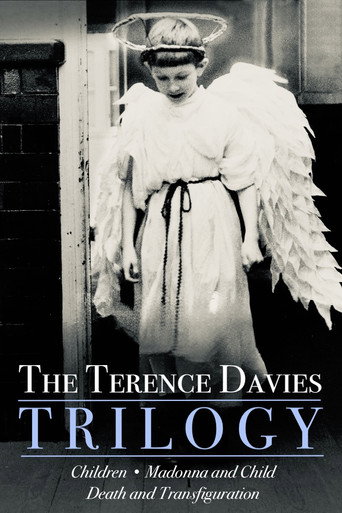
6.5In stark black and white, Terence Davies excavates the life of his fictional alter ego, Robert Tucker, in a narrative that slips between childhood, middle age and death, shaping the raw materials of his own life into a rich tapestry of experiences and impressions.
The Terence Davies Trilogy
1983
 NR
NRDecades after the end of World War II, escaped war criminal Klaus Barbie is brought to justice.
The Trial of Klaus Barbie
1987
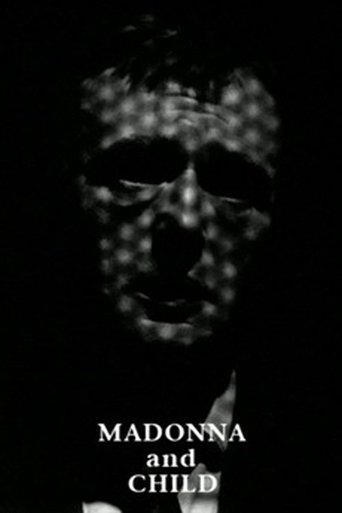 6.1
6.1A middle-aged British man struggles to reconcile his homosexuality and his Catholic upbringing.
Madonna and Child
1980
1970s · 6 titles
8.2In a near-future Britain, young Alexander DeLarge and his pals get their kicks beating and raping anyone they please. When not destroying the lives of others, Alex swoons to the music of Beethoven. The state, eager to crack down on juvenile crime, gives an incarcerated Alex the option to undergo an invasive procedure that'll rob him of all personal agency. In a time when conscience is a commodity, can Alex change his tune?
A Clockwork Orange
1971
7.4Immediately after their miscarriage, the US diplomat Robert Thorn adopts the newborn Damien without the knowledge of his wife. Yet what he doesn’t know is that their new son is the son of the devil.
The Omen
1976
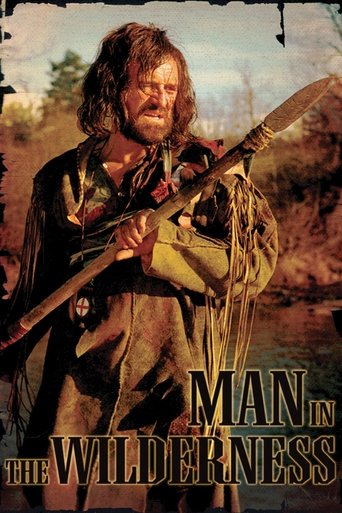 6.3
6.3In the early 1800s, a group of fur trappers and Indian traders are returning with their goods to civilization and are making a desperate attempt to beat the oncoming winter. When guide Zachary Bass is injured in a bear attack, they decide he's a goner and leave him behind to die. When he recovers instead, he swears revenge on them and tracks them and their paranoiac expedition leader down.
Man in the Wilderness
1971
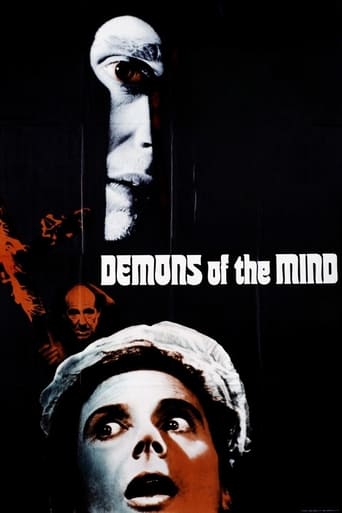 5.3
5.3A physician discovers that two children are being kept virtually imprisoned in their house by their father. He investigates, and discovers a web of sex, incest and satanic possession.
Demons of the Mind
1972
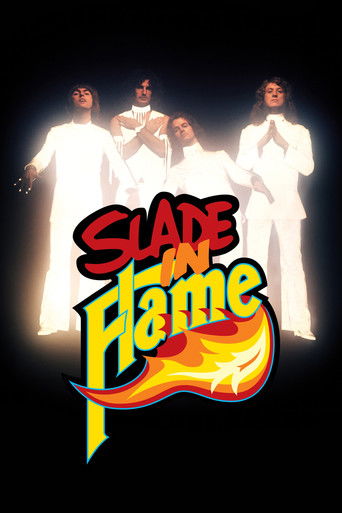 7.3
7.3Light the Rock 'n Roll spark with a Flame in the guise of Dave, Noddy, Jim and Don and their showcase of the rise and demise of rock band Flame. Set in the hardships of North England's seventies working class society and music scene. This build-up from rags to riches is a parody of realism and grit, with double-dealings and harsh unforgiving dog eat dog mentalities, and the golden rule; if you play with matches then you're going to get burnt, in the flames of the music industry.
Flame
1975
 7.3
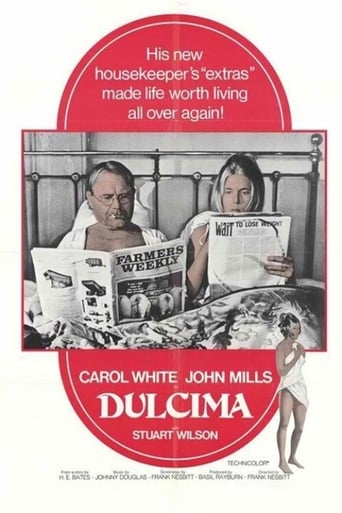
7.3Dulcima, treated as a drudge by her family, becomes a housekeeper to Parker, a curmudgeonly widower living in drunken disarray on a neighbouring farm. When she sees the amount of money he has stashed around the place, Dulcima is happy enough to indulge his growing desire for her, and a strange, yet mutually beneficial, relationship develops. But a handsome young gamekeeper, newly arrived on a nearby estate, also catches Dulcima's eye...
Dulcima
1971
1960s · 4 titles
 5.7
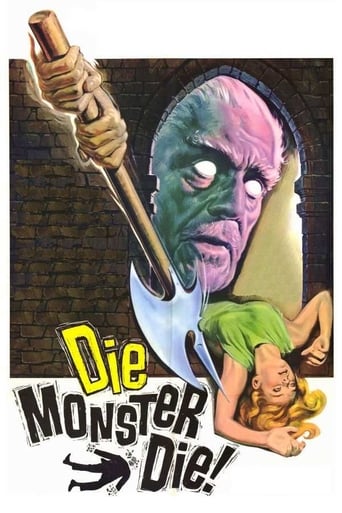
5.7A young man visits his fiancé's estate to discover that her wheelchair-bound scientist father has discovered a meteorite that emits mutating radiation rays that have turned the plants in his greenhouse to giants. When his own wife falls victim to this mysterious power, the old man takes it upon himself to destroy the glowing object with disastrous results.
Die, Monster, Die!
1965
What is the mystery behind the murder of an apparently innocent man? Who was so afraid of the secrets he knew that they would kill him?
The Confession
1967
No synopsis available yet.
Which of These Two Ladies Is He Married To?
1967
 6.6
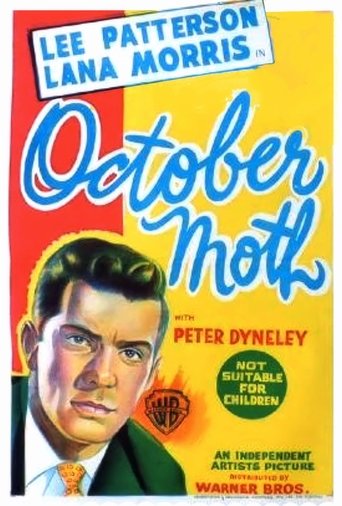
6.6A mentally ill farm worker comes to believe that an injured car crash victim is his mother and becomes so unhinged that he turns to murder.
October Moth
1960
1950s · 6 titles
 6.9
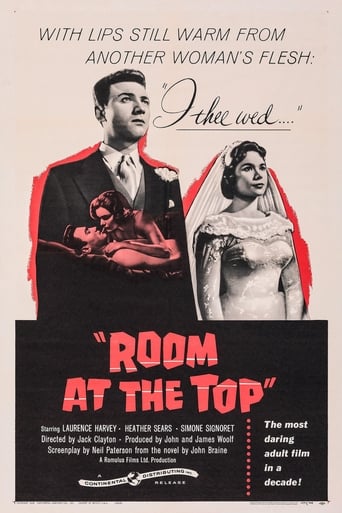
6.9An ambitious young accountant schemes to wed a wealthy factory owner's daughter, despite falling in love with a married older woman.
Room at the Top
1958
 7.3
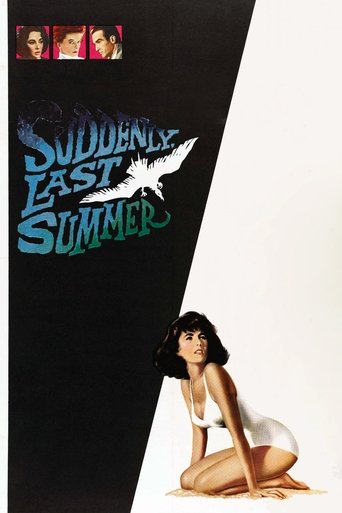
7.3The only son of wealthy widow Violet Venable dies while on vacation with his cousin Catherine. What the girl saw was so horrible that she went insane; now Mrs. Venable wants Catherine lobotomized to cover up the truth.
Suddenly, Last Summer
1959
 6.7
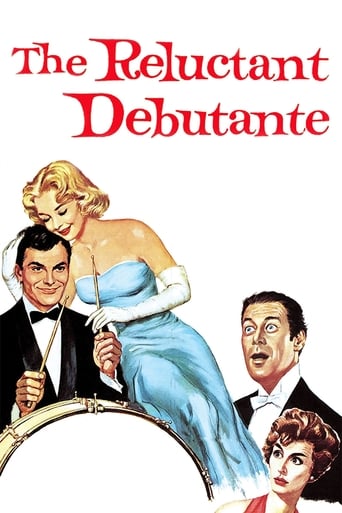
6.7While visiting her father, an American teenage girl is thrown into London society during its final "Debutante Season."
The Reluctant Debutante
1958
 7.2
7.2A Liverpool juvenile liaison officer struggles with a young and dangerous pyromaniac.
Violent Playground
1958
 6.9
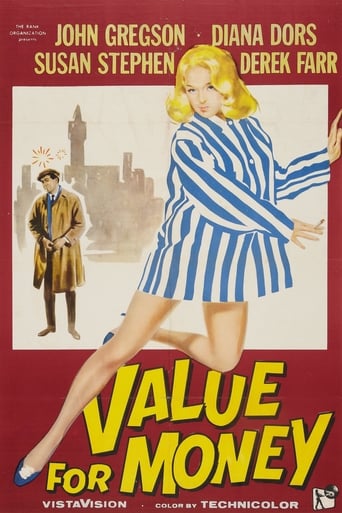
6.9A wealthy young man from Yorkshire visits a London nightclub and meets a performer. She decides to take him for every penny he is worth, and he decides to let her.
Value for Money
1955
 7.4
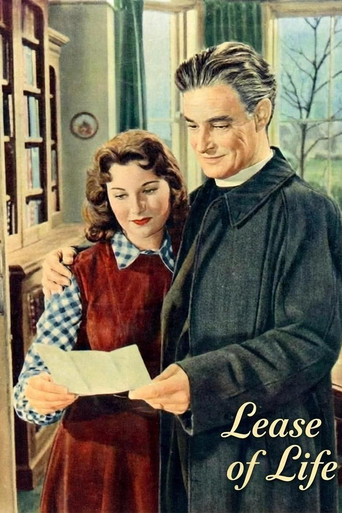
7.4William Thorne, vicar of a small village, leads a modest life as a clergyman. Supporting his wife Vera and musically talented daughter Susan with his work, Thorne is also thoroughly devoted to his community. When he finds out that he doesn't have long to live, however, Thorne rethinks his staid existence and develops a more vibrant way of being, affecting all of those around him.
Lease of Life
1954
1940s · 2 titles
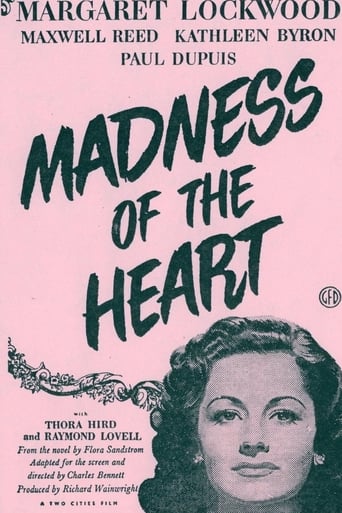 6.0
6.0A blind Englishwoman weds a French nobleman and moves into his family's chateau, but she quickly realizes someone there wants her out of the way.
Madness of the Heart
1949
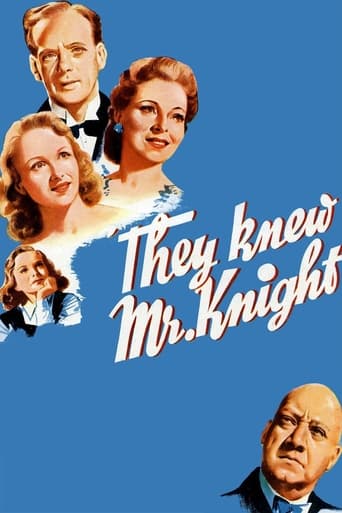 6.2
6.2After a chance train encounter with Laurence Knight, Tom Blake's family's fortunes prosper on the beneficence of the great financier. A developing friendship leads to the Knights selling their home to the Blakes when they move back to London. All looks rosy for the Blakes as share prices in Mr Knight's new business venture soar, but is their confidence misplaced?
They Knew Mr. Knight
1946
Series credits
5.7Crown Court is an afternoon television courtroom drama produced by Granada Television for the ITV network that ran from 1972, when the Crown Court system replaced Assize courts and Quarter sessions in the legal system of England and Wales, to 1984.
Crown Court
1972
7.8The trials and misadventures of the staff at a country veterinary office in Yorkshire. James Herriot, a young animal surgeon, moves to a small Yorkshire town to begin his first job.
All Creatures Great and Small
1978
6.8Orson Welles’ Great Mysteries is a British television anthology series produced by Anglia Television for the ITV network and broadcast between 1973 and 1974. The series presents standalone adaptations of classic mystery, crime, and supernatural stories drawn from literary sources including Dickens, Conan Doyle, Wilkie Collins, Balzac, Maugham, O. Henry, and others. Each episode is framed by original introductory and closing sequences performed by Orson Welles, who serves as the series’ host and sole recurring on-screen presence. These segments, written and directed by Welles (uncredited), function as stylized narrative framing devices rather than dramatic participation in the stories themselves. The dramatic content of each episode is performed by separate casts and directors, with no continuing characters or serialized narrative, establishing the series as a unified television anthology rather than a collection of standalone films.
Orson Welles' Great Mysteries
1973
Drama 61-67 is anthology drama series which took a different title, based on year of transmission, each year. It alternated with Armchair Theatre from ABC in the Sunday evening slot. The series was described at the time as epitomising ATV drama.
Drama 61-67
1961
Drama 61-67 is anthology drama series which took a different title, based on year of transmission, each year. It alternated with Armchair Theatre from ABC in the Sunday evening slot. The series was described at the time as epitomising ATV drama.
Drama 61-67
1961
Drama 61-67 is anthology drama series which took a different title, based on year of transmission, each year. It alternated with Armchair Theatre from ABC in the Sunday evening slot. The series was described at the time as epitomising ATV drama.
Drama 61-67
1961
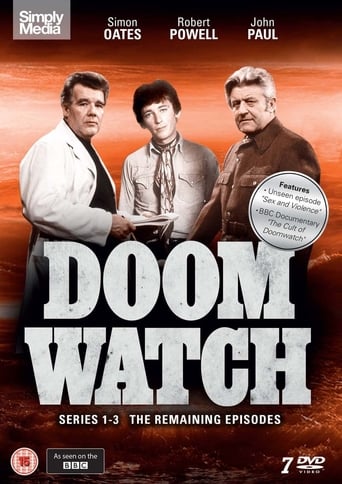 6.4
6.4Doomwatch is a British science fiction television programme produced by the BBC, which ran on BBC 1 between 1970 and 1972. The series was set in the then present-day, and dealt with a scientific government agency led by Doctor Spencer Quist, responsible for investigating and combating various ecological and technological dangers. The series was followed by a film adaptation produced by Tigon British Film Productions and released in 1972, and a revival TV film was broadcast on Channel 5 in 1999.
Doomwatch
1970
6.4Doomwatch is a British science fiction television programme produced by the BBC, which ran on BBC 1 between 1970 and 1972. The series was set in the then present-day, and dealt with a scientific government agency led by Doctor Spencer Quist, responsible for investigating and combating various ecological and technological dangers. The series was followed by a film adaptation produced by Tigon British Film Productions and released in 1972, and a revival TV film was broadcast on Channel 5 in 1999.
Doomwatch
1970
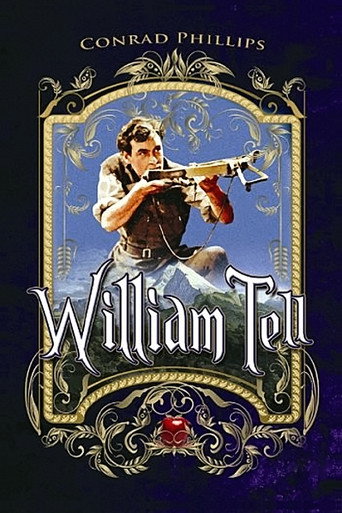 6.8
6.8The Adventures of William Tell is a British swashbuckler adventure series, first broadcast on the ITV network in 1958, and produced by ITC Entertainment.
The Adventures of William Tell
1958
 7.5
7.518 short plays written especially for TV, an opportunity for up-and-coming directors such as floor manager Alan Clarke, who ended up doing 10 of the episodes. Some top ranking performers were attracted to the series.
Half Hour Story
1967
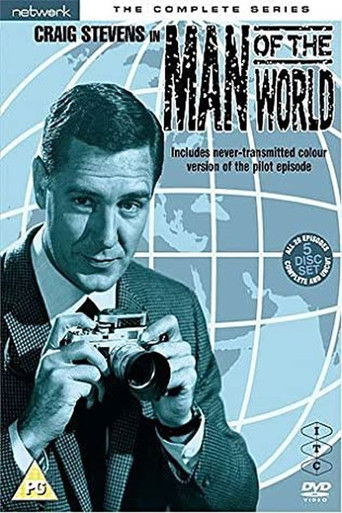 7.2
7.2Michael Strait is a world-renowned photographer whose assignments lead him into investigating mysterious goings-on amongst the rich and glamorous and intrigue from far-flung places as Iraq, French Indochina, and Algiers.
Man of the World
1962
 6.3
6.3Ace of Wands is a fantasy-based British children's television show broadcast on ITV between 1970 and 1972, created by Trevor Preston and Pamela Lonsdale and produced by Thames Television. The title, taken from the name of a Tarot card describes the principal character, called "Tarot" who combined stage magic with supernatural powers. Tarot has a pet Owl named Ozymandias, played by Fred Owl. The series ran for two seasons of thirteen episodes and a third season of twenty, with fourteen story arcs, in a similar manner to early Doctor Who. Many, if not all, of the first 26 episodes are believed to have been wiped, although the final season is intact.
Ace of Wands
1970
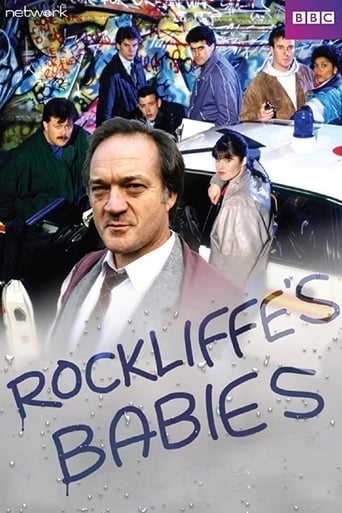 5.8
5.8Rockliffe's Babies is a British television police procedural devised by Richard O'Keefe, and starring Ian Hogg as maverick Detective Sergeant Alan Rockliffe, who is assigned to train seven young recruits to the CID, all fresh out of uniform. Under his irascible guidance, it is hoped that they will blossom into full-blown detectives. But Rockliffe is human – so human that he makes more mistakes than the 'Babies' he's supposed to be training. A follow-up series, Rockliffe's Folly, follows Rockliffe through his relocation to Wessex, dealing with rural crimes as part of a new team of investigators. The seven episode third series proved to be the last, with many citing a change in the programme's formula for the heavy ratings decline. Many viewers stated that the success of the two Babies series came not from Rockliffe himself, but from the popular ensemble cast.
Rockliffe's Babies
1987
 6.7
6.7After 17 years of married life, Chris and Katy Bunting are faced with being parents for the first time. The repercussions are only just starting to become apparent.
Life Begins at Forty
1978
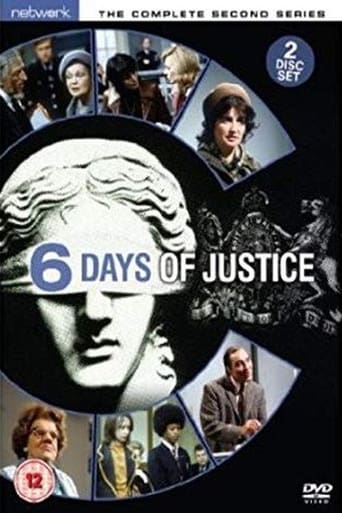 10.0
10.0Six Days of Justice is a British television drama anthology series of single plays created by Thames Television and shown on ITV from 1972 to 1975, over four seasons of six episodes apiece.
Six Days of Justice
1972
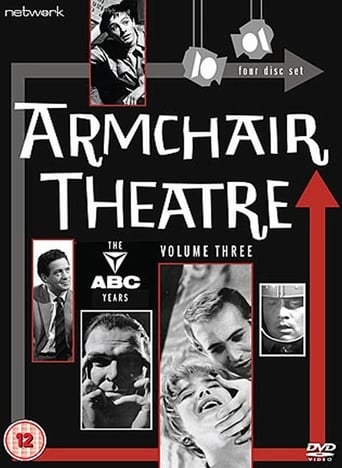 6.0
6.0Armchair Theatre is a British television drama anthology series of single plays that ran on the ITV network from 1956 to 1974. It was originally produced by Associated British Corporation, and later by Thames Television from mid-1968.
Armchair Theatre
1956
This show was a series of six plays in which the hero of one was the villain in another, thus illustrating the good and bad sides of the characters.
Six Shades of Black
1965
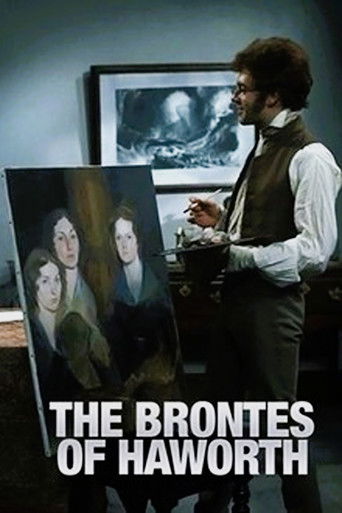 7.0
7.0Dramatized biography of the Brontë sisters Charlotte, Anne and Emily.
The Brontës of Haworth
1973