
Editing
James Beveridge
Born — Died
1917-08-12 — 1993-02-16
Place of birth
Vancouver, British Columbia, Canada
Known for
Editing
Credits
14 titles
James Beveridge (1917–1993) was a Canadian filmmaker, author and educator. Beveridge was a pioneering filmmaker at the National Film Board of Canada (NFB) and became Head of Production at the NFB in the post-war years.
Known for
 6.3
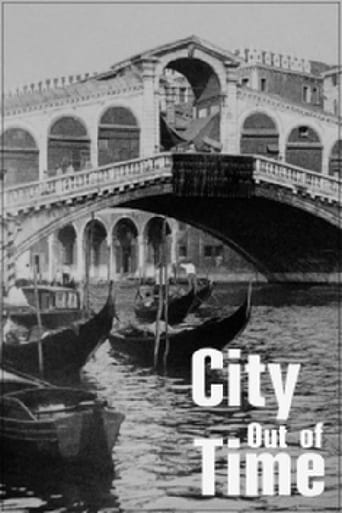
6.3This Colin Low documentary from 1959 depicts Venice in all its splendor. In the tradition of Venetian painter Canaletto, the film captures the great Italian city’s elusive beauty and fabled landscapes, where spired churches and turreted palaces soar into a blue Mediterranean sky. Narration by William Shatner.
City Out of Time
1959
The historic post of Moose Factory on James Bay is still a centre of Canada's fur trade. The camera follows Cree trapper George McLeod as he goes out from the post to visit his trap lines. Bivouacing in the open, in bitter cold, he traps mink and beaver, skillfully skinning the animals and drying the rich pelts. Back at the post, he sells his furs to the Hudson's Bay trader.
Fur Country
1942
 9.0
9.0The story of union branch no. 100. The dismissal of a worker in a factory shows his colleagues the instability of their situation. From the discussion that followed this event germinated the idea of a union. A national union is consulted, which appoints a representative to explain the advantages and operation of a workers' union. Branch No. 100 is created and immediately becomes a trading agency; subsequently, it obtains better working conditions for the workers. The spirit that presides over all the meetings demonstrates the democratic strength of a union.
Employment contract
1950
 10.0
10.0Land for Pioneers is a documentary about economic development in the Canadian North from a 1944 nationalist perspective.
Land for Pioneers
1944
 NR
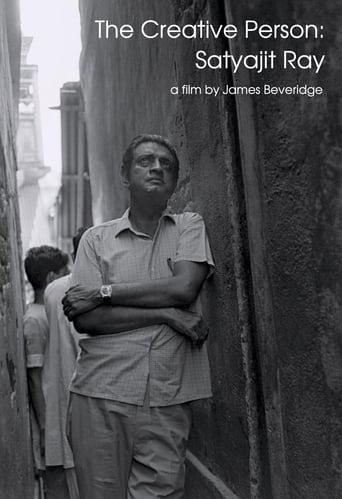
NRIn 1967, Canadian documentarian James Beveridge traveled to Kolkata to film director Satyajit Ray at work. The resulting program, produced for the American public television series “The Creative Person,” features interviews with Ray, several of his actors and crew members, and film critic Chidananda Das Gupta.
The Creative Person: Satyajit Ray
1967
A look at the development of the Canadian northwest for World War II as well as post-war purposes.
Look to the North
1944
Behind the camera
6.3This Colin Low documentary from 1959 depicts Venice in all its splendor. In the tradition of Venetian painter Canaletto, the film captures the great Italian city’s elusive beauty and fabled landscapes, where spired churches and turreted palaces soar into a blue Mediterranean sky. Narration by William Shatner.
City Out of Time
1959
The historic post of Moose Factory on James Bay is still a centre of Canada's fur trade. The camera follows Cree trapper George McLeod as he goes out from the post to visit his trap lines. Bivouacing in the open, in bitter cold, he traps mink and beaver, skillfully skinning the animals and drying the rich pelts. Back at the post, he sells his furs to the Hudson's Bay trader.
Fur Country
1942
9.0The story of union branch no. 100. The dismissal of a worker in a factory shows his colleagues the instability of their situation. From the discussion that followed this event germinated the idea of a union. A national union is consulted, which appoints a representative to explain the advantages and operation of a workers' union. Branch No. 100 is created and immediately becomes a trading agency; subsequently, it obtains better working conditions for the workers. The spirit that presides over all the meetings demonstrates the democratic strength of a union.
Employment contract
1950
10.0Land for Pioneers is a documentary about economic development in the Canadian North from a 1944 nationalist perspective.
Land for Pioneers
1944
NRIn 1967, Canadian documentarian James Beveridge traveled to Kolkata to film director Satyajit Ray at work. The resulting program, produced for the American public television series “The Creative Person,” features interviews with Ray, several of his actors and crew members, and film critic Chidananda Das Gupta.
The Creative Person: Satyajit Ray
1967
A look at the development of the Canadian northwest for World War II as well as post-war purposes.
Look to the North
1944
This short film from 1949 introduces us to the Gitxsan and Tsimshian First Nations of northern British Columbia. These peoples of the Skeena River exist in two worlds. Ancient totem poles tower against the mountains and the forests, old graveyards reveal fragments of shared history, and traditional crafts are still practiced on the reserves. But in the school games, in a wedding complete with white veil and white rice, and in the sawmill, we see how other ways of life are being adopted.
Peoples of the Skeena
1949
 6.6
6.6This film shows the growth of cooperatives in the Maritime provinces and how they brought new life and hope to poverty-stricken fishermen. The Rising Tide is a 1949 Canadian short documentary film directed by Jean Palardy. It was nominated for an Academy Award for Best Documentary Short.
The Rising Tide
1949
When the Japanese invade the Aleutian Islands, the Allied forces must push them back.
Pincers on Japan
1944
A 1975 film sponsored by Mobil Oil Company. James Beveridge spent a year in Japan making this film about the National Living Treasures of Japan. Beveridge completely abandoned the use of narration and it created a huge split with his funders. He insisted on completing the film his way, with an austere sound track using “Noh” music and song, no narration, and a mix of natural sounds including those of the artists making their crafts. Crafts featured include pottery, weaving, paper making, and blacksmithing.
Hands
1975
 7.5
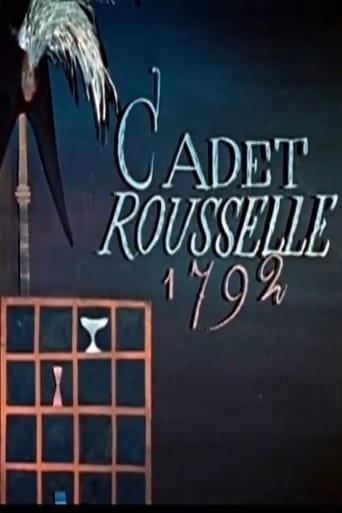
7.5Colourful puppets illustrate the old French song about Cadet Rousselle, who falls down a ladder, who trips on battlements, and whose dogs will not obey him. The animated figures carry our hero through his predicaments with colour and verve.
Cadet Rousselle
1947
This short documentary offers a panorama of ancient cities, palaces and temples whose splendor has awed mankind. The film moves from one tradition to another, illustrating how each reflects the sentiments and values of its time, from the massive temples of the pharaohs to the soaring skyscrapers of today.
A is for Architecture
1959
A look at Britain's and Canada's defensive preparations against an air attack.
Banshees Over Canada
1943
In this short documentary we learn the back story of the Buddha – the religion he founded and how it is manifested today. Travel through Southeast Asia to India, Burma, Sri Lanka (formerly Ceylon), Thailand, Japan, China and many other countries to discover the history and ideas behind Buddhism.
Buddhism
1962