
Acting
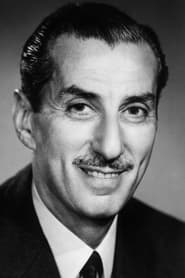
Robert Trout
Born — Died
1909-10-15 — 2000-11-14
Place of birth
Wake County, North Carolina, USA
Known for
Acting
Credits
7 titles
Robert Trout (born Robert Albert Blondheim; October 15, 1909 – November 14, 2000) was an American broadcast news reporter who worked on radio before and during World War II for CBS News. He was regarded by some as the "Iron Man of Radio" for his ability to ad lib while on the air, as well as for his stamina, composure, and elocution. Trout was born in Washington, D.C.; he added the Trout name early in his radio career. He entered broadcasting in 1931 as an announcer at WJSV, an independent station in Alexandria, Virginia, founded in the early 1920s by James S. Vance. In the summer of 1932 WJSV was acquired by CBS, bringing Trout into the CBS fold. (WJSV is now WFED in Washington, D.C.) He w…
Known for
 6.5
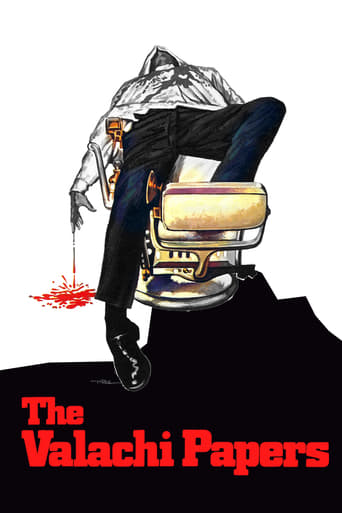
When Joe Valachi has a price put on his head by Don Vito Genovese, he must take desperate steps to protect himself while in prison. An unsuccessful attempt to slit his throat puts him over the edge to break the sacred code of silence.
The Valachi Papers
1972
 NR
Promotional film extoling the virutes of radio advertising, even in a new era of televison.
More Than Meets the Eye
1952
 6.0
Film commissioned by the Chicago-based publisher of Negro Digest, Ebony, Tan, and Jet to encourage advertisers to reach out to African American consumers. The Secret of Selling the Negro depicts the lives, activities, and consumer behavior of African American professionals, students, and housewives. A Business Screen reviewer noted that the film focused on the “bright positive” aspects of the “new Negro family.” The sponsor issued a companion booklet offering the “do’s and don’ts of selling to the Negro.”
The Secret of Selling the Negro
1954
Shows the relationship of the Constitution to the issue of prior restraint on freedom of expression. Presents the case of Burstyn v. Wilson challenging the constitutionality of New York State's film censorship system and Cantwell v. Connecticut involving questions of freedom of speech and religion. Discusses the questions pertaining to freedom of speech when multiplied via recordings or film, and how the claims of free expression can be weighed against claims for local, state, or federal protection.
The Constitution and Censorship
1957
Shows the relationship of the Constitution to organized labor. Presents the case of Whitaker et al. v. North Carolina, in which a group of unions challenged the constitutionality of a state ban on the closed shop, the union shop, and other union security provisions. Traces the role of the fourteenth amendment in labor struggles.
The Constitution and the Labor Union
1957
Follows the efforts to gain the right to vote for Negroes through a succession of legal decision and social changes. Dramatizes the case of Smith vs. Allwright et al. Reviews the long conflict to extend voting rights to a large electorate beginning with the Constitutional Convention's compromise over dropping property requirements through and including the enactment of the 15th and 19th Amendments to the Constitution. Cites legal precedents established by the U.S. Supreme Court through their decisions concerning the control of state primaries in 1918 and 1935 and the later reversals in 1941 and 1944. Points to the issues involved in Federal encroachment upon state's rights.
The Constitution and the Right to Vote
1959
Film credits
1950s · 5 titles
NRPromotional film extoling the virutes of radio advertising, even in a new era of televison.
More Than Meets the Eye
1952
6.0Film commissioned by the Chicago-based publisher of Negro Digest, Ebony, Tan, and Jet to encourage advertisers to reach out to African American consumers. The Secret of Selling the Negro depicts the lives, activities, and consumer behavior of African American professionals, students, and housewives. A Business Screen reviewer noted that the film focused on the “bright positive” aspects of the “new Negro family.” The sponsor issued a companion booklet offering the “do’s and don’ts of selling to the Negro.”
The Secret of Selling the Negro
1954
Shows the relationship of the Constitution to the issue of prior restraint on freedom of expression. Presents the case of Burstyn v. Wilson challenging the constitutionality of New York State's film censorship system and Cantwell v. Connecticut involving questions of freedom of speech and religion. Discusses the questions pertaining to freedom of speech when multiplied via recordings or film, and how the claims of free expression can be weighed against claims for local, state, or federal protection.
The Constitution and Censorship
1957
Shows the relationship of the Constitution to organized labor. Presents the case of Whitaker et al. v. North Carolina, in which a group of unions challenged the constitutionality of a state ban on the closed shop, the union shop, and other union security provisions. Traces the role of the fourteenth amendment in labor struggles.
The Constitution and the Labor Union
1957
Follows the efforts to gain the right to vote for Negroes through a succession of legal decision and social changes. Dramatizes the case of Smith vs. Allwright et al. Reviews the long conflict to extend voting rights to a large electorate beginning with the Constitutional Convention's compromise over dropping property requirements through and including the enactment of the 15th and 19th Amendments to the Constitution. Cites legal precedents established by the U.S. Supreme Court through their decisions concerning the control of state primaries in 1918 and 1935 and the later reversals in 1941 and 1944. Points to the issues involved in Federal encroachment upon state's rights.
The Constitution and the Right to Vote
1959