
Acting
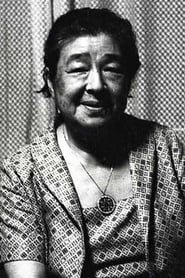
Chieko Higashiyama
Born — Died
1890-09-30 — 1980-05-08
Place of birth
Chiba, Japan
Known for
Acting
Credits
62 titles
Chieko Higashiyama (September 30, 1890 – May 8, 1980) was a Japanese actress. Graduating from the girls' school at Gakushuin, she married a businessman in 1909 and spent eight years in Moscow. In 1925, at the age of 35, she decided to become an actress. She trained at the Tsukiji Shōgekijō, a pioneering theater then-famous for modern Japanese plays and translated performances of Western playwrights. Higashiyama appeared in many stage productions, most famously as Madame Ranevskaya in Chekhov's "The Cherry Orchard." She also appeared in films, including Tokyo Story, which was voted the best film of all time in the 2012 Sight and Sound directors' poll.
Known for
 8.1
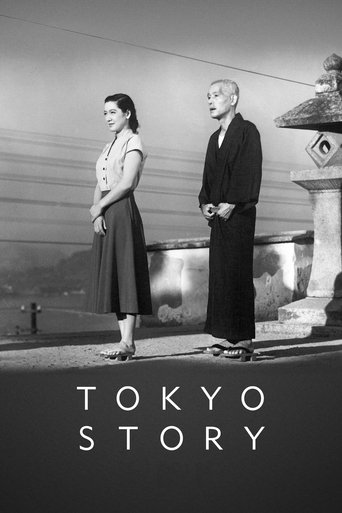
8.1The elderly Shukishi and his wife, Tomi, take the long journey from their small seaside village to visit their adult children in Tokyo. Their elder son, Koichi, a doctor, and their daughter, Shige, a hairdresser, don't have much time to spend with their aged parents, and so it falls to Noriko, the widow of their younger son who was killed in the war, to keep her in-laws company.
Tokyo Story
1953
 9.0
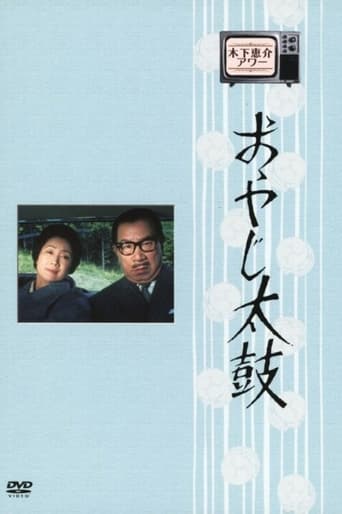
9.0The Tsuru family is a family of nine, headed by Kamejiro. Kamejiro is the president of a construction company that has made a fortune in its first generation, but he is a one-man family. His wife, Aiko, is a typical good wife and wise mother type. Kamejiro gets angry and thunders down every week, and the children are afraid of him, calling him "Oyaji Daiko", but he also takes advantage of this.
Oyaji Daiko
1968
 7.9
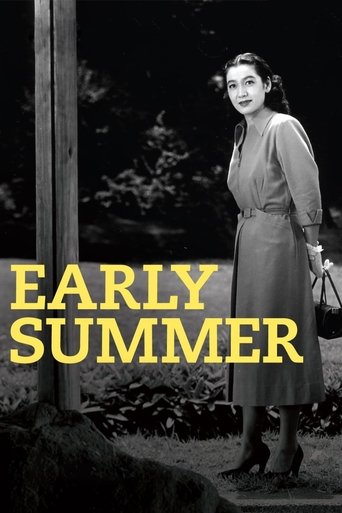
7.9In postwar Tokyo, Noriko lives with her extended family. Although she enjoys her career and her social life, her more traditional family worries about her single marital status at the advanced age of 28. 40-year-old business associate Takako proposes, Noriko's family press her into accepting, but when her widowed childhood friend Kenkichi returns to the neighborhood, she finds her heart leading in another direction.
Early Summer
1951
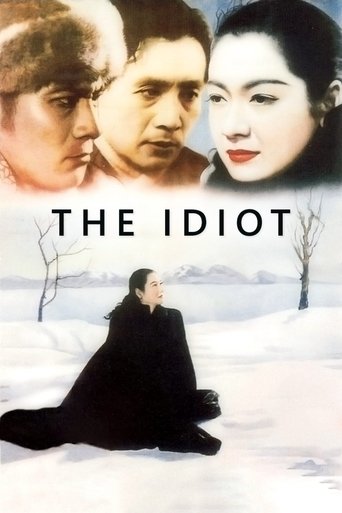 7.0
7.0A gentle, war-shattered ex-soldier, Kinji Kameda, arrives in wintry Hokkaidō and is pulled into a volatile tangle of love and pity between the disgraced Taeko Nasu, the proud Ayako, and his possessive friend Akama. Kameda’s saintly compassion exposes everyone’s wounds, steering the quartet toward jealousy, violence, and inexorable tragedy. Adapted from Dostoevsky’s novel.
The Idiot
1951
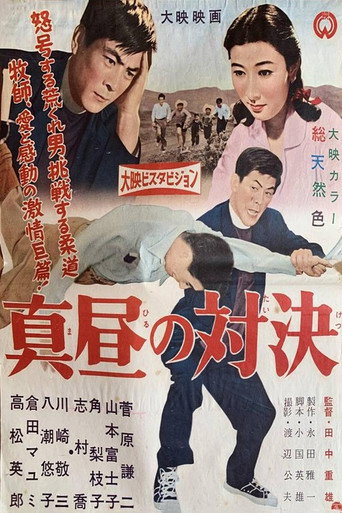 NR
NRJudo movie.
Duel at Noon
1957
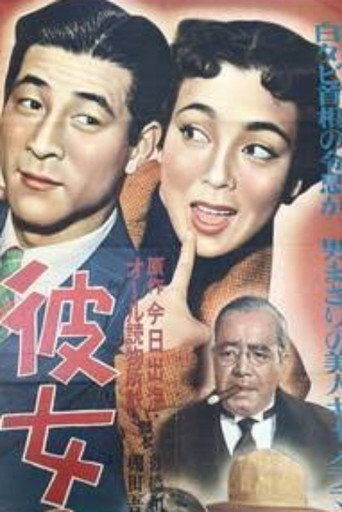 NR
NRNo synopsis available yet.
Kanojo no tokudane
1952
Film credits
1970s · 3 titles
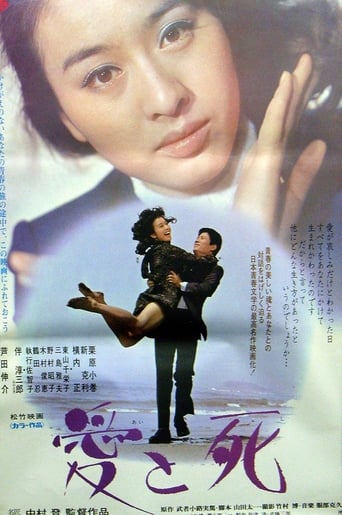 NR
NRYuji, a budding writer, meets and starts falling in love with his best friend’s girlfriend, Natsuko. The attraction is mutual but due to the circumstances, they try to not act on their attraction. However, as time goes by, they realise that, perhaps, they cannot be without each other. Will the forbidden love affair move forward and can they finally be with each other?
Love and Death
1971
 NR
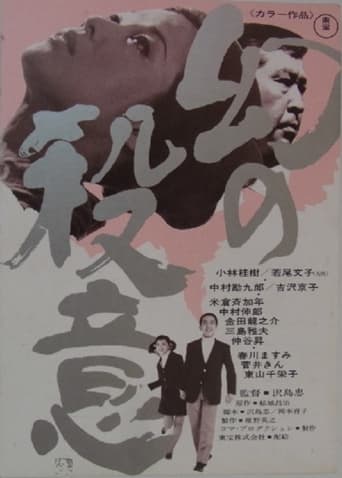
NRAdaptation of the Shôji Yuki novel.
Maboroshi no Satsui
1971
 NR
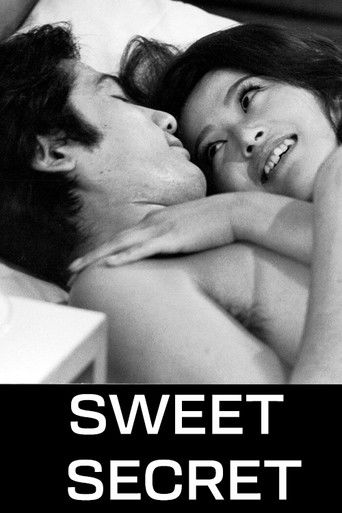
NRA dynamic woman who aspires to be a writer, living a wild life in constant search of freedom while indulging in lust with four men.
Sweet Secret
1971
1960s · 11 titles
 7.1
7.1In the fourth installment, Musashi's potentially greatest opponent Kojiro jumps in and out of the story at the oddest and most coincidental moments. As his great love Otsu has succumbed to madness. Musashi then sets off to beat the functionaries of a treacherous clan in an arranged duel. 73 against one. Boastful Kojiro watches, secure in the knowledge that only he is a worthy opponent.
Miyamoto Musashi IV: The Duel at Ichijo-ji Temple
1964
 6.7
6.7Utsugi, a seventy-seven-year-old man of refined tastes who is recovering from a stroke, discovers that, while his body is decaying, his libido still rages on -- unwittingly sparked by the gentle, kindly attentions of his daughter-in-law Satsuko, a chic, flashy dancer with a shady past. Pitiful and ridiculous as he is, Utsugi is without a trace of self-pity, and his diary shines with self-effacing good humor.
Diary of a Mad Old Man
1962
 7.5
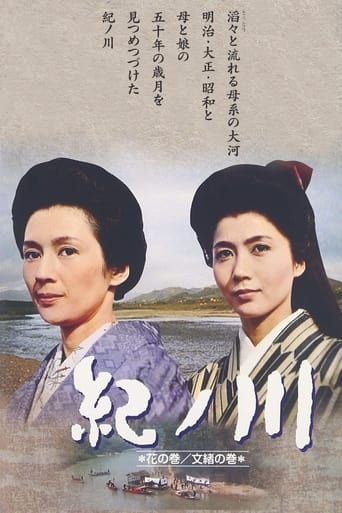
7.5Epic saga of an idealistic land-owning family dealing with militarism, war, social change and economic reform.
The Kii River
1966
 6.5
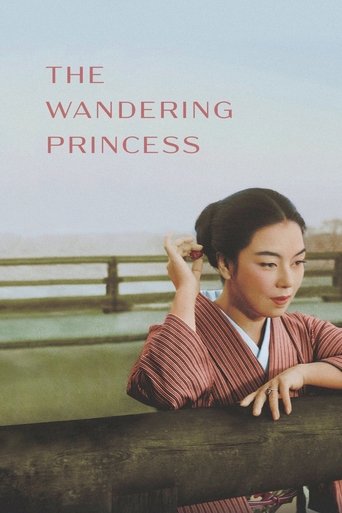
6.5Pu Zhe, younger brother of the Emperor of Manchukuo, marries Ryuko, daughter of an aristocratic family. To the surprise of all, a deep love between Pu Zhe and Ryuko develops and is put to the test when Japan loses the war.
The Wandering Princess
1960
 6.0
6.0When a wealthy, selfish family decides to take care of an elderly hobo who collapsed near their home, they are beset by visits from his numerous friends.
Spring Dreams
1960
 6.2
6.2A story about four best friends and their lives inside and outside college. Then suddenly one of them receives a surprising offer to be a movie star.
Sing, Young People!
1963
 9.0
9.0One day a company executive learns that his younger brother, whom he recommended, embezzled company funds. To save the situation he withdraws his life savings and gives money to his younger brother. He then suddenly disappears…
The Radish and the Carrot
1965
 6.8
6.8Hikaru and Ichiro are close friends in high school. Hikaru's elder brother Tadashi fell in love with Ichiro's elder sister, Mikako at first sight. Although she gave the cold shoulder to Tadashi, she gradually became fond of Tadashi.
This Year's Love
1962
 7.5
7.5Based on Kaoru Morimoto oft performed 1945 play, a starring vehicle for famed actress Machiko Kyo as Kei an abused orphaned girl that eventually finds sanctuary with a wealthy family that trades goods with China and becomes a successful businesswoman. Masumura dilutes the originally intended pro-Japan propaganda elements for a more anti-war approach.
A Woman's Life
1962
 7.0
7.0Japanese drama.
Mount Hakone
1962
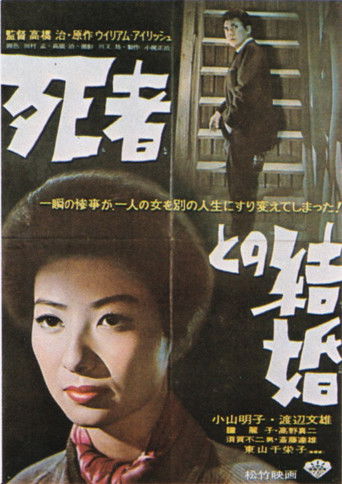 7.2
7.2A case of mistaken identity in which a woman assumes the role of widow to a man killed in a train accident.
Shisha to no kekkon
1960
1950s · 37 titles
8.1The elderly Shukishi and his wife, Tomi, take the long journey from their small seaside village to visit their adult children in Tokyo. Their elder son, Koichi, a doctor, and their daughter, Shige, a hairdresser, don't have much time to spend with their aged parents, and so it falls to Noriko, the widow of their younger son who was killed in the war, to keep her in-laws company.
Tokyo Story
1953
7.9In postwar Tokyo, Noriko lives with her extended family. Although she enjoys her career and her social life, her more traditional family worries about her single marital status at the advanced age of 28. 40-year-old business associate Takako proposes, Noriko's family press her into accepting, but when her widowed childhood friend Kenkichi returns to the neighborhood, she finds her heart leading in another direction.
Early Summer
1951
7.0A gentle, war-shattered ex-soldier, Kinji Kameda, arrives in wintry Hokkaidō and is pulled into a volatile tangle of love and pity between the disgraced Taeko Nasu, the proud Ayako, and his possessive friend Akama. Kameda’s saintly compassion exposes everyone’s wounds, steering the quartet toward jealousy, violence, and inexorable tragedy. Adapted from Dostoevsky’s novel.
The Idiot
1951
NRJudo movie.
Duel at Noon
1957
NRNo synopsis available yet.
Kanojo no tokudane
1952
 7.1
7.1Yuko is sent to the coastal regions to be raised away from the rest of her sophisticated family where she finds out from her ill grandmother that she is not who she thought she was.
The Blue Sky Maiden
1957
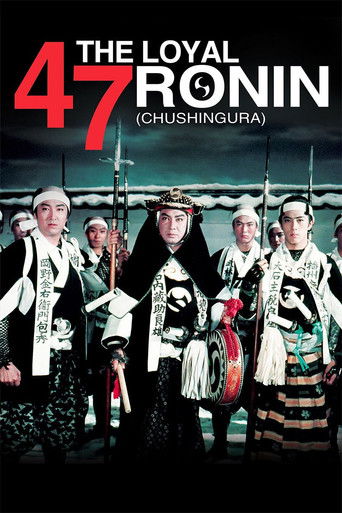 6.2
6.2Japan, 1701. A group of samurai become rônin after their lord is forced to commit seppuku for assaulting a court official, who will become the target of a merciless revenge.
The Loyal 47 Ronin
1958
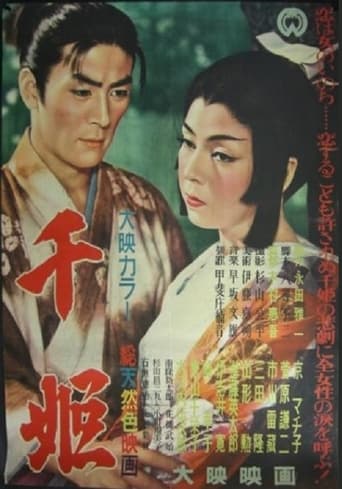 5.0
5.0During the Warring States era of early 17th century Japan, teenage princess Sen is besieged with other members of her family in Osaka Castle, by a rival force led by her grandfather.
The Princess Sen
1954
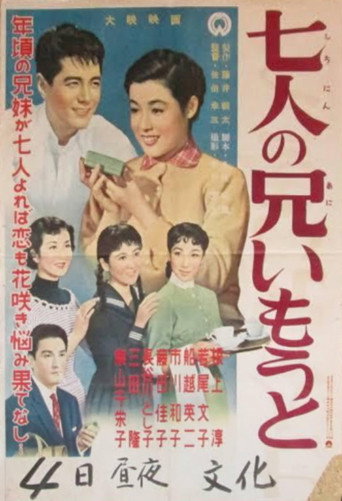 NR
NRNo synopsis available yet.
Shichinin no ani imōto
1955
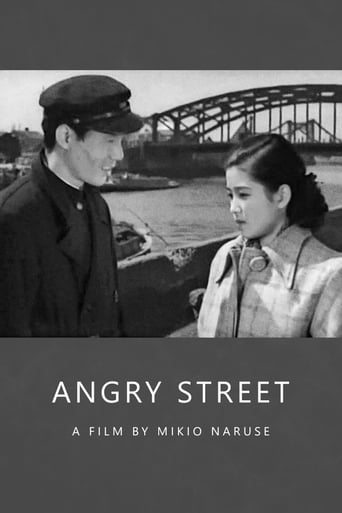 6.7
6.7University students Sudo and Mori make money by picking up rich girls in dance clubs and conning them into giving them cash. Mori is the brains of the operation, and Sudo is the suave dancer who picks up the girls. Sudo becomes gradually involved with three different girls and is drawn into the gangster milieu, which he seems unable to resist even though he is responsible for his mother, grandmother, and sister Masako. In this world of bad boys and girls, Masako is the pillar of strength and moral virtue who finally enables Mori to straighten out.
The Angry Street
1950
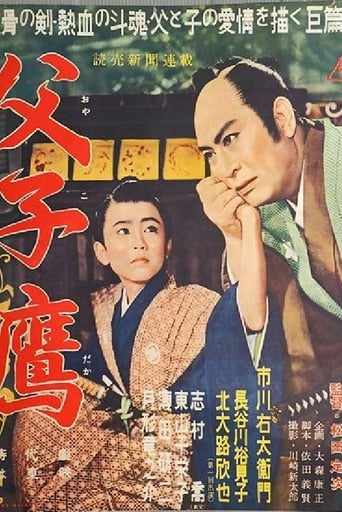 NR
NRAdaptation of the novel by Kan Shimozawa.
Virtue in Spades
1956
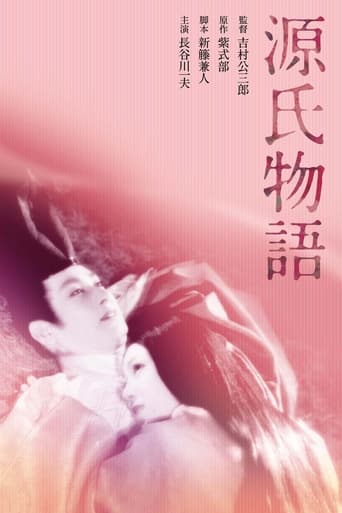 6.0
6.0Genji, the illegitimate offspring of a Japanese potentate, goes by the philosophy of "love 'em and leave 'em" as a matter of course. Only when his heart is broken by Awaji does Genji realizes how much pain he himself has caused.
The Tale of Genji
1951
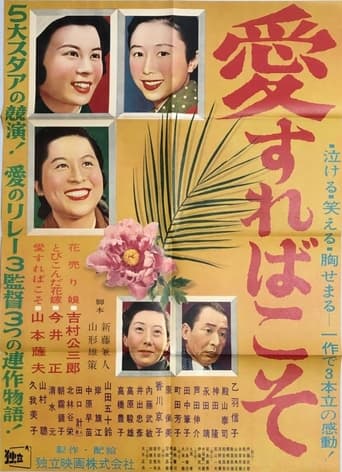 10.0
10.0The film consists of three short stories. Tomiko, the heroine of the first story, "The Flower Girl" (dir. Kozaburo Yoshimura), is a little girl who bears the unbearable burden of caring for her family. Tomiko's father has been unable to find work for a long time, and her older sister is terminally ill—it is unlikely that she will ever recover. To feed her family, Tomiko runs around the city from morning until late at night selling flowers... The second novella (dir. Tadashi Imai) also depicts the lives of the poor. An unfamiliar girl brings young Kavano a letter from his mother. It turns out that the girl's name is Kuniko, she is very hardworking, but her family is dying of hunger. Therefore, her mother decided to send Kuniko to her son so that he would marry her. The short story is called "The Unexpected Bride." The third short story, which gave the film its title, is particularly interesting: "When You Love" (dir. Satsuo Yamamoto). It shows the family of a young peace activist.
If Indeed One Loves
1955
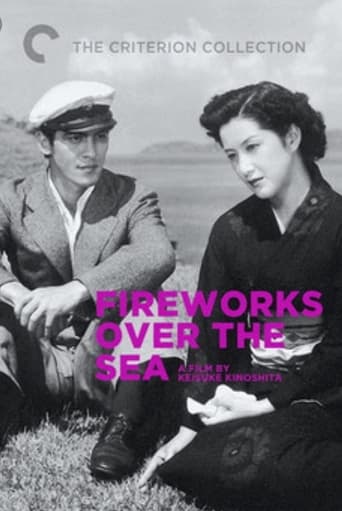 5.4
5.4A fishing union depends on two brothers to make up the losses caused by the dishonest captains they replaced.
Fireworks Over the Sea
1951
No synopsis available yet.
In Case of One Woman
1956
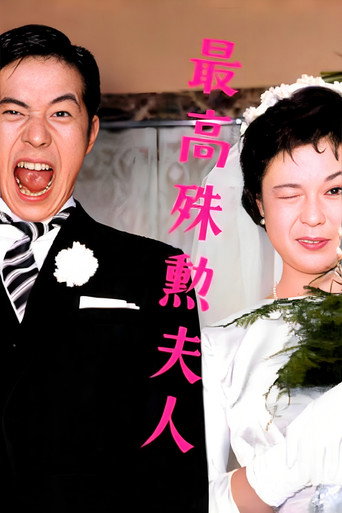 8.0
8.0Kyoko is the third daughter of the Nonomiya family, a very ordinary family. Momoko, the eldest daughter, is married to Ichiro, the president of Mihara Shoji, and Riko, the second daughter, is married to Jiro, the managing director, and they plot to marry Kyoko to Saburo, the third son of the Mihara family. Kyoko is angry at the marriage talk that is being pushed forward without her permission, and declares that she "definitely won't get married," but before she knows it, she begins to become aware of the other person...
The Most Valuable Wife
1959
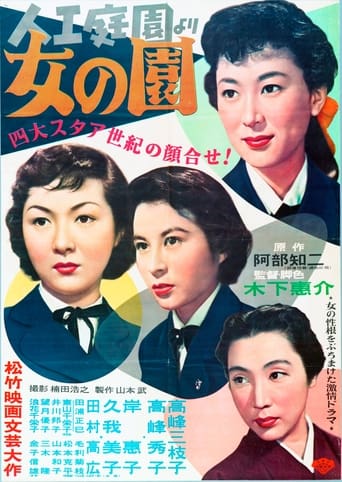 6.6
6.6A student at a woman's university takes a controversial action against the school's old-fashioned doctrines.
The Garden of Women
1954
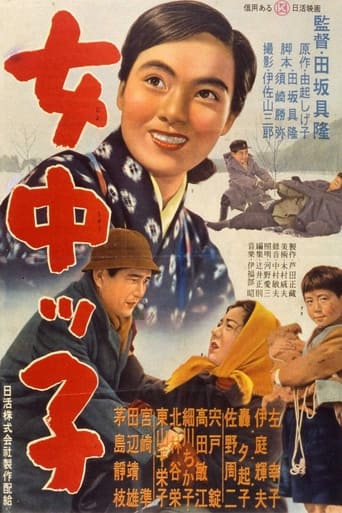 8.3
8.3In order to pay back Mrs. Kajiki for her good deed in the past, Hatsu moves from her village in Akita to Tokyo to start working as a maid for her family. She grows close to their youngest son Katsumi, experiencing things that will change her view on life.
The Maid's Kid
1955
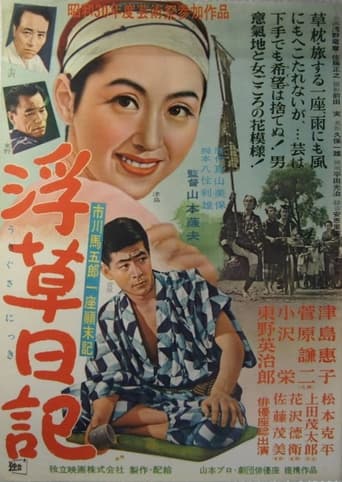 4.3
4.3A travelling theater troupe, led by Umagoro Ichikawa, comes to play in a mining town, and manages to sell every seat. Before the play begins, however, a miners' strike is announced, creating an uproar. In addition, the players find they have been cheated out of their profits by a crooked impresario.
Floating Weeds Diary
1955
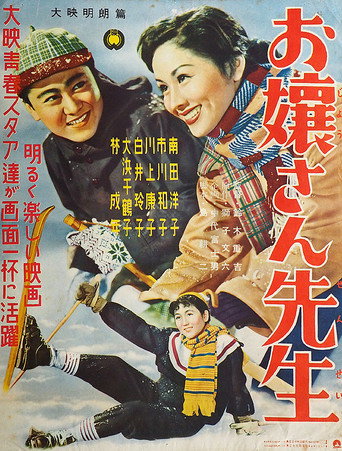 NR
NRAs she takes a position as a gym teacher at a girls’ school as a form of “life training” before marriage, what awaits her is… A coming-of-age story of laughter and tears that unfolds at this all-girls’ school, revolving around a rookie teacher.
Miss Teacher
1955
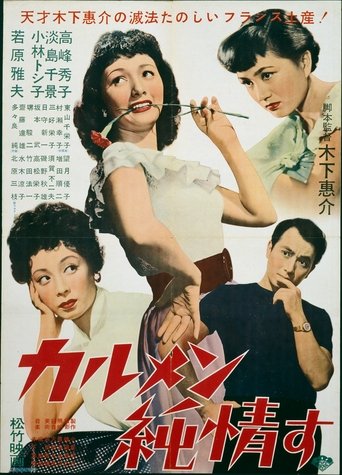 5.2
5.2Strip dancer Carmen falls in love with Hajime, who is engaged to the daughter of a right-wing politician.
Carmen's Innocent Love
1952
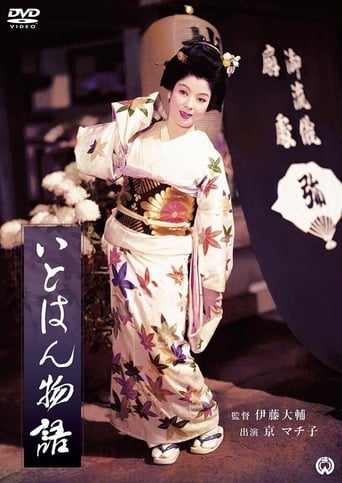 7.0
7.0Based on the original work by Shuji Hojo, Itohan Monogatari depicts the fate of a clumsy and kind-hearted woman in the Taisho era.
Itohan Monogatari
1957
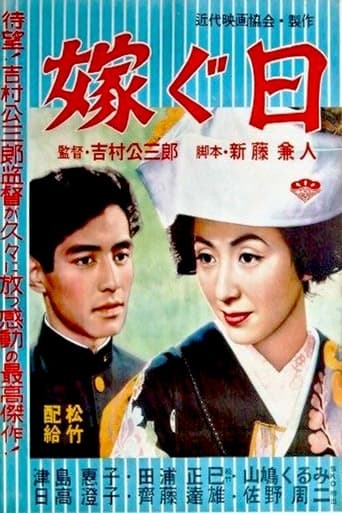 7.0
7.0Shinsaku was once a renowned playwright, has now been left behind by journalism and is living a lethargic life in Oiso. His family is concerned with Shinsaku regaining his old vigor as a writer and Sakie, his daughter, finding a suitable match, while the family is struggling with the losses of war.
Wedding Day
1956
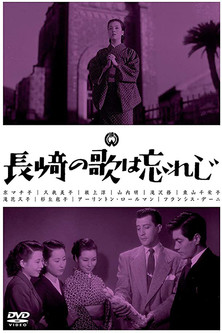 NR
NRA Japanese soldier who died in a Japanese prisoner-of-war camp in Hawaii entrusted Henry Gray with an unfinished score and promised to complete it.
Eternal Song of Nagasaki
1952
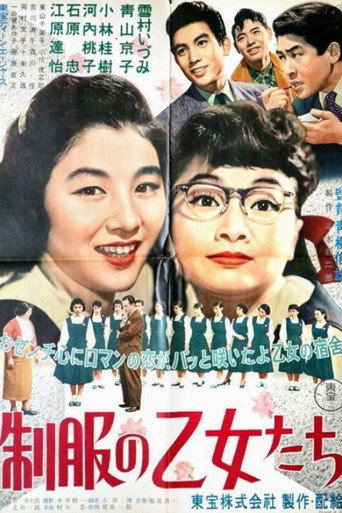 NR
NRNo synopsis available yet.
School Girls in Costume
1955
 7.0
7.0Woman melodrama by Shiro Toyoda
Four Seasons of Women
1950
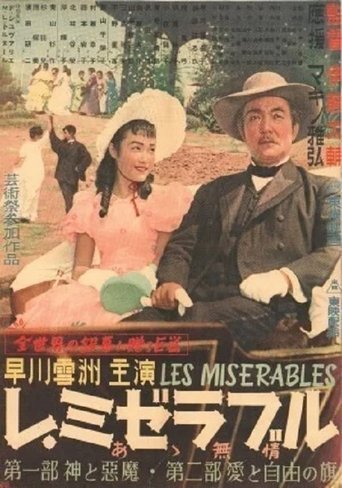 7.0
7.0No synopsis available yet.
Les Miserables II: Banner of Love and Freedom
1950
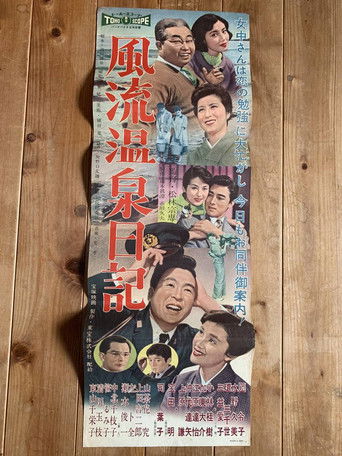 NR
NRAt a coastal hot spring inn, a group of women navigate work, personal struggles, and unexpected scandals. When a guest threatens to expose one maid's past, she must decide whether to run or face it—with help from a kind local officer.
Diary of an Elegant Hot Spring
1958
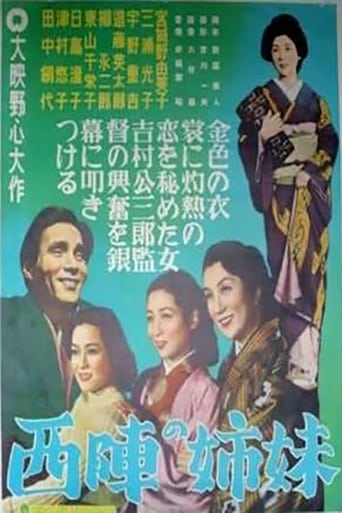 7.5
7.5A family of Kyoto textile workers struggles after tragedy.
Sisters of Nishijin
1952
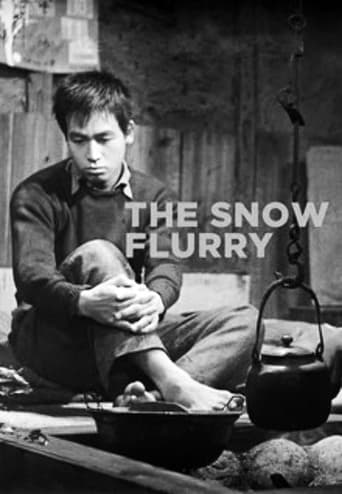 6.9
6.9After surviving the double suicide pact she made with her lover, a woman gives birth to their child.
The Snow Flurry
1959
 6.0
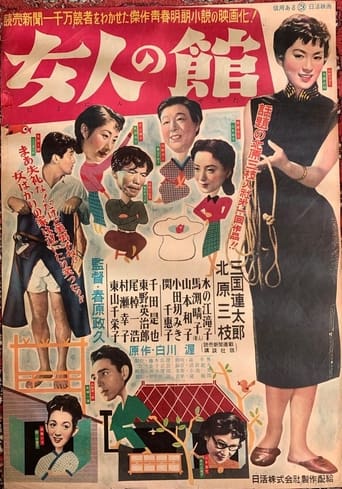
6.0After Shuichiro moved to Tokyo, the Tanno family became completely female, including Mrs. Tanno, Shuichiro's daughter-in-law Manzuko, painter Takashiro Egi, Shizu Kazemaki, Mitsue Nanbu, an intellectual who works in a university laboratory, and an old woman.
Women's House
1954
9.0No synopsis available yet.
Les Miserables I: God and the Devil
1950
 NR
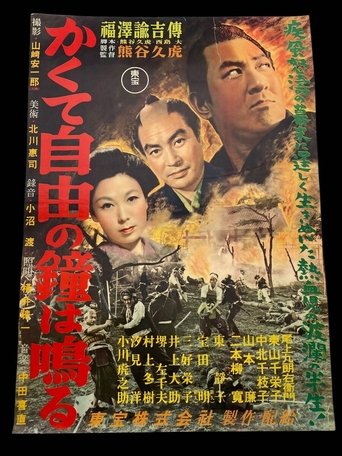
NRSet during Japan's Bakumatsu period, the film follows Fukuzawa Yukichi, a poor samurai's son who defies societal norms to study Dutch and English. Despite facing opposition from his family and nationalist factions, he founds Keio University, becoming a key figure in Japan's modernization amid political turmoil.
How the Bell of Liberty Rings
1954
 NR
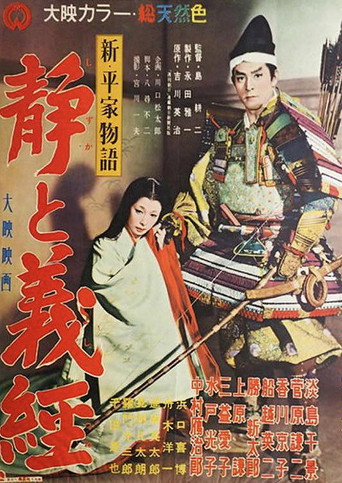
NR1956 Daiei movie
New Tale of Genji: Shizuka and Yoshitsune
1956
 NR
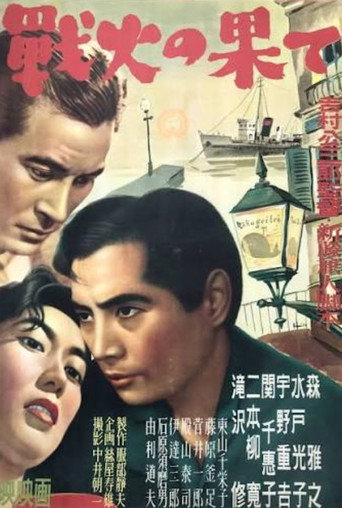
NRA man driven mad amid the ravages of war, a woman who never found true love, and an innocent young man—all drawn once again to the military port now returned to peace.
The End of the War
1950
 NR
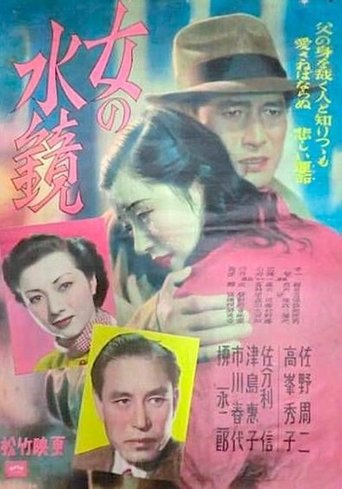
NRTozai Electric president Minamoto (Yanagi) is about to be pursued by the public prosecutor's office and tries to bribe Manabe (Saburi), the man in charge, but fails. His daughter Naeko (Takamine) finds out and takes on the role herself. This is a love romance adapted from an original story by Seiichi Funabashi that appeared in the magazine "Romance.”
The Woman’s Reflective Pool
1951
 NR
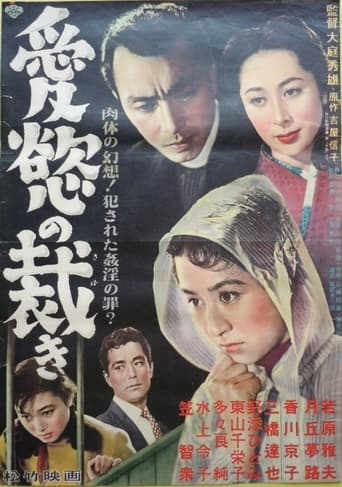
NRMotoko Fujikawa works in the Seisen Church as an assistant to pastor Maki Inokichi. Motoko falls in love with Inokichi's virtuous character and devotes herself to the rehabilitation of a delinquent girl, gradually finding her job at the institution more worthwhile than the marriage recommended by her parents. Meanwhile, inside Inokichi's heart a flame of unknowing love for the single-minded Motoko begins to burn...
Aiyoku no sabaki
1953
1940s · 9 titles
 7.0
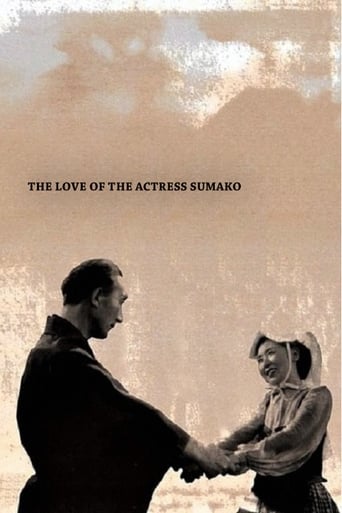
7.0Stage director Shimamura, who is bringing western theatre to Japan, falls in love with outspoken actress Sumako Matsui, and leaves his family to be with her, while trying to keep his Art Theatre solvent.
The Love of the Actress Sumako
1947
 6.7
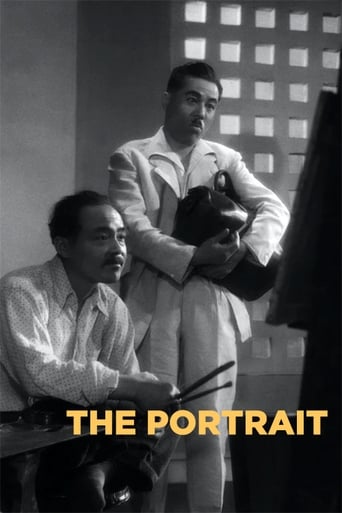
6.7The mistress of a crook real estate broker comes to terms with her soulless existence after an artist paints her portrait.
The Portrait
1948
 6.0
6.0In the Meiji period, a schoolteacher tries to hide his lower-class upbringing as he supports a visiting liberal intellectual.
Apostasy
1948
 10.0
10.0Three IJN flyers Mikami (Susumu Fujita), Kawakami (Masayuki Mori) and Murakami (Akitake Kono) are good friends, and they are all renowned for their torpedo techniques. Mikami is posted as a staff officer at a base on an island in the Pacific. Kawakami and Murakami later joins him as the base squardron is reinforced. The enemy task force approaches the island and all three of them attack the fleet, killing themselves in the process.
Battle Troop
1944
 6.7
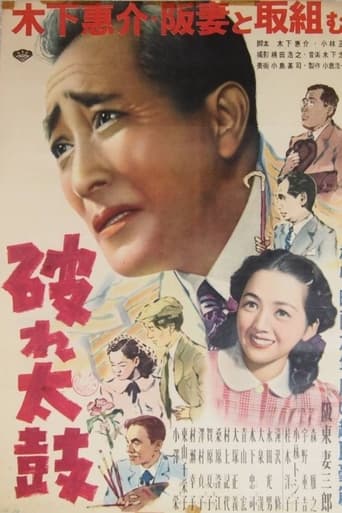
6.7When the future of his construction company falls into danger, a controlling father pushes his children into unsatisfying marriages and careers in order to regain financial stability.
Broken Drum
1949
 7.0
7.0The sweet but naive denizens of a charming port town are hoodwinked by a couple of con men at the outset of World War II. But the hustlers’ plan backfires when they come down with severe cases of conscience. Keisuke Kinoshita’s directorial debut is a breezy, warmhearted, and often very funny crowd-pleaser that’s a testament to the filmmaker’s faith in people.
Port of Flowers
1943
 6.8
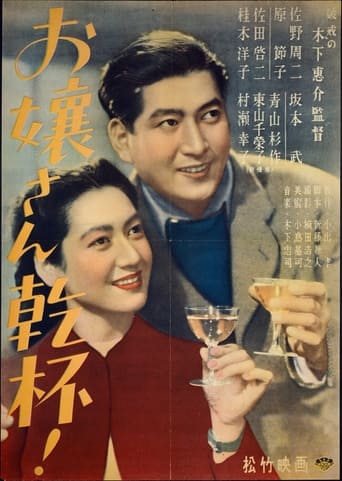
6.8A matchmaker looks to unite a young woman from a wealthy Tokyo family with the humble owner of an auto garage.
Here's to the Young Lady
1949
 7.7
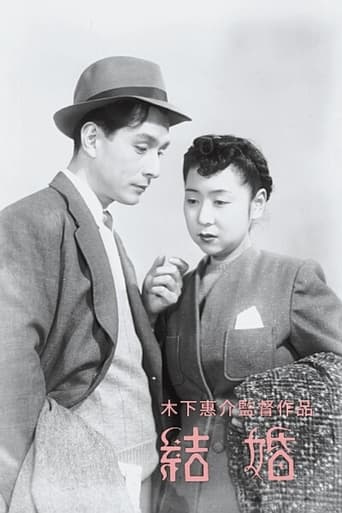
7.7In postwar Japan a young woman is unable to marry her sweetheart because her family's in difficult circumstances and needs her income to keep afloat.
Marriage
1947
A film depicting a woman who gradually awakens to a new Japanese style of romance, moving away from the old Japanese style.
Futari de miru hoshi
1947
Series credits
9.0The Tsuru family is a family of nine, headed by Kamejiro. Kamejiro is the president of a construction company that has made a fortune in its first generation, but he is a one-man family. His wife, Aiko, is a typical good wife and wise mother type. Kamejiro gets angry and thunders down every week, and the children are afraid of him, calling him "Oyaji Daiko", but he also takes advantage of this.
Oyaji Daiko
1968
 NR
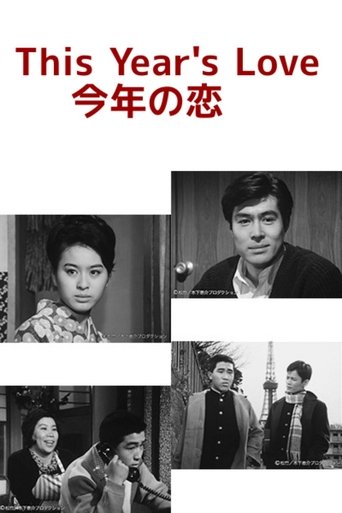
NRThis cheerful romantic comedy hints at conflicts in a changing society through the friendship between two underachieving teenage boys and the accidental bringing together of their respective siblings.
Kotoshi no Koi
1967