
Production
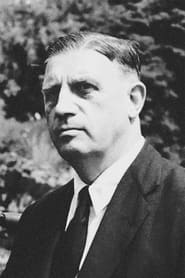
Stanley Hawes
Born — Died
1905-01-19 — 1991-04-19
Place of birth
London, England, UK
Known for
Production
Credits
16 titles
Stanley Gilbert Hawes was born in London in 1905. He spent his youth in Birmingham and worked for the city's council from 1922 to 1934. Hawes had an enthusiastic interest in cinema, co-founding the Birmingham Film Society in 1931. In the late 1930s, Hawes began producing documentary films – first at Gaumont and then at Strand Film Company. But when World War II broke out, documentary production in Britain essentially halted and Hawes found himself out of work. Fortunately, he was offered a job overseas at the newly-established National Film Board of Canada. Here, Hawes was able to produce several documentaries, focusing mainly on the Canadian war effort. In 1946, Hawes moved to Sydney to wor…
Known for
The film examines the organisation of civil aviation in Australia, from passenger flights to freight and utility aircraft. It includes planning and control procedures before and during each flight, safety measures established by the Department of Civil Aviation, training of pilots and maintenance staff, and plans for future development.
Flight Plan
1950
This black-and-white archival film outlines the importance of Canada's forests in the national war effort during the Second World War.
Timber Front
1940
 9.0
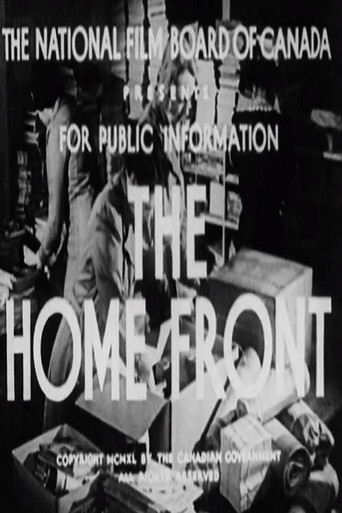
9.0This short documentary is part of the Canada Carries On series of morale-boosting wartime propaganda films. In Home Front, the various WWII-era social contributions of women are highlighted. From medicine to industrial labour to hospitality, education and domesticity, the service these women provided to their country is lauded.
Home Front
1940
Radio is one of the most important communication technologies ever invented and has been a vital tool in helping Australians overcome the tyranny of distance both nationally and internationally.
The Invisible Link
1951
Not by any means a truly comprehensive scientific study, this film nevertheless conveys in a popular fashion facts as to the development and habits of various types of apes. Skillful direction and interesting commentary almost succeed in transforming the film into an “entertainment” piece.
Monkey Into Man
1938
In Australia with its rapid development there is a need for insistence upon town planning. This film illustrates what has already taken place in our leading capital cities, where planning has been haphazard.
Plan for Living
1949
Behind the camera
The film examines the organisation of civil aviation in Australia, from passenger flights to freight and utility aircraft. It includes planning and control procedures before and during each flight, safety measures established by the Department of Civil Aviation, training of pilots and maintenance staff, and plans for future development.
Flight Plan
1950
This black-and-white archival film outlines the importance of Canada's forests in the national war effort during the Second World War.
Timber Front
1940
9.0This short documentary is part of the Canada Carries On series of morale-boosting wartime propaganda films. In Home Front, the various WWII-era social contributions of women are highlighted. From medicine to industrial labour to hospitality, education and domesticity, the service these women provided to their country is lauded.
Home Front
1940
Radio is one of the most important communication technologies ever invented and has been a vital tool in helping Australians overcome the tyranny of distance both nationally and internationally.
The Invisible Link
1951
Not by any means a truly comprehensive scientific study, this film nevertheless conveys in a popular fashion facts as to the development and habits of various types of apes. Skillful direction and interesting commentary almost succeed in transforming the film into an “entertainment” piece.
Monkey Into Man
1938
In Australia with its rapid development there is a need for insistence upon town planning. This film illustrates what has already taken place in our leading capital cities, where planning has been haphazard.
Plan for Living
1949
This short documentary from the Canada Carries On series celebrates the contribution of Canada’s railroads to the war effort. The film includes a sequence from Buster Keaton's 1926 silent comedy The General, as well as a re-enactment of Lord Strathcona driving the final spike into the Canadian Pacific Railway Line.
Trans-Canada Express
1944
 7.0
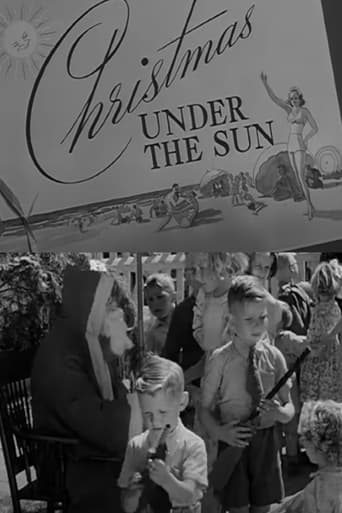
7.0Made by The National Film Board 1947. Directed by Catherine Duncan. Christmas in Australia is a mid summer festival, with temperatures rising high. Over the years many of the traditional northern hemisphere Christmas customs have been modified to fit the climate. Cool drinks have taken the place of hot refreshments and much time is spent out of doors but the spirit of Christmas is unchanged and Santa Clause still arrives with snow glistening in his beard!
Christmas Under the Sun
1947
This film illustrates the difference between World War II and the war of 1914, emphasizing the importance of mechanization, and contrasting the mobile tactics with the immobility of trench warfare. The scientific approach, both to problems of military strategy and to new weapons, is all-important. The film shows some of the work done by Canadian scientists to make these weapons as effective as possible.
Battle of Brains
1941
 NR
NRA WWII film about children evacuated from Britain and sent to Canada for their safety. The film begins in England with children seeking shelter as anti-aircraft guns roar outside. On their arrival in Canada, they are thrilled by the brightly lit cities, powerful Canadian trains, hot dogs and ice cream. They find, too, that instead of becoming Mounties or cowboys, they have to go to school. The closing sequence shows them learning to ski and skate and preparing for Christmas in their new homes.
Children from Overseas
1940
Produced to celebrate the Jubilee of Federation, Cavalcade of Australia provides an historical review of the development of the nation between 1901 and 1951. The film opens with the visit of the Duke and Duchess of York (later King George V and Queen Mary) to Australia in 1901 to open the first Commonwealth Parliament. Through the use of historical footage, the film not only covers notable events in the Commonwealth story but also social development, fashions and economic growth over the period.
Cavalcade of Australia 1901-1951
1951
Operation Torch was an Allied invasion of French North Africa during the Second World War.
The Invasion of North Africa
1942
 6.5
6.5In Australia, children live in the Outback, too far from others to travel to any school. The Australian government has a school with no student only teachers that correspond with their pupils and teach those children at their own pace.
School in the Mailbox
1947
6.5In Australia, children live in the Outback, too far from others to travel to any school. The Australian government has a school with no student only teachers that correspond with their pupils and teach those children at their own pace.
School in the Mailbox
1947
Here is the Land: A film of land settlement for the unemployed. Filmed in 1937.
Here Is the Land
1937
A narrated examination of old-fashioned maple sugar production in the St. Lawrence Valley. Footage shows local farmers tapping trees and gathering sap in the sugar bush; sleds being pulled variously by dog, horse, and ox; the boiling of sap in cauldrons and the casting of sugar in wooden molds; and a sugaring-off party at which local youths gather to taste the first maple sugar of the season.
Maple Sugar Time
1941