
Directing
Santiago Álvarez
Born — Died
1919-03-18 — 1998-05-20
Place of birth
Havana, Cuba
Known for
Directing
Credits
50 titles
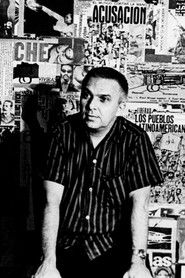
Santiago Álvarez Román (March 8, 1919 – May 20, 1998) was a Cuban documentary filmmaker and a central figure in revolutionary Latin American cinema. After studying in the United States, he returned to Cuba in the mid-1940s, where he worked as a music archivist for television and became active in Communist Party circles. Following the Cuban Revolution, he was a founding member of the Cuban Institute of Cinematographic Art and Industry (ICAIC) and went on to direct its influential weekly Latin American Newsreel, shaping a new model of politically engaged documentary production. Álvarez became internationally known for short films that combined found footage, photographs, animation, and music …
Known for
 5.9
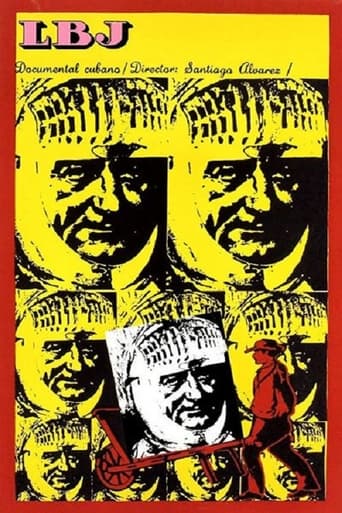
5.9This is a montage of different images from the JFK, Martin Luther King and Bobby Kennedy triumphs and assassinations, all three events being observed by Lyndon Johnson as the dark figure who is plotting the anti-black rights movement.
LBJ
1968
 6.2
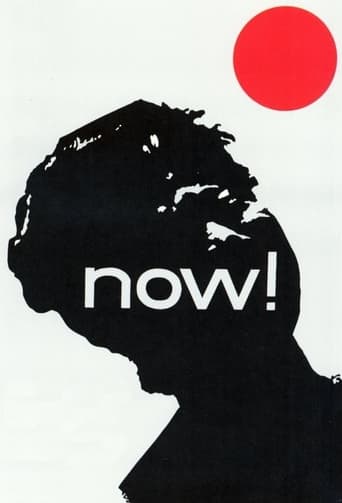
6.2Using morgue photos, newsreel footage, and a recording by Lena Horne, Cuban filmmaker Santiago Alvarez fired off 'Now!', one of the most powerful bursts of propaganda rendered in the 1960s.
Now!
1965
 NR
NRDocumentary in four parts on Latin American cinema. Fourth episode: in Cuba, the ICAIC, created in the aftermath of the Castro revolution, is at once a film school, a production company and a state cultural branch. Cuban filmmakers testify to the situation and themes specific to their national cinema.
Claves, 4: Memories of Cuban cinema
1984
 6.1
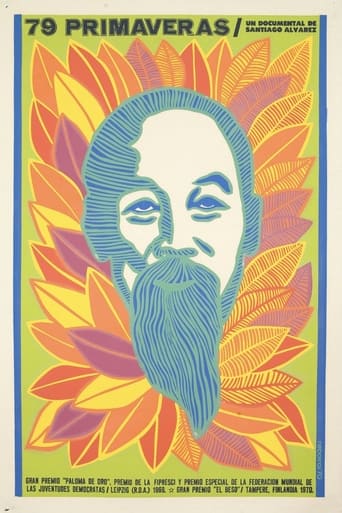
6.1This film memorializes the leader of Vietnam, Ho Chi Minh, on the occasion of his death. It narrates the story of a life which is also the story of a nation-recounting his important accomplishments in the struggle against colonialism and imperialism.
79 Springs
1969
The opening ceremony of the First National Sports Games in Cuba. A runner carrying the Olympic torch enters the stadium while hundreds of flag bearers perform an impressive dance. Delegations from several regions march in, along with male and female riders. This is followed by a choreographed performance by Cuban gymnasts. Fidel Castro, from the podium, congratulates the organizers, coaches, and competitors of these games. He alludes to the rain falling on Cuba, an allusion illustrated by images of farmers working in the fields. He lists the successes achieved by Cuban athletes at the Pre-Olympic Games in Mexico City. Castro announces the creation of a newspaper for young people to be titled “Juvendud rebelde”. He affirms the essential role of youth on the path to communism. An athlete lights the Olympic flame after climbing a flight of stairs flanked by young women dressed in Greek tunics.
Primeros Juegos Deportivos Nacionales en Cuba (Noticiero ICAIC Latinoamericano)
1965
Documentary reflecting upon the life and legacy of Ernesto "Che" Guevara.
Che
1972
Film credits
2010s · 2 titles
 NR
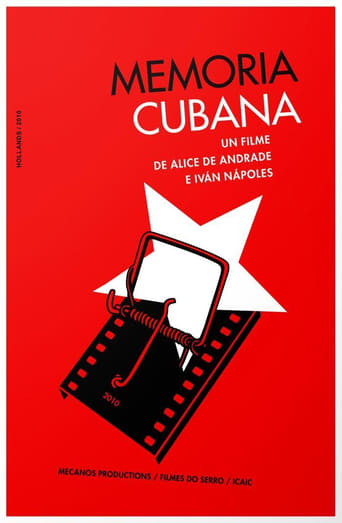
NRThrough the files of Cuban cinema news program Noticieros ICAIC Latinoamericanos, the documentary shows the most relevant events of the second half of the 20th century as seen by the documentary filmmakers of the island. During three decades and under the general direction of Santiago Álvarez, these moviemakers witnessed almost everything: from the shivers of the Cold War to Bola de Nieve's piano solos; from the discovery of the killing fields in Cambodia to the Carnation Revolution in Portugal. In 2009, the original negatives of Noticieros ICAIC Latinoamericanos were declared part of the "world memory" by UNESCO.
Memória Cubana
2010
 7.3
7.3A tribute to Santiago Álvarez, a great innovator in the language of Cuban newsreel images, presented by the ICAIC over the course of thirty years. This unique figure in Latin American cinema is reconstructed. Told as a game of Chinese boxes (documentaries within documentaries, authors within authors, images within images), Álvarez's obsession is revealed to be identical to that of his disciples: to confront the reality of Cuba with other realities, staging aesthetic operations that are nevertheless political operations, always in favor of the Revolution.
El camino de Santiago: Periodismo, cine y revolución
2013
2000s · 1 titles
1990s · 1 titles

1980s · 2 titles
NRDocumentary in four parts on Latin American cinema. Fourth episode: in Cuba, the ICAIC, created in the aftermath of the Castro revolution, is at once a film school, a production company and a state cultural branch. Cuban filmmakers testify to the situation and themes specific to their national cinema.
Claves, 4: Memories of Cuban cinema
1984
 6.7
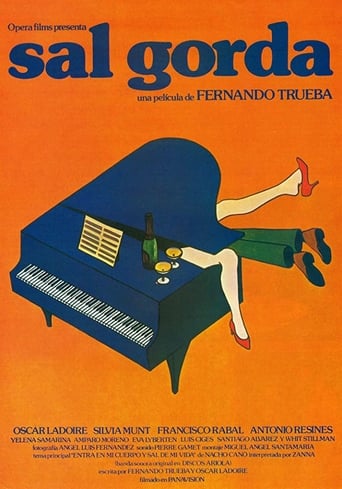
6.7A famous composer creative in crisis and must compose a new album, but is going through a painful separation that prevents him from concentrating. In this situation, your manager will provide a time extension
Coarse Salt
1984
1970s · 2 titles
Santiago Álvarez and his team are talking with Salvador Allende (alongside his daughter Beatriz), who has just been elected President of the Republic, near a beautiful mansion on the banks of a river. Allende denounces the state of chaos in which the country finds itself, as well as the economic and financial situation, and calls on the Chilean people to take responsibility. He discusses the ties between Cuba and Chile and pledges to fight against the CIA and the counterrevolutionaries (gusanos). Footage of Allende being cheered at a Socialist Party rally shortly before his election illustrates the topic.
Entrevista al presidente Salvador Allende (Noticiero ICAIC Latinoamericano)
1970
A documentary made by Cuban journalists about the Portuguese revolution in 1974 that overthrew the dictatorship of Salazar
El milagro de la tierra morena
1974
1930s · 1 titles
Behind the camera
5.9This is a montage of different images from the JFK, Martin Luther King and Bobby Kennedy triumphs and assassinations, all three events being observed by Lyndon Johnson as the dark figure who is plotting the anti-black rights movement.
LBJ
1968
6.2Using morgue photos, newsreel footage, and a recording by Lena Horne, Cuban filmmaker Santiago Alvarez fired off 'Now!', one of the most powerful bursts of propaganda rendered in the 1960s.
Now!
1965
6.1This film memorializes the leader of Vietnam, Ho Chi Minh, on the occasion of his death. It narrates the story of a life which is also the story of a nation-recounting his important accomplishments in the struggle against colonialism and imperialism.
79 Springs
1969
6.1This film memorializes the leader of Vietnam, Ho Chi Minh, on the occasion of his death. It narrates the story of a life which is also the story of a nation-recounting his important accomplishments in the struggle against colonialism and imperialism.
79 Springs
1969
The opening ceremony of the First National Sports Games in Cuba. A runner carrying the Olympic torch enters the stadium while hundreds of flag bearers perform an impressive dance. Delegations from several regions march in, along with male and female riders. This is followed by a choreographed performance by Cuban gymnasts. Fidel Castro, from the podium, congratulates the organizers, coaches, and competitors of these games. He alludes to the rain falling on Cuba, an allusion illustrated by images of farmers working in the fields. He lists the successes achieved by Cuban athletes at the Pre-Olympic Games in Mexico City. Castro announces the creation of a newspaper for young people to be titled “Juvendud rebelde”. He affirms the essential role of youth on the path to communism. An athlete lights the Olympic flame after climbing a flight of stairs flanked by young women dressed in Greek tunics.
Primeros Juegos Deportivos Nacionales en Cuba (Noticiero ICAIC Latinoamericano)
1965
Documentary reflecting upon the life and legacy of Ernesto "Che" Guevara.
Che
1972
 5.7
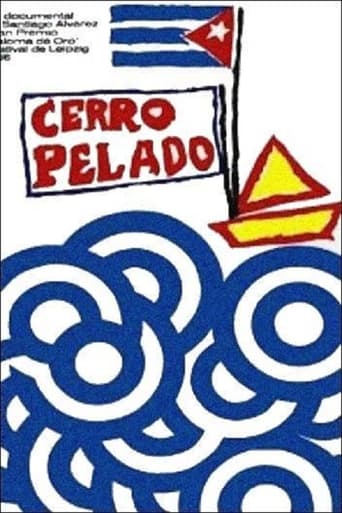
5.7A ship of athletes training on the rough seas becomes a symbol of Castro’s Cuba, the games projected on the backdrop of political struggle. This is the story of a ship and of a sports delegation whom the enemy tried to stop from participating in the Tenth Central American and Caribbean Games.
Cerro Pelado
1966
 5.6
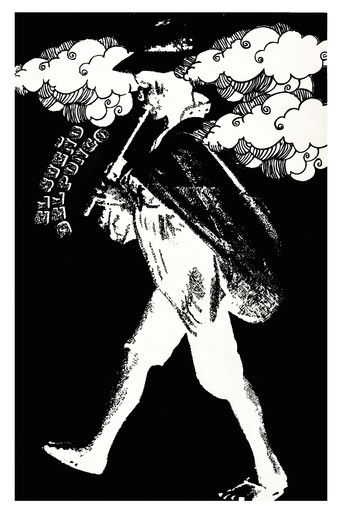
5.6An ordinary man goes to work in a rich household of Peru and has a dream in which he sees his boss and himself appearing as equal in front of the Archangel before going to heaven... Based on a tale by Jose Maria Argueda
The Servant's Dream
1970
5.6An ordinary man goes to work in a rich household of Peru and has a dream in which he sees his boss and himself appearing as equal in front of the Archangel before going to heaven... Based on a tale by Jose Maria Argueda
The Servant's Dream
1970
 2.0
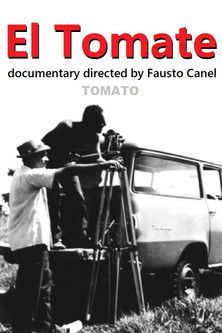
2.0An educational documentary film about planting and harvesting tomatoes.
El Tomate
1959
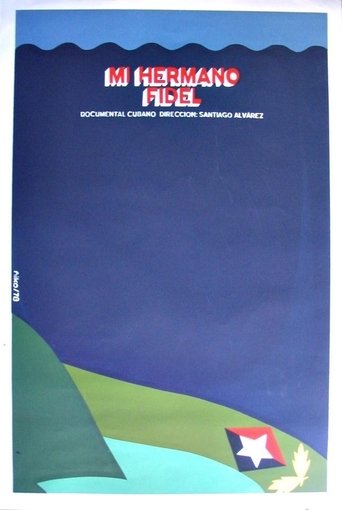 5.9
5.9Follows the Cuban leader into the home of a 93 year old acquaintance of Jose Marti, who is now blind and who takes the duration of the film to realize who his illustrious interviewer actually is.
My Brother, Fidel
1977
5.9Follows the Cuban leader into the home of a 93 year old acquaintance of Jose Marti, who is now blind and who takes the duration of the film to realize who his illustrious interviewer actually is.
My Brother, Fidel
1977
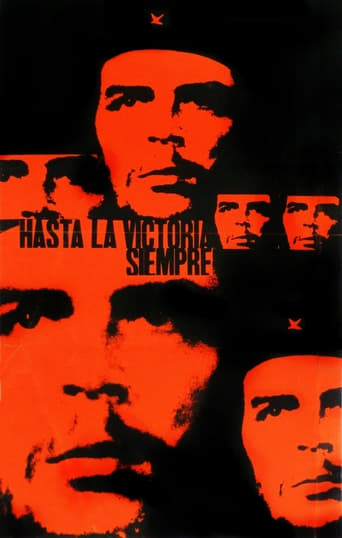 7.1
7.1Created within forty-eight hours of Che Guevara’s death, Hasta la Victoria Siempre is a Cuban documentary tribute that combines archival footage, speeches, and images of revolutionary struggle to commemorate Guevara and reaffirm the ideals of the Cuban Revolution.
Hasta la Victoria Siempre
1967
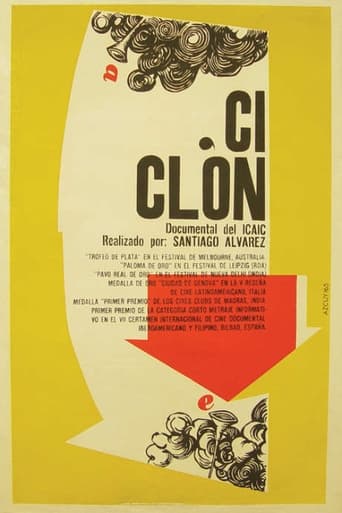 5.7
5.7CICLÓN is a coverage of hurricane Flora's sweeping the Cuban provinces of Camagüey and Oriente in October 1963: the damage, the evacuation of the villages, and the aid to victims.
Cyclone
1964
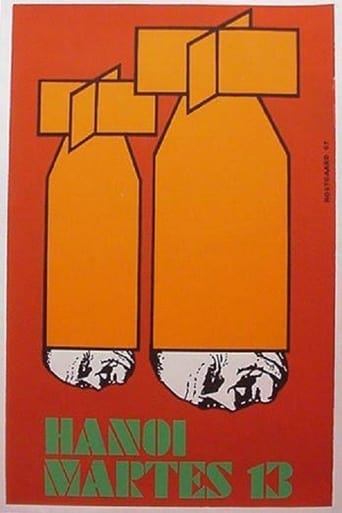 6.6
6.6In December 1967, a Cuban film crew led by Santiago Alvarez, the veteran polemicist, travelled to Hanoi. They shot the footage which constitutes this short documentary all in one day - Tuesday 13. The film is the story of that day and what happened to the North Vietnamese people in the course of it.
Hanoi, Tuesday 13th
1969
6.6In December 1967, a Cuban film crew led by Santiago Alvarez, the veteran polemicist, travelled to Hanoi. They shot the footage which constitutes this short documentary all in one day - Tuesday 13. The film is the story of that day and what happened to the North Vietnamese people in the course of it.
Hanoi, Tuesday 13th
1969
 5.3
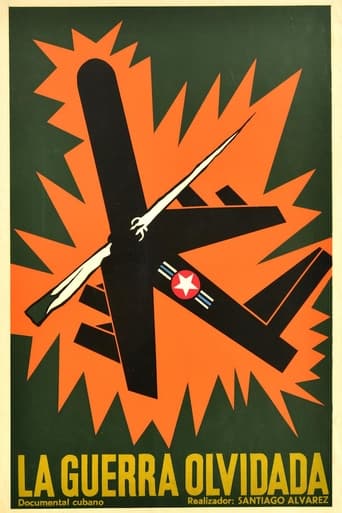
5.3Focuses on the history of foreign intervention in Laos, first by France and then by the United States. It shows how the liberation forces of Laos, under continuous U.S. bombing, were able to run an entire society in hidden caves and tunnels. Through the leadership of the Pathet Lao, they organized schools, cultural activities, clinics, as well as political and military activities literally underground.
The Forgotten War
1967
5.3Focuses on the history of foreign intervention in Laos, first by France and then by the United States. It shows how the liberation forces of Laos, under continuous U.S. bombing, were able to run an entire society in hidden caves and tunnels. Through the leadership of the Pathet Lao, they organized schools, cultural activities, clinics, as well as political and military activities literally underground.
The Forgotten War
1967
 NR
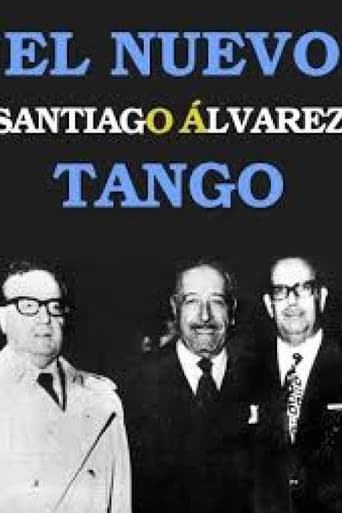
NRThe New Tango (El Nuevo Tango) was not shown in Argentina for a long time as it deals with the ascent of Argentinean president Hector Campora in May 1973, and features Cuban and Chilean presidents, Osvaldo Dorticos and Salvador Allende. A million people gathered on the Plaza de Mayo to acclaim the new President. One of Cámpora's first presidential actions was a granting of amnesty to political prisoners who where jailed during the dictatorship. On 28 May Argentina restored diplomatic relations with Cuba, which then received Argentine aid - such as food and industrial products - to break the United States embargo against Cuba.
The New Tango
1973
NRThe New Tango (El Nuevo Tango) was not shown in Argentina for a long time as it deals with the ascent of Argentinean president Hector Campora in May 1973, and features Cuban and Chilean presidents, Osvaldo Dorticos and Salvador Allende. A million people gathered on the Plaza de Mayo to acclaim the new President. One of Cámpora's first presidential actions was a granting of amnesty to political prisoners who where jailed during the dictatorship. On 28 May Argentina restored diplomatic relations with Cuba, which then received Argentine aid - such as food and industrial products - to break the United States embargo against Cuba.
The New Tango
1973
 7.0
7.0No synopsis available yet.
Brascuba
1987
7.0No synopsis available yet.
Brascuba
1987
 6.8
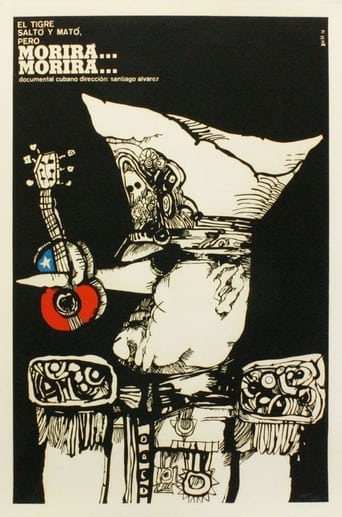
6.8An obituary for Victor Jara, the Chilean folksinger who was murdered in a football stadium by the military junta during the days of the September 1973 coup.
The Tiger Leaps and Kills, But It Will Die... It Will Die...
1973
6.8An obituary for Victor Jara, the Chilean folksinger who was murdered in a football stadium by the military junta during the days of the September 1973 coup.
The Tiger Leaps and Kills, But It Will Die... It Will Die...
1973
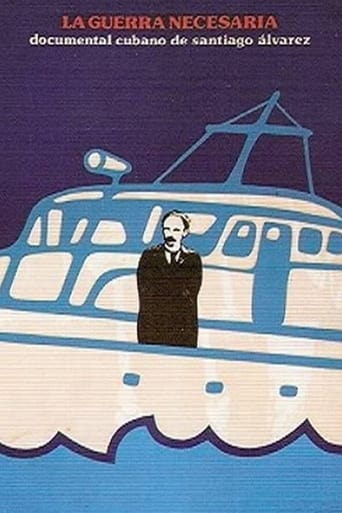 6.0
6.0Alvarez' longest documentary examination of the Cuban Revolution, this contains exceptional interviews with Fidel, Raúl, Almeida, Vilma, Haydee, Celia and Faustino Perez, among other key players in the Revolution.
The Necessary War
1980
A report on the visit to Cuba by Valentina Tereškova, the first woman to fly in space and the first Soviet cosmonaut. As the (unidentified) narrator points out, she is a “textile worker, a communist, and a Soviet woman who, through her perseverance and the opportunities afforded by a different society, reached the stars.”
Valentina Tereshkova visita a Cuba (Noticiero ICAIC Latinoamericano)
1963
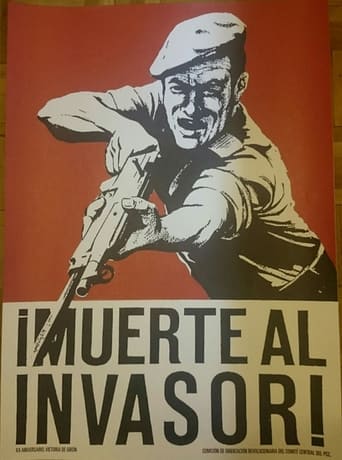 5.9
5.9Produced by ICAIC in the wake of the Bay of Pigs invasion, "Muerte al invasor" chronicles the three days of fighting at Playa Girón, portraying the rapid mobilization of Cuban forces and civilians against a CIA-backed exile army.
Muerte al invasor
1962
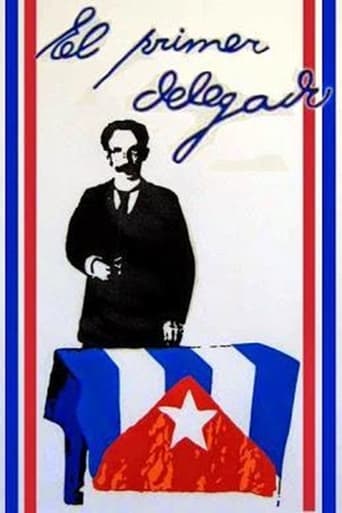 7.0
7.0The short film El primer delegado (The First Delegate), made by a group of ICAIC directors, recounts the moments in which José Martí announced the foundations and statutes of the Cuban Revolutionary Party, the tireless struggle that the hero sustained throughout his life to obtain independence, his gifts as a political organizer, the final founding of the party, of which he was the first delegate, and his offer to General Máximo Gómez of the military leadership of the insurrection, the final founding of the party, of which he was the first delegate, and his offer to General Máximo Gómez of the military leadership of the insurrection, all narrated live by an announcer who entertains with his reading the work of the cigar makers in a tobacco factory, until the documentary reaches its final climax: the symbolic reconversion of the old Marti's party into a new one.
The First Delegate
1975
7.0The short film El primer delegado (The First Delegate), made by a group of ICAIC directors, recounts the moments in which José Martí announced the foundations and statutes of the Cuban Revolutionary Party, the tireless struggle that the hero sustained throughout his life to obtain independence, his gifts as a political organizer, the final founding of the party, of which he was the first delegate, and his offer to General Máximo Gómez of the military leadership of the insurrection, the final founding of the party, of which he was the first delegate, and his offer to General Máximo Gómez of the military leadership of the insurrection, all narrated live by an announcer who entertains with his reading the work of the cigar makers in a tobacco factory, until the documentary reaches its final climax: the symbolic reconversion of the old Marti's party into a new one.
The First Delegate
1975
 NR
NRNo synopsis available yet.
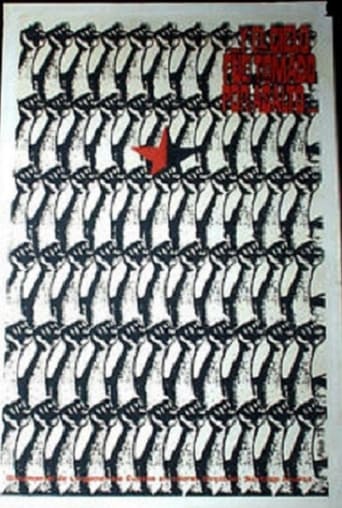
La marcha del pueblo combatiente
1980
 6.7
6.7A chronicle of Fidel Castro's two-month tour of ten East European and African nations in mid-1972.
And Heaven Was Taken by Storm
1973
6.7A chronicle of Fidel Castro's two-month tour of ten East European and African nations in mid-1972.
And Heaven Was Taken by Storm
1973
Santiago Álvarez and his team are talking with Salvador Allende (alongside his daughter Beatriz), who has just been elected President of the Republic, near a beautiful mansion on the banks of a river. Allende denounces the state of chaos in which the country finds itself, as well as the economic and financial situation, and calls on the Chilean people to take responsibility. He discusses the ties between Cuba and Chile and pledges to fight against the CIA and the counterrevolutionaries (gusanos). Footage of Allende being cheered at a Socialist Party rally shortly before his election illustrates the topic.
Entrevista al presidente Salvador Allende (Noticiero ICAIC Latinoamericano)
1970
Short documentary recounting the history of the Santiago de Cuba carnival.
Biografía de un carnaval
1983
Short documentary recounting the history of the Santiago de Cuba carnival.
Biografía de un carnaval
1983
No synopsis available yet.
Crisis en el Caribe (Noticiero ICAIC)
1962
No synopsis available yet.
Crisis en el Caribe (Noticiero ICAIC)
1962
No synopsis available yet.
Crisis en el Caribe (Noticiero ICAIC)
1962
 9.0
9.0Short documentary on the solidarity of the Cuban people with Vietnam during the war against the United States.
Solidaridad Cuba y Vietnam
1965
9.0Short documentary on the solidarity of the Cuban people with Vietnam during the war against the United States.
Solidaridad Cuba y Vietnam
1965