

Acting
Kokuten Kōdō
Born — Died
1887-01-29 — 1960-01-22
Place of birth
Takasago, Hyogo, Japan
Known for
Acting
Credits
60 titles
Kokuten Kōdō (高堂 国典 Kōdō Kokuten, 29 January 1887 – 22 January 1960) was a Japanese film actor. He appeared in more than eighty films from 1923 to 1959.
Known for
 8.5
8.5A samurai answers a village's request for protection after he falls on hard times. The town needs protection from bandits, so the samurai gathers six others to help him teach the people how to defend themselves, and the villagers provide the soldiers with food.
Seven Samurai
1954
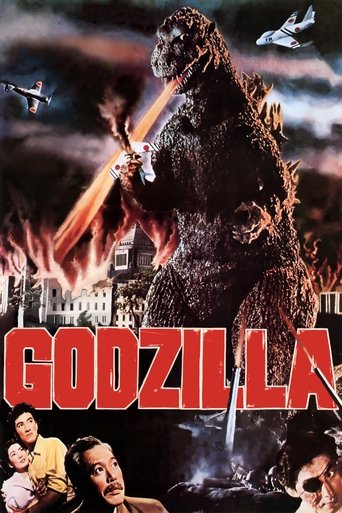 7.6
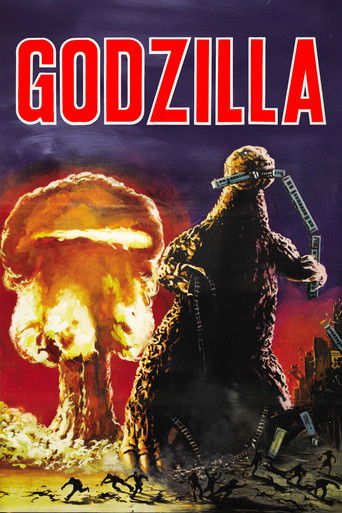
7.6Japan is thrown into a panic after several ships are sunk near Odo Island. An expedition to the island led by Dr. Kyohei Yamane soon discover something far more devastating than imagined in the form of a 50 meter tall monster whom the natives call Gojira. Now the monster begins a rampage that threatens to destroy not only Japan, but the rest of the world as well.
Godzilla
1954
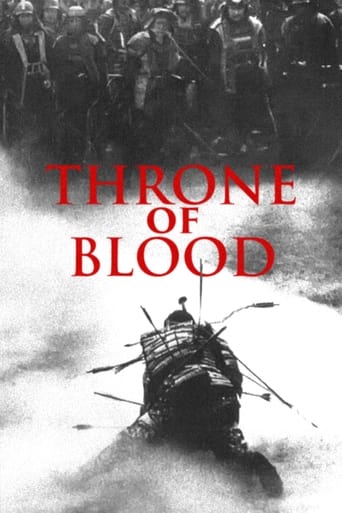 7.9
7.9Returning to their lord's castle, samurai warriors Washizu and Miki are waylaid by a spirit who predicts their futures. When the first part of the spirit's prophecy comes true, Washizu's scheming wife, Asaji, presses him to speed up the rest of the spirit's prophecy by murdering his lord and usurping his place. Director Akira Kurosawa's resetting of William Shakespeare's "Macbeth" in feudal Japan is one of his most acclaimed films.
Throne of Blood
1957
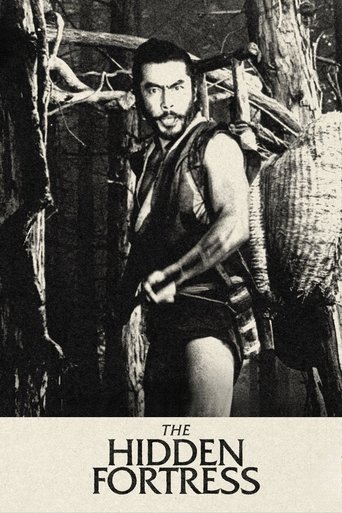 8.0
8.0In feudal Japan, during a bloody war between clans, two cowardly and greedy peasants, soldiers of a defeated army, stumble upon a mysterious man who guides them to a fortress hidden in the mountains.
The Hidden Fortress
1958
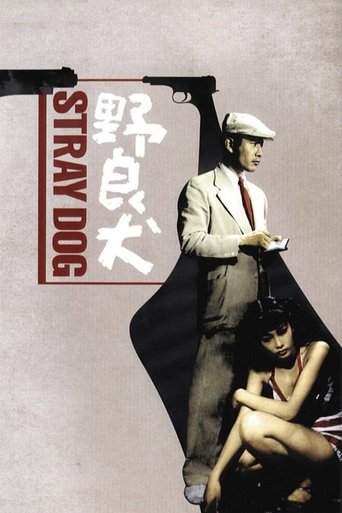 7.6
7.6A bad day gets worse for young detective Murakami when a pickpocket steals his gun on a hot, crowded bus. Desperate to right the wrong, he goes undercover, scavenging Tokyo’s sweltering streets for the stray dog whose desperation has led him to a life of crime. With each step, cop and criminal’s lives become more intertwined and the investigation becomes an examination of Murakami’s own dark side.
Stray Dog
1949
 6.5
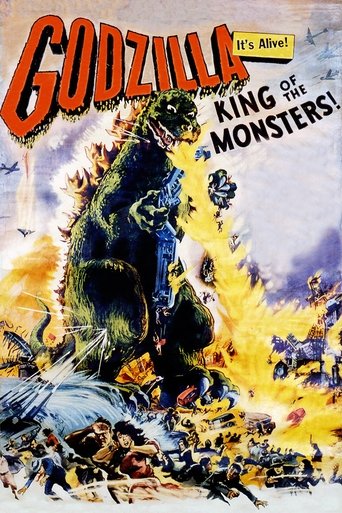
6.5During an assignment, foreign correspondent Steve Martin spends a layover in Tokyo and is caught amid the rampage of an unstoppable prehistoric monster the Japanese call 'Godzilla'. The only hope for both Japan and the world lies on a secret weapon, which may prove more destructive than the monster itself.
Godzilla, King of the Monsters!
1956
Film credits
1950s · 46 titles
8.5A samurai answers a village's request for protection after he falls on hard times. The town needs protection from bandits, so the samurai gathers six others to help him teach the people how to defend themselves, and the villagers provide the soldiers with food.
Seven Samurai
1954
7.6Japan is thrown into a panic after several ships are sunk near Odo Island. An expedition to the island led by Dr. Kyohei Yamane soon discover something far more devastating than imagined in the form of a 50 meter tall monster whom the natives call Gojira. Now the monster begins a rampage that threatens to destroy not only Japan, but the rest of the world as well.
Godzilla
1954
7.9Returning to their lord's castle, samurai warriors Washizu and Miki are waylaid by a spirit who predicts their futures. When the first part of the spirit's prophecy comes true, Washizu's scheming wife, Asaji, presses him to speed up the rest of the spirit's prophecy by murdering his lord and usurping his place. Director Akira Kurosawa's resetting of William Shakespeare's "Macbeth" in feudal Japan is one of his most acclaimed films.
Throne of Blood
1957
8.0In feudal Japan, during a bloody war between clans, two cowardly and greedy peasants, soldiers of a defeated army, stumble upon a mysterious man who guides them to a fortress hidden in the mountains.
The Hidden Fortress
1958
6.5During an assignment, foreign correspondent Steve Martin spends a layover in Tokyo and is caught amid the rampage of an unstoppable prehistoric monster the Japanese call 'Godzilla'. The only hope for both Japan and the world lies on a secret weapon, which may prove more destructive than the monster itself.
Godzilla, King of the Monsters!
1956
 8.6
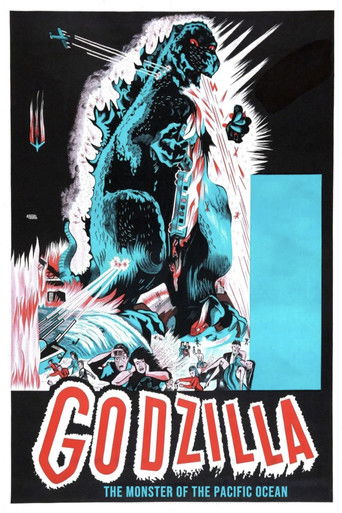
8.6Obscure French version of the original Godzilla. The film combines elements of the original Toho version and the American King of the Monsters! in a unique assemblage exclusive to the Francophone market. Released by Les Films du Verseau.
Godzilla, the Monster of the Pacific Ocean
1957
 7.9
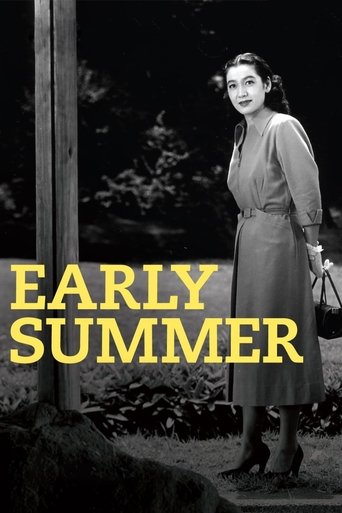
7.9In postwar Tokyo, Noriko lives with her extended family. Although she enjoys her career and her social life, her more traditional family worries about her single marital status at the advanced age of 28. 40-year-old business associate Takako proposes, Noriko's family press her into accepting, but when her widowed childhood friend Kenkichi returns to the neighborhood, she finds her heart leading in another direction.
Early Summer
1951
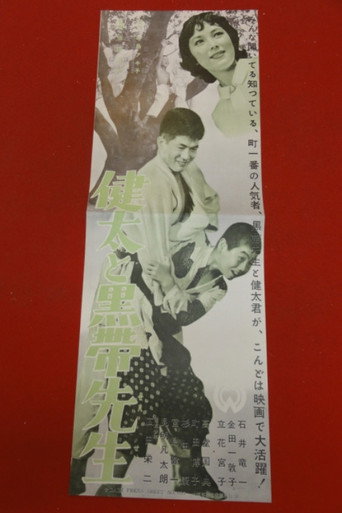 NR
NRA heartwarming story about Kenta, an unfortunate boy searching for his father, and Sensei, the town’s hero and black belt.
Kenta to kurotai sensei
1957
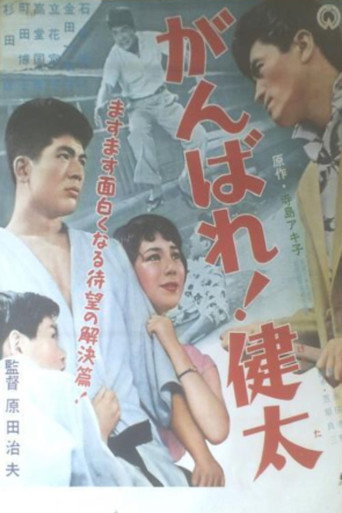 NR
NRKenta, an orphan, heads to Tokyo to find his father.
Ganbare! Kenta
1957
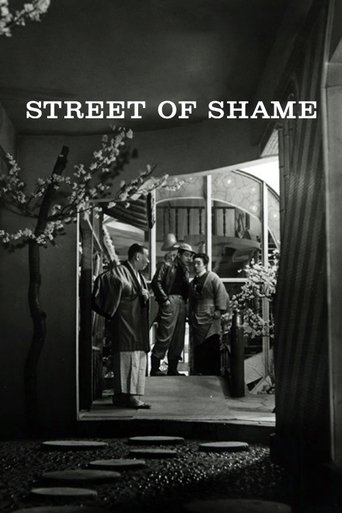 7.7
7.7Follows five sex workers employed at a Japanese brothel while the nation debates the passage of an anti-prostitution law.
Street of Shame
1956
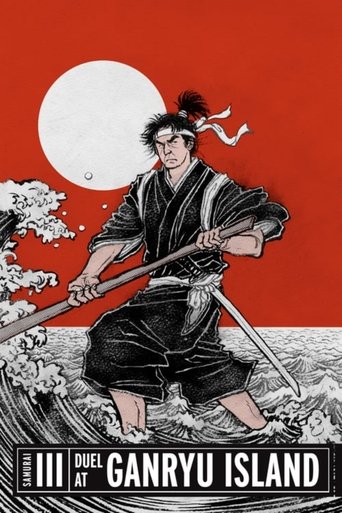 7.2
7.2A humble and simple Takezo abandons his life as a knight errant. He's sought as a teacher and vassal by Shogun, Japan's most powerful clan leader. He's also challenged to fight by the supremely confident and skillful Sasaki Kojiro. Takezo agrees to fight Kojiro in a year's time but rejects Shogun's patronage, choosing instead to live on the edge of a village, raising vegetables. He's followed there by Otsu and later by Akemi, both in love with him. The year ends as Takezo assists the villagers against a band of brigands. He seeks Otsu's forgiveness and accepts her love, then sets off across the water to Ganryu Island for his final contest.
Samurai III: Duel at Ganryu Island
1956
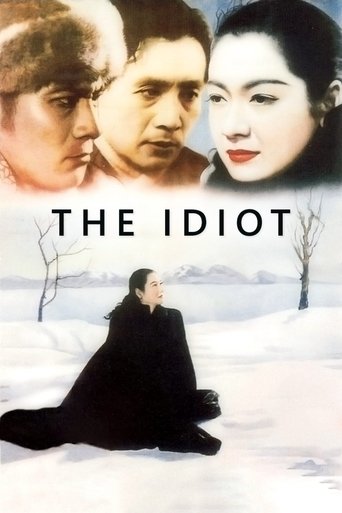 7.0
7.0A gentle, war-shattered ex-soldier, Kinji Kameda, arrives in wintry Hokkaidō and is pulled into a volatile tangle of love and pity between the disgraced Taeko Nasu, the proud Ayako, and his possessive friend Akama. Kameda’s saintly compassion exposes everyone’s wounds, steering the quartet toward jealousy, violence, and inexorable tragedy. Adapted from Dostoevsky’s novel.
The Idiot
1951
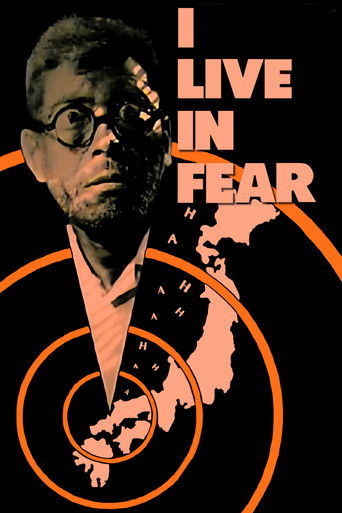 7.3
7.3An aging foundry patriarch, gripped by terror of nuclear annihilation, tries to uproot his family to Brazil. When they petition to have him declared incompetent, a family-court counselor witnesses his obsession slide into ruin—and asks whether ignoring the atomic threat is any saner.
I Live in Fear
1955
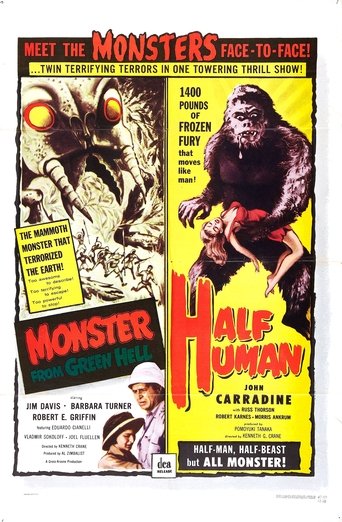 3.5
3.5An American scientist tells two colleagues about the finding of an abominable snowman living in the Japanese alps, where it is worshipped by a remote tribe as a god, and how it was discovered by modern man after it raided a skiers shelter following an avalanche, killing all inside. This is an adaptation of the Japanese film "Jūjin Yuki Otoko" (1955) with added American-made footage, narration, and music.
Half Human: The Story of the Abominable Snowman
1957
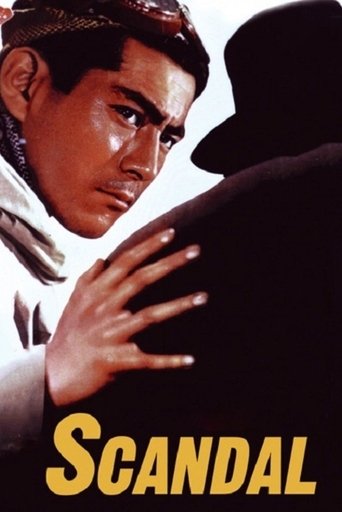 6.9
6.9A celebrity photograph sparks a court case as a tabloid magazine spins a scandalous yarn over a painter and a famous singer.
Scandal
1950
 7.2
7.2After years on the road establishing his reputation as Japan's greatest fencer, Takezo returns to Kyoto. Otsu waits for him, yet he has come not for her but to challenge the leader of the region's finest school of fencing. To prove his valor and skill, he walks deliberately into ambushes set up by the school's followers.
Samurai II: Duel at Ichijoji Temple
1955
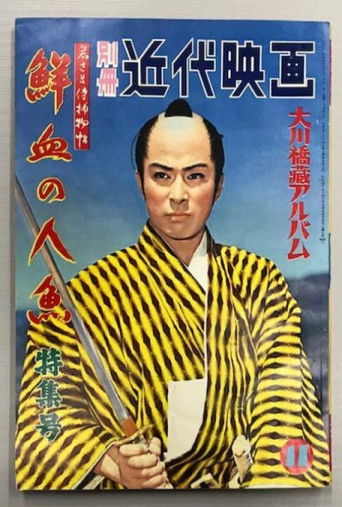 NR
NRThe sixth episode of Hashizo Okawa's "Wakasama Samurai" catch series.
Case of a Young Lord 6: Mermaid Murder Case
1957
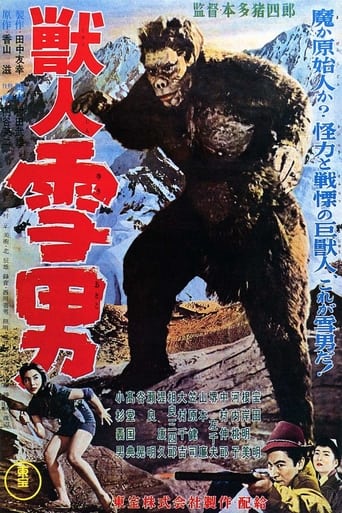 4.9
4.9Three competing parties all race against time to track down an elusive creature known only as the Snowman.
Beast Man Snow Man
1955
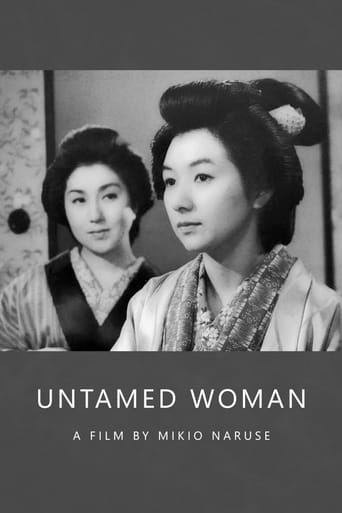 7.5
7.5A woman marries, gives birth to a stillborn child, and divorces, falls in love with a hotel-keeper, only to find herself subordinated to his drive for success, takes up with a tailor who cannot console himself with her strong personality.
Untamed Woman
1957
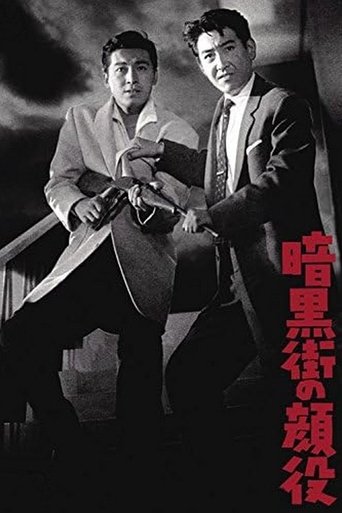 6.5
6.5Ryuta and Mineo Komatsu are brothers, both yakuza (gangsters). Mineo, although complicit in crime, even murder, wants out of the gangster life, hoping to become a successful singer instead. Ryuta loves his brother, but Mineo's possible defection presents problems for the gang, and Ryuta realizes he must kill his brother if he wants to survive.
The Big Boss
1959
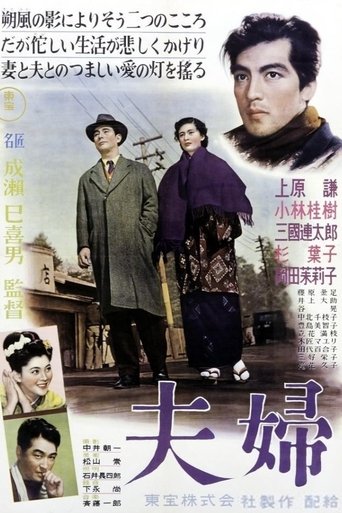 6.9
6.9A married couple looking for an apartment move in with the husband's co-worker, a widower. The husband becomes jealous of the widower and his wife.
Husband and Wife
1953
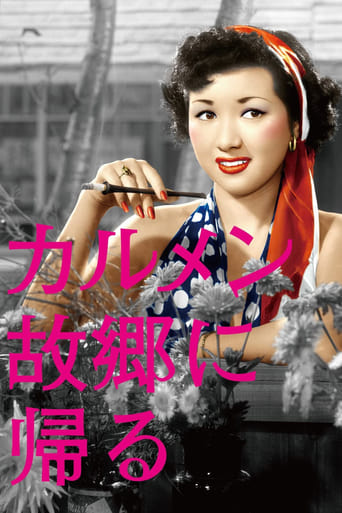 6.3
6.3A rural village elder plans an event on the return of a farmer's daughter from the city, unaware that she has become a Westernized burlesque artist.
Carmen Comes Home
1951
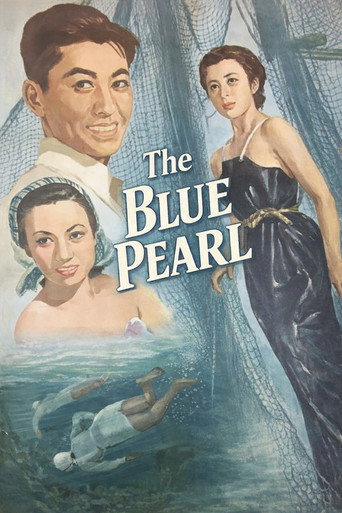 7.5
7.5The Blue Pearl depicts the interplay between a young man from Tokyo and two ama (pearl divers; literally “women of the sea”) in a superstitious coastal town. Though raised within the same tradition-bound crucible, the two women – Noe and Riu – are portrayed as diametric opposites; the former meek but affectionate, the latter strong-willed but jaded by a tryst with metropolitan life.
The Blue Pearl
1951
 6.6
6.6Mataemon Araki, a renowned swordsman, helps a young man find vengeance.
Vendetta of a Samurai
1952
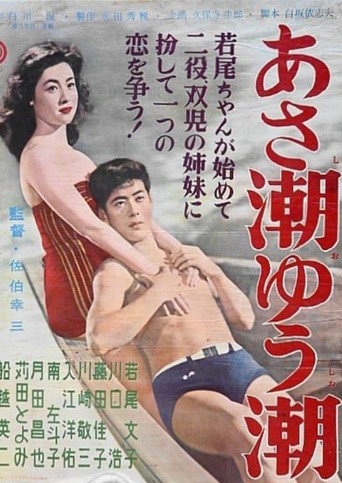 NR
NRA sweet and melancholy melodrama set against the backdrop of the beautiful Seto Inland Sea, in which a pair of twin sisters, one a young lady of high birth, the other a maid, are manipulated by the threads of fate as they vie for the affection of the same young man.
Asashio yushio
1956
 6.0
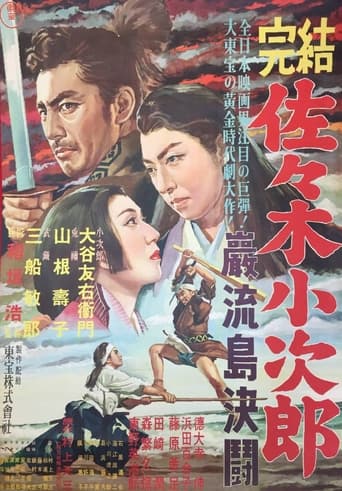
6.0Director Hiroshi Inagaki's early version of the life and death of famed swordsman Sasaki Kojiro. Otani Tomoemon gives a brilliant performance as Sasaki Kojiro, who rises from humble beginnings to national fame, and a young Toshiro Mifune appears as the legendary master swordsman Miyamoto Musashi for the first time and essentially sets the standard for future portrayals.This masterpiece is based on the original story as written by noted author Murakami Genzo and is far superior to any other versions. Following Kojiro from his earliest days through his fateful meeting with Musashi, this movie is filled with exciting and dramatic moments culminating in the best version of the final duel ever seen on film.
Sasaki Kojiro
1951
 NR
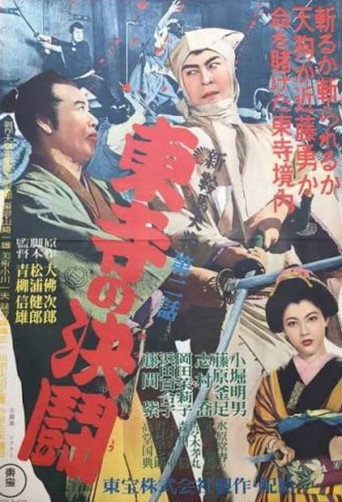
NRNo synopsis available yet.
New Tengu Kurama Part II: Duel at Toji Temple
1954
 7.7
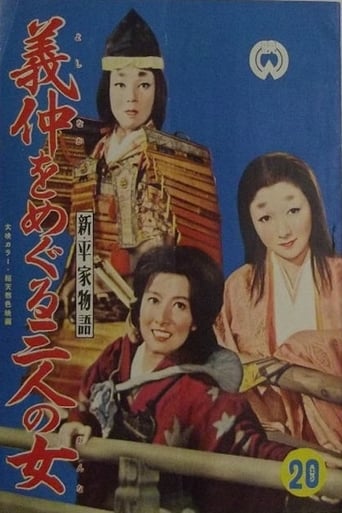
7.7The story of Yoshinaka during the tumultuous period of warring related to us in the Heike Monogatari. Close in setting to Kinugasa’s famous Gate of Hell (1953).
Three Women Around Yoshinaka
1956
 8.0
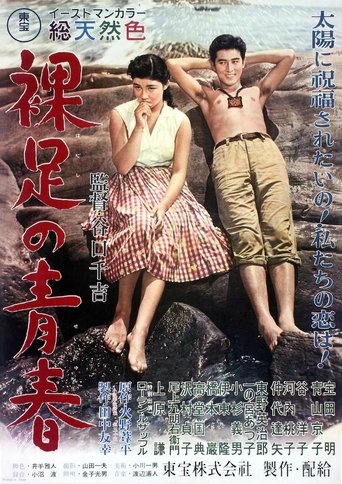
8.0Sankichi Matsutani, a poor young fisherman, falls in love with Kikue, the only daughter of fisher Shiimbei. As the star-crossed lovers come from different religious backgrounds, they soon meet fierce opposition from their communities.
Love on Rainbow Island
1956
 6.7
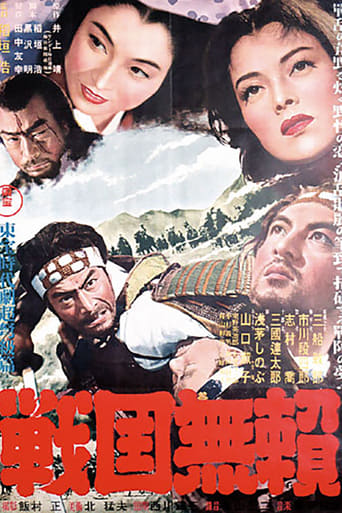
6.7Soldiers Hayate and Yaheiji secretly escape from their besieged castle. Hayate has left behind his lover, Kano. On his way, Hayate is wounded and cared for by O’Ryo, who falls in love with him. But when Hayate accidentally kills her caretaker, he flees, with O’Ryo in pursuit. Subsequently, Hayate's comrade Yaheiji falls in love with Oryo. Kano, the lover left behind by Hayate, believes him dead, and becomes involved with another soldier, Jurota. When Jurota defects to the opposing army, he takes Kano with him. A double set of love triangles has developed, wherein each man and each woman loves one and is loved by another. Finally only combat and self-sacrifice can untangle the weave.
Sword for Hire
1952
 8.0
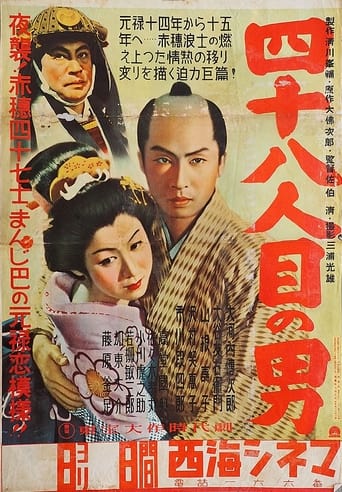
8.0Jidai-geki by Kiyoshi Saeki
Forty-Eight Man
1952
 7.4
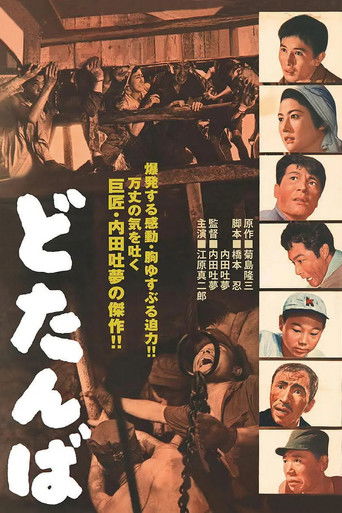
7.4Based on a 1956 television feature on Japan’s national network, NHK, this is one of Uchida’s rarest films. A socially conscious drama with a contemporary backdrop, Dotanba focuses on the attempts to rescue a group of trapped miners. The title is a figure of speech — (essentially “last minute” or “eleventh hour”) — that refers to a situation of peril. The film boasts a script co-written by Uchida and Akira Kurosawa’s frequent screenwriter, Shinobu Hashimoto, and stars Kurosawa’s frequent star Takashi Shimura.
The Eleventh Hour
1957
 NR
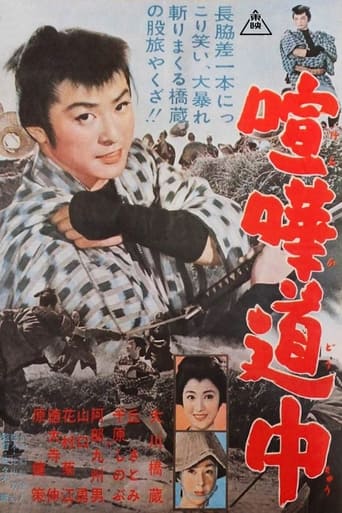
NRHanjiro of Kusama searches for his little sister Oyuki, who went missing after being desecrated by Hikosaku Tokurai three years ago. The first film in a series about the adventures of the wandering yakuza Hanjiro from Kusama.
The Fighting on The Trial
1957
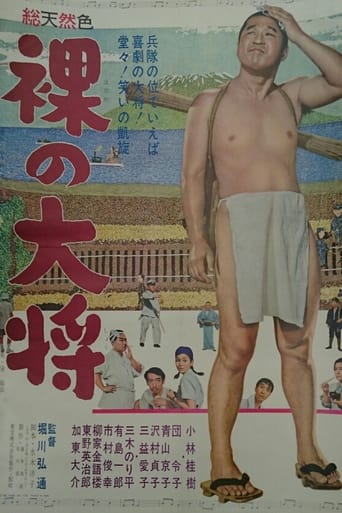 7.0
7.0A film about the life of Kiyoshi Yamashita, a Japanese painter with disabilities.
The Naked General
1958
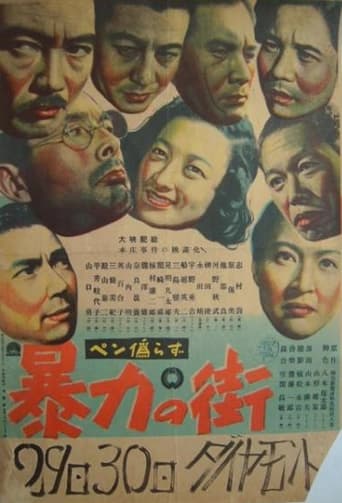 6.5
6.5An attempt is made to suppress a journalist's investigation of collusion between a rural police chief and the local gangster bosses.
Town of Violence
1950
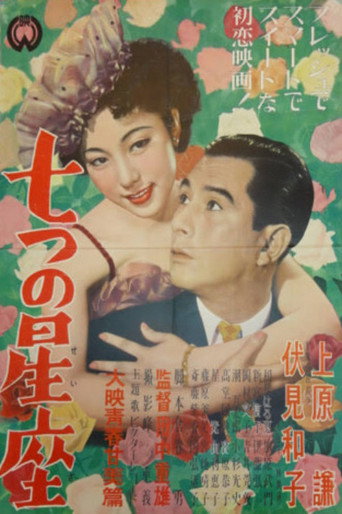 NR
NRA story of first love between a misogynistic astronomer and a dancer he met on the street.
Nanatsu no seiza
1951
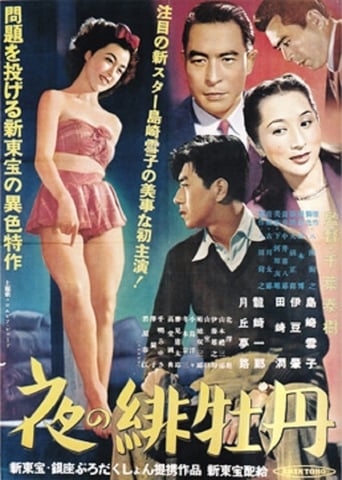 NR
NRA romantic melodrama about the shifting relationship between Ryosuke and Miki as their precarious employment and social circumstances shift around them.
Red Peony of Night
1950
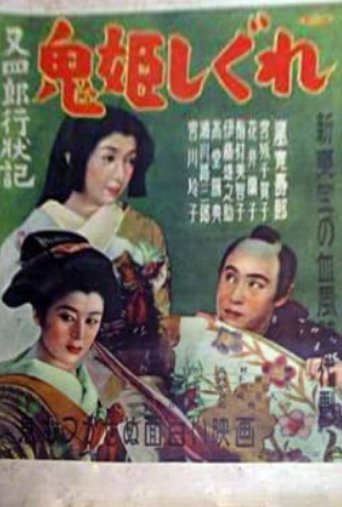 NR
NRJidai-geki by Nobuo Nakagawa. Most likely a star vehicle for Kanjuro Arashi
Conduct Report on Matashiro: The Devil Princess and Winter Rain
1951
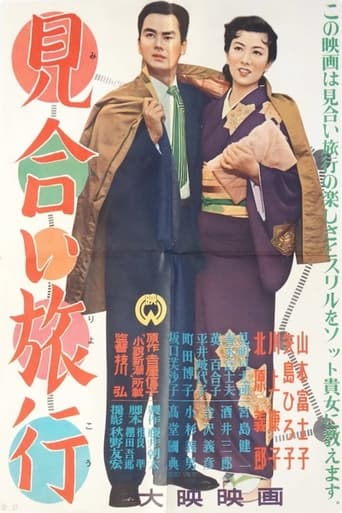 NR
NRA chance ride in a car leads to an unforgettable relationship. A misunderstanding leads to more misunderstanding... Love and thrills in this coming-of-age romance film.
Miai Ryokou
1955
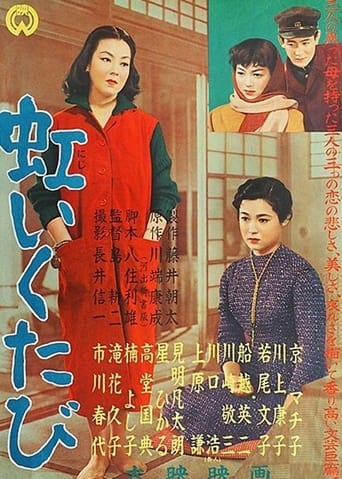 NR
NRMomoko and Asako are half sisters, daughters of the famous architect Tsuneo Mizuhara, who also have another half sister in Kyôto, Wakako, whom they have not had. While Asako is a sweet young lady, Momoko, the eldest, goes out with whomever she wants, thus hiding the trauma caused by seduction and abandonment during the war by young Keita Aoki. One day Keita re-enters her life.
A Rainbow at Every Turn
1956
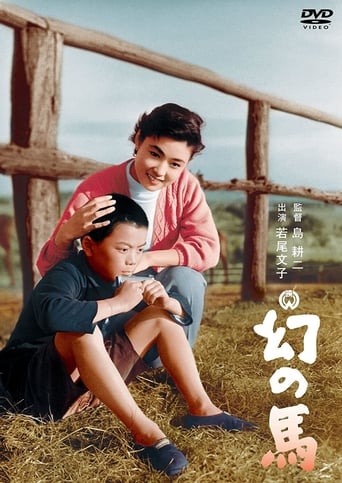 6.5
6.5Following the tragic death of his father, a young boy's family trains his horse to compete in the local derby.
The Phantom Horse
1955
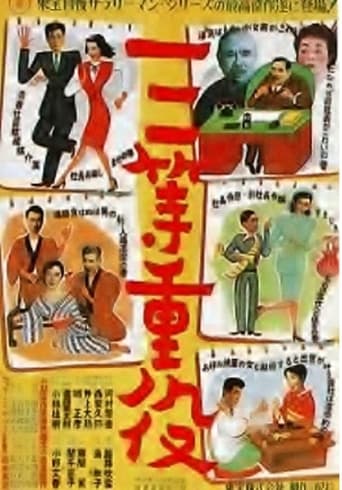 7.0
7.01950s Japanese comedy.
Third Class Executives
1952
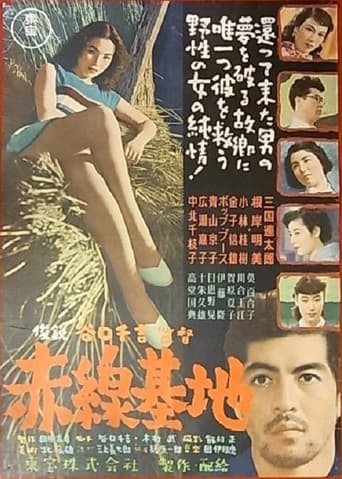 9.0
9.0Story about a poor Japanese woman living near an American army base who resorts to prostitution.
The Red Light Military Base
1953
 7.0
7.0A young scriptwriter with a yakuza upbringing, an iron-fire dancer, a young painter, and a pure-hearted downtown girl fall in love in Asakusa in this entertaining tale of love and action.
Asakusa at Night
1954
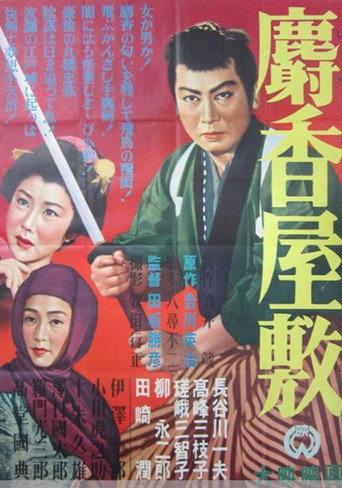 NR
NRNo synopsis available yet.
Jakō yashiki
1955
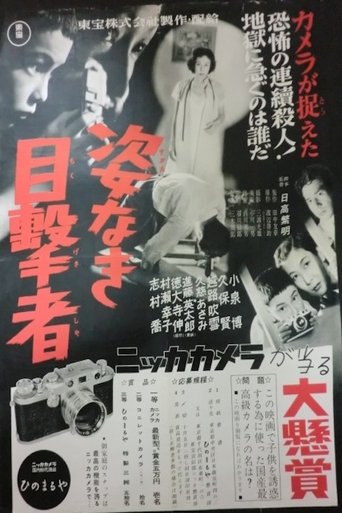 NR
NRNo synopsis available yet.
Ticket to Hell
1955
1940s · 9 titles
7.6A bad day gets worse for young detective Murakami when a pickpocket steals his gun on a hot, crowded bus. Desperate to right the wrong, he goes undercover, scavenging Tokyo’s sweltering streets for the stray dog whose desperation has led him to a life of crime. With each step, cop and criminal’s lives become more intertwined and the investigation becomes an examination of Murakami’s own dark side.
Stray Dog
1949
 6.0
6.0A few years after his breakthrough, Sanshiro resumes his path to judo mastery—testing his discipline against an American prizefighter and later facing vengeful karate brothers. As rival schools and public spectacle push him toward violence, he must reconcile strength with restraint and the true spirit of his art.
Sanshiro Sugata, Part Two
1945
 6.5
6.5A hotheaded youth in 1880s Meiji Japan apprentices to judo master Shōgorō Yano, trading brute jujutsu bravado for discipline and humility. As Sanshirō matures, he proves judo’s spirit against old-guard challengers—including a deadly duel—while falling for his vanquished opponent’s daughter. Based on the novel by Tsuneo Tomita, son of Tomita Tsunejirō, the earliest disciple of judo.
Sanshiro Sugata
1943
 6.9
6.9After her anti-fascist professor father is dismissed, Yukie navigates love, political repression, and wartime upheaval—ultimately forging her own path in pre- and post-WWII Japan.
No Regrets for Our Youth
1946
 7.1
7.1Three bank robbers, Eijima, Nojiri, and Takasugi, flee the police and escape into the mountains. At an inn high in the Japanese Alps, Eijima and Nojiri encounter a young woman and her father, as well as Honda, a mountaineer. The inn folk do not realize their guests are wanted criminals and the visitors are treated with great kindness. Honda volunteers to lead them over the mountains, but Eijima's paranoia endangers all of them as they make the perilous trip.
Snow Trail
1947
 7.1
7.1Continuation of The Blue Mountains: Part I. Released a week later.
The Blue Mountains: Part II
1949
 5.0
5.0The story is based on the serial novel by Tsunoda Kikuo.
The Seven Changes of a Paper Crane (Part 1)
1941
 7.0
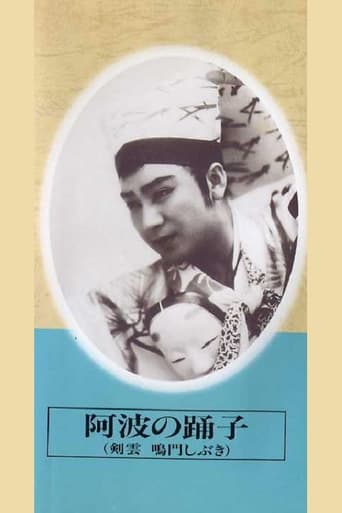
7.0Jurobei, a kaisen tonya (wholesaler in port) in Awa, was wronged and killed on the day of the Dance Festival by the evil merchant & the chamberlin. His brother (Kazuo Hasegawa) vowed vengeance on the day of his brother's death. So every year the villains are worried during the Awa Dance Festival (which is part of the Obon festival), but nothing has ever happened, until seven years later...
Dancers of Awa
1941
 7.0
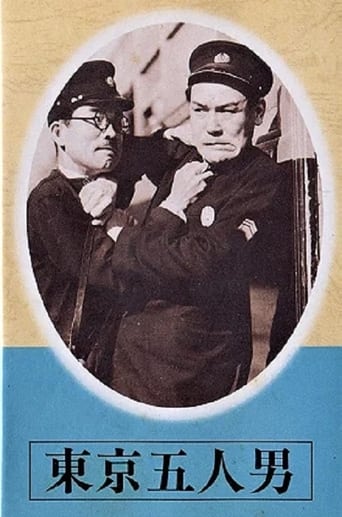
7.0Newly released from the army, five men return to Tokyo to find no place to live in the bombed-out city, food and necessities rationed out by people who don't care, and a thriving black market.
Five Tokyo Men
1945
1930s · 4 titles
 NR
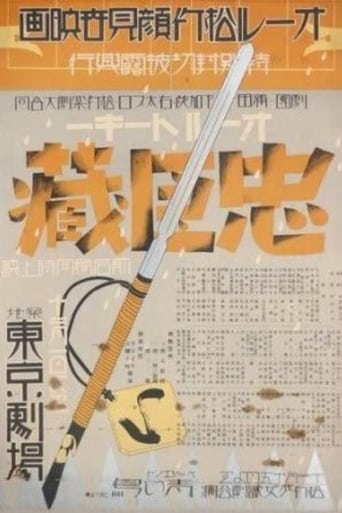
NRThis 1932 adaptation is the earliest sound version of the ever-popular and much-filmed Chushingura story of the loyal 47 retainers who avenged their feudal lord after he was obliged to commit hara-kiri due to the machinations of a villainous courtier. As the first sound version of the classic narrative, the film was something of an event, and employed a stellar cast, who give a roster of memorable performances. Director Teinosuke Kinugasa was primarily a specialist in jidai-geki (period films), such as the internationally celebrated Gate of Hell (Jigokumon, 1953), and although he is now most famous as the maker of the avant-garde silent films A Page of Madness (Kurutta ichipeji, 1926) and Crossroads (Jujiro, 1928), Chushingura is in fact more typical of his output than those experimental works. The film ranked third in that year’s Kinema Junpo critics’ poll, and Joseph Anderson and Donald Richie noted that 'not only the sound but the quick cutting was admired by many critics.
The Loyal 47 Ronin
1932
Song of the White Orchid was a co-production of Toho and Mantetsu, the railway that served the colonial region of Manchuria, and the first film in the Kazuo Hasegawa/Shirley Yamaguchi (Ri Koran) “Continental Trilogy.” Handsome Hasegawa (representing Japan) runs up against an impertinent Yamaguchi (representing the continent); not surprisingly, in the course of the film the woman comes around and realizes the benevolent intentions of the Japanese. In Song of the White Orchid Yamaguchi leaves Hasegawa, who plays an expatriate working for the railway, because of a misunderstanding. She joins a communist guerilla group plotting to blow up the Manchurian railway. Learning of the subterfuge that led to the misunderstanding, she renews her faith in Hasegawa—and by extension Japan—and tries to undermine the plot.
Song of the White Orchid
1939
 NR
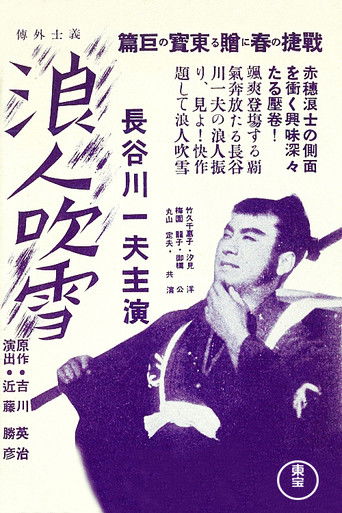
NRThe film tells about the life of the former vassal of the Ako clan - Fuwa Katsuemon Masatane.
Blizzard Ronin
1939
Japanese film.
Nangoku taiheiki
1937