
Production
Henrique Espírito Santo
Born — Died
1931-11-18 — 2020-01-19
Place of birth
Queluz, Portugal
Known for
Production
Credits
22 titles
Known for
 7.0
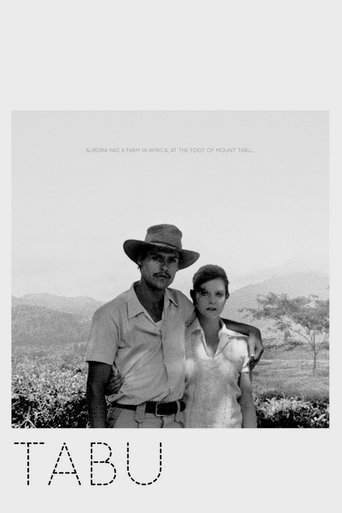
7.0Lisbon, Portugal, 2010. Pilar, a pious woman devoted to social causes, maintains a peculiar relationship with her neighbor Aurora, a temperamental old woman obsessed with gambling who lives tormented by a mysterious past.
Tabu
2012
 NR
NRNo synopsis available yet.
História do Cinema Português
2001
 6.8
6.8A story about doomed love between two people from different worlds and the impact in their lives. Based on the novel of the same name by Portuguese writer Camilo Castelo Branco.
Doomed Love
1978
 6.0
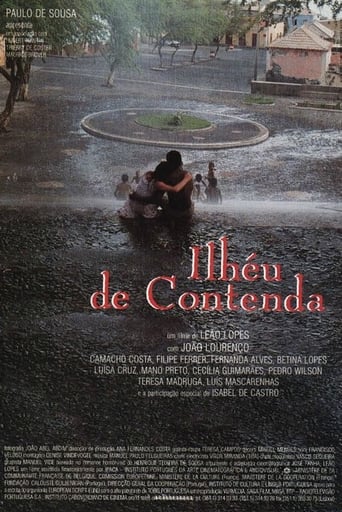
6.0Cape Verde, 1964. At the feet of a mighty volcano, the traditional Cape Verdean society is undergoing a steady change. The old land-owning aristocracy is disintegrating. A class of "mulattos" begins to emerge, with a trade-based financial power that threatens the landlords. A new identity arises, a mix of old and new, of African and Portuguese culture, sensual and dynamic. The songs of Cesária Évora follow this inevitable transformation. From the novel by Henrique Teixeira de Sousa.
The Island of Contenda
1999
 NR
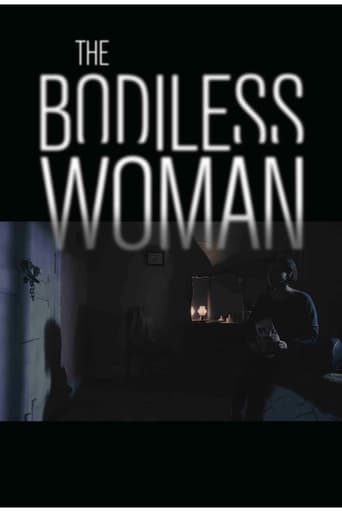
NRThe Bodiless Woman is an intervention film about the violence perpetuation and, above all, about the victim’s dignity and her deliverance.
The Bodiless Woman
2020
 7.4
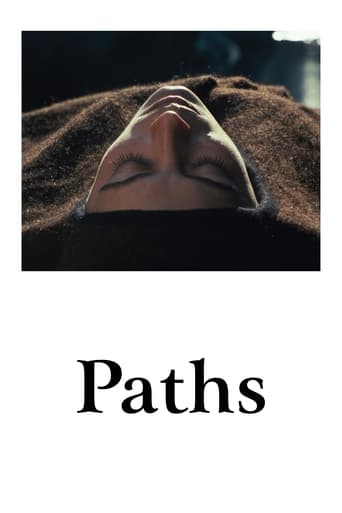
7.4Parallel tales of young couples desperately escaping cruel false fathers, each couple on the run across different regions of the country and during increasingly contemporary time periods.
Paths
1978
Film credits
1990s · 2 titles
6.0Cape Verde, 1964. At the feet of a mighty volcano, the traditional Cape Verdean society is undergoing a steady change. The old land-owning aristocracy is disintegrating. A class of "mulattos" begins to emerge, with a trade-based financial power that threatens the landlords. A new identity arises, a mix of old and new, of African and Portuguese culture, sensual and dynamic. The songs of Cesária Évora follow this inevitable transformation. From the novel by Henrique Teixeira de Sousa.
The Island of Contenda
1999
 8.5
8.5The film presents us with a reflection on the Spanish Civil War in the Portuguese society, At a time when Salazar ruled.
Sinais de Fogo
1995
1980s · 6 titles
 7.3
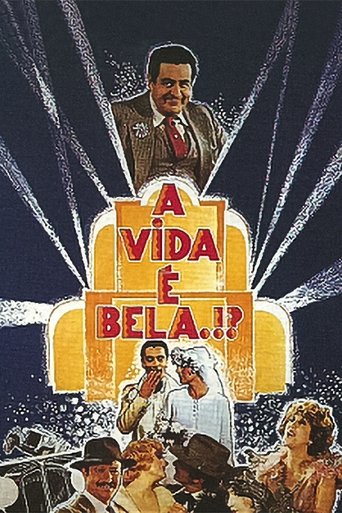
7.3Hipólito is a self-made man, who went up in life in devious ways, and used for profit the social turmoil when Portugal changed from a monarchy into a republic, and then to a military regime. Finally, he is forced into exile. Back in 1935 to family, friends, and lovers, he is in a mix-mesh of lies, and scheming, again.
Life Is Beautiful
1982
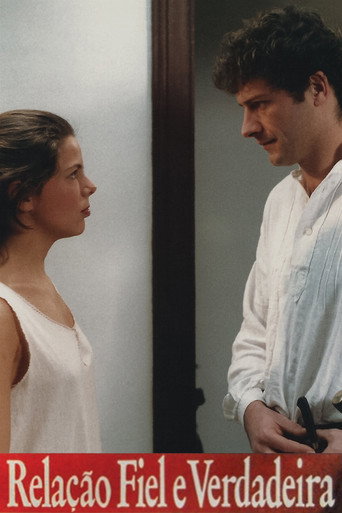 6.6
6.6The young girl, Antónia Margarida Castelo Branco, is handed over by her mother to Brás Telles de Meneses because of the obscure interests between rural aristocratic families in the North. Brás is a ruined man, a bohemian with a reputation for violence and erratic behaviour. Antonia’s fortune is the first sacrifice made by the young wife. Fascinated by the man who humiliates and ill-treats her, she follows him in a pilgrimage to increasingly barren lands, to increasingly less hospitable houses.
A True and Faithful Account
1989
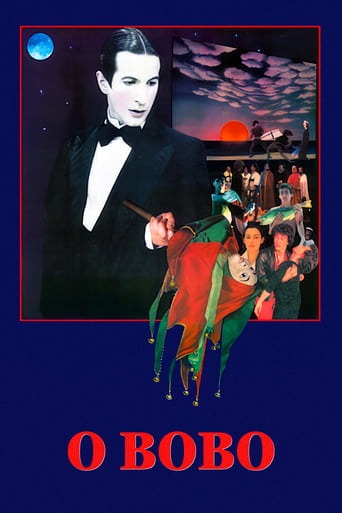 6.8
6.8Set four years after the Portuguese revolution and the simultaneous loss of the Portuguese empire in Africa, the story concerns a director who sells guns to finance his play.
The Jester
1987
 7.0
7.0A nobleman from Alentejo, from a very conservative family, intends to reconquer Olivenza, returning the situation to the times of the Treaty of Tordesillas. To this end, he creates two movements, which prepare for the big day. However, these plans do not work, as the daughter of the Mayor of Olivenza falls in love with the son of the Baron of Altamira, and the war will be different...
O Barão de Altamira
1986
 7.3
7.3In a unique approach to what amounts to four pseudo-morality plays, director Monique Rutler has a street entertainer with hand puppets summarize the characters and idea of each story. The first sketch is about a young man who shines shoes for a living, and tries to keep up a relationship with two women while convincing each she is his only true love. The next story is about a man who beats up his wife when he is drunk, and sells furs for a living. One day, as she is riding in the back of his truck with the furs, he hits a bad patch and she and some furs fall out. The question is, will the woman be enterprising and leave the jerk - or not? The third tale concerns a woman looking into how much control a prostitute has over her clients, and to really find out, she becomes a prostitute herself for awhile - leading to some quite unexpected situations. The last segment handles the uglier side of the life styles of the rich and famous.
Jogo de Mão
1983
 8.0
8.0A prophetic young woman Ana receives a foreboding vision about her father, dismisses it as superstition, and is devastated when it comes true. She learns that someone in the city foresaw the same fate, and against his wishes, she returns to confront him, only to become the subject of another terrifying prophecy he issues about her own future.
Meia Noite
1988
1970s · 4 titles
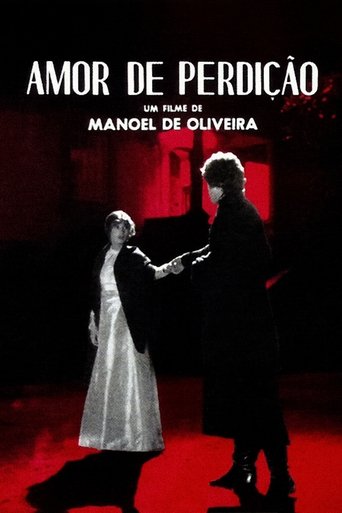 7.1
7.1A story about doomed love between two people from different worlds and the impact in their lives.
Doomed Love
1979
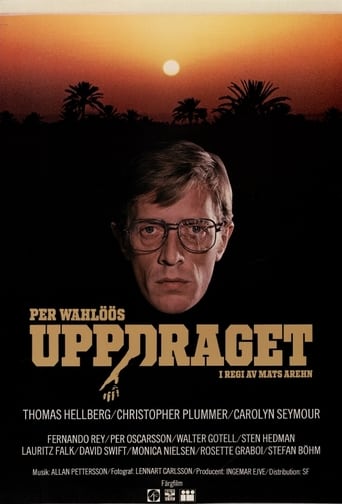 6.8
6.8A Swedish diplomat travels to a civil war in a Latin American country. His mission is to mediate between the two extremist groups.
The Assignment
1977
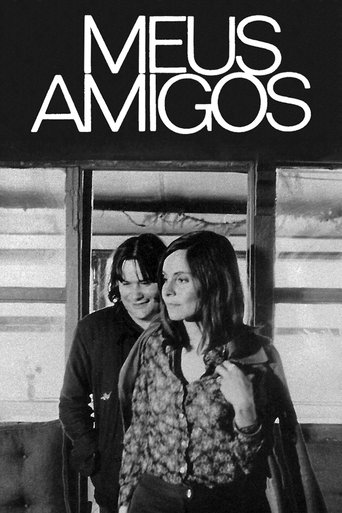 6.3
6.3Filmed just before the Carnation Revolution of 1974. Dark portrait of a group of friends who used to be colleagues at the University in 1962. Ten years later, they have lost all their ideals. With Lisbon on the background they discuss politics, love, culture; each of them has reached a deadlock. The camera remains still while it registers the dissolution of their dreams.
Meus Amigos
1974
 NR
NRTo the tune of "A terra a quem a trabalha", an Alentejo peasant girl is attacked by a vampire but rescued afterwards by workers and peasants armed with sickles and hammers. Filmed during the 1977 Festa do Avante, with a collective of participants linked to cinema and theatre, this film is a critique of the legislative process led by António Barreto, Minister of Agriculture between 1976-1978, which put an end to the agrarian reform occupations.
The Misadventures of Dracula Von Barreto in the Lands of the Agrarian Reform
1977
Series credits
Behind the camera
7.4Parallel tales of young couples desperately escaping cruel false fathers, each couple on the run across different regions of the country and during increasingly contemporary time periods.
Paths
1978
 7.3
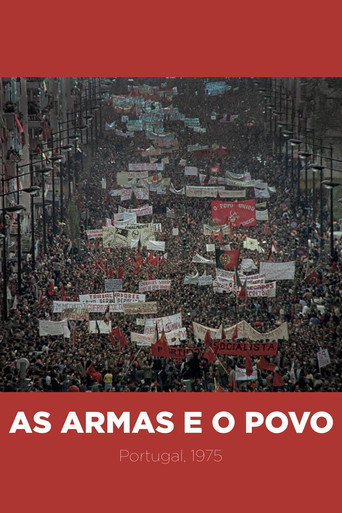
7.3Film directors with hand-held cameras went to the streets of Lisbon from April 25 to May 1, 1974, registering interviews and political events of the Portuguese "Carnation Revolution", as that period would be later known.
The Guns and the People
1977
 8.0
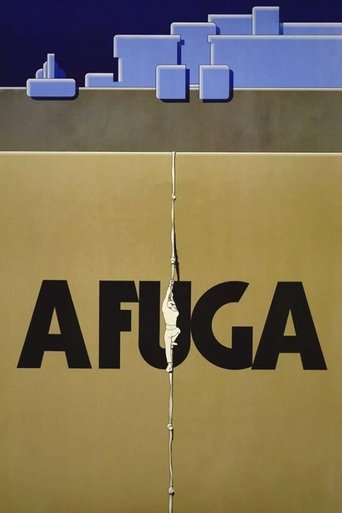
8.0In the 1950s, a handful of prisoners attempt a daring escape from Peniche, a castle on the north coast of Portugal for the political dissidents of the regime.
A Fuga
1978
 6.0
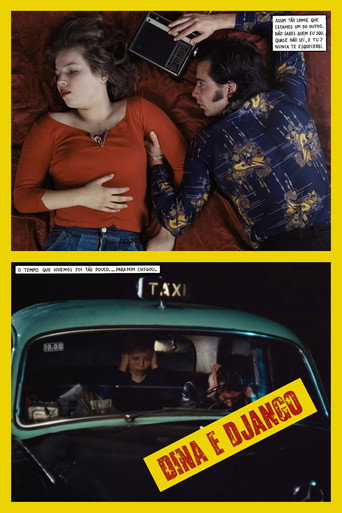
6.0Dina (Maria Santiago) is a teenager brought up by her grandmother, employed as a housekeeper for a fairly well-off family. Since Dina only has her grandmother, she spends her time fantasizing about her life and reading comic-book love stories -- activities that do nothing to improve her dim perspective of reality. Due to these handicaps and her own inexperience, she gets involved with Django (Luis Lucas), a shady character who decides to use her as bait to attract men and then rob them. One day when both are in a taxi with robbery in mind, the driver gets suspicious so Django shoots him, and so does Dina. She escapes and runs away -- though it seems like she has learned too little too late. This story unfolds against a time of upheaval in Portugal (mid-1970s) when the military government is formulating a constitution and social changes are happening everywhere.
Dina and Django
1983
 9.0
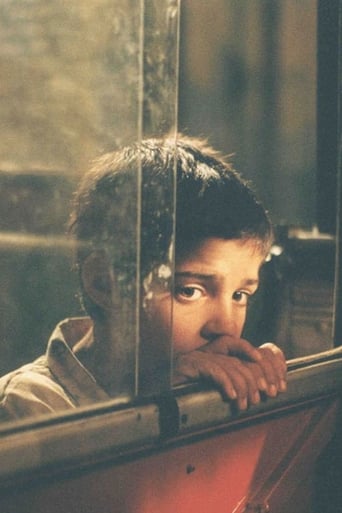
9.0Mário, eight years old, a kid who begs in the tourist paradise of Madeira island. One day in his life, from morning to evening.
See You Tomorrow, Mário
1994
 7.0
7.0Jorge Lopes is a journalist in a Lisbon daily newspaper. He does story after story in the Portuguese capital, covering all the aspects of its life, accompanied when necessary by Antonio, his photographer.
Cartas na Mesa
1975