
Directing
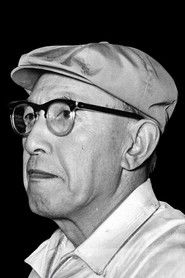
Tomu Uchida
Born — Died
1898-04-26 — 1970-08-07
Place of birth
Okayama, Okayama, Japan
Known for
Directing
Credits
40 titles
Uchida started out at the Taikatsu studio in the early 1920s, but came to prominence at Nikkatsu, adapting literary works with the screenwriter Yasutarō Yagi in a realist style. His 1929 film A Living Puppet (Ikeru ningyo) was selected as the fourth best film of the year by the film journal, Kinema Junpo. Many of his 1930s films featured the actor Isamu Kosugi. One such work, Policeman (Keisatsukan), has been called "a tremendously stylish gangster movie about the love-hate relationship between a cop and a criminal, once childhood friends" It is Uchida’s only surviving complete silent film. Uchida borrows from Hollywood gangster films and expressionist techniques in a story of a young police…
Known for
 8.7
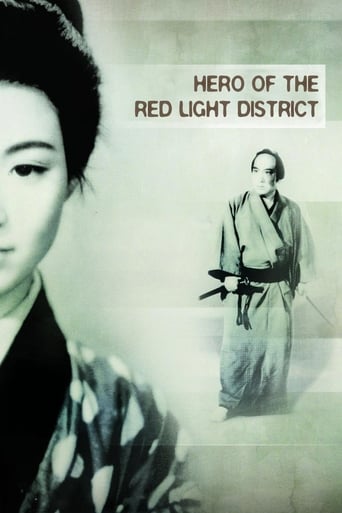
8.7A successful textile industrialist from the provinces, who is beloved by his employees for his kindness, cannot find a wife because of a disfiguring birthmark on his face. Even the courtesans in Yoshiwara refuse to entertain him, until an indentured peasant prostitute, Tamarazu, takes the unsavoury assignment and treats him with brash tenderness.
Hero of the Red Light District
1960
 7.1
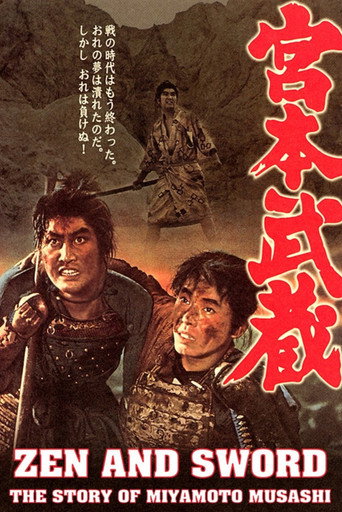
7.1In this first episode, we are introduced to Takezo, what Musashi used to be before he became the man of legend. His beginning are not exactly auspicious. He sides with the Toyotomi at Sekigahara, and as a result finds himself on the losing side of the historic battle. He and his friend Matahachi manage to escape the slaughter although the latter is wounded in his leg. They stumble across the young Akemi who makes her living with her mother Oko by robbing corpses of their armor and anything else they can sell. Oko takes it into her head to seduce Matahachi, which she does first by skillfully sucking the gangrene from his blood, and then just by sucking.
Miyamoto Musashi
1961
 7.3
7.3Three robbers escape with loot from a heist before one of them kills the others. Their corpses wash up near the aftermath of a maritime calamity, provoking a policeman's interest.
A Fugitive from the Past
1965
 7.1
7.1In the fourth installment, Musashi's potentially greatest opponent Kojiro jumps in and out of the story at the oddest and most coincidental moments. As his great love Otsu has succumbed to madness. Musashi then sets off to beat the functionaries of a treacherous clan in an arranged duel. 73 against one. Boastful Kojiro watches, secure in the knowledge that only he is a worthy opponent.
Miyamoto Musashi IV: The Duel at Ichijo-ji Temple
1964
 7.4
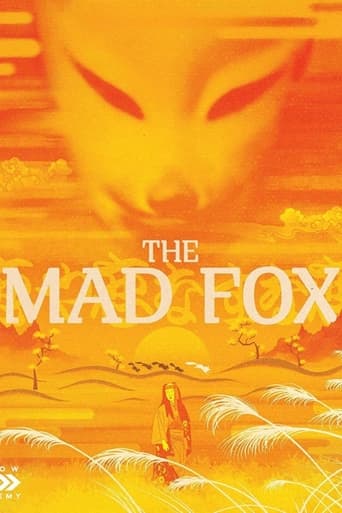
7.4A court fortune-teller loses his mind after a conspiracy leads to the death of his lover. Hope appears to be on the horizon after he becomes romantically involved with his dead lover's twin sister, but more complications arise thanks to a chance encounter with a clan of shape-shifters.
The Mad Fox
1962
 5.2
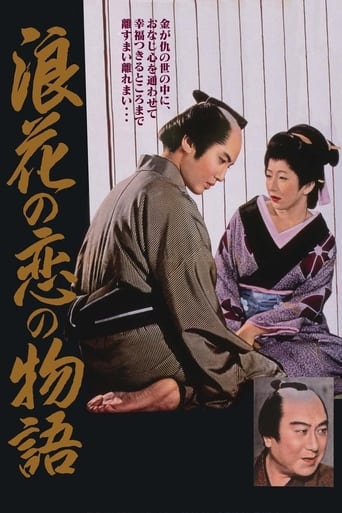
5.2Chubei, the adopted son of an Osaka courier, falls desperately in love with the courtesan Umegawa. To prevent a wealthy client from purchasing her, he steals money from his employer to buy her freedom himself. Now hunted criminals, the lovers flee toward Yamato, pursued by the law.
Chikamatsu's Love in Osaka
1959
Behind the camera
8.7A successful textile industrialist from the provinces, who is beloved by his employees for his kindness, cannot find a wife because of a disfiguring birthmark on his face. Even the courtesans in Yoshiwara refuse to entertain him, until an indentured peasant prostitute, Tamarazu, takes the unsavoury assignment and treats him with brash tenderness.
Hero of the Red Light District
1960
7.1In this first episode, we are introduced to Takezo, what Musashi used to be before he became the man of legend. His beginning are not exactly auspicious. He sides with the Toyotomi at Sekigahara, and as a result finds himself on the losing side of the historic battle. He and his friend Matahachi manage to escape the slaughter although the latter is wounded in his leg. They stumble across the young Akemi who makes her living with her mother Oko by robbing corpses of their armor and anything else they can sell. Oko takes it into her head to seduce Matahachi, which she does first by skillfully sucking the gangrene from his blood, and then just by sucking.
Miyamoto Musashi
1961
7.3Three robbers escape with loot from a heist before one of them kills the others. Their corpses wash up near the aftermath of a maritime calamity, provoking a policeman's interest.
A Fugitive from the Past
1965
7.1In the fourth installment, Musashi's potentially greatest opponent Kojiro jumps in and out of the story at the oddest and most coincidental moments. As his great love Otsu has succumbed to madness. Musashi then sets off to beat the functionaries of a treacherous clan in an arranged duel. 73 against one. Boastful Kojiro watches, secure in the knowledge that only he is a worthy opponent.
Miyamoto Musashi IV: The Duel at Ichijo-ji Temple
1964
7.4A court fortune-teller loses his mind after a conspiracy leads to the death of his lover. Hope appears to be on the horizon after he becomes romantically involved with his dead lover's twin sister, but more complications arise thanks to a chance encounter with a clan of shape-shifters.
The Mad Fox
1962
5.2Chubei, the adopted son of an Osaka courier, falls desperately in love with the courtesan Umegawa. To prevent a wealthy client from purchasing her, he steals money from his employer to buy her freedom himself. Now hunted criminals, the lovers flee toward Yamato, pursued by the law.
Chikamatsu's Love in Osaka
1959
 6.0
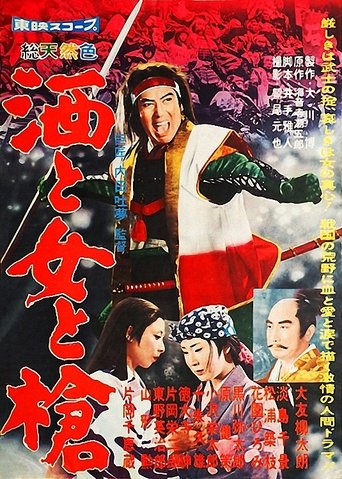
6.0Kurando is a retired samurai. Granted a last-second reprieve from the obligation to commit harakiri, he decides to settle down and marry one of the two kabuki actresses who helped him enjoy what he thought would be his final days.
The Master Spearman
1960
 8.0
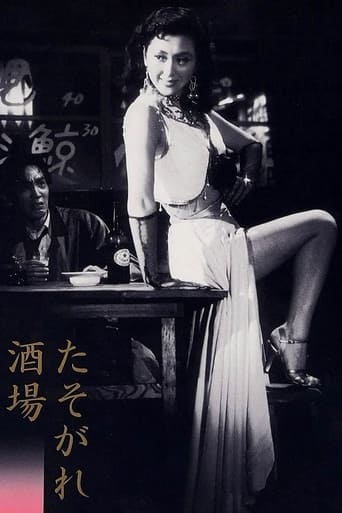
8.0Inside a bustling postwar Tokyo beer hall, a diverse group of patrons, performers, and workers spend a single evening navigating their personal frustrations and social anxieties. A disillusioned professor, a struggling artist, and various laborers find their lives intersecting through chance encounters and heated arguments fueled by drink.
Twilight Saloon
1955
 7.0
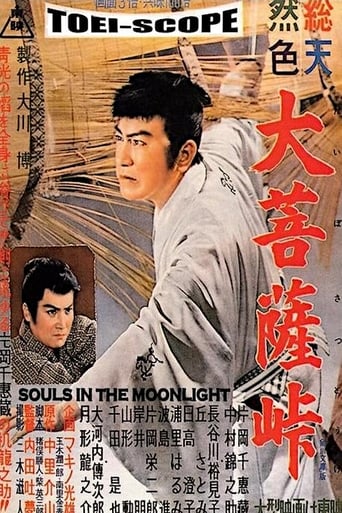
7.0First part of the famous Dai-bosatsu toge trilogy, based on Kaizan Nakazato’s unfinished long series of novels (41 books, written from 1913 to 1941). Set in the last period of the Tokugawa Shogunate, Daibosatsu Toge tells the story of Tsuke Ryunosuke, a nihilistic swordmaster who doesnt hesitate to kill anyone, bad or good. Despite the authors explicit refusal, the series were later made into plays and movies several times.
Souls in the Moonlight
1957
 7.4
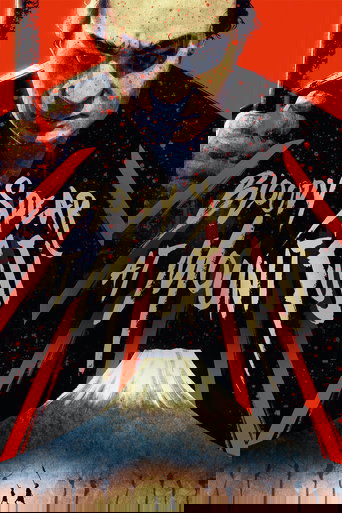
7.4Tragicomic road movie set during the Edo period. It follows a samurai, his two servants – including spear-carrier Genpachi – and the various people they meet on their journey, including a policeman in pursuit of a thief, a young child and a woman who is to be sold into prostitution.
Bloody Spear at Mount Fuji
1955
 6.6
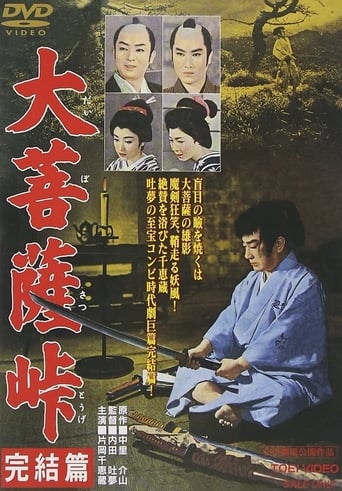
6.6Master swordsman, Tsukue Ryunosuke is confronted by the families of his victims. Will justice be served for the lost innocent lives? The conclusion of the famed Jidaigeki series is an amazing film, with a completely different perspective on the story from the later versions. While the international audience is more familiar with the “Sword of Doom” and “Satan’s Sword” versions of Daibosatsu Toge (The Great Bodhisattva Pass), the “Souls in the Moonlight” trilogy casts an entirely different light on Ryunosuke and his motives. Can this brutal killer be brought to justice, or is living his life as a blind wanderer a more terrible fate? His sword skills have not diminished, nor has his desire to kill!
Souls in the Moonlight III
1959
 7.2
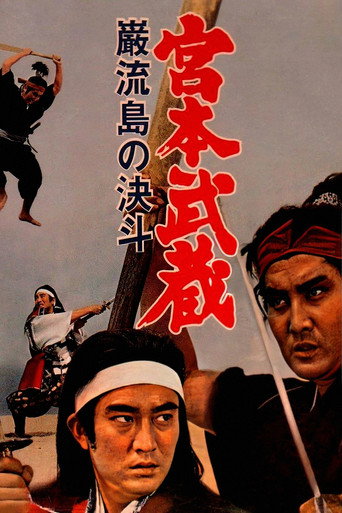
7.2The fifth and final installment with the build up of the epic battle between Sasaki Kojiro and Miyamoto Musashi. With all the familiar characters making appearances: Otsu (Musashi's great love), Akemi, Matahachi (his former fellow soldier), old lady Osugi (still doggedly trying to defeat Musashi), and even the return of Priest Takuan (the man responsible for his journey towards enlightenment). But most of all, the boastful, long-haired and long-sworded Sasaki Kojiro.
Miyamoto Musashi V: Musashi vs Kojiro
1965
7.2The fifth and final installment with the build up of the epic battle between Sasaki Kojiro and Miyamoto Musashi. With all the familiar characters making appearances: Otsu (Musashi's great love), Akemi, Matahachi (his former fellow soldier), old lady Osugi (still doggedly trying to defeat Musashi), and even the return of Priest Takuan (the man responsible for his journey towards enlightenment). But most of all, the boastful, long-haired and long-sworded Sasaki Kojiro.
Miyamoto Musashi V: Musashi vs Kojiro
1965
 7.4
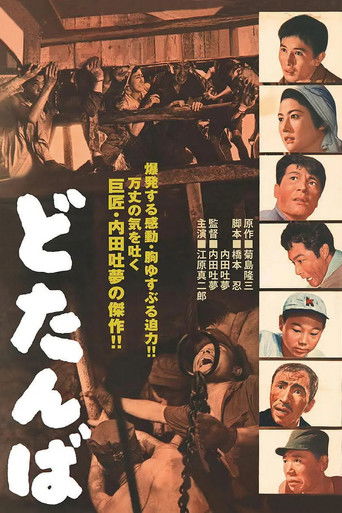
7.4Based on a 1956 television feature on Japan’s national network, NHK, this is one of Uchida’s rarest films. A socially conscious drama with a contemporary backdrop, Dotanba focuses on the attempts to rescue a group of trapped miners. The title is a figure of speech — (essentially “last minute” or “eleventh hour”) — that refers to a situation of peril. The film boasts a script co-written by Uchida and Akira Kurosawa’s frequent screenwriter, Shinobu Hashimoto, and stars Kurosawa’s frequent star Takashi Shimura.
The Eleventh Hour
1957
7.4Based on a 1956 television feature on Japan’s national network, NHK, this is one of Uchida’s rarest films. A socially conscious drama with a contemporary backdrop, Dotanba focuses on the attempts to rescue a group of trapped miners. The title is a figure of speech — (essentially “last minute” or “eleventh hour”) — that refers to a situation of peril. The film boasts a script co-written by Uchida and Akira Kurosawa’s frequent screenwriter, Shinobu Hashimoto, and stars Kurosawa’s frequent star Takashi Shimura.
The Eleventh Hour
1957
 6.9
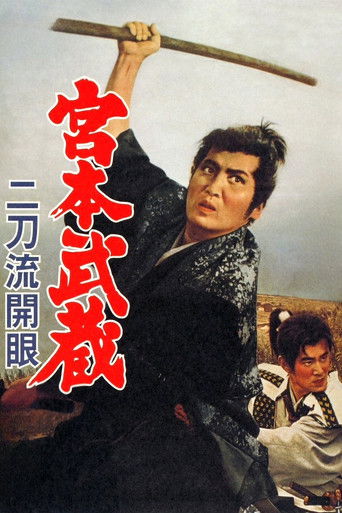
6.9In the third installment of Yoshikawa's novel Musashi, things continue from the 2nd film at the end of battle, where Miyamoto continues on a mission of learning; with the introduction of his arch-rival Sasaki Kojiro; and lastly the large cast of characters rendezvouses for a fateful finale.
Miyamoto Musashi III: Birth of Two Sword Style
1963
6.9In the third installment of Yoshikawa's novel Musashi, things continue from the 2nd film at the end of battle, where Miyamoto continues on a mission of learning; with the introduction of his arch-rival Sasaki Kojiro; and lastly the large cast of characters rendezvouses for a fateful finale.
Miyamoto Musashi III: Birth of Two Sword Style
1963
 7.3
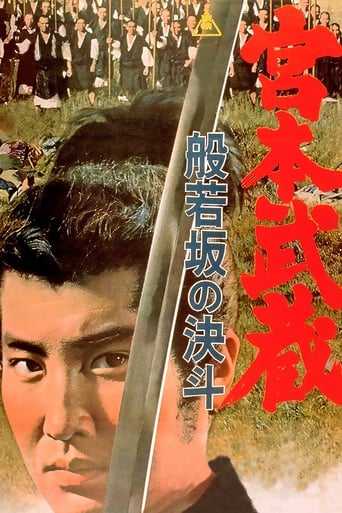
7.3The remake of Yoshikawa's novel continues with the second installment in which Takezo, soon to be Miyamoto Musashi, emerges from the Himeji Castle after three years of intense contemplation and philosophical study and starting on his epic quest to complete his skill in the Way.
Miyamoto Musashi: Showdown at Hannyazaka Heights
1962
 7.0
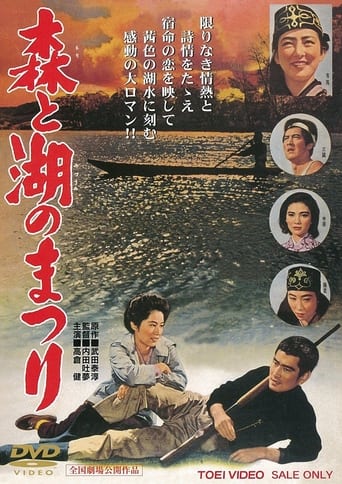
7.0A drama about relations between Japanese immigrants and the indigenous Ainu on Hokkaido, the most northerly island of Japan. From a novel by Taijun Takeda.
The Outsiders
1958
 6.6
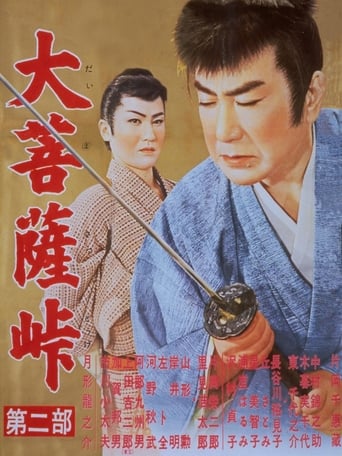
6.6This is the second installment of the trilogy based on Japan’s greatest novel “The Great Bodhisattva Pass”, following the life and times of bloodthirsty samurai, Tsukue Ryunosuke. Blinded in an explosion and further injured from a fall, the master swordsman is taken in by Otoyo, a woman who falls in love with him. Under Otoyo’s dedicated care, Ryunosuke’s physical and emotional wounds seem to heal. However, deep inside, the demons that drive him to kill yearn to resurface. Meanwhile he is being pursued by Utsugi Hyoma, a young samurai seeking to avenge his brother’s death at Tsukue’s hands. Hyoma is being aided along the way by the clever thief Shichibei.
Souls in the Moonlight II
1958
 7.0
7.0With his penultimate film, Uchida revisited one of his popular prewar titles, 1936’s Theatre of Life, an adaptation of Shiro Ozaki’s eponymous novel. Three-time Seijun Suzuki collaborator Goro Tanada wrote a gangsterized adaptation of Ozaki’s story for Uchida at a time when the yakuza had eclipsed the samurai genre as Toei's main cash crop. Protagonist Hishakaku murders a man in a quarrel over a barmaid and goes to jail. In his temporary absence, his girlfriend Otoyo, a former geisha, falls for Hishakaku’s brother, inciting a dangerous love triangle that, in typical yakuza fashion, ends tragically.
Hishakaku and Kiratsune: A Tale of Two Yakuza
1968
 10.0
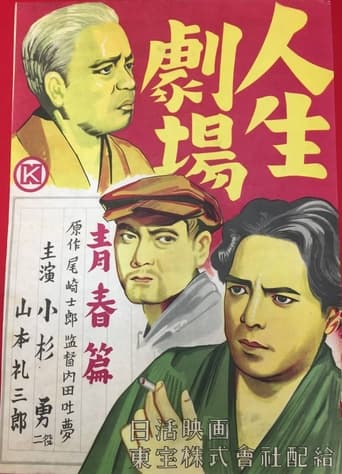
10.0During the 20s in Japan, a romantic student at Tokyo's Waseda University is filled with noble sentiments absorbed from literature but his naive illusions will be shattered by the ruthless realities of money and power.
Theater of Life: Youth Version
1936
 8.0
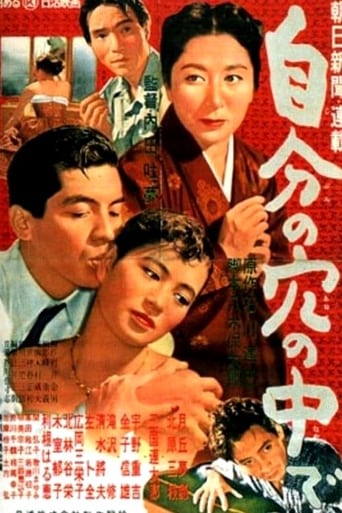
8.0Nobuko is a widow who lives with her stepchild Tamiko and her brother Junjiro. The family's gatekeeper, Komatsu, is attracted to Tamiko, but she is encouraged to marry a doctor and he is afraid to tell her his feelings.
A Hole of My Own Making
1955
 6.7
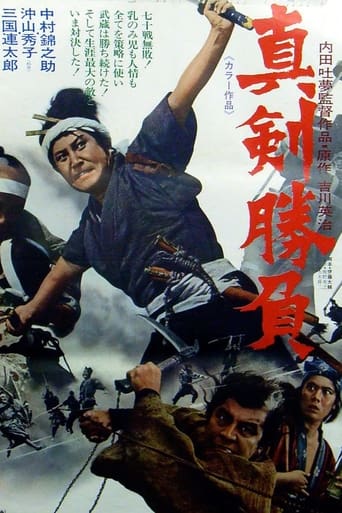
6.7In the sixth and final episode Rentaro Mikuni steals the show as Baiken Shishido, Musashi's nemesis. Mikuni is the nominal villain of the film, but he is a devoted husband and father as well. He tries to kill Musashi only to avenge the death of his brother-in-law. While Baiken (who wields a chain and sickle against Musashi's sword) is a very human character and the emotions that Mikuni displays in his performance are quite believable and engaging
Miyamoto Musashi VI: Swords of Death
1971
 NR
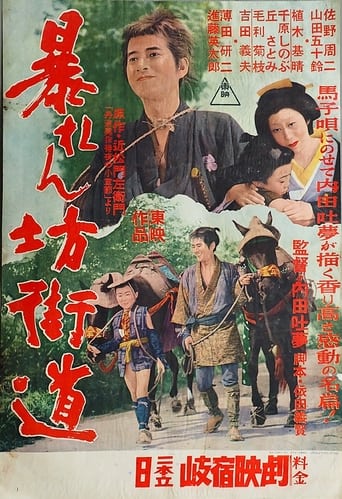
NRA humble page fathers a child by the daughter of a clan official and is banished. Years later, the child, now a stable boy, is reunited with his father, but feudal codes threaten their happiness. Uchida’s poignant masterpiece condemns the inflexible class system and launches an indictment of values that favor symbolic objects over human life. The film’s focus is on character rather than swordplay, and charged performances - especially child actor Motoharu Ueki - add to the emotional power.
The Horse Boy
1957
 NR
NRTwo brothers run a factory canning crabs. The elder brother Kotaro is righteous and insists on honesty. The younger brother is fixated on money. They are polar opposites. When a boat sails out looking for crab and does not return one day the brothers begin to argue over how to run their facility. They had just received a large order from a foreign country and had obtained a loan from a lender that needed to be repaid.
The Crown of Life
1936
 7.0
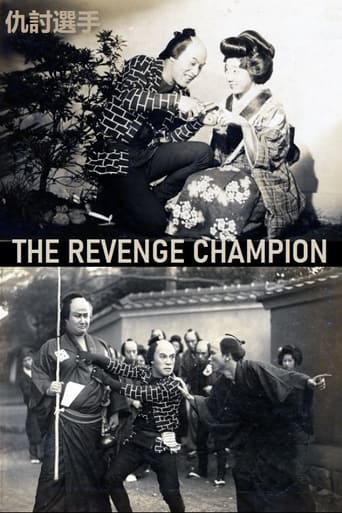
7.0Lost film, directed by Tomu Uchida. This film is a very funny comedy that makes fun of the moral code of the samurai Bushido, which has become obsolete and turned into an empty form during the period of feudalism.
The Revenge Champion
1931
 7.5
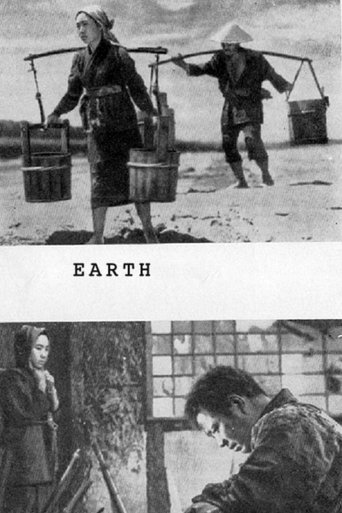
7.5Kanji is a poor peasant widower who struggles to earn a living for his daughter and himself and to pay off his father-in-law's debts.
Earth
1939
 NR
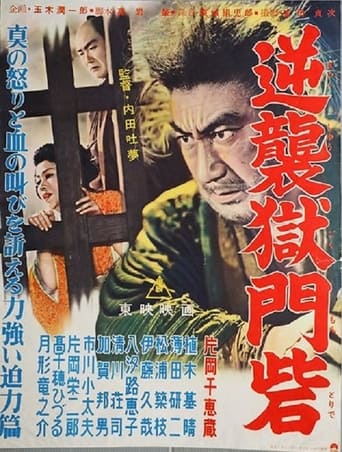
NRA master hunter is driven to defiance after a tyrannical magistrate's cruelty pushes his community to its breaking point. His expert skill with a bow becomes the rallying point for a group of oppressed peasants and prisoners seeking justice. Together, they stage a fierce, collective uprising to storm the local stronghold and overthrow their corrupt rulers.
Rebellion from Below
1956
A 1937 Japanese language film directed by Tomu Uchida, starring Ryo Akaboshi, Mitsuru Date and Hisao Furutani.
The Naked Town
1937
 9.0
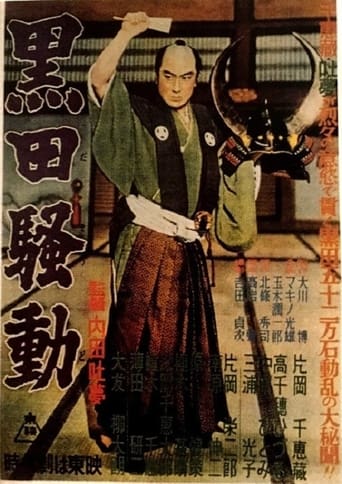
9.0This adaptation of a Hideji Hojo novel, about the historical uprising of the Kuroda clan in 1633, is told through the eyes of retainer, Daizen. As his clan’s new leader, Tadayuki, becomes increasingly militant in his opposition to the Tokugawa shogunate, Daizen is forced to reconcile his loyalty to the clan with his loyalty to Tadayuki, who seems dead set on entangling the clan in destructive conflict. The Kuroda Affair’s mise-en-scène is said to have influenced future Toei director Eiichi Kudo. The film also features two of the greatest stars of Japanese period cinema, Chiezo Kataoka and Ryutaro Otomo.
The Kuroda Affair
1956
 10.0
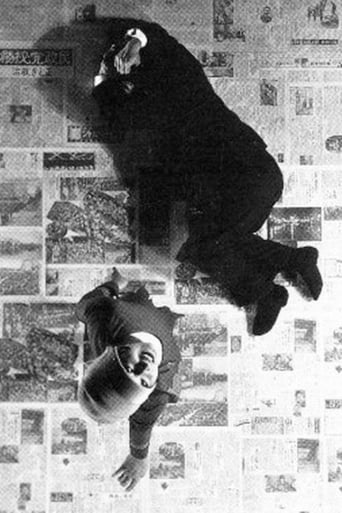
10.0A man rises in society by cheating, but the institutions in turn take their revenge.
A Living Puppet
1929
 NR
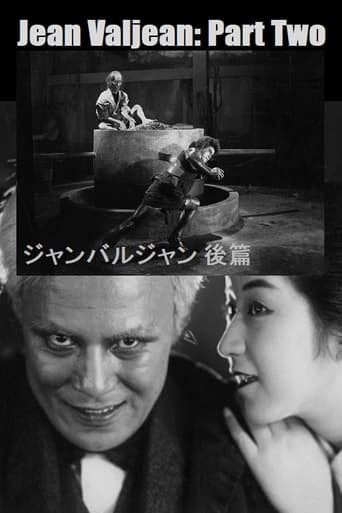
NRThe second part of the melodrama based on the novel Les Misérables by Victor Hugo, the action of which is transferred to the era of the Meiji Revolution. The film has not survived.
Jean Valjean: Part Two
1931
 10.0
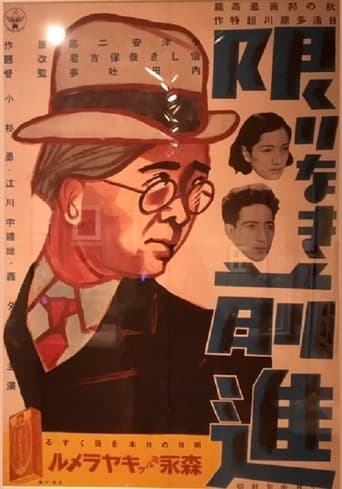
10.0One of Uchida’s early sound films, Unending Advance is based on a curious story by Yasujiro Ozu, in which an examination of the quotidian problems of a middle-aged salaryman and his family segues into an idyllic dream of an implausible future. The surviving print, although incomplete, offers an essential glimpse into Uchida’s prewar period, when he was associated more with realist dramas than with the period films that dominated his work after the war.
Unending Advance
1937
 7.0
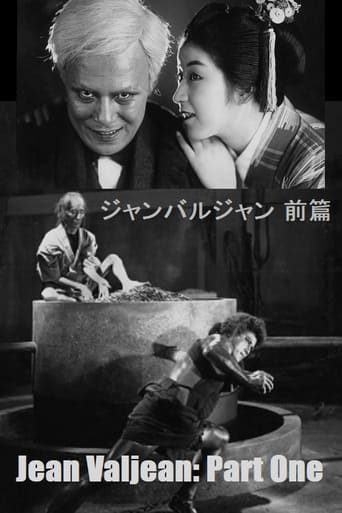
7.0The first part of a fascinating melodrama based on Victor Hugo's Les Misérables, the action of which is transferred to the era of the Meiji Revolution. The film has not survived.
Jean Valjean: Part One
1931
 6.8
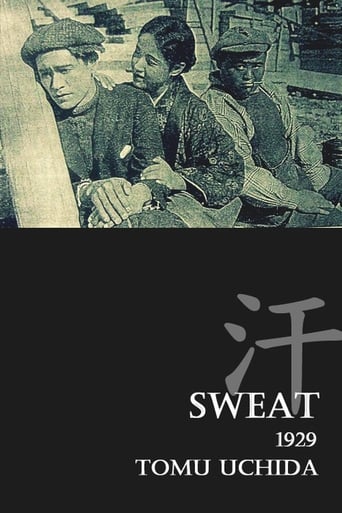
6.8Sweat (1929) is a slapstick riff on tendency-film themes, as a bored young millionaire has his clothes stolen by a tramp; dressed in the tramp’s clothes, he has to accept work as a labourer. As the hero ends up building the mausoleum he had himself commissioned.
Sweat
1929
Surviving fragments of a film by Tomu Uchida.
Return to Heaven
1930
 NR
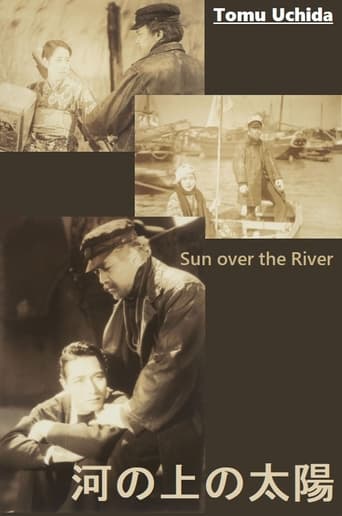
NRFather, son Kentaro and daughter Ochiyo, who live on the banks of the Sumida River, regain their love for each other after family discord and separation. The film is considered lost.
Sun over the River
1934
 6.6
6.6Itami, a young policeman, meets his high school friend, Tetsuo, a gangster, at a roadblock. As they rekindled their friendship, a complex relationship is established between them.
Police Officer
1933
 NR
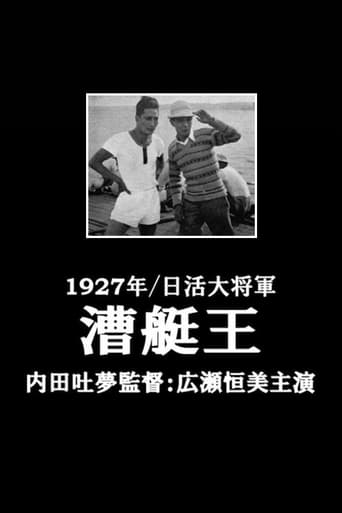
NRA pre-war sports movie by director Tomu Uchida. This story is set at the Waseda-Keio regatta. This was shot at the banks of the Sumida River, where the regatta is still held today. The main stroke role of Mochizuki was played by young star Tsunemi Hirose. Mochizuki, who enrolled in A University that lost the previous year gains the trust of the President's niece Mitsuko (Shizue Natsukawa) but a spy from the other side uses this relationship to create a scandal. The regatta approaches, with Mochizuki not able to participate... The supporters and atmosphere of student sports at the time are well presented.
The King of Rowing
1927