
Acting
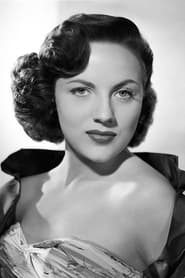
Marlo Dwyer
Born — Died
1915-06-30 — 1999-09-28
Place of birth
Wimbledon, North Dakota, USA
Known for
Acting
Credits
28 titles
Marlo Dwyer was born on June 30, 1915 in Wimbledon, North Dakota, USA. She was an actress, known for The Sniper (1952), Dangerous Mission (1954) and Prisoners in Petticoats (1950). She died on September 28, 1999 in Los Angeles, California, USA.
Known for
 6.8
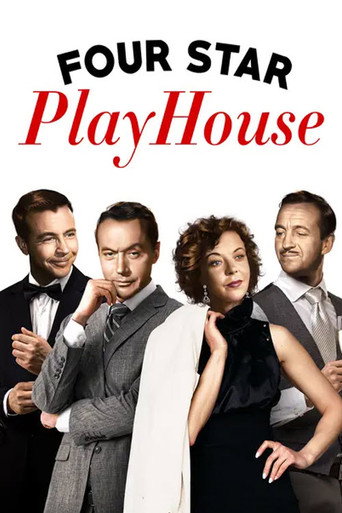
6.8Four Star Playhouse is an American television anthology series that ran from 1952 to 1956, sponsored in its first bi-weekly season by The Singer Company; Bristol-Myers became an alternate sponsor when it became a weekly series in the fall of 1953. The original premise was that Charles Boyer, Ida Lupino, David Niven, and Dick Powell would take turns starring in episodes. However, several other performers took the lead from time to time, including Ronald Colman and Joan Fontaine. Blake Edwards was among the writers and directors who contributed to the series. Edwards created the recurring character of illegal gambling house operator Willie Dante for Dick Powell to play on this series. The character was later revamped and spun off in his own series starring Howard Duff, then-husband of Lupino. The pilot for Meet McGraw, starring Frank Lovejoy, aired here, as did another episode in which Lovejoy recreated his role of Chicago newspaper reporter Randy Stone, from the radio drama Nightbeat.
Four Star Playhouse
1952
 6.7
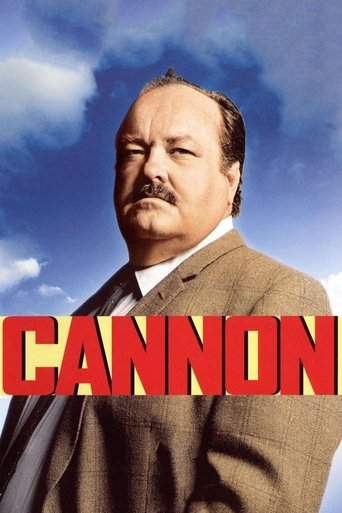
6.7Cannon is a CBS detective television series produced by Quinn Martin which aired from March 26, 1971 to March 3, 1976. The primary protagonist is the title character, private detective Frank Cannon, played by William Conrad. He also appeared on two episodes of Barnaby Jones. Cannon is the first Quinn Martin-produced series to be aired on a network other than ABC. A "revival" television film, The Return of Frank Cannon, was aired on November 1, 1980. In total, there were 124 episodes.
Cannon
1971
 6.5
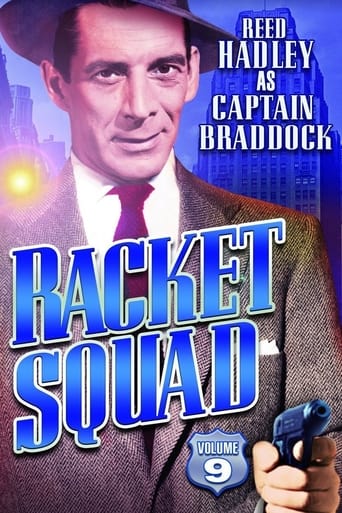
6.5Racket Squad is an American TV crime drama series starring Reed Hadley as Captain John Braddock, a fictional detective working for the San Francisco, California Police Department. The show aired in syndication for a season before being picked up by CBS for three seasons. The series was filmed at Hal Roach Studios in Culver City, California, and was sponsored by cigarette manufacturer Philip Morris, hence there was a pack of the sponsor's brand on Braddock's desk at the beginning and end of the episode, as well as occasional scenes of him or other characters "lighting up".
Racket Squad
1951
 5.4
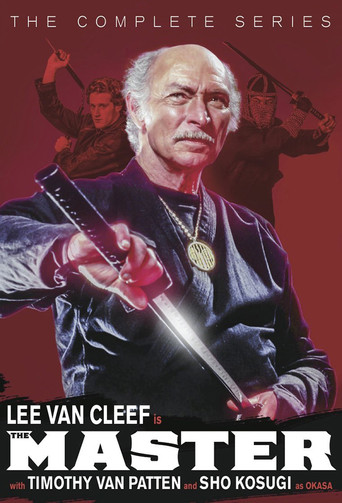
5.4An aging ninja master and his young pupil travel in a custom van helping people in need along the way.
The Master
1984
 8.0
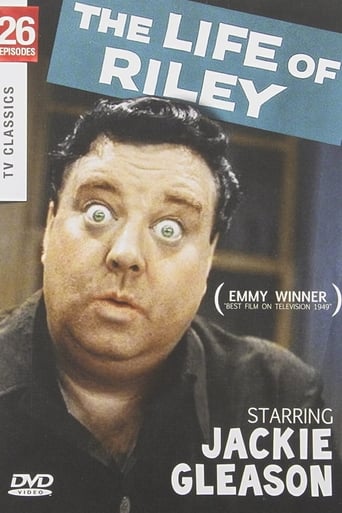
8.0Riley worked in an aircraft plant in California, but viewers usually saw him at home, cheerfully disrupting life with his malapropisms and ill timed intervention into minor problems. His stock answer to every turn of fate became a catch phrase: 'What a revoltin' development this is!"
The Life of Riley
1949
 7.2
7.2When all Broadway shows are shut down during the Depression, a trio of desperate showgirls scheme to bilk a repugnant high society man of his money to keep their show going.
Gold Diggers of 1933
1933
Film credits
1950s · 10 titles
 6.7
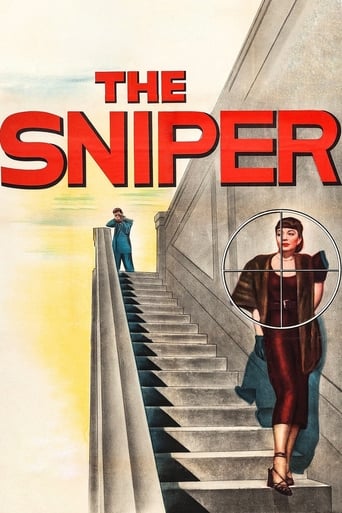
6.7Eddie Miller struggles with his hatred of women, he's especially bothered by seeing women with their lovers. He starts a killing spree as a sniper by shooting women from far distances. In an attempt to get caught, he writes an anonymous letter to the police begging them to stop him.
The Sniper
1952
 5.2
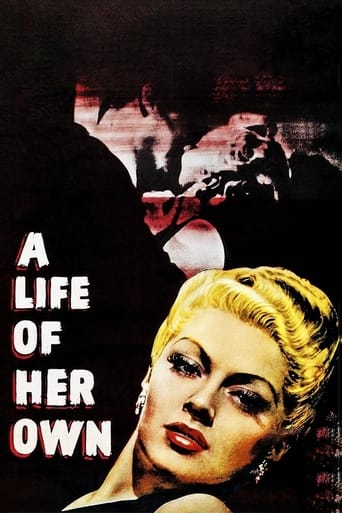
5.2A young woman from Kansas moves to New York City, becomes highly successful at a prestigious modeling agency, and falls in love with a married man.
A Life of Her Own
1950
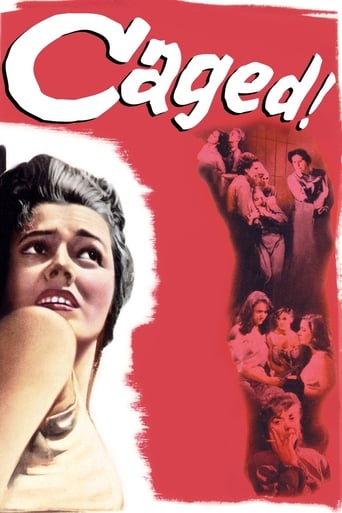 7.1
7.1A single mistake puts a 19-year old girl behind bars, where she experiences the terrors and torments of women in prison.
Caged
1950
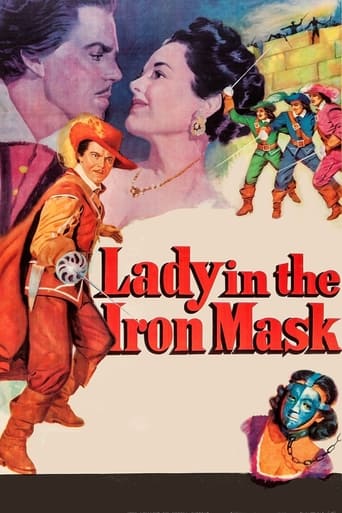 8.0
8.0A female version of the man in the iron mask. In this version the mask is put on a princess (patricia medina) rather than a prince as in the original book by Alexander Dumas.
Lady in the Iron Mask
1952
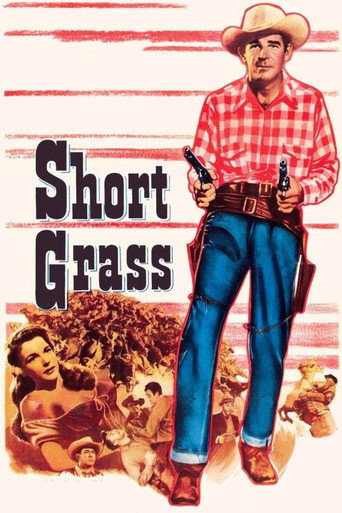 6.0
6.0Steve Llewellyn hung up his guns after killing a man in self-defense, left Willow Creek and went on the drift for five years. Now he’s back. And the bad blood stirred up by his return and the violence caused by a cattleman’s grab for all the good grasslands mean Steve must strap on his sidearms again. Rod Cameron -- who became a marquee draw with a pair of espionage serials in the 1940s and went on to establish himself as a popular cowboy star -- makes Steve a hero to reckon with in Short Grass, one of the actor’s 10 films with busy shoot-‘em-up director Lesley Selander. Johnny Mack Brown, a sagebrush stalwart in his own right, plays the marshal who allies with Steve. Adding to the Western pedigree is costar Cathy Downs, who plays the title role in the iconic My Darling Clementine. Buffs will note other familiar faces, including Alan Hale, Jr., well remembered as the skipper who takes a “three-hour tour” to Gilligan’s Island.
Short Grass
1950
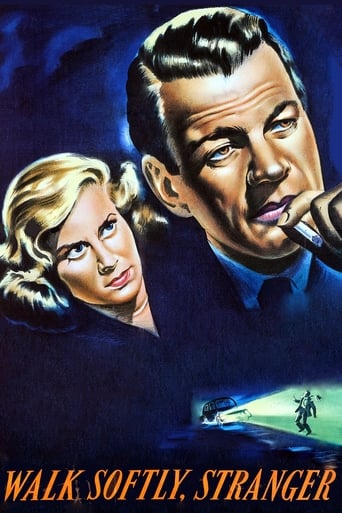 5.1
5.1Fugitive Chris Hale starts over in a small Midwestern town in Ohio, where he befriends Elaine Corelli, a kind-hearted heiress left disabled after a skiing accident. As love blossoms, Hale vows to change his ways, but escaping his past may mean one last job.
Walk Softly, Stranger
1950
 6.6
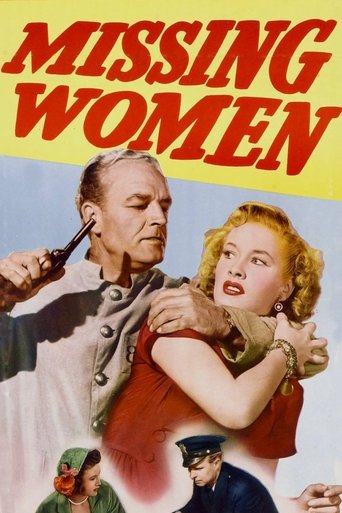
6.6A woman becomes desperate to find a pair of car thieves after her husband -- while on their honeymoon -- is killed during a robbery.
Missing Women
1951
 6.0
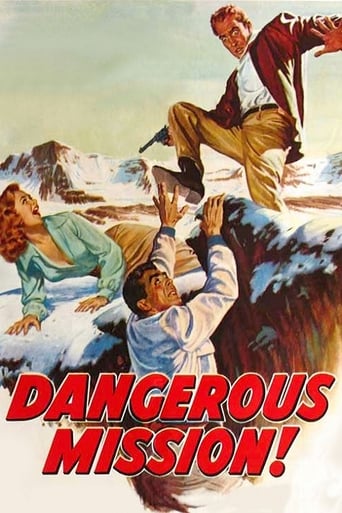
6.0A policeman tries to protect a young woman against a hit man, when she flees New York after witnessing a mob killing.
Dangerous Mission
1954
 8.0
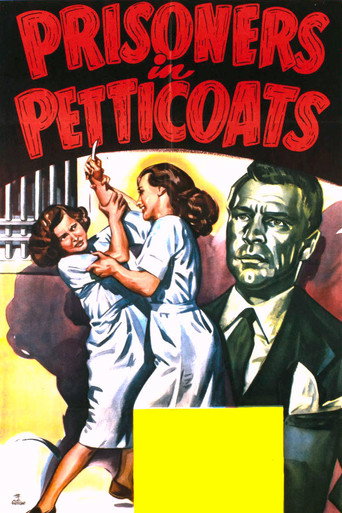
8.0Joan Grey is a young pianist that falls for the good manners and nice clothes of a gang of mobsters. She is warned by Mark Hampton, an investigator, that she is associating with gangsters and she is heading for trouble. She refuses to believe him and becomes innocently involved in some robberies and killings.
Prisoners in Petticoats
1950
 6.5
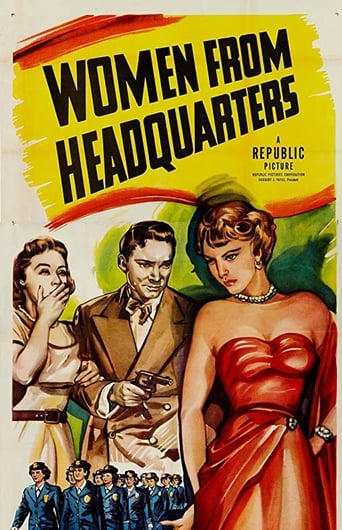
6.5Joyce Harper is an ex-Army nurse who enters police work with the L.A. Police Department, when her friend Ruby gets involved with a petty crook, Max Taylor refuses to listen to Joyce's warnings, and eventually marries the hoodlum. Joyce gets through the detailed trained required to become an L.A. policewoman, and she and her newly-assigned detective partner, Harvey Gates cleanup up a skid-row Bar-girl scheme.And she and Gates are told to get the goods on a narcotics gang ran by Richard Cott , and Ruby and Max Taylor reappear.
Women from Headquarters
1950
1940s · 8 titles
 6.7
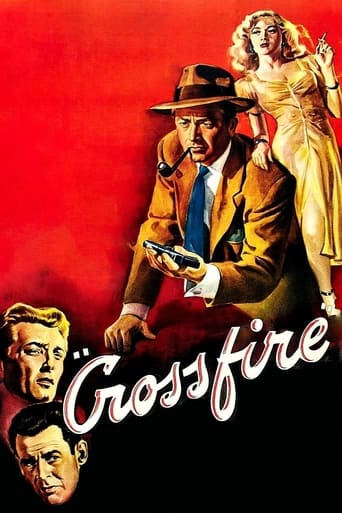
6.7A man is murdered, apparently by one of a group of soldiers just out of the army. But which one? And why?
Crossfire
1947
 5.0
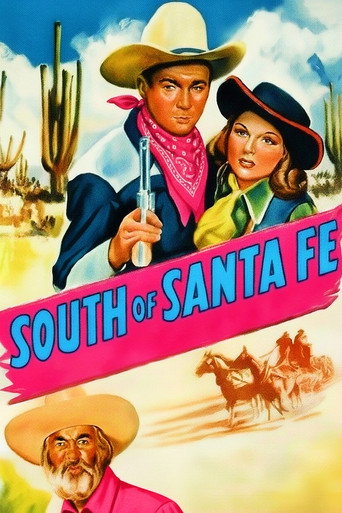
5.0To get the three needed business men to visit the Stevens mine, Roy stages a ride with the Vacaros and has them as honored guests. Seeing a chance to make a lot of money, gangster Harmon joins the ride and then has his men kidnap the three. Having filmed a fake holdup earlier, he uses the film to convince the Sheriff that Roy and the boys were the Kidnapers.
South of Santa Fe
1942
 6.3
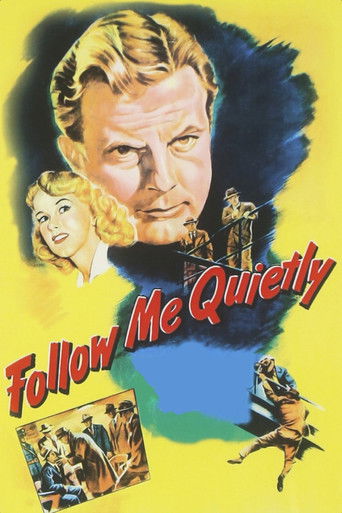
6.3When it rains in the city, a serial killer known as "The Judge" looks for his next strangling victim. For months, the madman has been stalking at night, leaving behind clues, but police efforts have been fruitless. Constructing a life-size dummy of the murderer, police Lt. Harry Grant is growing obsessed with capturing him, and always following Grant is the relentless reporter Ann Gorman looking to break the story, but the hunt continues.
Follow Me Quietly
1949
 6.6
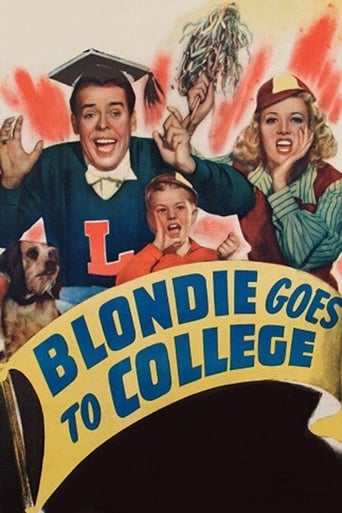
6.6Dagwood Bumstead must receive a college diploma or lose his job with the Dithers Construction Company. Not wishing to be separated from her husband, Blondie enrolls in college as well. But Leighton College rules stipulate "No Married Couples", forcing Blondie and Dagwood to pretend that they're not married. This causes quite a dilemma when coed Laura Wadsworth begins flirting with Dagwood and Rusty Bryant does the same with Blondie. And Blondie's discovery of a very pleasant secret threatens to expose her and Dagwood's marital status too.
Blondie Goes to College
1942
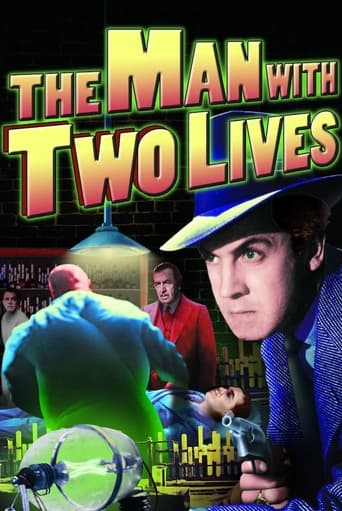 5.4
5.4A man is brought back from death at the same time a vicious criminal dies in the electric chair. However, the man's soul is now taken over by the electrocuted gangster, who embarks on a vengeful crime wave.
Man With Two Lives
1942
 7.0
7.0Michael Lanyard's faithful butler Jamison is mistaken for his boss by a gang of jewel robbers.
Secrets of the Lone Wolf
1941
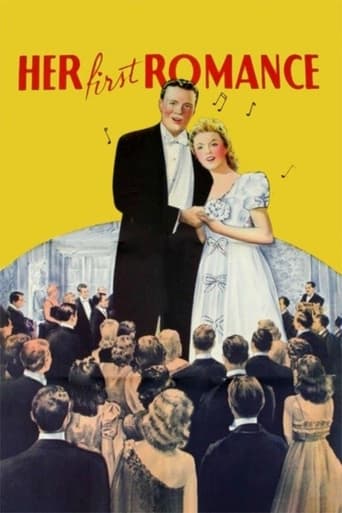 6.5
6.5A bookish co-ed is pranked into attending a formal dance, but her stepsister refuses to help her prepare. With support from a cook and her cousin, she gets a dress, but after learning it’s a joke, she initially declines—until a charming opera star offers to escort her, leading to surprising revelations.
Her First Romance
1940
 5.8
5.8Thanks to a fib intended to ward off an annoying real estate developer, a young bachelor finds himself engaged to three different women and pursued by a fourth, a gangster's sister.
Too Many Women
1942
1930s · 5 titles
7.2When all Broadway shows are shut down during the Depression, a trio of desperate showgirls scheme to bilk a repugnant high society man of his money to keep their show going.
Gold Diggers of 1933
1933
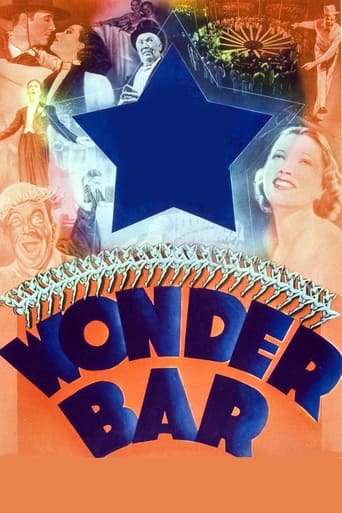 6.0
6.0Harry and Inez are a dance team at the Wonder Bar. Inez loves Harry, but he is in love with Liane, the wife of a wealthy business man. Al Wonder and the conductor/singer Tommy are in love with Inez. When Inez finds out that Harry wants to leave Paris and is going to the USA with Liane, she kills him.
Wonder Bar
1934
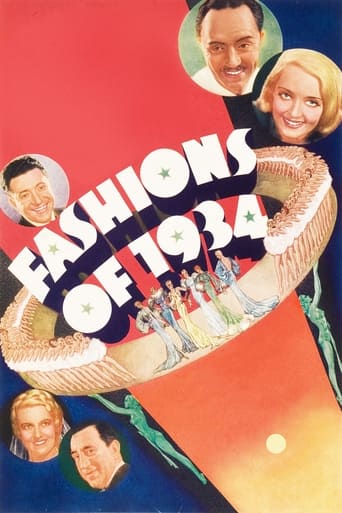 6.6
6.6When the Manhattan investment firm of Sherwood Nash goes broke, he joins forces with his partner Snap and fashion designer Lynn Mason to provide discount shops with cheap copies of Paris couture dresses.
Fashions of 1934
1934
 6.8
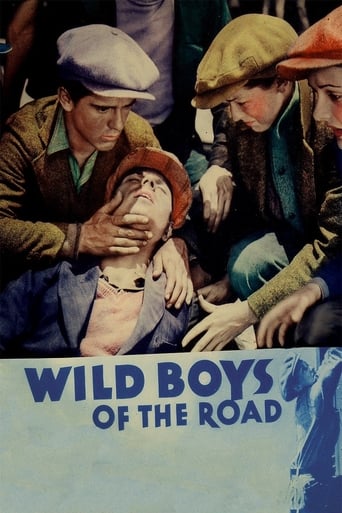
6.8At the height of the Great Depression, Tommy's mother has been out of work for months when Eddie's father loses his job. Eager not to burden their parents, the two high school sophomores decide to hop the freight trains and look for work.
Wild Boys of the Road
1933
 7.0
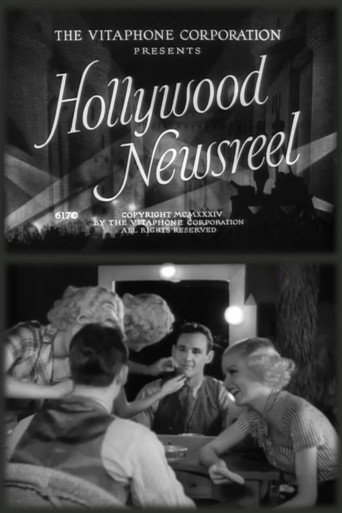
7.0A potpourri of features involving Hollywood celebrities. The Columbia University football team, winner of the 1934 Rose Bowl game, visits the Warner Bros. Studios and is greeted by several stars; Margaret Lindsay, Guy Kibbee, and Dick Powell work at a gold mine; Joan Blondell, recovered from a recent illness, thanks her fans; songs from the movie Harold Teen (1934) are performed by the songwriters and the film's stars.
Hollywood Newsreel
1934
Series credits
6.8Four Star Playhouse is an American television anthology series that ran from 1952 to 1956, sponsored in its first bi-weekly season by The Singer Company; Bristol-Myers became an alternate sponsor when it became a weekly series in the fall of 1953. The original premise was that Charles Boyer, Ida Lupino, David Niven, and Dick Powell would take turns starring in episodes. However, several other performers took the lead from time to time, including Ronald Colman and Joan Fontaine. Blake Edwards was among the writers and directors who contributed to the series. Edwards created the recurring character of illegal gambling house operator Willie Dante for Dick Powell to play on this series. The character was later revamped and spun off in his own series starring Howard Duff, then-husband of Lupino. The pilot for Meet McGraw, starring Frank Lovejoy, aired here, as did another episode in which Lovejoy recreated his role of Chicago newspaper reporter Randy Stone, from the radio drama Nightbeat.
Four Star Playhouse
1952
6.7Cannon is a CBS detective television series produced by Quinn Martin which aired from March 26, 1971 to March 3, 1976. The primary protagonist is the title character, private detective Frank Cannon, played by William Conrad. He also appeared on two episodes of Barnaby Jones. Cannon is the first Quinn Martin-produced series to be aired on a network other than ABC. A "revival" television film, The Return of Frank Cannon, was aired on November 1, 1980. In total, there were 124 episodes.
Cannon
1971
6.5Racket Squad is an American TV crime drama series starring Reed Hadley as Captain John Braddock, a fictional detective working for the San Francisco, California Police Department. The show aired in syndication for a season before being picked up by CBS for three seasons. The series was filmed at Hal Roach Studios in Culver City, California, and was sponsored by cigarette manufacturer Philip Morris, hence there was a pack of the sponsor's brand on Braddock's desk at the beginning and end of the episode, as well as occasional scenes of him or other characters "lighting up".
Racket Squad
1951
5.4An aging ninja master and his young pupil travel in a custom van helping people in need along the way.
The Master
1984
8.0Riley worked in an aircraft plant in California, but viewers usually saw him at home, cheerfully disrupting life with his malapropisms and ill timed intervention into minor problems. His stock answer to every turn of fate became a catch phrase: 'What a revoltin' development this is!"
The Life of Riley
1949