
Sound
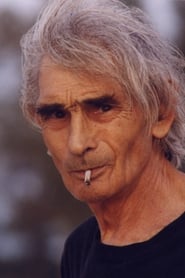
Antoine Bonfanti
Born — Died
1923-10-26 — 2006-03-04
Place of birth
Ajaccio, Corsica, France
Known for
Sound
Credits
7 titles
Antoine Bonfanti (23 October 1923 - 4 March 2006) was a French sound engineer and a professor at cinema schools and institutes in France and other countries. He taught regularly at INSAS in Brussels and EICTV in Cuba, and occasionally at Fémis and ENSLL. He was born 26 October 1923 in Ajaccio, Corsica, and died 4 March 2006 in Montpellier, France. He began learning his profession as a trainee boom-operator on the film La Belle et la Bête by Jean Cocteau. He is considered as being one of the pioneers of direct-sound in film-making on location: “the school of direct-sound is French - said the sound-engineer Jean-Pierre Ruh- it began with Antoine Bonfanti”. He is characterised by his collabo…
Known for
 5.0
No synopsis available yet.
Ciné regards
1978
 NR
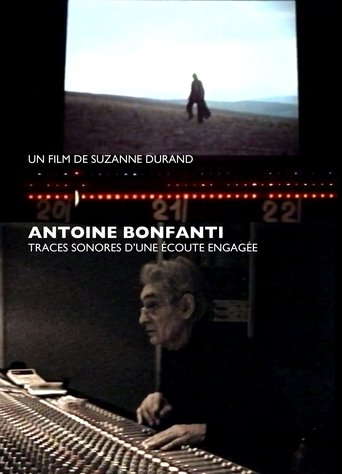
A documentary on the professional and personal affordances of the influential sound engineer Antoine Bonfanti.
Antoine Bonfanti, sonic traces of an engaged listening
2002
 9.0
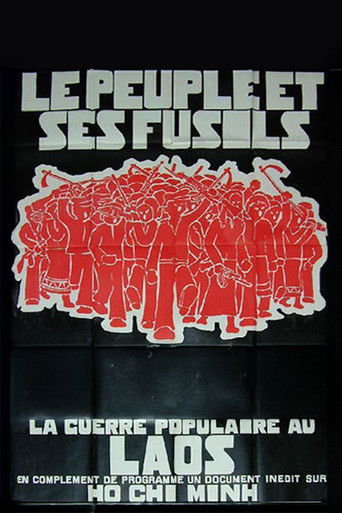
Filmed in Laos in 1968, this four-part documentary examines the armed struggle against foreign intervention during the Indochina conflicts. The film focuses on the relationship between the population and guerrilla forces engaged in the war.
The People and Their Guns
1970
No synopsis available yet.
Bon pour le service
1963
Guerre du peuple en Angola focuses on the situation in Angola in June 1975, when the declaration of independence sparks the start of a civil war. The filmmakers, who went there to train young Angolan filmmakers, bring back this film, unequivocally presenting the war as the struggle of the people and their movement against imperialism and its allies. In the north, in the forests, villagers have joined the armed resistance and support the MPLA.
Guerre du peuple en Angola
1975
 7.0
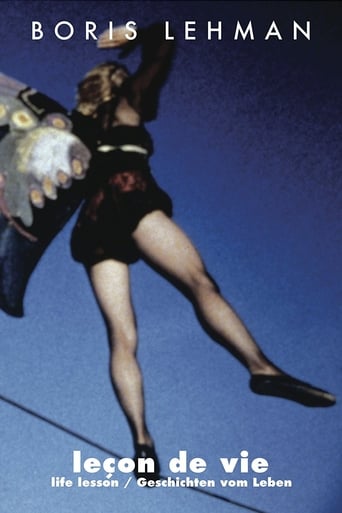
To attain knowledge, man and woman had to be willing to give up their innocence," says Boris Lehman. Life Lesson is a poetic and philosophic reflection on the theme of paradise lost. Some fifty persons illustrate the planet's convulsions and the world's vacillations. Trying to communicate, to commune with the invisible, they cry out, sing out, give out messages, each in their own way, in their own state of solitude. These are like multiple echoes that resemble waves in the water or stars in the sky. " Behind these images and sounds that have been stifled by today's society, Lehman hunts for noises, cries, songs, messages that go astray. He says that if we look at the invisible we may hear the words. He invites us to look beyond the appearances of social life and to vibrate in tune with life's polyphony that is all around us."
Life Lesson
1995
Film credits
Series credits
Behind the camera
Guerre du peuple en Angola focuses on the situation in Angola in June 1975, when the declaration of independence sparks the start of a civil war. The filmmakers, who went there to train young Angolan filmmakers, bring back this film, unequivocally presenting the war as the struggle of the people and their movement against imperialism and its allies. In the north, in the forests, villagers have joined the armed resistance and support the MPLA.
Guerre du peuple en Angola
1975
 NR
On April 27, 1968, workers from the Rhodiaceta factory in Besançon gathered at the village hall of Palente-les-Orchamps to attend the screening of the film À bientôt j'espoir by Mario Marret and Chris Marker. This sound documentary reproduces the critical debate that followed. In June 1969, Pol Cèbe, the head of the Cultural Center of Palente-les-Orchamps, brought to this documentary a conclusion in the form of a report. Echoing an intense debate after the screening of À bientôt j'espoir, La Charnière by the Groupe Medvedkine captures those moments when workers expressed dissatisfaction with the way they were portrayed.
La Charnière
1968