
Directing
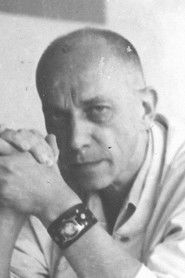
Chris Marker
Born — Died
1921-07-29 — 2012-07-29
Place of birth
Neuilly-sur-Seine, Hauts-de-Seine, Île-de-France, France
Known for
Directing
Credits
64 titles
Christian François Bouche-Villeneuve, better known as Chris Marker (France, 29 July 1921 – 29 July 2012), was a French writer, poet, activist, critic, photographer, traveler, journalist, film essayist, multimedia artist, and documentary filmmaker. He began his career as part of the French Rive Gauche group—parallel to but distinct from the Nouvelle Vague—with which he would later share certain themes and collaborators. Marker is credited with developing the subjective documentary and is considered a pioneer of collective cinema in France. His films are known for their poetic, essayistic, and often experimental qualities, blending a reflective voice with a fascination for memory, art, war, p…
Known for
 7.7
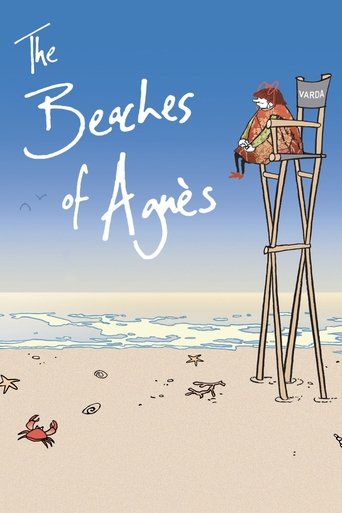
7.7Filmmaking icon Agnès Varda, the award-winning director regarded by many as the grandmother of the French new wave, turns the camera on herself with this unique autobiographical documentary. Composed of film excerpts and elaborate dramatic re-creations, Varda's self-portrait recounts the highs and lows of her professional career, the many friendships that affected her life and her longtime marriage to cinematic giant Jacques Demy.
The Beaches of Agnès
2008
 9.2
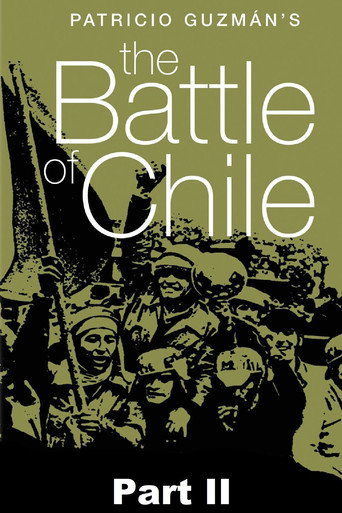
9.2Chronicles the events immediately surrounding the CIA- supported coup itself.
The Battle of Chile: Part II
1976
 7.9
7.9A man confronts his past during an experiment that attempts to find a solution to the problems of a post-apocalyptic world caused by a world war.
La Jetée
1962
 6.6
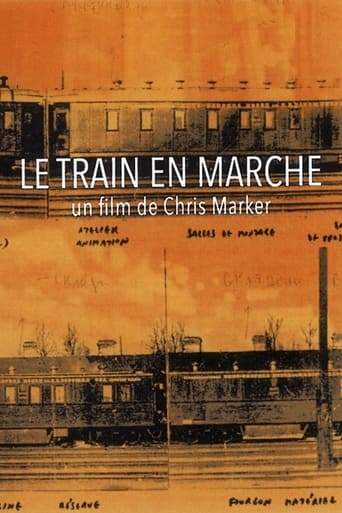
6.6This half-hour documentary by Chris Marker explores Aleksandr Medvedkin’s 1930s “Cine-Train,” a mobile film studio equipped with cameras, editing rooms, animation stations, and a laboratory. Traveling across the Soviet countryside, the train’s crew documented agricultural and industrial life—from Ukrainian harvests to southern steelworks—while living and working in cramped shared quarters.
The Train Rolls On
1971
 7.5
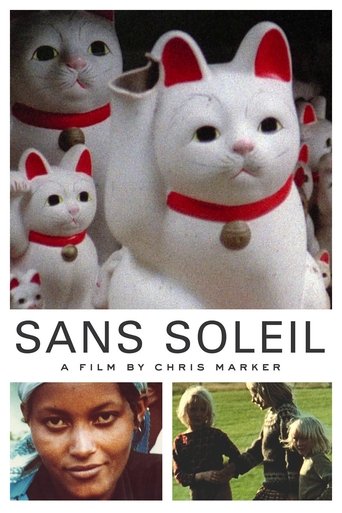
7.5A woman narrates the thoughts of a world traveler, meditations on time and memory expressed in words and images from places as far-flung as Japan, Guinea-Bissau, Iceland, and San Francisco.
Sans Soleil
1983
 7.6
7.6Guzmán’s final installment shifts from covering the actions of Allende’s opponents to those who battled to revive & promote their toppled leader’s vision for a new Chile.
The Battle of Chile: Part III
1979
Film credits
2020s · 4 titles
 NR
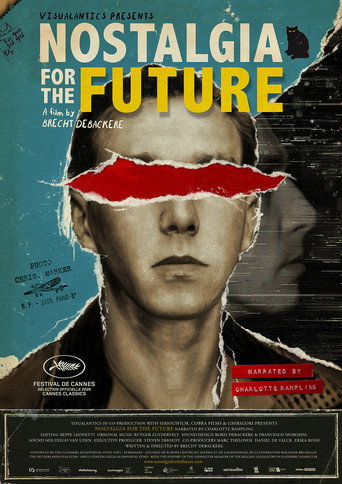
NRThe evocative narration of Charlotte Rampling guides a descent into the labyrinthine world of Chris Marker, the best-known author of unknown films, who spent a lifetime concealing himself behind a veil of pseudonyms and images of cats. Moving through a constellation of personal documents and film fragments, an archivist attempts to decode the man through the material traces he left behind.
Nostalgia for the Future
2026
 NR
NRA desktop documentary about the online afterlife of the late French filmmaker, Chris Marker.
The Invention of Chris Marker
2020
 NR
NRNo synopsis available yet.
L’indispensable
2026
 NR
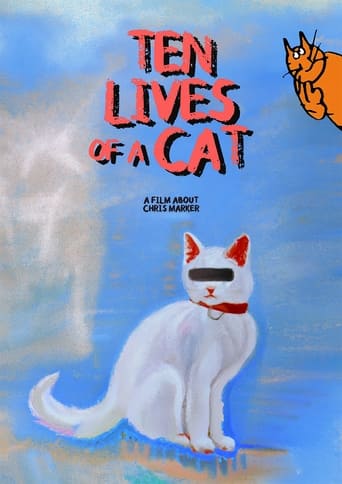
NRTen years after the death of iconic French filmmaker, Chris Marker. A filmmaker, hoping to rediscover that unique sensibility against the uncertainty of the new century, returns to the places synonymous with those incomparable and unforgettable films-- From the cat cemetery of Sans Soleil, to the mausoleum of The Last Bolshevik; The caves of Level Five to the rooftops of The Case of the Grinning Cat. A biographical portrait of one of the 20th century's greatest and most misunderstood filmmakers.
Ten Lives of a Cat: A Film about Chris Marker
2023
2010s · 3 titles
 NR
NRPosthumous portrait of Chris Marker, the elusive French filmmaker- essayist, traveller, photographer and cat-lover. Two filmmakers, Jean-Marie Barbe and Arnaud Lambert, propose a chronological journey through his thoughts and cinematographic work: from the cartography of new political utopia in the 1950s, from Siberia to La Habana, to its relentless defeat, starting with Chile; from his review of cinéma-verité to the great television experience in "L'Héritage de la chouette", which traces a journey through classical Greece, organized into twelve words.
Chris Marker: Never Explain, Never Complain
2015
 6.2
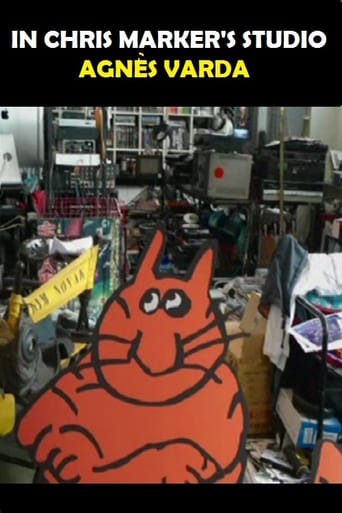
6.2Two friends (and legendary French New Wave filmmakers) meet in real and virtual worlds.
In Chris Marker's Studio
2011
 7.6
7.6Agnès Varda travels around the world to meet friends, artists and filmmakers for an expansive view of the global contemporary art scene.
Agnès Varda: From Here to There
2011
2000s · 2 titles
7.7Filmmaking icon Agnès Varda, the award-winning director regarded by many as the grandmother of the French new wave, turns the camera on herself with this unique autobiographical documentary. Composed of film excerpts and elaborate dramatic re-creations, Varda's self-portrait recounts the highs and lows of her professional career, the many friendships that affected her life and her longtime marriage to cinematic giant Jacques Demy.
The Beaches of Agnès
2008
 5.7
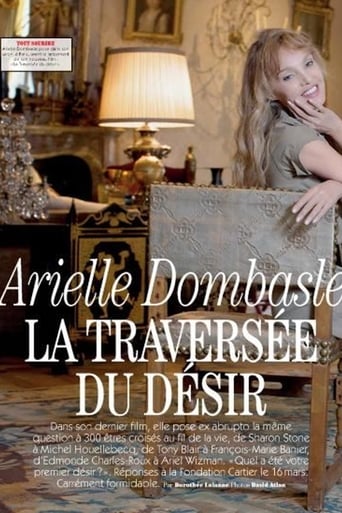
5.7What was your first desire? What did you long for most? Arielle Dombasle put these questions to a wide circle of famous people.
La Traversée du désir
2009
1990s · 4 titles
 7.6
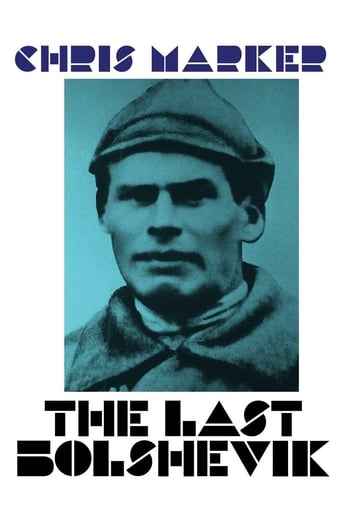
7.6A documentary on Soviet filmmaker Aleksandr Medvedkin, examining his tumultuous career, the rediscovery of his masterpiece Happiness, and Russia's struggles over the course of the 20th Century.
The Last Bolshevik
1994
 NR
NRA document of Perestroika, to be viewed as (nearly) unedited rushes of a voyage to Moscow, preserved by compatriot Costa-Gavras. Says Émilie Cauquy of the French Cinémathèque, "Astonishing unpublished travel diary, shot by Chris Marker in analog video on the occasion of a screening of L'Aveu in Moscow in 1990 [...] Armed with his camcorder, Marker films and records the comments, takes on the role of contemporary capital according to this unique ethnographic method that he has perfected".
Rush - Voyage à Moscou
1990
 6.1
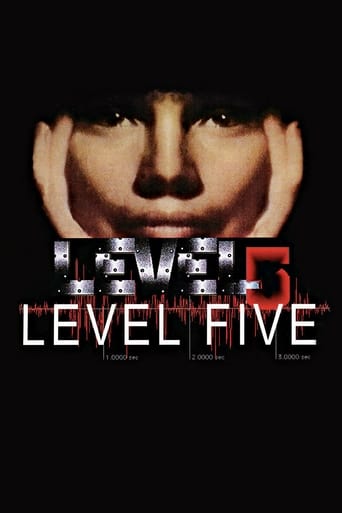
6.1Laura, a French programmer, inherits the task of creating a game about the World War II Battle of Okinawa. Her research and interviews with Japanese experts and witnesses prompt her to reflect on life, humanity, and the lasting influence of history and memories.
Level Five
1997
 7.5
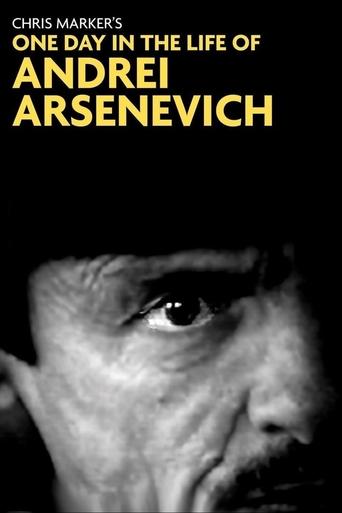
7.5Chris Marker’s portrait of Russian filmmaker Andrei Tarkovsky documents the director at work on his final film, The Sacrifice, during the last year of his life. Interweaving behind-the-scenes footage with excerpts from Tarkovsky’s earlier works, Marker crafts a moving reflection on the artist’s vision, methods, and enduring legacy.
One Day in the Life of Andrei Arsenevich
1999
1980s · 4 titles
7.5A woman narrates the thoughts of a world traveler, meditations on time and memory expressed in words and images from places as far-flung as Japan, Guinea-Bissau, Iceland, and San Francisco.
Sans Soleil
1983
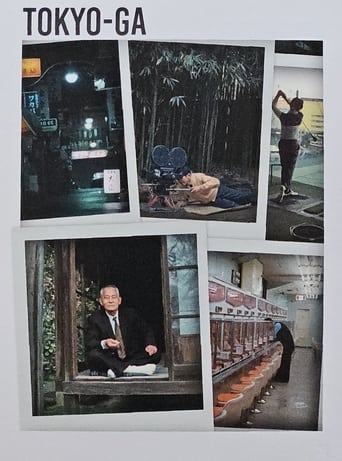 7.1
7.1German director Wim Wenders tries to explore the Tokyo that was depicted in the films of Yasujiro Ozu and finds a very different city.
Tokyo-Ga
1985
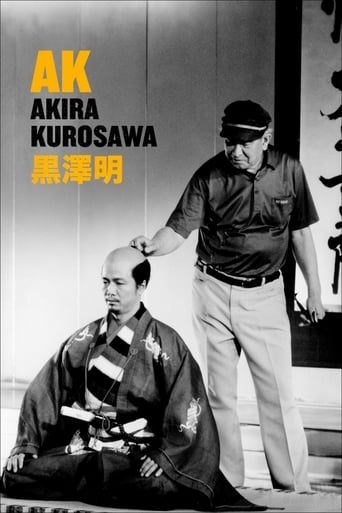 6.3
6.3An intimate chronicle of the shooting of Ran (1985), a film directed by the legendary Japanese filmmaker Akira Kurosawa.
A. K.
1985
 5.6
5.6Chris Marker’s Tokyo Days follows the filmmaker and actress Arielle Dombasle as they wander through Tokyo, beginning with an encounter with a live mannequin in a shop window. Mixing casual observation with playful edits, Marker captures everyday scenes—from subways to markets—in a personal video diary of the city.
Tokyo Days
1988
1970s · 2 titles
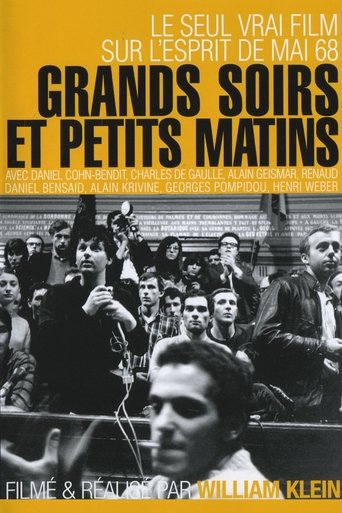 7.2
7.2Filmmaker William Klein documents the Paris student riots that occurred in May of 1968.
May Days
1978
 7.7
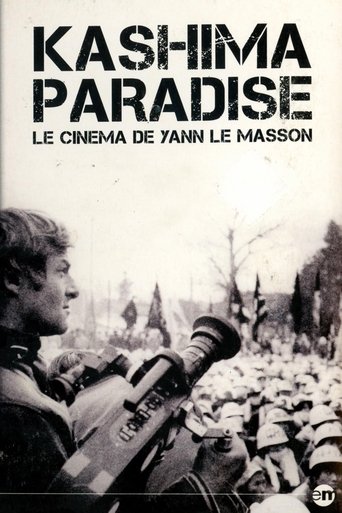
7.7This 1973 French documentary explores the conflict between modern values and material comforts in Japan and the more traditional obligations (giri) and culture which are still the real backbone of the society. Among the topics touched on are the Osaka Expo, battles against pollution, and Japanese leftist movements.
Kashima Paradise
1973
1960s · 4 titles
 6.8
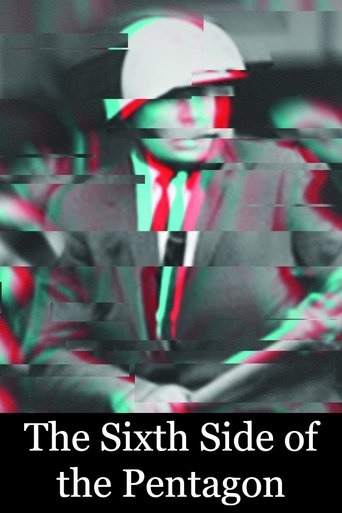
6.8Chris Marker and François Reichenbach document the massive anti–Vietnam War protest held in Washington, D.C., on October 21, 1967, where more than 100,000 demonstrators gathered at the Lincoln Memorial before marching on the Pentagon. Filmed amid the crowd, the short captures the tension, idealism, and growing radicalism of the American peace movement.
The Sixth Side of the Pentagon
1968
 8.0
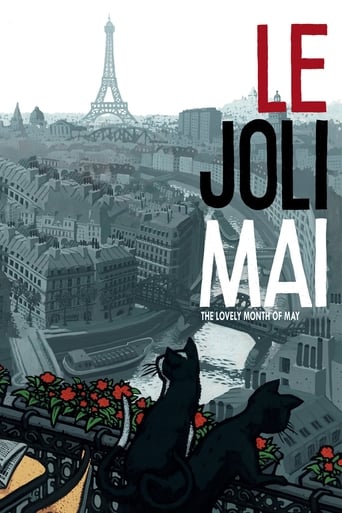
8.0Candid interviews of ordinary people on the meaning of happiness, an often amorphous and inarticulable notion that evokes more basic and fundamentally egalitarian ideals of self-betterment, prosperity, tolerance, economic opportunity, and freedom.
The Lovely Month of May
1963
 6.9
6.9Koumiko Muraoka, a young Japanese woman born in Manchuria and educated in France, wanders through Tokyo while she reflects on identity, memory, and what it means to be Japanese in a rapidly changing world.
The Koumiko Mystery
1965
 NR
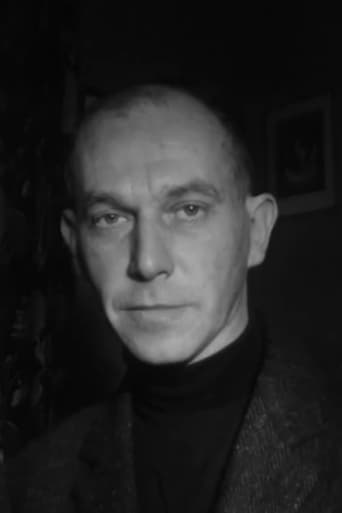
NRThis silent film shows the jury voting for Chris Marker, who receives the Louis Lumière award for his film ¡Cuba sí!
Lumière Award to Chris Marker
1962

Behind the camera
9.2Chronicles the events immediately surrounding the CIA- supported coup itself.
The Battle of Chile: Part II
1976
7.9A man confronts his past during an experiment that attempts to find a solution to the problems of a post-apocalyptic world caused by a world war.
La Jetée
1962
7.9A man confronts his past during an experiment that attempts to find a solution to the problems of a post-apocalyptic world caused by a world war.
La Jetée
1962
6.6This half-hour documentary by Chris Marker explores Aleksandr Medvedkin’s 1930s “Cine-Train,” a mobile film studio equipped with cameras, editing rooms, animation stations, and a laboratory. Traveling across the Soviet countryside, the train’s crew documented agricultural and industrial life—from Ukrainian harvests to southern steelworks—while living and working in cramped shared quarters.
The Train Rolls On
1971
6.6This half-hour documentary by Chris Marker explores Aleksandr Medvedkin’s 1930s “Cine-Train,” a mobile film studio equipped with cameras, editing rooms, animation stations, and a laboratory. Traveling across the Soviet countryside, the train’s crew documented agricultural and industrial life—from Ukrainian harvests to southern steelworks—while living and working in cramped shared quarters.
The Train Rolls On
1971
7.5A woman narrates the thoughts of a world traveler, meditations on time and memory expressed in words and images from places as far-flung as Japan, Guinea-Bissau, Iceland, and San Francisco.
Sans Soleil
1983
7.5A woman narrates the thoughts of a world traveler, meditations on time and memory expressed in words and images from places as far-flung as Japan, Guinea-Bissau, Iceland, and San Francisco.
Sans Soleil
1983
7.6Guzmán’s final installment shifts from covering the actions of Allende’s opponents to those who battled to revive & promote their toppled leader’s vision for a new Chile.
The Battle of Chile: Part III
1979
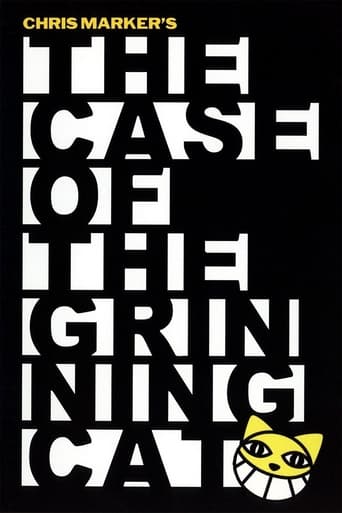 6.9
6.9Chris Marker, intrigued by the sight of yellow cats perched on walls on the streets of Paris, films the major national and international sociopolitical events of the early 2000s.
The Case of the Grinning Cat
2006
6.9Chris Marker, intrigued by the sight of yellow cats perched on walls on the streets of Paris, films the major national and international sociopolitical events of the early 2000s.
The Case of the Grinning Cat
2006
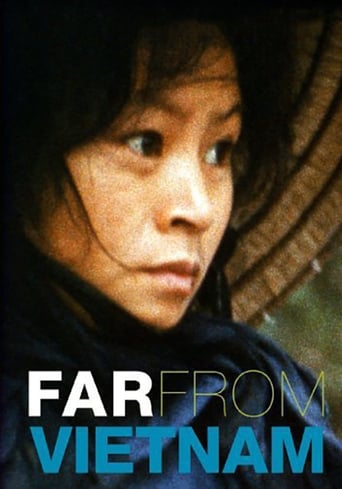 7.2
7.2In seven different parts, Godard, Ivens, Klein, Lelouch, Marker, Resnais, and Varda show their sympathy for the North-Vietnamese army during the Vietnam War.
Far from Vietnam
1967
7.2In seven different parts, Godard, Ivens, Klein, Lelouch, Marker, Resnais, and Varda show their sympathy for the North-Vietnamese army during the Vietnam War.
Far from Vietnam
1967
7.2In seven different parts, Godard, Ivens, Klein, Lelouch, Marker, Resnais, and Varda show their sympathy for the North-Vietnamese army during the Vietnam War.
Far from Vietnam
1967
7.6A documentary on Soviet filmmaker Aleksandr Medvedkin, examining his tumultuous career, the rediscovery of his masterpiece Happiness, and Russia's struggles over the course of the 20th Century.
The Last Bolshevik
1994
7.6A documentary on Soviet filmmaker Aleksandr Medvedkin, examining his tumultuous career, the rediscovery of his masterpiece Happiness, and Russia's struggles over the course of the 20th Century.
The Last Bolshevik
1994
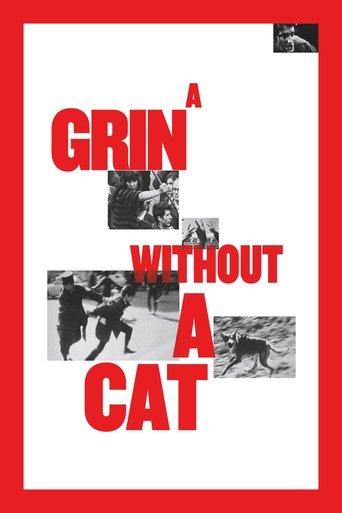 8.0
8.0Chris Marker’s A Grin Without a Cat is an epic political essay tracing the rise and decline of the global left from the 1960s to the 1970s. Through archival footage and commentary, the film examines revolutionary movements in France, Latin America, and beyond, reflecting on the ideals, failures, and fading hopes of a generation.
A Grin Without a Cat
1977
8.0Chris Marker’s A Grin Without a Cat is an epic political essay tracing the rise and decline of the global left from the 1960s to the 1970s. Through archival footage and commentary, the film examines revolutionary movements in France, Latin America, and beyond, reflecting on the ideals, failures, and fading hopes of a generation.
A Grin Without a Cat
1977
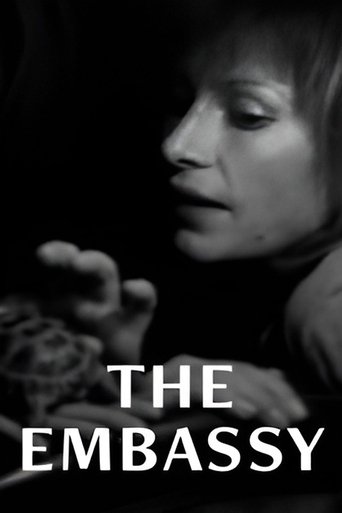 6.5
6.5After a military coup d'état, political dissidents seek refuge in a foreign embassy. Over the next few days, they are joined by more and more people who are fleeing the military assault: teachers, students, intellectuals, artists, and politicians.
The Embassy
1973
6.5After a military coup d'état, political dissidents seek refuge in a foreign embassy. Over the next few days, they are joined by more and more people who are fleeing the military assault: teachers, students, intellectuals, artists, and politicians.
The Embassy
1973
 6.9
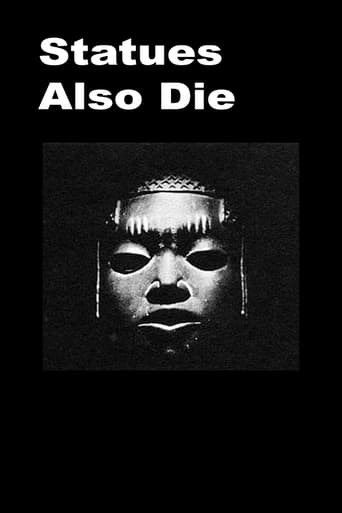
6.9Commissioned by the journal Présence Africaine, this short documentary examines how African art is devalued and alienated through colonial and museum contexts. Beginning with the question of why African works are confined to ethnographic displays while Greek or Egyptian art is celebrated, the film became a landmark of anti-colonial cinema and was banned in France for eight years.
Statues Also Die
1953
6.9Commissioned by the journal Présence Africaine, this short documentary examines how African art is devalued and alienated through colonial and museum contexts. Beginning with the question of why African works are confined to ethnographic displays while Greek or Egyptian art is celebrated, the film became a landmark of anti-colonial cinema and was banned in France for eight years.
Statues Also Die
1953
 6.0
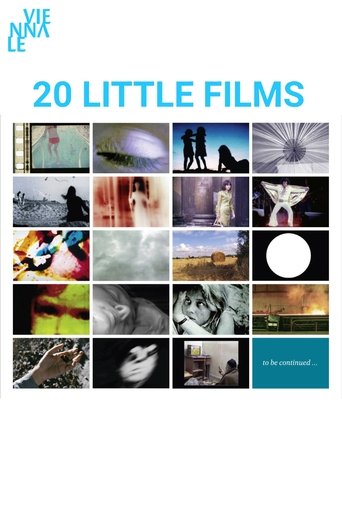
6.0Since 1995, the Viennale has invited renowned directors to create short, one-minute films as personal contributions to the festival. Ranging from home movies to political essays, musical sketches to abstract studies, these “little films” form a unique anthology of cinematic moments. 20 Little Films collects a selection of these works, premiering together for the Viennale’s 50th anniversary at the Locarno Film Festival.
20 Little Films
2012
6.3An intimate chronicle of the shooting of Ran (1985), a film directed by the legendary Japanese filmmaker Akira Kurosawa.
A. K.
1985
6.3An intimate chronicle of the shooting of Ran (1985), a film directed by the legendary Japanese filmmaker Akira Kurosawa.
A. K.
1985
 7.0
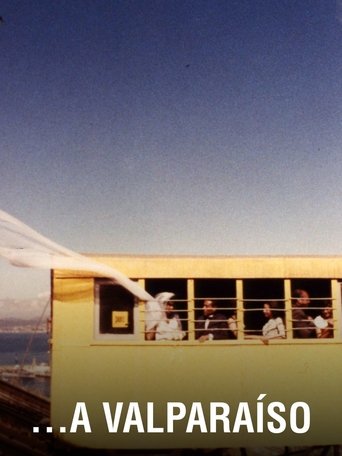
7.0In 1962 Joris Ivens was invited to Chile for teaching and filmmaking. Together with students he made …A Valparaíso, one of his most poetic films. Contrasting the prestigious history of the seaport with the present the film sketches a portrait of the city, built on 42 hills, with its wealth and poverty, its daily life on the streets, the stairs, the rack railways and in the bars. Although the port has lost its importance, the rich past is still present in the impoverished city. The film echoes this ambiguous situation in its dialectical poetic style, interweaving the daily life reality (of 1963) with the history of the city and changing from black and white to colour, finally leaving us with hopeful perspective for the children who are playing on the stairs and hills of this beautiful town.
Valparaiso
1964
 6.0
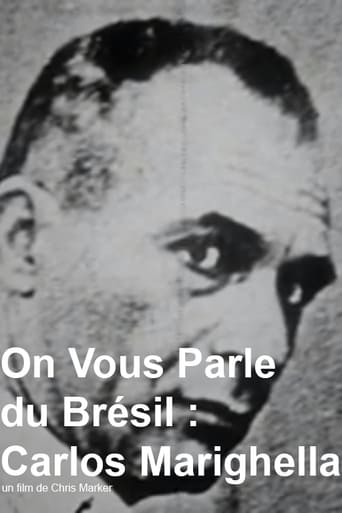
6.0Made shortly after the death of Brazilian revolutionary Carlos Marighella, this documentary reconstructs his life and political struggle through interviews with friends and comrades. It examines his role in the resistance against Brazil’s military dictatorship and his death in a 1969 police ambush.
Report on Brazil: Carlos Marighella
1970
6.0Made shortly after the death of Brazilian revolutionary Carlos Marighella, this documentary reconstructs his life and political struggle through interviews with friends and comrades. It examines his role in the resistance against Brazil’s military dictatorship and his death in a 1969 police ambush.
Report on Brazil: Carlos Marighella
1970
6.8Chris Marker and François Reichenbach document the massive anti–Vietnam War protest held in Washington, D.C., on October 21, 1967, where more than 100,000 demonstrators gathered at the Lincoln Memorial before marching on the Pentagon. Filmed amid the crowd, the short captures the tension, idealism, and growing radicalism of the American peace movement.
The Sixth Side of the Pentagon
1968
6.8Chris Marker and François Reichenbach document the massive anti–Vietnam War protest held in Washington, D.C., on October 21, 1967, where more than 100,000 demonstrators gathered at the Lincoln Memorial before marching on the Pentagon. Filmed amid the crowd, the short captures the tension, idealism, and growing radicalism of the American peace movement.
The Sixth Side of the Pentagon
1968
8.0Candid interviews of ordinary people on the meaning of happiness, an often amorphous and inarticulable notion that evokes more basic and fundamentally egalitarian ideals of self-betterment, prosperity, tolerance, economic opportunity, and freedom.
The Lovely Month of May
1963
8.0Candid interviews of ordinary people on the meaning of happiness, an often amorphous and inarticulable notion that evokes more basic and fundamentally egalitarian ideals of self-betterment, prosperity, tolerance, economic opportunity, and freedom.
The Lovely Month of May
1963
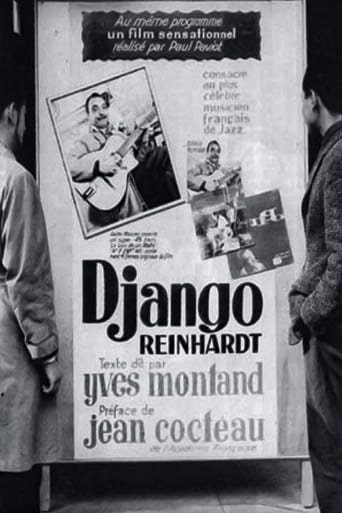 6.5
6.5One of the first filmed portraits of a jazz musician.
Django Reinhardt
1957
6.9Koumiko Muraoka, a young Japanese woman born in Manchuria and educated in France, wanders through Tokyo while she reflects on identity, memory, and what it means to be Japanese in a rapidly changing world.
The Koumiko Mystery
1965
6.9Koumiko Muraoka, a young Japanese woman born in Manchuria and educated in France, wanders through Tokyo while she reflects on identity, memory, and what it means to be Japanese in a rapidly changing world.
The Koumiko Mystery
1965
 7.3
7.3Everyday life of fishermen on Brittany's Ile de Sein.
The Sea and the Days
1958
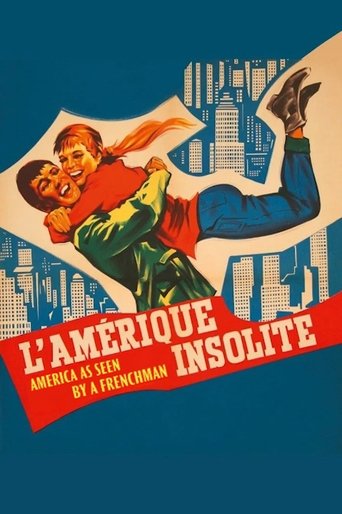 6.9
6.9At the end of the 1950s, French documentarian François Reichenbach spent eighteen months traveling the United States, documenting its diverse regions, their inhabitants, and their pastimes. The result is a journey through a multitude of different Americas, filtered through a French sensibility.
America as Seen by a Frenchman
1960
NRA document of Perestroika, to be viewed as (nearly) unedited rushes of a voyage to Moscow, preserved by compatriot Costa-Gavras. Says Émilie Cauquy of the French Cinémathèque, "Astonishing unpublished travel diary, shot by Chris Marker in analog video on the occasion of a screening of L'Aveu in Moscow in 1990 [...] Armed with his camcorder, Marker films and records the comments, takes on the role of contemporary capital according to this unique ethnographic method that he has perfected".
Rush - Voyage à Moscou
1990
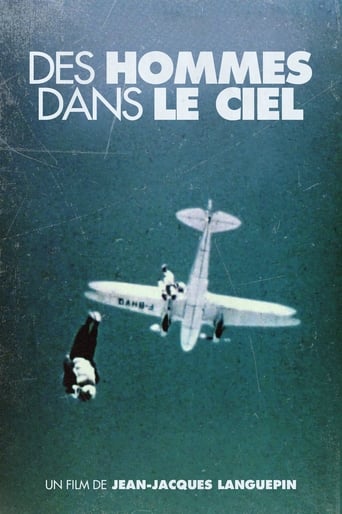 10.0
10.0No synopsis available yet.
Des Hommes Dans Le Ciel
1958
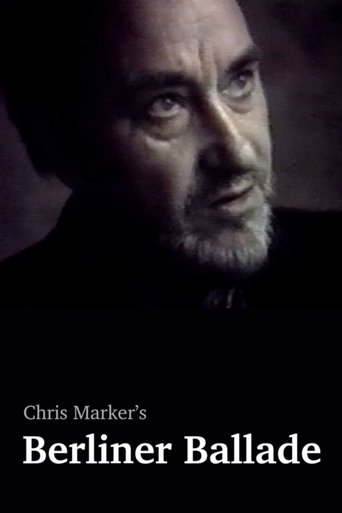 5.2
5.2Some months after the fall of the Berlin wall, during the time of federal elections in Germany in 1990, Chris Marker shot this passionate documentary, reflecting the state of the place and its spirit with remarkable acuity.
Berlin 1990
1990
5.2Some months after the fall of the Berlin wall, during the time of federal elections in Germany in 1990, Chris Marker shot this passionate documentary, reflecting the state of the place and its spirit with remarkable acuity.
Berlin 1990
1990