
Acting
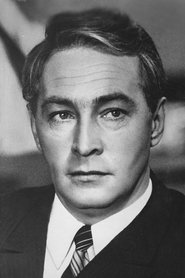
Vyacheslav Tikhonov
Born — Died
1928-02-08 — 2009-12-04
Place of birth
Pavlovsky Posad, Soviet Union
Known for
Acting
Credits
65 titles
From Wikipedia, the free encyclopedia He was born in Pavlovsky Posad near Moscow. His mother was a kindergarten teacher and his father an engineer in the local textile factory. Vyacheslav dreamed of acting but his parents envisioned a different career, and during the war he worked in a munitions factory. After employment as a metal worker, he began [training for an] acting career in 1945 by entering, not without difficulty, the Actors’ Faculty of VGIK. After graduating VGIK with honours in 1950, he began his acting career on stage of Theatre Studio of Film Actor, where he worked for six years. In 1948 he married Nonna Mordyukova, a popular actress at the time (the couple had one son, Vladim…
Known for
 7.8
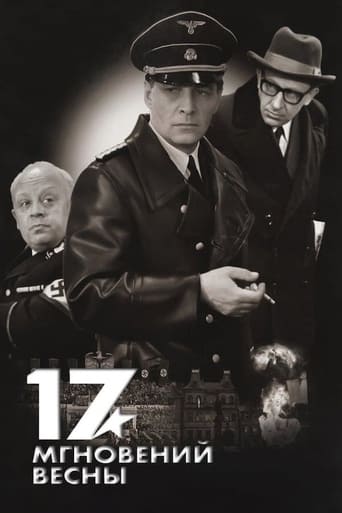
7.8A Soviet spy is tasked with disrupting the negotiations between Karl Wolff and Allen Dulles taking place in Switzerland, aimed at forging a separate peace between Germany and the Western Allies.
Seventeen Moments of Spring
1973
 7.6
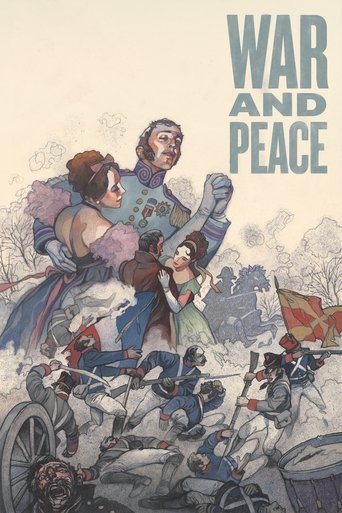
7.6The love story of young Countess Natasha Rostova and Count Pierre Bezukhov is interwoven with the Great Patriotic War of 1812 against Napoleon's invading army.
War and Peace
1968
 NR
NRNo synopsis available yet.
Legends of Cinema
2016
 6.9
6.9Russia, 1936: revolutionary hero Colonel Kotov is spending an idyllic summer in his dacha with his young wife and six-year-old daughter Nadia and other assorted family and friends. Things change dramatically with the unheralded arrival of Cousin Dmitri from Moscow, who charms the women and little Nadia with his games and pianistic bravura. But Kotov isn't fooled: this is the time of Stalin's repression, with telephone calls in the middle of the night spelling doom - and he knows that Dmitri isn't paying a social call...
Burnt by the Sun
1994
 7.2
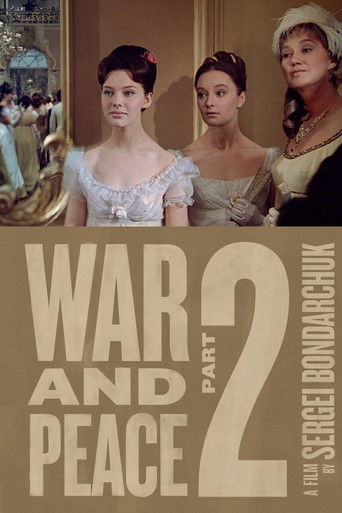
7.2As 1809 nears its end, Natasha attends her first ball, where Andrei falls in love with her with the intent of marriage. However, as her father demands they wait, the prince travels abroad, leaving Natasha in desperate longing. But she meets Anatol Kuragin and forgets Andrei. Part two of the four-part adaptation of Leo Tolstoy's 1869 novel.
War and Peace, Part II: Natasha Rostova
1966
 7.7
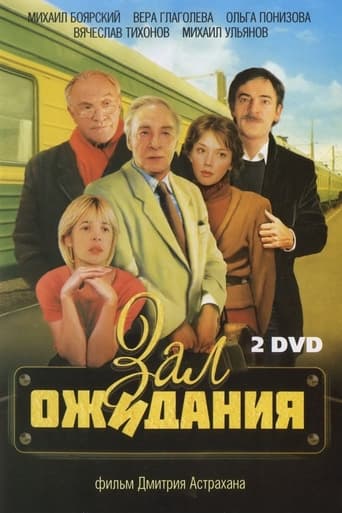
7.7A 'runaway' homeless man, once a renowned athlete, finds himself marooned in the small, snow-covered town of Zarechensk. Victor lands a job at an orphanage, where he soon meets a young teacher who becomes both a compassionate friend and the love of his life. However, fate doesn't play out simply as good or bad; it unfolds in a way that makes the hero realize one cannot run away from oneself. Consequently, it is in Zarechensk that a train carrying a film crew from the capital, on their way back to Moscow, is compelled to delay their journey for a few days. Remarkably, Zarechensk becomes the place where a director finally discovers the perfect actress for his leading role and encounters a man who has fled from her love. Meanwhile, a producer makes the ultimate decision to select this town as the filming location for her upcoming movie.
The Waiting Room
1998
Film credits
2000s · 3 titles
 4.4
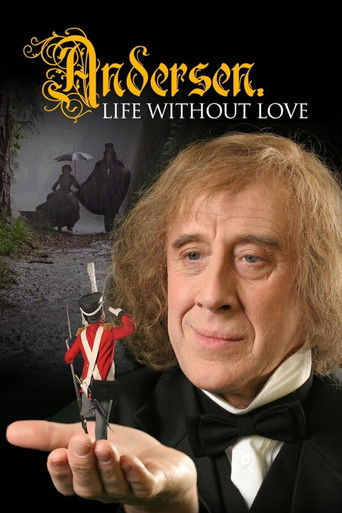
4.4Drama based on life and love of a famous Danish writer Hans Christian Andersen.
Andersen. Life Without Love
2006
 NR
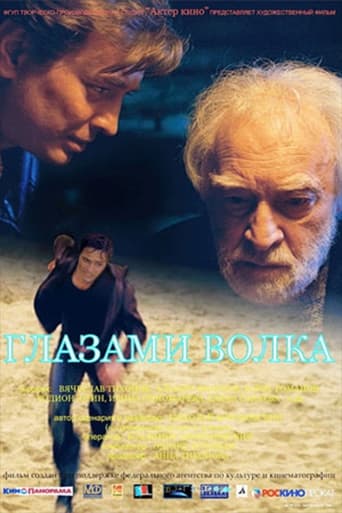
NRIn the not distant future, flights beyond the solar system are becoming a reality. At the same time, the secret Human Planning Institute is engaged in personality modeling. But on one of their "pupils" the system malfunctioned. The special services were powerless to return it under their control and were forced to turn to the help of an old scientist-inventor who had long avoided society ...
Through the Eyes of a Wolf
2006
 4.0
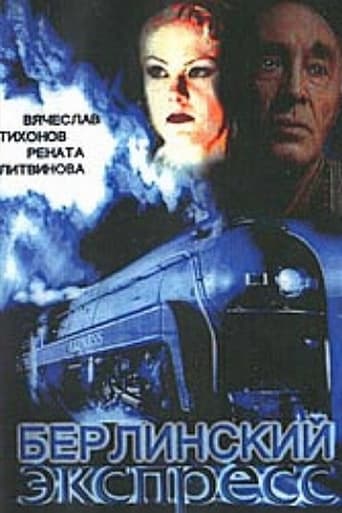
4.0The action of the picture takes place on the eve of the Second World War. A senior Soviet diplomat working in Germany was suddenly recalled to Moscow. On the train, he meets his only neighbor in the carriage - a beautiful young woman who is in the last months of her pregnancy. To pass the time on the road, she tells him her life. An experienced scout does not immediately understand that his charming companion did not accidentally find herself in this car...
Берлинский экспресс
2002
1990s · 11 titles
6.9Russia, 1936: revolutionary hero Colonel Kotov is spending an idyllic summer in his dacha with his young wife and six-year-old daughter Nadia and other assorted family and friends. Things change dramatically with the unheralded arrival of Cousin Dmitri from Moscow, who charms the women and little Nadia with his games and pianistic bravura. But Kotov isn't fooled: this is the time of Stalin's repression, with telephone calls in the middle of the night spelling doom - and he knows that Dmitri isn't paying a social call...
Burnt by the Sun
1994
 6.2
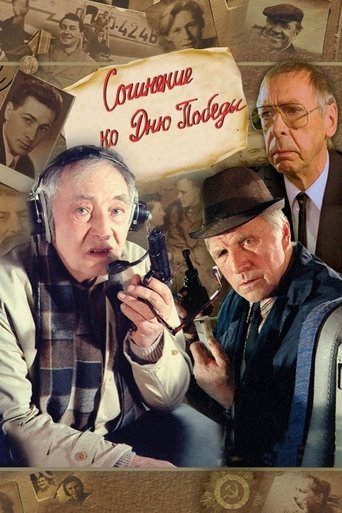
6.2The heroic crew of the fighter jet reunites a quarter of a century later. Fate has separated these comrades-in-arms, significantly altering their characters and worldviews. One became a radical communist, another became the chairman of the Veterans Fund, and the third lived in exile for many years. At first, the former comrades-in-arms find it difficult to understand each other, but when one of them gets into trouble, the others devise a plan to rescue him.
An Essay for Victory Day
1999
 10.0
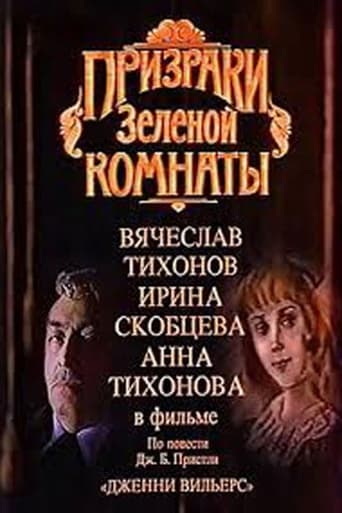
10.0According to the story of JB Prestley "Jenny Villiers." Actors of the London Theater gathered in the Green Room of Barton Spa, a kind of theater museum. The playwright Martin Civerell expresses his doubts that the theater is able to regain its former charm. Left alone in the Green Room, Civerell sees the actors of the last century and becomes a witness to the drama that happened here a hundred years ago...
The Ghosts of the Green Room
1991
 5.2
5.2The film was shot on the story of Valentin Pikul “Go and do not sin”, which tells about the real events that took place in Russia at the beginning of the 20th century. The story of the young beauty Olga Palem from a poor large family is replete with tragic events. Olga's passionate disinterested love for student Alexander Zapolsky becomes her evil rock. Spoiled and selfish, Alexander is not able to appreciate her feelings. Exhausted by humiliation, a young woman kills her lover. The high-profile trial of Olga Pale becomes a sensation that stirred up the whole of Russia ...
A Boulevard Romance
1995
 9.0
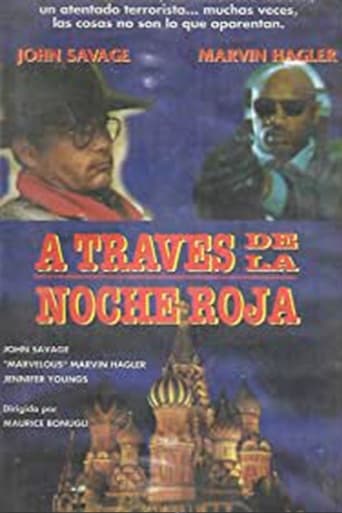
9.0Moscow, the years of perestroika. The quiet life of Eduard and Pavla turns into a nightmare one day. Edward accidentally kills his attacker while protecting his comrade in a fight. Both go to jail, and his friend commits suicide. Suddenly, the hero of the film is offered a deal to get him out of prison. The task seems to be simple - you need to deliver a mysterious suitcase. Soon, Edward realizes that he is becoming a participant in a terrorist attack...
Across Red Nights
1991
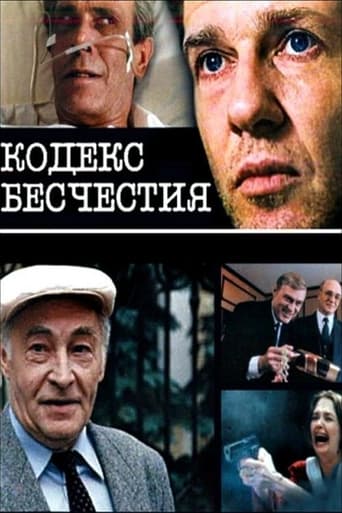 5.0
5.0No synopsis available yet.
The Codex of Disgrace
1993
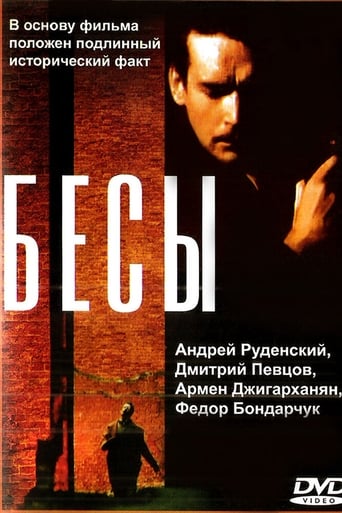 7.0
7.0No synopsis available yet.
Demons
1992
 7.0
7.0Life in art based on the plays of A. Ostrovsky: "Talents and Admirers", "Forest", etc.
Provincial Benefit
1993
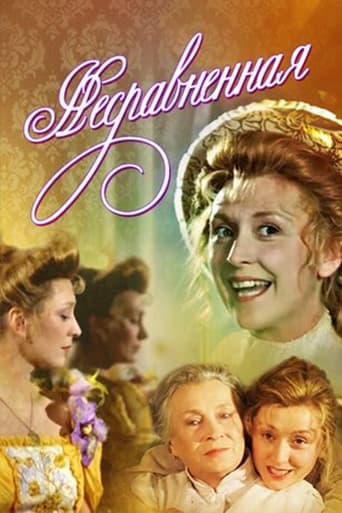 8.0
8.0Anastasia Dmitrievna Vyaltseva, who performed on the opera stage, was called "incomparable" during her lifetime. Obsessed with the desire to sing, the young provincial woman arrived in St. Petersburg, joined the troupe of the musical theater of the entrepreneur Arkady Palma, married the patron of the arts Nikolai Kholev, and soon gave her first concerts. The first success, the first triumphant tour of Russia and the first losses. Her husband dies, the Russo-Japanese war begins, she goes to the front and will do everything that is the responsibility of a sister of mercy.
The Incomparable
1993
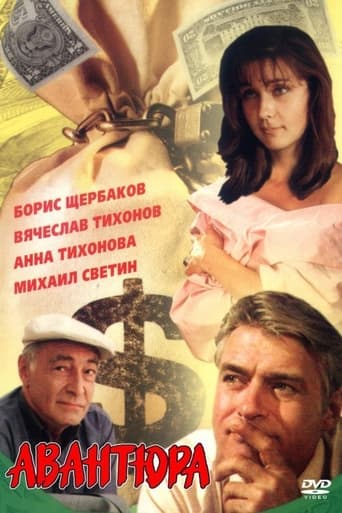 10.0
10.0On board the ocean liner, the agents of the special services of the three former union republics, are spying on agent Nikitin, who is instructed to withdraw money from the CPSU account in a Swiss bank ...
Venture
1995
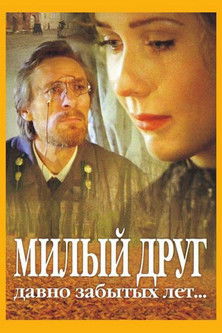 7.0
7.0Maria, the wife of a successful official from St. Petersburg, met with a provincial engineer. A chance meeting of spiritually close people becomes the beginning of the history of Sizzling passion, which ended tragically.
Sweet Friend of Long Forgotten Years
1996
1980s · 11 titles
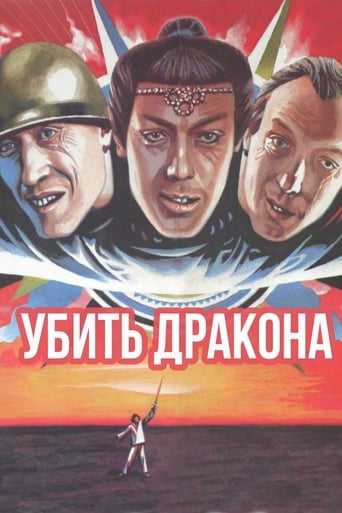 7.1
7.1Dragon is a bloody dictator, who kills every opponent. People live hopelessly, until Lancelot comes to save the beautiful Elsa. Lancelot can only win, if all people become free from fear, that is feeding the Dragon's power. Dragon's multiple personalities, ranging from a "dragon" to a "samurai" to a "Nazi", scare the hell out of all people, except Lancelot. Finally Dragon drops all his masks, to become the most dangerous of his incarnations - "himself". And the battle begins
To Kill a Dragon
1988
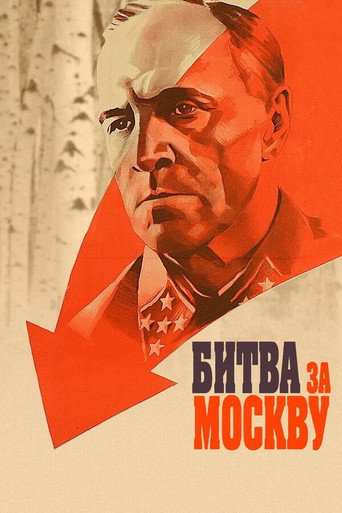 NR
NRThe Battle of Moscow is a 1985 Soviet multi-part war narrative, presenting a dramatized account of the 1941 Battle of Moscow and the events preceding it. The battle was the first major defeat of German Wehrmacht in the Second World War.
Battle of Moscow
1985
 8.0
8.0From the cycle "Political Theater". The teleplay is built as a kind of investigation into the assassination of Swedish Prime Minister Olof Palme, during which, unlike a criminal investigation, not the identity of the criminal is revealed, but the fate of Palme himself, his life principles, views, intentions and dreams.
Why Was Olof Palme Killed?
1987
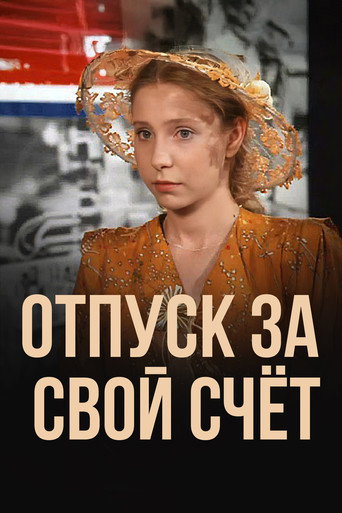 5.3
5.3A young girl from the Siberian province arrives in Moscow for her beloved, whom she met during his business trip. He is a test designer for buses and will be on a business trip to Hungary. It was at this point that Katya set her vacation time. But it seems that they didn’t really wait for her... However, a meeting with László changes all her plans...
Vacation at Your Own Expense
1982
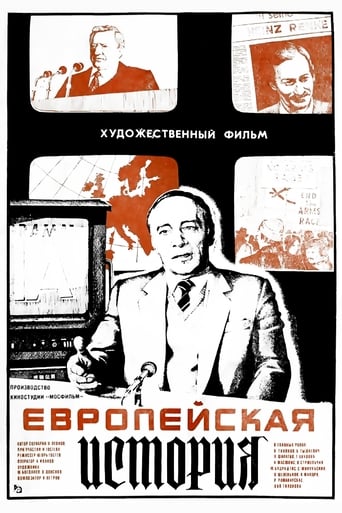 7.5
7.5Two candidates are vying for the post of mayor of one of the major Western European cities - the Social Democrat Dr. Hayden and the "free nationalist" Alden. On the eve of the election, an independent journalist receives documents confirming Alden's connection with the secret services. He becomes the object of blackmail, but does not change his intentions to expose Alden.
European Story
1984
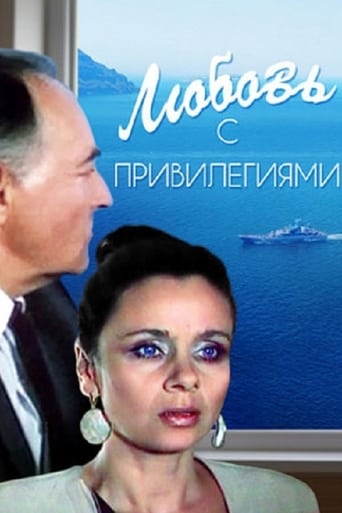 5.1
5.1USSR, late 80's. Kozhemyakin, the former deputy chairman of the Council of Ministers, comes to Yalta for a vacation. Irina, who works as a van driver, is asked to meet him at the station. Accidental resort acquaintance unexpectedly grew into something more. Neither the difference in age, nor in social status did not become an obstacle. Irina agrees to become Kozhemyakin's wife and moves to Moscow.
Love with Benefits
1989
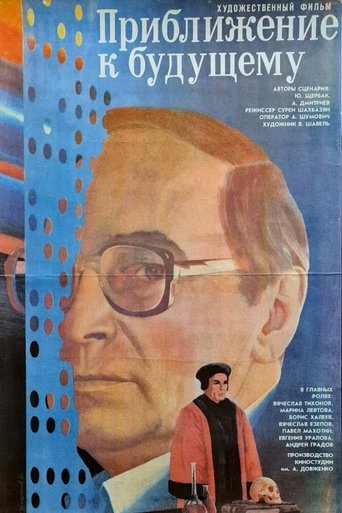 5.8
5.8The hero of the film, academician Sergei Vasilyevich Lunin, director of the Kiev Research Institute of Informatics, is working on the implementation of the Unity project in the enterprises of a single department. According to his calculations, this global information network should significantly reduce the number of intermediate instances and, accordingly, the decision-making time. Lunin has opponents. Despite a sharp deterioration in health, the hero goes to the Novogorsk Tractor Plant and there he finds out the real reason for the downtime, and, consequently, the reason for hiding the data. Knowing that he has only six months to live, Lunin abandons the operation and does everything possible to protect his project.
Approaching the Future
1986
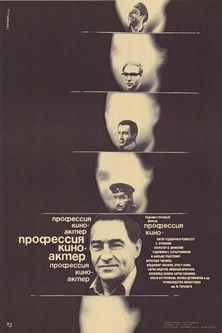 4.7
4.7Vyacheslav Tikhonov's roles are discussed by his colleagues.
Profession: Film Actor
1980
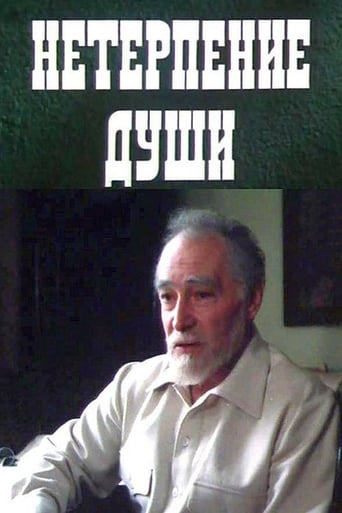 8.5
8.5No synopsis available yet.
Impatience of the Soul
1987
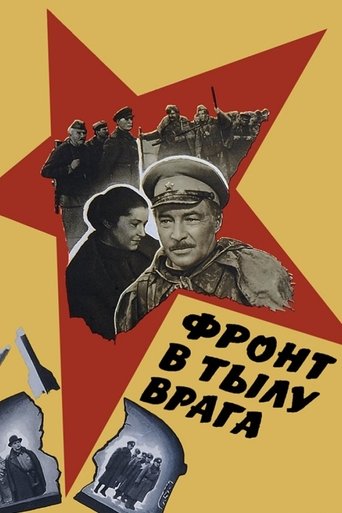 5.4
5.4A final episode in the trilogy about the Russian partisan's resistance during WWII. The film is set in 1944, when Russian partisans are making progress in their fighting against the Nazi occupation of Russia, Poland and Czechoslovakia. Lt. Colonel Mlynsky is now in charge of an international clandestine operation. He is the commander of the special group of partisan-fighters. Mlynsky is organizing the Russian, Polish and Czechoslovakian partisans to join forces for an attack behind the enemy lines.
Front in the Rear of the Enemy
1982
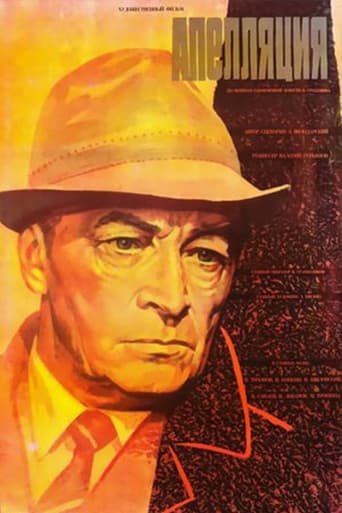 9.0
9.0At a meeting of the bureau, under pressure from the first secretary of the district committee of the party, the agronomist of the collective farm Boris Kholmovoy was dismissed and expelled from the party for allegedly arbitrary actions. Disagreeing with the decision of the district committee, Kholmovoy files an appeal. The secretary of the regional party committee Plotnikov, wanting to understand this complicated matter, goes to the collective farm.
Appeal
1987
1970s · 13 titles
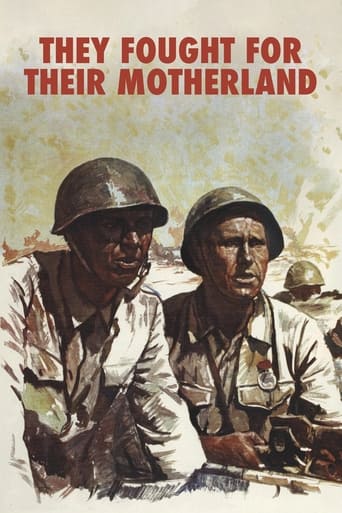 6.9
6.9In July 1942, in the Second World War, the rearguard of the Russian army protects the bridgehead of the Don River against the German army while the retreating Russian troops cross the bridge. While they move back to the Russian territory through the countryside, the soldiers show their companionship, sentiments, fears and heroism to defend their motherland.
They Fought for Their Motherland
1975
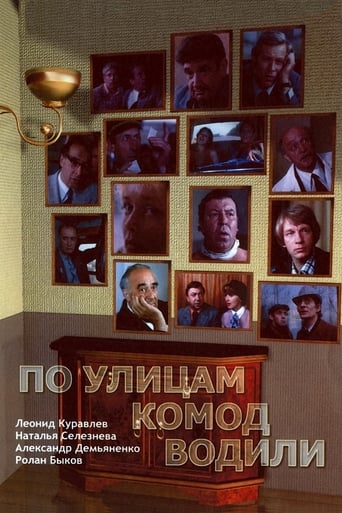 6.4
6.4An omnibus of comical shorts.
Chest of Drawers Was Lead Through the Street...
1978
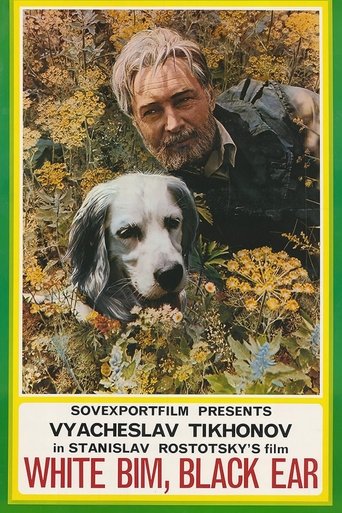 7.2
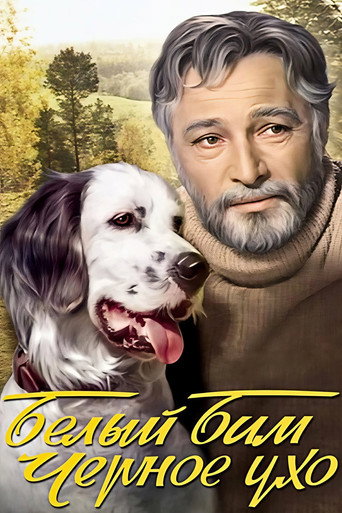
7.2A touching story about a white Gordon Setter with black ear, who became homeless because of his master's illness. His master, Ivan Ivanovich, a man far from being young, fond of hunting and nature, took a puppy to live with him, despite the dog's black ear being a "shame of nature" to his breed. The man always took his dog, whom he called Bim or Bimka, to hunting in country. Later, however Ivan Ivanovich began to have problems with heart and when the disease became worse was taken to a hospital. His dog couldn't bear waiting for the only person that ever cared for him and set out to find his master. Thus began the story of a homeless dog and his many breathtaking and exciting adventures, encounters of many people, kind and evil, and leads to an unexpected and heart-rending end.
White Bim Black Ear
1977
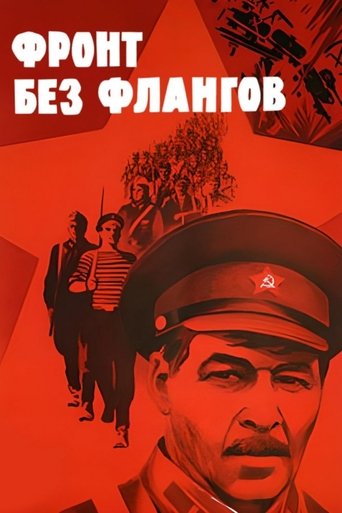 5.5
5.5A first episode in the trilogy about the Russian partisan's resistance against the Nazi occupation of Russia during WWII. The film is set in August of 1941, when the Nazi forces invaded and occupied the European part of Russia. Major Mlynsky is in charge of the special group of partisans. His group is absorbing other small groups of Russian soldiers, who managed to survive from the attacks of the overwhelming Nazi forces. The Nazi Armies are advancing to Moscow. Major Mlynsky is organizing the Russian partisan's resistance against the Nazis, behind the enemy lines.
Front Without Flanks
1975
 7.5
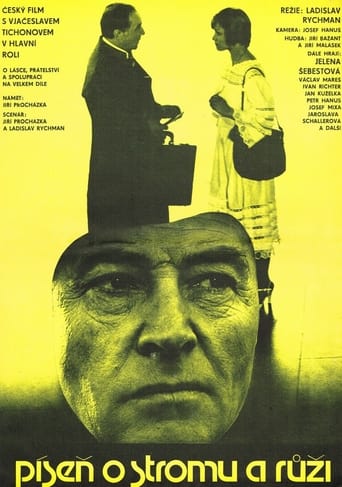
7.5Soviet engineer Kuznecov is coming to Prague as an expert on work with the tunneling shield in construction of the metro. He is returning after more than thirty years. In May 1945 as a young soldier in the Red Army he was seriously injured in the liberation of Prague and while recovering experienced a great love with a young teacher called Vera.
Píseň o stromu a růži
1979
 5.7
5.7Satirical comedy based on the notebooks and short stories by Anton Pavlovich Chekhov: "Romance with Double-Bass","On the Harmful Effects of Tobacco", "Misery", "Grateful", "Polinka", "The Cynic", "The Ninny".
The Roundabout
1971
 5.7
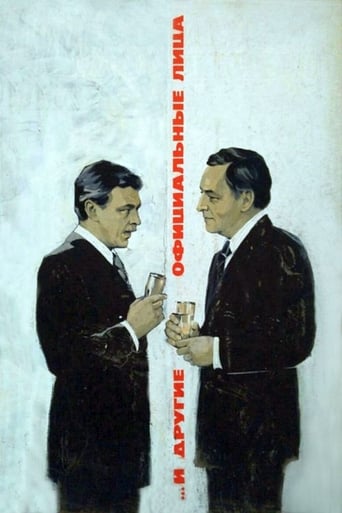
5.7The plot structure of the film is based on a commonplace situation from the practice of foreign trade organizations - the conclusion of a trade agreement with a foreign company.
...And Other Officials
1976
 7.0
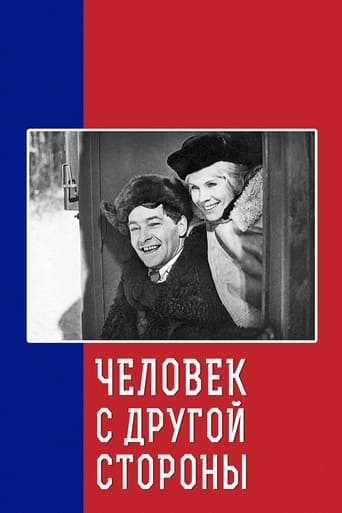
7.0After the Bolshevik seizure of power in 1917. A Russian engineer gets the assignment to purchase locomotives from Sweden. Paid in gold. Claimed by the opponents of the revolution.
The Man from the Other Side
1972
 5.4
5.4A second episode in the trilogy about the partisans fighting against the Nazis during the WWII on the territory of Russia. Film is set in the winter of 1943-1944. Major Mlynsky is the commander of the partisan group, that is fighting behind the Nazi's front-lines. Major Mlynsky is invited to the Chief of Staff, where he is promoted to Lt.-Colonel for his courage. Now Mlynsky is in charge of the new partisan's operation.
Front Beyond the Front Line
1978
 NR
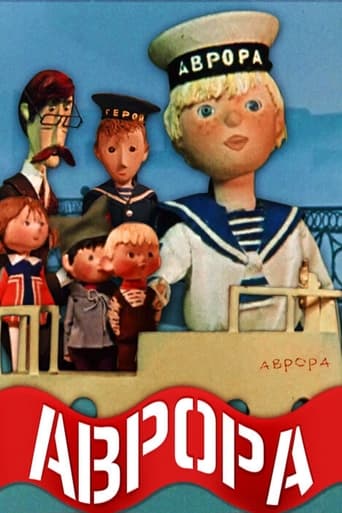
NRChildren will learn the fate of the legendary cruiser «Aurora».
Aurora
1973
 4.8
4.8In the center of the film is a powerful, peculiar, talented Russian man, the largest timber merchant Yegor Bulychyov. He is experiencing a tragic discord with himself, with the world that surrounds him, with great social injustice, to which his whole life has been given. The idea of the film is to determine the purpose and meaning of the existence of the human person, consider its polysyllabic and versatile connections with the world.
Yegor Bulychyov and Others
1973
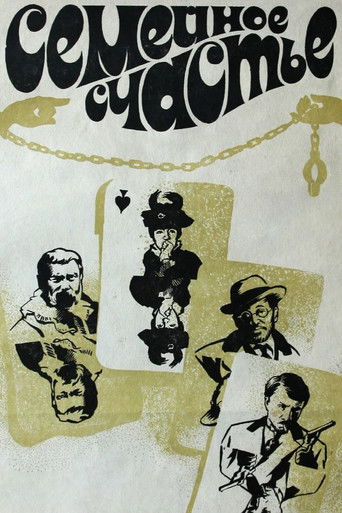 5.5
5.5The film comprises four novellas: (1) “From Boredom”. A wealthy matron, bored with life, embarks on a romance with her children’s romantic tutor. (2) “Nerves”. Haunted by tales of the supernatural, Vaksin can’t sleep and is found in the morning napping on the governess’s chest. (3) “The Avenger”. A husband plans to kill his unfaithful wife but abandons the plot when he dreads the punishment to come. (4) “The Proposal”. A tragicomic matchmaking tale of landowner Lomov wooing his neighbor’s daughter.
Family Happiness
1970
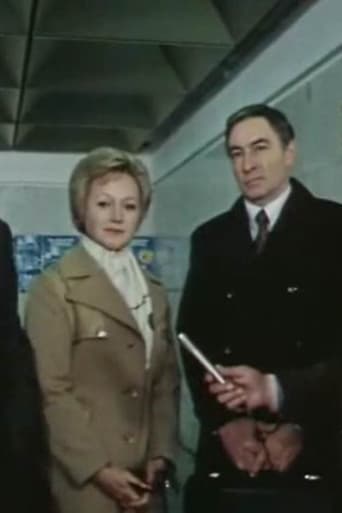 NR
NRPolitical TV movie about the joint work of the Soviet journalist Ershov (V. Tikhonov) and the West German director on a documentary film dedicated to the relaxation of international tension.
The Dialogue
1978
1960s · 11 titles
7.6The love story of young Countess Natasha Rostova and Count Pierre Bezukhov is interwoven with the Great Patriotic War of 1812 against Napoleon's invading army.
War and Peace
1968
7.2As 1809 nears its end, Natasha attends her first ball, where Andrei falls in love with her with the intent of marriage. However, as her father demands they wait, the prince travels abroad, leaving Natasha in desperate longing. But she meets Anatol Kuragin and forgets Andrei. Part two of the four-part adaptation of Leo Tolstoy's 1869 novel.
War and Peace, Part II: Natasha Rostova
1966
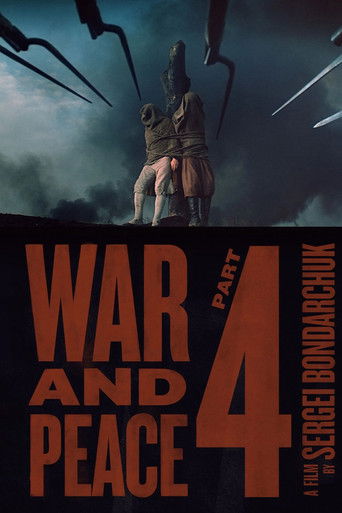 7.5
7.5As Moscow is set ablaze by the retreating Russians, the Rostovs flee their estate, taking wounded soldiers with them, and unbeknownst to them, also Andrei. Pierre, dressed as a peasant, tries to assassinate Napoleon but is taken prisoner. As the French are forced to retreat, he's marched for months with the Grande Armée, until being freed by a raiding party. Part four of the four-part adaptation of Leo Tolstoy's 1869 novel.
War and Peace, Part IV: Pierre Bezukhov
1967
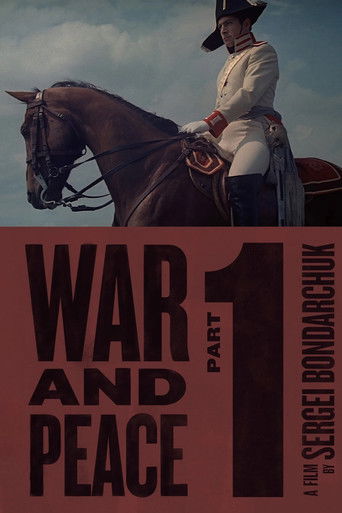 7.6
7.6In 1805 St. Petersburg, Pierre Bezukhov, illegitimate son of a rich nobleman, is introduced to high society. His friend, Prince Andrei Bolkonsky, joins the Imperial Russian Army as aide-de-camp of General Mikhail Kutuzov in the War of the Third Coalition against General Napoleon Bonaparte. Part one of the four-part adaptation of Leo Tolstoy's 1869 novel.
War and Peace, Part I: Andrei Bolkonsky
1966
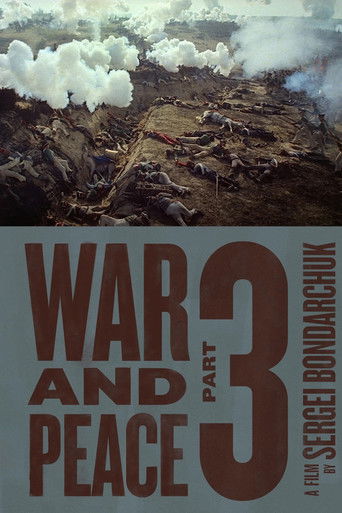 7.6
7.6In 1812, as Napoleon's army invades Russia, Kutuzov asks Bolkonsky to join him as a staff officer, yet the prince requests a command in the field. Pierre sets out to watch the armies' impending confrontation. As the Battle of Borodino rages, he volunteers to assist in an artillery battery. Part three of the four-part adaptation of Leo Tolstoy's 1869 novel.
War and Peace, Part III: The Year 1812
1967
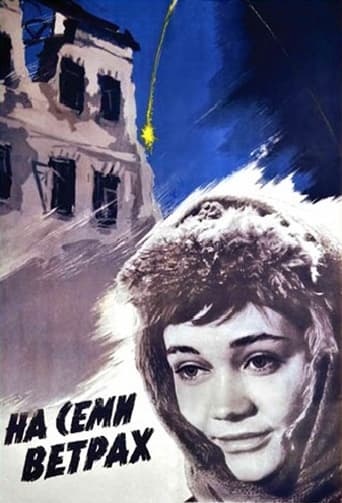 5.3
5.3A young girl Svetlana just arrived to the small town when a war begun. Her fiancé Igor did not meet Svetlana so she stayed alone to wait for him.
Four Winds of Heaven
1962
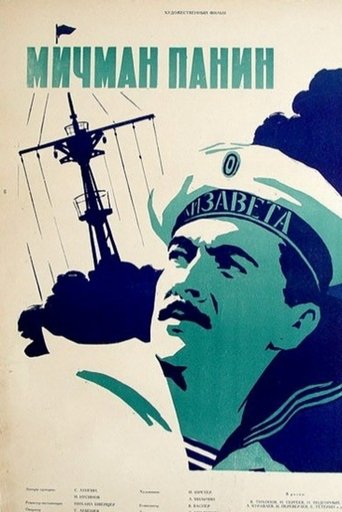 5.4
5.4It is May 1912. Thirteen political prisoners are being tried in a naval fortress of Kronstadt. They are sentenced to death by hanging. A clandestine Bolshevik organization decides to free the prisoners during their transfer to the place of execution. Vasily Panin, a junker of a school of naval engineers, is one of those entrusted with this dangerous task.
Midshipman Panin
1960
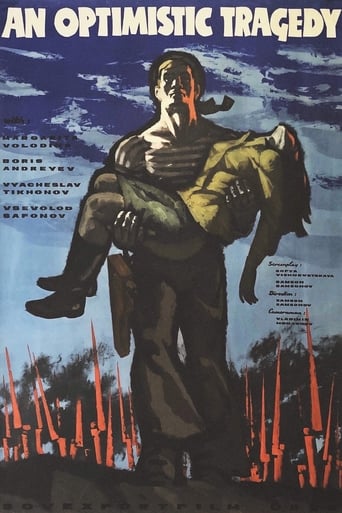 5.2
5.21918 year. A woman commissar has been appointed from the Central Committee of the Bolshevik Party to the Russian warship Gromoboi, which is ruled by anarchist sailors. The leader of the ship is the anarchist Vozhak. The Commissioner was instructed to reorganize the naval detachment into the First Sailor Regiment. She faces a difficult task: to win the authority of the sailors and eradicate anarchy. Of the remaining officers on the ship — lieutenant Bering, who served in the tsarist fleet on the battleship "Emperor Paul I". He must become the commander and, together with the sent commissar, lead the regiment to the front in the Black Sea region.
An Optimistic Tragedy
1963
 7.0
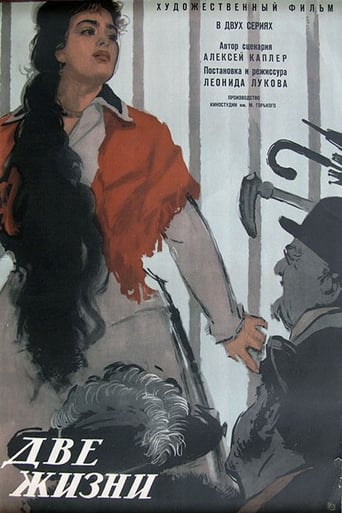
7.0In the center of the film - two lives, two destinies. A simple, illiterate soldier Vostrikov of the Tsar's Army during the years of Soviet power grew into a devoted fighter of the revolution, he became a general of the Soviet Army, respected by all. A guards officer, a brilliant prince Naschyokin, who fought against Soviet power, emigrated from his native country and eventually became a lackey in a port restaurant.
Two Lives
1961
 7.5
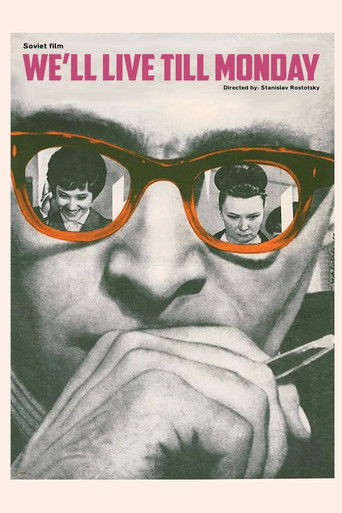
7.5A respected history teacher, Ilya Semenovich Melnikov, decides to quit his job due to distressing rumors about a colleague who is in love with him. His final week is disrupted when a student's controversial essay on happiness sparks a classroom conflict. Melnikov's intervention in the situation ultimately causes him to reconsider his decision to resign.
We'll Live Till Monday
1968
 NR
NRA behind-the-scenes look at the filming of "War and Peace," from conceptual sketches and costume design to cameras rolling.
Woina i Mir
1966
1950s · 10 titles
 3.8
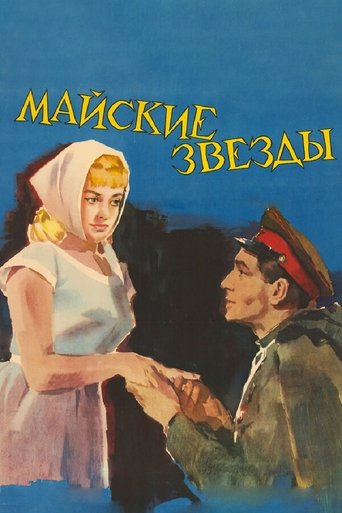
3.8May 1945. On the outskirts of Prague, ordinary people meet Soviet soldiers-liberators with tears of joy in their eyes. In the early days of the lull, someone sadly recalls a pre-war life; someone unexpectedly meets his love; someone is returning from enemy dungeons looking hopefully into the future; and someone, having moved from a tank into a Czech tram, warmly recalls his craft as a car driver... These days, all those who survived the Great War fire swear an oath to keep peace on Earth forever, honoring the memory of those who gave their lives for simple human happiness.
May Stars
1959
 4.8
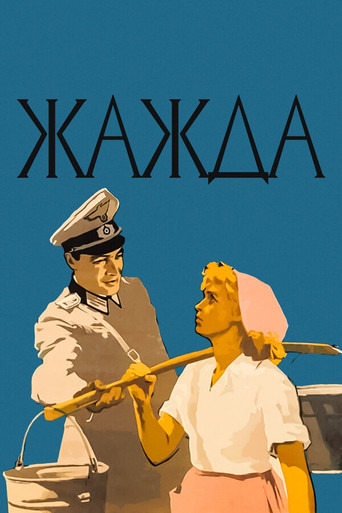
4.8Based on real events. Vyacheslav Tikhonov, in the first of his spy roles, portrays a scout in an operation to free an Odessa water plant from the Nazis.
Thirst
1959
 5.6
5.6The crew of a soviet cargo falls prey to an act of piracy in waters between China and Taiwan, and are taken to Taiwan where they are pressured into stating they chose to go into the free world.
Extraordinary Accident
1958
 4.8
4.8Growing up in a Ukrainian peasant family, knowing all hardships of serf life, young artist and poet Taras Shevchenko in the years of study clearly identifies the meaning of true art, which is to serve the interests of the people. The poems of Shevchenko are imbued with love for the common people. Fiery freedom-loving creativity of Taras Shevchenko is known throughout Russia. Nicholas I exiles the poet to the distant Caspian fort where he is to serve as an ordinary soldier and is banned from writing or drawing. In the poet's difficult days he has the support of Ukrainian soldier Skobelev, Polish revolutionary Sierakowski, captain Kosarev and the commandant of the fortress, Uskov. For the sake of his release Chernyshevsky and Dobrolyubov are hard at work. And so, the sick and aged Shevchenko is finally free. Together with Chernyshevsky and Dobrolyubov, he dreams of a bright future of the motherland, when the Russian and Ukrainian peoples throw off the chains of slavery.
Taras Shevchenko
1951
 5.8
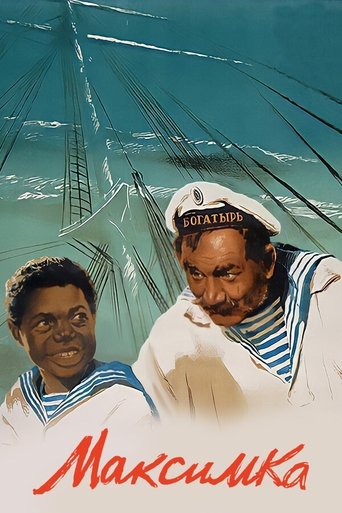
5.8A black child rescued from by Russian sailors, whom they name Maksimka, having overcome his fear of white people, turns out to be an unusually smart and kind little boy. The rude drunken sailor Ivan Luchkin was especially attached to the boy. Once it was Maksimka who managed to save Luchkin from foreign recruiters of labor. For resourcefulness and courage, the young hero is enlisted in the team of the corvette and becomes the cabin boy of the Russian fleet.
Maximka
1952
 8.0
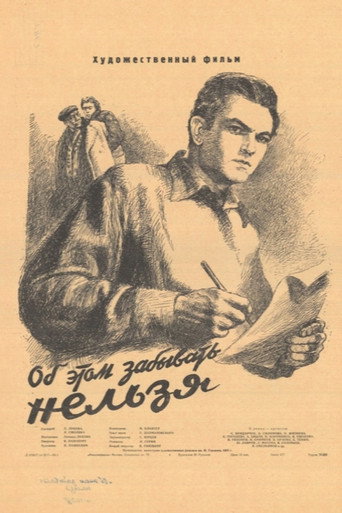
8.0The story unfolds in a post-war town in Western Ukraine. The enemy agents are trying to subvert communist writer Aleksandr Garmash using ideological diversions. In parallel, a story is told about student Rostislav Danchenko who is being recruited by enemy agents. The story is pertinent due to resurgence of ultra-nationalist underground activity in Western Ukraine after World War II.
It Can Not Be Forgotten
1954
 5.8
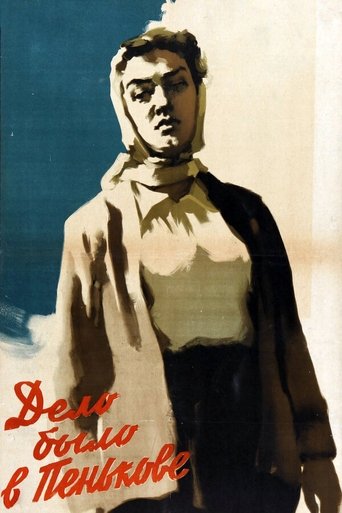
5.8Tractor driver Matvey Morozov returns to his native village from the prison. And he recalls the story of his marriage, his fatal love, failed betrayal and committed reckless “crime”, in which he doesn't repent at all.
It Happened in Penkovo
1958
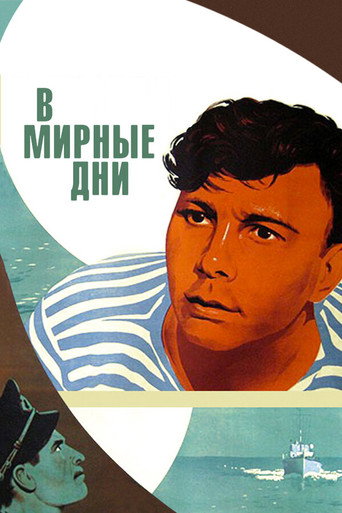 6.2
6.2A few days from the life of Soviet submariners - during a regular peaceful time...
In Peaceful Time
1950
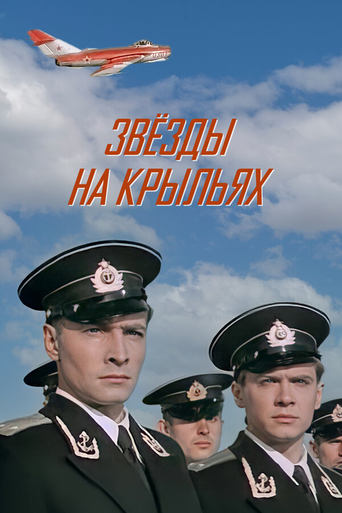 6.0
6.0Aviation school. Future officers of the jet squadron are engaged in practical studies. When performing a training assignment, cadet Korenyuk violates flight discipline. The instructor pilot, considering Korenyuk to be a talented cadet, forgives him for this offense. When, during another training flight, Korenyuk dives onto a fishing vessel, cadet Bukreev, who is in the cockpit, takes the blame. Bukreyev is arrested for ten days...
Stars On the Wings
1955
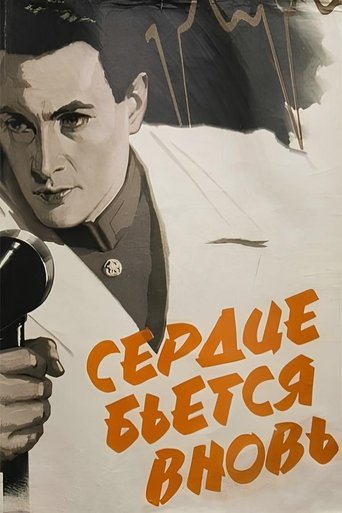 7.2
7.2A drama about the daily lives of doctors in a military hospital.
Heart Beats Again
1956
Series credits
7.8A Soviet spy is tasked with disrupting the negotiations between Karl Wolff and Allen Dulles taking place in Switzerland, aimed at forging a separate peace between Germany and the Western Allies.
Seventeen Moments of Spring
1973
NRNo synopsis available yet.
Legends of Cinema
2016
7.7A 'runaway' homeless man, once a renowned athlete, finds himself marooned in the small, snow-covered town of Zarechensk. Victor lands a job at an orphanage, where he soon meets a young teacher who becomes both a compassionate friend and the love of his life. However, fate doesn't play out simply as good or bad; it unfolds in a way that makes the hero realize one cannot run away from oneself. Consequently, it is in Zarechensk that a train carrying a film crew from the capital, on their way back to Moscow, is compelled to delay their journey for a few days. Remarkably, Zarechensk becomes the place where a director finally discovers the perfect actress for his leading role and encounters a man who has fled from her love. Meanwhile, a producer makes the ultimate decision to select this town as the filming location for her upcoming movie.
The Waiting Room
1998
 6.9
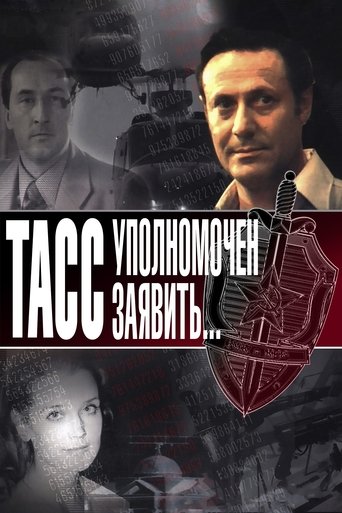
6.9The struggle of Soviet and American intelligence agencies during the Cold War era
TASS Is Authorized to Declare...
1984
 NR
NRWhite Bim Black Ear (Russian: Белый Бим Чёрное ухо, translit. Belyy Bim, Chyornoe ukho) is a 1977 Soviet drama in two parts directed by Stanislav Rostotsky. It is based upon the book of the same name, written by Gavriil Troyepolsky and is about a white Gordon Setter with a black ear who becomes homeless because of his master's illness.
White Bim Black Ear
1977