
Acting
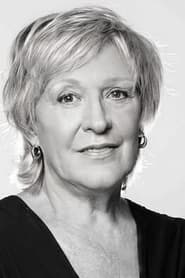
Tina Serrano
Born
1941-09-21 (85)
Place of birth
Munro, Buenos Aires, Argentina
Known for
Acting
Credits
28 titles
Known for
 6.0
6.0No synopsis available yet.
Alta comedia
1970
 6.5
6.5No synopsis available yet.
Atreverse
1990
 8.0
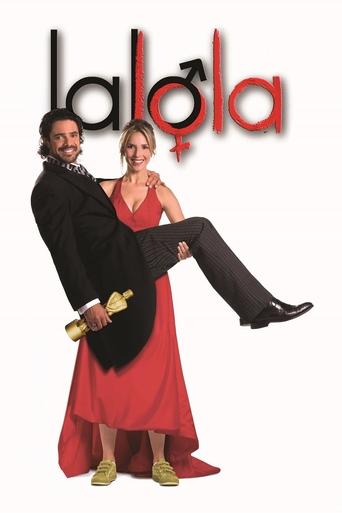
8.0Lalo Padilla, a chauvinistic man and the director of a popular men's magazine, fell victim to a revenge spell cast by one of his mistresses after he stood her up. Upon waking, Lalo discovered that his body had transformed into that of a woman. Now known as Lola, he must live this way while searching for a way to become Lalo again.
Lalola
2007
 6.0
6.0Anthology series, in which every episode introduces fictionalized versions of real cases about women who, for different reasons, ended up committing murder.
Killer Women
2005
 5.4
5.4No synopsis available yet.
Tiempo final
2000
 8.0
8.0No synopsis available yet.
Estrellita mia
1987
Film credits
1990s · 4 titles
 6.5
6.5In an Argentine village in the 1930s, the willful Leonor discovers that her beloved daughter, Charlotte, has dwarfism. Attempting to let her have as normal a childhood as possible, Leonor never discusses Charlotte's lack of stature, nor lets anyone else in the village ever mention it. As Charlotte grows up into a smart and self-possessed young woman, local eccentric Ludovico, who collects miniatures, becomes smitten with her.
I Don't Want to Talk About It
1993
 10.0
10.0No synopsis available yet.
Ya no hay hombres
1991
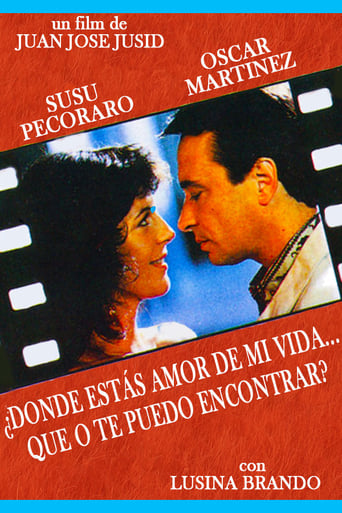 7.4
7.4A woman and a man known through a radio program dedicated to unite in their lone pairs listeners.
¿Dónde estás amor de mi vida... que no te puedo encontrar?
1992
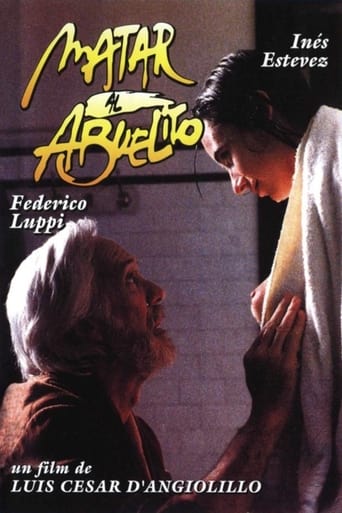 6.0
6.0No synopsis available yet.
Killing Grandpa
1993
1980s · 5 titles
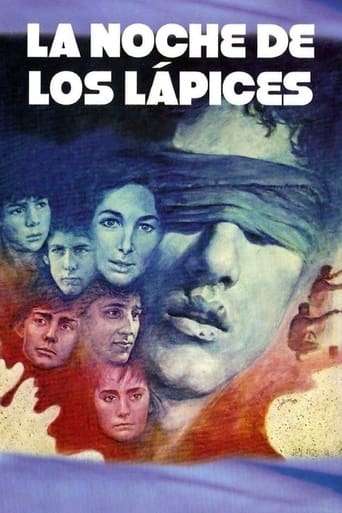 7.0
7.0The Night of the Pencils was a series of kidnappings and forced disappearances, followed by the torture, rape, and murder of a number of young students during the last Argentine dictatorship (known as the National Reorganization Process). The kidnappings took place over the course of several days beginning on September 16, 1976.
Night of the Pencils
1986
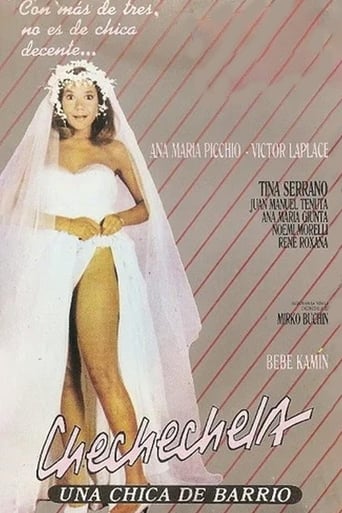 9.0
9.0A young woman remembers her three previous love relationships just before she gets married.
Chechechela, una chica de barrio
1986
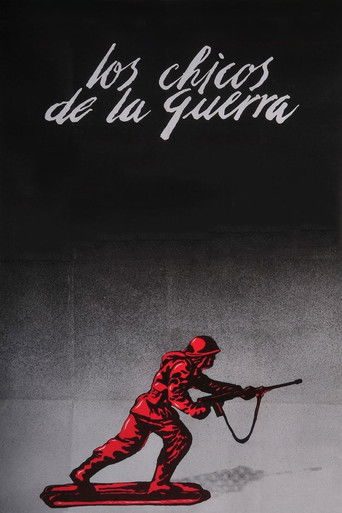 5.5
5.5Based on the lives of four boys, all of different social classes and psychological makeup, this film tries to reflect through them the political history of Argentina during the years leading up to the Malvinas War.
The Children of the War
1984
A docu-fiction that interweaves a historical review of 19th and 20th-century Argentina, through the tension between economic autonomy and surrender to foreign interests, and the daily life of a worker and his family in the late 1980s.
DNI (La otra historia)
1989
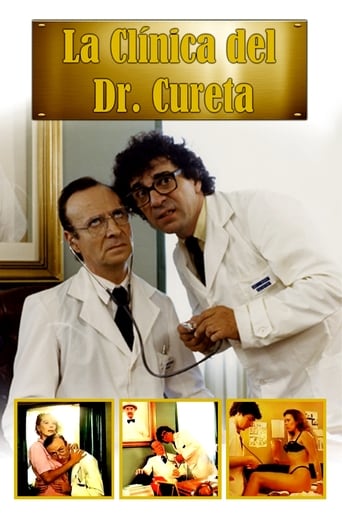 5.6
5.6An unscrupulous doctor carries out all kinds of deceptions to profit from his clinic at the expense of his patients and his exploited employees.
La clínica del Dr. Cureta
1987
1970s · 4 titles
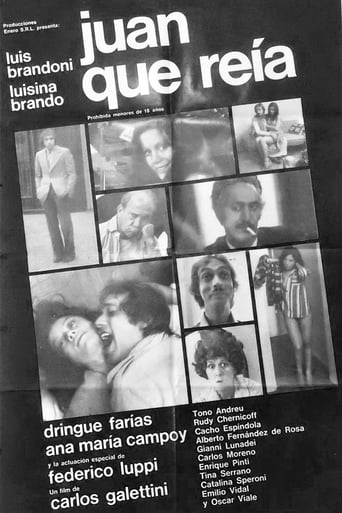 7.2
7.2Juan Libonatti, a seller of fine wines, like up in the company where he works. His car, a brand new Citroen, will be an essential tool to sell more wine in less time and be able to move up. But one day it is stolen and he had not paid the insurance fee. That will be the beginning of a tragedy that will lead to self-destruction.
Juan que reía
1976
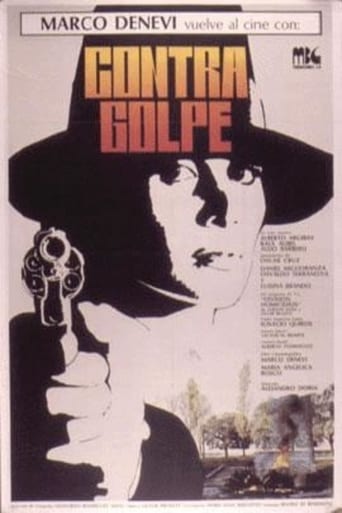 7.0
7.0Buenos Aires, 1932. After a series of warning attacks from an enemy, a mafia boss decides to fake his own death and then strike back. Things don't go according to his plan.
Contragolpe
1979
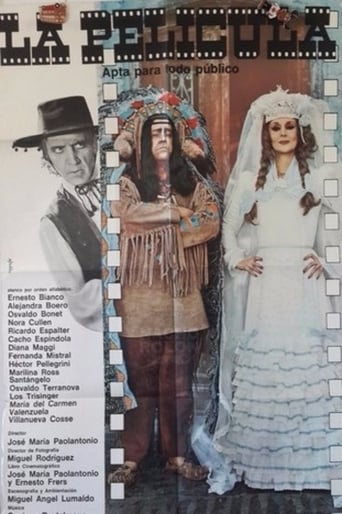 7.7
7.7A photographer shoots a documentary film in a small town in Argentina (Uribelarrea) about the filming that a foreign producer is doing on the spot.
La película
1975
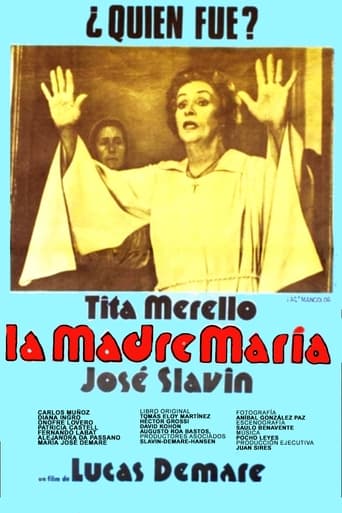 6.5
6.5Based on the life of María Salomé Loredo, a figure famous for her healings and assistance to the poor of the late nineteenth and first half of the twentieth century.
La madre María
1974
Series credits
6.0No synopsis available yet.
Alta comedia
1970
6.5No synopsis available yet.
Atreverse
1990
6.5No synopsis available yet.
Atreverse
1990
6.5No synopsis available yet.
Atreverse
1990
8.0Lalo Padilla, a chauvinistic man and the director of a popular men's magazine, fell victim to a revenge spell cast by one of his mistresses after he stood her up. Upon waking, Lalo discovered that his body had transformed into that of a woman. Now known as Lola, he must live this way while searching for a way to become Lalo again.
Lalola
2007
6.0Anthology series, in which every episode introduces fictionalized versions of real cases about women who, for different reasons, ended up committing murder.
Killer Women
2005
5.4No synopsis available yet.
Tiempo final
2000
8.0No synopsis available yet.
Estrellita mia
1987
8.0No synopsis available yet.
Estrellita mia
1987
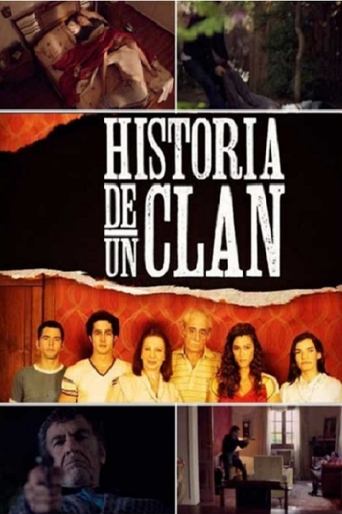 7.8
7.8This drama based on a true story follows the Puccios, a criminal family who kidnaps wealthy people and holds them hostage in their home.
Historia de un clan
2015
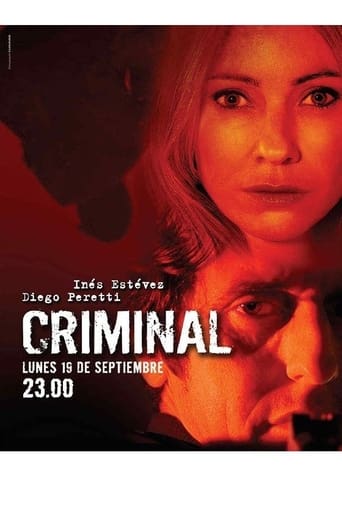 6.4
6.4No synopsis available yet.
Criminal
2005
 NR
NRRocco Colucci (Sebastián Estevanez), based in Mexico, runs a tourism activities business, "Rocco Turismo", at the Paradisus Cancun hotel. He celebrates his weddings with Guadalupe (Sofía Reca), who works as Head of Reception, and who has a daughter, Wendy, but in reality she is not his mother, since he stole her when he was just a few days old. During the wedding, held in the hotel's gazebo, he receives a call from his sister Gina (Sol Estevanez)
Camino al amor
2014