
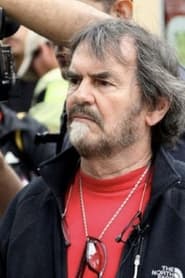
Directing
Carlos Azpúrua
Born
1950-01-15 (76)
Place of birth
Caracas, Venezuela
Known for
Directing
Credits
19 titles
Venezuelan filmmaker, known for the film Disparen a matar (Shoot to Kill) from 1991, which won the Best Debut Film award at the International Festival of New Latin American Cinema and was a finalist for the Goya Award for Best Latin American Production. The film continues his preference for politically and socially charged cinema, presented with strong narrative skill and solid execution. Another notable film is Amaneció de golpe from 1998, a powerful drama about terrorism and violence, co-produced by Venezuela, Mexico, and Cuba, with a screenplay by the renowned playwright José Ignacio Cabrujas.
Known for
 6.4
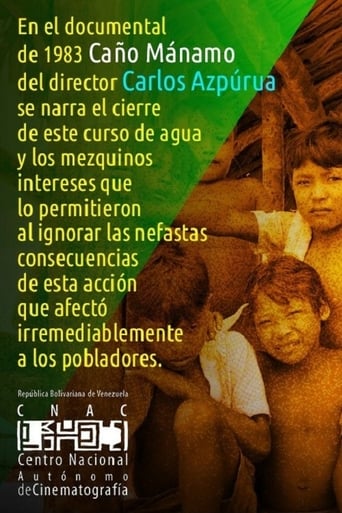
6.4A documentary about the building of a damn near Caño Mánamo and the effects it has on the environment.
Caño Mánamo
1983
 6.8
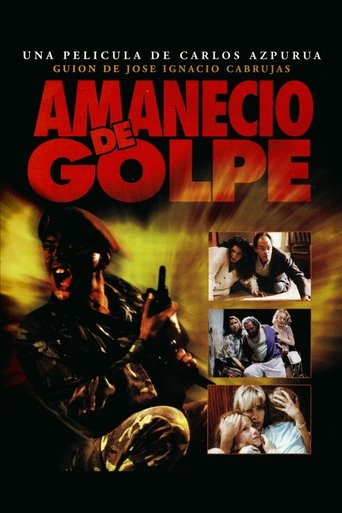
6.8The film follows the events of the night of February 4, 1992 in Caracas, Venezuela. That night a group of military rebels staged a coup d'etat. Venezuelans found themselves as virtual prisoners. As the coup starts and fighting takes place from a military base which is in the center of the city's most affluent areas, with both luxury high rises and palatial mansions. The area of La Carlota provides a wealth of very interesting, often flamboyant and typical characters of the Latin America upper middle and upper classes. They are among the most affected. Various vignettes in these different characters' homes are developed. These people's reactions, lifestyles, vices, and humanity come out in a very honest fashion under duress.
Coup at Daybreak
1998
 NR
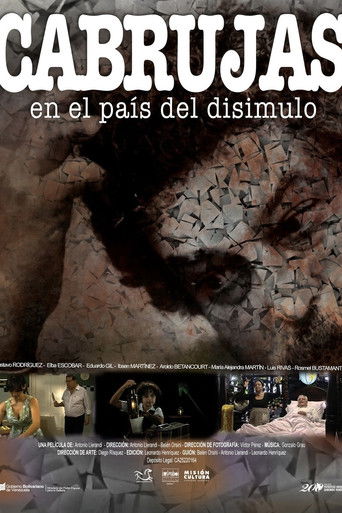
NRBeginning with his childhood and covering the many facets that characterized his intellectual universe, this documentary details the different aspects of the most important venezuelan writer of the 60s, 70s and 80s: José Ignacio Cabrujas.
Cabrujas en el país del disimulo
2017
 NR
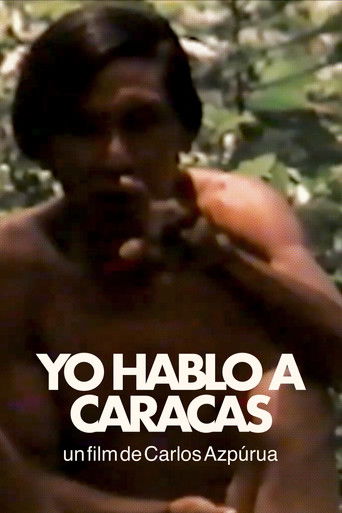
NRYo hablo a Caracas (1978), the first documentary by Carlos Azpúrua, is marked by the luminous presence of the Yekuana shaman Barné Yavarí. This elder from the Amazonian forest articulates two powerful and prophetic warnings: first, a demand for respect toward the sovereignty of Indigenous beliefs and culture; second, a grave denunciation of the threat posed by “criollo” presence and its economically irrational logic to the natural balance of the Amazon. Through Yavarí’s voice, the film contrasts modern exploitation with a millennia-old Indigenous worldview grounded in harmony with nature, turning the documentary into an early and resonant plea for cultural dignity and ecological consciousness.
Yo hablo a Caracas
1978
 3.0
3.0After several years of retirement, Roco decides to make a new film. To achieve this, he reassemble his crew: cinematographer Larsen, Nacho the cameraman, soundman Meta and Cacho, the ever loyal machinist. But social and personal crises have dispersed the strange and remote territories of reality. Sometimes dramatic and and sometimes funny, Roco's search will lead him to an unavoidable encounter of life, death and rebirth.
Borrador
2005
 8.0
8.0Documentary about multiple the denouncement of military, religious and science sectors, in relation to the violation of the indigenous tribes of the Venezuelan Amazon by the american evangelical mission New Tribes
Amazonas, el negocio de este mundo
1987
Film credits
Behind the camera
6.4A documentary about the building of a damn near Caño Mánamo and the effects it has on the environment.
Caño Mánamo
1983
6.4A documentary about the building of a damn near Caño Mánamo and the effects it has on the environment.
Caño Mánamo
1983
6.8The film follows the events of the night of February 4, 1992 in Caracas, Venezuela. That night a group of military rebels staged a coup d'etat. Venezuelans found themselves as virtual prisoners. As the coup starts and fighting takes place from a military base which is in the center of the city's most affluent areas, with both luxury high rises and palatial mansions. The area of La Carlota provides a wealth of very interesting, often flamboyant and typical characters of the Latin America upper middle and upper classes. They are among the most affected. Various vignettes in these different characters' homes are developed. These people's reactions, lifestyles, vices, and humanity come out in a very honest fashion under duress.
Coup at Daybreak
1998
NRYo hablo a Caracas (1978), the first documentary by Carlos Azpúrua, is marked by the luminous presence of the Yekuana shaman Barné Yavarí. This elder from the Amazonian forest articulates two powerful and prophetic warnings: first, a demand for respect toward the sovereignty of Indigenous beliefs and culture; second, a grave denunciation of the threat posed by “criollo” presence and its economically irrational logic to the natural balance of the Amazon. Through Yavarí’s voice, the film contrasts modern exploitation with a millennia-old Indigenous worldview grounded in harmony with nature, turning the documentary into an early and resonant plea for cultural dignity and ecological consciousness.
Yo hablo a Caracas
1978
NRYo hablo a Caracas (1978), the first documentary by Carlos Azpúrua, is marked by the luminous presence of the Yekuana shaman Barné Yavarí. This elder from the Amazonian forest articulates two powerful and prophetic warnings: first, a demand for respect toward the sovereignty of Indigenous beliefs and culture; second, a grave denunciation of the threat posed by “criollo” presence and its economically irrational logic to the natural balance of the Amazon. Through Yavarí’s voice, the film contrasts modern exploitation with a millennia-old Indigenous worldview grounded in harmony with nature, turning the documentary into an early and resonant plea for cultural dignity and ecological consciousness.
Yo hablo a Caracas
1978
8.0Documentary about multiple the denouncement of military, religious and science sectors, in relation to the violation of the indigenous tribes of the Venezuelan Amazon by the american evangelical mission New Tribes
Amazonas, el negocio de este mundo
1987
8.0Documentary about multiple the denouncement of military, religious and science sectors, in relation to the violation of the indigenous tribes of the Venezuelan Amazon by the american evangelical mission New Tribes
Amazonas, el negocio de este mundo
1987
 5.8
5.8During a police round-up, Mercedes witnesses the unjust murder of her son, a working-class man, by a police captain. Refusing to accept the official version of the story - that her son was a criminal - she launches a campaign for justice. Santiago, a young journalist moved by Mercedes's passion and determination, begins to investigate the story of the police cover-up at the risk of his own life. As the investigation develops, the film exposes the depth of Venezuela's corruption.
Shoot to kill
1990
5.8During a police round-up, Mercedes witnesses the unjust murder of her son, a working-class man, by a police captain. Refusing to accept the official version of the story - that her son was a criminal - she launches a campaign for justice. Santiago, a young journalist moved by Mercedes's passion and determination, begins to investigate the story of the police cover-up at the risk of his own life. As the investigation develops, the film exposes the depth of Venezuela's corruption.
Shoot to kill
1990
 9.5
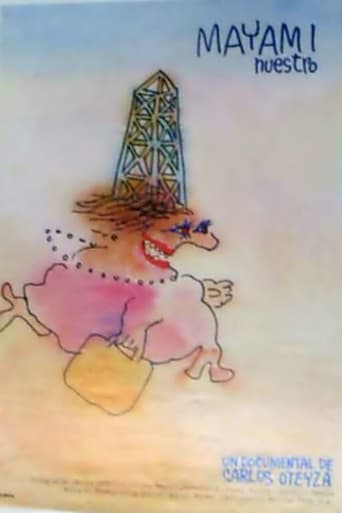
9.5This documentary is comprised of three shorts: 'El Afinque de Marín' that follows the musicians of the group Madera. 'Yo hablo a Caracas' about an indigenous leader and his reply to the authorities of the venezuelan goverment regarding the violations towards his people and finally 'Mayami Nuestro' chronicles the relationship of venezuelans during the eighties with the city of Miami.
La propia gente
1981
9.5This documentary is comprised of three shorts: 'El Afinque de Marín' that follows the musicians of the group Madera. 'Yo hablo a Caracas' about an indigenous leader and his reply to the authorities of the venezuelan goverment regarding the violations towards his people and finally 'Mayami Nuestro' chronicles the relationship of venezuelans during the eighties with the city of Miami.
La propia gente
1981
 NR
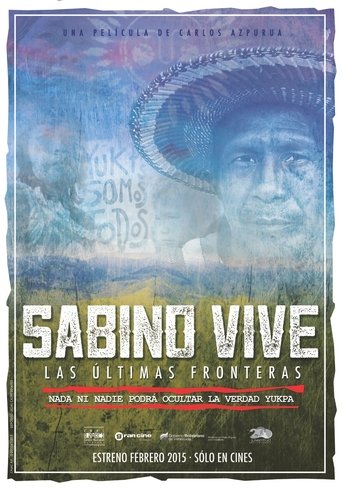
NRThe documentary recreates the facts in the life of the Yukpa Chief, Sabino Romero, an indigenous fighter killed on March 3, 2013, in the Chaktapa community of the Sierra de Perija in Zulia state, Venezuela. The film reflects the infinite struggle of Sabino and his people, accompanied by the social groups, in this story of truly libertarian images made with blood and fire, revealing the skein of interests that forged and carried out Sabino's murder, and the attitude Inhuman and murderous of those who made it another victim of history.
Sabino vive: las últimas fronteras
2015
NRThe documentary recreates the facts in the life of the Yukpa Chief, Sabino Romero, an indigenous fighter killed on March 3, 2013, in the Chaktapa community of the Sierra de Perija in Zulia state, Venezuela. The film reflects the infinite struggle of Sabino and his people, accompanied by the social groups, in this story of truly libertarian images made with blood and fire, revealing the skein of interests that forged and carried out Sabino's murder, and the attitude Inhuman and murderous of those who made it another victim of history.
Sabino vive: las últimas fronteras
2015
NRThe documentary recreates the facts in the life of the Yukpa Chief, Sabino Romero, an indigenous fighter killed on March 3, 2013, in the Chaktapa community of the Sierra de Perija in Zulia state, Venezuela. The film reflects the infinite struggle of Sabino and his people, accompanied by the social groups, in this story of truly libertarian images made with blood and fire, revealing the skein of interests that forged and carried out Sabino's murder, and the attitude Inhuman and murderous of those who made it another victim of history.
Sabino vive: las últimas fronteras
2015
 8.0
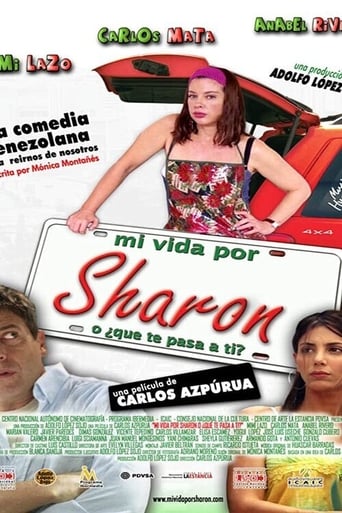
8.0Carlitos López tries to recover her robbed car named Sharon, even if that risks his relationships with his ex-wife, girlfriend, and family.
Mi vida por Sharon, ¿o qué te pasa a ti?
2006
8.0Carlitos López tries to recover her robbed car named Sharon, even if that risks his relationships with his ex-wife, girlfriend, and family.
Mi vida por Sharon, ¿o qué te pasa a ti?
2006
Narrates the events of the epic day that occurred over the border bridges that unite Colombia and Venezuela on the morning of February 23, 2019, when the right-wing organized the Venezuela Aid Live Concert in Cúcuta as a destabilizing act, based on an alleged shipment of humanitarian aid.
La batalla de los puentes
2020