

Acting
Paul Robeson
Born — Died
1898-04-08 — 1976-01-23
Place of birth
Princeton, New Jersey, USA
Known for
Acting
Credits
39 titles
Paul Robeson (April 9, 1898 - January 23, 1976) was an American concert bass-baritone, athlete, actor and political activist. Born in Princeton, New Jersey he was educated at Rutgers College and Columbia University Law School. After briefly practising as a lawyer he left the trade due to racism and instead pursued his acting and singing career.
Known for
 3.0
3.0The epic story of the actors, writers, directors, and producers who fought for their place on the page, behind the camera and on the screen. From blackface to Black Panther, this series is a definitive chronicle of more than a century of the black experience in Hollywood and a powerful reexamination of a quintessentially American story – in brilliant color.
Hollywood Black
2024
 7.7
7.7A look at the life and work of Charlie Chaplin in his own words featuring an in-depth interview he gave to Life magazine in 1966.
The Real Charlie Chaplin
2021
 6.3
6.3Period music, film clips and newsreel footage combined into a visual exploration of the American entertainment industry during the Great Depression.
Brother, Can You Spare a Dime?
1975
 8.3
8.3The top 100 songs of the past 100 years chosen by the American Film Institute are presented by host-actor John Travolta.
AFI's 100 Years... 100 Songs: America's Greatest Music in the Movies
2004
 5.4
5.4White hunter Allan Quartermain and his enigmatic guide help a young Irish woman locate her missing father in unexplored Darkest Africa.
King Solomon's Mines
1937
 6.5
6.5Ten screenwriters collaborated on this series of tales concerning the effect a tailcoat cursed by its tailor has on those who wear it. The video release features a W.C. Fields segment not included in the original theatrical release.
Tales of Manhattan
1942
Film credits
2000s · 5 titles
8.3The top 100 songs of the past 100 years chosen by the American Film Institute are presented by host-actor John Travolta.
AFI's 100 Years... 100 Songs: America's Greatest Music in the Movies
2004
 NR
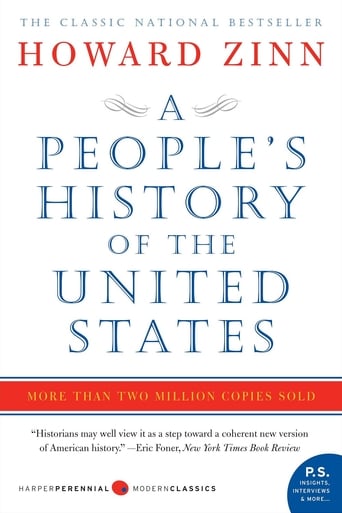
NRAn impressive roster of celebrities -- including Lili Taylor, Paul Robeson, Sarah Jones, Brian Jones, John Sayles and Wallace Shawn -- lend their voices to this performance of readings inspired by Howard Zinn's best-selling book. Segments bring to life Tecumseh's speech to the Osages, Frederick Douglass' thoughts about July 4 and Paul Robeson's Unread Statement before the House Committee on Un-American Activities.
Howard Zinn: Voices of a People's History of the United States
2006
 NR
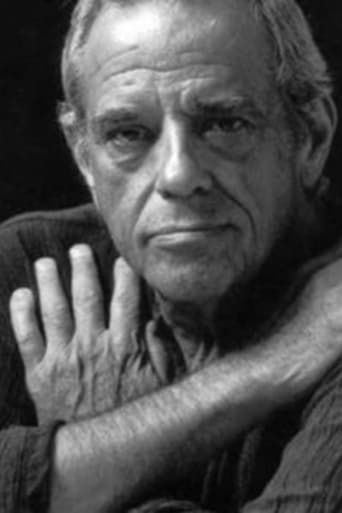
NRThe house he lived In: A conversation with Fred Baker (1932-2011) filmmaker , director , screenwriter , film producer, actor and jazz musician. A shining example of America's bohemian underground that has been around since the days of Walt Whitman. A sensualist. His favorite topics are sex, art, food and politics. To the rhythm of New York and Lenny Bruce.
Fred Baker - filmmaker
2007
A retrospective look at the career of Paul Robeson and his legacy as both an American and a citizen of the world.
Our Paul: Remembering Paul Robeson
2007
 NR
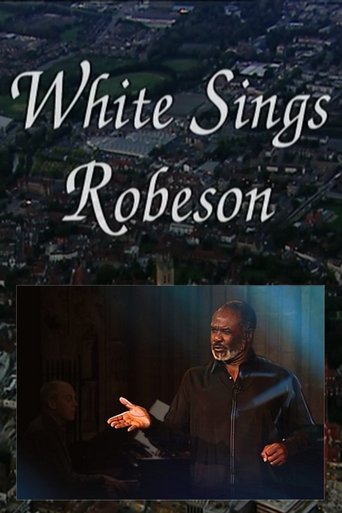
NRIn this concert from Canterbury Cathedral, Willard White takes a musical journey through the life of the noted performer Paul Robeson.
White Sings Robeson
2001
1990s · 6 titles
 8.2
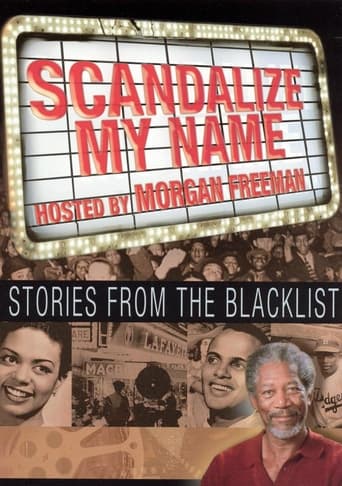
8.2A look at the confluence of the Red Scare, McCarthyism, and blacklists with the post-war activism by African Americans seeking more and better roles on radio, television, and stage. It begins in Harlem, measures the impact of Paul Robeson and the campaign to bring him down, looks at the role of HUAC, J. Edgar Hoover and of journalists such as Ed Sullivan, and ends with a tribute to Canada Lee. Throughout are interviews with men and women who were there, including Dick Campbell of the Rose McLendon Players and Fredrick O'Neal of the American Negro Theatre. In the 1940s and 1950s, anti-Communism was one more tool to maintain Jim Crow and to keep down African-Americans.
Scandalize My Name: Stories from the Blacklist
1998
 8.0
8.0Paul Robeson: Here I Stand presents the life and achievements of an extraordinary man. Athlete, singer, and scholar, Robeson was also a charismatic champion of the rights of the poor working man, the disfranchised and people of color. He led a life in the vanguard of many movements, achieved international acclaim for his music and suffered tremendous personal sacrifice. His story is one of the great dramas of the 20th century, spanning an international canvas of social upheaval and ideological controversy.
Paul Robeson: Here I Stand
1999
 7.0
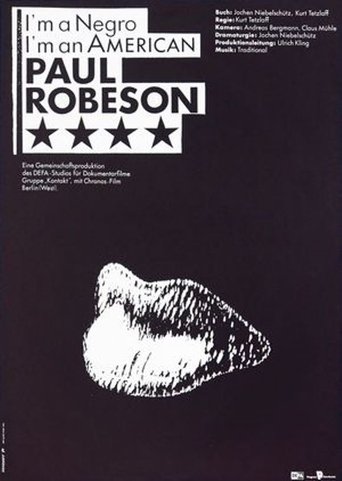
7.0Biographical notes on the American singer, actor and civil rights activist Paul Robeson (1898-1976). At the height of his fame and skill, Robeson’s career was cut short by Cold War anti-communist hysteria. This documentary includes historic footage of the US civil rights movement; clips of Robeson’s speeches, performances and visits to East Germany (GDR) and the Soviet Union; and interviews with his son, Paul Robeson Jr., and the musicians and activists Harry Belafonte, Pete Seeger and Earl Robinson. Co-produced by the GDR’s DEFA Studio for Documentary Film and the West Berlin production company Chronos, with scenes shot in the U.S.
I’m a Negro, I’m an American – Paul Robeson
1990
 NR
NRPaul Robeson was a celebrated African-American Actor, Athlete, Singer, Writer, and Civil Rights Activist. Robeson's many achievements are chronicled in this program, ranging from playing with the NFL to graduating from Columbia Law School, performing on Broadway and in Hollywood films to founding the American Crusade against Lynching as well as Council on African Affairs. Robeson was one of the most talented performers of his time and a dedicated humanitarian who ultimately sacrificed fame and fortune for what he believed in. His association with Leftist Politics during the era of the Cold War, and frequent denouncing of American political parties led to his eventual blacklisting with other prominent writers and artists during the McCarthy Era. His talents in all areas are remarkable, and his dedication to attaining a peaceful coexistence between all the people of the world is truly admirable.
Paul Robeson: 20th Century Renaissance Man, Entertainer & Activist
1994
 NR
NRA famed athlete, linguist, scholar, lawyer, actor, singer and activist, Paul Robeson left behind an irreplaceable legacy in American life. Friends, artists and writers recount the efforts of this tireless champion of African-American rights, whose actions ironically made him a target of McCarthyism. This eye-opening profile of the American icon is designed for students in middle school, high school and college.
Paul Robeson: Speak of Me as I Am
1998
 8.0
8.0A film about the destruction of the Jewish intelligentsia - from the defeat of the Jewish Anti-Fascist Committee to the “Doctors’ Plot.”
The Great Concert of Nations, or The Breath of Cheyne-Stokes
1991
1970s · 5 titles
6.3Period music, film clips and newsreel footage combined into a visual exploration of the American entertainment industry during the Great Depression.
Brother, Can You Spare a Dime?
1975
 9.0
9.0In the second film, the author tells about the struggle of blacks for the right to feel equal with all US citizens. Commentary of the mayor of Cairo, one of the cities in the American South, about the suppression of the rebels, about the most brutal methods of fighting African American protesters. Jesse Jackson's speech. Jesse Jackson's commentary on the Black Rights Organization. Comments by female residents of Jackson, the capital of Mississippi, on the degree of mental development of whites and blacks. A story about the Ku Klux Klan, about Robert Shelton - the head of the Ku Klux Klan. Speech by American singer and dramatic actor Paul Robson, his commentary. Shots of the Olympics, victories in the competition of black athletes. About reprisals against Negro organizations. The widow of the American writer Ernest Hemingway Mary and the American scientist Henry Winston speak out about support for African Americans and the fight against racism.
Contradictory America. Faith, hope, love and hate. Film 2
1973
 7.3
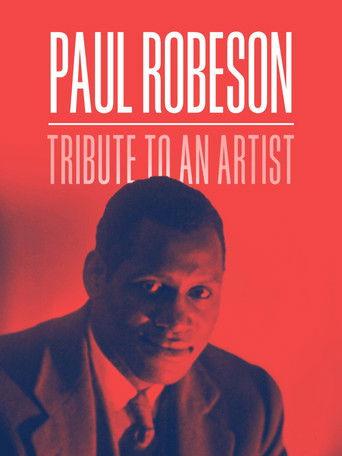
7.3This Academy Award-winning documentary short Paul Robeson: Tribute to an Artist, narrated by Sidney Poitier, traces the career of Paul Robeson through his activism and his socially charged performances of his signature song, “Ol’ Man River.”
Paul Robeson: Tribute to an Artist
1979
 NR
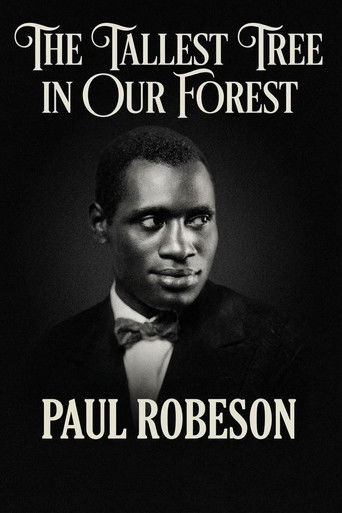
NRA detailed biography of famed singer, actor, athlete and activist Paul Robeson. Complete with several interviews and footage of concerts and film clips.
The Tallest Tree in Our Forest
1977
 NR
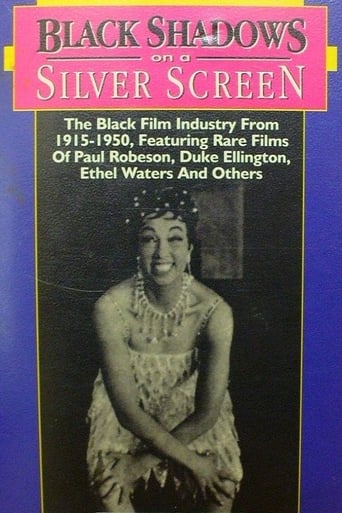
NRActor, writer, director and activist Ossie Davis narrates this look at the history of race films, those produced from the 1920s-50s catered to a primarily Black audience.
Black Shadows on a Silver Screen
1975
1950s · 2 titles
 NR
NRIn 1951, the Council on African Affairs produced a twenty-two minute agitprop documentary film about apartheid in South Africa, narrated by Paul Robeson and edited by Hortense Beveridge (also known as Tee Beveridge; her first complete film). South Africa Uncensored is a raw and gritty piece of black-and-white agitprop, full of firsthand testimonial footage of the appalling conditions endured by Black South Africans under apartheid. The film portrays the filth in Black shantytowns lacking proper sewage systems, the country's segregated public spaces, and the vile white leisure spectacle of enjoying forced fisticuffs between Black workers.
South Africa Uncensored
1951
 6.3
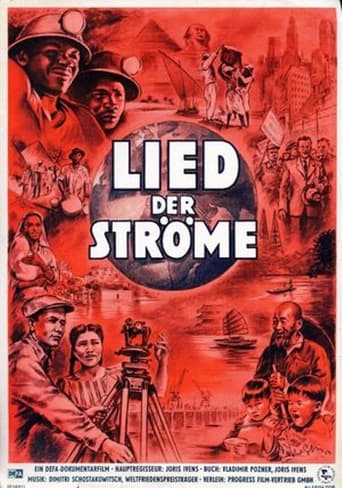
6.3An allegorical documentary about the workers of the world, whose common destinies and hopes for peace are symbolically united by the rivers that run through their respective lands. The film was shot on the Volga, the Mississippi, the Nile, the Yangtze, the Amazon and the Ganges and combines these images of five continents with the music of Dmitri Shostakovich and the poetry of both Bertolt Brecht and Paul Robeson.
Song of the Rivers
1954
1940s · 5 titles
6.5Ten screenwriters collaborated on this series of tales concerning the effect a tailcoat cursed by its tailor has on those who wear it. The video release features a W.C. Fields segment not included in the original theatrical release.
Tales of Manhattan
1942
 6.3
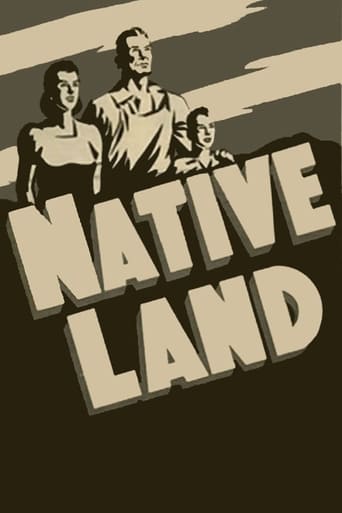
6.3By the start of World War II, Paul Robeson had given up his lucrative mainstream work to participate in more socially progressive film and stage productions. Robeson committed his support to Paul Strand and Leo Hurwitz’s political semidocumentary Native Land. With Robeson’s narration and songs, this beautifully shot and edited film exposes violations of Americans’ civil liberties and is a call to action for exploited workers around the country. Scarcely shown since its debut, Native Land represents Robeson’s shift from narrative cinema to the leftist documentaries that would define the final chapter of his controversial film career.
Native Land
1942
 6.3
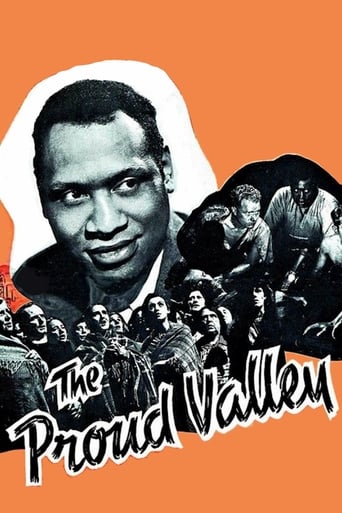
6.3In a Welsh coal mining valley, a young man with a beautiful singing voice is called upon to make the ultimate sacrifice when a pit disaster threatens.
The Proud Valley
1940
 9.0
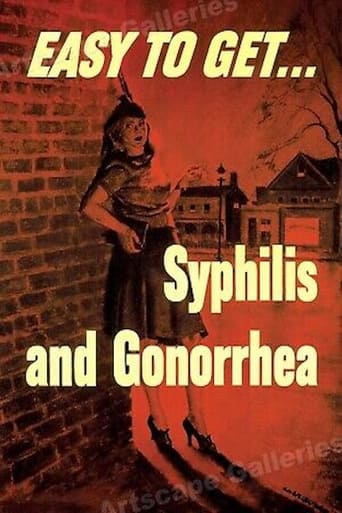
9.0U.S. Army training film about avoiding venereal disease, intended primarily for Black servicemen.
Easy to Get
1947
 6.5
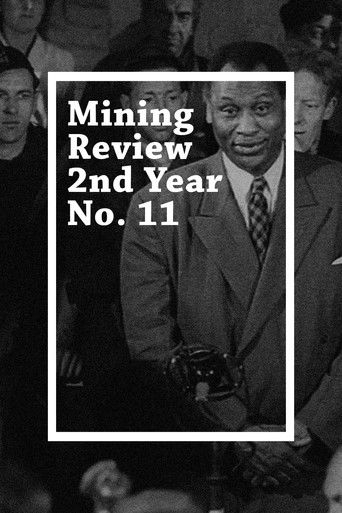
6.5The 23rd issue of the long running industry cinemagazine. Features the articles: 'Safety First', 'Paying For It' and ' A Star Drops In'.
Mining Review 2nd Year No. 11
1949
1930s · 9 titles
5.4White hunter Allan Quartermain and his enigmatic guide help a young Irish woman locate her missing father in unexplored Darkest Africa.
King Solomon's Mines
1937
 5.6
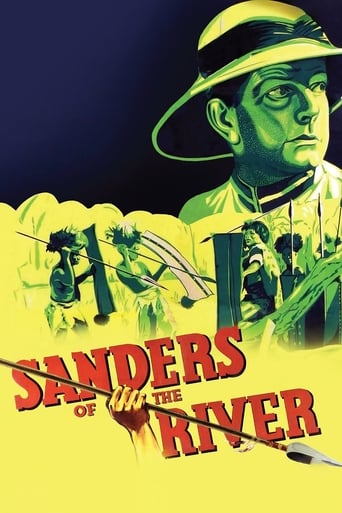
5.6A British District Officer in Nigeria in the 1930s rules his area strictly but justly. He struggles with gun-runners and slavers with the aid of a loyal native chief.
Sanders of the River
1935
 6.7
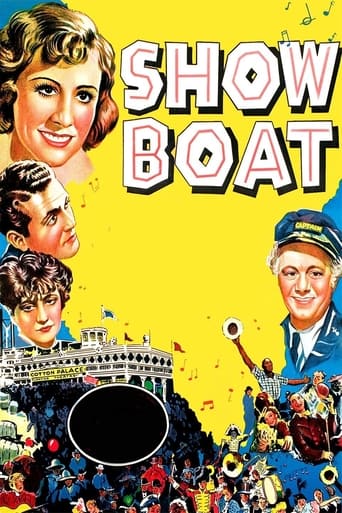
6.7Sheltered beauty Magnolia Hawkes takes over as the leading lady on a Mississippi riverboat show when mixed-race Julie and her white husband are forced out of town by a prejudiced sheriff. Charismatic opportunist Gaylord Ravenal wins Magnolia's heart, but his gambling losses threaten to ruin their chances for a happy marriage.
Show Boat
1936
 5.6
5.6Unscrupulously ambitious, Brutus Jones escapes from jail after killing a guard and, through bluff and bravado, finds himself the emperor of a Caribbean island.
Emperor Jones
1933
 7.3
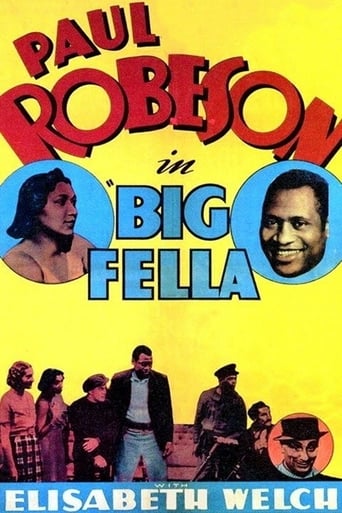
7.3Singing Marseilles docker Joe is hired by wealthy English couple, the Oliphants, to find their missing son Gerald. When Joe finds him, he learns Gerald escaped of his own will and takes him to stay with a local singer, who offers a refuge from his repressed white parents.
Big Fella
1938
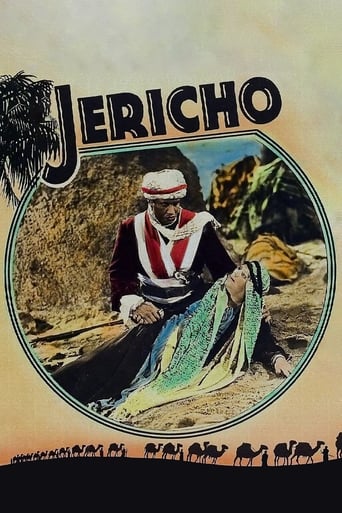 6.2
6.2An unjustly condemned corporal flees to Africa, chased by the captain blamed for his escape.
Jericho
1937
 6.0
6.0John Zinga, a descendent of slaves, has an ancient medallion around his neck and a fragment of song passed down generations. He is an English dockworker with a magnificent voice and a yearning to learn his roots.
Song of Freedom
1936
 6.0
6.0When a black couple vacations at a resort in Switzerland, an interracial affair stirs racial tensions among the townsfolk.
Borderline
1930
Featuring Paul Robeson, this is the first documentary film to take a serious look at social conditions and race relations in South Africa.
My Song Goes Forth
1937
1920s · 2 titles
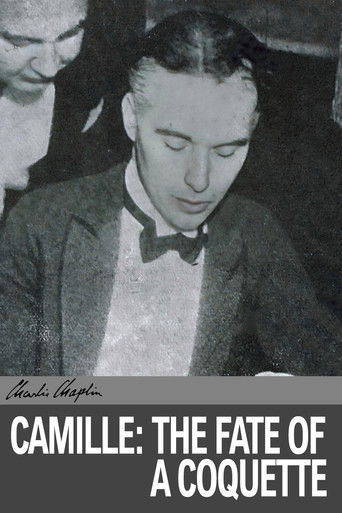 4.2
4.2A home movie version of the Dumas play. A young woman becomes a courtesan and tragedy befalls her. Appearances are made by many socialites of 1920s Paris and New York.
Camille: The Fate of a Coquette
1926
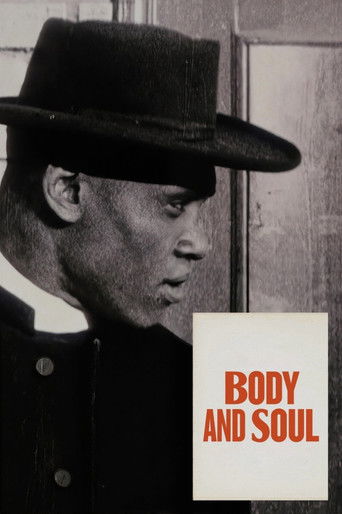 6.3
6.3A convict escapes to a Southern town and passes himself off as a reverend, giving him the perfect cover to swindle the townspeople and corrupt an innocent young woman.
Body and Soul
1925