

Acting
Takashi Kanda
Born — Died
1918-04-14 — 1986-07-13
Place of birth
Akasaka, Minato, Tokyo, Japan
Known for
Acting
Credits
63 titles
Known for
 8.0
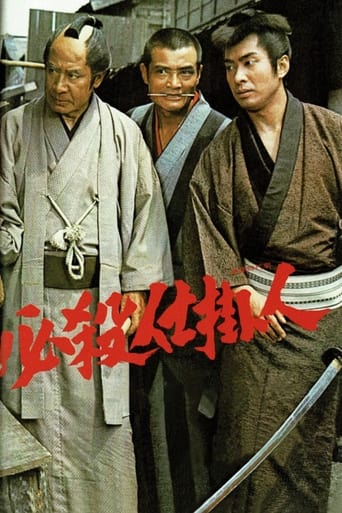
A shikakenin was an under-the-cover trade that undertook killing in Edo. Hanemon of Otowa, an agency that introduced laborers and maids, was also one of these. Katsugoro Iseya was a timber dealer who had come in as a client. His target was the constructions magistrate Hanno, and the Tatsumiya who sipped on the benefits. Hanemon who had a stong code towards killing, where he would only kill those who do no good to be in the world, accepts this request. Baian Fujieda, a needle doctor would carry out the killing. However, the professional killer Baian fails to bring down Tatsumiya. Hanemon then looks to another shikakenin, the ronin Sanai Nishimura for the role. Although Sanai's ability with the sword is good, he lives poorly in a tenement, and accepts this commission on the condition that it is kept a secret from his wife and child. Here, they close in on Hanno and Tatsumiya again...
Professional Killers
1972
 NR
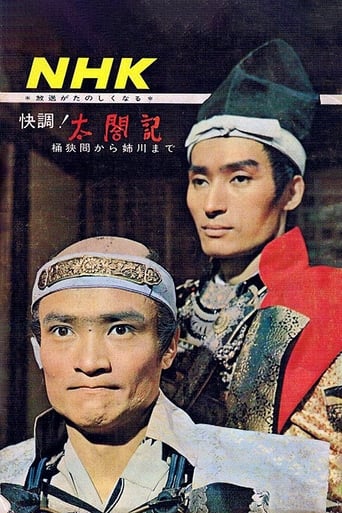
Based on the life of Hideyoshi Toyotomi (February 2, 1537 – September 18, 1598) a Sengoku period daimyo who unified Japan.
Taikouki
1965
 NR
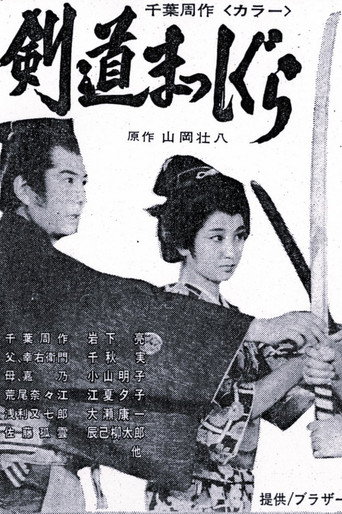
Chiba Shusaku: Kendo Masshigura is a Japanese period drama that aired on the TBS network from November 2, 1970 to August 30, 1971 in the "Brother Gekijo" slot. It ran for 44 colour episodes of 30 minutes each. Based on Sohachi Yamaoka's novel "Chiba Shusaku", it depicts the youth of Chiba Shusaku, founder of the Hokushin Itto-ryu school of swordsmanship. A hot-blooded young man who calls himself Shusaku enters the dojo of Asari Matashichiro and, through encounters with all kinds of people, grows rapidly both in swordsmanship and in character. Produced by TBS and Shochiku. Rerun on the Japanese CS channel Jidaigeki Senmon Channel from March 17, 2025.
Chiba Shusaku: Kendo Masshigura
1970
 6.8
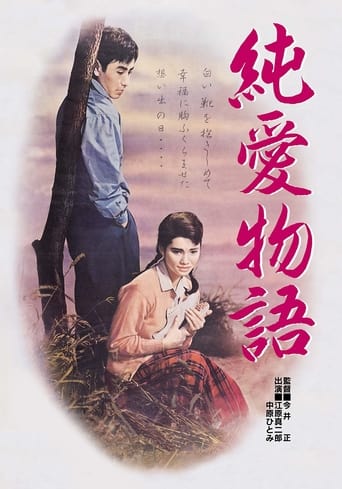
Junai Monogatari AKA Story of Pure Love is about two poor youths, Mitsuko and Kando, rebelling against society in various ways, who are desperately trying to be together despite tortuous circumstances. The film depicts their lives as thieves, menial laborers who can get little pay, society outcasts, and of course, lovers. Junai Monogatari depicts, mostly, their struggles within the Japanese reformatory system and Mitsuko's worsening sickness.
The Story of Pure Love
1957
 NR
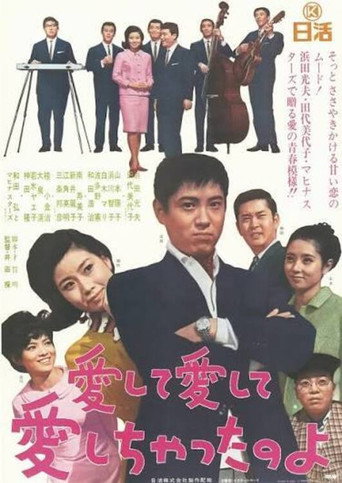
A coming-of-age entertainment film set to the tune of the hit song of the same name, depicting the friendship between a young photographer who believes in tomorrow and strives to live a bright and healthy life, and his three daughters.
I loved you, loved you, loved you so much
1966
 10.0
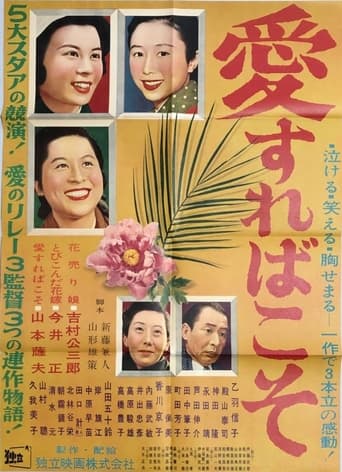
The film consists of three short stories. Tomiko, the heroine of the first story, "The Flower Girl" (dir. Kozaburo Yoshimura), is a little girl who bears the unbearable burden of caring for her family. Tomiko's father has been unable to find work for a long time, and her older sister is terminally ill—it is unlikely that she will ever recover. To feed her family, Tomiko runs around the city from morning until late at night selling flowers... The second novella (dir. Tadashi Imai) also depicts the lives of the poor. An unfamiliar girl brings young Kavano a letter from his mother. It turns out that the girl's name is Kuniko, she is very hardworking, but her family is dying of hunger. Therefore, her mother decided to send Kuniko to her son so that he would marry her. The short story is called "The Unexpected Bride." The third short story, which gave the film its title, is particularly interesting: "When You Love" (dir. Satsuo Yamamoto). It shows the family of a young peace activist.
If Indeed One Loves
1955
Film credits
1980s · 2 titles
1970s · 7 titles
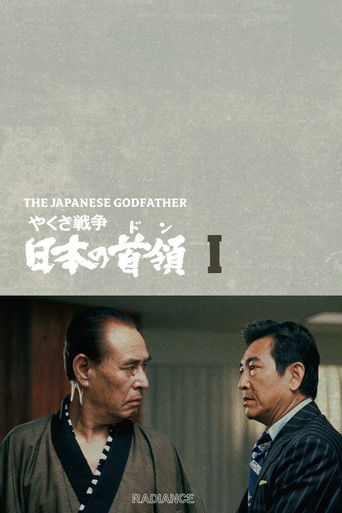 7.2
A yakuza leader must balance his violent tactics necessary for the rough streets of 1960s Tokyo with the domestic needs of his daughters.
Japan's Don
1977
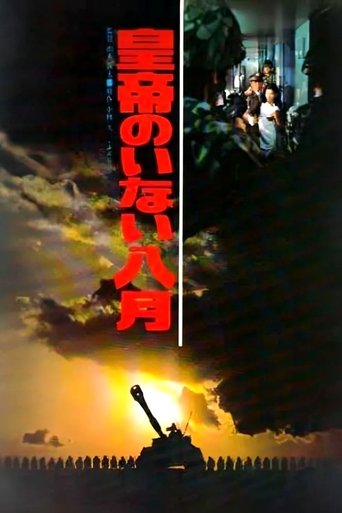 7.2
Taking the Chilean coup as an example, a group of young officers plan to overthrow the Japanese government on V-J Day. They aim to abolish the post-war constitution, restore the national army and revive the traditional spirit of Japan. As the conspiracy is exposed, the coup squadrons are wiped out one by one. The remaining squadron takes over a night train bound for Tokyo.
August Without Emperor
1978
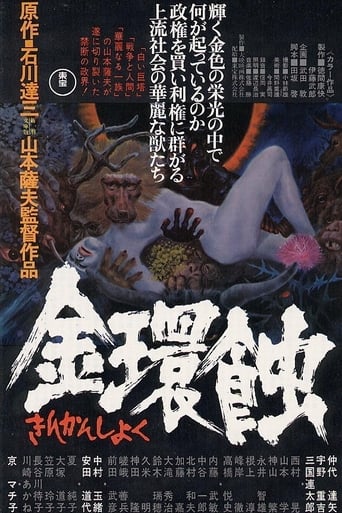 6.9
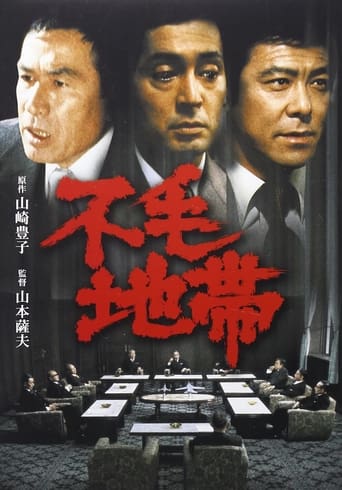
When bribe money from a rigged election funnels into a dam construction project, collusion, lust, greed and even murder are on the ballot.
Solar Eclipse
1975
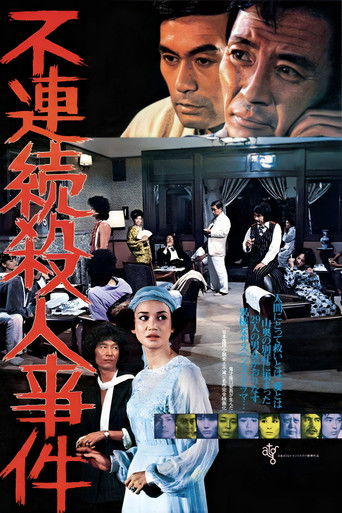 7.5
In the summer of 1947, various men and women gather at a mansion in the countryside at the invitation of Kazuma Utagawa. They are artists, novelists, poets, painters, playwrights, actresses, etc. Then the murders begin, one after another. The incident seemed to have no continuity...
Case of the Disjointed Murder
1977
 4.0
At midnight, Yamabe, a killer, escapes from prison. Two years before, bribed by a narcotic smuggler, Yamabe killed a real estate broker. As he was being arrested by detective Negoro, the detective's bullet struck Sakuko, Yamabe's girl friend who attempted to protect him, and crippled her. When Yamabe was sent to prison, Negoro cared for her and they fell in love. Sakuko asked him to marry her, but Negoro was reluctant to take the killer's sweetheart from him. Learning of the relationship of his girl friend and the detective, Yamabe had pledged revenge.
Human Target
1971
 5.3
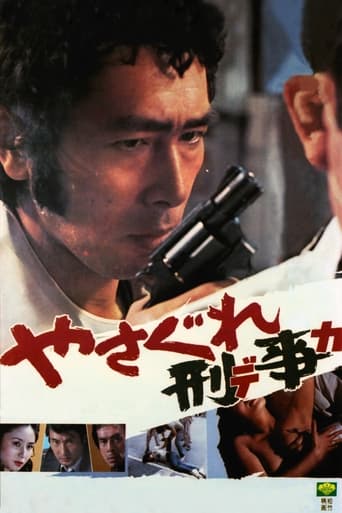
A bad cop is engaged in a violent chase to catch a yakuza boss. In his absence his wife runs away with another man, who turns out to be the very same man that her husband is hunting. Once he discovers this, he loses his nerve and turns in his badge. But the chase turns into a personal vendetta where the ex-cop plans to wipe out the entire gang.
Outlaw Cop
1976
 4.8
Tadashi Iki returns to Japan from a Soviet gulag 11 years after being captured during the invasion of Manchuria. He is offered a position in the expansive Kinki Corporation, but rival corporations are competing for a government contract to produce fighter planes.
The Corporation
1976
1960s · 27 titles
NRA coming-of-age entertainment film set to the tune of the hit song of the same name, depicting the friendship between a young photographer who believes in tomorrow and strives to live a bright and healthy life, and his three daughters.
I loved you, loved you, loved you so much
1966
 3.1
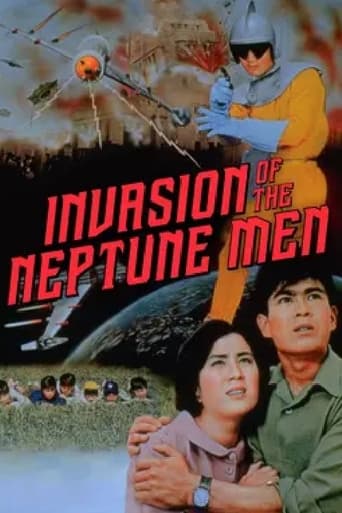
Astronomer Shinichi Tachibana has a secret identity as the superhero "Iron Sharp" and is well beloved by children. When they are attacked by a group of metallic aliens, Iron Sharp drives the aliens away. The resourceful Tachibana helps develop an electric barrier to block the aliens from coming to the Earth. After several losses by the aliens, they announce that they will invade the Earth, throwing the world into a state of panic.
Invasion of the Neptune Men
1961
 6.6
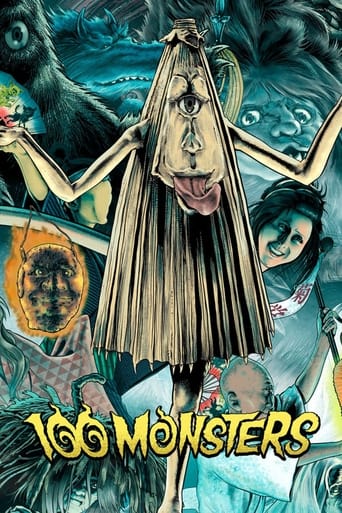
A greedy developer, in league with a corrupt Shrine Magistrate, brutally tries to drive people out of a tenement building and destroy the shrine in back. But he makes the fatal mistake of hosting a 100 Ghost Stories ceremony without the closing cleansing ritual, opening the door for the Yokai Monsters to punish the wicked.
Yokai Monsters: 100 Monsters
1968
 7.5
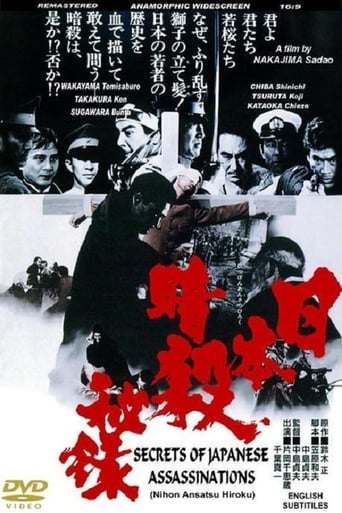
This anthology film consists of nine incidents in the late 19th and early 20th centuries when assassins changed the course of Japanese history.
Memoir of Japanese Assassinations
1969
 6.2
The tyrannical Lord Danjo Mikoshiba covets the rich, fertile lands surrounding Lake Yakumo. During a memorial ceremony for the late Chigusa lord, Mikoshiba launches an attack, overthrowing the honorable Lord Juro. Just when all seems lost, Daimajin rises from Lake Yakumo to settle a score of his own.
Return of Giant Majin
1966
 7.4
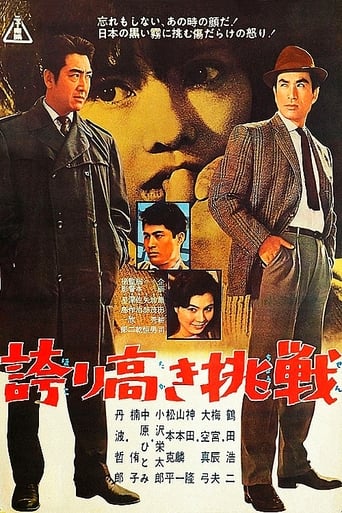
Journalist Kuroki is investigating clandestine arms sales to Southeast Asia. He discovers that the point man in an arms trade was also involved in the cover-up of a murder on an American base during the Allied Occupation. The film rolls along as a suspenseful thriller while offering a critique of political corruption, hypocrisy, and journalistic cowardice in postwar Japan.
The Challenge
1962
 NR
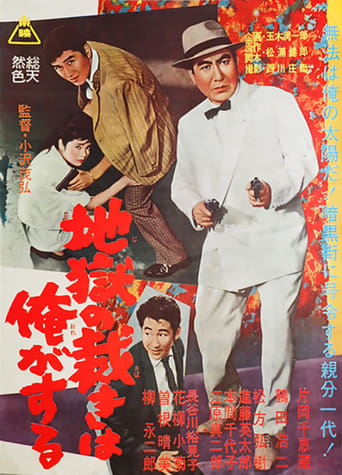
A man challenges a territorial fight between gangs.
The Sentencer
1962
 6.1
No synopsis available yet.
Main Street in the Underworld
1964
 6.9
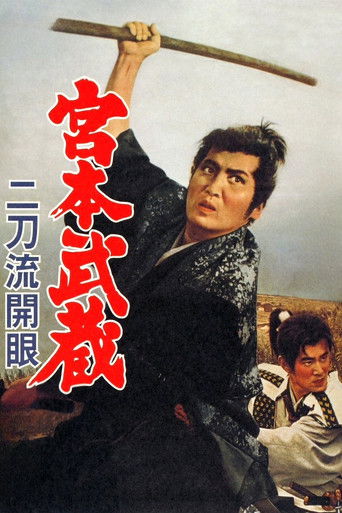
In the third installment of Yoshikawa's novel Musashi, things continue from the 2nd film at the end of battle, where Miyamoto continues on a mission of learning; with the introduction of his arch-rival Sasaki Kojiro; and lastly the large cast of characters rendezvouses for a fateful finale.
Miyamoto Musashi III: Birth of Two Sword Style
1963
 NR
This film tells about the murder of Lieutenant Colonel Aikawa, the head of the Bureau of Military Affairs, about the beginning of the incident 2.26 and the execution of young officers.
Homicide
1964
 7.2
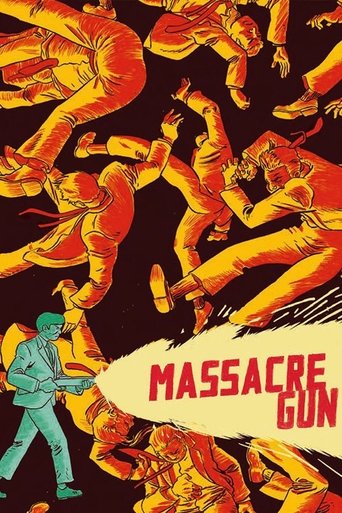
Kuroda is a mob hitman who turns on his employers after being forced to execute his lover. Joining forces with his similarly wronged brothers, hot-headed Eiji and aspiring boxer Saburo, the trio escalate their mob retaliation to all-out turf war where no one will stop until one faction emerges victorious.
Massacre Gun
1967
 NR
A young lawyer looking for a true culprit to save his innocent friend. But behind the case is the father of a woman he loves.
Night of Sorrow
1966
 NR
One of the earliest of sukeban / girl boss type eiga
Delinquent Angel
1960
 NR
1960 Toei war movie.
Storming Squadron
1960
 NR
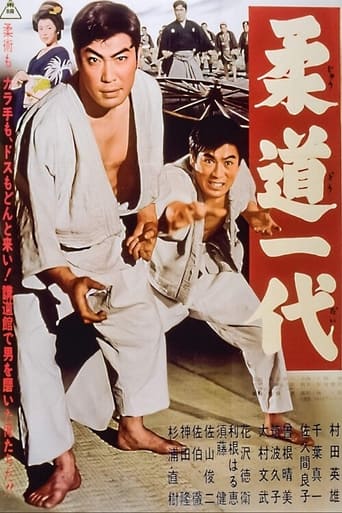
Sonny Chiba's first martial arts film, a partially fictionalized judo biopic based on prominent judoka Shiro Saigo (Chiba), the second student of judo founder Jigoro Kano (Naoki Sugiura). Akira Kurosawa’s Sanshiro Sugata is based on the same character and shares some scenes, but Judo for Life focuses more on the martial arts philosophy and training, including scenes depicting how the protagonist learned his famous cat-like landing, coined the term judo, and trained with Tsunejiro Tomita (Hideo Murata). There’s also a slight yakuza film influence. The port street ambush scene is found in both films, but in Judo for Life it’s not Kano but a travelling yakuza that jumps out of the rickshaw. Entertaining and beautifully old fashioned, one does however with there were more shades of gray between good and evil, and a stronger ninkyo-like moral / honour conflict.
Judo Life
1963
 7.0
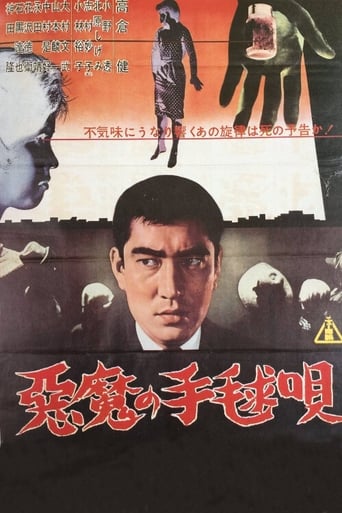
1961 Toei adaptation of Yokomizo's novel.
Devil's Nursery Rhyme
1961
 9.0
Ichiro (Chiba) is a scrappy little sport in a big car and funny hat always looking for some fun and some extra cash on the side. He and his friends get themselves involved in some shady business dealings involving a kidnapping.
Man with the Funky Hat
1961
 4.3
As a child, Okin the one-armed one-eyed swordswoman was disfigured by Lord Daizen-dayu, who was after her family's most treasured possession, the famed Drenched Swallow sword. As an adult, she has become a skilled swordswoman and lives a carefree life with her adopted family. One day, Okin saves a girl from a group of yakuza, and in doing so, gets involved in a grand conspiracy involving religious leaders, government officials, the yakuza and Lord Daizen-dayu, the man who killed her father and mutilated her body...
Lefty Fencer
1969
 6.4
When a Babylonian vampire comes to old Japan, an army of Japanese demons and ghosts gather and battle him.
Yokai Monsters: Spook Warfare
1968
 NR
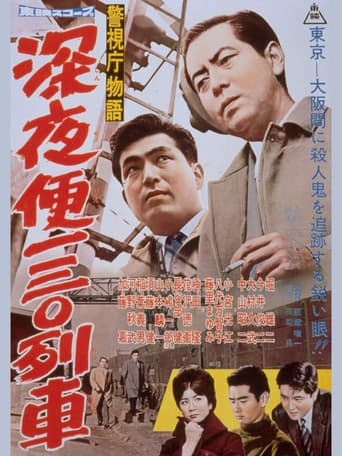
In a corner of a warehouse at Shiodome Station, a alumni trunk, is found with the terrible smell of decay. The dead body of a woman is inside. Since the trunk was shipped from Osaka Tennoji Station, the murder investigation headquarters were established in Tokyo and Osaka
Police Precinct Part 12
1960
 NR
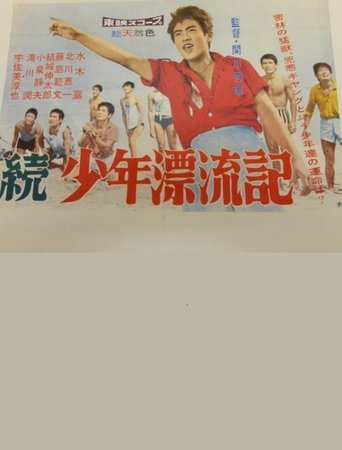
Young boys learn survival skills on a remote island and rescue a girl abducted by a gang of foreigners.
Tale of Young Drifter 2
1960
 7.2
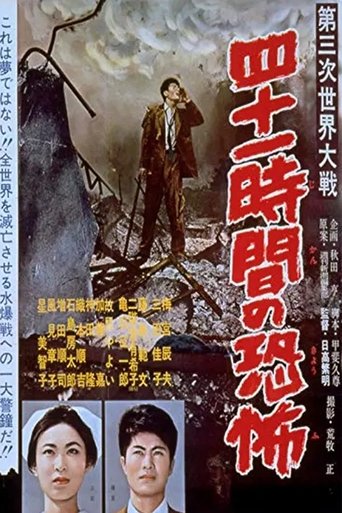
The lives of several Japanese families are shattered as the USA and the USSR move toward war, Japan finds itself caught in the middle, and Tokyo is ultimately evacuated as the two superpowers invoke the 'nuclear option'.
World War III Breaks Out
1960
 6.5
Shinichi “Sonny” Chiba returns as the reckless son of a private detective takes on the case of a minor league baseball pitcher who disappears right before signing a contract into the major leagues. Meanwhile, the body of an orthopedist is discovered in the river.
Man with a Funky Hat: The 20,000,000 Yen Arm
1961
 NR
Second movie in the yoidore hakase serie
Dynamite Doctor Returns
1966
 7.0
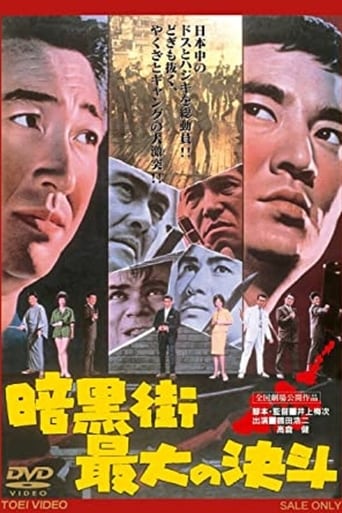
No synopsis available yet.
Duel of the Underworld
1963
 NR
The third film in the Taro series, following "The World's Most Noble Guy: Taro's Eternity" and "The World's Most Noble Guy: Taro's Rush." Taro, who had painstakingly graduated from the University of Merchant Marine after six years, was on his way to work for Saikai Kaiun on a tourist ship on the Beppu route. He was in a euphoric mood, teasing a young lady playing golf on the deck, and helping the geisha Umeka who was being harassed by a drunkard, with his natural sense of justice, as the ship arrived at Beppu Port.
The World's Most Noble Guy: Taro's Whirlwind
1961
 7.0
Teruo Ishii portrays the bitter conflict over the right to develop land in a gripping and humorous way. Nakagami, the head of the Kanto Joseikai, is ordered to acquire the rights to work to level the reclaimed land and prevent the Doshikai from expanding from Kansai into Tokyo, but the interference of the Koda-gumi, associated with the Kansai Doshikai, intensifies. Nakagami's younger brother Hayami, unhappy that the situation is moving slowly, tries to blackmail the mayor into moving forward, but... A true Toei gangster film with an all-star cast including Koji Tsuruta and Ken Takakura!
The Boss
1965
1950s · 23 titles
6.8Junai Monogatari AKA Story of Pure Love is about two poor youths, Mitsuko and Kando, rebelling against society in various ways, who are desperately trying to be together despite tortuous circumstances. The film depicts their lives as thieves, menial laborers who can get little pay, society outcasts, and of course, lovers. Junai Monogatari depicts, mostly, their struggles within the Japanese reformatory system and Mitsuko's worsening sickness.
The Story of Pure Love
1957
10.0The film consists of three short stories. Tomiko, the heroine of the first story, "The Flower Girl" (dir. Kozaburo Yoshimura), is a little girl who bears the unbearable burden of caring for her family. Tomiko's father has been unable to find work for a long time, and her older sister is terminally ill—it is unlikely that she will ever recover. To feed her family, Tomiko runs around the city from morning until late at night selling flowers... The second novella (dir. Tadashi Imai) also depicts the lives of the poor. An unfamiliar girl brings young Kavano a letter from his mother. It turns out that the girl's name is Kuniko, she is very hardworking, but her family is dying of hunger. Therefore, her mother decided to send Kuniko to her son so that he would marry her. The short story is called "The Unexpected Bride." The third short story, which gave the film its title, is particularly interesting: "When You Love" (dir. Satsuo Yamamoto). It shows the family of a young peace activist.
If Indeed One Loves
1955
 6.9
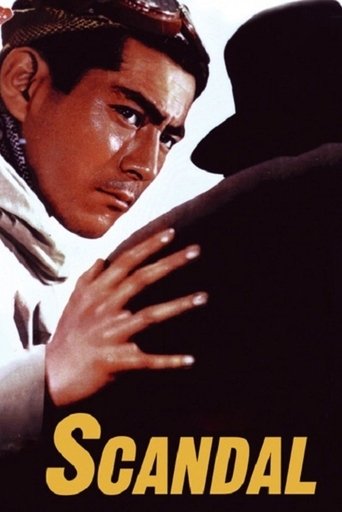
A celebrity photograph sparks a court case as a tabloid magazine spins a scandalous yarn over a painter and a famous singer.
Scandal
1950
 7.4
Historical fiction about the aftermath of the atomic bombing of Hiroshima, Japan, on 6 August 1945, and its effects on various civilians, especially children, of that city.
Hiroshima
1953
 8.5
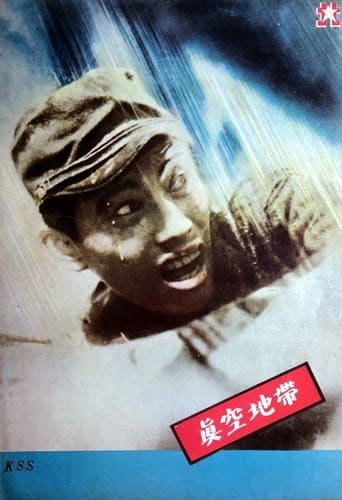
Just before the end of the war, Japanese soldier Kitani is released from prison, having served his term for theft. Told in flashback, viewers learn about Kitani's past and reasons behind his prison sentence.
Vacuum Zone
1952
 NR
The fifth installment of the Metropolitan Police Department story series. This time, detectives from the Tokyo Metropolitan Police Department's First Investigative Division are once again in action, full of thrills and speed, in pursuit of the perpetrator of a mysterious murder that suddenly occurred at an auto race track.
Police Precinct Part 5
1957
 6.8
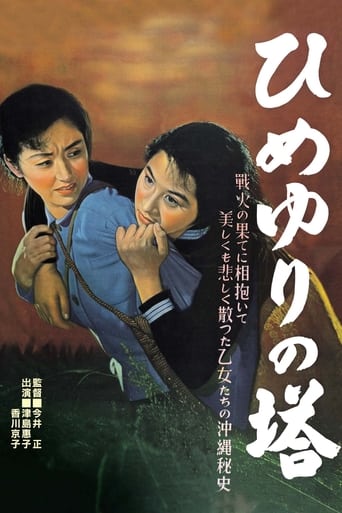
A group of Okinawan high school girls are drafted as nurses during the American invasion of the island. As the enemy army advances further, the situation for the girls becomes increasingly desperate as food and shelter run out and the number of injured climbs, leading to the film's tragic finale.
Tower of Lilies
1953
 9.0
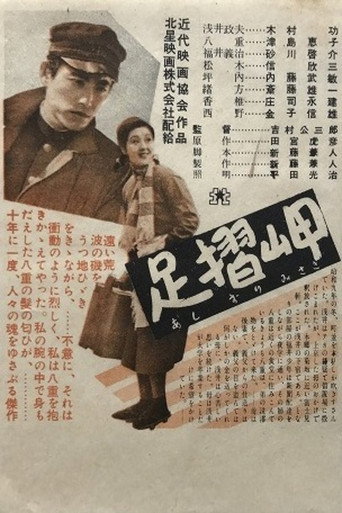
Among Yoshimura’s complex and political works, this episodic film, set in the early 1930s, follows the life of a young left-wing student activist disenchanted by the increasingly hawkish state of Japanese society.
Cape Ashizuri
1954
 NR
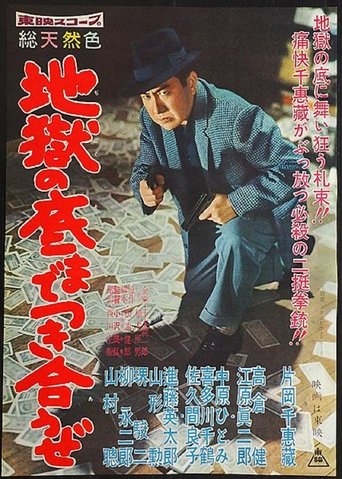
During the seventh-year memorial service for Katsugoro and Genji, Ikari Genji himself emerged from the coffin brought in by the hearse seeking revenge
Hell's Companion
1959
 6.5
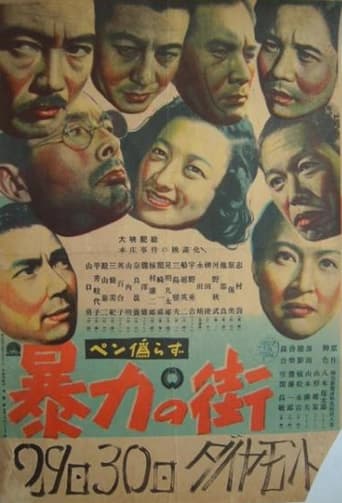
An attempt is made to suppress a journalist's investigation of collusion between a rural police chief and the local gangster bosses.
Town of Violence
1950
 7.0
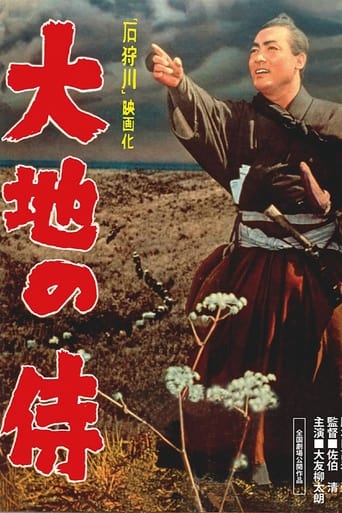
A film adaptation of Rikuo Honjo's novel "Ishikari River".
Samurai of the Great Earth
1956
Second film in the Boy Detectives Club series.
The Boy Detectives Club – The Devil with Twenty Faces
1956
 7.0
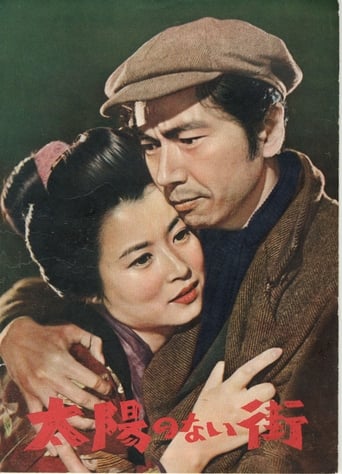
Based on the novel by proletarian writer Sunao Tokunaga. The story is about a long strike by workers at a large printing house and the strikers' steadfastness, which neither hunger nor violence could break. The heroine of this story actively participates in her colleagues' struggle against layoffs, oppression, and police brutality.
The Street Without Sun
1954
 NR
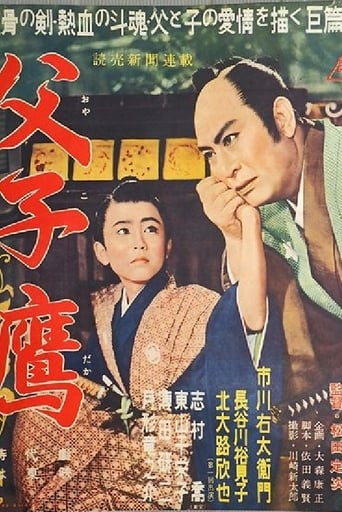
Adaptation of the novel by Kan Shimozawa.
Virtue in Spades
1956
 NR
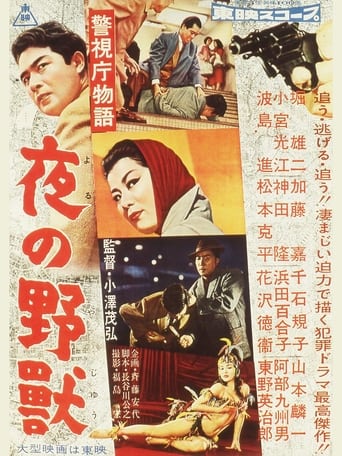
After discovering a slaughtered corpse, the investigating team of the Tokyo Metropolitan Police Department began canvassing the area around the crime scene. As a result, they found a wallet with bloodstains that seemed to belong to the victim, a woman's wallet that did not fit the field, earrings, and other valuable materials, which led them on a foot search. The woman's purse had been picked up by a male prostitute on the subway, and from the prostitute's testimony, they were able to identify the pickpocket's face, but the next day, the man was found dead in a road accident, apparently murdered.
Police Precinct: The Pickpocket Killer
1957
 7.0
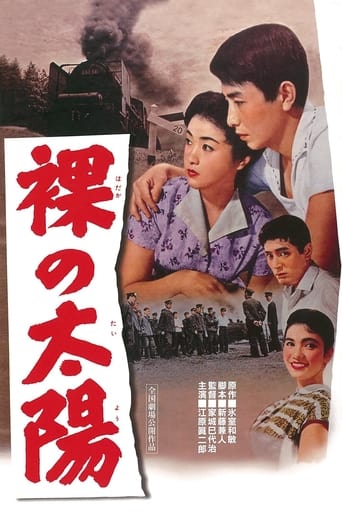
A young, struggling couple are making every sacrifice so they will one day in the not-too-distant-future, have enough money to get married. As they have agreed on this procedure, it comes as a shock to the young woman to find out from her husband-to-be that he just loaned all the money they had saved to a friend. She is understandably miffed, and a big disagreement results. But after some time goes by, she discovers why the friend needed the money so badly, and the couple are back on solid footing again.
The Naked Sun
1958
 NR
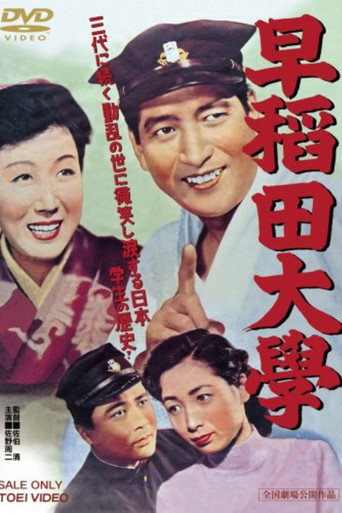
In the 15th year of the Meiji era (1882), Ōkuma Shigenobu, expelled from the Council of State by the Satsuma-Chōshō clique, poured his personal fortune into establishing the Tokyo Professional School in a tea field in Waseda Village. With seven professors, including Takada Sanae and Tsubouchi Yūzō, and eighty-seven students, government interference extended even to finances; Ono Azusa, who tirelessly worked to secure funding, died from overwork.
Waseda University
1953
 6.9
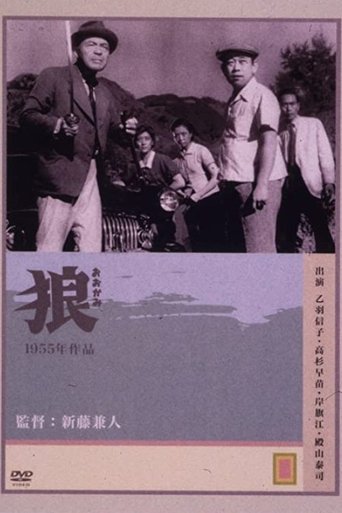
A group of five rookie insurance salespersons, driven to desperation by the impossibility of their work in Japan's failing postwar economy, form a plan to rob a cash delivery truck in order to provide for their families.
The Wolves
1955
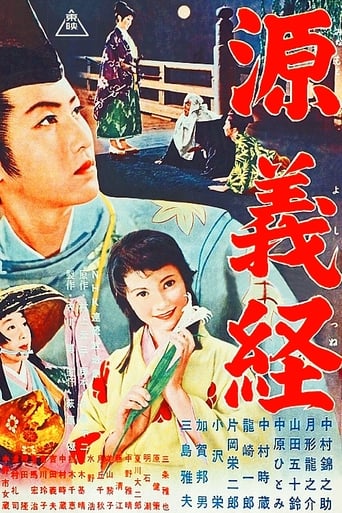 NR
A historical scroll depicting the story of the tragic fate of the young samurai Minamoto Yoshitsune, based on the novel by Genzo Murakami. The action of the first part takes place in the late Heian period, when the Taira clan came to power, and Genji was oppressed. The great dream and ambitions of Genkuro Yoshitsune in his youth are depicted, he joins forces with his older brother Yoritomo to raise an army to defeat the Taira clan, and the second part depicts the fall of the clan, persecution and murder.
Minamoto Yoshitsune
1955
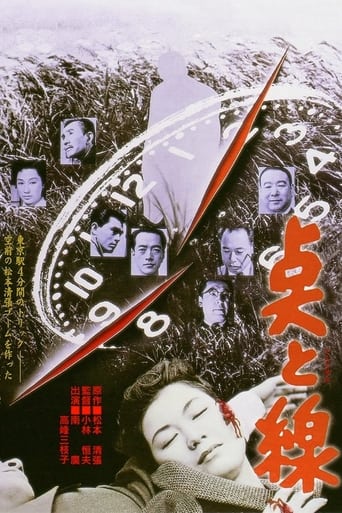 6.2
Based on Matsumoto Seicho's classic mystery novel of the same name, the story centers around a group of detectives who are determined to find the truth behind an apparent double suicide.
Points and Lines
1958
 NR
First film of the The Black Hooded Man series.
Kaiketsu kuro zukin
1953
 2.6
Attracted by the report of the development of a new type of rocket fuel, the vicious dictator of Krangkor, the dark planet, descends on Earth to steal the formula from its creator, the benevolent Dr. Makin.
Prince of Space
1959
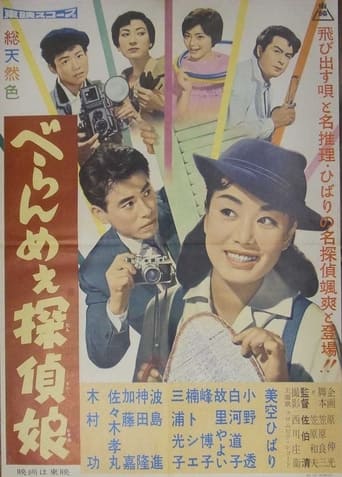 NR
Woman private eye Emiko goes undercover to reveal the truth of a murder case.
Tokyo Detective Girl
1959
Series credits
8.0A shikakenin was an under-the-cover trade that undertook killing in Edo. Hanemon of Otowa, an agency that introduced laborers and maids, was also one of these. Katsugoro Iseya was a timber dealer who had come in as a client. His target was the constructions magistrate Hanno, and the Tatsumiya who sipped on the benefits. Hanemon who had a stong code towards killing, where he would only kill those who do no good to be in the world, accepts this request. Baian Fujieda, a needle doctor would carry out the killing. However, the professional killer Baian fails to bring down Tatsumiya. Hanemon then looks to another shikakenin, the ronin Sanai Nishimura for the role. Although Sanai's ability with the sword is good, he lives poorly in a tenement, and accepts this commission on the condition that it is kept a secret from his wife and child. Here, they close in on Hanno and Tatsumiya again...
Professional Killers
1972
NRBased on the life of Hideyoshi Toyotomi (February 2, 1537 – September 18, 1598) a Sengoku period daimyo who unified Japan.
Taikouki
1965
NRChiba Shusaku: Kendo Masshigura is a Japanese period drama that aired on the TBS network from November 2, 1970 to August 30, 1971 in the "Brother Gekijo" slot. It ran for 44 colour episodes of 30 minutes each. Based on Sohachi Yamaoka's novel "Chiba Shusaku", it depicts the youth of Chiba Shusaku, founder of the Hokushin Itto-ryu school of swordsmanship. A hot-blooded young man who calls himself Shusaku enters the dojo of Asari Matashichiro and, through encounters with all kinds of people, grows rapidly both in swordsmanship and in character. Produced by TBS and Shochiku. Rerun on the Japanese CS channel Jidaigeki Senmon Channel from March 17, 2025.
Chiba Shusaku: Kendo Masshigura
1970