
Directing
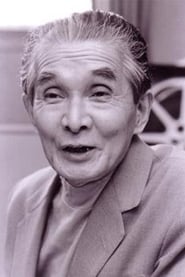
Sadatsugu Matsuda
Born — Died
1906-11-02 — 2003-01-20
Place of birth
Kyoto, Kyoto, Japan
Known for
Directing
Credits
40 titles
Sadatsugu Matsuda (松田 定次, Matsuda Sadatsugu) (2 November 1906 – 20 January 2003, Tokyo, Japan) was a Japanese film director. He directed films from 1925 to 1969.
Known for
 NR
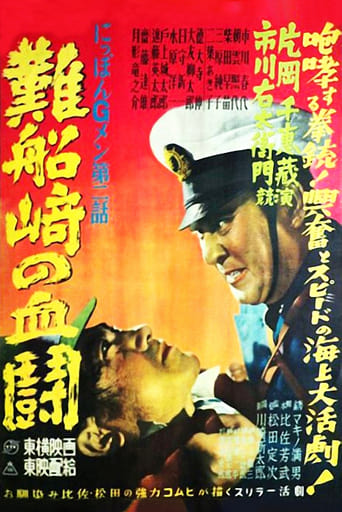
NRThe second part of an action-packed action movie about the struggle between smugglers, the Japanese Coast Guard and G-men. Having caught a suspicious radio signal, the coast Guard discovers that a smuggling transaction is taking place and goes to the place. It was supposed to be a big catch, but they lose sight of the smugglers by finding and rescuing a woman drowning in the sea. The rescued woman says she jumped into the sea while escaping from a slaver's boat... A luxury version featuring the two main stars of the Toei company – Chiezo Kataoka and Utaemon Ichikawa.
G-men of Japan 2: Bloody Duel at Shipwreck Cape
1950
 NR
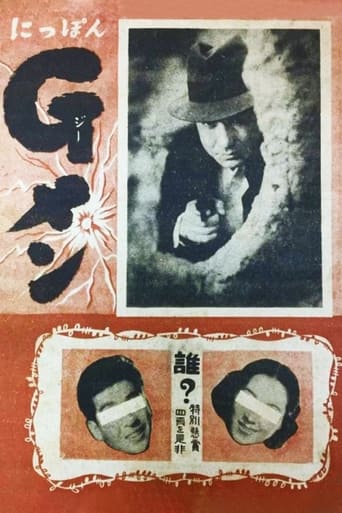
NRThe investigative unit of the Metropolitan Police Department organized a special investigative team to uncover a series of frequent gang robberies and car gangs... This is the first film in the Nippon G-Men series, of which four more films were later released.
G-Men of Japan
1948
 NR
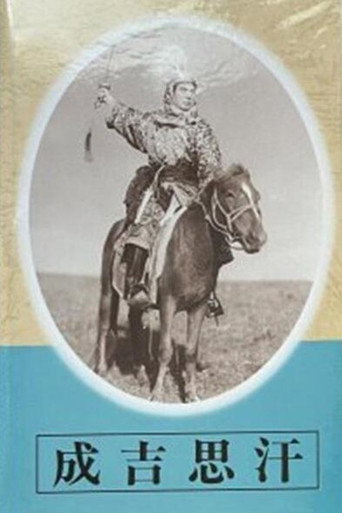
NRFilmed on location in the Mongolian plains.
Genghis Khan
1943
 10.0
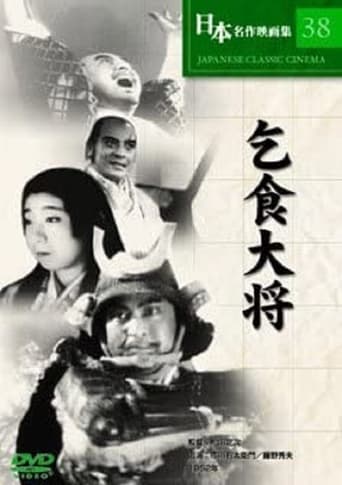
10.0Gotō Matabei is the most able and fierce samurai of the Kuroda clan. However, he gradually dislikes the ruthless personality of Kuroda Nagamasa and leaves the clan. Seven years later, he joins Toyotomi Hideyori's army. Filmed in 1945 and released in 1952.
Kojiki Taishô
1952
 6.8
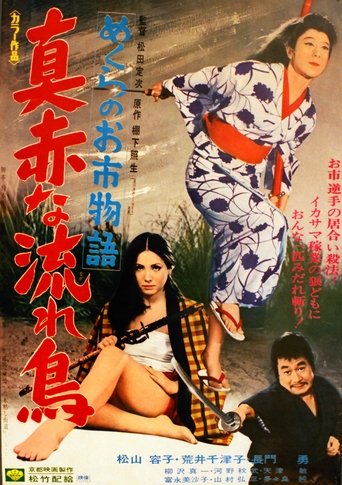
6.8A young girl named Oichi is abandoned by her mother and blinded by a lightning strike. When her guardian is killed, she learns to wield a sword from a traveling ronin. As she develops into a master swordsman, her profession becomes that of a bounty hunter. Many test her sword and many die by her skills. She travels throughout the countryside to seek her mother and her revenge.
Crimson Bat, the Blind Swordswoman
1969
 7.0
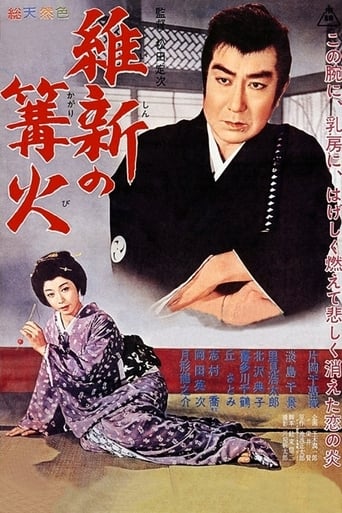
7.0Megastar Kataoka Chiezo is Vice-commander Hijikata Toshizo of the Shinsengumi in this realistic tale of Japan’s inner battles that led to the downfall of the Tokugawa shogunate. Excellent performances and extremely good swordplay highlight this glimpse into the heart and soul of Japanese history. Although known as “Razor Blade” Hijikata, the vice-commander is a man of deep conviction with a little-known sense of humanity. Starting after the famed Ikedaya Incident, in which they saved Kyoto from Choshu’s plot to burn the city to ashes, they work hard to change the public’s view of them as merciless killers to their true mission of protecting the shogun. This is an extraordinary tale of blood and guts! From the pen of award winning author Shotaro Ikenami (Bandit Vs. Samurai, Hunter in the Dark, Misumi's The Last Samurai)
Restoration Fire
1961
Behind the camera
NRThe second part of an action-packed action movie about the struggle between smugglers, the Japanese Coast Guard and G-men. Having caught a suspicious radio signal, the coast Guard discovers that a smuggling transaction is taking place and goes to the place. It was supposed to be a big catch, but they lose sight of the smugglers by finding and rescuing a woman drowning in the sea. The rescued woman says she jumped into the sea while escaping from a slaver's boat... A luxury version featuring the two main stars of the Toei company – Chiezo Kataoka and Utaemon Ichikawa.
G-men of Japan 2: Bloody Duel at Shipwreck Cape
1950
NRThe investigative unit of the Metropolitan Police Department organized a special investigative team to uncover a series of frequent gang robberies and car gangs... This is the first film in the Nippon G-Men series, of which four more films were later released.
G-Men of Japan
1948
NRFilmed on location in the Mongolian plains.
Genghis Khan
1943
10.0Gotō Matabei is the most able and fierce samurai of the Kuroda clan. However, he gradually dislikes the ruthless personality of Kuroda Nagamasa and leaves the clan. Seven years later, he joins Toyotomi Hideyori's army. Filmed in 1945 and released in 1952.
Kojiki Taishô
1952
6.8A young girl named Oichi is abandoned by her mother and blinded by a lightning strike. When her guardian is killed, she learns to wield a sword from a traveling ronin. As she develops into a master swordsman, her profession becomes that of a bounty hunter. Many test her sword and many die by her skills. She travels throughout the countryside to seek her mother and her revenge.
Crimson Bat, the Blind Swordswoman
1969
7.0Megastar Kataoka Chiezo is Vice-commander Hijikata Toshizo of the Shinsengumi in this realistic tale of Japan’s inner battles that led to the downfall of the Tokugawa shogunate. Excellent performances and extremely good swordplay highlight this glimpse into the heart and soul of Japanese history. Although known as “Razor Blade” Hijikata, the vice-commander is a man of deep conviction with a little-known sense of humanity. Starting after the famed Ikedaya Incident, in which they saved Kyoto from Choshu’s plot to burn the city to ashes, they work hard to change the public’s view of them as merciless killers to their true mission of protecting the shogun. This is an extraordinary tale of blood and guts! From the pen of award winning author Shotaro Ikenami (Bandit Vs. Samurai, Hunter in the Dark, Misumi's The Last Samurai)
Restoration Fire
1961
No synopsis available yet.
Tales of a Drifter
1951
 7.0
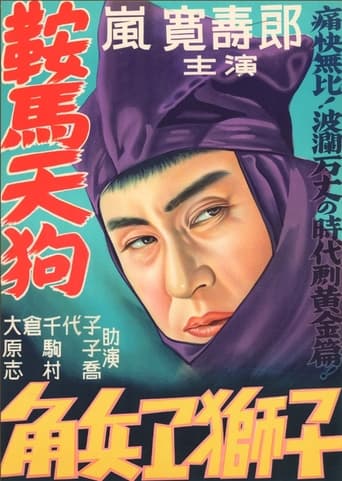
7.0This is Kanjûrô Arashi's first film with Nikkatsu after his independent production company went bankrupt (many of these independent companies went bankrupt shortly after the transition to sound). As he is mostly famous for his portrait of Kurama tengu (and on the other hand, he's the definitive actor for Kurama Tengu as well), Nikkatsu made another version of Kurama tengu, co-directed by Masahiro Makino & Sadatsugu Matsuda who are both sons of Shozo Makino. Scripted by Yoshitake Hisa, a jidaigeki specialist who later scripted several Toei All-Star Jidaigeki.
Kurama Tengu
1938
 7.0
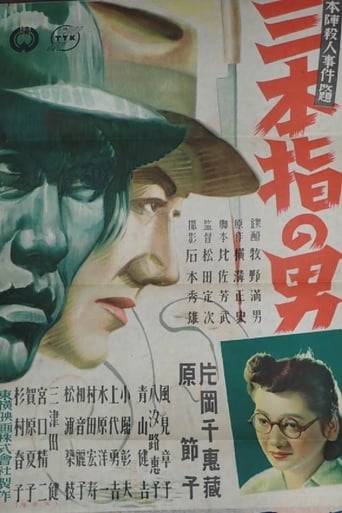
7.0Being acquainted with the bride's uncle, a famed private detective is invited to a wedding ceremony. The groom's family is moneyed and owns large tracts of land. The bride is a former teacher and was rumoured to have had an affair, which explains why the groom's family opposed the union. On the night of the ceremony the bride and groom are killed in a sealed room. There is evidence left, however, as there is a hand print on the wall albeit with only the trace of three fingers.
Three-Fingered Detective
1947
 NR
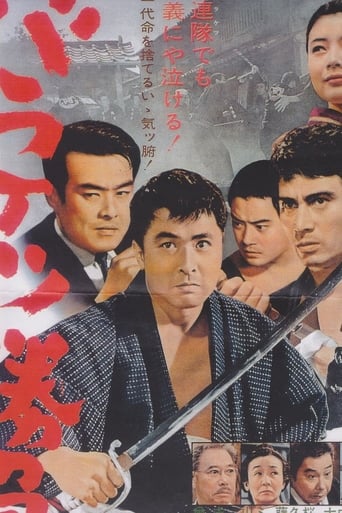
NRA good set-in-per-WW2 ninkyô type film with outstanding performances.
Hoodlum Match
1965
 7.8
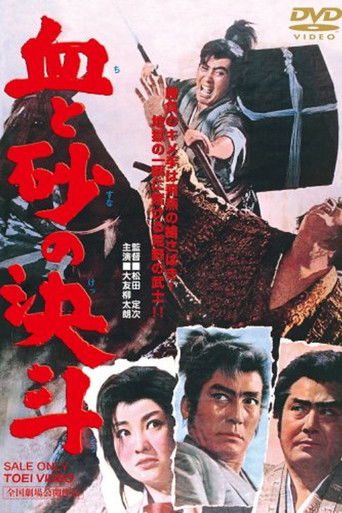
7.8Frustrated with the bad behavior of his lord, Inaba Yajuro (Otomo) declares that he is leaving the clan and sets off on a journey that leads him into a small town besieged by a violent group of brigands. In a kind of homage to Kurosawa's 7 Samurai, the townspeople have been unable to defend themselves and Inaba sets out to teach them how to stand up for themselves. Meanwhile the vile Lord Yasumasa has sent the 4 finest swordsmen in the clan out to hunt Inaba down and kill him. Led by the magnificent Ichibei (Konoe), a master of weaponry in his own right, everything points to an ultimate showdown between the former friends in a battle to the death.
Duel of Blood and Sand
1963
 10.0
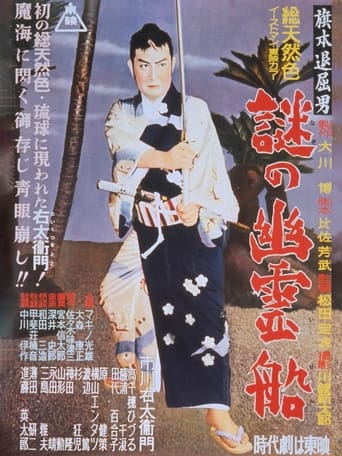
10.0Bored Hatamoto film #20
Bored Hatamoto: The Mysterious Ghost Ship
1956
 NR
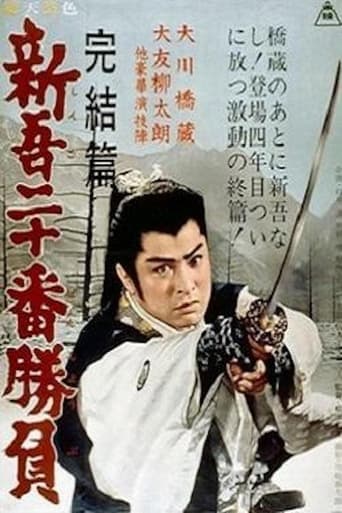
NRWhile on his journey through the countryside of Japan, Shingo encounters many people whose lives have been affected by his actions. Though the many duels he fought were intended to bring justice to those who sought to do evil, he is faced with the knowledge that his victories have also caused suffering amont the family members of his victims-leading him to question his life's philosophy. This superb film is the final chapter in this part of Shingo's story. A fitting tribute to his quest to be the supreme swordsman.
20 Duels of Young Shingo: Conclusion
1963
A film adaptation of the story “Gonzo and Sukejū” from a new perspective.
Yoimatsuri happyaku yachō
1947
Five regulars at “Maxwell,” a cabaret tucked away in the back streets of Ginza—including Chida and Numai—are once again having a lively discussion with the hostess, Mari, about which of the five she likes best. Upon learning that Mari likes Numai, Chida and the others congratulate the pair, but just then, Mari’s younger brother, Daisuke, shows up to beg for money. Chida, Numai, and other three regulars at the cabaret "Maxwell" in the back streets of Ginza are excited to talk to the hostess, Mari, about which of the five she likes best. After learning that Mari likes Numai, Chida and his friends congratulate them, but then Mari's younger brother, Daisuke, shows up to ask for money.
The Fifth Witness
1948
 NR
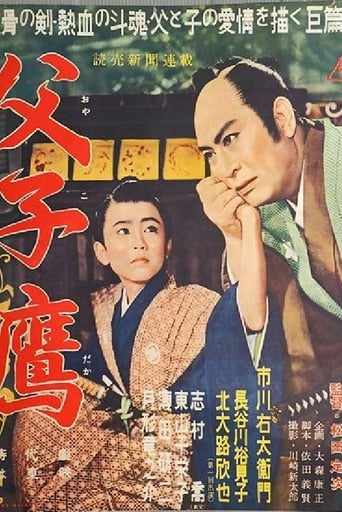
NRAdaptation of the novel by Kan Shimozawa.
Virtue in Spades
1956
 6.4
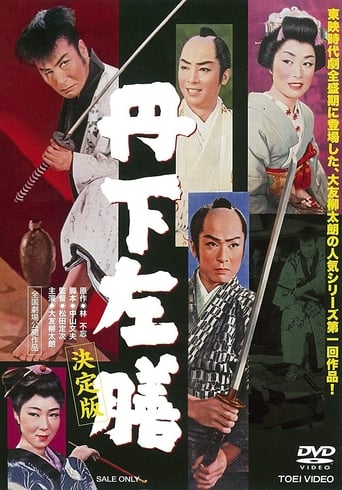
6.4One of Japan’s most popular folklore characters, Tange Sazen, the one-eyed and one-armed swordsman, must rescue the Yagyu clan from the treachery of a master plotting to take control over a sword fighting school.
Secret of The Golden Spell
1958
 7.0
7.0No synopsis available yet.
Knightly Advice
1962
 NR
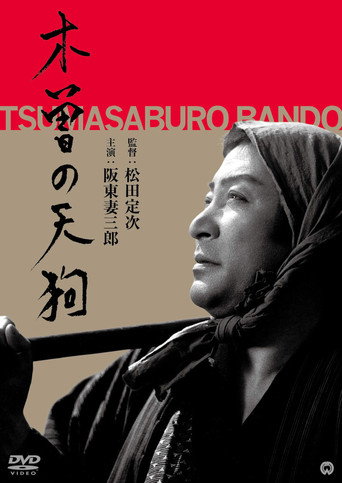
NRNo synopsis available yet.
Tengu of Kiso
1948
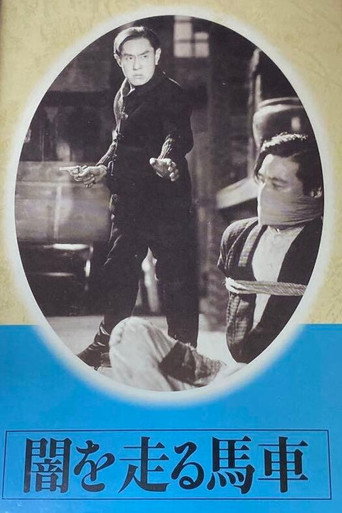 NR
NRNo synopsis available yet.
A Carriage Running in the Darkness
1947
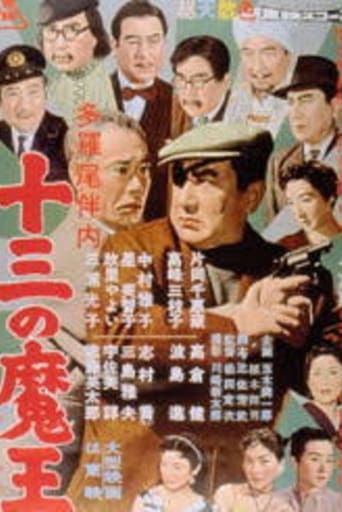 NR
NRJapanese mystery film.
Man of Thirteen Eyes
1958
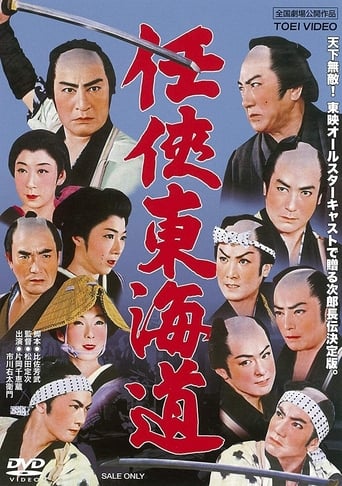 7.0
7.0An all-star cast highlights this Jidai-Geki classic. Set in the samurai era, this is the tale of period Yakuza. One of the real classics in this genre. Jirocho, an honorable and respected gang boss, uncovers a conspiracy organized by his rivals while on a quest to bring justice to three murders. Some of the most famous actors from Toei studios make this a must-see for everyone! Featuring a very young Nakamura Kinnosuke, who went on to become one of Japan's mosted noteworthy actors under the name Yorosuya Kinnosuke. This is one of the best examples his early work.
A Chivalrous Spirit
1958
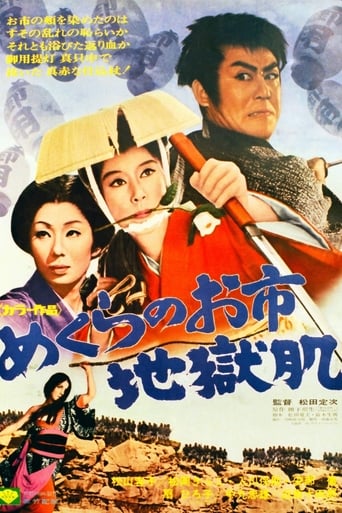 6.5
6.5Oichi may have met her match as she vies against the evil beauty that has set her sights on destroying her. She must face numerous other challenges before confronting her greatest rival. While longing to live and love like other women, she realizes that she can never have a normal life, her sword which she holds on to like a security blanket will always come between her and such a life...
Trapped, the Crimson Bat
1969
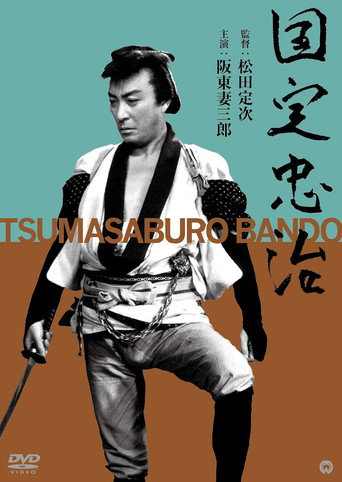 NR
NRNo synopsis available yet.
Kunisada Chūji
1946
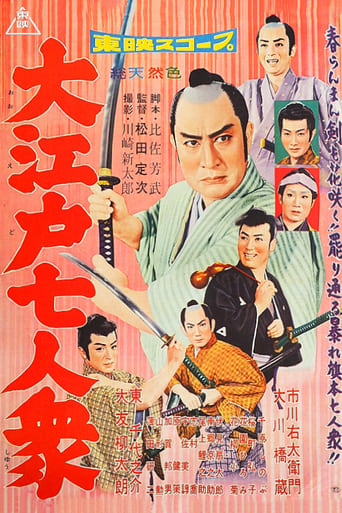 5.0
5.0When Katsukawa, a low ranking vassal, learns that his greedy superior, Tatewaki, has hatched a plan to expand his territory, he and his comrades decide to take matters into their own hands. Lots of action in this all-star production from Toei Films, the foremost studio during that era. As with so many of their films, this is highly entertaining, with lots of plot twists and exciting swordplay
Seven from Edo
1958
No synopsis available yet.
Muriyari sanzengoku
1929
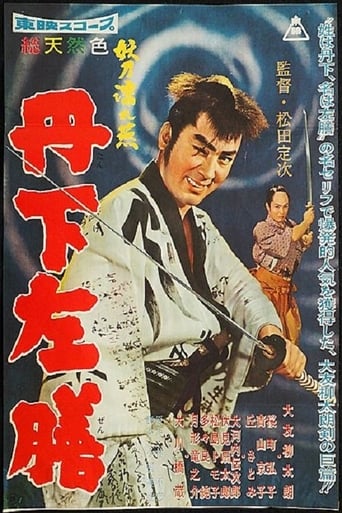 6.0
6.0The legendary one-eyed one-armed swordsman Tange Sazen is back to aid a Magistrate in his efforts to steal bribe money on its way to Edo for the benefit to poor farmers.
Return of the One-Armed Swordsman
1960
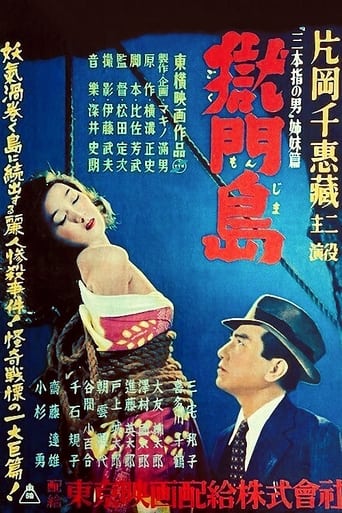 10.0
10.0Kindaichi challenges the mystery of an incident in which three sisters were killed one after the other according to an ancient tradition on an isolated island in the Seto Inland Sea. Kosuke Kindaichi received a will from his friend Kito, which said, "Go to Gokumon Island to save my three younger sisters," and Kosuke went to Gokumon Island. Upon arriving at the residence of Quito, there were three beautiful sisters, a crazy father, a cousin of Sanae, and Kosuke plunged into a strange atmosphere. The film adaptation of the masterpiece novel of the same name by Seishi Yokomizo. Kyozo Kataoka plays Detective Kosuke Kindaichi, and Ryutaro Otomo plays Inspector Isokawa, who can be called Kindaichi's best partner.
Island of Horrors
1949
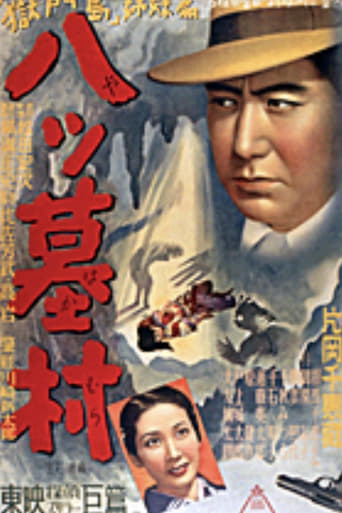 8.0
8.0Original work by Yokomizo Seishi. The third part of Kindaichi Kosuke's story, which was collected by Chie Kataoka.
Yatsuhaka-mura
1951
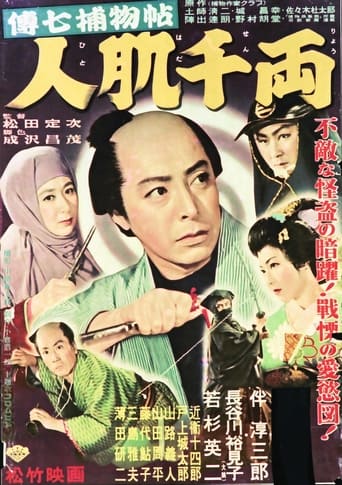 NR
NRIn the era of the twelfth Shogun, Tokugawa Ieyoshi, a notorious bandit known as "Shippu" (or "Swift Wind") emerged in Edo. Shippu would send a warning message called the "Thief's Summons" before striking, yet despite the magistrate's desperate search efforts, they couldn't find any leads. One day, a summons was shot into the residence of Ono Ryusai, who was leading a peaceful retirement life with his two concubines, O-Ran and O-Koshi. With the summons, various individuals including O-Ran's brother Itami Shigoshiro, the master of the Muso-ryu dojo, vigilante Mankichiro, rope expert Gohei, and Den'ichi from Kuromon Town were assigned to monitor the situation. However, while they were distracted by a neighboring fire, a chest containing a thousand ryo was stolen, and O-Koshi was killed.
Denshichi Torimonocho: Senryo Human Skin
1954
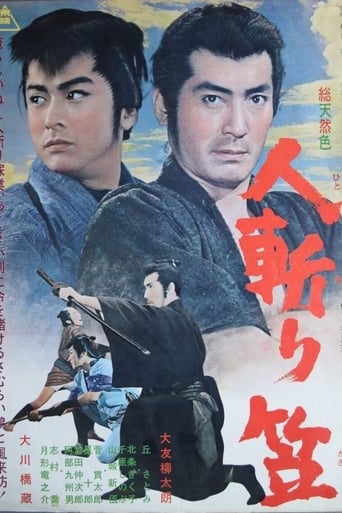 7.0
7.0A skilled assassin's services are called upon to put an end to the ugly turf battle between two yakuza families, Mitsuwa and Aikawa. Forced by the code of the yakuza to put one's life on the line for a Boss who offered a meal and lodging, each side manages to get hold of powerful swordsmen who will stop at nothing to pay their obligations.
Vanquished Foes
1964
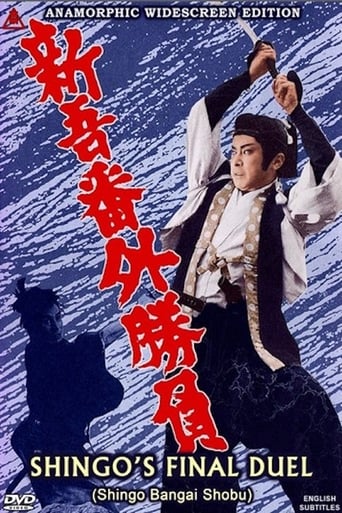 NR
NRAfter Aoi Shingo, the illegitimate son of Shogun Yoshimune has gained prominence as the finest swordsman in the land, he tries to lead a peaceful life with his mother far away from the seat of government in Edo. Not wanting to inconvenience his father anymore his plan is to stay away from the city and enjoy life like a normal man. Unfortunately for him, his past comes back to haunt him in the person of his mortal enemy, the one swordsman that is skillful enough to defeat him. This is the most perilous moment of Shingo's life as he must face his deadliest foe in a battle to the death!
Shingo's Final Duel
1964
 NR
NRNo synopsis available yet.
Meiji no kyōdai
1946
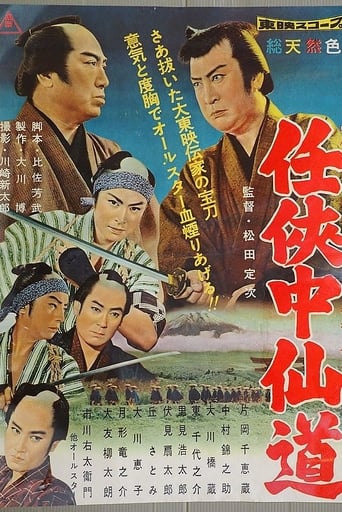 6.0
6.0While on the road, famed Yakuza Boss Jirocho is falsely accused of starting a peasant's uprising and chased by the law. Meanwhile, one of his henchmen in an attempt to raise money for the Boss gambles away not only all their funds, but their clothing as well. Jirocho, famed for his honesty and integrity must take on the challenge of rival gangs while trying to elude the government's officials at the same time. Things really heat up when the most famous of all Yakuza Bosses, Chuji of Kunisada gets involved. Will he team up with his old friend or is gang warfare about to erupt?
Road of Chivalry
1960
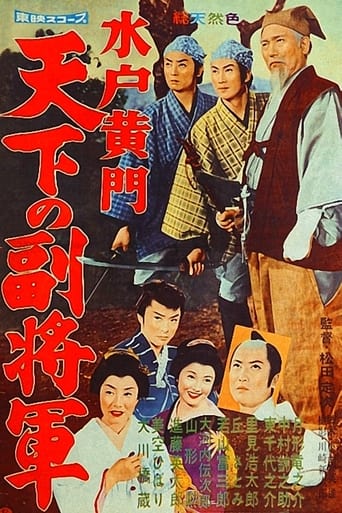 8.2
8.2After settling the matter of shogunal succession, the retired Old Lord of Mito finds himself in a sea of trouble when he gets involved in the succession of the Takamatsu clan. The usurpers try by every means to effect their takeover, even if it leads to blood being spilled. Along with Kaku and Suke, the elder must face the most dangerous time of his life, in a battle against those corrupt individuals who would use any means to further their dastardly conspiracy, regardless of how many lives might be destroyed. The great Misora Hibari gives a bravura performance, as does the rest of this all-star cast. This is another outstanding effort on the part of the Toei Films, blending fact and fiction to bright back Japan’s golden era of the Genroku period.
Lord Mito 2: The Nation's Vice Shogun
1959
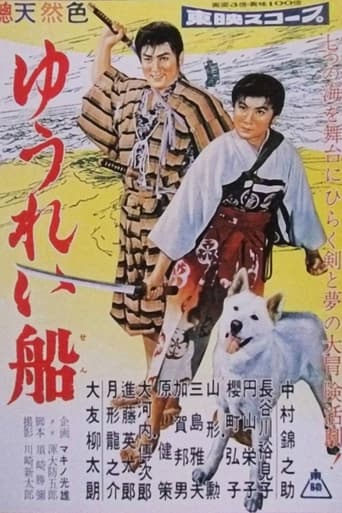 NR
NRAs Part I opens, Jubei (Denjiro Okochi), the best of sea skippers, is unable to overcome the stormy seas of Luzon. All hands on board the Kannonmaru were lost except for Shinkei, who alone made his way to land & eventually home to inform his grandson Jiromaru (Kinnosuke Nakamura) that his father Jubei met with disaster. Young Jiromaru tells his grandfather that he doesn't want to be a skipper like his father, but wants to go to Kyoto and become a samurai…
Ghost Ship Part 1
1957
 6.5
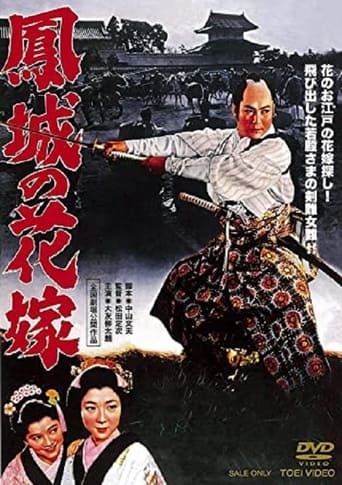
6.5Young Lord Gentaro (Otomo Ryutaro) takes a journey to Edo in search of his future wife. Easier said than done, evil forces lurk in Edo and Gentaro must use his phenomenal sword skills to overcome the evil and find the love of his life. Another must have for fans of the great Otomo Ryutaro. And don't let the "silly" English title fool you, this is a great movie!
The Lord Takes a Bride
1957
 7.0
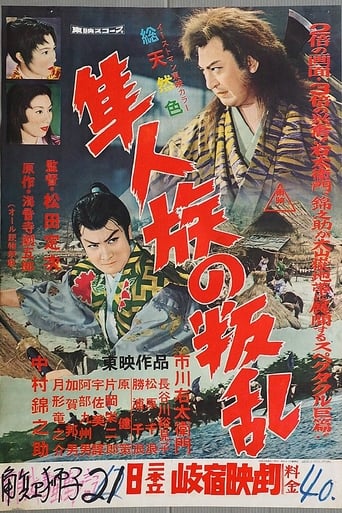
7.0In the mist of the warring age (Sengoku Era), the Kyushu based Hayato Clan is faced with a monumental battle to determine their survival.
Rebellion
1957
 NR
NRA samurai thief fights a gang of ghostly thieves using scorpions for treasure in the unexplored Shinano region, which is guarded by a descendant of the Heike clan.
Golden Valley
1955
 NR
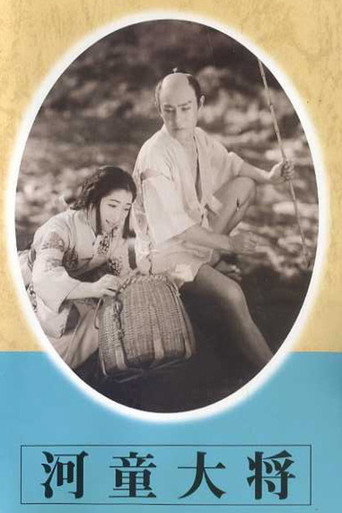
NRA young samurai who’s strong in love but weak in compassion, with a string of eccentric antics, diving into the water, wielding his spear, and fighting valiantly.
General Kappa
1944