
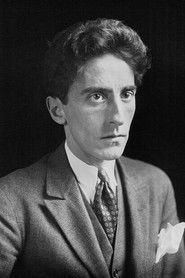
Directing
Jean Cocteau
Born — Died
1889-07-05 — 1963-10-11
Place of birth
Maison Laffitte, Yvelines, France
Known for
Directing
Credits
99 titles
Jean Maurice Eugène Clément Cocteau (French pronunciation: [ʒɑ̃ kɔkto]; 5 July 1889 – 11 October 1963) was a French poet, novelist, dramatist, designer, boxing manager, playwright, artist and filmmaker. Along with other avant-garde artists of his generation (Jean Anouilh and René Char for example) Cocteau grappled with the algebra of verbal codes old and new, mise en scène language and technologies of modernism to create a paradox: a classical avant-garde.[citation needed] His circle of associates, friends and lovers included Kenneth Anger, Pablo Picasso, Jean Hugo, Jean Marais, Henri Bernstein, Marlene Dietrich, Coco Chanel, Erik Satie, María Félix, Édith Piaf (whom he cast in one of his on…
Known for
 8.0
8.0No synopsis available yet.
Discorama
1959
 8.7
8.7No synopsis available yet.
Cinépanorama
1956
 5.0
5.0No synopsis available yet.
Reflets de Cannes
1954
 7.7
7.7A famous poet in postwar Paris, scorned by the Left Bank youth, is in love with both his wife Eurydice and a mysterious princess. Seeking inspiration, the poet becomes obsessed and follows the princess from the world of the living to the land of the dead.
Orpheus
1950
 6.3
6.3In Le Livre d’Image, Jean-Luc Godard recycles existing images (films, documentaries, paintings, television archives, etc.), quotes excerpts from books, uses fragments of music. The driving force is poetic rhyme, the association or opposition of ideas, the aesthetic spark through editing, the keystone. The author performs the work of a sculptor. The hand, for this, is essential. He praises it at the start. “There are the five fingers. The five senses. The five parts of the world (…). The true condition of man is to think with his hands. Jean-Luc Godard composes a dazzling syncopation of sequences, the surge of which evokes the violence of the flows of our contemporary screens, taken to a level of incandescence rarely achieved. Crowned at Cannes, the last Godard is a shock film, with twilight beauty.
The Image Book
2018
Produced for television by Claude-Jean Philippe, the « Encyclopédie audiovisuelle du cinéma », recounts the history of French cinema from its birth to the beginning of the 1960s. With commentary read by Jean Rochefort.
Encyclopédie audiovisuelle du cinéma
1978
Film credits
2020s · 7 titles
 NR
NR"Proust Palimpsesto: Pastiches e Misturas" (2026) is a Brazilian film essay directed by Carlos Adriano. The film, which explores the impossibility of filming Marcel Proust's "In Search of Time That Flew", is presented as a collage of archival images and theories.
Proust Palimpsesto: Pastiches e Misturas
2026
 NR
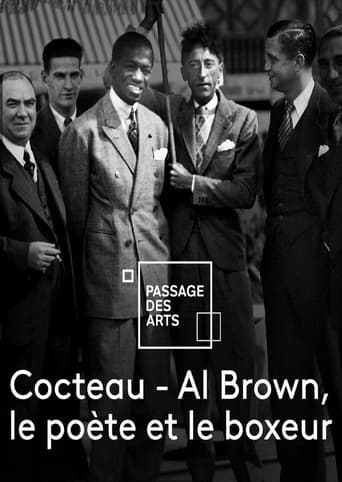
NRPortrait of Panama Al Brown, a great boxer in the 30's, and its story with France, with a focus on its relationship with Jean Cocteau, surrealist, poet, director, artist.
Cocteau—Al Brown: the Poet and the Boxer
2020
 2.0
2.0We thought we'd seen, read, and heard everything there was to see about the Cannes Film Festival, from the glitz and gossip to the scandals and censorship. And yet, Emmanuel Barnault's "Morceaux de Cannes" (Pieces of Cannes), by this leading expert on Italian and French cinema, convinces us otherwise. The third largest event in the world (after the Olympic Games and the FIFA World Cup) reveals its secrets only sparingly, as this film attests. The result of passionate research in the INA archives, these 52 minutes, without interviews or voice-over narration, string together rare and sometimes previously unseen footage. Taken together, they tell a surprising, original, and heartwarming story of the Festival. On the beach, on a street corner, in a restaurant, or in the privacy of a hotel room, these forgotten archives summon the greatest filmmakers, actors, and actresses of the last seventy years, from Jean Cocteau to David Lynch, for an anthology of the Festival's history.
Morceaux de Cannes
2021
 6.1
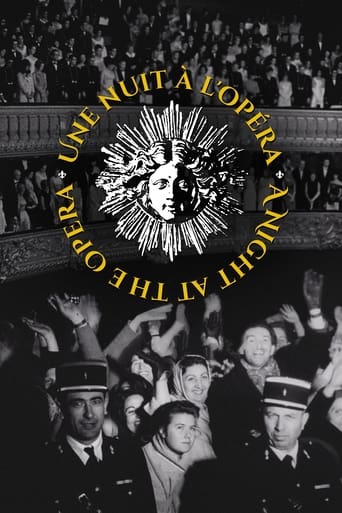
6.1A documentary view of the galas of Paris’s Palais Garnier in the 1950s and ’60s.
A Night at the Opera
2020
 NR
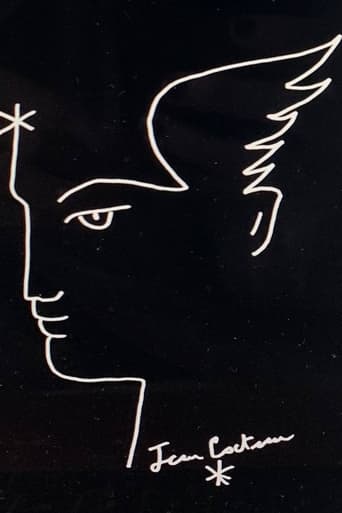
NRWe film buffs grew up worshiping Jean Cocteau—particularly his BEAUTY AND THE BEAST, ORPHEUS and BLOOD OF A POET—but in recent years he has perhaps ebbed from our consciousness.
Jean Cocteau
2024
 10.0
10.0"Fly too high and you will burn, go too low and you won't breathe." A 7 day vlog during the summer of 2023, a story of dreamers and drowners.
Daedalus
2024
 8.0
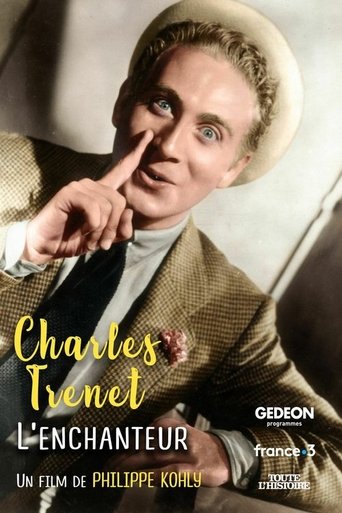
8.0Portrait of Charles Trenet. Twenty years after his death, this documentary offers a new look at the artist. When, in 1956, the singer appeared on television, he was 43 years old. And it is a man of 60 or even 70 years old that today's audience has known. The first Charles Trenet, the one who transported France when he was 25 or 30 years old, remains largely unknown. Yet it was this kid of genius who, at the age of 25, invented French chanson. But the archives that are scattered throughout this portrait also show that he invented a certain idea of joy. For joy in Trenet was a sport, a daily gymnastics.
Charles Trenet, l'enchanteur
2022
2010s · 3 titles
6.3In Le Livre d’Image, Jean-Luc Godard recycles existing images (films, documentaries, paintings, television archives, etc.), quotes excerpts from books, uses fragments of music. The driving force is poetic rhyme, the association or opposition of ideas, the aesthetic spark through editing, the keystone. The author performs the work of a sculptor. The hand, for this, is essential. He praises it at the start. “There are the five fingers. The five senses. The five parts of the world (…). The true condition of man is to think with his hands. Jean-Luc Godard composes a dazzling syncopation of sequences, the surge of which evokes the violence of the flows of our contemporary screens, taken to a level of incandescence rarely achieved. Crowned at Cannes, the last Godard is a shock film, with twilight beauty.
The Image Book
2018
 7.2
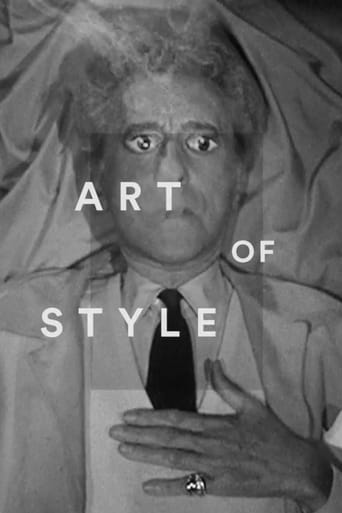
7.2French artist Jean Cocteau's multifaceted work across poetry, plays, paintings and film made him one of the leading creative figures of the Parisian avant-garde movement. Featuring Cocteau's own writings read by actor Timothée Chalamet, explore the dream-like quality of Cocteau's one of a kind oeuvre.
Art of Style: Jean Cocteau
2018
 10.0
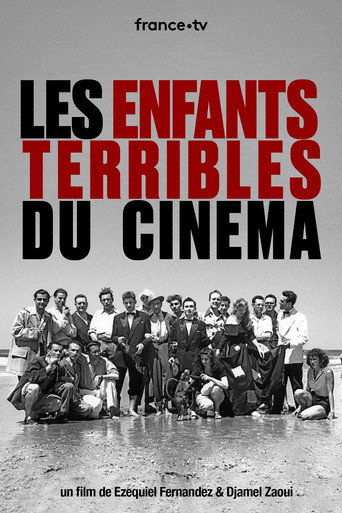
10.0The documentary "Les Enfants terribles du cinéma" (The Terrible Children of Cinema) tells the little-known story of one of the crossroads of cinephilia, *OBJECTIF 49*, which culminated in the organization of the Biarritz Festival of Cursed Films during the summer of 1949. This festival was initiated by Jean Cocteau, then at the height of his cinematic career. In Biarritz, films deemed "cursed" were screened because they had not yet found an audience or had been banned by censors. This selection offered a radically different vision of cinema from that of other festivals, such as Cannes. An entire generation of active filmmakers was celebrated: René Clément, Robert Bresson, Jacques Doniol-Valcroze, Eric Rohmer...
Les Enfants Terribles du Cinéma
2011
2000s · 7 titles
 6.4
6.4Commissioned to mark the 60th anniversary of the Cannes Film Festival, "To Each His Own Cinema" brought together 33 of the world's pre-eminent filmmakers to produce short pieces exploring the multifarious facets of cinema and their perspective on the state of their chosen artform in the early 21st century.
To Each His Own Cinema
2007
 6.8
6.8This revealing documentary from director Philippe Kohly examines the storied life of renowned soprano Maria Callas, from her troubled childhood in New York City to her scandal-laden but triumphant international career in opera. Featuring archival interviews with Callas herself and footage of contemporaries such as her lover Aristotle Onassis, this celebration of "La Divina" pays tribute to her enduring legacy some three decades after her death.
Callas Assoluta
2007
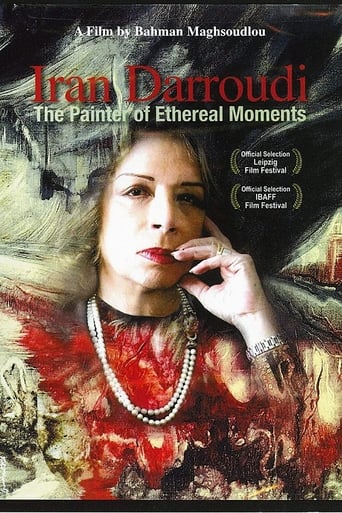 4.0
4.0A look at the life and art of Ms. Iran Darroudi, one of the most important contemporary Iranian painters, who has divided her time between Tehran and Paris for the past fifty years. The film describes the various influences in her life and how she came to cultivate a style that merges the western surrealism with eastern mysticism
Iran Darroudi: The Painter of Ethereal Moments
2009
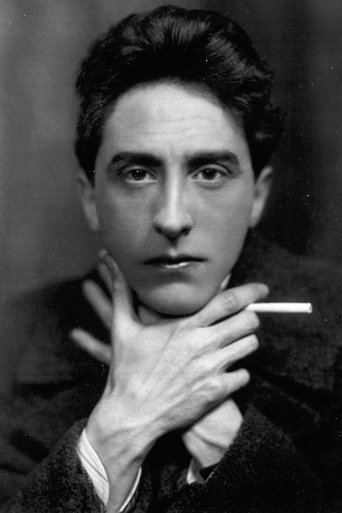 7.5
7.5No synopsis available yet.
Jean Cocteau, cinéaste
2001
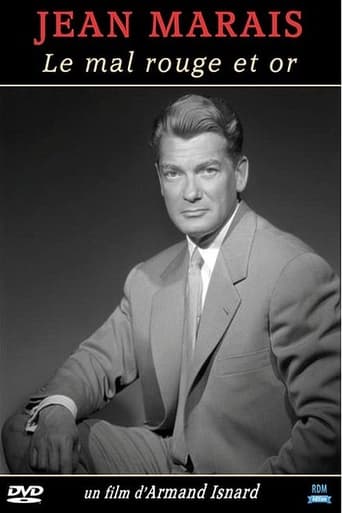 NR
NRNo synopsis available yet.
Jean Marais, le mal rouge et or
2006
 NR
NRPiaf’s life is a legend, a tale, a story so powerful that one might end up asking oneself if it really existed. Beyond the icon, there is the woman the documentary talks about, a fragile figure with an extraordinary personality. A street girl who experienced fame, love and who died almost clandestinely in a rented house in the south of France.
The Last Days of an Icon: Edith Piaf
2006
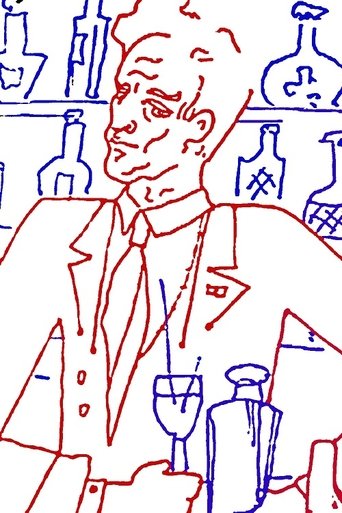 6.0
6.0Jean-Paul Fargier's documentary is a montage of animated images, numerous drawings and interviews with Jean Cocteau (1889-1963), interspersed with filmed archives of personalities he met with the aim of telling us about the explosive and prodigious life of this poet whose thirst for discovery and knowledge led him to connect with all the arts: the visual arts, literature and poetry, cinema and theater, dance and music. This eclecticism was fueled throughout his life by a profusion of artistic and romantic encounters, from Stravinsky to Picasso , from Coco Chanel to Colette , from Raymond Radiguet to Jean Marais . This whirlwind of social events, this artistic profusion inspired this documentary, in light of a large number of archives that make us revisit the artistic and Parisian life of the time. A multiple work, a life that contains several.
Cocteau and Company
2003
1990s · 2 titles
 NR
NRJean Cocteau (1889-1963), was a French poet, novelist, dramatist, designer, and filmmaker, whose versatility, unconventionality, and enormous output brought him international acclaim. As a leading member of the surrealist movement, he had a great influence on the work of others.
Great Writers: Jean Cocteau
1996
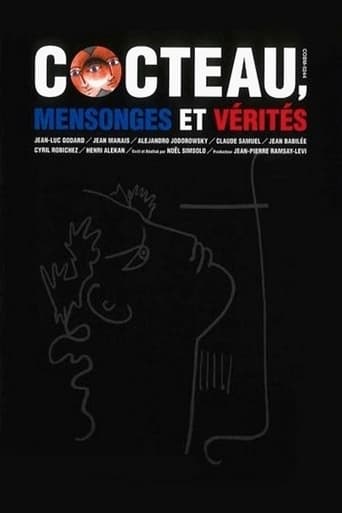 NR
NRThis documentary consists mainly of archive interviews of Jean Cocteau, and it features interesting contributions by Jean Marais and especially Jean-Luc Godard, who discusses Cocteau's foray into cinema. The film documents all the artistic media explored by a man who defined himself, first and foremost, as a poet.
Jean Cocteau: Lies and Truths
1997
1980s · 2 titles
20 minute music documentary shot in two days of November 1984 in, and around the outskirts of, Tokyo, Japan. A large part of the music was completed during that same month and recorded over a period of three days.
Steel Cathedrals
1985
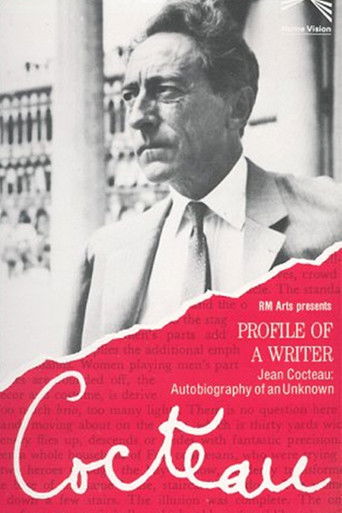 6.8
6.8Jean Cocteau reminisces about the people he has known throughout his long life.
Jean Cocteau: Autobiography of an Unknown
1984
1960s · 10 titles
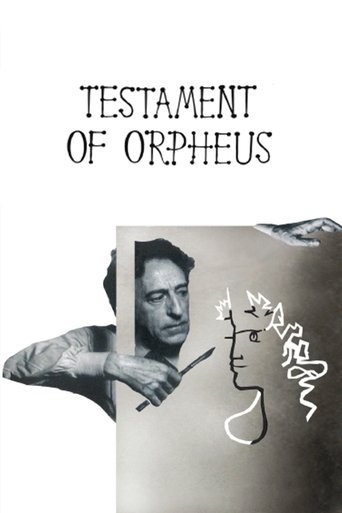 7.6
7.6An 18th century poet travels through time in search of divine wisdom. In a mysterious wasteland, he has a series of enigmatic encounters with symbolic phantoms with whom he muses about the nature of art and his own career. Ultimately, the poet strives to achieve his rebirth as a celestial being.
Testament of Orpheus
1960
 NR
NRThis documentary is a portrait of Proust composed of recollections by those who knew him. Intercut with reading from his works.
Marcel Proust - Portrait Souvenir
1962
 6.9
6.9At the end of the 1950s, French documentarian François Reichenbach spent eighteen months traveling the United States, documenting its diverse regions, their inhabitants, and their pastimes. The result is a journey through a multitude of different Americas, filtered through a French sensibility.
America as Seen by a Frenchman
1960
 NR
NR"In Search of Marcel Proust" is a 1962 literary documentary directed by the Italian poet Attilio Bertolucci. It serves as a biographical and critical journey into the world of Marcel Proust, blending readings from his masterpiece, In Search of Lost Time, with rare filmed testimonies from those who knew him personally, including his housekeeper Céleste Albaret and friends like Jean Cocteau and François Mauriac.
In Search of Marcel Proust
1962
 10.0
10.0This short documentary film is conceived as a stroll through the valley of Thebes and the temple of Karnak.
In This Atrocious Garden
1964
 NR
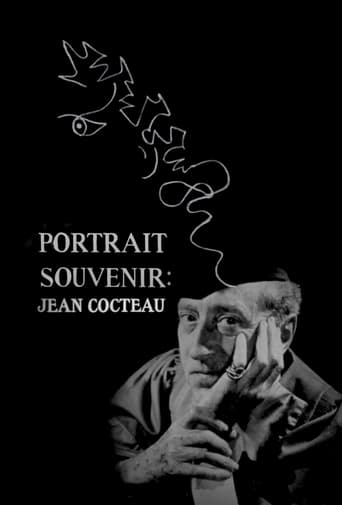
NRCocteau, at his home, remembers his childhood, talks at length about theater, cinema, literature, and draws portraits of friends.
Portrait Souvenir: Jean Cocteau
1964
No synopsis available yet.
Disorder Is 20 Years Old
1967
 8.0
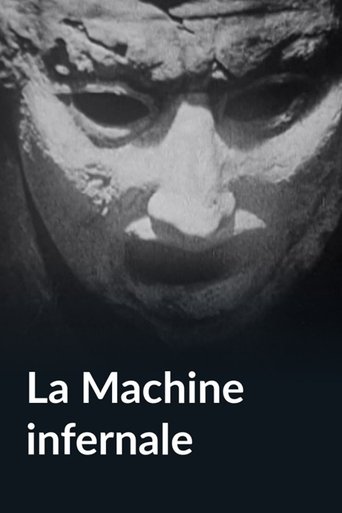
8.0A television adaptation of Jean Cocteau's surréalist take on the tragedy of Oedipus.
The Infernal Machine
1963
 6.5
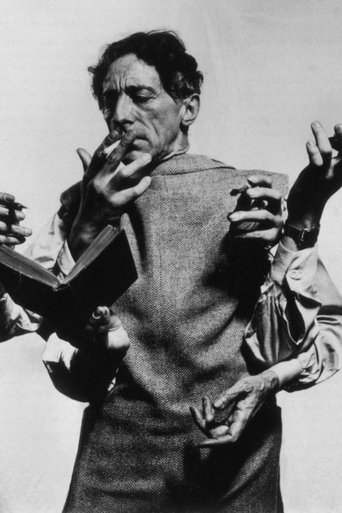
6.5In August 1963, just a couple of months before his death, Jean Cocteau made one last short film. The film comprises one still and highly sober shot of Cocteau facing the camera head-on to address the youth of the future. Once recorded, this spoken message for the 21st century was sealed and stored with the understanding that it would be opened only in the year 2000. As it turned out, it was discovered and exhumed a few years shy of that date. Where in The Testament of Orpheus Cocteau portrays himself as a living anachronism, a lonesome classical modernist loitering in space-time while lost in the spectral light of his memories, here he acknowledges explicitly the irony of his phantom-like state. By the time the viewer sees this image, he, J. C., our saviour Poet, will long be dead.
Jean Cocteau Addresses the Year 2000
1962
 NR
NRTravelogue exploring the coastline, towns and surrounding mountains of the French Riviera.
Beyond the Riviera
1960
1950s · 12 titles
7.7A famous poet in postwar Paris, scorned by the Left Bank youth, is in love with both his wife Eurydice and a mysterious princess. Seeking inspiration, the poet becomes obsessed and follows the princess from the world of the living to the land of the dead.
Orpheus
1950
 6.9
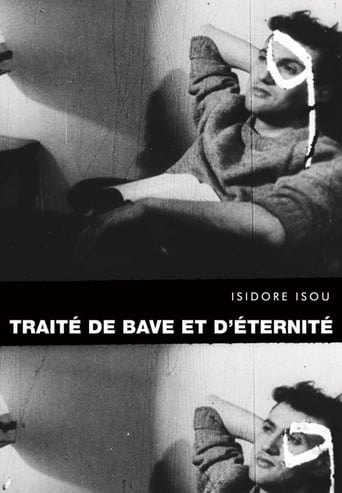
6.9In this experimental film, Isidore Isou, the leader of the lettrist movement, lashes out at conventional cinema and offers a revolutionary form of movie-making: through scratching and bleaching the film, through desynchronizing the soundtrack and the visual track, through deconstructing the story, he aims to renew the seventh art the same way he tried to revolutionize the literary world.
Venom and Eternity
1952
 5.7
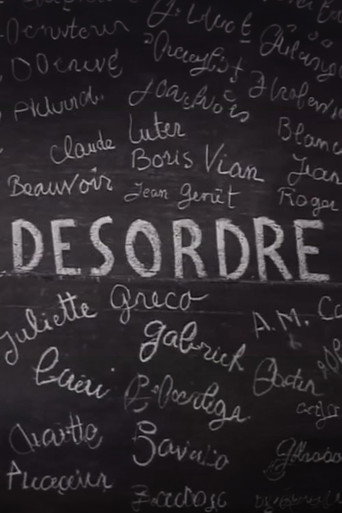
5.7Variations on the cultural and intellectual explosion in the Saint-Germain-des-Prés district in 1946.
Disorder
1950
 6.2
6.28 x 8: A Chess-Sonata in 8 Movements is an American experimental film directed by Hans Richter, Marcel Duchamp, and Jean Cocteau. Described by Richter as "part Freud, part Lewis Carroll" and filmed partially on the lawn of Duchamp's summer house in Southbury, Connecticut.
8 x 8: A Chess-Sonata in 8 Movements
1957
 6.6
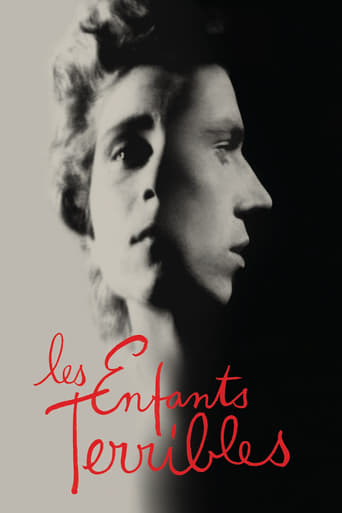
6.6Elisabeth and her brother Paul live isolated from much of the world after Paul is injured in a snowball fight. As a coping mechanism, the two conjure up a hermetic dream of their own making. Their relationship, however, isn't exactly wholesome. Jealousy and a malevolent undercurrent intrude on their fantasy when Elisabeth invites the strange Agathe to stay with them -- and Paul is immediately attracted to her.
The Strange Ones
1950
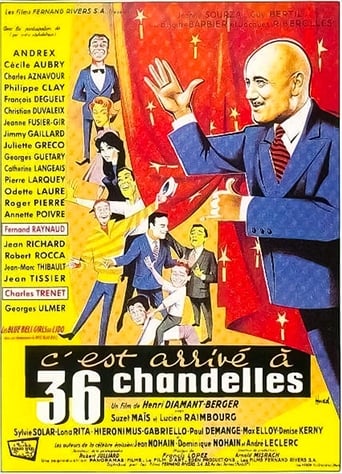 5.5
5.5Rejecting the union of her daughter Brigitte with a modest worker, Madame Magnin invents an adultery for the lover, then introduces Brigitte to a good-looking man working on the famous RTF entertainment show 36 Chandelles. The show ultimately seals the reunion of the two estranged young lovers. The story features a parade of music-hall stars from the era: Charles Trenet, Charles Aznavour, Georges Guétary, Juliette Gréco, Roger Pierre and Jean-Marc Thibault, Fernand Raynaud, Georges Ulmer and many more.
It Happened on the 36 Candles
1957
 7.2
7.2Cocteau takes the viewer on a tour of a friend's villa on the French coast (a major location used in Testament of Orpheus). The house itself is heavily decorated, mostly by Cocteau (and a bit by Picasso), and we are given an extensive tour of the artwork. Cocteau also shows us several dozen paintings as well. Most cover mythological themes, of course. He also proudly shows paintings by Edouard Dermithe and Jean Marais and plays around his own home in Villefranche.
La Villa Santo-Sospir
1952
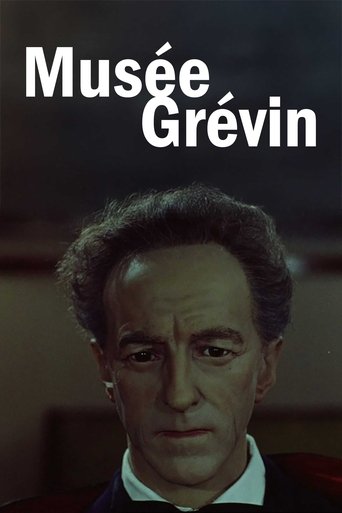 9.0
9.0A man dreams he is in a wax museum after it is closed for the night.The statues come to life and behave in mysterious ways.
Musée Grévin
1958
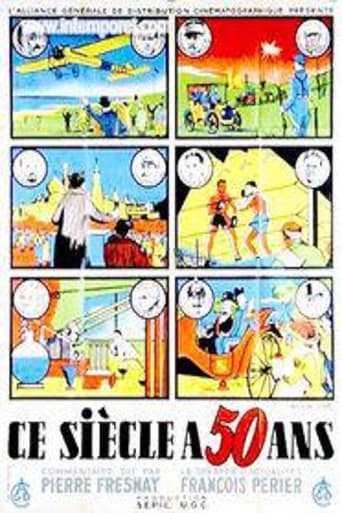 7.0
7.0As the title of this French documentary indicates, Ce Siecle a 50 Ans examines the 20th Century at its halfway point. Utilizing the archives of several European film reserves, director Denise Tua offers a fascinating mosaic of the people and events that shaped the years 1900 to 1950. Complementing the vintage film clips are three dramatized sketches, delineating the romantic customs of three different points in time. These sketches are inadequately performed, and can easily be ignored. Ce Siecle a 50 Ans both preserved and provided celluloid material for scores of future documentaries.
The Century Is Fifty
1950
Each portrayed painter produced an experimental animated short film to be featured in this film. A short film by Herbert Seggelke.
Eine Melodie - vier Maler
1955
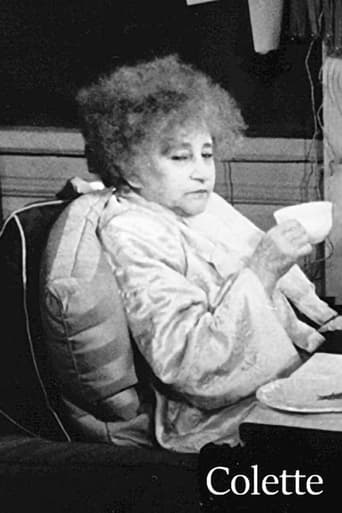 6.5
6.5In conversation, in her Paris apartment, Sidonie-Gabrielle Colette, mime, dancer, novelist, wonders whether she should give the green light to a proposed film about the houses in which she lived. “I’m no longer photogenic,” she insists; nearly 80, marriages, affair with a stepson and intermittent lesbianism behind her, refusing now even to mention the arthritis that confines and assaults her, Colette is vivacious. Yannick Bellon’s captivating postmodernist film, as much a study of evanescence as any poem by Dickinson, segues into the film that Colette, a few years before her end, has just said she doesn’t want to do. Giving voice(over) to her own commentary, she goes back, first, to the home in Saint-Sauveur-en-Puisaye, Yonne, where she was born.
Colette
1951
 NR
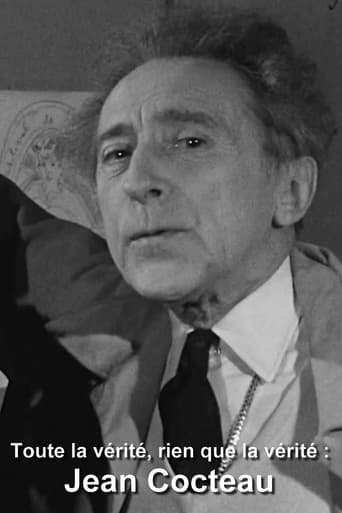
NRIn 1959, Jean Cocteau looked back on his artistic journey for the Télé Monte-Carlo television show Tout la vérité, rien que la vérité. The program ends with a tasty anecdote about television that Cocteau describes as a “box of tricks”. A few weeks later, in the same Victorine studios, Cocteau directed most of the sequences for his last opus: The Testament of Orpheus (1959).
Toute la vérité, rien que la vérité : Jean Cocteau
1959
1940s · 7 titles
 7.5
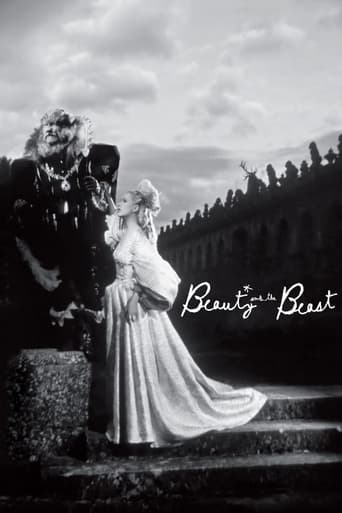
7.5The story of a gentle-hearted beast in love with a simple and beautiful girl. She is drawn to the repellent but strangely fascinating Beast, who tests her fidelity by giving her a key, telling her that if she doesn't return it to him by a specific time, he will die of grief. She is unable to return the key on time, but it is revealed that the Beast is the genuinely handsome one. A simple tale of tragic love that turns into a surreal vision of death, desire, and beauty.
Beauty and the Beast
1946
 6.2
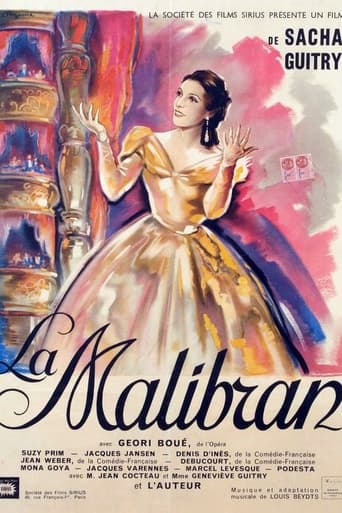
6.2On the death of the famous singer Maria Malibran, Countess Merlin retraces the main lines of the unusual destiny of this young woman entirely devoted to her art.
La Malibran
1944
 9.0
9.0Sitting at his desk, Guitry gives us a lecture on French history from Joan of Arc to the Occupation, with some focus on a number of its great writers and musicians.
From Joan of Arc to Philippe Pétain
1944
 6.2
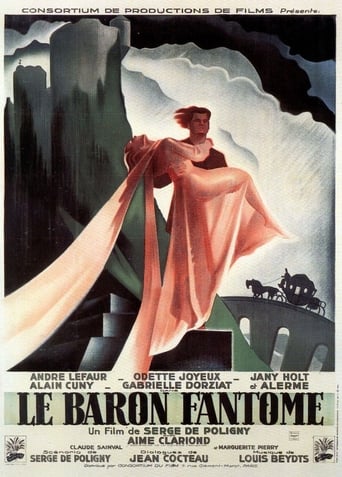
6.2Elfy, Countess of Saint-Hélié's daughter, was brought up with her foster sister Anne, in an old dilapidated castle whose landlord, Baron Julius Carol, disappeared mysteriously some day. The two girls had a playmate, Hervé, the son of the gamekeeper. Now that they are adult, Anne is in love with Hervé while Elfy thinks she loves the young man. One day, the baron's mummified body is found in an oubliette and the secret of the estate is revealed...
The Phantom Baron
1943
 10.0
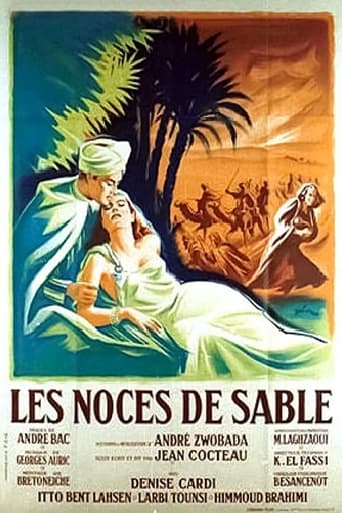
10.0This Moroccan romance is a kind of Arab Tristan and Isolde: the heroine kills herself when she is convinced no one cares for her, the young nobleman she thought would love her is killed by a madwoman.
Daughter of the Sands
1949
 6.6
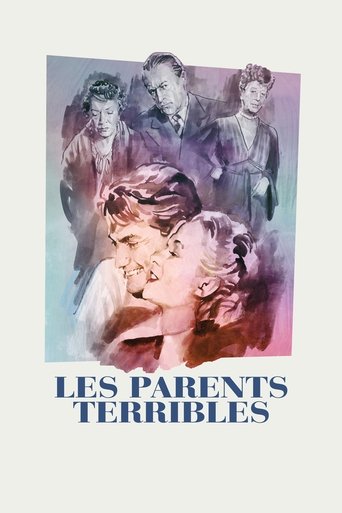
6.6Young Michel is in love with the attractive Madeleine, so he decides to tell his parents of his intention to marry her. He thinks his announcement is innocent enough; his engagement, however, threatens to reveal dark secrets lurking within his family's home. Yvonne, Michel's overbearing mother, concocts an elaborate scheme to drive Madeleine away, thus keeping uncomfortable household truths from being exposed.
The Storm Within
1948
The commentary recalls that Radio Brazzaville was, from June 18, 1943, the contact of the French settlements and the metropolis, bush stations participate in the organization of the resistance.
Black Friendship
1946
Series credits
8.0No synopsis available yet.
Discorama
1959
8.7No synopsis available yet.
Cinépanorama
1956
5.0No synopsis available yet.
Reflets de Cannes
1954
Produced for television by Claude-Jean Philippe, the « Encyclopédie audiovisuelle du cinéma », recounts the history of French cinema from its birth to the beginning of the 1960s. With commentary read by Jean Rochefort.
Encyclopédie audiovisuelle du cinéma
1978
 NR
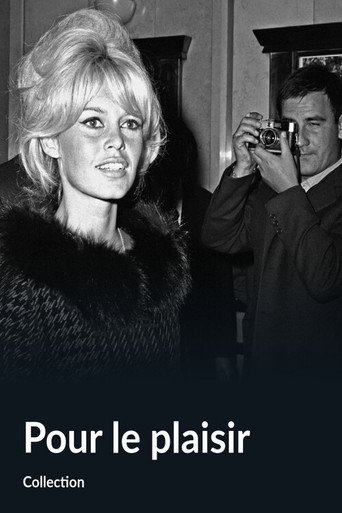
NRNo synopsis available yet.
Pour le plaisir
1964
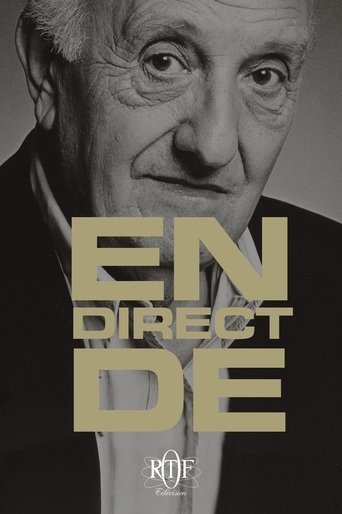 NR
NRNo synopsis available yet.
En direct de...
1956
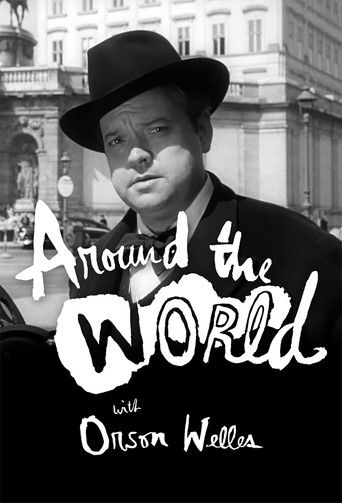 7.1
7.1A six-part British television travel series written, directed, and presented by Orson Welles for ITV in 1955. Filmed entirely in Europe, the series follows Welles through Vienna, the Basque Country, Madrid, Paris’s Saint-Germain-des-Prés, and London’s Chelsea Pensioners, blending travelogue, cultural portraiture, and personal essay. Moving between documentary observation and reflective commentary, the episodes combine interviews, local history, and Welles’s distinctive narration into a series that functions as both travel film and cinematic essay.
Around the World with Orson Welles
1955
Behind the camera
7.7A famous poet in postwar Paris, scorned by the Left Bank youth, is in love with both his wife Eurydice and a mysterious princess. Seeking inspiration, the poet becomes obsessed and follows the princess from the world of the living to the land of the dead.
Orpheus
1950
7.7A famous poet in postwar Paris, scorned by the Left Bank youth, is in love with both his wife Eurydice and a mysterious princess. Seeking inspiration, the poet becomes obsessed and follows the princess from the world of the living to the land of the dead.
Orpheus
1950
7.5The story of a gentle-hearted beast in love with a simple and beautiful girl. She is drawn to the repellent but strangely fascinating Beast, who tests her fidelity by giving her a key, telling her that if she doesn't return it to him by a specific time, he will die of grief. She is unable to return the key on time, but it is revealed that the Beast is the genuinely handsome one. A simple tale of tragic love that turns into a surreal vision of death, desire, and beauty.
Beauty and the Beast
1946
7.5The story of a gentle-hearted beast in love with a simple and beautiful girl. She is drawn to the repellent but strangely fascinating Beast, who tests her fidelity by giving her a key, telling her that if she doesn't return it to him by a specific time, he will die of grief. She is unable to return the key on time, but it is revealed that the Beast is the genuinely handsome one. A simple tale of tragic love that turns into a surreal vision of death, desire, and beauty.
Beauty and the Beast
1946
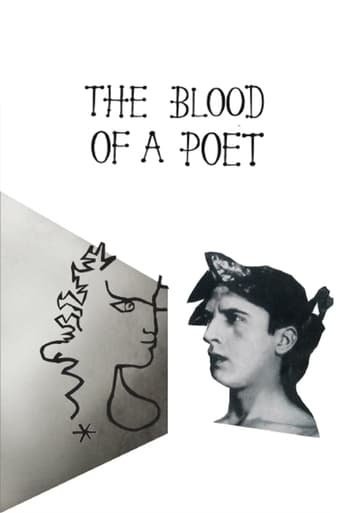 7.0
7.0In a poet’s room, an armless statue abruptly comes to life. It invites the poet to step through a mirror and to discover another world. Strange places and characters present themselves to him. The poet tears himself away from these twisted fascinations and returns, with some difficulty, to his room.
The Blood of a Poet
1932
7.0In a poet’s room, an armless statue abruptly comes to life. It invites the poet to step through a mirror and to discover another world. Strange places and characters present themselves to him. The poet tears himself away from these twisted fascinations and returns, with some difficulty, to his room.
The Blood of a Poet
1932
7.6An 18th century poet travels through time in search of divine wisdom. In a mysterious wasteland, he has a series of enigmatic encounters with symbolic phantoms with whom he muses about the nature of art and his own career. Ultimately, the poet strives to achieve his rebirth as a celestial being.
Testament of Orpheus
1960
7.6An 18th century poet travels through time in search of divine wisdom. In a mysterious wasteland, he has a series of enigmatic encounters with symbolic phantoms with whom he muses about the nature of art and his own career. Ultimately, the poet strives to achieve his rebirth as a celestial being.
Testament of Orpheus
1960
Through a series of pantomimes, Marcel Marceau, the famous mime, evokes the three ages of life: youth, middle and old age.
Pantomimes
1954
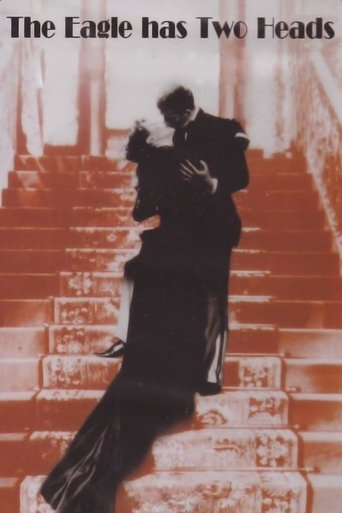 6.7
6.7Political intrigue and psychological drama run parallel. The queen is in seclusion, veiling her face for the ten years since her husband's assassination, longing to join him in death. Stanislas, a poet whose pen name is Azrael, is a suicidal anarchist, his imagination haunted into hate by longing for this queen who's drawn apart. He enters her private quarters intent on killing her then himself, but they fall in love, in part because he looks like the king. Stanislas wants her to regain political power by appearing to the public, and she tries to convince him to find hope and escape. All the while, the queen's enemies plot to keep the lovers together but to thwart their plans.
The Eagle with Two Heads
1948
6.7Political intrigue and psychological drama run parallel. The queen is in seclusion, veiling her face for the ten years since her husband's assassination, longing to join him in death. Stanislas, a poet whose pen name is Azrael, is a suicidal anarchist, his imagination haunted into hate by longing for this queen who's drawn apart. He enters her private quarters intent on killing her then himself, but they fall in love, in part because he looks like the king. Stanislas wants her to regain political power by appearing to the public, and she tries to convince him to find hope and escape. All the while, the queen's enemies plot to keep the lovers together but to thwart their plans.
The Eagle with Two Heads
1948
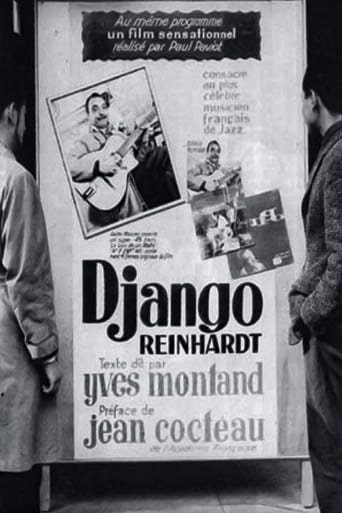 6.5
6.5One of the first filmed portraits of a jazz musician.
Django Reinhardt
1957
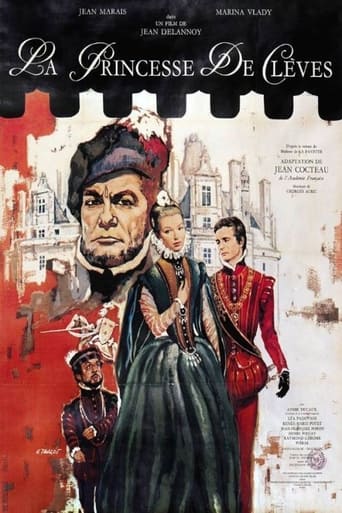 5.8
5.8A teen marries the Prince of Clèves, more than twice her age, which makes her an official Princess, a position she takes to heart. Although distracted by elite entertainments often found at court, the princess cannot help but mourn her impossible love for the dashing Duke of Nemours.
Princess of Cleves
1961
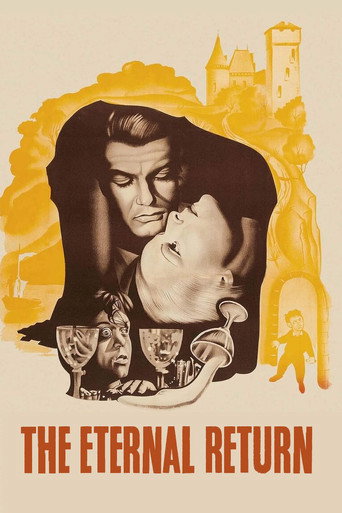 6.4
6.4In 1940s France, a man finds a wife for his uncle, but ends up falling in love with her himself when he drinks a love potion.
The Eternal Return
1943
6.28 x 8: A Chess-Sonata in 8 Movements is an American experimental film directed by Hans Richter, Marcel Duchamp, and Jean Cocteau. Described by Richter as "part Freud, part Lewis Carroll" and filmed partially on the lawn of Duchamp's summer house in Southbury, Connecticut.
8 x 8: A Chess-Sonata in 8 Movements
1957
 7.0
7.0On stage, the actress talks about her life in the 20th-century French theatre, the great authors she played and the famous stage directors of the time who directed her.
Edwige Feuillère en scène
1992
6.6Elisabeth and her brother Paul live isolated from much of the world after Paul is injured in a snowball fight. As a coping mechanism, the two conjure up a hermetic dream of their own making. Their relationship, however, isn't exactly wholesome. Jealousy and a malevolent undercurrent intrude on their fantasy when Elisabeth invites the strange Agathe to stay with them -- and Paul is immediately attracted to her.
The Strange Ones
1950
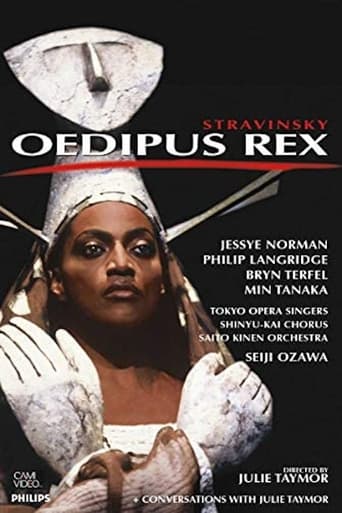 NR
NRImpressed by Jean Cocteau’s rewrite of Antigone, Stravinsky asked the poet for an adaptation of Oedipus Rex. The resulting libretto brings together the key scenes of Sophocles’s tragedy translated by the Abbé Jean Daniélou into Latin—a language that, according the composer, “is not dead but engraved in stone, and so imposing that it is immune to any popularization”.
Oedipus Rex
1993
7.2Cocteau takes the viewer on a tour of a friend's villa on the French coast (a major location used in Testament of Orpheus). The house itself is heavily decorated, mostly by Cocteau (and a bit by Picasso), and we are given an extensive tour of the artwork. Cocteau also shows us several dozen paintings as well. Most cover mythological themes, of course. He also proudly shows paintings by Edouard Dermithe and Jean Marais and plays around his own home in Villefranche.
La Villa Santo-Sospir
1952
6.2Elfy, Countess of Saint-Hélié's daughter, was brought up with her foster sister Anne, in an old dilapidated castle whose landlord, Baron Julius Carol, disappeared mysteriously some day. The two girls had a playmate, Hervé, the son of the gamekeeper. Now that they are adult, Anne is in love with Hervé while Elfy thinks she loves the young man. One day, the baron's mummified body is found in an oubliette and the secret of the estate is revealed...
The Phantom Baron
1943
 5.4
5.4A woman suffers from amnesia after killing her husband, who was just about to demand a divorce for having found her engaging in an affair with a lover, who is only interested in her to find where some precious jewels are hidden.
Black Crown
1951
Merlin, shot on 35mm, is an adaptation of Cocteau's play "Knights of the Round Table."
Merlín
1991
10.0This short documentary film is conceived as a stroll through the valley of Thebes and the temple of Karnak.
In This Atrocious Garden
1964
 6.0
6.0Recreation of Picasso and Cocteau's 1917 play. Apart of the ballet program, 'Picasso and Dance.'
Parade
—
 9.0
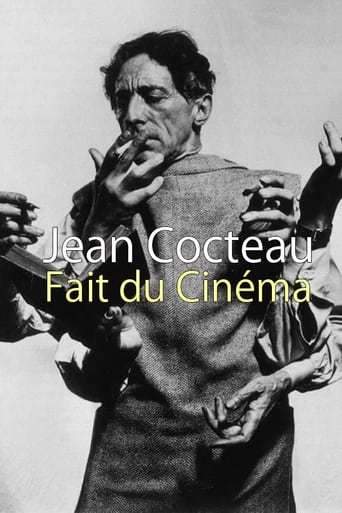
9.0A short film about a famous writer who loses control of his hand and begins to write letters and articles denouncing himself.
Jean Cocteau Makes Cinema
1925
 NR
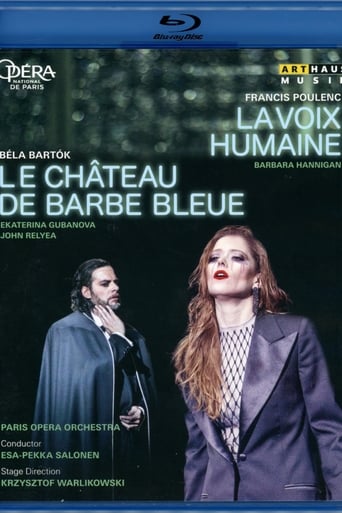
NRRunning through Bartók’s disenchanted tale, whose haunting music was initially condemned as unplayable, and the expression of despair in Poulenc’s monologue, the director Krzysztof Warlikowski perceives a shared dramatic thread, a shared feminine consciousness and a shared sense of imprisonment and suffocation: for the woman who penetrates the confines of Bluebeard’s castle and Elle, the woman who clings to a telephone conversation with a man as the only thing worth living for, are condemned to share the same fate. And this man she speaks to, does he really exist? Unless the director has interpreted Cocteau’s words to the letter and the telephone has become a “terrifying weapon that leaves no trace, makes no noise”…
Poulenc's The Human Voice / Bartók's Bluebeard's Castle
2018
 7.3
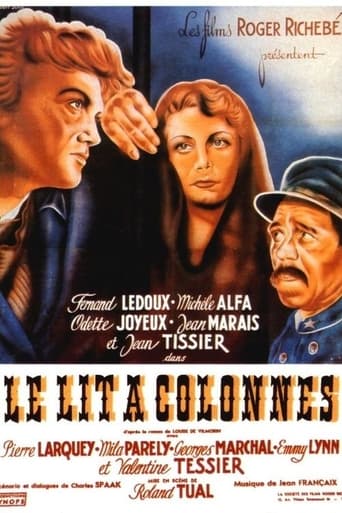
7.3In his prison cell, the composer Remi Bonvent composed an opera, The columns bed. The director of the prison, Porey Cave, succeeds made believe he is the author of this work. The death of the two protagonists will prevent the discovery of the truth.
The Four-Poster Bed
1942
 7.0
7.0No synopsis available yet.
Les parents terribles
2022
6.6Young Michel is in love with the attractive Madeleine, so he decides to tell his parents of his intention to marry her. He thinks his announcement is innocent enough; his engagement, however, threatens to reveal dark secrets lurking within his family's home. Yvonne, Michel's overbearing mother, concocts an elaborate scheme to drive Madeleine away, thus keeping uncomfortable household truths from being exposed.
The Storm Within
1948
6.6Young Michel is in love with the attractive Madeleine, so he decides to tell his parents of his intention to marry her. He thinks his announcement is innocent enough; his engagement, however, threatens to reveal dark secrets lurking within his family's home. Yvonne, Michel's overbearing mother, concocts an elaborate scheme to drive Madeleine away, thus keeping uncomfortable household truths from being exposed.
The Storm Within
1948
 NR
NRFilm based on the lyrical tragedy of the same name by Jean Cocteau and Francis Poulenc, directed by Alain Françon at the Théâtre du Châtelet.
La Voix Humaine: Tragédie Lyrique en un Acte
1989
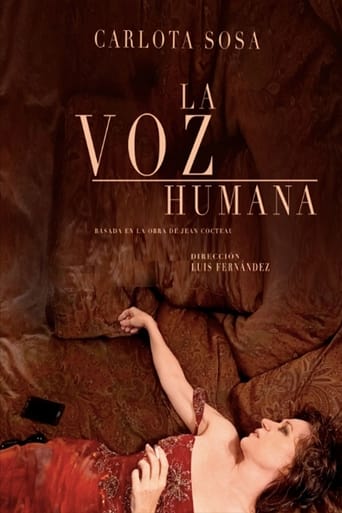 NR
NRShe's alone in her huge, empty house. Just a dog. His dog. And the remains of what once was. Her lover of five years has left her. Only few of his things are left behind. His last call may change things.
The Human Voice
2021
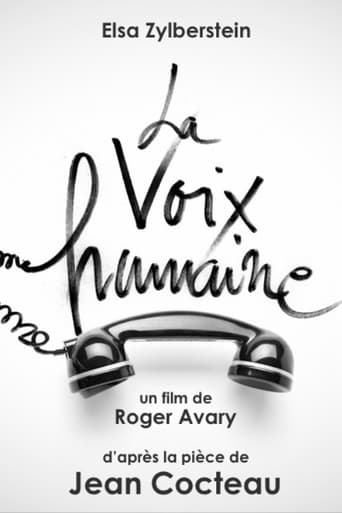 NR
NRA woman’s last phone conversation with her lover, who now loves someone else.
The Human Voice
2018
 6.0
6.0TV movie adaptation of Jean Cocteau’s one-act play of a woman lecturing her indifferent lover, starring Alain Delon and Annie Cordy.
Le Bel Indifférent
1978
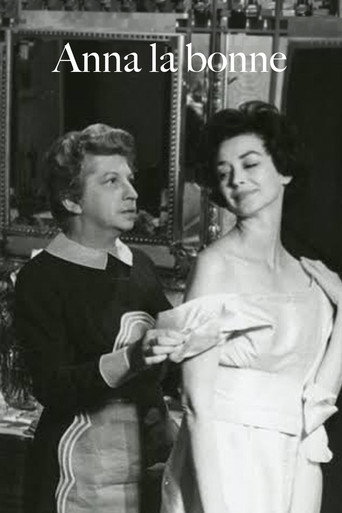 7.0
7.0An experimental movie based on a poem of the French writer and director Jean Cocteau about a servant who fantasises about killing the lady of the house.
Anna the Maid
1958
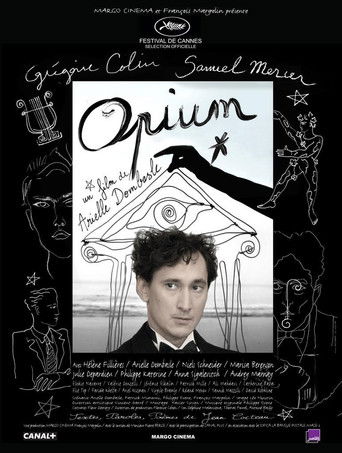 4.0
4.0The frustrated loves of Jean Cocteau and Raymond Radiguet at the beginning of the 1920s. The death of Radiguet that sank Cocteau into opium. A story under the influence of drugs. A narrative in the spirit of Cocteau. And all this in a musical.
Opium
2013
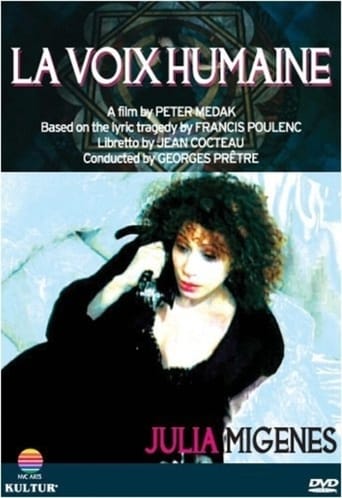 9.0
9.0La Voix Humaine is a concerto for soprano and orchestra, centering on the break-up of a relationship by telephone. It represents one side of a conversation between a young woman (sung by American soprano, Julia Migenes) and her lover, who has jilted her. In a 1930s, Parisian apartment, a woman is seen making for the door. As she passes the telephone, it rings. From now on she sings, sitting, standing, on her knees, pacing up and down the room, pulling at the telephone cord, going through every emotion until ultimately, in despair, she takes her own life. Jean Cocteau wrote, it is not just that the telephone is sometimes more dangerous than the revolver but that its tangled cord drains us of our strength, while giving us nothing in return.
The Human Voice
1990
The commentary recalls that Radio Brazzaville was, from June 18, 1943, the contact of the French settlements and the metropolis, bush stations participate in the organization of the resistance.
Black Friendship
1946
Produced and conceived by French filmmakers Jean Cocteau and François Villiers, with a screenplay by Langston Hughes, Rhythm of Africa takes a look at the special ceremonial dance of atonement in Chad. The heartbeat of the jungle, the day-to-day life in the modernizing village, and the bustling marketplace take on a hypnotizing rhythm of their own. A changing Africa asserts itself in a changing world.
Rhythm of Africa
1947
6.5In August 1963, just a couple of months before his death, Jean Cocteau made one last short film. The film comprises one still and highly sober shot of Cocteau facing the camera head-on to address the youth of the future. Once recorded, this spoken message for the 21st century was sealed and stored with the understanding that it would be opened only in the year 2000. As it turned out, it was discovered and exhumed a few years shy of that date. Where in The Testament of Orpheus Cocteau portrays himself as a living anachronism, a lonesome classical modernist loitering in space-time while lost in the spectral light of his memories, here he acknowledges explicitly the irony of his phantom-like state. By the time the viewer sees this image, he, J. C., our saviour Poet, will long be dead.
Jean Cocteau Addresses the Year 2000
1962