Acting
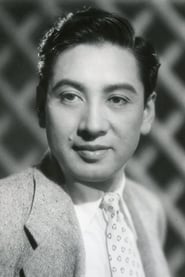
Kazuo Hasegawa
Born — Died
1908-02-27 — 1984-04-06
Place of birth
Kyoto, Kyoto, Japan
Known for
Acting
Credits
63 titles
Kazuo Hasegawa was a Japanese film and stage actor. He appeared in over 300 films from 1927 to 1963. Born to a sake brewing family in Kyoto, he first appeared on stage at age five in a theater run by his family as a side business. In 1918, he became a student of Nakamura Ganjirō I and performed kabuki in the Kansai region. He joined the Shochiku studio in 1927 and made his film debut in Chigo no kenpō under the name Chōjirō Hayashi. His good looks and graceful fighting style made him a major jidaigeki star, and he appeared in more than 120 films for Shochiku in 11 years, with the best works being directed by Teinosuke Kinugasa. He moved to the Toho studio in 1937. On 11 November 1937, howe…
Known for
 7.5
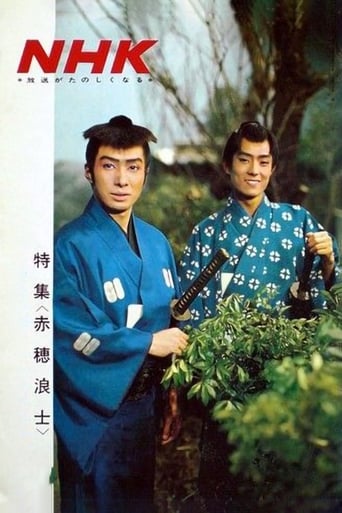
7.5"Ako Roshi" is a group of 47 former retainers of Lord Asano. Lord Asano was forced to commit suicide after attempting to kill Lord Kira. Once the retainers hear about their Lord's death, they sacrifice their lives to regain the honor of their former master.
Akō Rōshi
1964
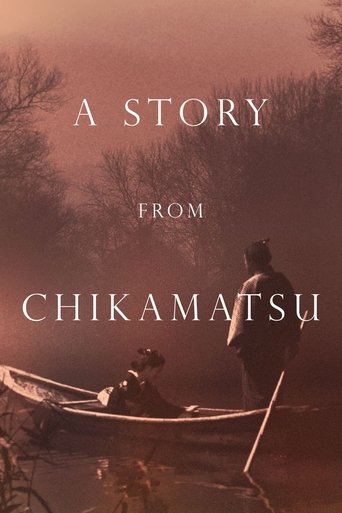 7.8
7.8When the wife of a 17th-century Kyoto scrollmaker is falsely accused of having an affair with his best employee, the pair flee the city and find themselves truly falling for one another.
Chikamatsu Monogatari
1954
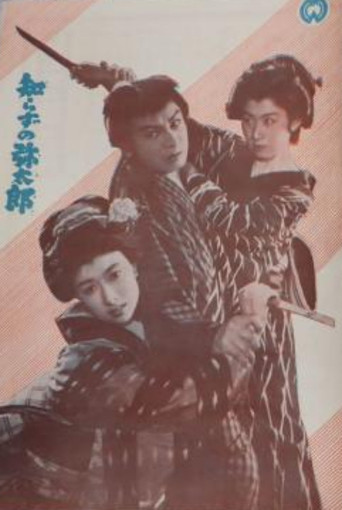 NR
NRNo synopsis available yet.
Shirazu no Yatarō
1954
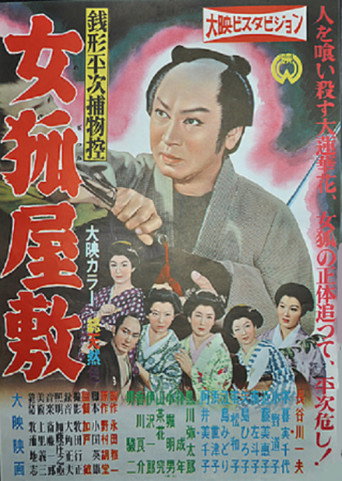 NR
NRNo synopsis available yet.
Zenigata Heiji torimono hikae: Onna kitsune yashiki
1957
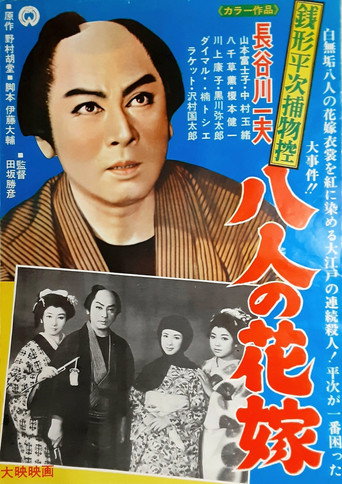 NR
NRNo synopsis available yet.
Zenigata Heiji torimono hikae: hachi-nin no hanayome
1958
 7.1
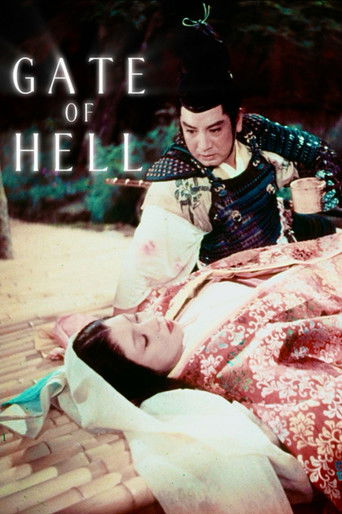
7.1Japan, 1159. Moritō, a brave samurai, performs a heroic act by rescuing the lovely Kesa during a violent uprising. Moritō falls in love with her, but becomes distraught when he finds out that she is married.
Gate of Hell
1953
Film credits
1960s · 4 titles
 6.6
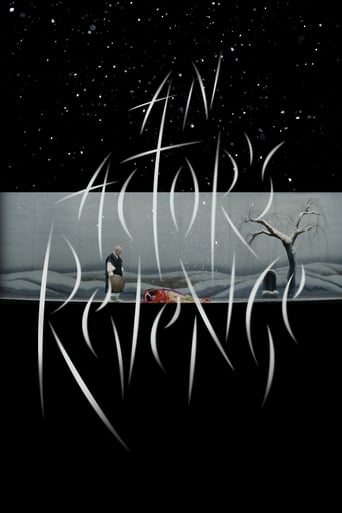
6.6In Edo Japan, a kabuki actor seeks revenge against the three men who drove his parents to their deaths years ago.
An Actor's Revenge
1963
 6.5
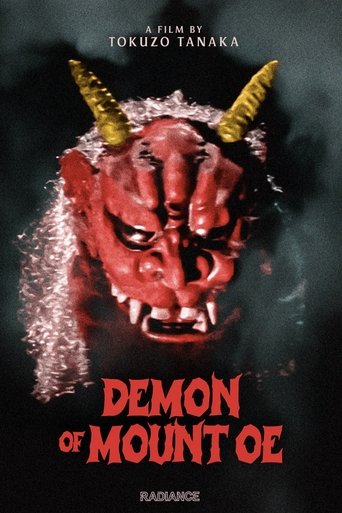
6.5A band of warriors journeys to Mount Oe to rescue abducted women from a demon, overcoming supernatural threats like a giant spider and a diabolical witch along the way.
The Demon of Mount Oe
1960
 7.0
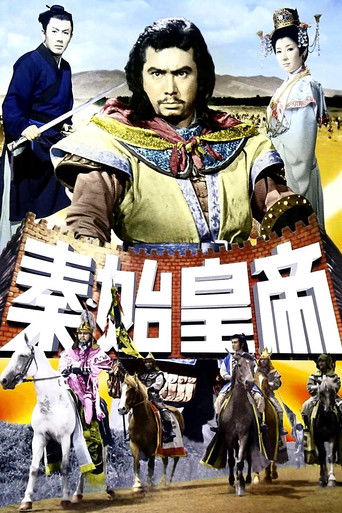
7.0In 221 BC, Qin Shihuangdi conquered the rest of China. Qin's great accomplishments and also his serious faults are showed in this film. Qin adopted autocratic dictatorship and led a luxurious life: abolition of feudalism and the centralization of power in the form of a now-hereditary bureaucracy loyal to himself; burning books and burying scholars; the construction of a sumptuous palace for his concubines and also the Great Wall.
The Great Wall
1962
 NR
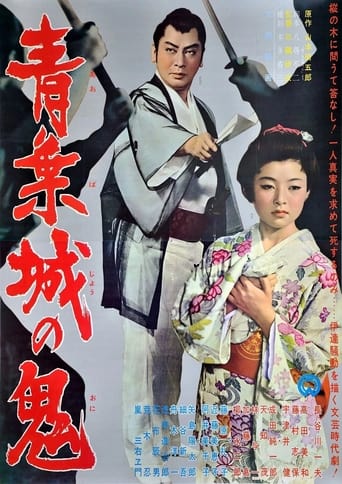
NRTsunamune Date, the young lord of Sendai Domain, was ordered by the shogunate to stand down after being spotted in a brothel. Shortly after, four advisors from his entourage were assassinated, calling into question the possessions of the Date family.
The Demon of Sendai's Castle
1962
1950s · 43 titles
7.8When the wife of a 17th-century Kyoto scrollmaker is falsely accused of having an affair with his best employee, the pair flee the city and find themselves truly falling for one another.
Chikamatsu Monogatari
1954
NRNo synopsis available yet.
Shirazu no Yatarō
1954
NRNo synopsis available yet.
Zenigata Heiji torimono hikae: Onna kitsune yashiki
1957
NRNo synopsis available yet.
Zenigata Heiji torimono hikae: hachi-nin no hanayome
1958
7.1Japan, 1159. Moritō, a brave samurai, performs a heroic act by rescuing the lovely Kesa during a violent uprising. Moritō falls in love with her, but becomes distraught when he finds out that she is married.
Gate of Hell
1953
 NR
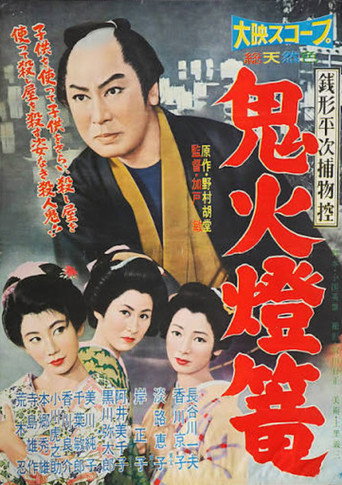
NRNo synopsis available yet.
Zenigata Heiji torimono hikae: Onibi tōrō
1958
 NR
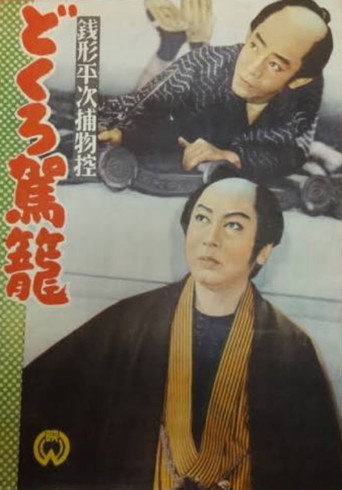
NRNo synopsis available yet.
Zenigata heiji torimono hikae: Dokuro kago
1955
 6.2
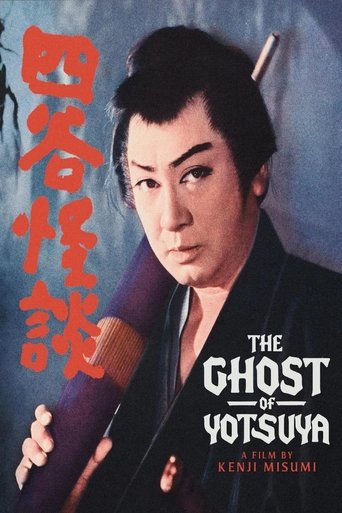
6.2In one of Japan's most frequently-told ghost stories, a murdered wife returns in an act of vengeance.
The Ghost of Yotsuya
1959
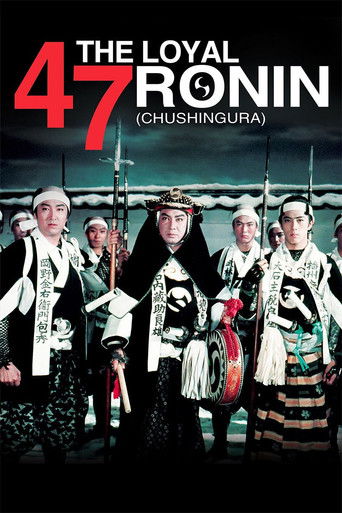 6.2
6.2Japan, 1701. A group of samurai become rônin after their lord is forced to commit seppuku for assaulting a court official, who will become the target of a merciless revenge.
The Loyal 47 Ronin
1958
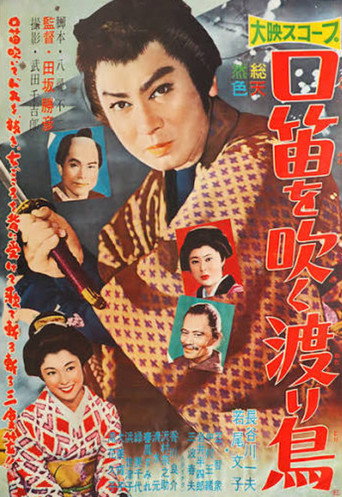 NR
NRNo synopsis available yet.
Kuchibue o fuku wataridori
1958
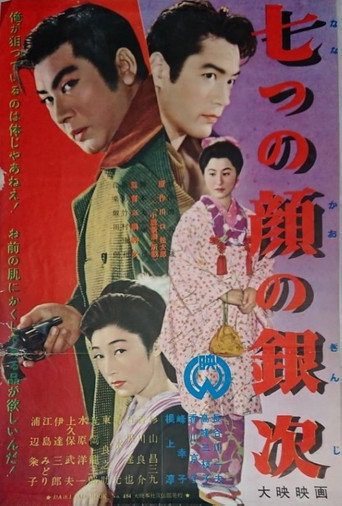 NR
NRYesterday a gentleman, today a student, tomorrow a stylish man in a casual kimono—Ginji, the pickpocket with seven faces, has his sights set on the gold watch of destiny. A tale of passion, love, human emotion, pistols, and thrills.
Ginji of the Seven Faces
1955
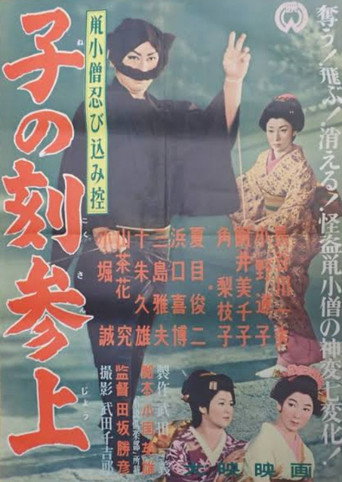 NR
NRNo synopsis available yet.
Nezumi Kozō shinobi komi hikae: Ne no koku sanjō
1957
 NR
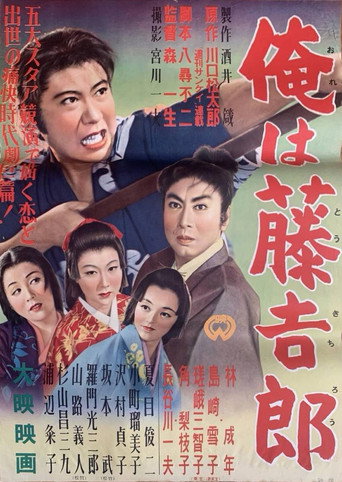
NRNo synopsis available yet.
I Was Tokichiro
1955
 NR
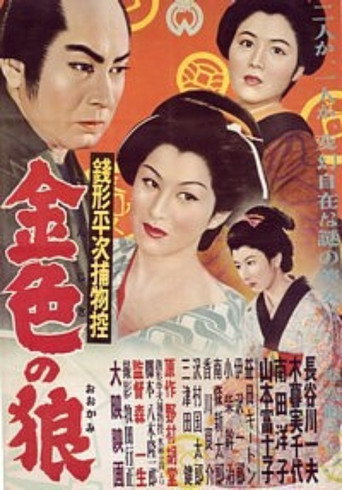
NRA series of murders surrounds the 70,000 ryō in buried treasure hidden by the Kanayama Magistrate.
Zenigata heiji torimono hikae: Kiniro no ōkami
1953
 7.0
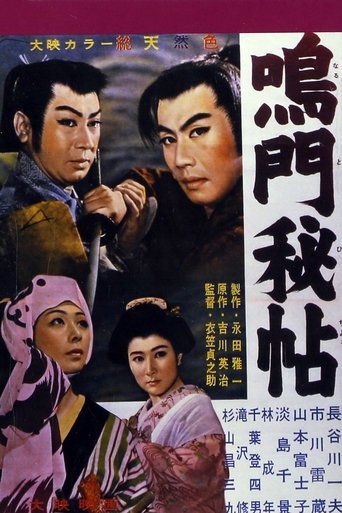
7.0From the pen of Yoshikawa Eiji comes this exciting story. The Naruto Strait separates Tokushima from the islands of Awaji and Honshu. On Tokushima the mad lord dreams of conquest and forges a bloody revolt against the Tokugawa shogunate. A mysterious swordsman named Noriyuki Gennojo has crossed Naruto’s waters to uncover the Awa clan’s secrets. He puts his life on the line after finding a testament of Awa’s secrets, written in blood by a dying man. Joining Noriyuki are a female ninja who loves him, and the beautiful daughter of an enemy who’s sworn to kill him. Awa’s defenders willl stop at nothing to prevent the blood-soaked letter from reaching the shogun.
Secret of Naruto
1957
 6.0
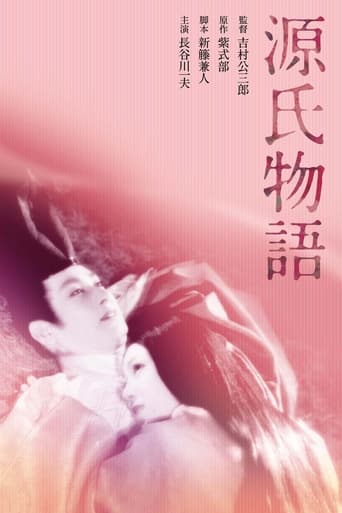
6.0Genji, the illegitimate offspring of a Japanese potentate, goes by the philosophy of "love 'em and leave 'em" as a matter of course. Only when his heart is broken by Awaji does Genji realizes how much pain he himself has caused.
The Tale of Genji
1951
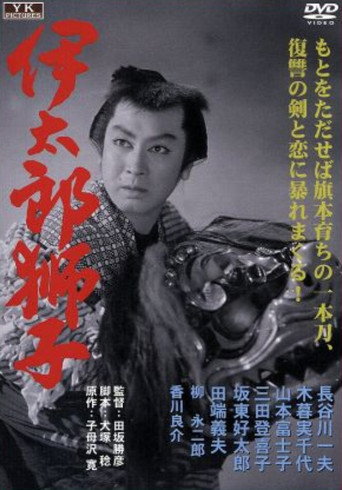 NR
NRItarō abandons his life as a hatamoto to become a yakuza.
Itarō jishi
1955
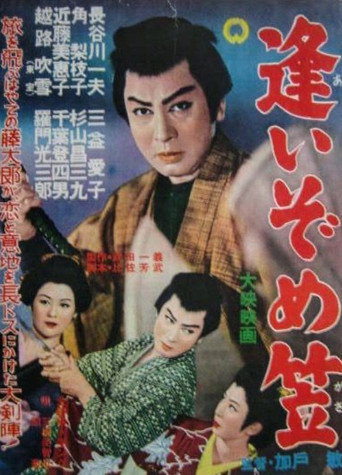 NR
NRNo synopsis available yet.
Aizome gasa
1956
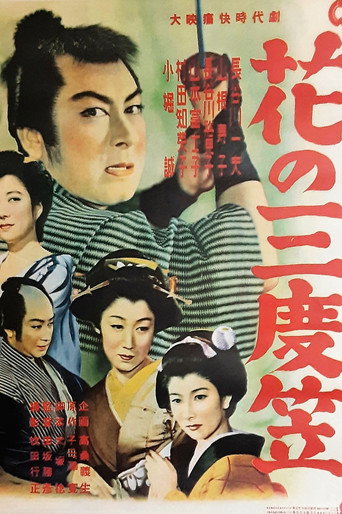 NR
NRNo synopsis available yet.
Hana no sando gasa
1954
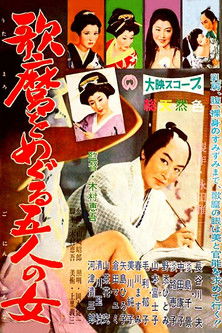 9.0
9.0Kitagawa Utamaro is a famous ukiyo-e artist known for his paintings of beautiful women. The courtesan who became his model became even more popular. Ocho, a resident of an apartment building, hears about this and secretly plans to follow Otose, the owner of Mizuta-ya, who became famous as Utamaro's model. At this time, the Kano school, headed by Kano Eikawa, which was under the control of the shogunate, is dissatisfied with Utamaro's fame and tries to compromise him…
Utamaro, Painter of the Woman
1959
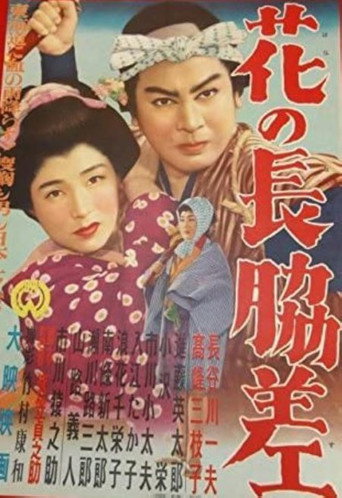 NR
NRNo synopsis available yet.
Hana no nagadosu
1954
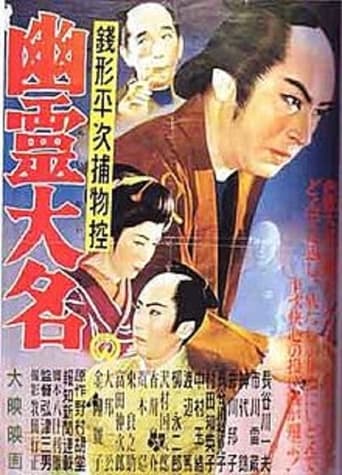 NR
NRNo synopsis available yet.
Case Files of Zenigata Heiji: Ghost Lord
1954
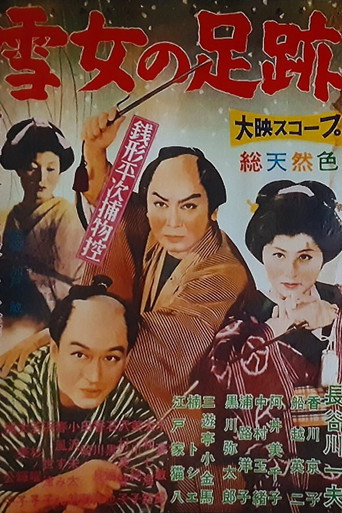 NR
NRNo synopsis available yet.
The Footmark of a Snow Fairy
1958
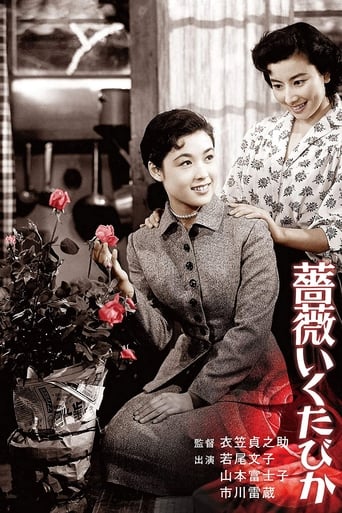 10.0
10.0A Girl isn't Allowed to Love is a 1955 Japanese film directed by Teinosuke Kinugasa.
A Girl Isn't Allowed to Love
1955
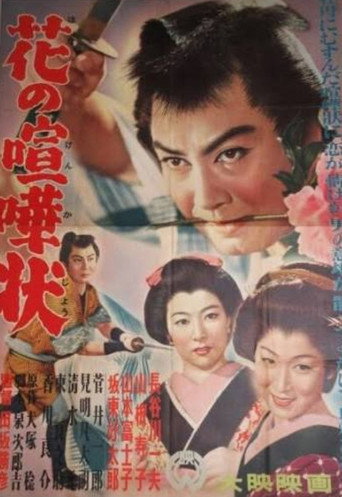 NR
NRNo synopsis available yet.
Hana no kenkajō
1953
No synopsis available yet.
Coming Up of Kodokan
1953
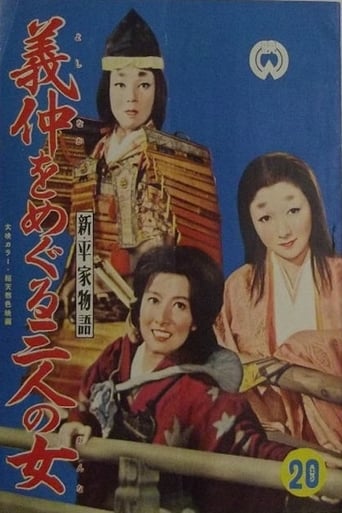 7.7
7.7The story of Yoshinaka during the tumultuous period of warring related to us in the Heike Monogatari. Close in setting to Kinugasa’s famous Gate of Hell (1953).
Three Women Around Yoshinaka
1956
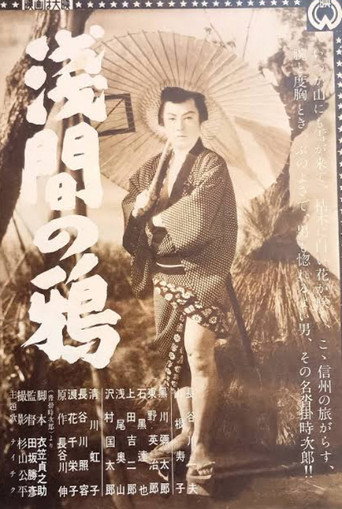 NR
NRAfter killing a man who owed him neither a debt of gratitude nor a grudge, Tokijiro decides to leave the yakuza life behind in accordance with the code of honor—but becomes an assistant to yakuza for the sake of the man’s orphaned child his mother.
Asama no karasu
1953
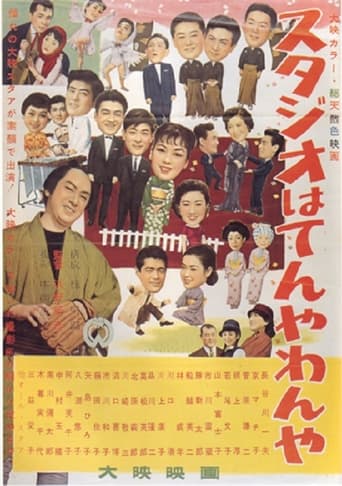 NR
NRA studio introduction version for Daiei Stars.
Daiei Studio is Bustling
1957
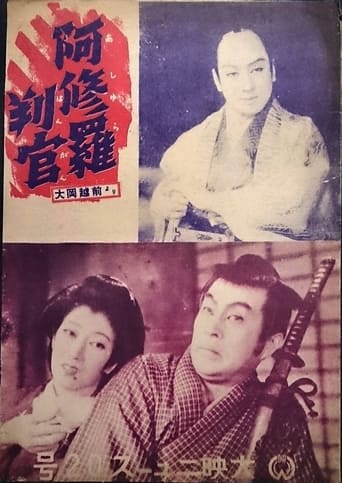 10.0
10.0No synopsis available yet.
Judge of the Ashuras
1951
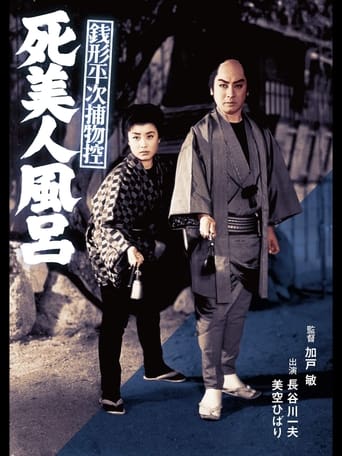 NR
NRNo synopsis available yet.
Case Files of Zenigata Heiji: The Dead Beauty in the Bathhouse
1956
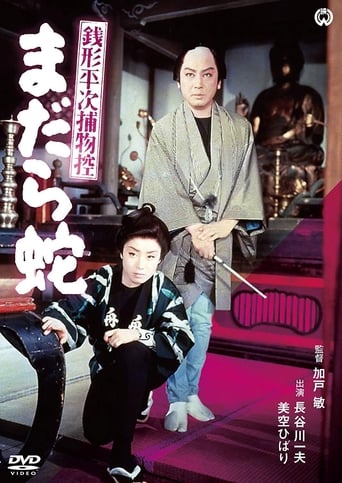 7.0
7.0No synopsis available yet.
Case Files of Zenigata Heiji: The Cursed Coin
1957
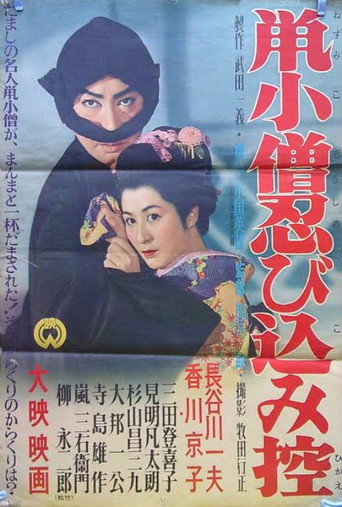 NR
NRNo synopsis available yet.
Nezumi Kozō shinobi komi hikae
1956
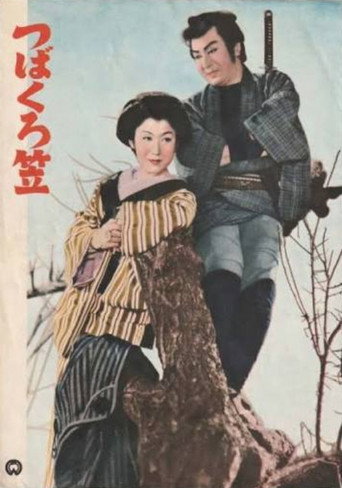 NR
NRNo synopsis available yet.
Tsubakuro kasa
1955
No synopsis available yet.
Zenigata Heiji
1951
 7.4
7.4Legendary yakuza Shimizu Jirocho and his 28 henchmen travel the unruly path from a 'Fire Festival' in Akiba to a decisive battle by the Fujigawa.
Jirocho Fuji
1959
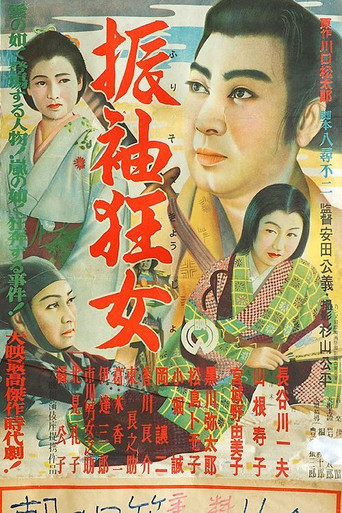 NR
NRA handsome man and a beautiful woman who seek to restore the Toyotomi clan by taking in the orphaned Princess Tsuru.
Furisode kyōjo
1952
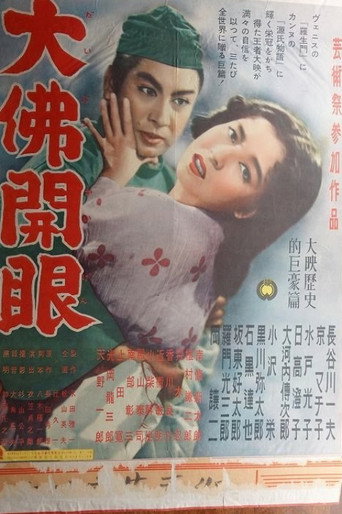 10.0
10.0The film depicts how the work to build the Great Buddha overcame a number of obstacles as proponents and opponents clashed over the construction of the Buddha. This work is based on a play by Hideo Osada, which was performed by the Shin Kyodo Theater Company in 1940.
Dedication of the Great Buddha
1952
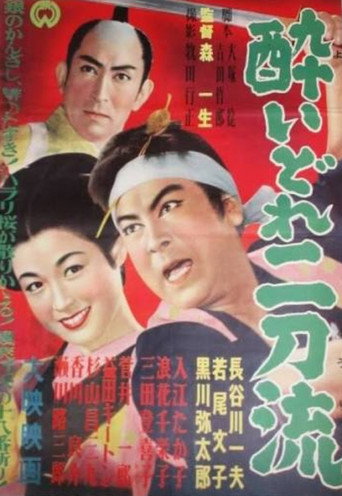 NR
NRNo synopsis available yet.
Yoidore nitōryū
1954
 NR
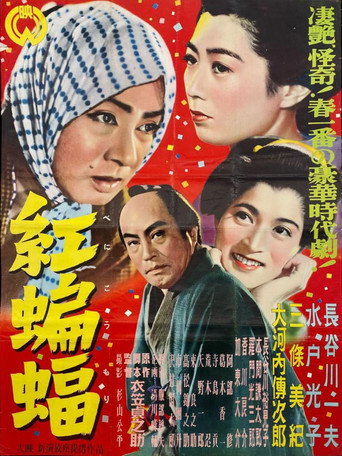
NRA bizarre duel on a snowy night with a woman at stake, a sudden and brazen murder, and a thrilling chase of love and passion.
The Scarlet Bat
1950
 7.0
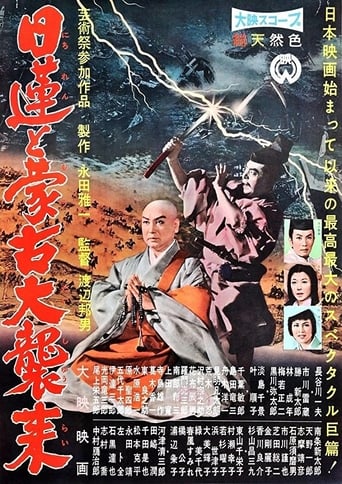
7.0During the 1200's, legendary Buddhist monk Nichiren returns from his studies to lead Japan out of moral crisis and prepare to fight Mongol invaders by creating a new form of Buddhism. He runs afoul of the existing Buddhist sects and their government supporters and is persecuted. Can Nichiren persevere before the Mongol fleet reaches Japanese shores?
Nichiren and the Great Mongol Invasion
1958
 NR
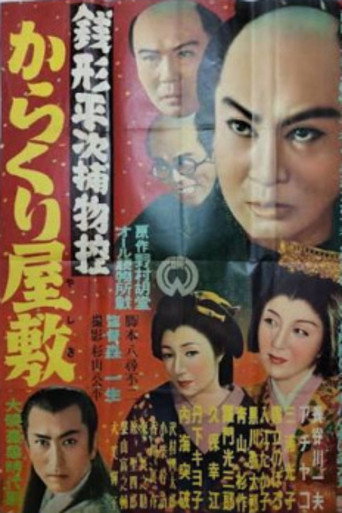
NRNo synopsis available yet.
Zenigata heiji torimono hikae: Karakuri yashiki
1953
No synopsis available yet.
Case Files of Zenigata Heiji: The Human-Skin Spider
1956
1940s · 10 titles
 10.0
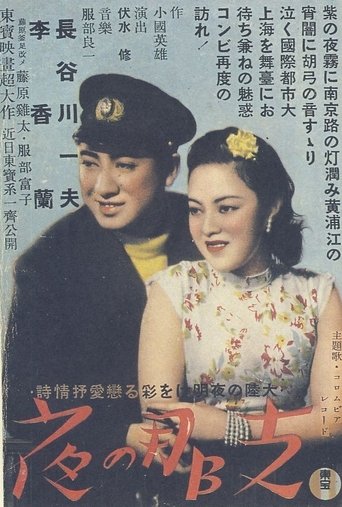
10.0Wartime propaganda filmed by the Japanese in occupied China, Shirley Yamaguchi portrays an orphan rescued from the streets by a kindly Japanese merchant marine officer. Part spy thriller and part Shanghai travelogue, it was part of a popular series known as "Chinese Continental Friendship" made by the occupying Japanese in China.
China Night
1940
 7.0
7.0No synopsis available yet.
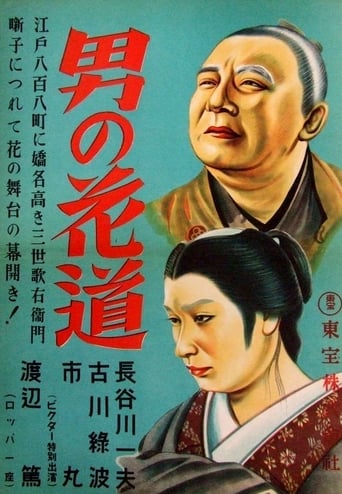
A Man's Flower Road of Triumph
1941
 5.9
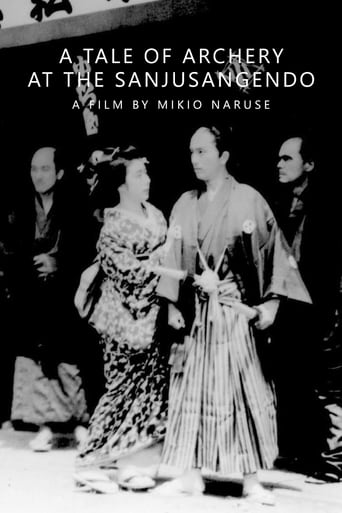
5.9Young, timid bowmaster Kazuma seeks to beat the archery record set by Hoshino Kanzaemon, a mysterious figure who, it is rumoured, drove the previous champion—Kazuma’s father—to suicide. Possessed of much raw talent, Kazuma is very much a coward, holing up in an inn and generally avoiding confrontation. Despite his best attempts to remain clandestine, the locals know of Kazuma’s purpose and an attempt is made on his life. He's saved by Karatsu Kanbei, a samurai who offers to help Kazuma hone his archery skills, though it becomes clear that this apparently selfless stranger has potentially shady ulterior motives.
A Tale of Archery at the Sanjusangendo
1945
 7.0
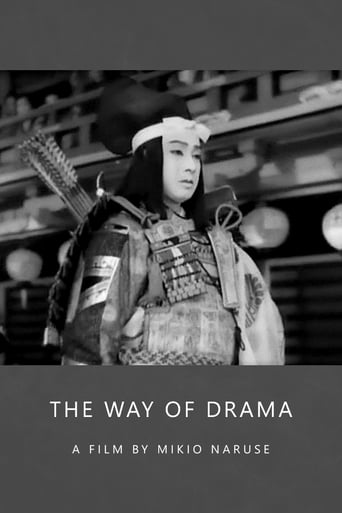
7.0The Way of Drama unfolds in the world of kabuki in Osaka, but also addresses the politics of popular culture and the rivalry between theatrical styles like those used by amateur actors to dramatise contemporary events.
The Way of Drama
1944
 8.0
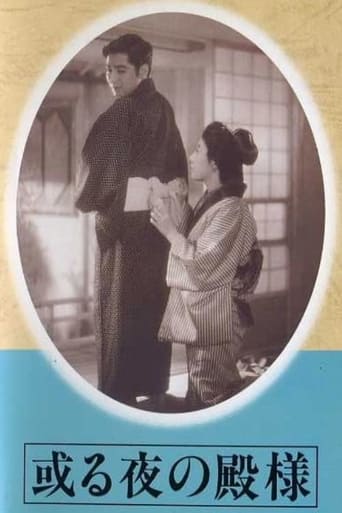
8.0In 1887, two businessmen, Echigo-ya and Kitahara, compete for railroad construction authorization from the government. The minister states that a local noble must not object, and his missing younger brother is the only one who could sway him. Meanwhile, Omitsu, a hotel employee tired of Echigo-ya’s wife’s arrogance, teams up with Kitahara to stage a scheme where a vagrant young man pretends to be the noble’s lost brother, aiming to trick and embarrass the wealthy woman.
Lord for a Night
1946
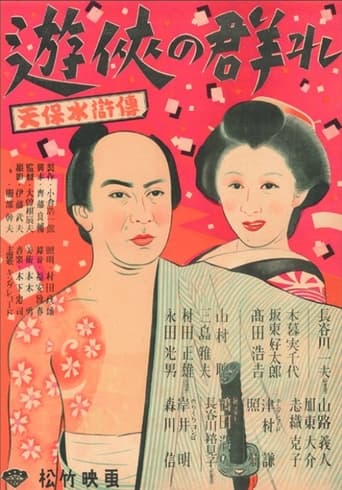 NR
NR1948 Japanese movie
Yūkyō no mure
1948
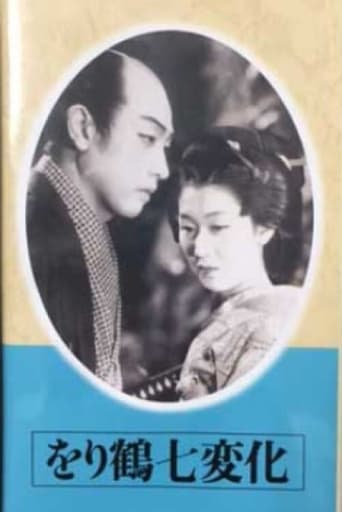 5.0
5.0The story is based on the serial novel by Tsunoda Kikuo.
The Seven Changes of a Paper Crane (Part 1)
1941
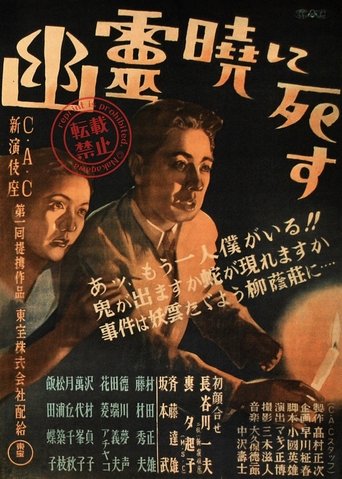 NR
NRAt the wedding of Kohei (Hasegawa) and Michiko (Todoroki), a whisper echoes along with a gust of wind. As if manipulated by the mysterious voice, Kohei takes Michiko to stay at a dilapidated mountain villa in his hometown. What awaited him there...
Ghosts Die at Dawn
1948
NRAt the wedding of Kohei (Hasegawa) and Michiko (Todoroki), a whisper echoes along with a gust of wind. As if manipulated by the mysterious voice, Kohei takes Michiko to stay at a dilapidated mountain villa in his hometown. What awaited him there...
Ghosts Die at Dawn
1948
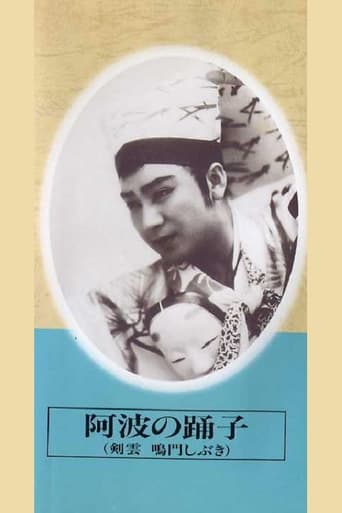 7.0
7.0Jurobei, a kaisen tonya (wholesaler in port) in Awa, was wronged and killed on the day of the Dance Festival by the evil merchant & the chamberlin. His brother (Kazuo Hasegawa) vowed vengeance on the day of his brother's death. So every year the villains are worried during the Awa Dance Festival (which is part of the Obon festival), but nothing has ever happened, until seven years later...
Dancers of Awa
1941
1930s · 3 titles
 NR
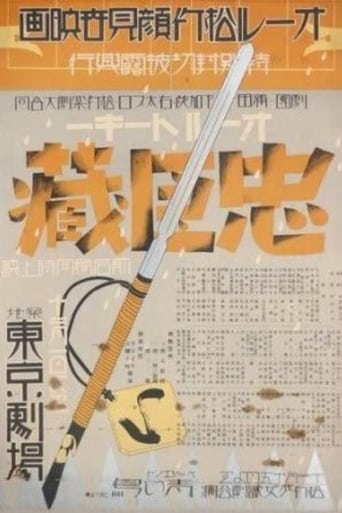
NRThis 1932 adaptation is the earliest sound version of the ever-popular and much-filmed Chushingura story of the loyal 47 retainers who avenged their feudal lord after he was obliged to commit hara-kiri due to the machinations of a villainous courtier. As the first sound version of the classic narrative, the film was something of an event, and employed a stellar cast, who give a roster of memorable performances. Director Teinosuke Kinugasa was primarily a specialist in jidai-geki (period films), such as the internationally celebrated Gate of Hell (Jigokumon, 1953), and although he is now most famous as the maker of the avant-garde silent films A Page of Madness (Kurutta ichipeji, 1926) and Crossroads (Jujiro, 1928), Chushingura is in fact more typical of his output than those experimental works. The film ranked third in that year’s Kinema Junpo critics’ poll, and Joseph Anderson and Donald Richie noted that 'not only the sound but the quick cutting was admired by many critics.
The Loyal 47 Ronin
1932
 6.6
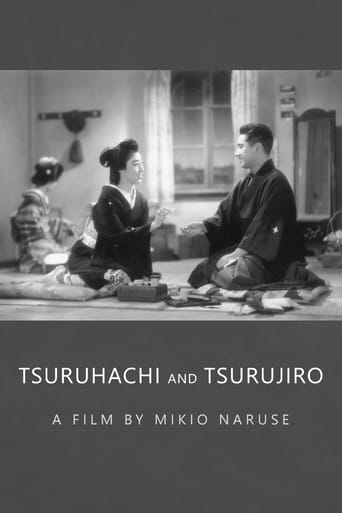
6.6Mr. Tsurujiro is a Japanese folk singer assisted by Ms. Tsuruhachi on the shamisen. The pair is popular, but he often nitpicks her music and so they split. She marries a benefactor, but after a joint show, feels music is above marriage.
Tsuruhachi and Tsurujiro
1938
Song of the White Orchid was a co-production of Toho and Mantetsu, the railway that served the colonial region of Manchuria, and the first film in the Kazuo Hasegawa/Shirley Yamaguchi (Ri Koran) “Continental Trilogy.” Handsome Hasegawa (representing Japan) runs up against an impertinent Yamaguchi (representing the continent); not surprisingly, in the course of the film the woman comes around and realizes the benevolent intentions of the Japanese. In Song of the White Orchid Yamaguchi leaves Hasegawa, who plays an expatriate working for the railway, because of a misunderstanding. She joins a communist guerilla group plotting to blow up the Manchurian railway. Learning of the subterfuge that led to the misunderstanding, she renews her faith in Hasegawa—and by extension Japan—and tries to undermine the plot.
Song of the White Orchid
1939