
Directing
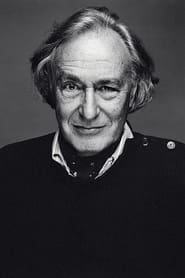
William Klein
Born — Died
1926-04-19 — 2022-09-10
Place of birth
New York City, USA
Known for
Directing
Credits
30 titles
William Klein (April 19, 1926 – September 10, 2022) was a photographer and filmmaker noted to for his ironic approach to both media and his extensive use of unusual photographic techniques in the context of photojournalism and fashion photography. Trained as a painter, Klein studied under Fernand Léger and found early success with exhibitions of his work. However, he soon moved on to photography and achieved widespread fame as a fashion photographer for Vogue and for his photo essays on various cities. Despite having no training as a photographer, Klein won the Prix Nadar in 1957 for New York, a book of photographs taken during a brief return to his hometown in 1954. Klein's work was consid…
Known for
 3.3
3.3No synopsis available yet.
Victoires de la musique
1985
 7.9
7.9A man confronts his past during an experiment that attempts to find a solution to the problems of a post-apocalyptic world caused by a world war.
La Jetée
1962
 3.0
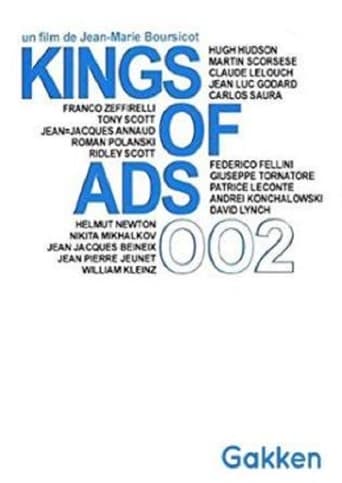
3.0Part II of a compilation movie featuring European T.V. commercials directed by a variety of well-known directors from across Europe and the U.S. Compiled and produced by Jean-Marie Boursicot.
The King of Ads, Part 2
1993
 6.5
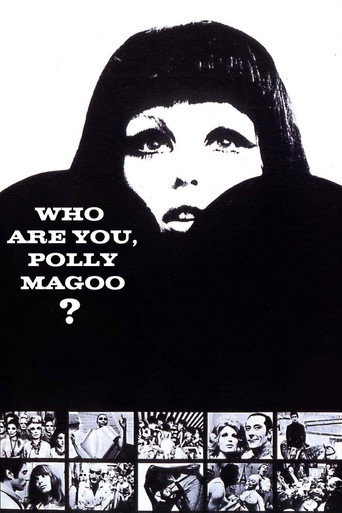
6.5A model tells a television crew about her dreams of a life with prince charming all while fending off the lecherous advances of a horde of men.
Who Are You, Polly Maggoo?
1966
 5.2
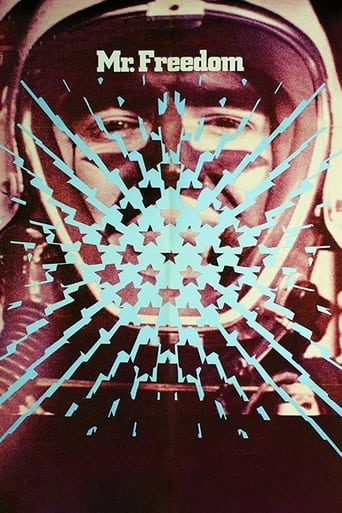
5.2Mr. Freedom, a bellowing good-ol'-boy superhero decked out in copious football padding, jets to France to cut off a Commie invasion from Switzerland. A destructive, arrogant patriot in tight pants, Freedom joins forces with Marie Madeleine to combat lefty freethinkers, as well as the insidious evildoers Moujik Man and inflatable Red China Man, culminating in a star-spangled showdown.
Mr. Freedom
1969
 7.2
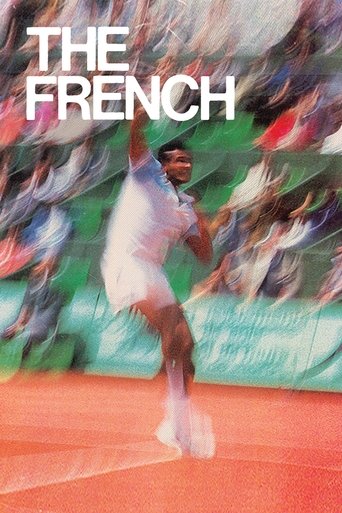
7.2Roland-Garros, 1981: For the very first time, a documentary team is allowed to shoot sequences in the backstage of the French Open of tennis of Roland-Garros. William Klein's camera takes us on the heels of the greatest players of the time: Björn Borg, Jimmy Connors, Ivan Lendl, Chris Evert-Lloyd, John McEnroe, Martina Navratilova, Yannick Noah, Guillermo Vilas... Miles of film. Historical pictures, a thousand and one details, a thousand and one unusual scenes. A declaration of love from a tennis lover.
The French
1982
Film credits
2020s · 1 titles

Series credits
Behind the camera
3.0Part II of a compilation movie featuring European T.V. commercials directed by a variety of well-known directors from across Europe and the U.S. Compiled and produced by Jean-Marie Boursicot.
The King of Ads, Part 2
1993
6.5A model tells a television crew about her dreams of a life with prince charming all while fending off the lecherous advances of a horde of men.
Who Are You, Polly Maggoo?
1966
6.5A model tells a television crew about her dreams of a life with prince charming all while fending off the lecherous advances of a horde of men.
Who Are You, Polly Maggoo?
1966
5.2Mr. Freedom, a bellowing good-ol'-boy superhero decked out in copious football padding, jets to France to cut off a Commie invasion from Switzerland. A destructive, arrogant patriot in tight pants, Freedom joins forces with Marie Madeleine to combat lefty freethinkers, as well as the insidious evildoers Moujik Man and inflatable Red China Man, culminating in a star-spangled showdown.
Mr. Freedom
1969
5.2Mr. Freedom, a bellowing good-ol'-boy superhero decked out in copious football padding, jets to France to cut off a Commie invasion from Switzerland. A destructive, arrogant patriot in tight pants, Freedom joins forces with Marie Madeleine to combat lefty freethinkers, as well as the insidious evildoers Moujik Man and inflatable Red China Man, culminating in a star-spangled showdown.
Mr. Freedom
1969
7.2Roland-Garros, 1981: For the very first time, a documentary team is allowed to shoot sequences in the backstage of the French Open of tennis of Roland-Garros. William Klein's camera takes us on the heels of the greatest players of the time: Björn Borg, Jimmy Connors, Ivan Lendl, Chris Evert-Lloyd, John McEnroe, Martina Navratilova, Yannick Noah, Guillermo Vilas... Miles of film. Historical pictures, a thousand and one details, a thousand and one unusual scenes. A declaration of love from a tennis lover.
The French
1982
 7.2
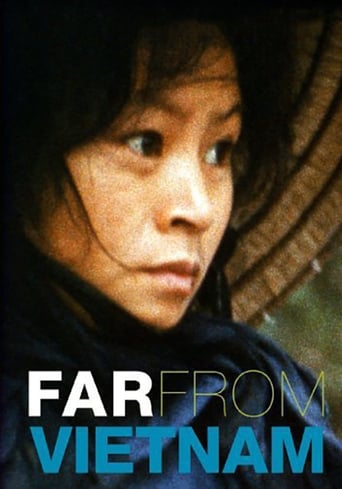
7.2In seven different parts, Godard, Ivens, Klein, Lelouch, Marker, Resnais, and Varda show their sympathy for the North-Vietnamese army during the Vietnam War.
Far from Vietnam
1967
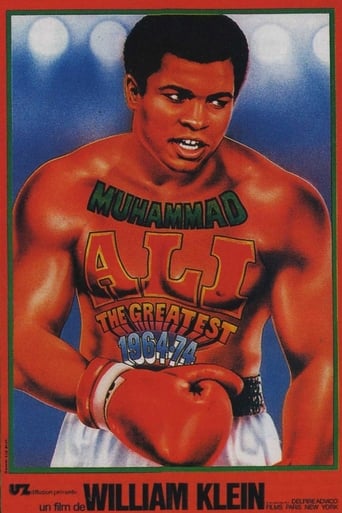 6.0
6.0Universally accepted as a true icon of the 20th century, Muhammad Ali’s phenomenal achievements spanned sport, politics and religion. One man – photographer William Klein had comprehensive access to the events that shaped Ali’s legend. In 1964, the young gregarious Cassius Clay successfully defeated the seemingly invincible Heavyweight Champion of the World Sonny Liston – the manner of Clay’s victory and his amazing persona made him an instant superstar. Through this incredible period, and Clay’s subsequent rematches with Liston, William Klein enjoyed unrivalled access top Clay’s camp – witnessing at first hand Cassius Clay becoming Muhammad Ali and angering the American people with his allegiance to Islam. Forward to Zaire 1974, and the return of Muhammad Ali to the world stage to face another invincible champion George Foreman. As Ali reclaimed the crown for a second time, Klein was ever present, capturing the full story at close quarter.
Muhammad Ali, the Greatest
1974
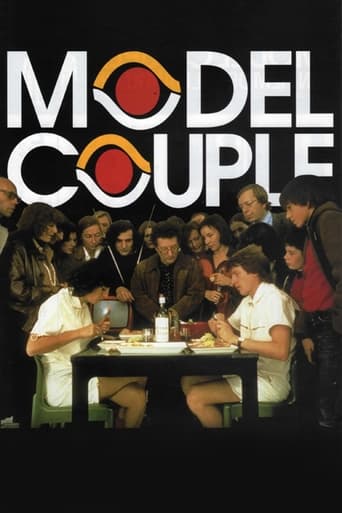 4.5
4.5In 1977 France, the Ministry of the Future chooses two “normal,” white, middle-class citizens, Claudine and Jean-Michel, for a national experiment. They will be monitored and displayed on television for six months in a model apartment outfitted with state-of-the-art products and nonstop surveillance—the template for “a new city for the new man".
The Model Couple
1977
4.5In 1977 France, the Ministry of the Future chooses two “normal,” white, middle-class citizens, Claudine and Jean-Michel, for a national experiment. They will be monitored and displayed on television for six months in a model apartment outfitted with state-of-the-art products and nonstop surveillance—the template for “a new city for the new man".
The Model Couple
1977
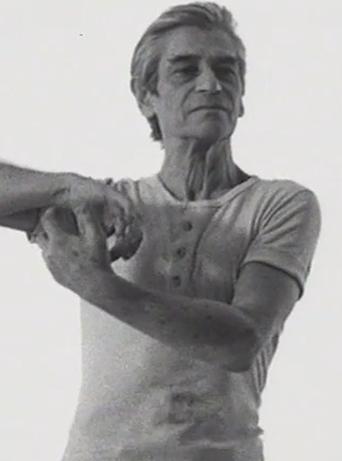 7.0
7.0The portrait of an extraordinary French dancer-choreographer: Jean Babilée (1923-2014) is filmed at home, in the streets of Paris, at the Opera Garnier or at the Champs-Élysées Theater, “always caught, even in his kitchen, in full body work”.
Babilée '91
1992
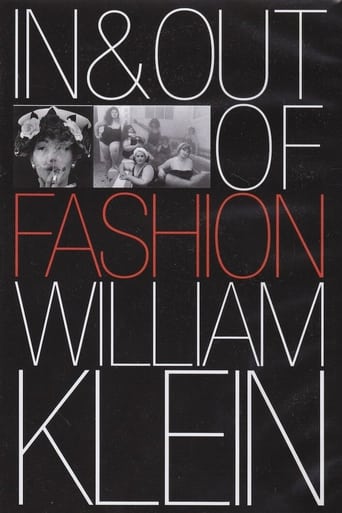 6.8
6.8An biography of William Klein, Parisian-based American photographer which strings together his abstract paintings, mould-breaking reportage, inventive fashion photos and excerpts from his feature films.
In and Out of Fashion
1998
 NR
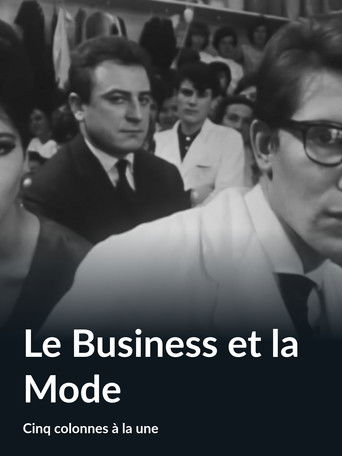
NROften imitated, the creations of French couturiers caused a sensation across the Atlantic, but perhaps to the detriment of haute couture... The presentation of Yves Saint-Laurent, the darling of Americans, and the interviews with clients and industrialists highlight the links between ready-to-wear in the United States and French fashion.
Le Business et la Mode
1962
 6.0
6.0Festival panafricain d'Alger is a documentary by William Klein of the music and dance festival held 40 years ago in the streets and in venues all across Algiers. Klein follows the preparations, the rehearsals, the concerts… He blends images of interviews made to writers and advocates of the freedom movements with stock images, thus allowing him to touch on such matters as colonialism, neocolonialism, colonial exploitation, the struggles and battles of the revolutionary movements for Independence.
The Pan-African Festival in Algiers
1969
 6.8
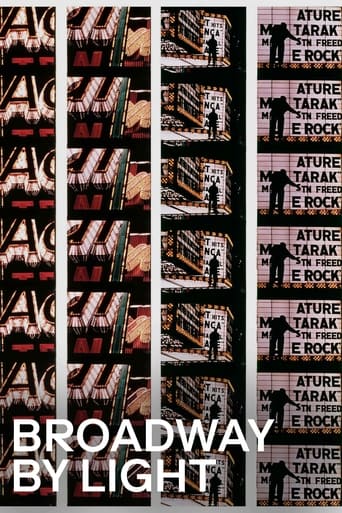
6.8An experimental meditation on Times Square's marquees and iconic advertising that captures the concurrently seedy and dazzling aspects of New York's Great White Way.
Broadway by Light
1958
 8.0
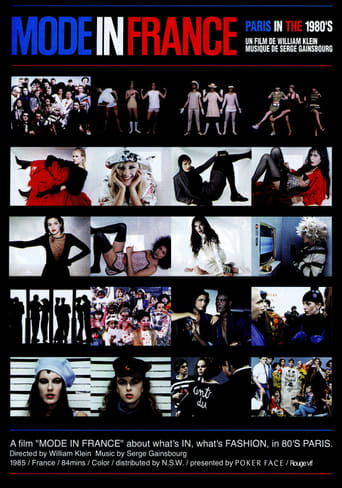
8.0Highlighting the work of emerging fashion world all-stars like Karl Lagerfeld, Jean-Paul Gaultier and agnès b., Klein surveys the state of women’s fashion in the 1980s with this eccentric hybrid documentary scored by Serge Gainsbourg.
Mode in France
1985
 8.3
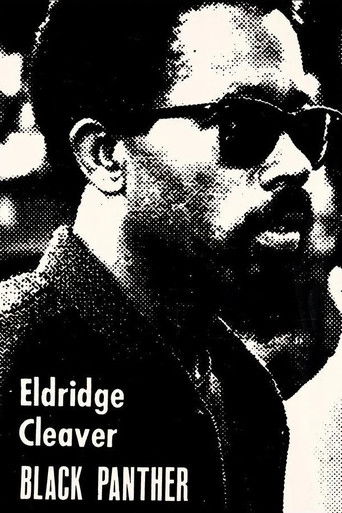
8.3The portrait of Eldridge Cleaver, the "Minister of Information" for the Black Panthers movement, in exile in Algiers.
Eldridge Cleaver, Black Panther
1970
8.3The portrait of Eldridge Cleaver, the "Minister of Information" for the Black Panthers movement, in exile in Algiers.
Eldridge Cleaver, Black Panther
1970
 NR
NRNo synopsis available yet.
Les Troubles de la Circulation
2025
Klein goes on the hunt for Little Richard, the legendary ‘Architect of Rock and Roll’, who quit show business in 1957 at the height of his fame to become an evangelist. Richard was then lured back to secular music in the 1960s and 70s, but the excesses of stardom led him to a second retreat from the stage. For years he struggled to reconcile his religious calling with his flamboyant rock-and-roll persona, and at the time of filming, Klein finds Little Richard selling ‘Black Heritage Bibles’ for a Nashville couple. Sensing that his image is being exploited, Richard quits his sales position and deserts the film. But Klein turns this into an opportunity to reconstruct Richard’s personality through the words of his family and friends in his native Macon, Georgia, and to celebrate his status as a cultural icon by filming scores of Little Richard impersonators and adoring fans in Hollywood.
The Little Richard Story
1980
 7.2
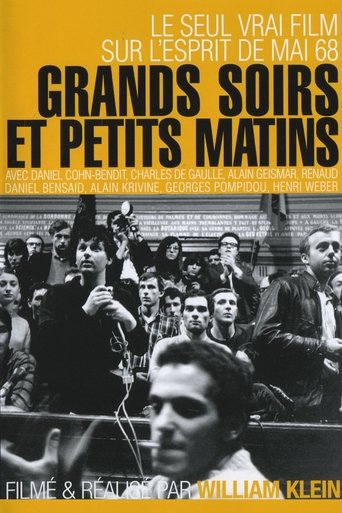
7.2Filmmaker William Klein documents the Paris student riots that occurred in May of 1968.
May Days
1978
7.2Filmmaker William Klein documents the Paris student riots that occurred in May of 1968.
May Days
1978
William Klein interviews Hollywood hopefuls.
Hollywood, California: A Loser's Opera
1977
 8.0
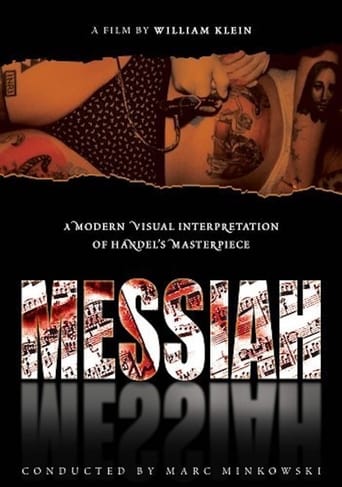
8.0Filmmaker William Klein takes on Handel’s Messiah and has created a concert film that mixes the sacred with the profane. Performed in its entirety, the oratorio provides a narrative of Christ’s nativity, passion and resurrection juxtaposed against images of absurdities and abuses against the human species across the world. The film reveals a wide array of worshippers from the Bodybuilders of Christ to the Lavender Light Gay and Lesbian Interracial Choir to the Dallas police choir.
Messiah
1999
 NR
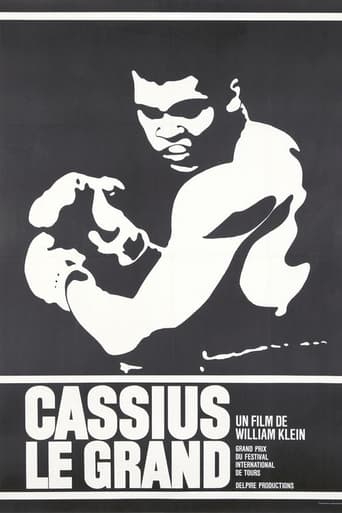
NRPortrait of American boxer Cassius Clay.
Cassius le grand
1964