
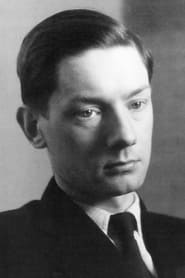
Directing
Alexander Hammid
Born — Died
1907-12-17 — 2004-07-26
Place of birth
Linz, Austria
Known for
Directing
Credits
41 titles
Alexander Hammid born Alexandr Hackenschmied (17 December 1907, Linz – 26 July 2004, New York City) was a leading photographer, film director, cinematographer and editor in Czechoslovakia between the two world wars. He immigrated to the U.S. in 1938 and became involved in American avant-garde cinema. He is best known known for his film, Crisis (1939), Meshes of the Afternoon (1943) and To Be Alive!(1964). He made Meshes of the Afternoon, with his wife Maya Deren—to whom he was married from 1942 to 1947. He won the 1965 Academy Award for Best Documentary (Short Subject) for To Be Alive! (1964), which he co-directed with Francis Thompson.
Known for
 7.6
7.6A woman returning home falls asleep and has vivid dreams that may or may not be happening in reality. Through repetitive images and complete mismatching of the objective view of time and space, her dark inner desires play out on-screen.
Meshes of the Afternoon
1943
 7.0
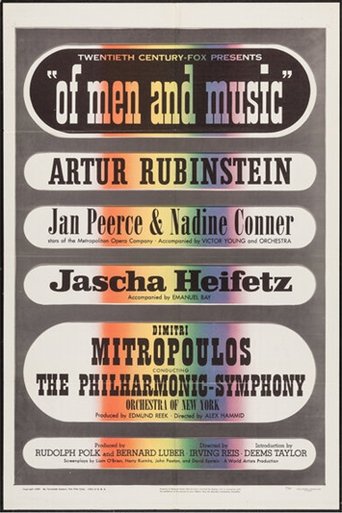
7.0A documentary featuring musicians including Artur Rubinstein, Jan Peerce-Nadine Conner, and Jascha Heifetz.
Of Men and Music
1951
 5.3
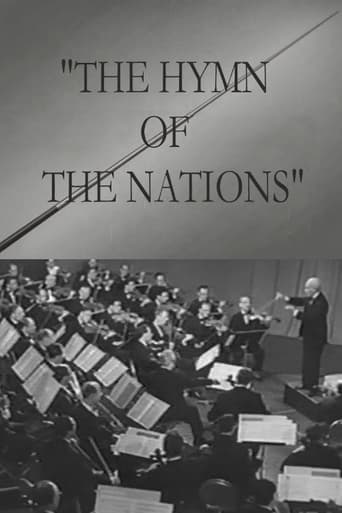
5.3Commissioned by the U.S. Office of War Information, this short film features conductor Arturo Toscanini leading the NBC Symphony Orchestra, tenor Jan Peerce, and the Westminster Choir in Verdi’s Inno delle nazioni. Originally composed in the 1860s as a musical tribute to Europe, Toscanini expanded the score to include The Star-Spangled Banner and The Internationale in honor of the Allied struggle and Italian partisans. Filmed in NBC’s Studio 8H, the documentary interweaves performance with scenes of Toscanini at home, emphasizing his anti-fascist stance and celebrating the liberation of Italy. Preserved by the Academy Film Archive in 2010.
Hymn of the Nations
1944
 7.2
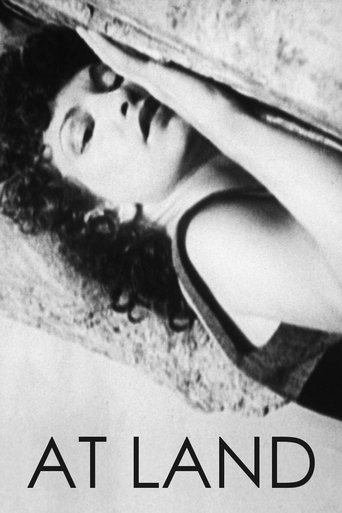
7.2A woman washes up on a beach and embarks on a surreal journey, encountering others and fragmented versions of herself in a quest for identity.
At Land
1944
 7.5
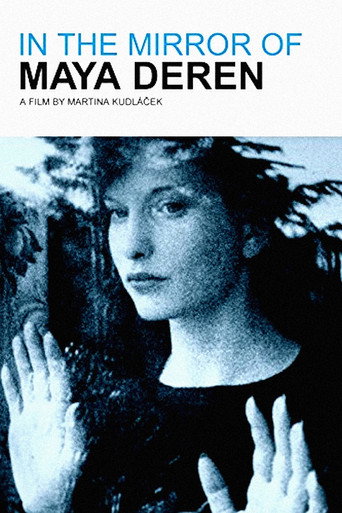
7.5Documentary about the life of avant-garde filmmaker Maya Deren, who led the independent film movement of the 1940s.
In the Mirror of Maya Deren
2002
 6.8
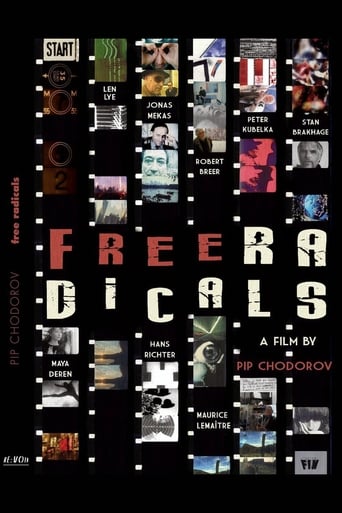
6.8Experimental filmmaker Pip Chodorov traces the course of experimental film in America, taking the very personal point of view of someone who grew up as part of the experimental film community.
Free Radicals: A History of Experimental Film
2011
Film credits
2010s · 2 titles
6.8Experimental filmmaker Pip Chodorov traces the course of experimental film in America, taking the very personal point of view of someone who grew up as part of the experimental film community.
Free Radicals: A History of Experimental Film
2011
This documentary interweaves films and voice recordings by Maya Deren with interviews featuring colleagues and contemporaries who worked with or knew her firsthand. Drawing on archival material and commentary from figures such as Jean Rouch and Jonas Mekas, the film traces Deren’s work and influence across experimental cinema and ethnographic thought.
Maya Deren, Take Zero
2012
2000s · 2 titles
7.5Documentary about the life of avant-garde filmmaker Maya Deren, who led the independent film movement of the 1940s.
In the Mirror of Maya Deren
2002
 NR
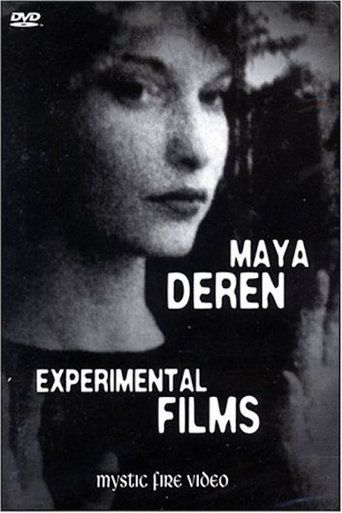
NRThe collected shorts of Maya Deren the "Mother of the trance film" who worked completely outside the commercial film industry and made her own inner experience the center of her films.The collected shorts of Maya Deren the "Mother of the trance film" who worked completely outside the commercial film industry and made her own inner experience the center of her films.
Maya Deren - Experimental Films
2002
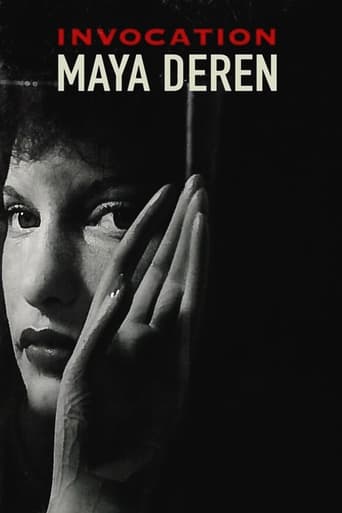
1940s · 2 titles
7.6A woman returning home falls asleep and has vivid dreams that may or may not be happening in reality. Through repetitive images and complete mismatching of the objective view of time and space, her dark inner desires play out on-screen.
Meshes of the Afternoon
1943
7.2A woman washes up on a beach and embarks on a surreal journey, encountering others and fragmented versions of herself in a quest for identity.
At Land
1944
Behind the camera
7.6A woman returning home falls asleep and has vivid dreams that may or may not be happening in reality. Through repetitive images and complete mismatching of the objective view of time and space, her dark inner desires play out on-screen.
Meshes of the Afternoon
1943
7.0A documentary featuring musicians including Artur Rubinstein, Jan Peerce-Nadine Conner, and Jascha Heifetz.
Of Men and Music
1951
5.3Commissioned by the U.S. Office of War Information, this short film features conductor Arturo Toscanini leading the NBC Symphony Orchestra, tenor Jan Peerce, and the Westminster Choir in Verdi’s Inno delle nazioni. Originally composed in the 1860s as a musical tribute to Europe, Toscanini expanded the score to include The Star-Spangled Banner and The Internationale in honor of the Allied struggle and Italian partisans. Filmed in NBC’s Studio 8H, the documentary interweaves performance with scenes of Toscanini at home, emphasizing his anti-fascist stance and celebrating the liberation of Italy. Preserved by the Academy Film Archive in 2010.
Hymn of the Nations
1944
 7.2
7.2An intimate study of the life of a domestic cat, taking place over a period of months as she gives birth to a litter of kittens and cares for them as they grow.
The Private Life of a Cat
1946
7.2An intimate study of the life of a domestic cat, taking place over a period of months as she gives birth to a litter of kittens and cares for them as they grow.
The Private Life of a Cat
1946
7.2An intimate study of the life of a domestic cat, taking place over a period of months as she gives birth to a litter of kittens and cares for them as they grow.
The Private Life of a Cat
1946
 6.4
6.4A 1945 Oscar nominated short documentary about the Library of Congress. It is one of 26 documentary shorts produced between 1942 and 1945 by the U.S. Overseas Film Bureau, and intended to show foreign viewers something about America and it's values, this one focuses on the important institution in Washington D.C. which preserves written and other works that have been copyrighted, as part of the country's heritage.
Library of Congress
1945
 7.4
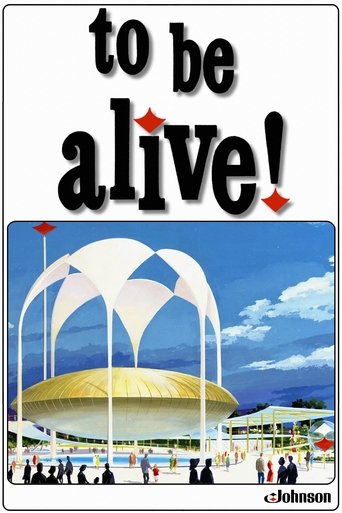
7.4"To Be Alive!" was designed to celebrate the common ground between different cultures by tracing how children in various parts of the world mature into adulthood.
To Be Alive!
1964
7.4"To Be Alive!" was designed to celebrate the common ground between different cultures by tracing how children in various parts of the world mature into adulthood.
To Be Alive!
1964
 8.0
8.0A documentary about the conquest of Czechoslovakia by the Nazis just prior to World War 2.
Crisis
1939
8.0A documentary about the conquest of Czechoslovakia by the Nazis just prior to World War 2.
Crisis
1939
 9.0
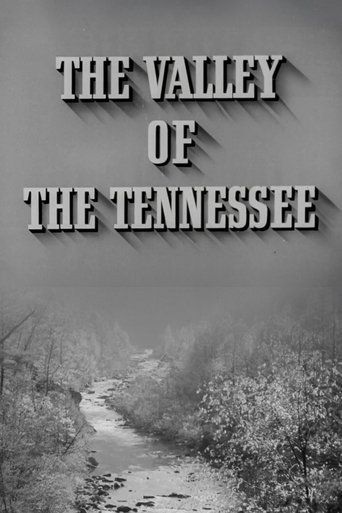
9.0U.S. Goverment film about the creation of the Tennessee Valley Authority in the 1930s and 1940s.
The Valley of the Tennessee
1944
 NR
NRAbout a derelict and forgotten character hiding in a room somewhere in South America.
The Gentleman in Room 6
1951
 10.0
10.0One of the great artistic forces of the 20th century, performer, choreographer, and teacher Martha Graham influenced dance around the world. Criterion presents a showcase of her impressive artistry, all in collaboration with television arts programming pioneer Nathan Kroll.
Martha Graham: Dance on Film
2007
 5.9
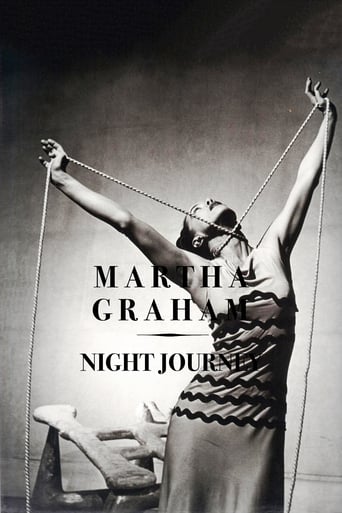
5.9Night Journey, the dance, had its premiere only two and a half years after Appalachian Spring, and it is a close cousin. It too has a stream-of-consciousness narration: Jocasta, as she is about to kill herself, remembering what has happened to her. It too contains soul-delving solos, broken up by ensemble dances. Here, however, the ensemble is a darker element. As the story was taken from Greek tragedy, so the corps is the equivalent of Greek tragedy’s chorus. They tell us how to feel: afraid mostly. In this piece Graham pushed her habitual economy to its limits.
Night Journey
1960
 NR
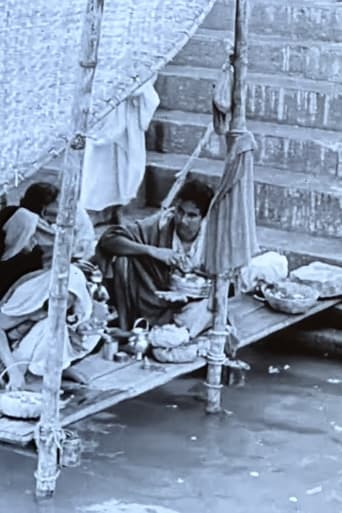
NRThe River of Life and Death captures the slow time in the well-known Indian pilgrimage place of Benares, the act of purification by water, the burning funeral pyres, and the dandling snakeheads under the temple stairs.
The River of Life and Death
1941
 NR
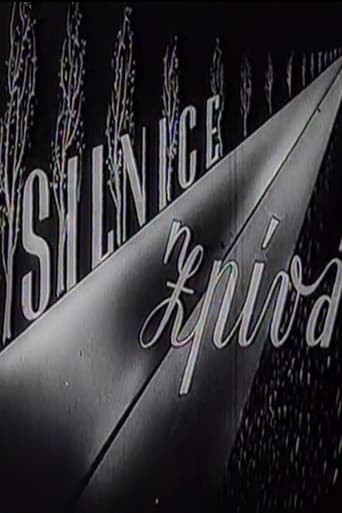
NRProbably the best-known advertising film for Bata, where joke and irony meet commercial purposes. Tires are sent from rural countryside to the turmoil of the city to serve progress.
The Highway Sings
1937
Documentary examining the conflicts between the coming of modernization and the traditional culture of a small Mexican village.
The Forgotten Village
1941
Documentary examining the conflicts between the coming of modernization and the traditional culture of a small Mexican village.
The Forgotten Village
1941
 NR
NRA school boy cannot think what to write in an essay assignment about spring. His father cannot come up with any new ideas either.
School Assignment
2026
 NR
NRYouth in Canada learning to come to terms with the world in which they have to live. A picture of the journey to adulthood - a composite of many children's journeys. The production utilized 340 teenagers, 65 adults, and 50 children, none of whom had any previous acting experience.
We Are Young
1967
 NR
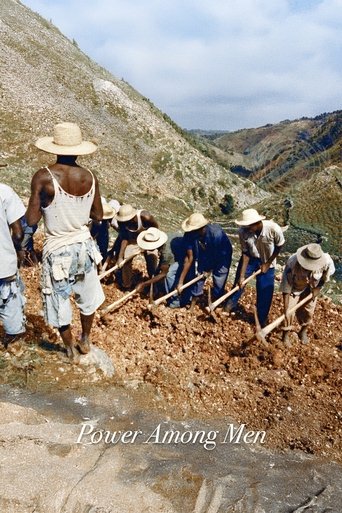
NRFour episodes on the theme of human hope and survival set in Santambrogio, Italy; Fermathe, Haiti; British Columbia and Kjeller in Norway.
Power Among Men
1959
 NR
NRDramatization of the experience of a young married couple whose quarrels undermine their happiness and prevent the development of adult love based on mutual understanding.
Who's Right?
1954
NRThe collected shorts of Maya Deren the "Mother of the trance film" who worked completely outside the commercial film industry and made her own inner experience the center of her films.The collected shorts of Maya Deren the "Mother of the trance film" who worked completely outside the commercial film industry and made her own inner experience the center of her films.
Maya Deren - Experimental Films
2002
 NR
NRPromotional film extolling the wonders to be seen at the New York World's Fair.
To the Fair!
1964
 7.0
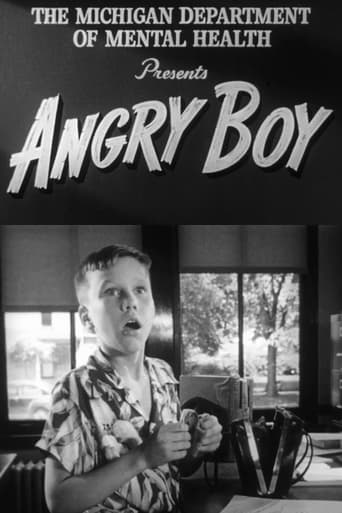
7.0Alexander Hammid's sensitive narrative of how a pre-adolescent boy is helped by a psychiatrist to come to terms with his feelings.
Angry Boy
1950
 NR
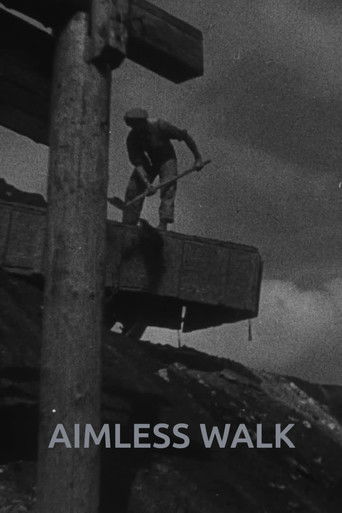
NRThis first true Czech avant-garde film turns away from a purely celebratory approach to the city. The camera follows a detached protagonist on his wanderings, as his highly subjective journey becomes a fragmented visualization of urban landscapes.
Aimless Walk
2026
 5.3
5.3In 1932 Hammid bought a handheld camera Bell-Howell and made his second film, Na Pražském hradě [Prague Castle], in close collaboration with the composer of the sound track, striving for an organic intertwining of image and music.
The Prague Castle
1931
5.3In 1932 Hammid bought a handheld camera Bell-Howell and made his second film, Na Pražském hradě [Prague Castle], in close collaboration with the composer of the sound track, striving for an organic intertwining of image and music.
The Prague Castle
1931
 NR
NRAnalysis of personality cited as an important step in choosing the right partner for marriage. Emphasis is placed on choosing marriage partners with care and on accepting the other for what he or she is.
It Takes All Kinds
1950
A Better Tomorrow (1945) is a documentary short that focuses on New York City progressive public schools.
A Better Tomorrow
1945
 7.0
7.0Post-World War II film for young couples advising them of means to strengthen their marriages. Shows how two young couples have built lasting marriages by a clear analysis of their mutual aims and cooperation in achieving them. One couple, university graduates, have many interests in common. The other couple, a business man and a teacher, center their mutual affection in their son. Designed to be used with a marriage text.
Marriage: Today
1950
 NR
NRHusband and wife struggle to attain a balance of power in their marriage in this neorealist social guidance film.
Who's Boss?
1950