
Acting
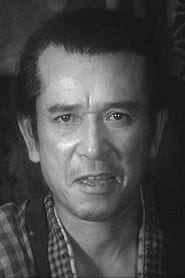
Kōji Mitsui
Born — Died
1910-03-06 — 1979-07-20
Place of birth
Yokohama, Kanagawa, Japan
Known for
Acting
Credits
60 titles
Mitsui Koji ( March 6, 1910 - April 20, 1979 ) was a Japanese actor. His real name was Mitsui Hikohide. After the war, he played an active role as a supporting actor in films directed by Akira Kurosawa and Yasujiro Ozu . His former stage name was Mitsui Hideo. Changed his stage name to Mitsui Koji in Ozu's Hen in the Wind (1948) . His role as the playboy Kisaburo in Kurosawa Akira 's The Lower Depths (1957) won him the Best Supporting Actor award at the 12th Mainichi Film Awards and the 8th Blue Ribbon Awards, solidifying his status as a supporting actor. After going freelance in 1960, he worked not only in films but also in television dramas and on stage, but after undergoing surgery for …
Known for
 8.4
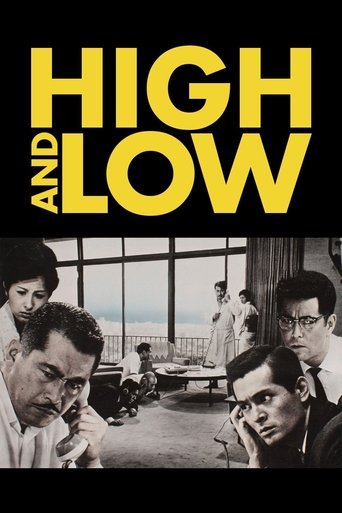
8.4A Yokohama shoe executive faces a wrenching choice when kidnappers mistakenly seize his chauffeur’s son but demand the ransom anyway.
High and Low
1963
 8.2
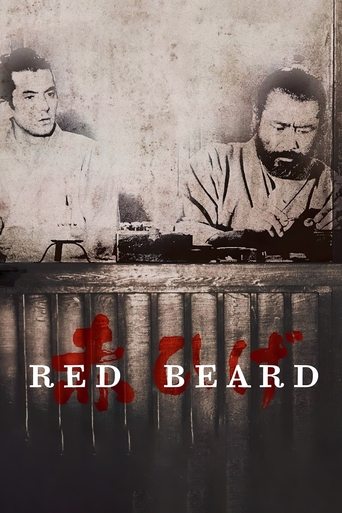
8.2Aspiring to an easy job as personal physician to a wealthy family, Noboru Yasumoto is disappointed when his first post after medical school takes him to a small country clinic under the gruff doctor Red Beard. Yasumoto rebels in numerous ways, but Red Beard proves a wise and patient teacher. He gradually introduces his student to the unglamorous side of the profession, ultimately assigning him to care for a prostitute rescued from a local brothel.
Red Beard
1965
 8.2
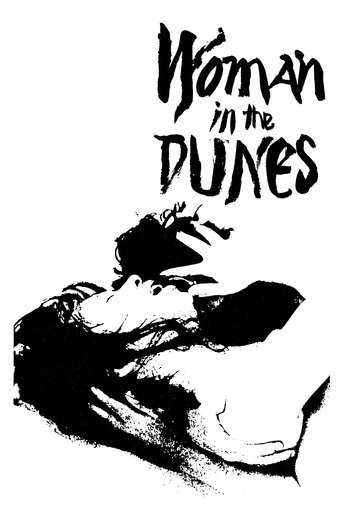
8.2A vacationing entomologist suffers extreme physical and psychological trauma after being taken captive by the residents of a poor seaside village and made to live with a woman whose life task is shoveling sand for them.
Woman in the Dunes
1964
 8.2
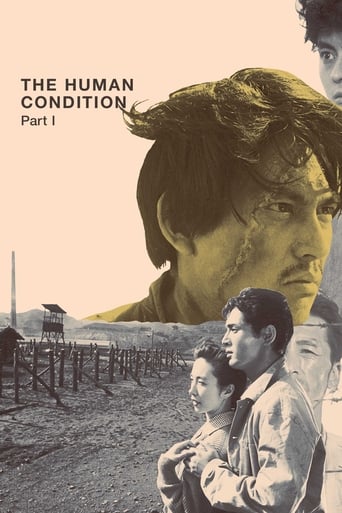
8.2After handing in a report on the treatment of Chinese colonial labor, Kaji is offered the post of labour chief at a large mining operation in Manchuria, which also grants him exemption from military service. He accepts and moves with his newlywed wife Michiko, but when he tries to put his ideas of more humane treatment into practice, he finds himself at odds with scheming officials, cruel foremen, and the military police.
The Human Condition I: No Greater Love
1959
 8.0
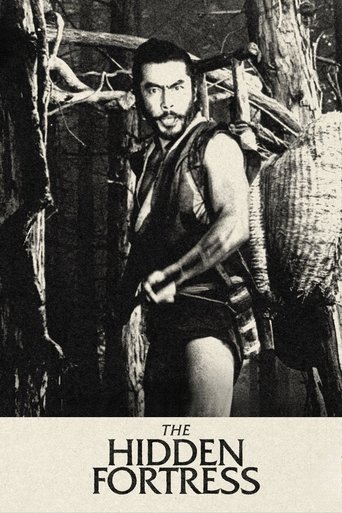
8.0In feudal Japan, during a bloody war between clans, two cowardly and greedy peasants, soldiers of a defeated army, stumble upon a mysterious man who guides them to a fortress hidden in the mountains.
The Hidden Fortress
1958
 7.7
7.7In this loose adaptation of "Hamlet," illegitimate son Kôichi Nishi climbs to a high position within a Japanese corporation and marries the crippled daughter of company vice president Iwabuchi. At the reception, the wedding cake is a replica of their corporate headquarters, but an aspect of the design reminds the party of the hushed-up death of Nishi's father. It is then that Nishi unleashes his plan to avenge his father's death.
The Bad Sleep Well
1960
Film credits
1970s · 3 titles
 7.1
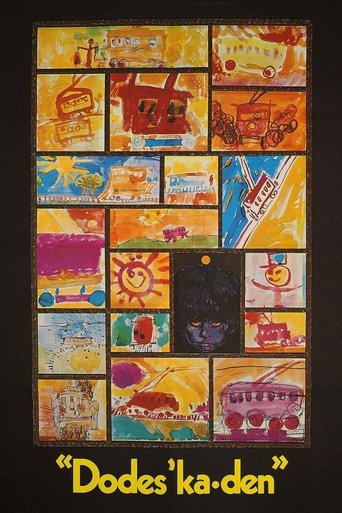
7.1On a Tokyo dump’s shantytown edge, interwoven vignettes follow residents scraping by: a boy who “drives” an imaginary trolley, a homeless father and son designing a dream house, a young woman brutalized at home, drunks, schemers, and saints of small kindnesses. Kurosawa crafts a ragged mosaic of hardship, fantasy, and flickers of grace that keep people moving forward.
Dodes'ka-den
1970
 7.0
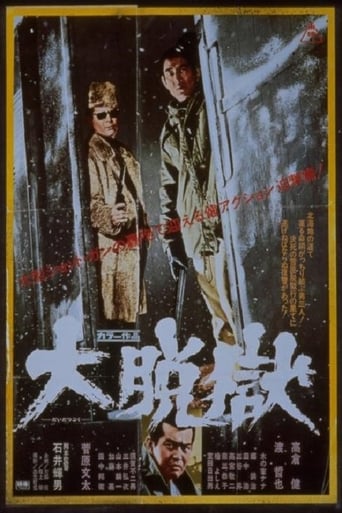
7.0A group of prisoners attempts to break the Abashiri prison. This film can be considered a sequel to the Abashiri Bangaichi series, written and directed by Ishii Teruo. The friendship between two men on death row, a fleeting love affair with a traveling dancer and a deadly battle with the real culprit who has hunted him down filmed over a long period of time on location in Hokkaido.
Great Jailbreak
1975
 7.8
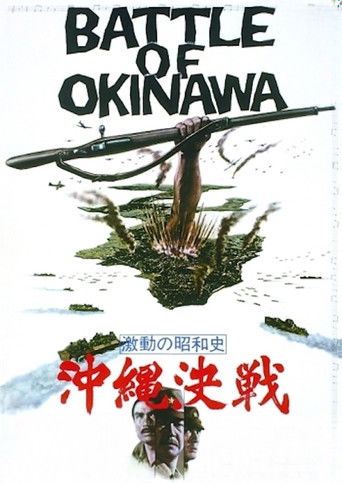
7.8The Americans are swiftly closing on Okinawa, an island just south of the Japanese mainland. The Imperial command sends top generals and several army divisions to defend it at all costs. The mission quickly degenerates as vital resources and troops are diverted to other islands. After a civilian evacuation ends in tragedy most of non-combatants are forced to remain on the island. Many convert to soldier status. Tokyo sends mixed messages that squander time and resources, as when they order the defenders to build an airstrip for aircraft that never come. The truth soon becomes obvious: the high command decides that the island cannot be held and effectively abandons the Okinawan defenders. When the Americans land many troops are deployed in the wrong places. As the slaughter mounts, a suicidal attitude takes hold. Okinawa becomes a death trap, for civilian volunteers and non-combatants as well.
The Battle of Okinawa
1971
1960s · 19 titles
8.4A Yokohama shoe executive faces a wrenching choice when kidnappers mistakenly seize his chauffeur’s son but demand the ransom anyway.
High and Low
1963
8.2Aspiring to an easy job as personal physician to a wealthy family, Noboru Yasumoto is disappointed when his first post after medical school takes him to a small country clinic under the gruff doctor Red Beard. Yasumoto rebels in numerous ways, but Red Beard proves a wise and patient teacher. He gradually introduces his student to the unglamorous side of the profession, ultimately assigning him to care for a prostitute rescued from a local brothel.
Red Beard
1965
8.2A vacationing entomologist suffers extreme physical and psychological trauma after being taken captive by the residents of a poor seaside village and made to live with a woman whose life task is shoveling sand for them.
Woman in the Dunes
1964
7.7In this loose adaptation of "Hamlet," illegitimate son Kôichi Nishi climbs to a high position within a Japanese corporation and marries the crippled daughter of company vice president Iwabuchi. At the reception, the wedding cake is a replica of their corporate headquarters, but an aspect of the design reminds the party of the hushed-up death of Nishi's father. It is then that Nishi unleashes his plan to avenge his father's death.
The Bad Sleep Well
1960
 7.3
7.3Three robbers escape with loot from a heist before one of them kills the others. Their corpses wash up near the aftermath of a maritime calamity, provoking a policeman's interest.
A Fugitive from the Past
1965
 7.3
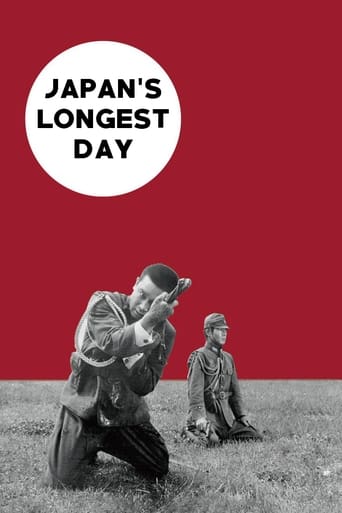
7.3A dramatisation of the 24-hour period in which the Japanese government was deadlocked over the decision to accept or reject the Allies' demand for an unconditional surrender following the bombings of Hiroshima and Nagasaki.
Japan's Longest Day
1967
 7.3
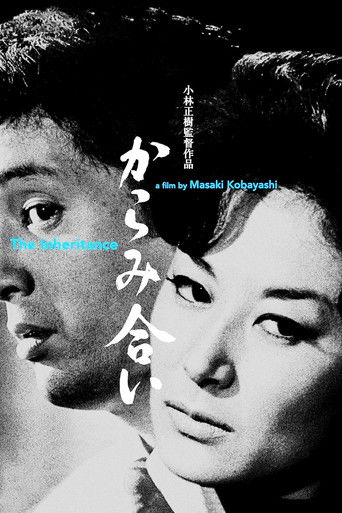
7.3A dying businessman intends to will ¥200 million to his three illegitimate children, but his associates scheme to take advantage of the situation.
The Inheritance
1962
 7.0
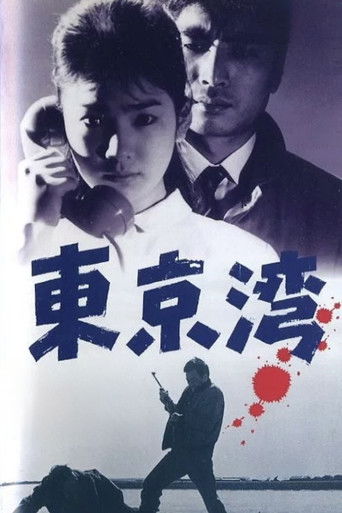
7.0An investigation into a drug smuggler who is assassinated in front of an insurance building sets two detectives, Sumikawa and Akine, into a sprawling investigation through Tokyo's underworld.
Tokyo Bay
1962
 7.0
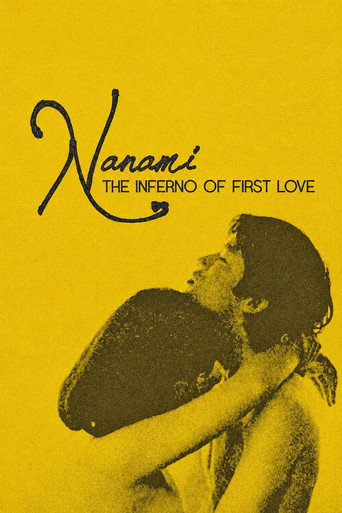
7.0A teenage goldsmith with a dark past tragically falls in love with a young nude model.
Nanami: The Inferno of First Love
1968
 7.0
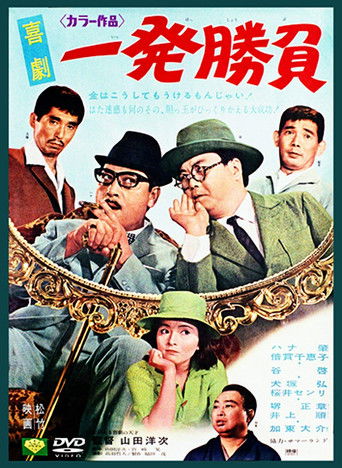
7.0After an argument with his father a son leaves his home and comes back only, as an adult, many years later just to cause them problem after problem.
The Greatest Challenge of All
1967
 6.5
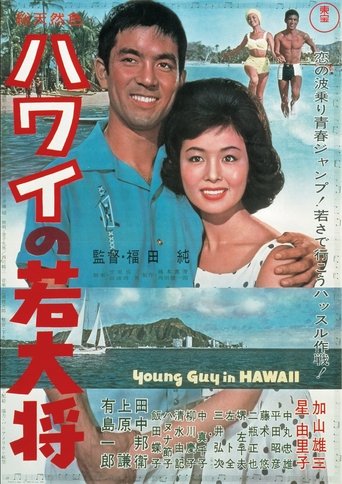
6.5Fourth entry in Toho's Wakadaishō series directed by Jun Fukuda and released on a simultaneous screening with Matango. Filmed on location in Hawaii.
Young Guy in Hawaii
1963
 NR
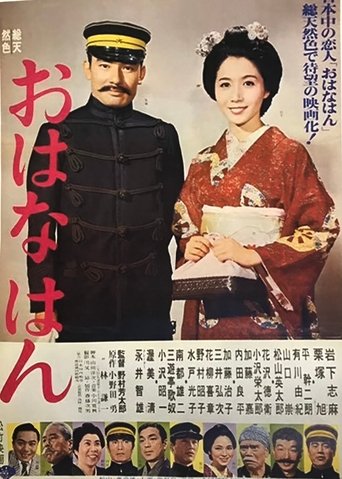
NRThis is a film adaptation of a popular NHK drama that depicts a strong-willed woman, Hana, who lives a lively life while being swept up in the waves of the Meiji, Taisho, and Showa eras.
Ohana han
1966
 NR
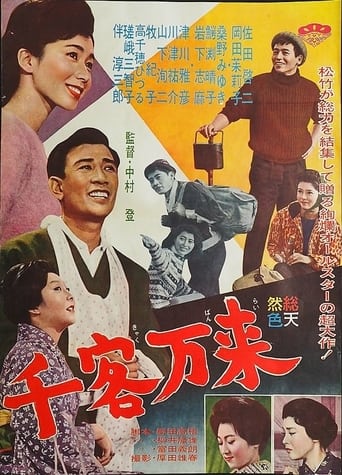
NRNo synopsis available yet.
A Roaring Trade
1962
 8.0
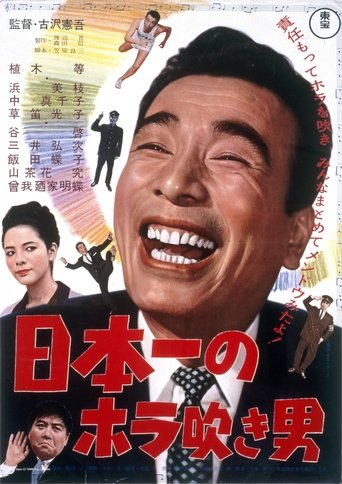
8.0When hopeful Olympic triple-jump competitor injures both his Achilles tendons, he discovers an old manuscript about self-confidence to join the best company in Japan try to triple-jump his way to the top and marry the company model (Mie Hama) in the bargain. The second installment in the "Japan's No. 1" film series.
Japan's No. 1 Braggart
1964
 NR
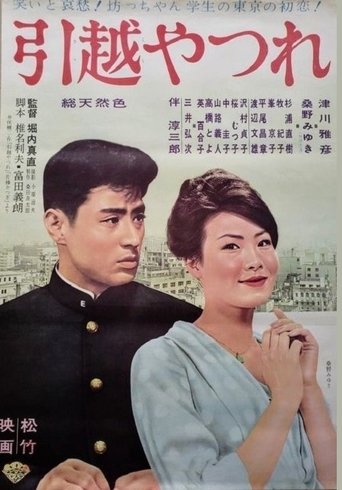
NRManao Horiuchi movie
Hikkoshi yatsure
1961
 NR
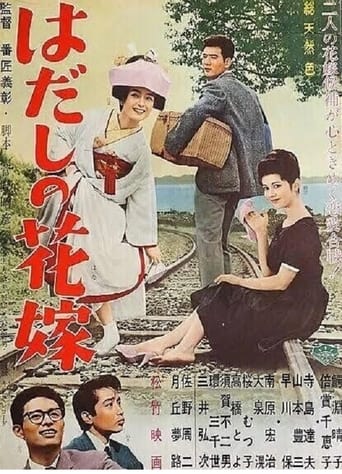
NRJapanese comedy film.
Hadashi no hanayome
1962
 7.3
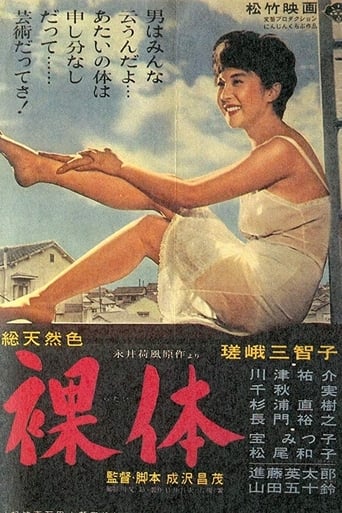
7.3The sexual experiences of the passionate Sakiko, from her fling with her boss in her first job to her ending up as a prostitute.
The Body
1962
 6.7
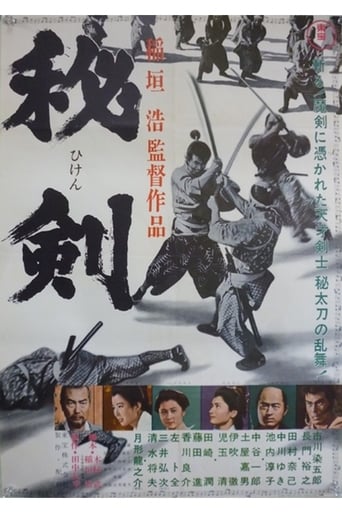
6.7This Japanese action-adventure is set in the 17th century when all forms of swordplay were banned. One fighter, an excellent swordsman believes the law is unfair. His brother keeps his opinions about the law to himself. The swordsman vents his frustration by cutting off the thumbs of an enemy. The fighter is then banished. To live, he becomes a thief. To restore the family's lost honor, the other brother is forced to challenge the fighter to a duel.
Young Swordsman
1963
 6.5
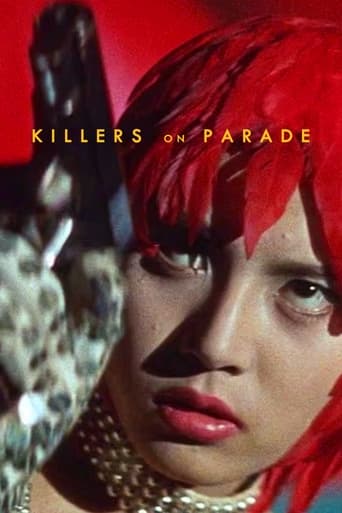
6.5A vengeful contractor hires a series of young killers to target a woman muckraker. Trouble brews when an amateur marksman shows up his eclectic competition.
Killers on Parade
1961
1950s · 27 titles
8.2After handing in a report on the treatment of Chinese colonial labor, Kaji is offered the post of labour chief at a large mining operation in Manchuria, which also grants him exemption from military service. He accepts and moves with his newlywed wife Michiko, but when he tries to put his ideas of more humane treatment into practice, he finds himself at odds with scheming officials, cruel foremen, and the military police.
The Human Condition I: No Greater Love
1959
8.0In feudal Japan, during a bloody war between clans, two cowardly and greedy peasants, soldiers of a defeated army, stumble upon a mysterious man who guides them to a fortress hidden in the mountains.
The Hidden Fortress
1958
 7.5
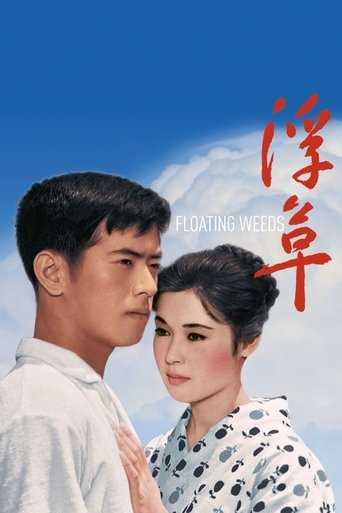
7.5A theater troupe master's visit with his old flame unintentionally sets off a chain of unexpected events with devastating consequences.
Floating Weeds
1959
 NR
NRNo synopsis available yet.
Horeruna Yanpachi
1956
 7.2
7.2A group of rank-and-file soldiers are jailed for crimes against humanity, themselves victims of a nation refusing to bear its burdens as a whole.
The Thick-Walled Room
1956
 7.5
7.5A young salaryman and his wife struggle within the confines of their passionless relationship while he embarks on an extramarital affair.
Early Spring
1956
 6.9
6.9A celebrity photograph sparks a court case as a tabloid magazine spins a scandalous yarn over a painter and a famous singer.
Scandal
1950
 6.5
6.5Machiko and Haruki’s drama continues. Two meet again in Hokkaido only to be separated again.
Always in My Heart Part 2
1953
 7.1
7.1Residents of a rundown boardinghouse in 19th-century Japan, including a mysterious old man and an aging actor, get drawn into a love triangle that turns violent. When amoral thief Sutekichi breaks off his affair with landlady Osugi to romance her younger sister, Okayo, Osugi extracts her revenge by revealing her infidelity to her jealous husband.
The Lower Depths
1957
 6.9
6.9Five years after the end of the Second World War, Reikichi, a repatriated veteran, translates love letters for Japanese women to American GIs, while searching for his lost love, Michiko.
Love Letter
1953
 7.1
7.1A talent scout moves sharply, dead-set on signing a promising baseball player to The Toyko Flowers.
I Will Buy You
1956
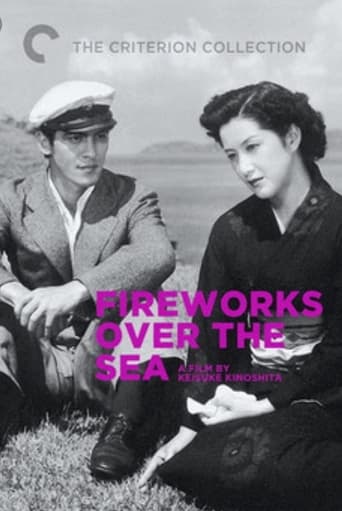 5.4
5.4A fishing union depends on two brothers to make up the losses caused by the dishonest captains they replaced.
Fireworks Over the Sea
1951
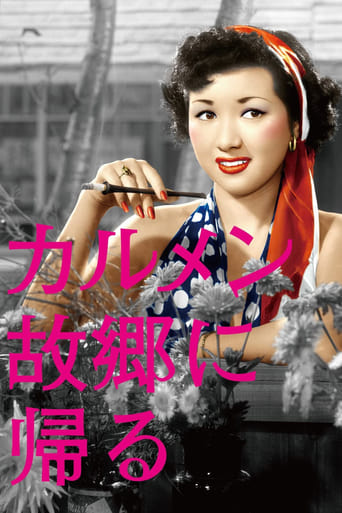 6.3
6.3A rural village elder plans an event on the return of a farmer's daughter from the city, unaware that she has become a Westernized burlesque artist.
Carmen Comes Home
1951
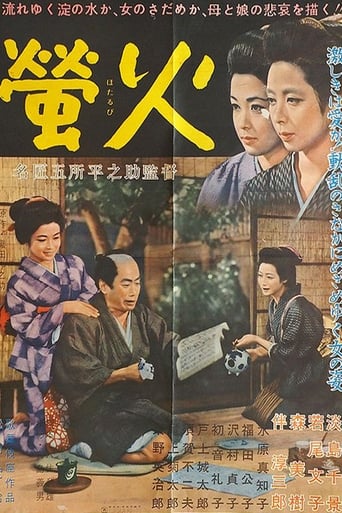 9.0
9.0Set in the 1860s, the final years of the Tokugawa Shogunate, The Fireflies focuses on Tose (Awashima Chikage), the mistress of the Teradaya, a small inn in the Kyoto suburb of Fushimi. She does not have an easy life. Her husband, Isuke (Ban Junzaburo), is a wastrel who fancies himself a kabuki singer and who is obsessed with cleanliness. Her mother-in-law, Sada (Miyoshi Eiko) dislikes her because of her humble origins (her family are farmers) and because she fears that she will inherit the inn instead of Sugi, her daughter. Sada's hopes for Sugi, however, are dashed when she runs off with a con artist and leaves her child behind for Tose to take care of. When Sada becomes seriously ill, it is Tose who nurses her. On her deathbed, Sada asks her daughter-in-law's forgiveness. Meanwhile Isuke spends most of his time with a mistress he has taken, forcing Tose to manage the inn by herself
Firefly Light
1958
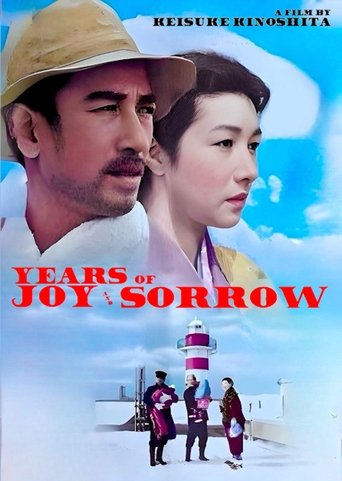 9.0
9.0The story of the trials and tribulations of a lighthouse keeper and his wife.
Times of Joy and Sorrow
1957
 8.2
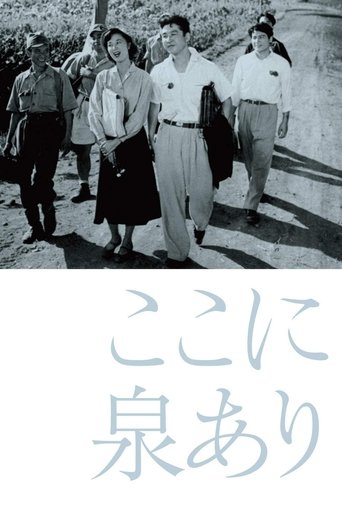
8.2The story of a group of young people who organise their own travelling symphony orchestra to provide music for people living in remote villages shortly after the war.
Here Is a Spring
1955
 NR
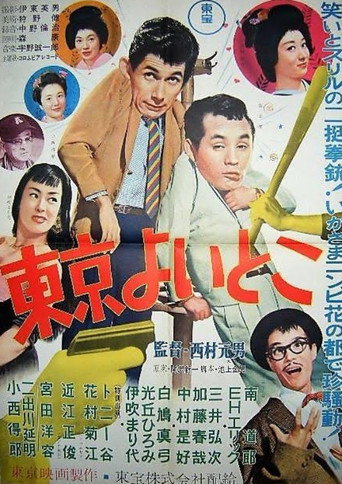
NRNo synopsis available yet.
Tokyo is a Fine Place
1957
 NR
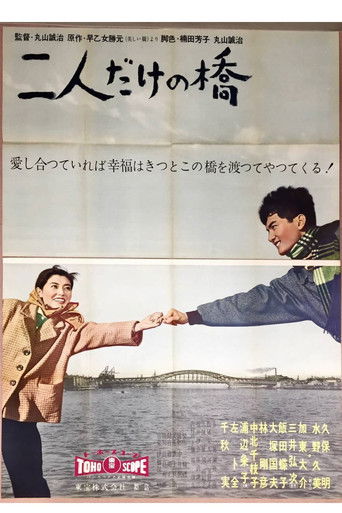
NRNo synopsis available yet.
A Bridge for Two Alone
1958
 NR
NRHiroyuki, a married executive, falls madly in love with Ikuko, the mistress of a ruthless jeweler. The two arrange to meet at a hot spring, but Hiroyuki becomes torn between his love for Ikuko and his duty towards his sick wife.
Hibi no haishin
1958
 9.0
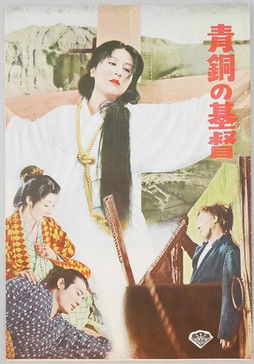
9.0Christian converts face persecution in the feudal society of 17th century Japan.
Christ in Bronze
1955
 NR
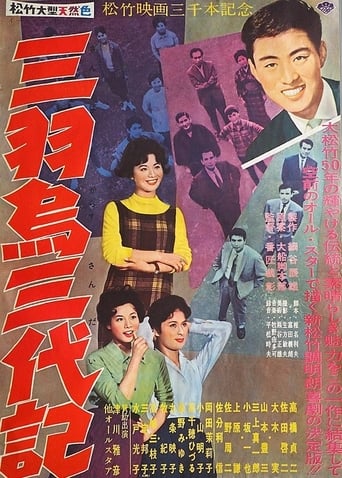
NRThe story tells of Tsuchiya, a university professor and a widower who is in love with a widow who runs a small restaurant, and his son is in love with a runaway girl who turns out to be the leader of a religious sect. Kusano is the henpecked proprietor of a rice biscuit shop who dreams of owning a bird and dog shop and his daughter is in love with a boarder, employed by the private detective agency searching for the runaway girl. The agency head has his own dream of arranging thirty marriages and has already accomplished twenty-seven. Tatsumi is a newspaper reporter who dreams of a big scoop to enable him to marry a girl TV producer and his friend a mountain climbing enthusiast who dreams of joining a Himalayan expedition but is opposed by his wife. His love of the mountains is shared by a boarder in their home and by a fishmonger's son.
Tokyo Omnibus
1959
 NR
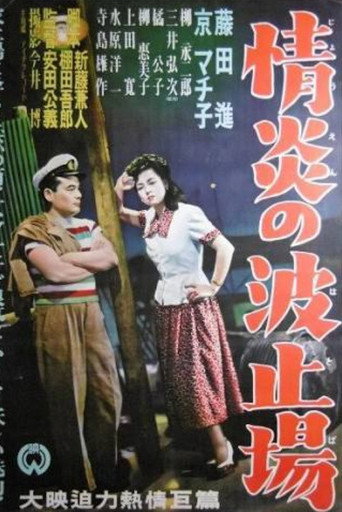
NRA seafaring man who hates women and a barmaid who hates men… drawn together and torn apart by a strange twist of fate… a melodrama of passion and intensity.
Jōen no hatoba
1951
 6.8
6.8Machiko Ujiie and Haruki Atomiya first meet and fall in love on Ginza’s Sukiyabashi Bridge during the Great Tokyo Air Raid in March 1945. Machiko and Haruki pledge to meet again at the bridge in six months but part without asking each other’s names.
Always in My Heart
1953
A tale of melancholy centered on a couple of engineers at a power plant in the north and a pure romance with a female engineer.
Avalanche
1952
 NR
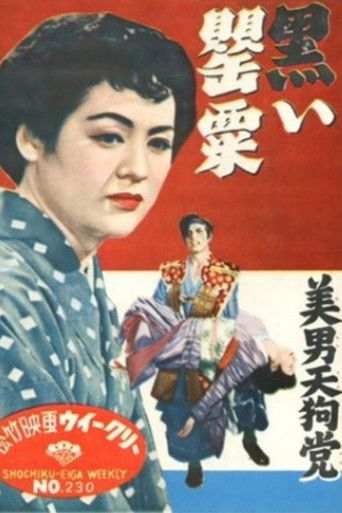
NRDuring the tumultuous end of the Tokugawa shogunate, the Tengu Party rose in rebellion in Mito. Friends from their hometown, Tanaka Genzo and Fujita Koshiro, each walked different paths. Koshiro, who upheld the philosophy of "Revere the Emperor, Expel the Barbarians," became a leader of the Tengu Party, taking refuge in the mountains. Genzo, however, did not have any particular ideological stance.
Beautiful Tengu
1954
 8.0
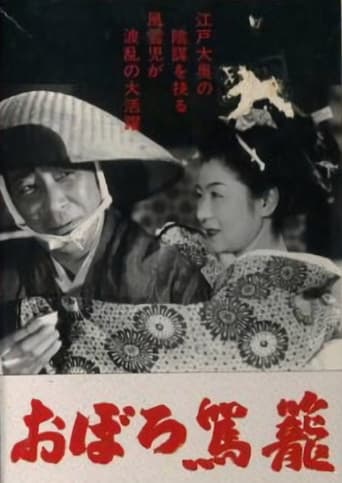
8.0A period mystery in which an unconventional priest exposes the truth behind the bizarre death of a maid in the shogun's harem. Kinuyo Tanaka stylishly plays a constantly intoxicated geisha in this all-star entertainment film.
The Inner Palace Conspiracy
1951
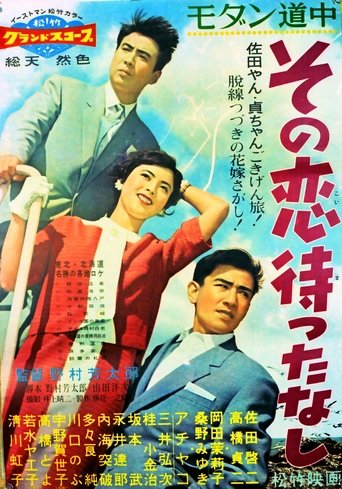 NR
NRA road trip comedy set against the backdrop of the famous historical sites of Tohoku and Hokkaido.
Modan dôchû: Sono koi matta nashi
1958
1940s · 5 titles
 7.1
7.1Tokiko patiently awaits her husband's return from WWII when her four-year old son falls ill. She takes him to the doctor but has no means of paying, so she resorts to prostitution. A month later, her husband returns to find his desperate wife, who tells him the truth. Together, they must deal with the consequences.
A Hen in the Wind
1948
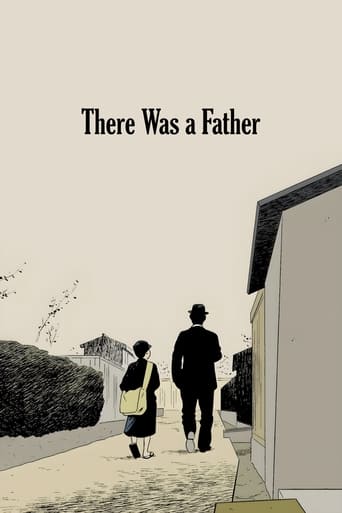 7.0
7.0Shuhei Horikawa, a poor schoolteacher, struggles to raise his son Ryohei by himself, despite neither money nor prospects.
There Was a Father
1942
 9.0
9.0Adaptation of Junichiro Tanizaki's novel whit the same name. It is perversely erotic relationship between a young salaryman and his teenage wife whom he 'adopted' at first as to 'train' her to be his idealistic modern woman.
A Fool's Love
1949
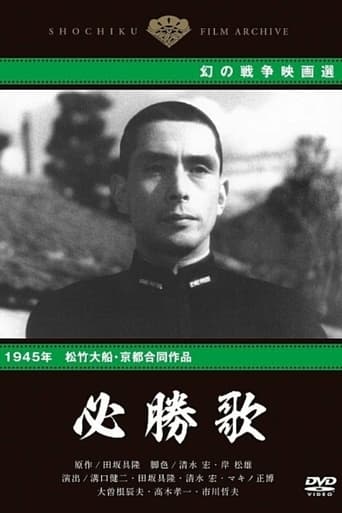 5.7
5.7An anthology of thirteen patriotic stories about Japanese citizens contributing to the war effort.
Victory Song
1945
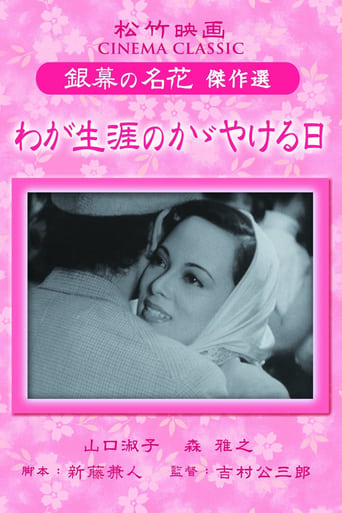 9.0
9.0Life and love in corrupt postwar Tokyo, as a young couple struggles against both the law and the mob.
The Most Beautiful Day of My Life
1948
1930s · 6 titles
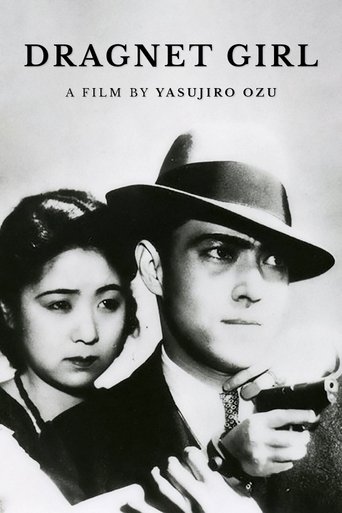 6.6
6.6A gangster tries to find redemption with the inadvertent help of an innocent shop girl and his jealous girlfriend will do anything to keep him.
Dragnet Girl
1933
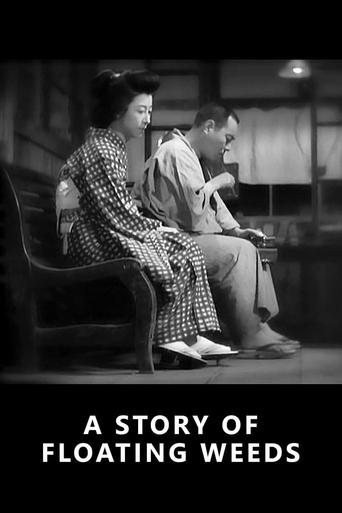 7.2
7.2An aging actor returns to a small town with his troupe and reunites with his former lover and illegitimate son, a scenario that enrages his current mistress and results in heartbreak for all.
A Story of Floating Weeds
1934
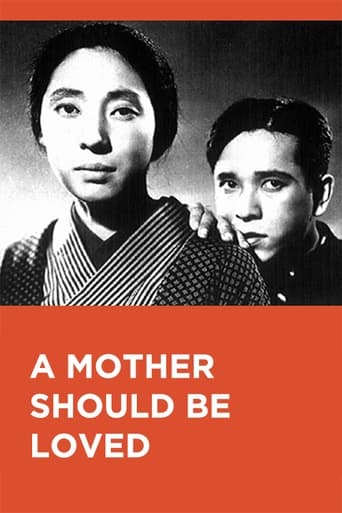 5.8
5.8A young man discovers that the woman who raised him is his stepmother. His stepbrother, who is unaware of the revelation, resents his mother for always punishing him more severely than his stepsibling.
A Mother Should Be Loved
1934
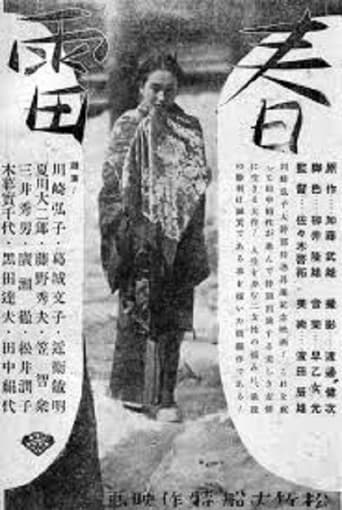 NR
NREiko is an innocent young lady born into a wealthy family with nothing to offer. She was good at singing, and lived her life playing around with her cronies, organizing music concerts and so on. However, things change when her father's business fails and she was suddenly thrown out into the world without any foundation. Eiko has no one to support her after she loses her social status, and her only tutor, Shinnosuke (Natsukawa Daijiro) was the only one who was sincere. Eiko is a stickler for using everything she can get her hands on, and she quickly moves into Shinnosuke's house.
Spring Thunder
1939
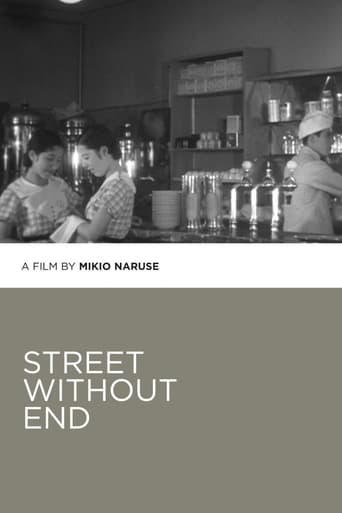 6.6
6.6Mikio Naruse’s final silent film is a gloriously rich portrait of a waitress, Sugiko, whose life, despite a host of male admirers and even some intrigued movie talent scouts, ends up taking a suffocatingly domestic turn after a wealthy businessman accidentally hits her with his car.
Street Without End
1934
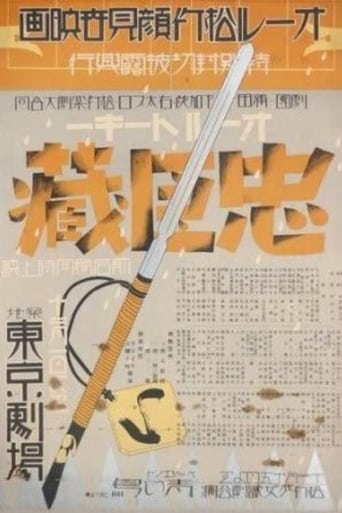 NR
NRThis 1932 adaptation is the earliest sound version of the ever-popular and much-filmed Chushingura story of the loyal 47 retainers who avenged their feudal lord after he was obliged to commit hara-kiri due to the machinations of a villainous courtier. As the first sound version of the classic narrative, the film was something of an event, and employed a stellar cast, who give a roster of memorable performances. Director Teinosuke Kinugasa was primarily a specialist in jidai-geki (period films), such as the internationally celebrated Gate of Hell (Jigokumon, 1953), and although he is now most famous as the maker of the avant-garde silent films A Page of Madness (Kurutta ichipeji, 1926) and Crossroads (Jujiro, 1928), Chushingura is in fact more typical of his output than those experimental works. The film ranked third in that year’s Kinema Junpo critics’ poll, and Joseph Anderson and Donald Richie noted that 'not only the sound but the quick cutting was admired by many critics.
The Loyal 47 Ronin
1932