
Directing
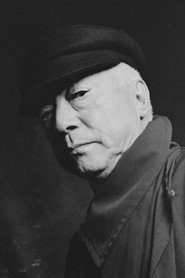
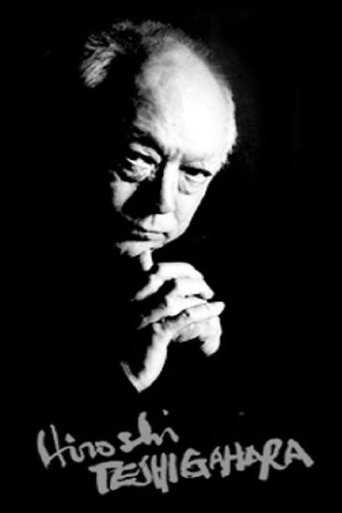
Hiroshi Teshigahara
Born — Died
1927-01-28 — 2001-04-14
Place of birth
Chiyoda, Tokyo, Japan
Known for
Directing
Credits
31 titles
Hiroshi Teshigahara (January 28, 1927 – April 14, 2001) was an avant-garde Japanese filmmaker. He was born in Tokyo, son of Sofu Teshigahara, founder and grand master of the Sogetsu School of ikebana. He graduated in 1950 from the Tokyo National University of Fine Arts and Music and began working in documentary film. He directed his first feature film, Pitfall (1962), in collaboration with author Kōbō Abe and musician Tōru Takemitsu. The film won the NHK New Director's award, and throughout the 1960s, he continued to collaborate on films with Abe and Takemitsu while simultaneously pursuing his interest in ikebana and sculpture on a professional level. In 1965, the Teshigahara/Abe film Woma…
Known for
 8.2
8.2A vacationing entomologist suffers extreme physical and psychological trauma after being taken captive by the residents of a poor seaside village and made to live with a woman whose life task is shoveling sand for them.
Woman in the Dunes
1964
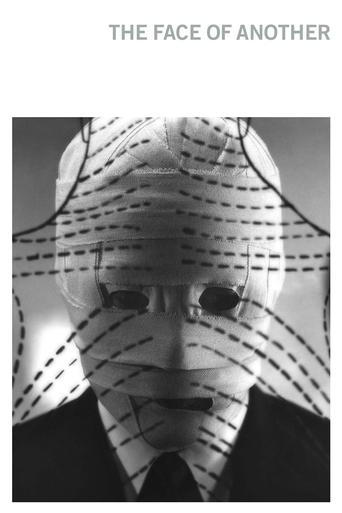 7.8
7.8A businessman with a disfigured face obtains a lifelike mask from his new doctor, but the mask starts altering his personality and causing him to question his identity.
The Face of Another
1966
 7.5
7.5Late in the 1500s, an aging tea master teaches the way of tea to a headstrong Shogun. Through force of will and courageous fighting, Hideyoshi becomes Japan’s most powerful warlord, unifying the country.
Rikyu
1989
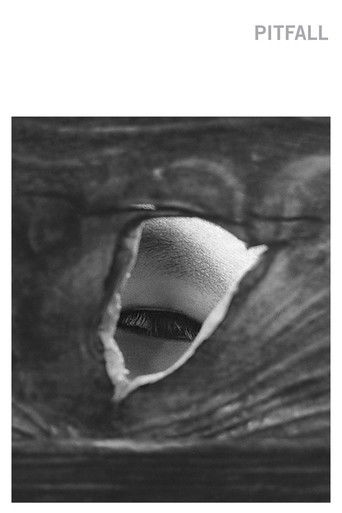 7.3
7.3A man wanders into a seemingly deserted town with his young son in search of work. But after a bit of bad luck, he joins the town's population of lost souls.
Pitfall
1962
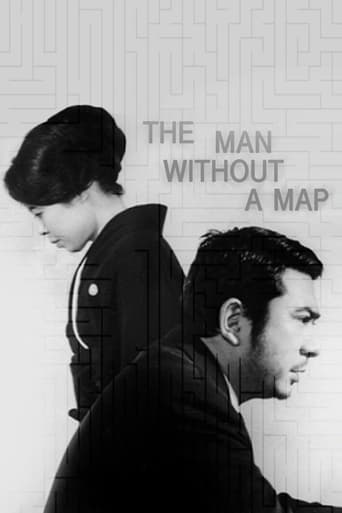 6.7
6.7A private detective is hired to find a missing man by his wife. While his search is unsuccessful, the detective's own life begins to resemble the man for whom he is searching.
The Man Without a Map
1968
 7.0
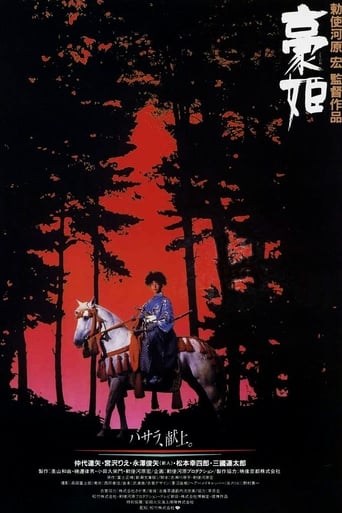
7.0Furuta Oribe is ordered to become tea master under Toyotomi Hideyoshi after his teacher Sen no Rikyū, the former tea master, was ordered to commit suicide. Princess Goh, daughter of the lord but adopted by Hideyoshi, is outraged when Rikyū's severed head is thrown in the Nijo River. She sends Usu, Oribe's servant, to retrieve the head and deliver it to Rikyū's adopted daughter.
Basara: The Princess Goh
1992
Film credits

Behind the camera
8.2A vacationing entomologist suffers extreme physical and psychological trauma after being taken captive by the residents of a poor seaside village and made to live with a woman whose life task is shoveling sand for them.
Woman in the Dunes
1964
7.8A businessman with a disfigured face obtains a lifelike mask from his new doctor, but the mask starts altering his personality and causing him to question his identity.
The Face of Another
1966
7.5Late in the 1500s, an aging tea master teaches the way of tea to a headstrong Shogun. Through force of will and courageous fighting, Hideyoshi becomes Japan’s most powerful warlord, unifying the country.
Rikyu
1989
7.5Late in the 1500s, an aging tea master teaches the way of tea to a headstrong Shogun. Through force of will and courageous fighting, Hideyoshi becomes Japan’s most powerful warlord, unifying the country.
Rikyu
1989
7.3A man wanders into a seemingly deserted town with his young son in search of work. But after a bit of bad luck, he joins the town's population of lost souls.
Pitfall
1962
6.7A private detective is hired to find a missing man by his wife. While his search is unsuccessful, the detective's own life begins to resemble the man for whom he is searching.
The Man Without a Map
1968
7.0Furuta Oribe is ordered to become tea master under Toyotomi Hideyoshi after his teacher Sen no Rikyū, the former tea master, was ordered to commit suicide. Princess Goh, daughter of the lord but adopted by Hideyoshi, is outraged when Rikyū's severed head is thrown in the Nijo River. She sends Usu, Oribe's servant, to retrieve the head and deliver it to Rikyū's adopted daughter.
Basara: The Princess Goh
1992
7.0Furuta Oribe is ordered to become tea master under Toyotomi Hideyoshi after his teacher Sen no Rikyū, the former tea master, was ordered to commit suicide. Princess Goh, daughter of the lord but adopted by Hideyoshi, is outraged when Rikyū's severed head is thrown in the Nijo River. She sends Usu, Oribe's servant, to retrieve the head and deliver it to Rikyū's adopted daughter.
Basara: The Princess Goh
1992
 7.1
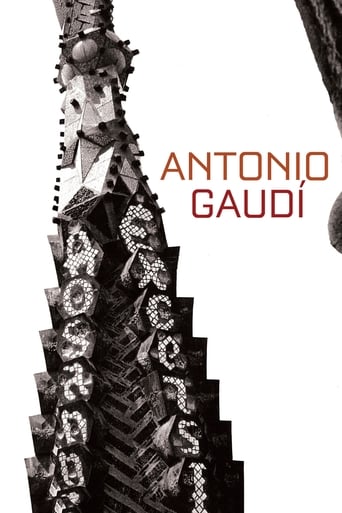
7.1Catalan architect Antonio Gaudí (1852-1926) designed some of the world's most astonishing buildings, interiors, and parks; Japanese director Hiroshi Teshigahara constructed some of the most aesthetically audacious films ever made. With camera work as bold and sensual as the curves of his subject's organic structures, Teshigahara immortalizes Gaudí on film.
Antonio Gaudí
1984
 6.7
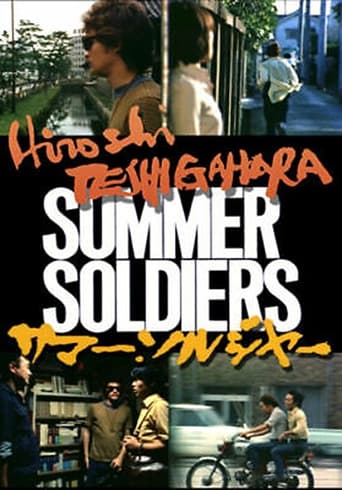
6.7During the Vietnam War, an American G.I. deserts his base in Japan and escapes to Tokyo with the help of his Japanese bar hostess girlfriend. In the capital he gets involved with an anti-war organization while dodging the military police.
Summer Soldiers
1972
 7.0
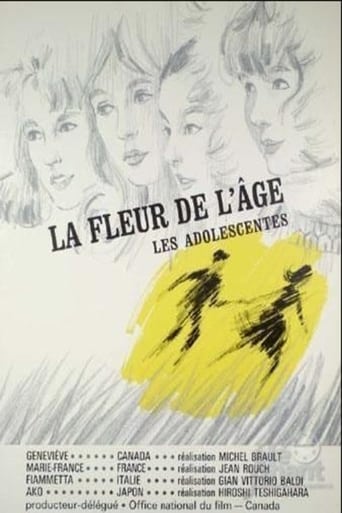
7.0A film in four episodes presenting teenage girls chosen as representative of their country and our time, in Italy, France, Japan and Canada. In spite of the stylistic peculiarities of the filmmakers, we find in each of them the same desire not to affirm anything, not to judge, but to quite simply show.
That Tender Age
1964
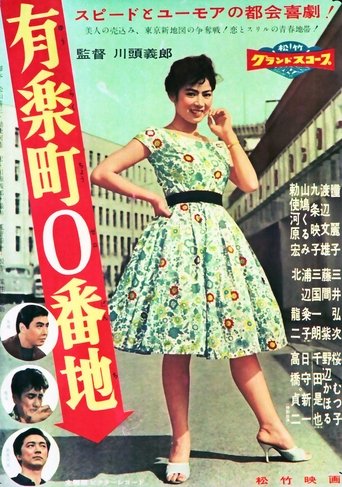 NR
NRA satirical comedy set in Tokyo's new landmark food center in Yurakucho.
Yurakucho 0 Street
1958
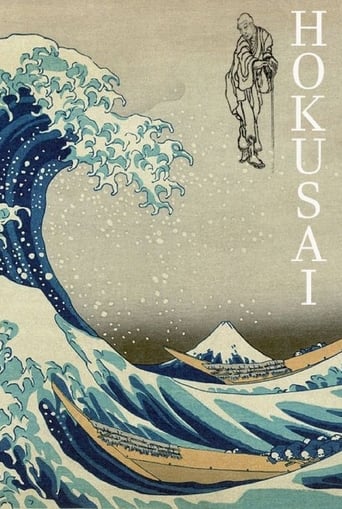 6.2
6.2A documentary about the life and art of wood-block artist Katsushika Hokusai.
Hokusai
1953
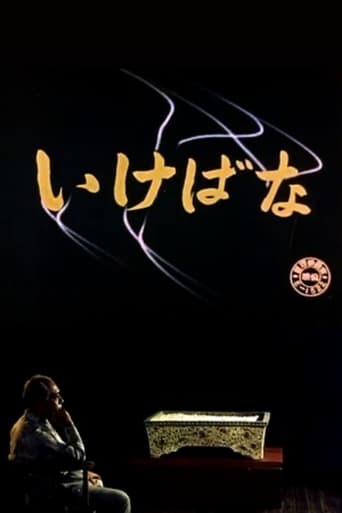 6.3
6.3The history and art of ikebana, a centuries old Japanese art of flower arrangement and a look inside the Sogetsu School of Ikebana, where the director's father Sofu Teshigahara worked as the grand master of the school.
Ikebana
1957
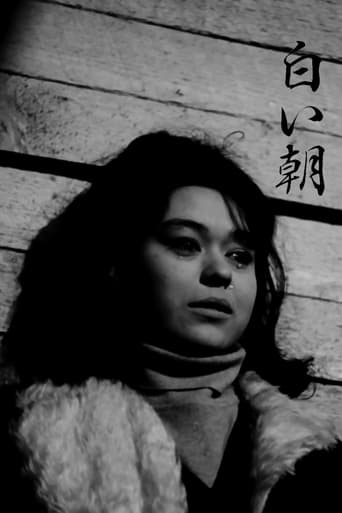 6.8
6.8A day in the life of Ako, a 16-year-old Japanese girl, and her friends and co-workers. An alarm clock wakes her in a dorm; she gets ready for work and travels to a large bakery. We see her with friends, chatting and laughing, as well as working. They go out, seven of them jammed in an old Pontiac: bowling, then to an amusement park, then driving around. Car trouble may put her at risk. Is she going to be okay? One of four film sketches on the problems of adolescents facing the adult world in the 1960s included in the anthology film That Tender Age (La fleur de l'âge, ou Les adolescentes). The three other sketches were directed by Michel Brault, Jean Rouch, and Gian Vittorio Baldi.
Ako
1964
6.8A day in the life of Ako, a 16-year-old Japanese girl, and her friends and co-workers. An alarm clock wakes her in a dorm; she gets ready for work and travels to a large bakery. We see her with friends, chatting and laughing, as well as working. They go out, seven of them jammed in an old Pontiac: bowling, then to an amusement park, then driving around. Car trouble may put her at risk. Is she going to be okay? One of four film sketches on the problems of adolescents facing the adult world in the 1960s included in the anthology film That Tender Age (La fleur de l'âge, ou Les adolescentes). The three other sketches were directed by Michel Brault, Jean Rouch, and Gian Vittorio Baldi.
Ako
1964
 6.2
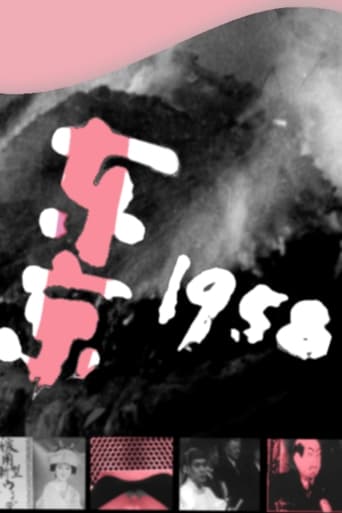
6.2A collaborative, newsreel-style portrait of Tokyo in 1957–58, blending photography, animation, and historical imagery to capture the city’s labor, rituals, and nightlife at the moment it became the world’s largest metropolis.
Tokyo 1958
1958
6.2A collaborative, newsreel-style portrait of Tokyo in 1957–58, blending photography, animation, and historical imagery to capture the city’s labor, rituals, and nightlife at the moment it became the world’s largest metropolis.
Tokyo 1958
1958
6.2A collaborative, newsreel-style portrait of Tokyo in 1957–58, blending photography, animation, and historical imagery to capture the city’s labor, rituals, and nightlife at the moment it became the world’s largest metropolis.
Tokyo 1958
1958
 NR
NRDocumentary about Jean Tinguely and his work.
Moving Sculpture: Jean Tinguely
1981
 10.0
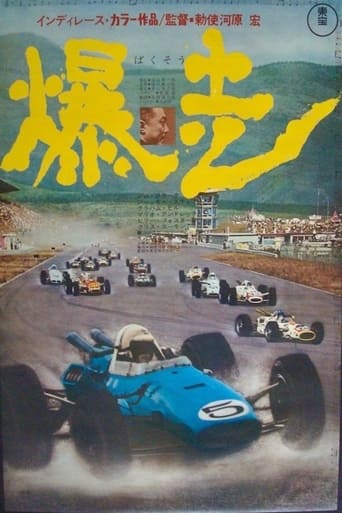
10.0Auto-racing crews prepare for the Indy car race near Fuji in this Japanese documentary. Award-winning director Hiroshi Teshigahara compares the celebrated event with the enthusiasm of the youth of the time to the sport. Narration is provided by Shoichi Ozawa and compliments a well-crafted feature that will only appeal to die-hard auto-racing fans.
Explosion Course
1967
 NR
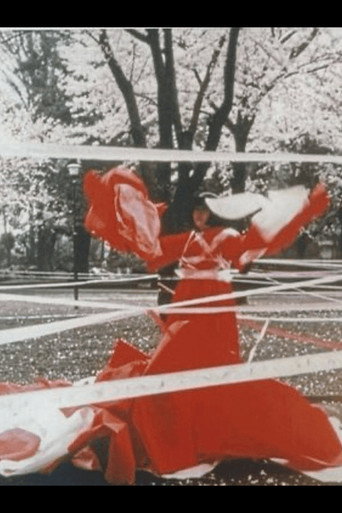
NRIn April 1985 Kusama staged a performance in the cherry tree grove at Kuhonbutsu Jōshin-ji, a Buddhist temple in Tokyo. Commissioned by a professor at Tokyo University, the performance was titled Basara no Hana (Flowers of Extravagance) in reference to the extravagance of the fourteenth-century lord Dōyo Sasaki. He was said to have held a lavish celebration of cherry blossoms near Kyoto that lasted twenty days. For the performance, Kusama encircled the flowering trees with red and white streamers, connecting them in a ‘net’.
Basara no Hana (Flowers of Extravagance)
1985
 NR
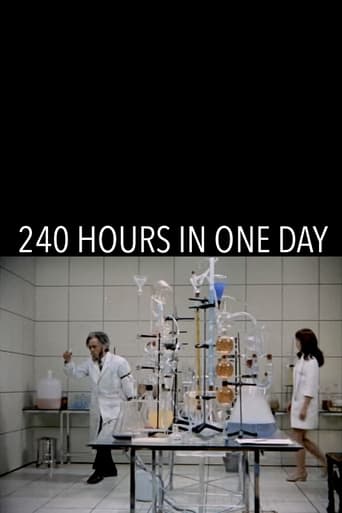
NRCommissioned for the 1970 Osaka Expo and originally shown on a four projection system at the spherical Automobile Pavilion. Set in a near future, the story follows a scientist and his assistant who invents an experimental accelerator drug that makes human activity run ten times faster, thereby expanding a single day into 10 days.
240 Hours in One Day
1970
 5.5
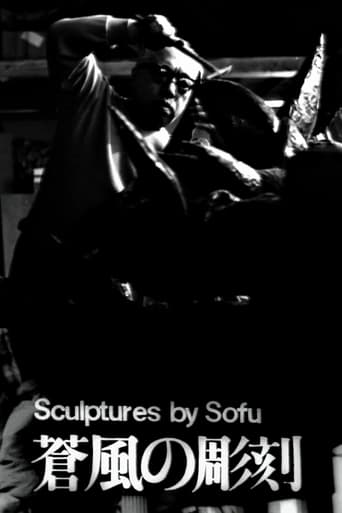
5.5A short documentary by Hiroshi Teshigahara about his father, the sculptor Sofu Teshigahara, preparing an exhibition.
Sculptures by Sofu - Vita
1962
 7.9
7.9A documentary about the eponymous Puerto Rican boxer
Jose Torres
1959
 NR
NRDocumentary on photography with the participation of twelve globally famous Japanese photographers.
12 Photographers
1955
 NR
NRIn 1959 Hiroshi Teshigahara shot the following 16 mm footage of he and his father’s first trip to Barcelona and the outlying Catalonian countryside, including a visit to the home of Salvador Dali in Port Lligat. The footage was recorded without sound.
Gaudi, Catalunya
1959
 6.5
6.5This is the sequel to Jose Torres (1959), the portrayal of Puerto Rican boxer Jose Torres, who won a silver medal in the 1956 Melbourne Olympics. We follow Torres from his training in preparation to challenge world lightweight champion Willie Pastrano, to the match and Torres’ victory in 1965. The contrast between the nervous Torres before the match, filmed in painstaking detail, and the first round, filmed in one shot, is striking.
Jose Torres II
1965
Tokyo in the 1950s. A jazz-loving younger sister attends piano lessons, while her older brother is obsessed with drumming. The two discover the joy of music. Hani, Teshigahara and Kawazu make a promotional jazz film for an instrument maker during the vibrant 50s.
Drumu To Shonen
1959