
Acting
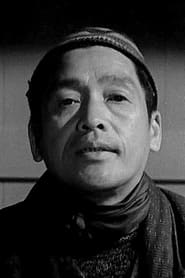
Kamatari Fujiwara
Born — Died
1905-01-15 — 1985-12-21
Place of birth
Fukagawa, Koto, Tokyo, Japan
Known for
Acting
Credits
62 titles
Kamatari Fujiwara (藤原 釜足 Fujiwara Kamatari, January 15, 1905 - December 21, 1985) was a Japanese actor. Fujiwara was born in Tokyo, on January 15, 1905, in Tokyo, Japan. Fujiwara's parents ran a printing business. The business did not go well, so at the age of 10, Fujiwara started working at a local confectionery store. By the age of 14 he had started selling timber for building and manufacturing in Shizuoka prefecture. A year later he returned to Tokyo to study as a pharmacist. Fukiwara worked regularly and extensively with Akira Kurosawa, and was known for both being adept at comic acting, as well as being able to do serious roles.
Known for
 8.5
8.5A samurai answers a village's request for protection after he falls on hard times. The town needs protection from bandits, so the samurai gathers six others to help him teach the people how to defend themselves, and the villagers provide the soldiers with food.
Seven Samurai
1954
 8.3
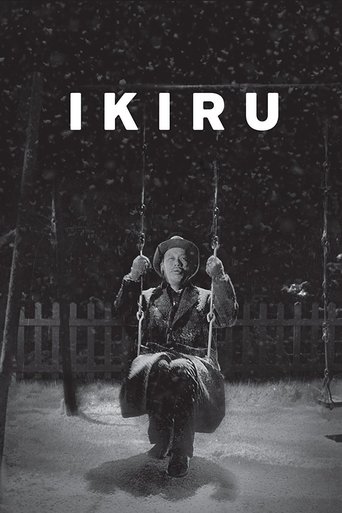
8.3Kanji Watanabe is a middle-aged man who has worked in the same monotonous bureaucratic position for decades. Learning he has cancer, he starts to look for the meaning of his life.
Ikiru
1952
 8.4
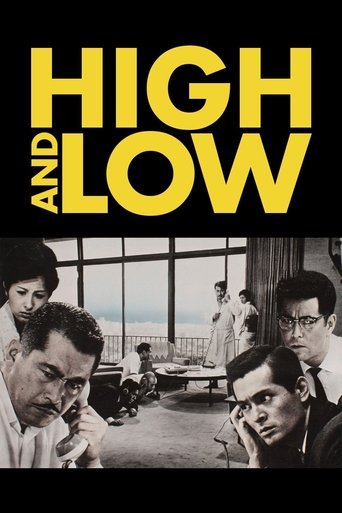
8.4A Yokohama shoe executive faces a wrenching choice when kidnappers mistakenly seize his chauffeur’s son but demand the ransom anyway.
High and Low
1963
 8.2
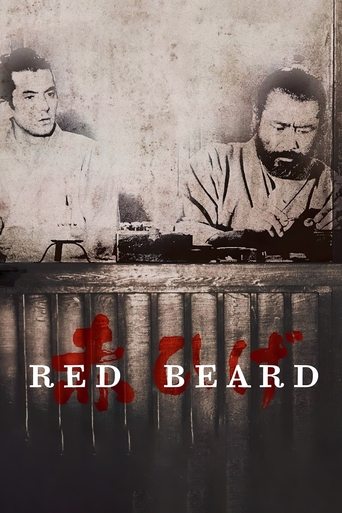
8.2Aspiring to an easy job as personal physician to a wealthy family, Noboru Yasumoto is disappointed when his first post after medical school takes him to a small country clinic under the gruff doctor Red Beard. Yasumoto rebels in numerous ways, but Red Beard proves a wise and patient teacher. He gradually introduces his student to the unglamorous side of the profession, ultimately assigning him to care for a prostitute rescued from a local brothel.
Red Beard
1965
 7.8
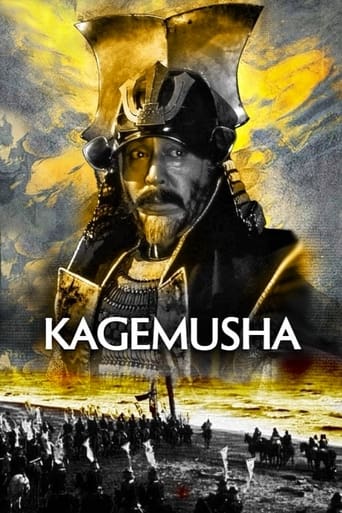
7.8A feudal epic presenting the tale of a petty thief who is recruited to impersonate Shingen, an aging warlord, in order to avoid attacks by competing clans. The impostor becomes comfortable living his life among nobility, but his responsibilities to his station grow more demanding the longer he occupies it.
Kagemusha
1980
 8.0
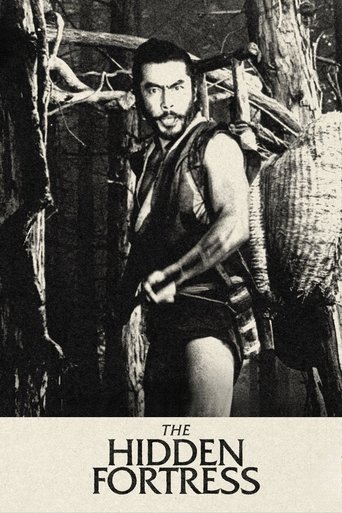
8.0In feudal Japan, during a bloody war between clans, two cowardly and greedy peasants, soldiers of a defeated army, stumble upon a mysterious man who guides them to a fortress hidden in the mountains.
The Hidden Fortress
1958
Film credits
1980s · 3 titles
7.8A feudal epic presenting the tale of a petty thief who is recruited to impersonate Shingen, an aging warlord, in order to avoid attacks by competing clans. The impostor becomes comfortable living his life among nobility, but his responsibilities to his station grow more demanding the longer he occupies it.
Kagemusha
1980
 7.2
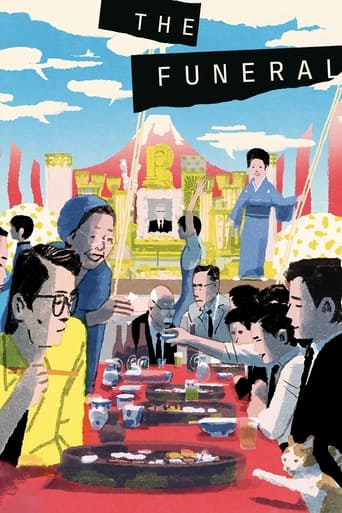
7.2When Wabisuke's father-in-law unexpectedly dies, the family goes through a series of random events and occurrences as the funeral unfolds over three days in their home.
The Funeral
1984
 7.0
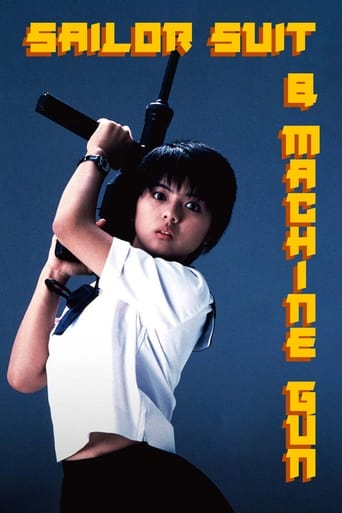
7.0A high-school girl inherits a declining yakuza organization, which seeks to repair its fortunes under her leadership.
Sailor Suit and Machine Gun
1981
1970s · 7 titles
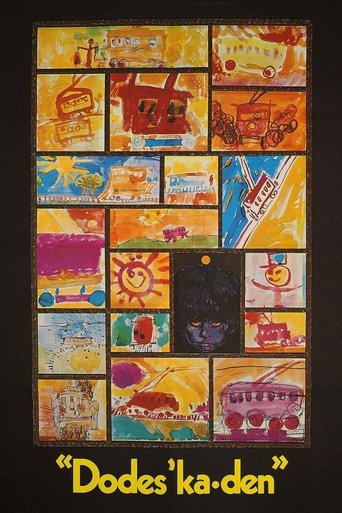 7.1
7.1On a Tokyo dump’s shantytown edge, interwoven vignettes follow residents scraping by: a boy who “drives” an imaginary trolley, a homeless father and son designing a dream house, a young woman brutalized at home, drunks, schemers, and saints of small kindnesses. Kurosawa crafts a ragged mosaic of hardship, fantasy, and flickers of grace that keep people moving forward.
Dodes'ka-den
1970
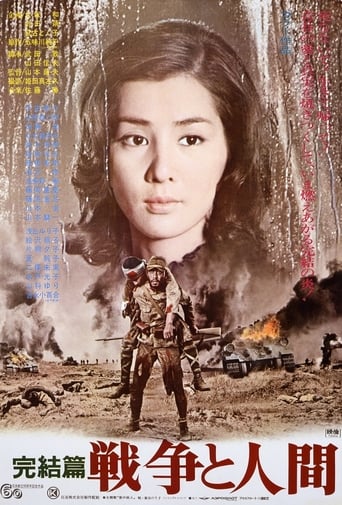 6.1
6.1As Japan's war of aggression against China intensifies, beginning with the Nanjing Massacre in December 1937, Kohei, who had secretly married Junko, the second daughter of the Godai family, deploys to the front lines, witnessing the atrocities of the Japanese army firsthand. Meanwhile, Shunsuke also takes to the front lines of the battlefield, engaging in a fierce battle against the Soviet army at Nomonhan.
Men and War III: The Final Chapter
1973
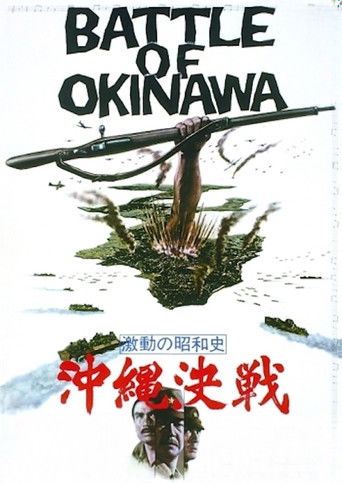 7.8
7.8The Americans are swiftly closing on Okinawa, an island just south of the Japanese mainland. The Imperial command sends top generals and several army divisions to defend it at all costs. The mission quickly degenerates as vital resources and troops are diverted to other islands. After a civilian evacuation ends in tragedy most of non-combatants are forced to remain on the island. Many convert to soldier status. Tokyo sends mixed messages that squander time and resources, as when they order the defenders to build an airstrip for aircraft that never come. The truth soon becomes obvious: the high command decides that the island cannot be held and effectively abandons the Okinawan defenders. When the Americans land many troops are deployed in the wrong places. As the slaughter mounts, a suicidal attitude takes hold. Okinawa becomes a death trap, for civilian volunteers and non-combatants as well.
The Battle of Okinawa
1971
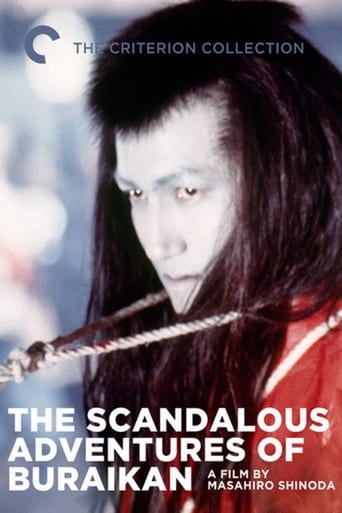 7.1
7.1An outlaw pushes the residents of Edo's red light district to rebel against a growing number of stifling, moralistic laws.
The Scandalous Adventures of Buraikan
1970
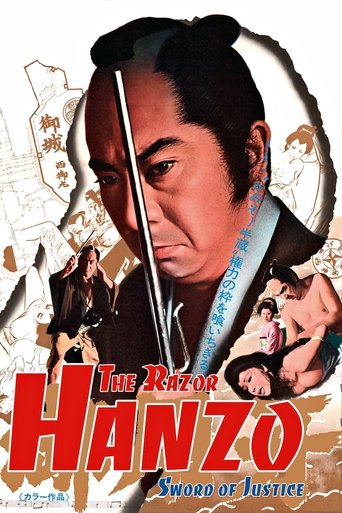 6.2
6.2Fearless Edo-period police inspector Hanzo Itami, nicknamed The Razor, has developed his own unique way of extracting information for his inquiries. His first adventure sees him investigating his superior officer's mistress, whom he suspects of having ties with a reputed criminal on the loose.
Hanzo the Razor: Sword of Justice
1972
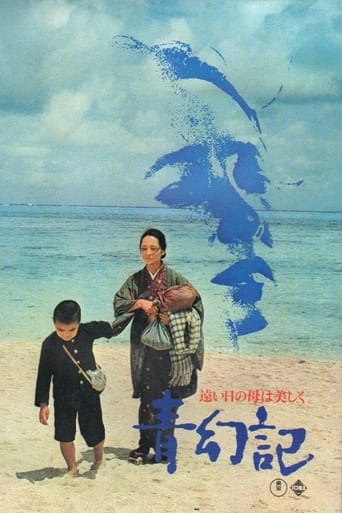 4.7
4.7Minoru visits his home on Okinoerabu island for the first time in thirty years. Seeing the old man who used to be in love with his mother, Minoru recalls the old days spent on the island with his young, beautiful mother.
Time Within Memory
1973
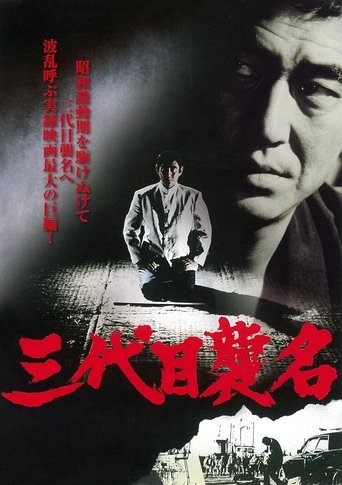 8.0
8.0Based on Kazuo Taoka's autobiography, this film follows a Kobe gangster as he builds the small Yamaguchi-gumi into Japan's largest criminal clan.
Third Generation Boss
1974
1960s · 22 titles
8.4A Yokohama shoe executive faces a wrenching choice when kidnappers mistakenly seize his chauffeur’s son but demand the ransom anyway.
High and Low
1963
8.2Aspiring to an easy job as personal physician to a wealthy family, Noboru Yasumoto is disappointed when his first post after medical school takes him to a small country clinic under the gruff doctor Red Beard. Yasumoto rebels in numerous ways, but Red Beard proves a wise and patient teacher. He gradually introduces his student to the unglamorous side of the profession, ultimately assigning him to care for a prostitute rescued from a local brothel.
Red Beard
1965
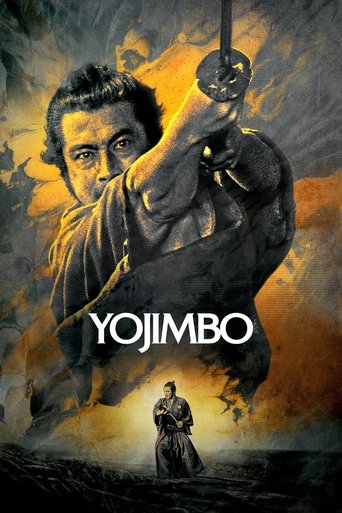 8.1
8.1A nameless ronin, or samurai with no master, enters a small village in feudal Japan where two rival businessmen are struggling for control of the local gambling trade. Taking the name Sanjuro Kuwabatake, the ronin convinces both silk merchant Tazaemon and sake merchant Tokuemon to hire him as a personal bodyguard, then artfully sets in motion a full-scale gang war between the two ambitious and unscrupulous men.
Yojimbo
1961
 7.9
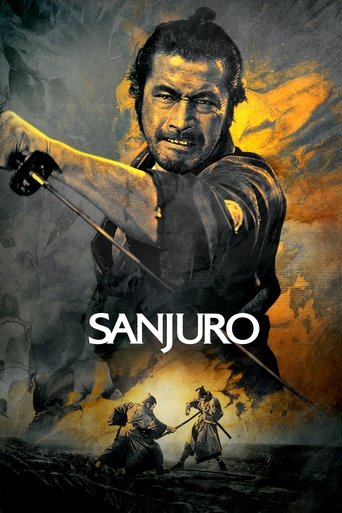
7.9In this companion piece and sequel to "Yojimbo," jaded samurai Sanjuro helps an idealistic group of young warriors weed out their clan's evil influences, and in the process turns their image of a proper samurai on its ear.
Sanjuro
1962
 7.7
7.7In this loose adaptation of "Hamlet," illegitimate son Kôichi Nishi climbs to a high position within a Japanese corporation and marries the crippled daughter of company vice president Iwabuchi. At the reception, the wedding cake is a replica of their corporate headquarters, but an aspect of the design reminds the party of the hushed-up death of Nishi's father. It is then that Nishi unleashes his plan to avenge his father's death.
The Bad Sleep Well
1960
 7.8
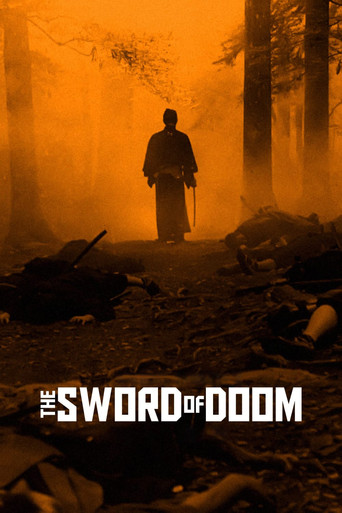
7.8Ryunosuke, a gifted swordsman plying his trade during the turbulent final days of Shogunate rule, has no moral code and kills without remorse. It’s a way of life that leads to madness.
The Sword of Doom
1966
 7.0
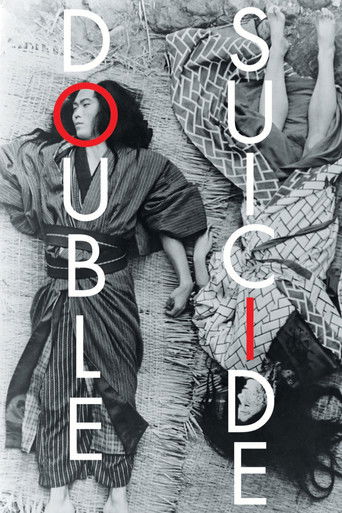
7.0Successful and married with children, paper-mill owner Jihei knows better than to contradict the strict social and moral codes of 18th-century Japan. But when he meets the lovely courtesan Koharu, he becomes a man obsessed. Koharu returns his love, even foregoing other customers while Jihei schemes to somehow buy her freedom. His efforts yield ruinous consequences for his business and his family life, and Koharu is meanwhile purchased by another client.
Double Suicide
1969
 7.5
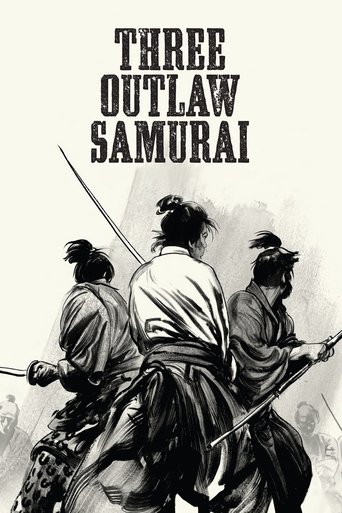
7.5Shiba, a wandering ronin, encounters a band of peasants who have kidnapped the daughter of their dictatorial magistrate, in hopes of coercing from him a reduction in taxes. Shiba takes up their fight, joined by two renegades from the magistrate's guard, Sakura and Kikyo. The three outlaws find themselves in a battle to the death.
Three Outlaw Samurai
1964
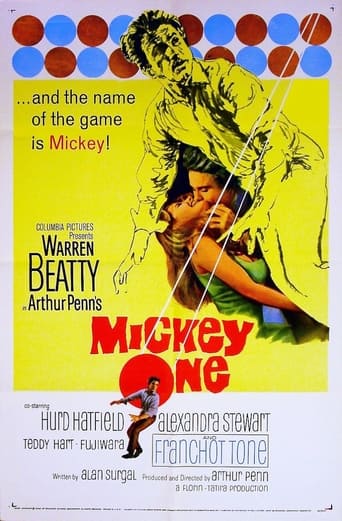 5.8
5.8A former comic is on the run from the mob.
Mickey One
1965
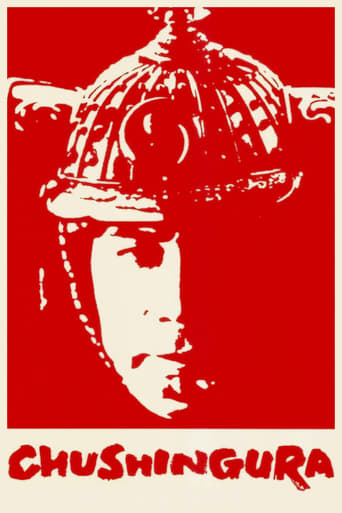 7.1
7.1After their lord is tricked into committing ritual suicide, forty-seven samurai warriors await the chance to avenge their master and reclaim their honor.
Chûshingura
1962
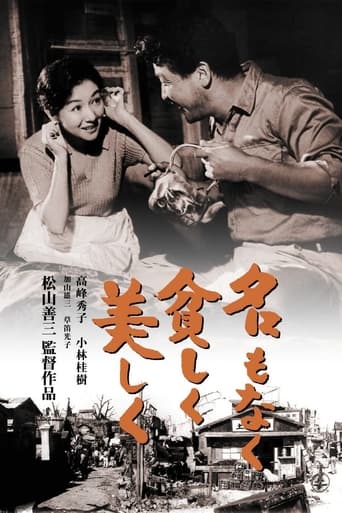 9.0
9.0The story is of two people. One is deaf, the other deaf and mute. They marry after meeting at a school reunion, and the film follows their trials and tribulations ... and joys.
Happiness of Us Alone
1961
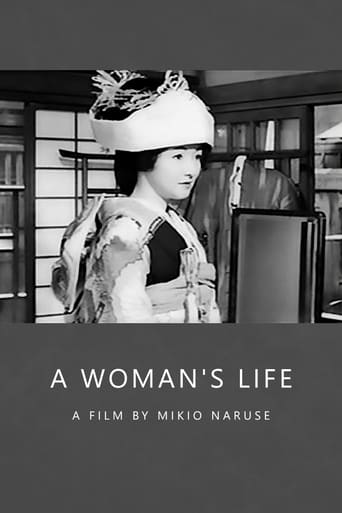 7.1
7.1A woman remembers her own marriage when dealing with the love life of her son.
A Woman's Life
1963
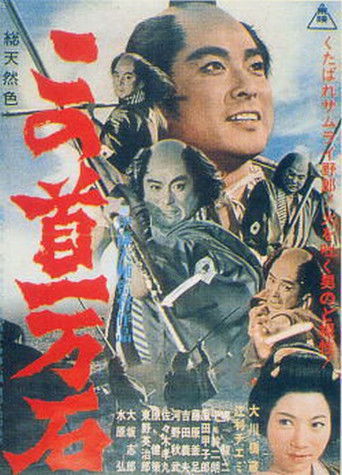 8.7
8.7Gonza was a handsome young laborer, a footman and spear-carrier, working hard for his meager wage. All Gonza wanted was to marry his young sweetheart, but despite their mutual poverty, her status as the daughter of a samurai blocked their path to happiness. A chance opportunity to achieve samurai status would come one day, but Gonza will regret trusting the so-called honorable samurai who extended this fateful offer, and the terrible price he'd pay, fighting for his life in one of the most blood-spattered samurai battles ever filmed.
Tragedy of the Coolie Samurai
1963
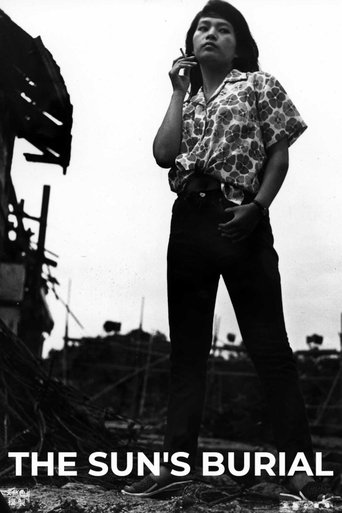 6.5
6.5In Osaka's slum, capricious folks without futures engage in pilfering, assault and robbery, prostitution, and the trading of ID cards and blood.
The Sun's Burial
1960
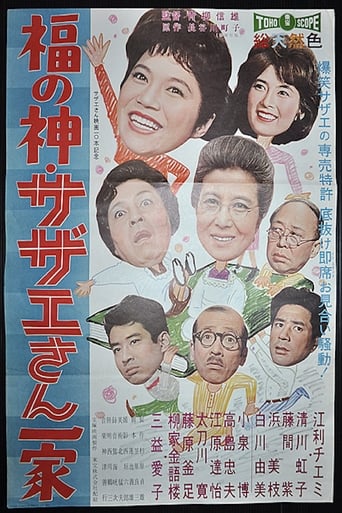 8.0
8.0An adaptation of the popular Sazae-san comic.
Sazae-san Plays Cupid
1961
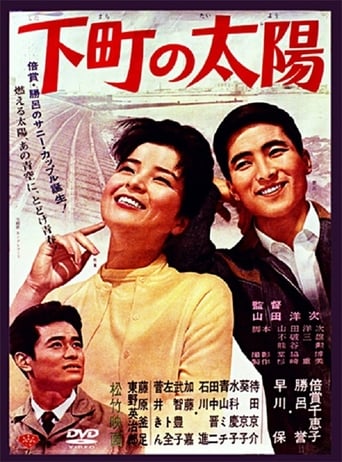 5.7
5.7A young factory worker struggles to figure out what she wants to do with her life.
The Sunshine Girl
1963
 9.0
9.0"Shacho" comedy about the president of a salt manufacturing company.
Five Gents and Karate Grandpa
1968
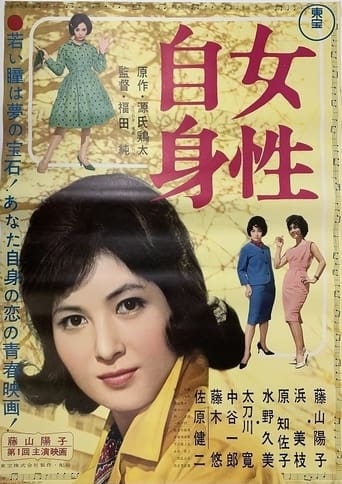 NR
NR1962 Japanese movie
A Woman's Identity
1962
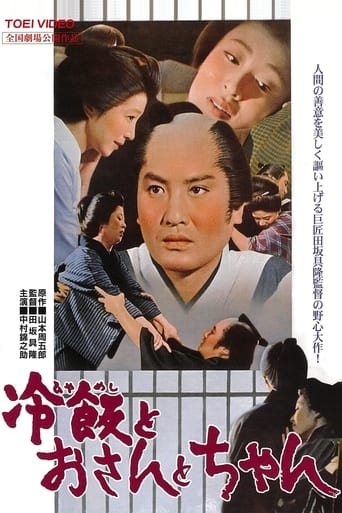 7.0
7.0Three stories revolve around independence, a man searching for his wife, and a poor craftsman trying to make money.
Cold Rice, Osan, Chan
1965
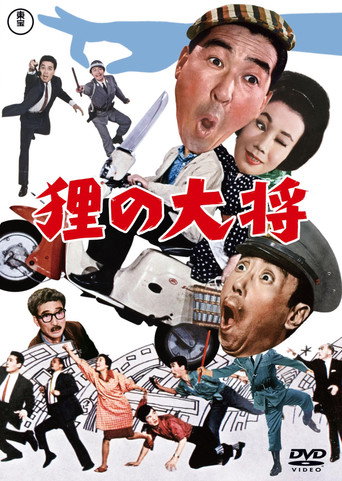 NR
NRNo synopsis available yet.
Raccoon Dog Leader
1965
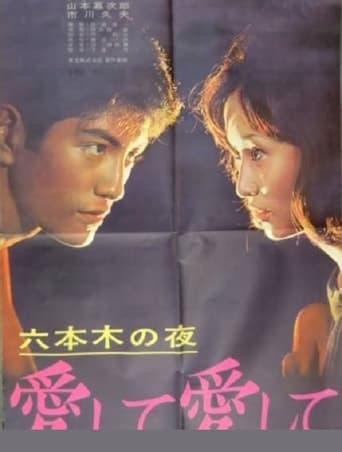 7.0
7.0Director Iwauchi Katsuki adapted this melodrama from Sasazawa Saho's award winning novel about two young lovers from different sides of the tracks set against the backdrop of the Roppongi district in Tokyo. Masaaki (Minegishi Toru) is the son of a prominent judge and a Law student at university. Chikage (Nakagawa Yuki) is a teenager from an underprivileged home. Both are desperately looking for an escape from their lives when they meet in Roppongi one night and fall in love. But coming from such different backgrounds, their happiness isn't assured.
Roppongi Nights: Love Me, Love Me
1963
 7.5
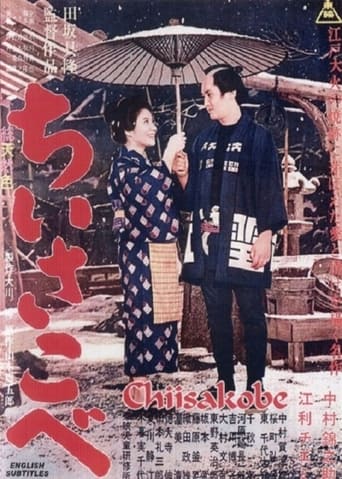
7.5A carpenter, Shigetsugu, learns a lesson of love and humanity from five orphaned children and an affectionate woman named Oritsu. It's a winning combination of drama and humor. The warm friendship that grows between the carpenter, the woman and the children making this into a true masterpiece.
A Carpenter and Children
1962
1950s · 20 titles
8.5A samurai answers a village's request for protection after he falls on hard times. The town needs protection from bandits, so the samurai gathers six others to help him teach the people how to defend themselves, and the villagers provide the soldiers with food.
Seven Samurai
1954
8.3Kanji Watanabe is a middle-aged man who has worked in the same monotonous bureaucratic position for decades. Learning he has cancer, he starts to look for the meaning of his life.
Ikiru
1952
8.0In feudal Japan, during a bloody war between clans, two cowardly and greedy peasants, soldiers of a defeated army, stumble upon a mysterious man who guides them to a fortress hidden in the mountains.
The Hidden Fortress
1958
 7.1
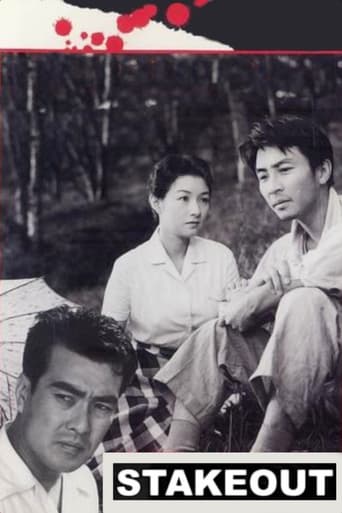
7.1Two detectives begin a stakeout based on the slim chance of catching a murderer whom they suspect will try to reunite with an old flame.
Stakeout
1958
 7.3
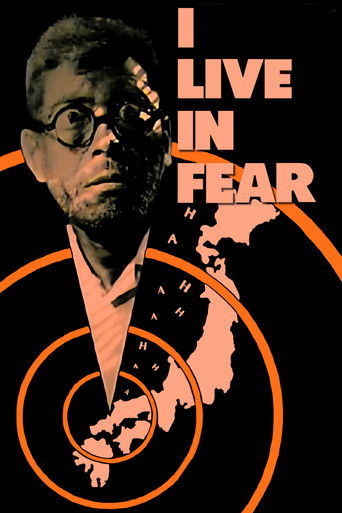
7.3An aging foundry patriarch, gripped by terror of nuclear annihilation, tries to uproot his family to Brazil. When they petition to have him declared incompetent, a family-court counselor witnesses his obsession slide into ruin—and asks whether ignoring the atomic threat is any saner.
I Live in Fear
1955
 7.7
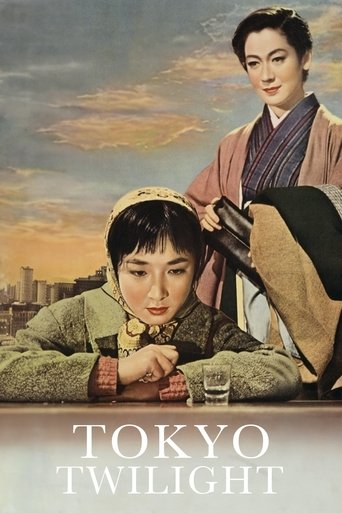
7.7Two sisters learn about the existence of their long-lost biological mother, but the younger is unable to accept the fact that she was abandoned as a child.
Tokyo Twilight
1957
 7.1
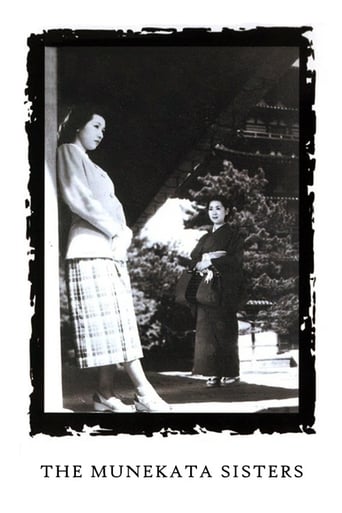
7.1Setsuko is in an unhappy marriage to Mimura, an unemployed, alcoholic engineer. She had always been in love with Hiroshi but both failed to propose when Hiroshi left for France a few years ago. But now he's back and Mariko tries to reunite them, although she too is secretly in love with Hiroshi.
The Munekata Sisters
1950
 7.1
7.1Residents of a rundown boardinghouse in 19th-century Japan, including a mysterious old man and an aging actor, get drawn into a love triangle that turns violent. When amoral thief Sutekichi breaks off his affair with landlady Osugi to romance her younger sister, Okayo, Osugi extracts her revenge by revealing her infidelity to her jealous husband.
The Lower Depths
1957
 NR
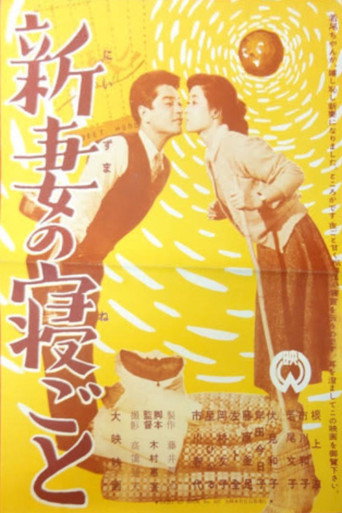
NRKeita, who had been taken along as a cover for his father-in-law’s affair, was discovered by his new wife when she unexpectedly showed up while he was sharing a room with a geisha.
The Bride Carries On
1956
 NR
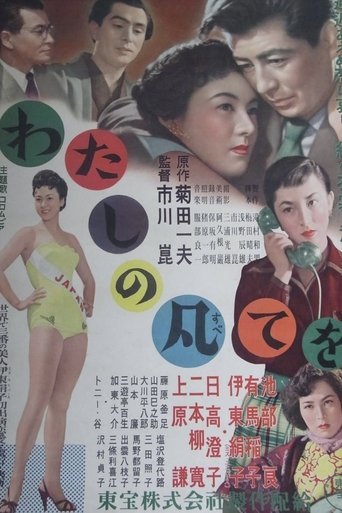
NRThe daughter of a former Miss Universe winner finds success as a fashion model in Tokyo following the death of her fiancé.
All of Myself
1954
 NR
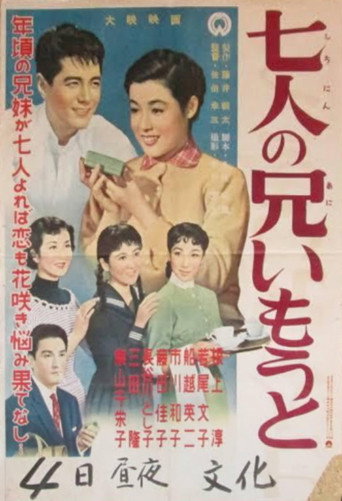
NRNo synopsis available yet.
Shichinin no ani imōto
1955
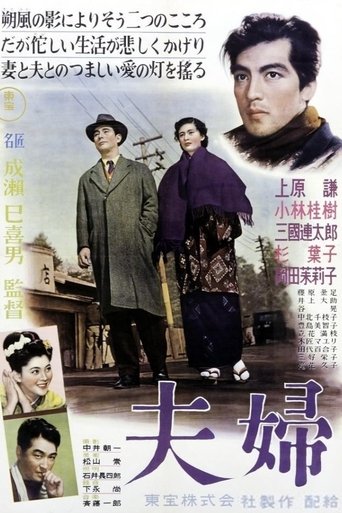 6.9
6.9A married couple looking for an apartment move in with the husband's co-worker, a widower. The husband becomes jealous of the widower and his wife.
Husband and Wife
1953
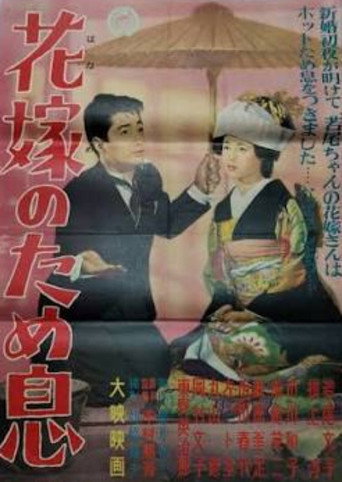 NR
NRNo synopsis available yet.
Hanayome no tameiki
1956
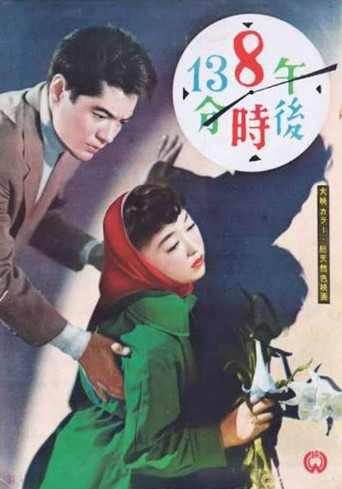 NR
NRMelodrama about a young woman who saves a young man from the world of evil after he has saved her from blindness.
8:13 PM
1956
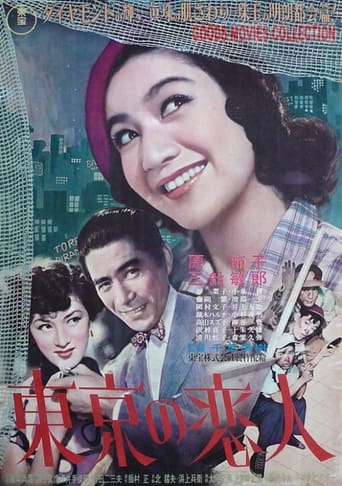 8.0
8.0Following the Second World War, the lives of various people in a poverty-stricken area of Tokyo are entertwined. Pachinko parlor girls, shoeshine boys, a maker of costume jewelry, and a streetcorner artist all struggle to make their livings and to find happiness in difficult surroundings.
Tokyo Sweetheart
1952
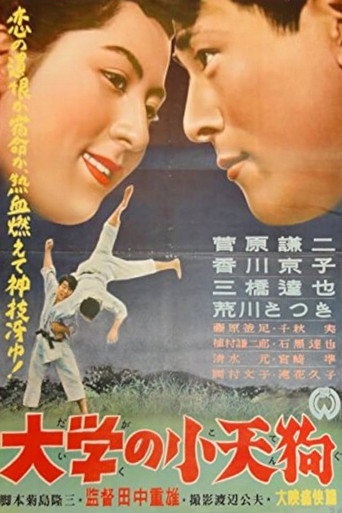 NR
NRWith his mother’s wishes and a young woman’s prayers in his heart, a spirited young man fights to uphold the honor of college judo.
Daigaku no kotengu
1952
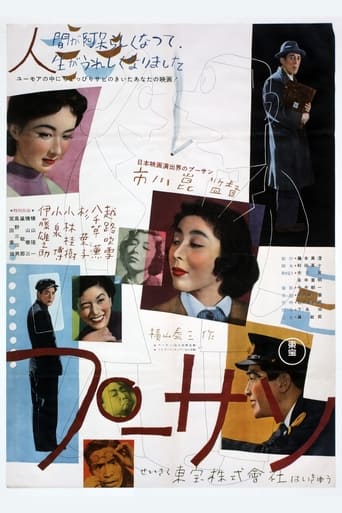 6.5
6.5A math teacher loses his job while falling in love with a local girl.
Mr. Pu
1953
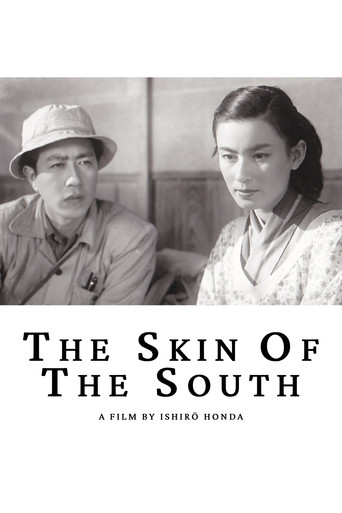 8.0
8.0When a group of young geologists declares a mountainside marked for residential development unstable, they are met with scorn on two fronts. On one end, they must contend with the local villagers who balk at the prospect of relocation; on the other, they face the ambitions of the headstrong lumber baron, whose actions will only further destabilize the land. Their pleas for reason ignored, the scientists can do little but observe as nature runs its inevitable course.
The Skin of the South
1952
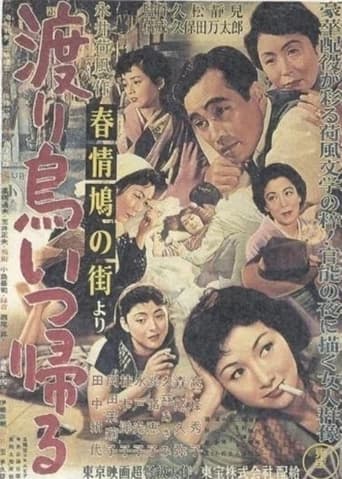 9.0
9.0Yoshida Denkichi does loses sight of his wife Chiyoko and daughter Toyoko during the war, and is taken in by a familiar woman, Oshige, and becomes the owner of "Fujimura" in the town of Hato. Eiko is a timid woman who hates Terada, a watchmaker who is obsessed with her; Tamie is a hard worker who asks for money from customers to support her mother and daughter Teruko; Tane, who dreams of the day they can be together, gives money to her lover Takeda; Machiko, an apres girl, is selective about her customers in the name of romance. They are women working in the red light district at "Fujimura."
House of Many Pleasures
1955
 9.0
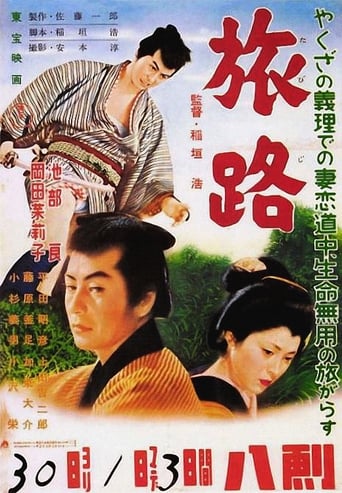
9.0Forced on the road by yakuza obligations, a man sets out on a reckless journey to Tsumagoi. Movie posters for local cinemas were often displayed at sento (public baths) too. The handwritten text on the bottom here announces the film will play at Hassen for 3 days.
The Lone Journey
1955
1940s · 7 titles
 10.0
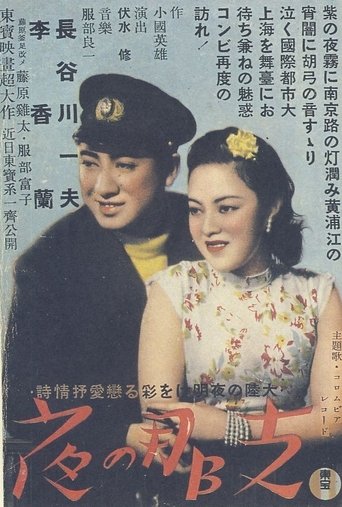
10.0Wartime propaganda filmed by the Japanese in occupied China, Shirley Yamaguchi portrays an orphan rescued from the streets by a kindly Japanese merchant marine officer. Part spy thriller and part Shanghai travelogue, it was part of a popular series known as "Chinese Continental Friendship" made by the occupying Japanese in China.
China Night
1940
 8.0
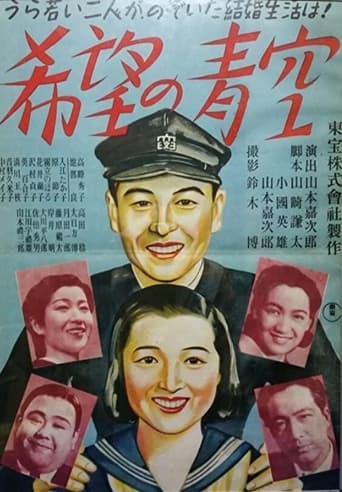
8.0What is marriage? Young couple in match-making wanted to know before they decide. They visited married couples of sisters and brothers. Love comedy in 1942.
Sky of Hope
1942
 6.3
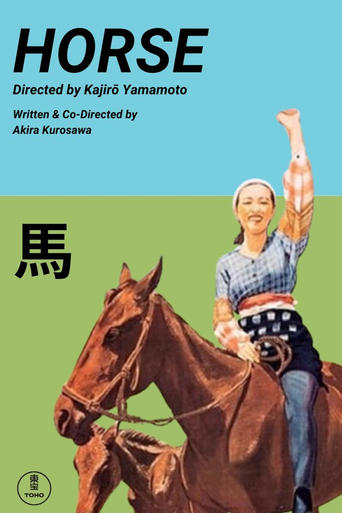
6.3Ine Onoda, the eldest daughter of a poor family of farmers, raises a colt from birth and comes to love the horse dearly. When the horse is grown, the government orders it auctioned and sold to the army. Ine struggles to prevent the sale.
Horse
1941
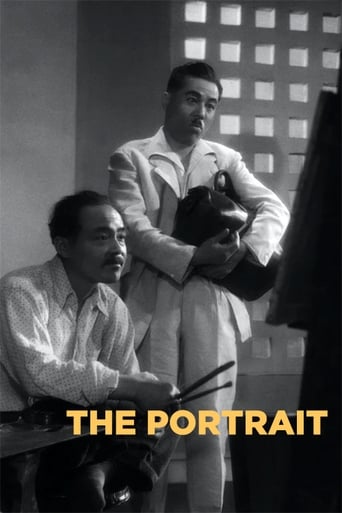 6.7
6.7The mistress of a crook real estate broker comes to terms with her soulless existence after an artist paints her portrait.
The Portrait
1948
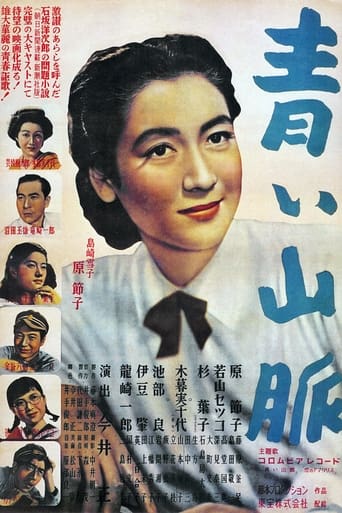 6.4
6.4Teacher Yukiko finds herself in opposition to conservative faculty and villagers after defending a student for being in a relationship with a young man from Tokyo.
The Blue Mountains: Part I
1949
A former geisha marries a widowed farmer, but ends up running away to Tokyo after being unable to cope with the hardships of life in the countryside.
Full Moon
1949
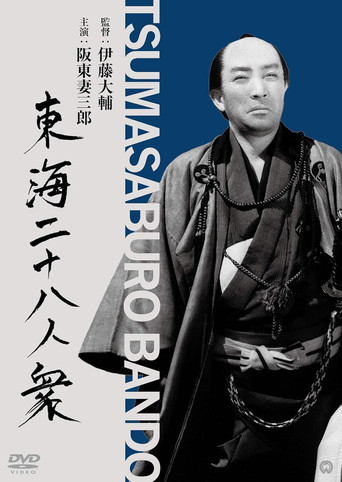 NR
NRNo synopsis available yet.
Tōkai suikoden
1945
Series credits
 8.2
8.2The series depicts the employees of a security company from different generations and backgrounds facing many difficult questions. It features a guard who survived a suicide mission during the war and his conflicts, rebellion, empathy and reconciliation with the younger generation born after the war.
The Roads Men Travel
1976
 NR
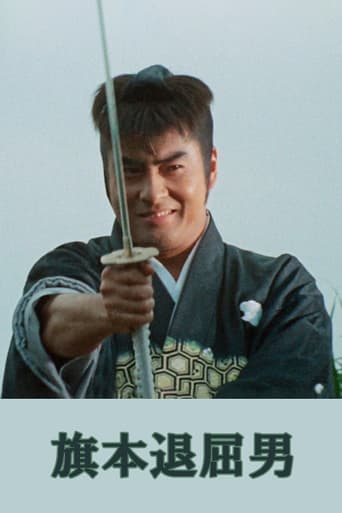
NRSaotome Mondonosuke, "Hatamoto" (direct servant of the shogun), a handsome man with a scar on his forehead in the form of a crescent moon, a favorite of the shogun. He is a master of martial arts, who owns the style of Moroha-ryu seigan-kuzushi (fencing), Yoshin-ryu tai-jutsu (the art of fighting without weapons) and even military science, but in the era of Genroku (1688-1704) all these skills are not in demand, and this brings boredom to Mondonosuke. To dispel boredom, this so-called "bored gentleman" walks around the city, and when he hears about some incident, he rushes to the place and defeats evil with his invincible swordsmanship. Mondonosuke has a 17-year-old sister, Kikuji (Yukiko Kashiwagi), and Kikuji's lover, Kirishima Kyoya (Takao Kataoka), becomes his right hand.
Crescent Scarred Hatamoto
1970