
Acting
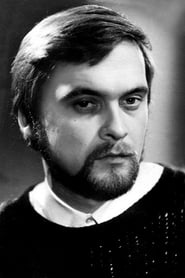
Ivan Mykolaichuk
Born — Died
1941-06-15 — 1987-08-03
Place of birth
Chertoriya, Chernovitskaya oblast, Ukrainian SSR, USSR
Known for
Acting
Credits
51 titles
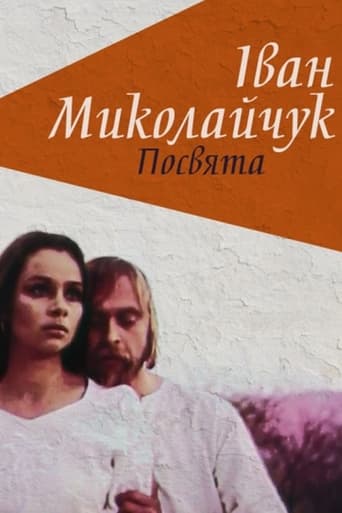
Ivan Vasylyovych Mykolaichuk (Ukrainian: Іван Васильович Миколайчук) was a Ukrainian soviet actor, producer, and screen writer from Ukraine. He is best known for playing the Hutsul Ivan in "Shadows of Forgotten Ancestors" (Тіні забутих предків) (1964), based on Mykhailo Kotsyubynsky's book of the same name. He received the Komsomol prize of Ukraine in 1967, and the title of Meritorious Artist of the Ukrainian SSR in 1968. He posthumously received the Taras Shevchenko prize.
Known for
 7.0
7.0No synopsis available yet.
To Remember
1993
 7.5
7.5In the Carpathian Mountains of 19th-century Ukraine, love, hate, life and death among the Hutsul people are as they’ve been since time began. Ivan is drawn to Marichka, the beautiful young daughter of the man who killed his father. But fate tragically decrees that the two lovers will remain apart.
Shadows of Forgotten Ancestors
1965
 7.4
7.4The "Fiery Arc" tells of a grandiose battle on the Kursk Bulge in the summer of 1943. Here was the largest tank battle in the history of World War II. Along with the personal fate of the heroes, the film shows battle scenes, the activities of headquarters and intelligence, those who worked at the front and in the rear.
Liberation - Part 1 : The Fire Bulge
1970
 6.5
6.5In 1890s Western Ukraine, Ivan Didukh, a proud and ripe Galician farmer, has decided to abandon his ancestral home to emigrate to Canada in search of a better life. His final hours are clouded by both internal and communal discord as his village convenes to ceremonially mark his departure. The celebrations that echo those of a funeral, forecast the imminent death of a man estranged from his motherland, and of an antiquated way of life on the cusp of obsoletion.
The Stone Cross
1968
 7.0
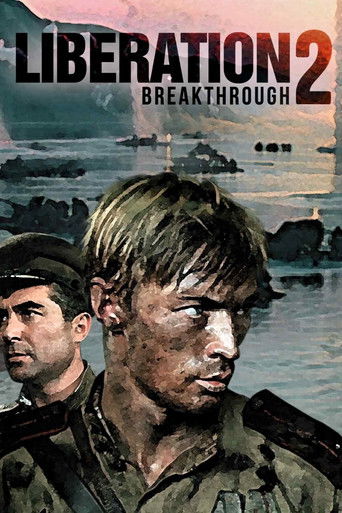
7.0Fascist Italy's prime-minister Mussolini is arrested following the Allies landing in Sicily. Meanwhile, Soviet troops plan their offense towards Kyiv. Lt. Col. Lukin's regiment crosses the Dnieper river as the division's vanguard. Unbeknownst to them, they're merely a ploy to mislead the Germans so the rest of the army can catch them off guard.
Liberation - Part 2 : Breakthrough
1970
 5.7
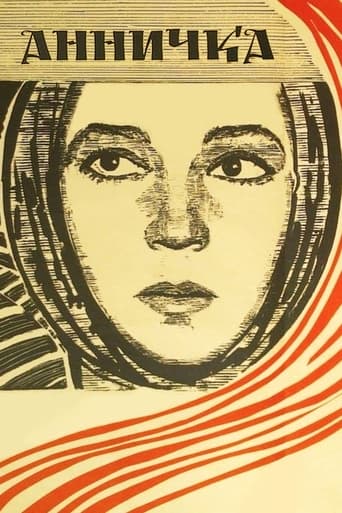
5.7In the dark days of Nazi occupation, a young Hutsul girl native to the Carpathian mountains falls in love with a wounded Soviet partisan. Their affair sets in motion a tragic chain of events, as her family turns against her with shocking results.
Annychka
1969
Film credits
1980s · 8 titles
 5.9
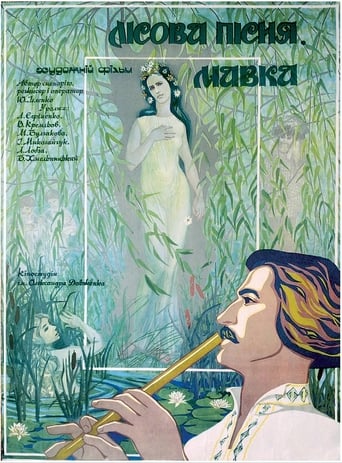
5.9Mavka, a water nymph, loves Lukash, a country youth. Their brief happiness ends when Lukash is forced to marry the shrewish Kilina. The spirit of the forest turns Lukash into a wolf as punishment for his infidelity. The strength of Mavka's love breaks the spell, but Kilina curses the nymph, transforming her into a weeping willow. This beautiful and tragic story is based on a play written in 1912 by Lesya Ukrainka, a Ukrainian poet, writer and political, civil and female activist, and includes mythological characters taken from Ukrainian folklore.
A Story of the Forest: Mavka
1980
 3.6
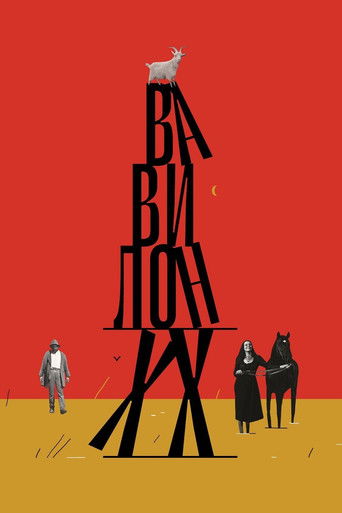
3.6The new reality changes the usual life in the village of Babylon. Attempts to communize the small town are met with resistance from the rich people living in the town. The Red Army finally puts down the resistance. Amidst the resistance philosopher Fabian returns to Babylon and tries to prevent bloodshed, but he meets a tragic fate.
Babylon XX
1980
 NR
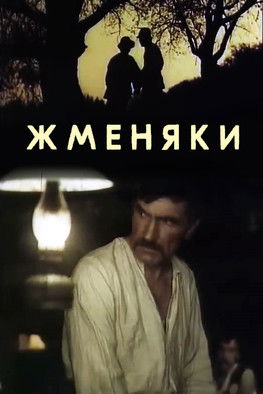
NRThe film tells the story of the difficult and tragic fate of a Prykarpattia family over several generations. The events take place in the difficult 30s and 40s. Zhmeniak's father tries to gather more land in his possession by all means. But not everyone understands that he will divide all that land between his children when it comes time to die anyway, and they are simply jealous of his possessions. Meanwhile, the children have their own dramas and tragedies, because it's one thing to love someone, and another thing to know what the father thinks about it, and who he sees as wives for his sons. And then there are changes of government, and then there is the war...
Handfuls
1987
 4.0
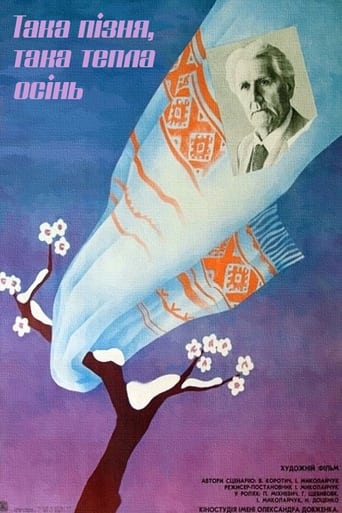
4.0The Bukovynian peasant Rusnak leaves the poor Bukovynian lands and goes to Canada with his little daughter Orysia - maybe he will be lucky there? And now Rusnak using the services of "Inturist" goes to his land where he was once happy.
Such a Late, Such a Warm Autumn
1982
 7.0
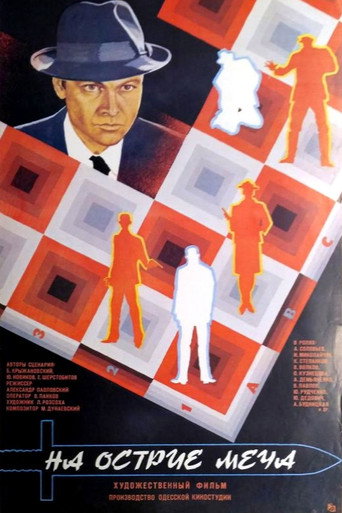
7.0The plot is based on genuine events: a tendency to abandon subversive activities and surrender of one of the leaders of the Ukrainian counter-revolutionary underground, coroner general Y. Tyutyunnik. The young Chekist Sashko Kovalchuk infiltrates the Kiev counter-revolutionary underground.
At the Sword's Edge
1986
 6.7
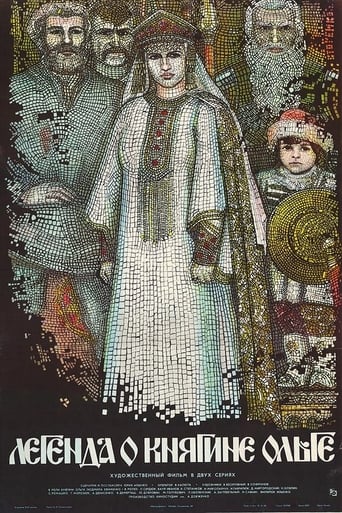
6.7The film is a poetic adaptation of a series of stories (oral and written) about Princess Olha of Kyivan Rus' (Ukraine-Rusʹ) at the start of the 11th century. Inspired by chronicles and folk legends this is a story of a common girl Olha who married Prince Ihor and became his successor on the throne after his murder and one of the most remarkable political leaders in early medieval European history. She converted to Christianity and brought her realm into Europe.
The Legend of Princess Olga
1984
 NR
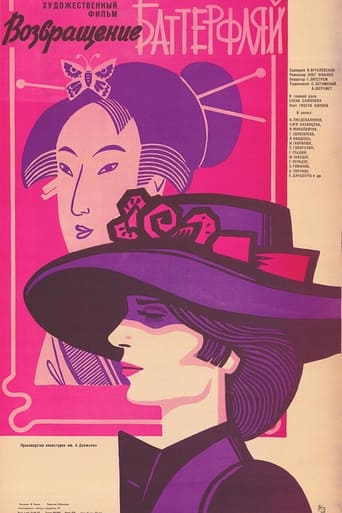
NRDedicated to the life and work of the Ukrainian singer Solomiya Krushelnytska (1873-1952), the owner of a voice of extraordinary beauty and strength. In 1893-1939 she performed in opera theaters in Europe and America, in 1939 she returned to her homeland. The film is based on the real facts of the singer's life and is constructed as her memoirs.
The Return of Butterfly
1983
 7.2
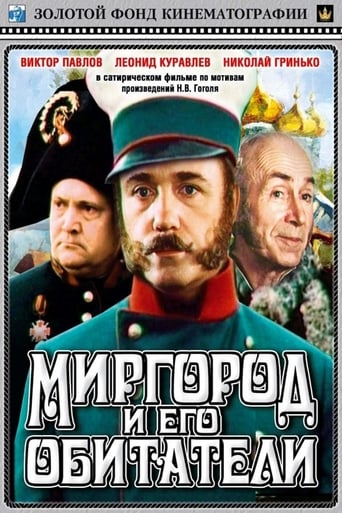
7.2Based on the works of Nikolai Gogol - 'The Old World Landowners', 'The Tale of How Ivan Ivanovich Quarreled with Ivan Nikiforovich', 'Ivan Fyodorovich Shponka and His Aunt'.
Mirgorod and Its Inhabitants
1983
1970s · 19 titles
7.4The "Fiery Arc" tells of a grandiose battle on the Kursk Bulge in the summer of 1943. Here was the largest tank battle in the history of World War II. Along with the personal fate of the heroes, the film shows battle scenes, the activities of headquarters and intelligence, those who worked at the front and in the rear.
Liberation - Part 1 : The Fire Bulge
1970
7.0Fascist Italy's prime-minister Mussolini is arrested following the Allies landing in Sicily. Meanwhile, Soviet troops plan their offense towards Kyiv. Lt. Col. Lukin's regiment crosses the Dnieper river as the division's vanguard. Unbeknownst to them, they're merely a ploy to mislead the Germans so the rest of the army can catch them off guard.
Liberation - Part 2 : Breakthrough
1970
 NR
NRA simple girl named Lada finds herself in the kingdom of Magnum IV, where a singing competition is being held, the victory in which is already assured for the king's "gifted" daughter, Princess Moggot.
Lada from the Berendeyev Country
1971
 7.0
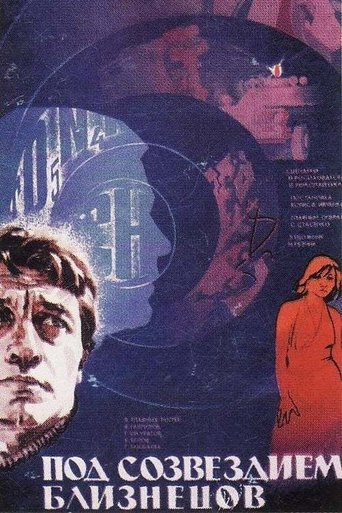
7.0The artificial brain Sig, created under the guidance of Professor Yavorovsky, disappeared in one of the research institutes. Meanwhile, strange phenomena are happening in the city: all the zoo animals have been released from their cages, and the books in the city's book depository have been mixed up. And Whitefish, having mastered the accumulated experience of science and fiction accumulated by mankind, creates an artificial organism himself, returns to the professor and is soon sent to the constellation Gemini.
Under Constellation Gemini
1979
 5.1
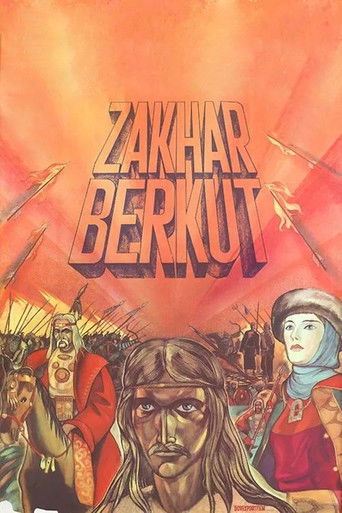
5.1This film is based on the classic novel of the same name by writer Ivan Franko, one of the most famous figures of Ukrainian literature. It is set during the 1200s and the invasion of the medieval Ukrainian-Russian state of Rus' by Chengis Khan's Golden Horde. Due to its having been produced during the Soviet era, the story's aspect of class-conflict between the "heroic" peasantry and the "decadent" noble particularly emphasized here.
Zakhar Berkut
1972
 9.0
9.0Documentary about the famous Ukrainian philosopher and poet Hryhoriy Skovoroda, which was banned by Soviet censorship. The film only reached the screens 15 years later, during Perestroika era.
Discover Yourself
1972
 6.0
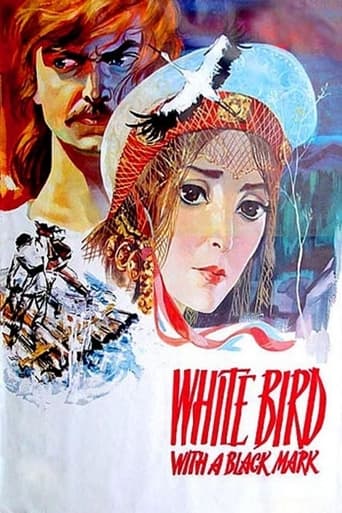
6.0A family struggles to survive in an area that was claimed as part of Rumania, Poland and Ukraine, all within a short span of time. When World War II comes, various family members choose different masters; some even choose to work for the Soviets. War, struggle, marriages, births, deaths--all these events punctuate the story of this large family.
The White Bird Marked with Black
1972
 9.0
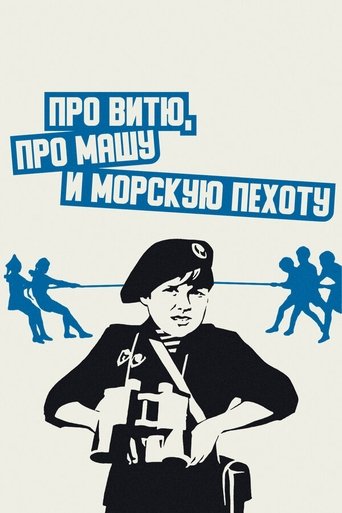
9.0Six years old Vitya lives with his parents in the Army base where he meets new friends and has a lot of adventures.
About Vitya, Masha, and Marines
1973
 6.2
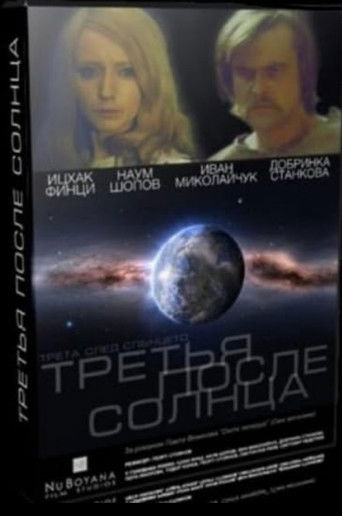
6.2The film is in 3 parts: 1) 'Eden' - Aliens from the planet Rhea have flown with a damaged spaceship to Earth, looking for intelligent beings. They find apemen and take one of them into their ship. 2) 'The Wanderer' - A crime writer, who is travelling to see his dying friend, picks up a strange hitchhiker. On his return from the sanatorium, his car goes off the road, but the stranger lifts it into the air and lands it back on the highway. Then he goes to the writer's house and shows him his supernatural abilities. 3) 'My First Day' - Len, an alien traveler arrives on Earth to share with humans the knowledge of their ancient civilization. He meets its inhabitants, who are served by robots and travel back in time, because their life is boring and meaningless. Every day his hostess Lena visits an ancient Slavic settlement and monitors its inhabitants. One day she appears before the hunter Bayan, who has been captivated by her beauty and takes her into his hut.
Third Planet in the Solar System
1972
The film is about the tragedy of two families when a pilot Roman and a flight attendant Olga died in a car accident. Olga and Aleksey's young son lost his mother, and Inga lost her loved one. As a devoted friend, Alexey does everything he can to make Inga's pain less unbearable. He drowned out his pain by caring for his son. But as time passes, wounds heal, the son grows up, and it turns out that Alexei is still the most loyal friend in Inga's life, and there is no one closer…
When a Person Smiled
1973
 6.5
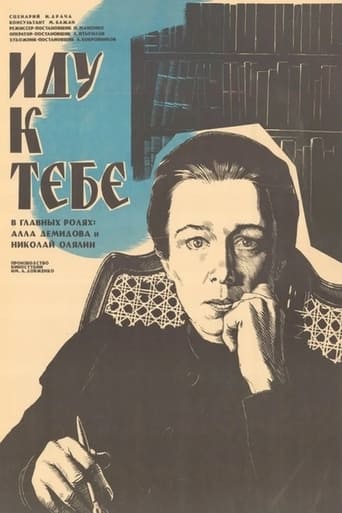
6.5The main motive of the film - a tragic love of Lesya Ukrainka to Marxist revolutionary Sergei Merzhinskiy. The film is about the poetess' trip to her beloved, in the literal and metaphorical sense at the same time.
I'm Coming to You...
1970
 9.0
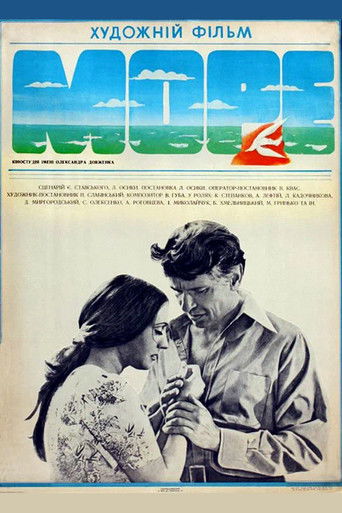
9.0A fisheries inspector is killed while on night duty in a small fishing village on the shores of the Azov Sea. The murder draws the attention of the authorities and local residents to the problems of protecting and restoring the endangered nature of the once-rich region.
The Sea
1978
 7.0
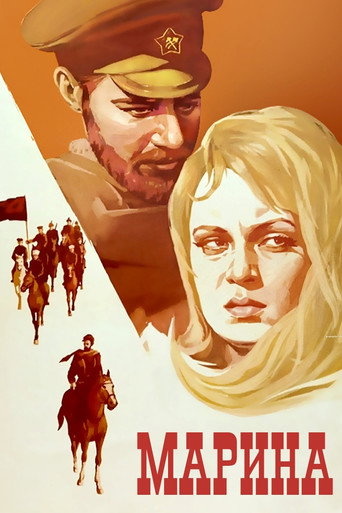
7.0A film based on the early stories of Boris Lavrenev. During the early years of the revolutionary movement, Second Lieutenant Izvolsky, a front-line soldier who is increasingly sympathetic to the underground revolutionaries, falls in love with the beautiful fisherwoman Marina. This romantic love, along with his interactions with the underground revolutionaries, further strengthens his commitment to the revolutionaries.
Marina
1974
 6.7
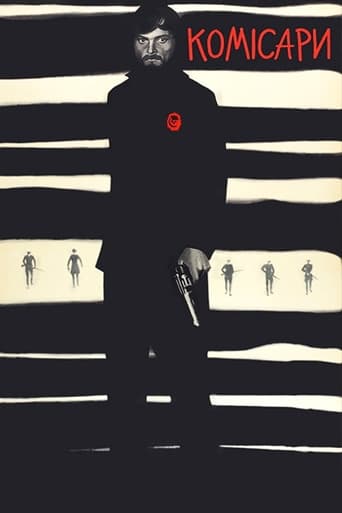
6.7To build a young state of workers and peasants, the party does not spare its most devoted and ardent fighters and sends experienced Bolsheviks to commissar courses.
The Commissars
1971
 7.8
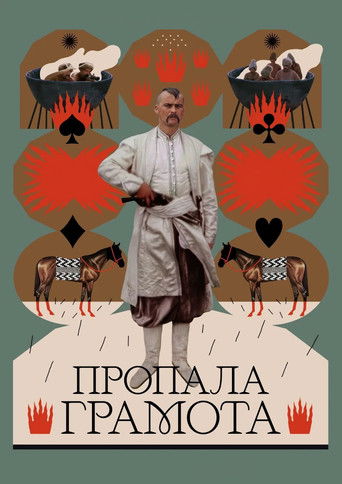
7.8Folk comedy that tells the adventures of Ukrainian cossacks Vasyl and Andriy as they set out on a long journey to deliver a letter from their leader to the Russian empress in St. Petersburg.
The Lost Letter
1972
 5.2
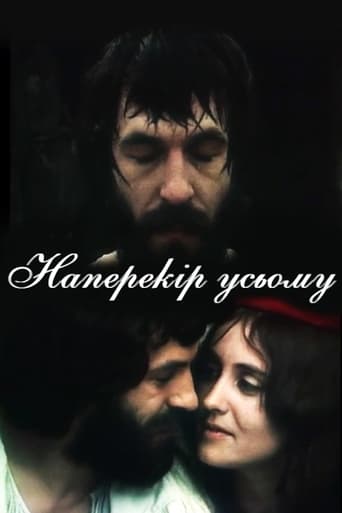
5.2The movie takes us through the trials and tribulations of Petar I Petrovic, the man who united Montenegro in the 18th century and led them in the Battle of Krusi against a huge Turkish army to return victorious and pave the first path towards economic development.
Defying Everybody
1973
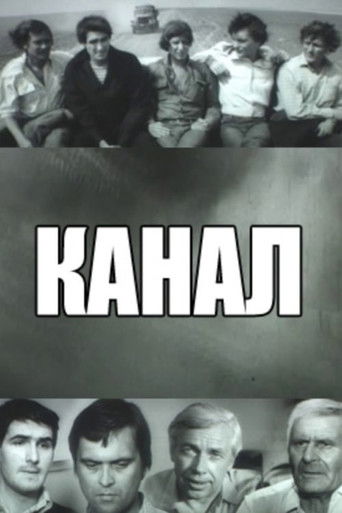 NR
NRThe film is based on the novel of the same name by Ivan Hryhurko. The story is about the difficult life of young mechanics working on an irrigation canal in the steppe. Each of them has his own problems: a long-standing enmity, a prison past, family problems, and a complicated love for a single mother with a child. But the difficult remote work in the steppe forces everyone to change their outlook on life.
Channel
1975
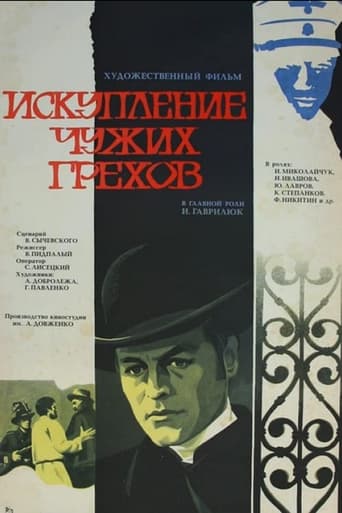 NR
NRA priest from a Carpathian village who sheltered an orphan teenager, Bogdan Chichura, sends him to a theological seminary. After graduating from the seminary with honors, the young man enters the Gregorian University, becomes a doctor of theology and returns to his village. Here he learns that his beloved Ruzhena, deceived by the bishop's letter, has gone to a monastery. And her father, a Rusyn, is being persecuted by the authorities and the church for his leftist beliefs. Bogdan embarks on a difficult struggle for the honor of his loved ones. But the Second World War begins.
Atonement for Others' Sins
1978
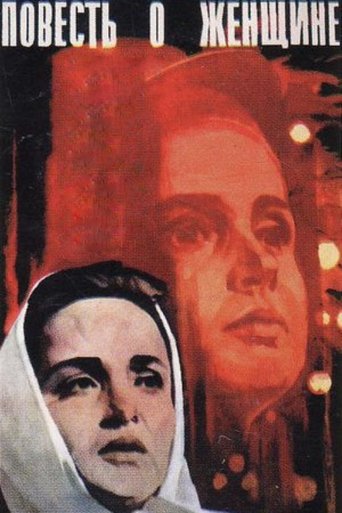 NR
NRThe film tells the story of a woman, Natalka Nechay, who works as a rolling mill operator. Her personal life hasn't worked out — she's separated from her husband. Her adult children are also facing difficulties: her son has divorced his wife, and her daughter, who is supposed to be preparing for her exams, has decided to get married...
The Tale of a Woman
1975
1960s · 12 titles
7.5In the Carpathian Mountains of 19th-century Ukraine, love, hate, life and death among the Hutsul people are as they’ve been since time began. Ivan is drawn to Marichka, the beautiful young daughter of the man who killed his father. But fate tragically decrees that the two lovers will remain apart.
Shadows of Forgotten Ancestors
1965
6.5In 1890s Western Ukraine, Ivan Didukh, a proud and ripe Galician farmer, has decided to abandon his ancestral home to emigrate to Canada in search of a better life. His final hours are clouded by both internal and communal discord as his village convenes to ceremonially mark his departure. The celebrations that echo those of a funeral, forecast the imminent death of a man estranged from his motherland, and of an antiquated way of life on the cusp of obsoletion.
The Stone Cross
1968
5.7In the dark days of Nazi occupation, a young Hutsul girl native to the Carpathian mountains falls in love with a wounded Soviet partisan. Their affair sets in motion a tragic chain of events, as her family turns against her with shocking results.
Annychka
1969
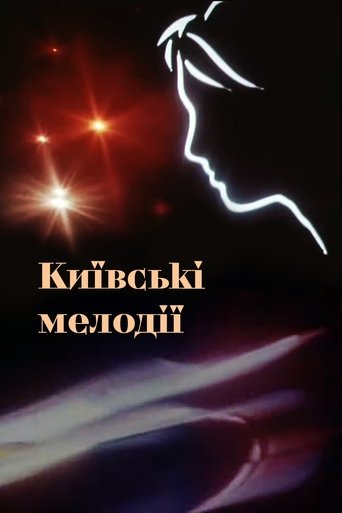 9.0
9.0The action of the film takes place in winter Kyiv. After a sleepless night, a young composer goes for a walk through a snowy city in search of inspiration for a new melody; its route passes against the background of many sights of the capital. On the way, the hero observes city life and nature, people, near the maternity hospital he pulls out a happy young father who has fallen into a coma, and he notices a girl in a trolleybus. She is in a hurry in her affairs, and the enthusiastic composer follows her relentlessly. And every sound he hears becomes part of a new melody for him. The finale of the film is a panorama of Kyiv to the song "Two Colors".
Kyiv Melodies
1967
 5.0
5.0WWII, 1945. There are fights for the city on the Danube. The river is mined by the Germans, and this fetters the action of our troops. In addition, a city with a million people was left without food. And downstream are Soviet food barges. The command instructs the reconnaissance group a difficult and dangerous operation — to obtain from the enemy a map of the mined sections of the river, which requires penetrating into the city captured by the Germans.
The Scouts
1968
 7.0
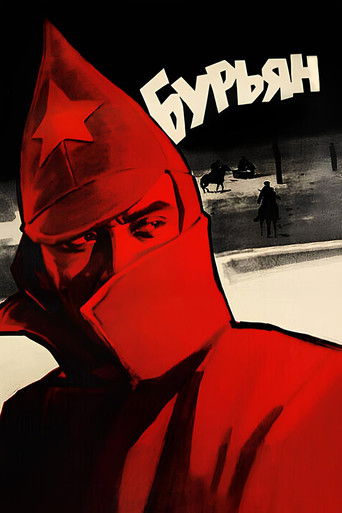
7.0David Motuzka, demobilized Red Army soldier, returns to his native village, hoping to see the changes caused by the revolutionary events. But he cannot see no improvement. The village is ruled by the kulaks and David's childhood friend Kornii Matiukha helps them.
Weeds
1967
 5.5
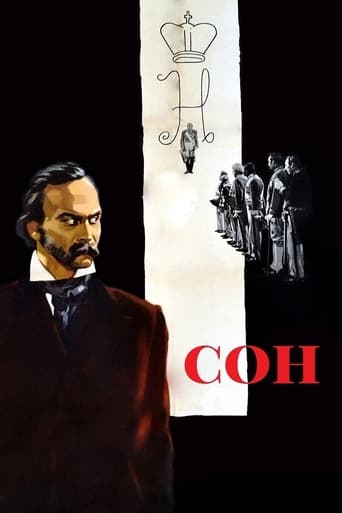
5.5Poetic treatment of the early life of Ukrainian poet and painter Taras Shevchenko. A biopic made on the occasion of his 150th anniversary. It dwells on the first part of the Shevchenko's life leading up to the writing of his rebellious poem "A Dream" (A comedy).
A Dream
1964
 7.5
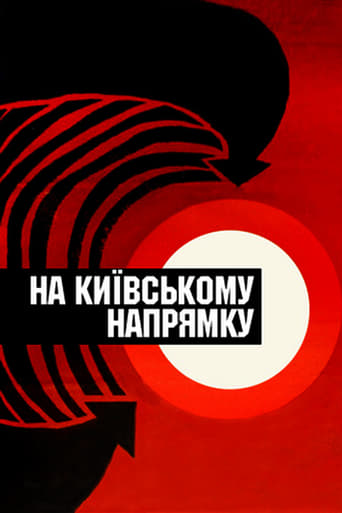
7.5Historical and military film about the exploits of fighters during Kyiv defense against the onset of the Nazi troops. In virtually hopeless situation soldiers fulfilled their duty to the end. Capture of Kyiv was the first Pyrrhic Hitler’s victory that in the end led to defeat of Germany during the war.
The Kyiv Direction
1968
 8.0
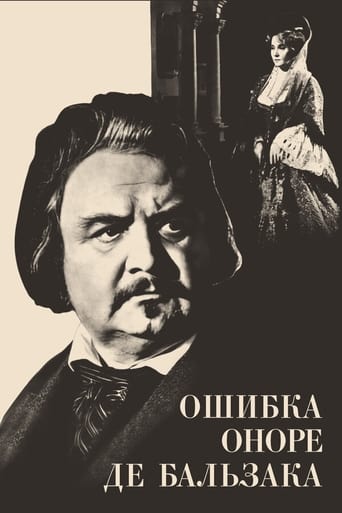
8.0It is a story of the relationship of A French writer and a beautiful duchess Ganskaya. The events take place in a picturesque estate of the aristocrat on the Ukrainian land, which is under the power of Polish landowners. Ganskaya is considered to be the most important woman in Balzac’s life.
Honore de Balzac's Mistake
1969
 NR
NRTwo young people cannot understand each other.
The Two
1964
 NR
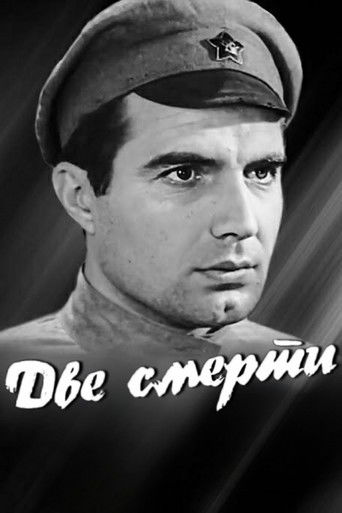
NRA film adaptation of the story of the same name by Aleksandr Serafimovich about the participation of young people in the revolution and civil war.
Two Deaths
1967
 6.4
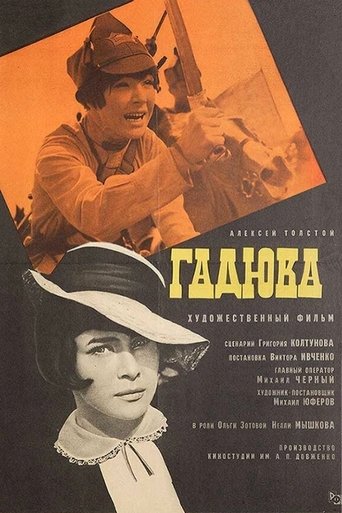
6.4The dramatic story of the merchant's daughter, who became a brave fighter of the cavalry squadron of the red Army, later could not find herself in a peaceful life
Viper
1966
Series credits
Behind the camera
3.6The new reality changes the usual life in the village of Babylon. Attempts to communize the small town are met with resistance from the rich people living in the town. The Red Army finally puts down the resistance. Amidst the resistance philosopher Fabian returns to Babylon and tries to prevent bloodshed, but he meets a tragic fate.
Babylon XX
1980
3.6The new reality changes the usual life in the village of Babylon. Attempts to communize the small town are met with resistance from the rich people living in the town. The Red Army finally puts down the resistance. Amidst the resistance philosopher Fabian returns to Babylon and tries to prevent bloodshed, but he meets a tragic fate.
Babylon XX
1980
7.0The artificial brain Sig, created under the guidance of Professor Yavorovsky, disappeared in one of the research institutes. Meanwhile, strange phenomena are happening in the city: all the zoo animals have been released from their cages, and the books in the city's book depository have been mixed up. And Whitefish, having mastered the accumulated experience of science and fiction accumulated by mankind, creates an artificial organism himself, returns to the professor and is soon sent to the constellation Gemini.
Under Constellation Gemini
1979
4.0The Bukovynian peasant Rusnak leaves the poor Bukovynian lands and goes to Canada with his little daughter Orysia - maybe he will be lucky there? And now Rusnak using the services of "Inturist" goes to his land where he was once happy.
Such a Late, Such a Warm Autumn
1982
4.0The Bukovynian peasant Rusnak leaves the poor Bukovynian lands and goes to Canada with his little daughter Orysia - maybe he will be lucky there? And now Rusnak using the services of "Inturist" goes to his land where he was once happy.
Such a Late, Such a Warm Autumn
1982
 7.0
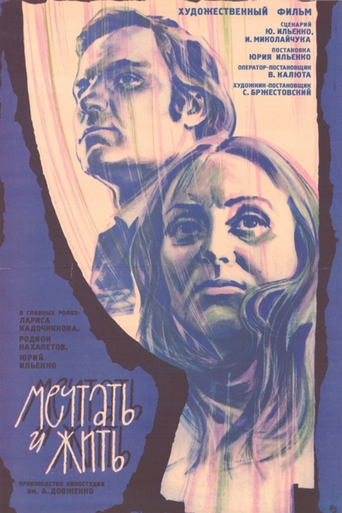
7.0The script about loneliness, conformity and the impossibility of creative realization scared the editorial censorship at the studio, and then at Derzhkino. A lot of claims were made against him. The demands for amendments and endless additions and rewrites by the authors lasted for about a year. The original version of the title "Na pokhony!" ("To bow down!") was replaced by "To Dream and to Live". According to Pylyp Ilyenko, the director's eldest son, this name appeared "as a result of censor pressure." Censorship stopped the tape 40 times: at the stage of the literary script, director's, during film tests (the actors were not approved), filming, etc. The film catastrophically fell apart into fragments, into masterfully filmed, but unrelated scenes. The director called the finished version a "dead film".
To Dream and to Live
1975
6.0A family struggles to survive in an area that was claimed as part of Rumania, Poland and Ukraine, all within a short span of time. When World War II comes, various family members choose different masters; some even choose to work for the Soviets. War, struggle, marriages, births, deaths--all these events punctuate the story of this large family.
The White Bird Marked with Black
1972
 5.3
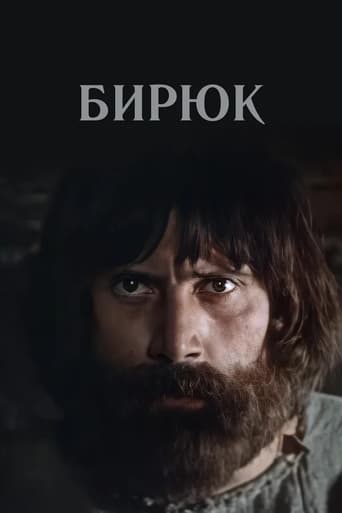
5.3Based on one of Turgenev's Hunter's Sketches: the Lone Wolf of the title is a forest caretaker for a flippant aristocrat. Though he lives in absolute misery in a hut deep in the woods with two small children to take care of, he's feared for his merciless stalking of the starving serfs who sneak in to cut firewood.
Lone Wolf
1977
 NR
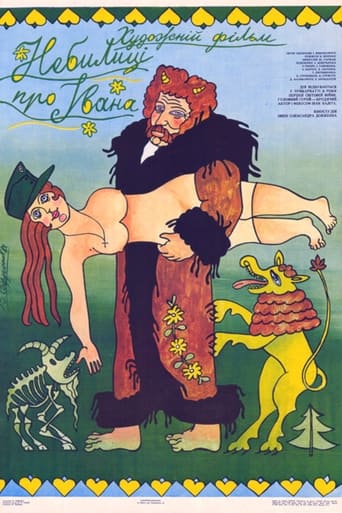
NRThe action takes place in the Ukrainian Carpathians in the First World War. The plot - twists and turns of life's journey of the traveler, adventurer, traveling actor and philosopher Ivan Kalita.
Tales about Ivan
1991
 9.0
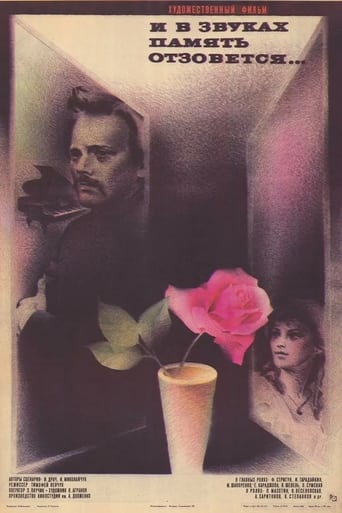
9.0Ukrainian composer Mykola Lysenko goes for a walk in Kyiv. Along the way, his memory takes him back in time: first to his childhood in the village of Hrynky; to May 1861, when he attended Taras Shevchenko's funeral; to a trip to Leipzig; to the time when he was working on the opera "Taras Bulba"; to the images of Olha O'Connor and Olha Lypska, who gave him love, happiness, and inspiration.
Memories Echoing in Sounds...
1987