
Directing
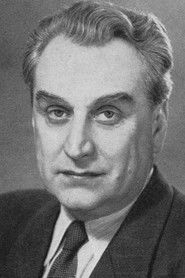
Grigori Aleksandrov
Born — Died
1903-01-22 — 1983-12-16
Place of birth
Yekaterinburg, Russian Empire
Known for
Directing
Credits
50 titles
Grigori Vasilyevich Aleksandrov or Alexandrov (original family name was Mormonenko; 23 January 1903 - 16 December 1983) was a prominent Soviet film director who was named a People's Artist of the USSR in 1947 and a Hero of Socialist Labor in 1973. He was awarded the Stalin Prizes for 1941 and 1950. Initially associated with Sergei Eisenstein, with whom he worked as a co-director, screenwriter and actor, Aleksandrov became a major director in his own right in the 1930s, when he directed Jolly Fellows and a string of other musical comedies starring his wife Lyubov Orlova. Though Aleksandrov remained active until his death, his musicals, amongst the first made in the Soviet Union, remain his …
Known for
 7.6
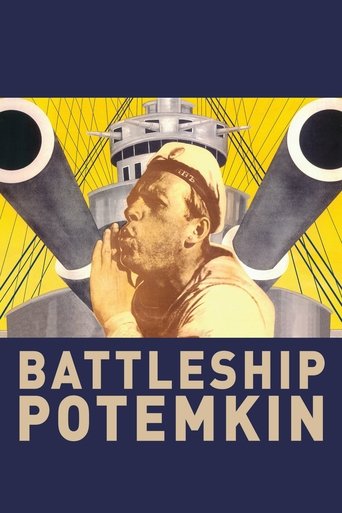
7.6In the midst of the Russian Revolution of 1905, the crew of the battleship Potemkin revolt against the brutal, tyrannical regime of the vessel's officers. The resulting street demonstration in Odessa brings on a police massacre.
Battleship Potemkin
1925
 7.4
7.4Just before the 1905 Bolshevik Revolution, factory workers strike against their oppressive factory bosses. When a worker is accused of stealing a piece of machinery, he commits suicide, and his colleagues revolt against the overarching Czarist regime. As the strike drags on and government officials grow increasingly desperate to end it, their methods of dealing with the rebellious workers become more and more aggressive.
Strike
1925
 6.3
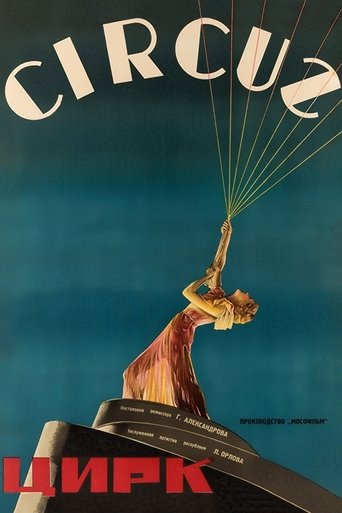
6.3An American circus performer finds herself the victim of racism after it is revealed that she's the mother of a mixed-race child. In the midst of the public scandal, she finds happiness, love, and refuge in the USSR.
Circus
1936
 6.9
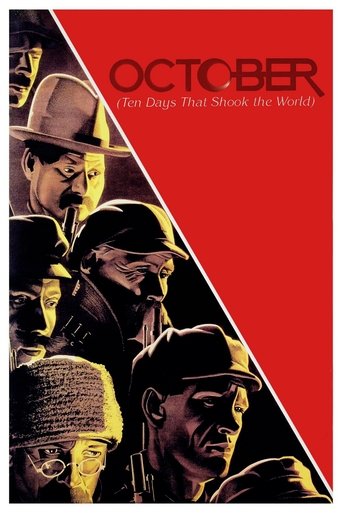
6.9As the Russian monarchy crumbles, conflicts at Petrograd intensify, with Soviet hero V.I. Lenin leading the rebellion that overthrows the tsar's Winter Palace.
October (Ten Days that Shook the World)
1928
 6.4
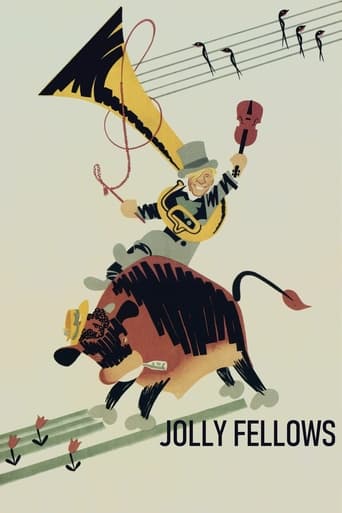
6.4Merry Fellows was the first Soviet musical comedy. Set in Odessa and Moscow in the 1930s. Shepherd Kostya Potekhin is mistaken for an international concert star. He falls in love with Anyuta and plays the "star" for her. In a cascade of comic musical numbers he becomes the leader of a Jazz-Band and gives a hilarious show at the Odessa Music Hall. Now he is destined to perform at the Bolshoi Theatre in Moscow.
Jolly Fellows
1934
 6.8
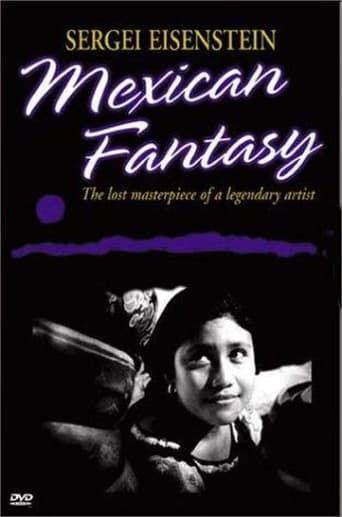
6.8Having revolutionized film editing through such masterworks of montage as Potemkin and Strike, Soviet director Sergei Eisenstein emigrated West in hopes of testing the capabilities of the American film industry. Quickly ostracized from Hollywood, Eisenstein, Grigory Alexandrov, and photographer Eduard Tisse (at the urging of author Upton Sinclair) wandered south of the border, where they began filming a highly stylized documentary about the people and volatile social climate of Mexico. Unfortunately, a lack of funds prohibited the film's completion, and the famed director was unable to edit the film. In 1979, by referring to Eisenstein's extensive notes and sketches, Alexandrov assembled the most definitive version of the film; as close to Eisenstein's vision as one is ever likely to see.
¡Qué Viva México!
1979
Film credits
1970s · 2 titles
6.8Having revolutionized film editing through such masterworks of montage as Potemkin and Strike, Soviet director Sergei Eisenstein emigrated West in hopes of testing the capabilities of the American film industry. Quickly ostracized from Hollywood, Eisenstein, Grigory Alexandrov, and photographer Eduard Tisse (at the urging of author Upton Sinclair) wandered south of the border, where they began filming a highly stylized documentary about the people and volatile social climate of Mexico. Unfortunately, a lack of funds prohibited the film's completion, and the famed director was unable to edit the film. In 1979, by referring to Eisenstein's extensive notes and sketches, Alexandrov assembled the most definitive version of the film; as close to Eisenstein's vision as one is ever likely to see.
¡Qué Viva México!
1979
 6.0
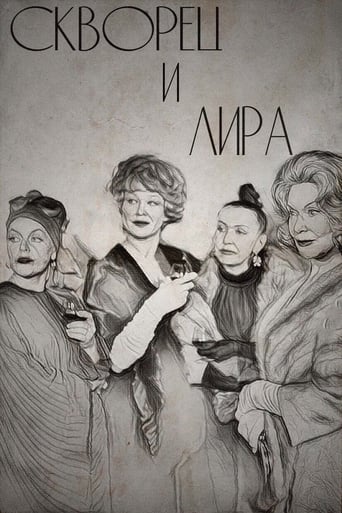
6.0Soviet intelligence spouses — Lyudmila ("Lyre") and Fyodor ("Starling") Grekov at the beginning of the Great Patriotic War are tasked with settling in Germany. Personnel intelligence officers with vast experience are successfully introduced into German society and begin to work actively. At the end of the war, during the bombing of Berlin, fate separates them, but then they will meet in the new Germany and continue their work.
Starling and Lyre
1974
1960s · 2 titles
 4.0
4.0A test film for black-and-white television, made by Mosfilm in 1967. A girl dreaming to be in movies got a call from Mosfilm, asking her to be filmed. She enters the dreamy bubble that is called filmmaking. The film was commissioned by the Research Film and Photo Institute. It features famous actors and directors, including Georgy Vitsin, Georgy Georgiu, Pavel Vinnik, Grigory Alexandrov and others. Some of them play themselves.
I Don't Want to Be Filmed
1967
 NR
NR“The Magic Beam” is a film essay woven together from newsreels and documentary material from different decades, fragments of hundreds of non-fiction and fiction Soviet films of the 1910s-1960s.
The Magic Beam
1963
1950s · 1 titles
1920s · 3 titles
7.6In the midst of the Russian Revolution of 1905, the crew of the battleship Potemkin revolt against the brutal, tyrannical regime of the vessel's officers. The resulting street demonstration in Odessa brings on a police massacre.
Battleship Potemkin
1925
7.4Just before the 1905 Bolshevik Revolution, factory workers strike against their oppressive factory bosses. When a worker is accused of stealing a piece of machinery, he commits suicide, and his colleagues revolt against the overarching Czarist regime. As the strike drags on and government officials grow increasingly desperate to end it, their methods of dealing with the rebellious workers become more and more aggressive.
Strike
1925
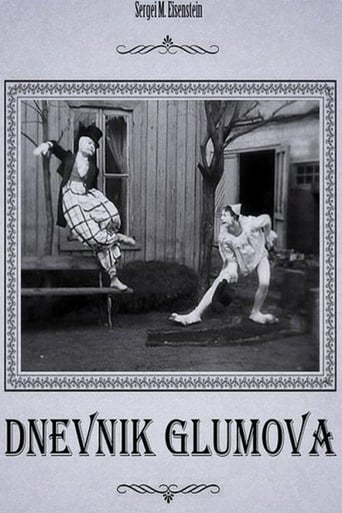 5.1
5.1Filmic insert to Eisenstein's modernized, free adaptation of Ostrovskiy's 19th-century Russian stage play, "The Wise Man" ("Na vsyakogo mudretsa dovolno prostoty"). The anti-hero Glumov tries to escape exposure in the midst of acrobatics, derring-do, and farcical clowning. Several members of Eisenstein's troupe at the legendary "Proletkult" stage theatre in Moscow briefly appear in this little film.
Glumov's Diary
1923
Behind the camera
7.6In the midst of the Russian Revolution of 1905, the crew of the battleship Potemkin revolt against the brutal, tyrannical regime of the vessel's officers. The resulting street demonstration in Odessa brings on a police massacre.
Battleship Potemkin
1925
7.4Just before the 1905 Bolshevik Revolution, factory workers strike against their oppressive factory bosses. When a worker is accused of stealing a piece of machinery, he commits suicide, and his colleagues revolt against the overarching Czarist regime. As the strike drags on and government officials grow increasingly desperate to end it, their methods of dealing with the rebellious workers become more and more aggressive.
Strike
1925
6.3An American circus performer finds herself the victim of racism after it is revealed that she's the mother of a mixed-race child. In the midst of the public scandal, she finds happiness, love, and refuge in the USSR.
Circus
1936
6.3An American circus performer finds herself the victim of racism after it is revealed that she's the mother of a mixed-race child. In the midst of the public scandal, she finds happiness, love, and refuge in the USSR.
Circus
1936
6.9As the Russian monarchy crumbles, conflicts at Petrograd intensify, with Soviet hero V.I. Lenin leading the rebellion that overthrows the tsar's Winter Palace.
October (Ten Days that Shook the World)
1928
6.9As the Russian monarchy crumbles, conflicts at Petrograd intensify, with Soviet hero V.I. Lenin leading the rebellion that overthrows the tsar's Winter Palace.
October (Ten Days that Shook the World)
1928
6.4Merry Fellows was the first Soviet musical comedy. Set in Odessa and Moscow in the 1930s. Shepherd Kostya Potekhin is mistaken for an international concert star. He falls in love with Anyuta and plays the "star" for her. In a cascade of comic musical numbers he becomes the leader of a Jazz-Band and gives a hilarious show at the Odessa Music Hall. Now he is destined to perform at the Bolshoi Theatre in Moscow.
Jolly Fellows
1934
6.4Merry Fellows was the first Soviet musical comedy. Set in Odessa and Moscow in the 1930s. Shepherd Kostya Potekhin is mistaken for an international concert star. He falls in love with Anyuta and plays the "star" for her. In a cascade of comic musical numbers he becomes the leader of a Jazz-Band and gives a hilarious show at the Odessa Music Hall. Now he is destined to perform at the Bolshoi Theatre in Moscow.
Jolly Fellows
1934
6.8Having revolutionized film editing through such masterworks of montage as Potemkin and Strike, Soviet director Sergei Eisenstein emigrated West in hopes of testing the capabilities of the American film industry. Quickly ostracized from Hollywood, Eisenstein, Grigory Alexandrov, and photographer Eduard Tisse (at the urging of author Upton Sinclair) wandered south of the border, where they began filming a highly stylized documentary about the people and volatile social climate of Mexico. Unfortunately, a lack of funds prohibited the film's completion, and the famed director was unable to edit the film. In 1979, by referring to Eisenstein's extensive notes and sketches, Alexandrov assembled the most definitive version of the film; as close to Eisenstein's vision as one is ever likely to see.
¡Qué Viva México!
1979
6.0Soviet intelligence spouses — Lyudmila ("Lyre") and Fyodor ("Starling") Grekov at the beginning of the Great Patriotic War are tasked with settling in Germany. Personnel intelligence officers with vast experience are successfully introduced into German society and begin to work actively. At the end of the war, during the bombing of Berlin, fate separates them, but then they will meet in the new Germany and continue their work.
Starling and Lyre
1974
6.0Soviet intelligence spouses — Lyudmila ("Lyre") and Fyodor ("Starling") Grekov at the beginning of the Great Patriotic War are tasked with settling in Germany. Personnel intelligence officers with vast experience are successfully introduced into German society and begin to work actively. At the end of the war, during the bombing of Berlin, fate separates them, but then they will meet in the new Germany and continue their work.
Starling and Lyre
1974
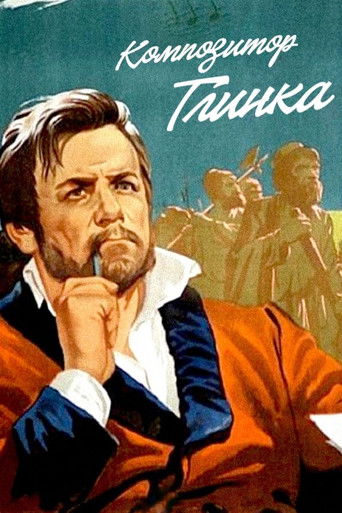 4.7
4.7The young composer Mikhail Glinka performs his new work at a soiree at earl Vielgorsky's house. However, the public is accustomed to Western music, and reacts coldly to the creation of the composer. This makes him very sad, but soon he decides to go learn the art of music in Italy. After returning from Italy, he is full of desire to write national Russian opera. Vasily Zhukovsky proposes a subject: a feat of Ivan Susanin. Tsar Nicholas I change the name of the opera to A Life for the Tsar and assigns a librettist - Baron Rosen. Acquaintance with the future co-author shocked Glinka: Rosen speaks Russian with a noticeable German accent. The premiere was successful, but Glinka was still not entirely happy with the libretto: "False words were written by Rosen". When Nicholas I learned that Ruslan and Lyudmila was written on Pushkin's subject, he sees it as sedition. The bitter experience of the composer brighten his supporters.
Man of Music
1952
4.7The young composer Mikhail Glinka performs his new work at a soiree at earl Vielgorsky's house. However, the public is accustomed to Western music, and reacts coldly to the creation of the composer. This makes him very sad, but soon he decides to go learn the art of music in Italy. After returning from Italy, he is full of desire to write national Russian opera. Vasily Zhukovsky proposes a subject: a feat of Ivan Susanin. Tsar Nicholas I change the name of the opera to A Life for the Tsar and assigns a librettist - Baron Rosen. Acquaintance with the future co-author shocked Glinka: Rosen speaks Russian with a noticeable German accent. The premiere was successful, but Glinka was still not entirely happy with the libretto: "False words were written by Rosen". When Nicholas I learned that Ruslan and Lyudmila was written on Pushkin's subject, he sees it as sedition. The bitter experience of the composer brighten his supporters.
Man of Music
1952
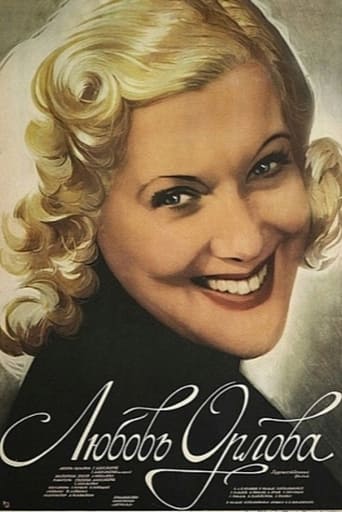 9.0
9.0A documentary on the life of the famous actress, deceased wife of the director Grigoriy Aleksandrov.
Lyubov Orlova
1985
9.0A documentary on the life of the famous actress, deceased wife of the director Grigoriy Aleksandrov.
Lyubov Orlova
1985
Story of the conflict between old art forms such as ballet and the revolution and the need for creating new, proletarian forms of art. First feature by Sergey and Georgiy Vasiliyev, partially lost.
Sleeping Beauty
1930
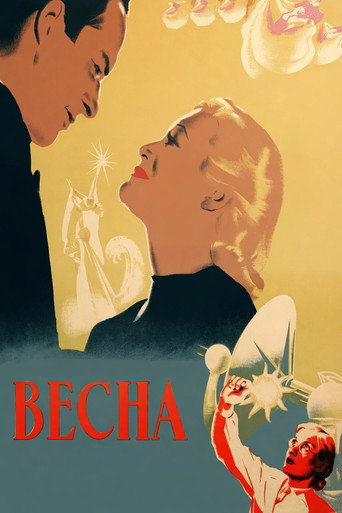 6.3
6.3A drab woman scientist, working on machine to harness solar energy, and a pert concert singer look-alike being courted to play her in a movie swap identities and find personal growth, professional success, love, and happiness.
Spring
1947
6.3A drab woman scientist, working on machine to harness solar energy, and a pert concert singer look-alike being courted to play her in a movie swap identities and find personal growth, professional success, love, and happiness.
Spring
1947
 6.0
6.0Second attempt to create a feature film out of the 200,000-plus feet of film which Soviet film-maker Sergei Eisenstein shot during 1931-32 in Mexico for American socialist author Upton Sinclair, his wife and a small company of investors. The projected film, to be called "Que Viva Mexico", was never completed due to exhaustion of funds and Stalin's demand that Eisenstein return to the USSR (he had been absent since 1929). The first attempt at editing the footage, in the USA, resulted in "Thunder Over Mexico", released in 1934. In 1940, Marie Seton, from the UK, acquired some of the footage from the Sinclairs in an attempt to make a better cutting according to Eisenstein's skeletal outline for the proposed film. This film has apparently been lost.
Time in the Sun
1940
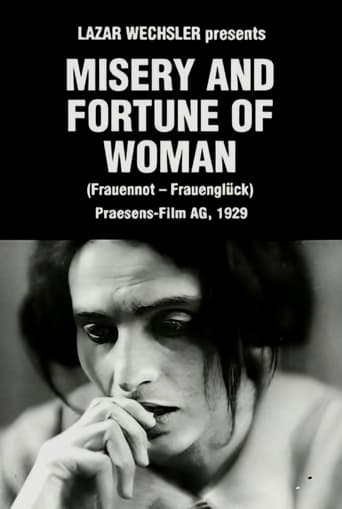 6.5
6.5This film shows contrasting views of women with problematic pregnancies and the outcomes resulting when they seek out a back-alley abortionist, a trained and licensed abortion provider in a clinic, or an obstetrician capable of performing a Caesarian Section. The full film appears to be lost, but shortened versions, including one with dialogue scenes added in Germany in 1935, can be found on the internet. Additionally, Eisenstein's role in making the picture remains unclear: did he direct some or all of it, just edit it, or merely leave it to Alexandrov and Tisse to make? Released in the USA 1930 in a 65 minute (5800 ft.) version with English intertitles and a music track under the title BIRTH.
Misery and Fortune of Woman
1930
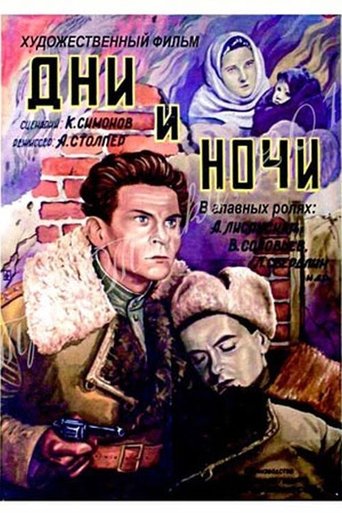 6.2
6.2This literary adaptation was the first Soviet feature length dramatization, as opposed to documentary film, on the momentous Battle of Stalingrad.
Days and Nights
1945
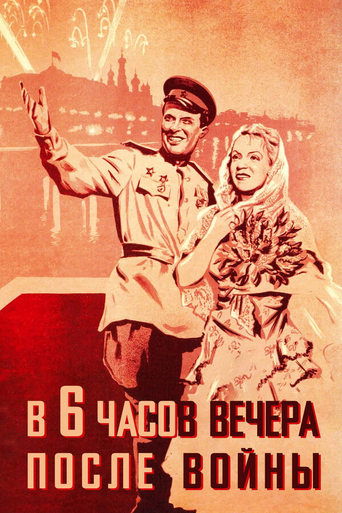 4.2
4.2Designed as a successor to "They Met In Moscow", with the same director, star and composer, "Six P. M." (1946 American release title) has two artillery officers meeting an attractive girl in Moscow between battles. One falls in love with her and they vow to meet in Moscow on a bridge at Six P.M. when the war ends. The war puts them on diverse trails, but the pledge is fulfilled against a setting of Moscow's famous fireworks displays.
Six O'Clock in the Evening After the War
1944
 6.9
6.9Widely claimed to be Joseph Stalin's favorite movie, this classic musical comedy is a must-see. The action takes place on a steamboat on the iconic Volga River, as two groups of performers travel to Moscow to perform in the Moscow Musical Olympiad.
Volga - Volga
1938
6.9Widely claimed to be Joseph Stalin's favorite movie, this classic musical comedy is a must-see. The action takes place on a steamboat on the iconic Volga River, as two groups of performers travel to Moscow to perform in the Moscow Musical Olympiad.
Volga - Volga
1938
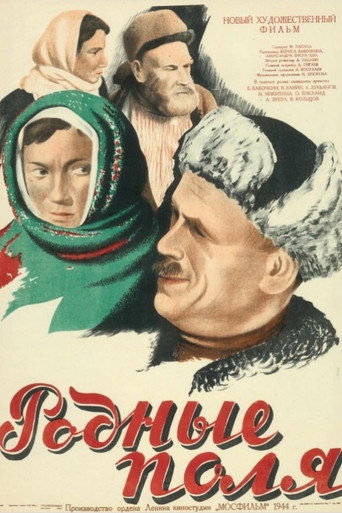 6.5
6.5November 1941. One by one, the men leave, leaving only old men, women and children in the village of Bykovka. Ivan Vybornov, the chairman of the collective farm, is also raring to go to the front, but, obeying party discipline, remains in the village and continues to skillfully and energetically lead the collective farm, mobilizing fellow villagers to send bread for the front and starving cities.
Native Fields
1945
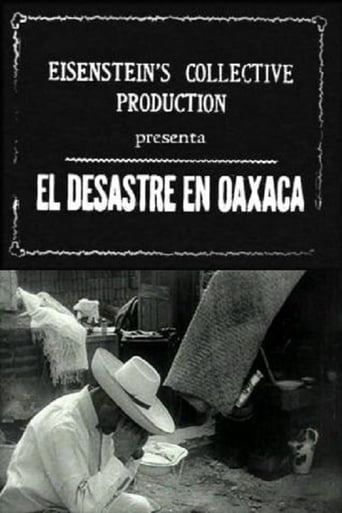 6.2
6.2Footage of the aftermath of the January 14 1931 earthquake in Oaxaca, Mexico.
The Disaster in Oaxaca
1931
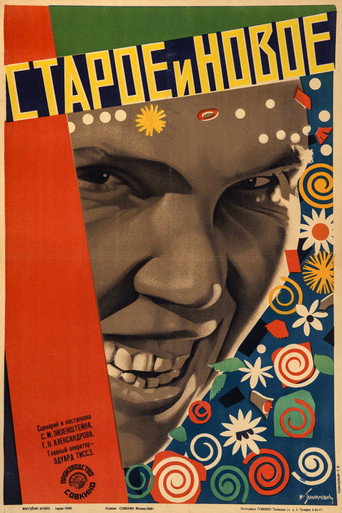 6.4
6.4100.000.000 peasants – illiterate, poor, hungry. There comes a day when one woman decides that she can live the old life no longer. Using ways of new Soviet state and industrial progress, she changes the lives and labours of her village.
The General Line
1929
6.4100.000.000 peasants – illiterate, poor, hungry. There comes a day when one woman decides that she can live the old life no longer. Using ways of new Soviet state and industrial progress, she changes the lives and labours of her village.
The General Line
1929
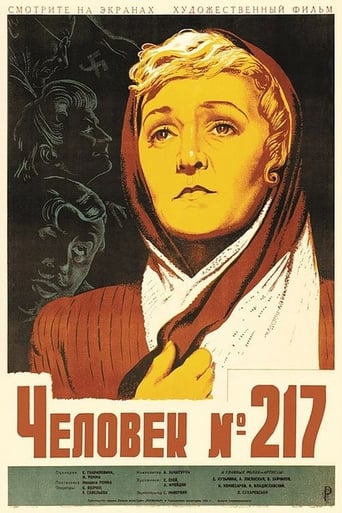 4.1
4.1A Russian peasant woman is captured by Nazis and sold into slavery in Germany. Shown in Cannes in 1946.
Girl No. 217
1945
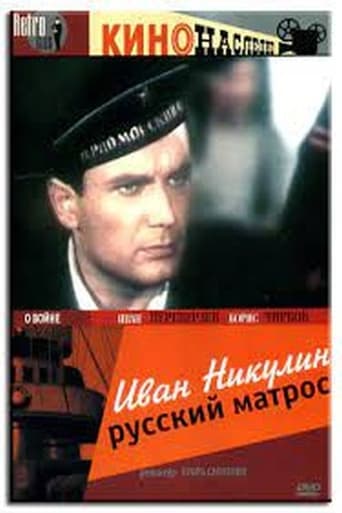 6.2
6.2The story takes place in Summer 1942, when a small force of Black Sea Fleet sailors was surrounded by German troops but broke out the encirclement.
Ivan Nikulin: Russian Sailor
1944
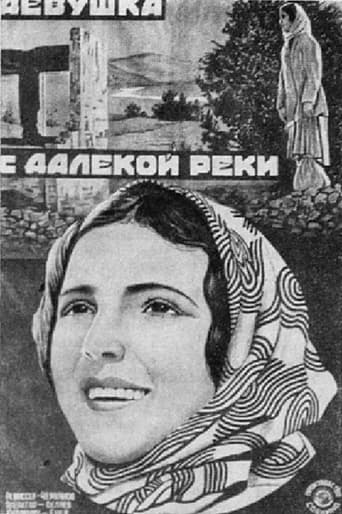 4.5
4.5No synopsis available yet.
The Girl from Distant River
1928
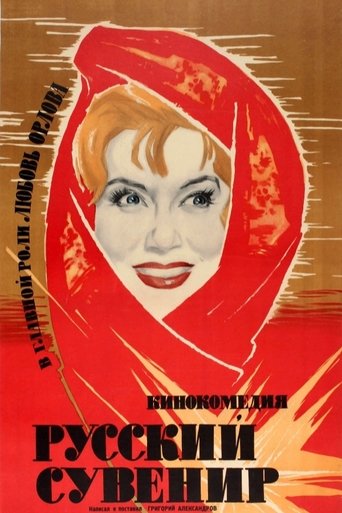 4.6
4.6The end of the 1950s. The Chinese passenger plane, following the Beijing-Moscow flight, enters a thunderstorm and makes an emergency landing in the Baikal region. In addition to the Soviet citizen Varvara Komarova, all other passengers are foreigners. Using a stop, they explore new cities and get acquainted with the life, work and rest of Soviet people.
Russian Souvenir
1960
4.6The end of the 1950s. The Chinese passenger plane, following the Beijing-Moscow flight, enters a thunderstorm and makes an emergency landing in the Baikal region. In addition to the Soviet citizen Varvara Komarova, all other passengers are foreigners. Using a stop, they explore new cities and get acquainted with the life, work and rest of Soviet people.
Russian Souvenir
1960
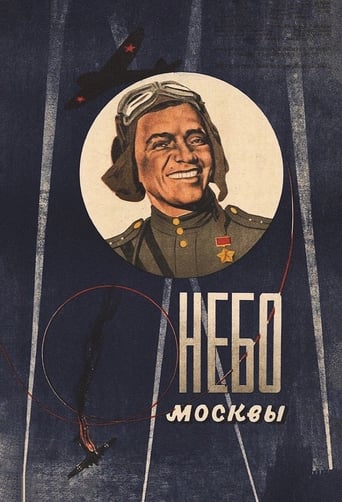 7.4
7.4In September 1941, lieutenant Ilya Streltsov, who graduated from the flight school, was assigned to the fighter aviation regiment guarding the sky of Moscow. He meets in part the nurse Zoya, with whom he grew up in the same yard and with whom he has long been in love. During the first training flight on the "Seagull", lieutenant Streltsov shot down a German plane and received the nickname "Lucky." Streltsov is jealous of the squadron commander to nurse Zoya, believes that he is finding fault with him. For a whole month he is not allowed to fly sorties. In October 1941, lieutenant Streltsov made his first sortie, he shot down one plane and rams the second. For this battle, he is awarded the title Hero of the Soviet Union.
Moscow Skies
1944
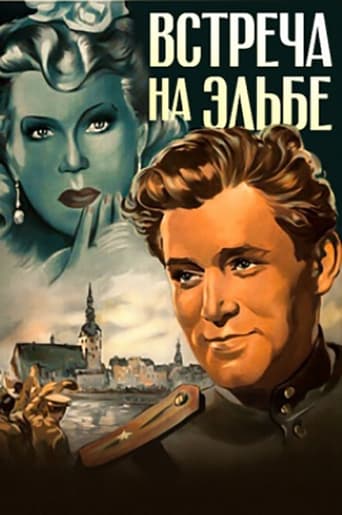 4.9
4.9Soviet and American soldiers are meeting on the shores of the Elbe river in Germany in 1945.
Meeting on the Elbe
1949
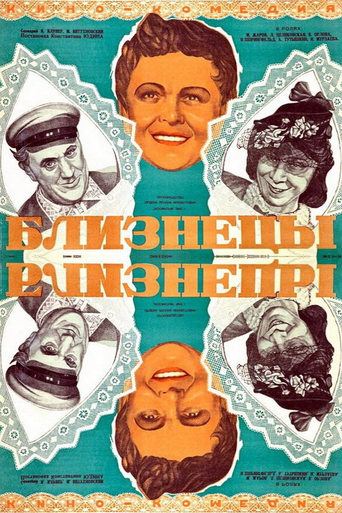 5.3
5.3A funny comedy about a lost twins and a lot of good people who are involved in a search for twins' parents.
Twins
1945
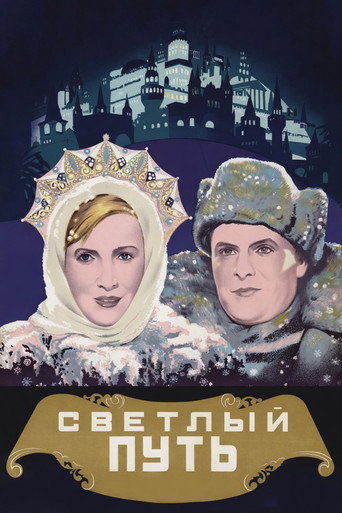 4.9
4.9Tanya Morozova, an illiterate but industrious textile factory worker, finds happiness through her education and the Stakhanovite movement. She becomes a shock labourer and ascends through the Party ranks, ultimately being elected as a member of the Supreme Soviet.
The Shining Path
1940
 5.5
5.5March 9th, 1953. A gray, sad day. Clouds float low over the Kremlin towers. A city that unrecognizably grew, prettier and matured - this Moscow froze in solemn grief. The country escorts its father and leader, Joseph Stalin.
Velikoye proshchaniye
1953
 8.0
8.0The bank is preparing to solemnly celebrate the 15th anniversary of the institution. And at that moment, two events took place that turned everything upside down.
Jubilee
1944
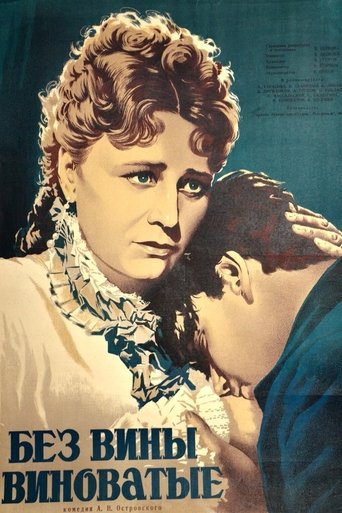 6.6
6.6The famous actress Kruchinina graciously agrees to tour in a town with which she has heavy memories, and finds there a son, left by her due to circumstances many years ago. He has become embittered from his hard childhood, youth and young adulthood an insignificant and drinking like everyone else, an actor in the local provincial theater.
Guilty Without Guilt
1945