
Directing
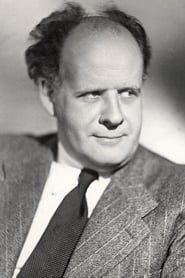
Sergei Eisenstein
Born — Died
1898-01-23 — 1948-02-11
Place of birth
Riga, Russian Empire
Known for
Directing
Credits
68 titles
Sergei Mikhailovich Eisenstein (23 January 1898 — 11 February 1948) was a pioneering Soviet film director and film theorist, often considered to be the 'Father of Montage'. Noted in particular for his silent films Strike (1924), Battleship Potemkin (1925) and October (1927), as well as the historical epics Alexander Nevsky (1938) and Ivan the Terrible (1944, 1958), his work profoundly influenced early filmmakers owing to his innovative use of and writings about montage.
Known for
 7.6
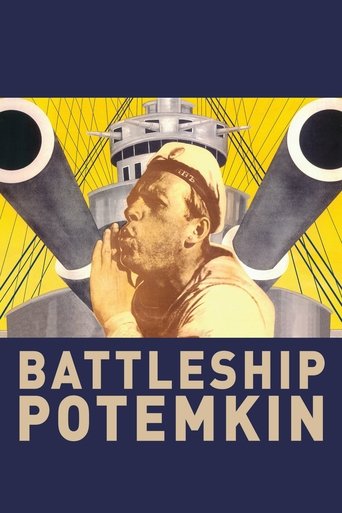
7.6In the midst of the Russian Revolution of 1905, the crew of the battleship Potemkin revolt against the brutal, tyrannical regime of the vessel's officers. The resulting street demonstration in Odessa brings on a police massacre.
Battleship Potemkin
1925
 7.4
7.4Just before the 1905 Bolshevik Revolution, factory workers strike against their oppressive factory bosses. When a worker is accused of stealing a piece of machinery, he commits suicide, and his colleagues revolt against the overarching Czarist regime. As the strike drags on and government officials grow increasingly desperate to end it, their methods of dealing with the rebellious workers become more and more aggressive.
Strike
1925
 7.3
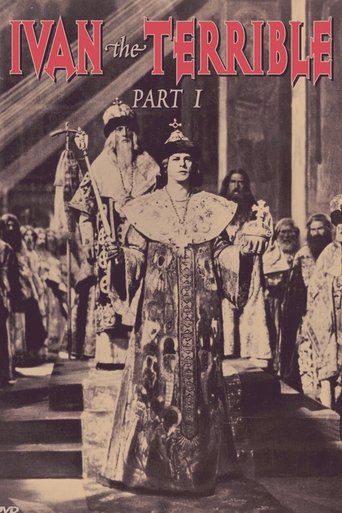
7.3Set during the early part of his reign, Ivan faces betrayal from the aristocracy and even his closest friends as he seeks to unite the Russian people. Sergei Eisenstein's final film, this is the first part of a three-part biopic of Tsar Ivan IV of Russia, which was never completed due to the producer's dissatisfaction with Eisenstein's attempts to use forbidden experimental filming techniques and excessive cost overruns. The second part was completed but not released for a decade after Eisenstein's death and a change of heart in the USSR government toward his work; the third part was only in its earliest stage of filming when shooting was stopped altogether.
Ivan the Terrible, Part I
1944
 7.3
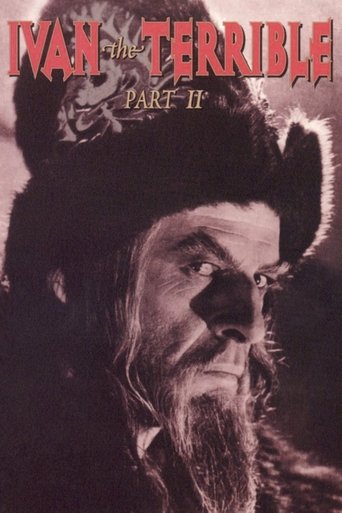
7.3This is the second part of a projected three-part epic biopic of Russian Czar Ivan Grozny, undertaken by Soviet film-maker Sergei Eisenstein at the behest of Josef Stalin. Production of the epic was stopped before the third part could be filmed, due to producer dissatisfaction with Eisenstein's introducing forbidden experimental filming techniques into the material, more evident in this part than the first part. As it was, this second part was banned from showings until after the deaths of both Eisenstein and Stalin, and a change of attitude by the subsequent heads of the Soviet government. In this part, as Ivan the Terrible attempts to consolidate his power by establishing a personal army, his political rivals, the Russian boyars, plot to assassinate him.
Ivan the Terrible, Part II: The Boyars' Plot
1958
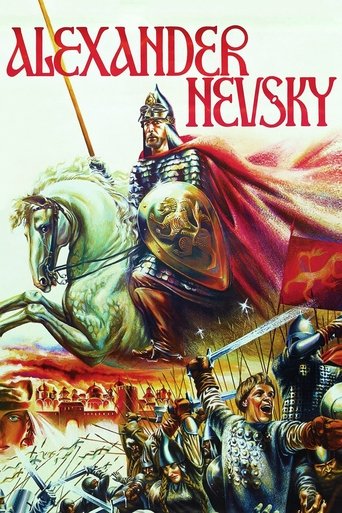 7.1
7.1When German knights invade Russia, Prince Alexander Nevsky must rally his people to resist the formidable force. After the Teutonic soldiers take over an eastern Russian city, Alexander stages his stand at Novgorod, where a major battle is fought on the ice of frozen Lake Chudskoe. While Alexander leads his outnumbered troops, two of their number, Vasili and Gavrilo, begin a contest of bravery to win the hand of a local maiden.
Alexander Nevsky
1938
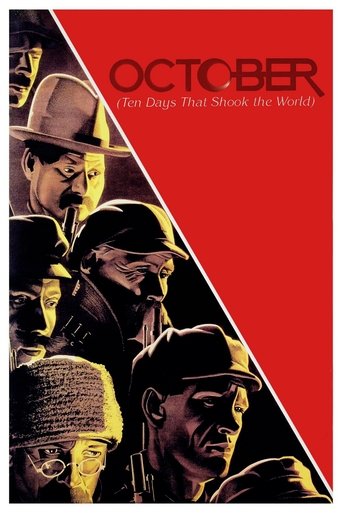 6.9
6.9As the Russian monarchy crumbles, conflicts at Petrograd intensify, with Soviet hero V.I. Lenin leading the rebellion that overthrows the tsar's Winter Palace.
October (Ten Days that Shook the World)
1928
Film credits
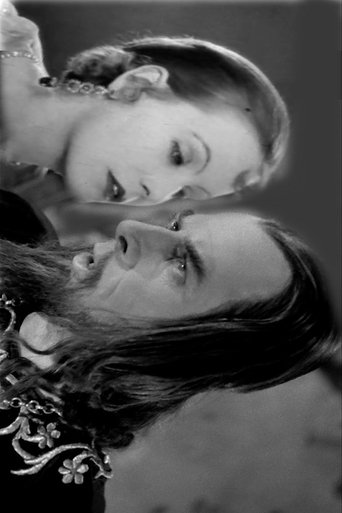


1990s · 5 titles
The Island of the Dead is a film about the demise of the Russian Epocha Modern. The symbol of this culture was the legendary Russian film star Vera Kholodnaya, who evoked a poetic image of the young urban woman on the silver screen. Her death in 1919, shrouded in tragedy and mystery, put a symbolic end to the pre-Revolutionary period. The Island of the Dead is composed of fragments from numerous films from this period, juxtaposed with other contemporary artistic expressions such as music and painting. Kovalov shows convincingly how the fragile beauty of the Russian Epocha Modern had to make way for the pressure of Futurism, Constructivism and other 'progressive trends', and how these '-isms' were then also relegated to the melting pot to be remoulded by totalitarian norms.
Island of the Dead
1993
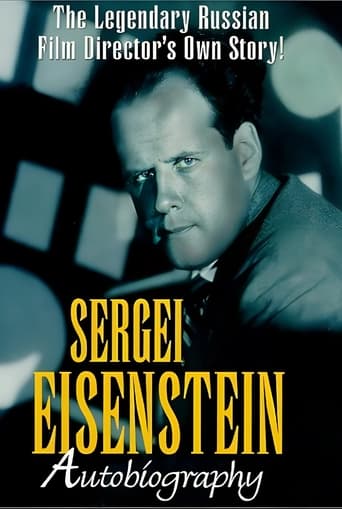 8.7
8.7A free film adaptation of the director's memoirs. In form, this is the "stream of consciousness" that attracted Sergei Eisenstein after getting acquainted with the experiments of James Joyce. The outer outline of the film is a long foreign trip of the director, which began in 1929, during which he recalls his past life and considers creative ideas. The film is constructed as a free alternation of reality, dreams, and fantasies. The material for it is fragments from the films of Sergei Eisenstein and his fellow contemporaries, documentary footage depicting the director and his time. The wide coverage of the faces and events reflected in the film shows the special role of Sergei Eisenstein in the culture of the twentieth century…
Sergei Eisenstein: Autobiography
1996
 NR
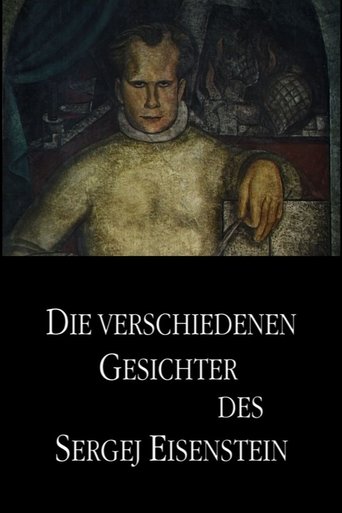
NREisenstein is celebrated either as the last Leonardo da Vinci of modernity or attacked as Faustus, Faustus who made a pact with the devil. Whichever is the case, neither friends nor foes are able to resist the powerful draw of Eisenstein's work. He was a person of complexity who was understood in very different ways, as a generous cosmopolitan and a stingy hermit, a cynic and yet a highly sensitive, vulnerable being. The film deals with a number of phases in Eisenstein's life, and tries to get away from the orthodox image of him by using new material to shed a different light on his biography.
The Different Faces of Sergei Eisenstein
1998
 7.0
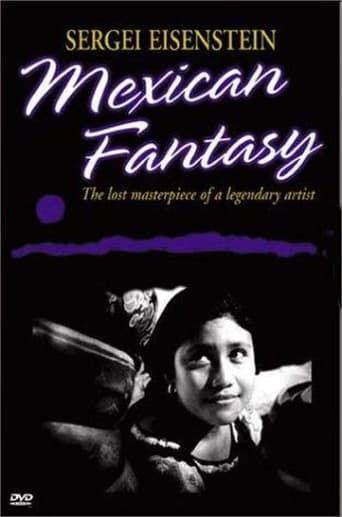
7.0Eisenstein shot 50 hours of footage on location in Mexico in 1931 and 32 for what would have become ¡Que viva México!, but was not able to finish the film. Following two wildly different reconstruction attempts in 1939 (Marie Seton's 'Time in the Sun') and 1979 (Grigori Alexandrov's '¡Que viva México!') Kovalov has here compiled another hypothetical version of what Eisenstein's film might have been.
Sergei Eisenstein: Mexican Fantasy
1998
 10.0
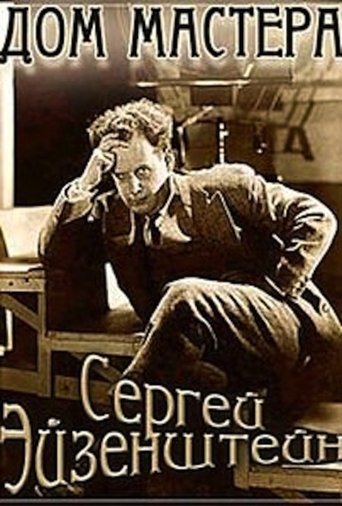
10.0A documentary biography of Russia's greatest filmmaker.
Eisenstein: The Master's House
1998
1970s · 3 titles
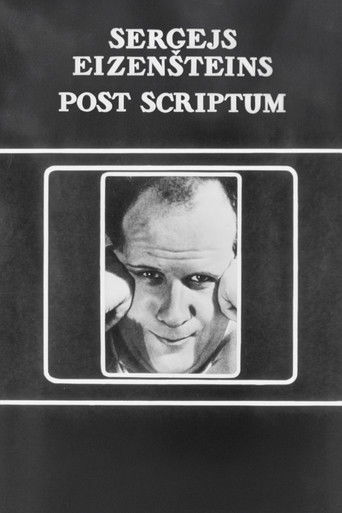 NR
NRA reflective documentary on the life and legacy of Sergei Eisenstein, examining his films and the era in which he worked. Conceived as a companion to "Sergei Eisenstein. Foreword," the film serves as a concluding meditation on the great director’s influence.
Sergei Eisenstein. Post Scriptum
1978
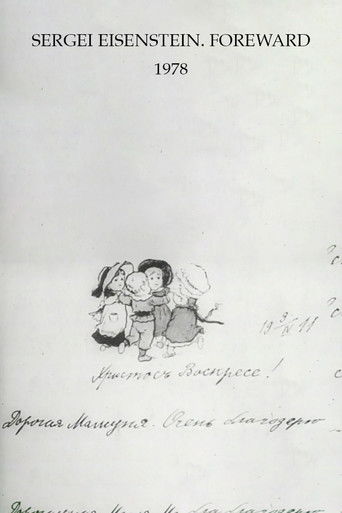 NR
NRA documentary exploring the childhood of filmmaker Sergei Eisenstein in Riga, examining how the multicultural city and his early encounters with art shaped the future pioneer of Soviet cinema.
Sergei Eisenstein. Foreword
1978
In August 1941, two largest Soviet film studios Mosfilm and Lenfilm were evacuated to Alma-Ata, Kazakhstan. There, together with the newly founded Alma-Ata Film Studio, they were merged into TsOKS (Central United Film Studio), which became the main center of film production in the country until 1944. Now Kazakh film industry veterans who worked at the studio during these years recall the dawn of national cinema and years of work with Eisenstein, Pudovkin, Romm and others.
TsOKS in Alma-Ata
1974

1950s · 1 titles
1940s · 3 titles
In 1941, a group of the Soviet Union's most prominent Jewish writers and artists, including Solomon Mikhoels, Peretz Markish, and Sergei Eisenstein, signed an appeal to Jews throughout the world, asking them to join the Soviet people in fighting against fascism.
An Appeal to the Jews of the World
1941
 9.0
9.0No synopsis available yet.
Our Cinema
1940
 NR
NROn August 24, 1941, a meeting of “representatives of the Jewish people” was convened.
To the Jews of the Whole World!
1941
1930s · 2 titles
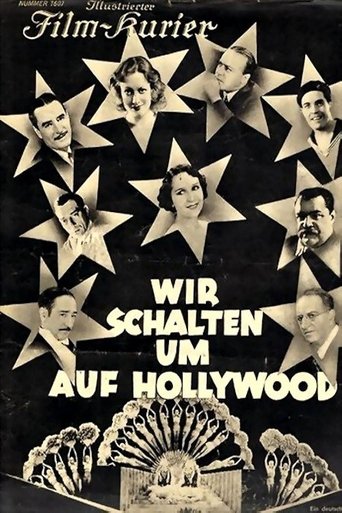 5.2
5.2A German reporter visits Hollywood and is escorted through the MGM Studio by a German nobleman, who is working there as an extra. They meet and speak to several actors, primarily Buster Keaton, John Gilbert, Joan Crawford and Heinrich George. Then they meet Adolphe Menjou, who rehearses a long scene in German. A final scene shows stars arriving at a film premiere, including Jean Harlow, Norma Shearer and Wallace Beery.
We’re Switching to Hollywood
1931
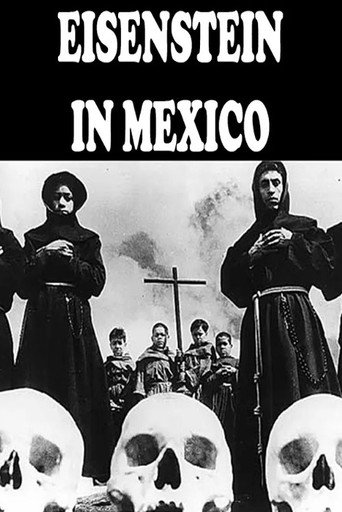 5.3
5.3The story of Russian director Sergei M. Eisenstein in Mexico trying to film his unfinished ¡Que Viva Mexico! - Da zdravstvuyet Meksika! (1979).
Eisenstein in Mexico
1933
1920s · 3 titles
7.6In the midst of the Russian Revolution of 1905, the crew of the battleship Potemkin revolt against the brutal, tyrannical regime of the vessel's officers. The resulting street demonstration in Odessa brings on a police massacre.
Battleship Potemkin
1925
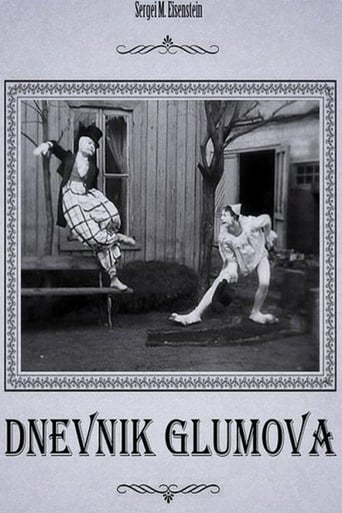 5.1
5.1Filmic insert to Eisenstein's modernized, free adaptation of Ostrovskiy's 19th-century Russian stage play, "The Wise Man" ("Na vsyakogo mudretsa dovolno prostoty"). The anti-hero Glumov tries to escape exposure in the midst of acrobatics, derring-do, and farcical clowning. Several members of Eisenstein's troupe at the legendary "Proletkult" stage theatre in Moscow briefly appear in this little film.
Glumov's Diary
1923
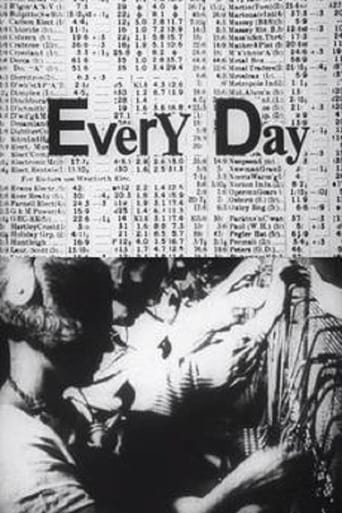 6.8
6.8Experimental documentary focusing on a day in the life of city workers, featuring montage sequences and repetition to emphasise the monotony of routine office work.
Every Day
1929
Undated · 6 titles
Never completed by famed Russian director Sergei Eisenstein, the footage for his proposed feature QUÉ VIVA MÉXICO! was financed and preserved by husband-and-wife team Mary and Upton Sinclair. A series of Filmosound travelogues were constructed later by film editors William Kruse and Egon Mauthner.
The Conquering Cross
—
Never completed by famed Russian director Sergei Eisenstein, the footage for his proposed feature QUÉ VIVA MÉXICO! was financed and preserved by husband-and-wife team Mary and Upton Sinclair. A series of Filmosound travelogues were constructed later by film editors William Kruse and Egon Mauthner.
Idol of Hope
—
Never completed by famed Russian director Sergei Eisenstein, the footage for his proposed feature QUÉ VIVA MÉXICO! was financed and preserved by husband-and-wife team Mary and Upton Sinclair. A series of Filmosound travelogues were constructed later by film editors William Kruse and Egon Mauthner.
Mexico Marches
—
Never completed by famed Russian director Sergei Eisenstein, the footage for his proposed feature QUÉ VIVA MÉXICO! was financed and preserved by husband-and-wife team Mary and Upton Sinclair. A series of Filmosound travelogues were constructed later by film editors William Kruse and Egon Mauthner.
Zapotec Village
—
Never completed by famed Russian director Sergei Eisenstein, the footage for his proposed feature QUÉ VIVA MÉXICO! was financed and preserved by husband-and-wife team Mary and Upton Sinclair. A series of Filmosound travelogues were constructed later by film editors William Kruse and Egon Mauthner.
Land and Freedom
—
Never completed by famed Russian director Sergei Eisenstein, the footage for his proposed feature QUÉ VIVA MÉXICO! was financed and preserved by husband-and-wife team Mary and Upton Sinclair. A series of Filmosound travelogues were constructed later by film editors William Kruse and Egon Mauthner.
Spaniard and Indian
—
Behind the camera
7.6In the midst of the Russian Revolution of 1905, the crew of the battleship Potemkin revolt against the brutal, tyrannical regime of the vessel's officers. The resulting street demonstration in Odessa brings on a police massacre.
Battleship Potemkin
1925
7.6In the midst of the Russian Revolution of 1905, the crew of the battleship Potemkin revolt against the brutal, tyrannical regime of the vessel's officers. The resulting street demonstration in Odessa brings on a police massacre.
Battleship Potemkin
1925
7.4Just before the 1905 Bolshevik Revolution, factory workers strike against their oppressive factory bosses. When a worker is accused of stealing a piece of machinery, he commits suicide, and his colleagues revolt against the overarching Czarist regime. As the strike drags on and government officials grow increasingly desperate to end it, their methods of dealing with the rebellious workers become more and more aggressive.
Strike
1925
7.4Just before the 1905 Bolshevik Revolution, factory workers strike against their oppressive factory bosses. When a worker is accused of stealing a piece of machinery, he commits suicide, and his colleagues revolt against the overarching Czarist regime. As the strike drags on and government officials grow increasingly desperate to end it, their methods of dealing with the rebellious workers become more and more aggressive.
Strike
1925
7.3Set during the early part of his reign, Ivan faces betrayal from the aristocracy and even his closest friends as he seeks to unite the Russian people. Sergei Eisenstein's final film, this is the first part of a three-part biopic of Tsar Ivan IV of Russia, which was never completed due to the producer's dissatisfaction with Eisenstein's attempts to use forbidden experimental filming techniques and excessive cost overruns. The second part was completed but not released for a decade after Eisenstein's death and a change of heart in the USSR government toward his work; the third part was only in its earliest stage of filming when shooting was stopped altogether.
Ivan the Terrible, Part I
1944
7.3Set during the early part of his reign, Ivan faces betrayal from the aristocracy and even his closest friends as he seeks to unite the Russian people. Sergei Eisenstein's final film, this is the first part of a three-part biopic of Tsar Ivan IV of Russia, which was never completed due to the producer's dissatisfaction with Eisenstein's attempts to use forbidden experimental filming techniques and excessive cost overruns. The second part was completed but not released for a decade after Eisenstein's death and a change of heart in the USSR government toward his work; the third part was only in its earliest stage of filming when shooting was stopped altogether.
Ivan the Terrible, Part I
1944
7.3Set during the early part of his reign, Ivan faces betrayal from the aristocracy and even his closest friends as he seeks to unite the Russian people. Sergei Eisenstein's final film, this is the first part of a three-part biopic of Tsar Ivan IV of Russia, which was never completed due to the producer's dissatisfaction with Eisenstein's attempts to use forbidden experimental filming techniques and excessive cost overruns. The second part was completed but not released for a decade after Eisenstein's death and a change of heart in the USSR government toward his work; the third part was only in its earliest stage of filming when shooting was stopped altogether.
Ivan the Terrible, Part I
1944
7.3This is the second part of a projected three-part epic biopic of Russian Czar Ivan Grozny, undertaken by Soviet film-maker Sergei Eisenstein at the behest of Josef Stalin. Production of the epic was stopped before the third part could be filmed, due to producer dissatisfaction with Eisenstein's introducing forbidden experimental filming techniques into the material, more evident in this part than the first part. As it was, this second part was banned from showings until after the deaths of both Eisenstein and Stalin, and a change of attitude by the subsequent heads of the Soviet government. In this part, as Ivan the Terrible attempts to consolidate his power by establishing a personal army, his political rivals, the Russian boyars, plot to assassinate him.
Ivan the Terrible, Part II: The Boyars' Plot
1958
7.3This is the second part of a projected three-part epic biopic of Russian Czar Ivan Grozny, undertaken by Soviet film-maker Sergei Eisenstein at the behest of Josef Stalin. Production of the epic was stopped before the third part could be filmed, due to producer dissatisfaction with Eisenstein's introducing forbidden experimental filming techniques into the material, more evident in this part than the first part. As it was, this second part was banned from showings until after the deaths of both Eisenstein and Stalin, and a change of attitude by the subsequent heads of the Soviet government. In this part, as Ivan the Terrible attempts to consolidate his power by establishing a personal army, his political rivals, the Russian boyars, plot to assassinate him.
Ivan the Terrible, Part II: The Boyars' Plot
1958
7.3This is the second part of a projected three-part epic biopic of Russian Czar Ivan Grozny, undertaken by Soviet film-maker Sergei Eisenstein at the behest of Josef Stalin. Production of the epic was stopped before the third part could be filmed, due to producer dissatisfaction with Eisenstein's introducing forbidden experimental filming techniques into the material, more evident in this part than the first part. As it was, this second part was banned from showings until after the deaths of both Eisenstein and Stalin, and a change of attitude by the subsequent heads of the Soviet government. In this part, as Ivan the Terrible attempts to consolidate his power by establishing a personal army, his political rivals, the Russian boyars, plot to assassinate him.
Ivan the Terrible, Part II: The Boyars' Plot
1958
7.1When German knights invade Russia, Prince Alexander Nevsky must rally his people to resist the formidable force. After the Teutonic soldiers take over an eastern Russian city, Alexander stages his stand at Novgorod, where a major battle is fought on the ice of frozen Lake Chudskoe. While Alexander leads his outnumbered troops, two of their number, Vasili and Gavrilo, begin a contest of bravery to win the hand of a local maiden.
Alexander Nevsky
1938
7.1When German knights invade Russia, Prince Alexander Nevsky must rally his people to resist the formidable force. After the Teutonic soldiers take over an eastern Russian city, Alexander stages his stand at Novgorod, where a major battle is fought on the ice of frozen Lake Chudskoe. While Alexander leads his outnumbered troops, two of their number, Vasili and Gavrilo, begin a contest of bravery to win the hand of a local maiden.
Alexander Nevsky
1938
6.9As the Russian monarchy crumbles, conflicts at Petrograd intensify, with Soviet hero V.I. Lenin leading the rebellion that overthrows the tsar's Winter Palace.
October (Ten Days that Shook the World)
1928
6.9As the Russian monarchy crumbles, conflicts at Petrograd intensify, with Soviet hero V.I. Lenin leading the rebellion that overthrows the tsar's Winter Palace.
October (Ten Days that Shook the World)
1928
 6.8
6.8Having revolutionized film editing through such masterworks of montage as Potemkin and Strike, Soviet director Sergei Eisenstein emigrated West in hopes of testing the capabilities of the American film industry. Quickly ostracized from Hollywood, Eisenstein, Grigory Alexandrov, and photographer Eduard Tisse (at the urging of author Upton Sinclair) wandered south of the border, where they began filming a highly stylized documentary about the people and volatile social climate of Mexico. Unfortunately, a lack of funds prohibited the film's completion, and the famed director was unable to edit the film. In 1979, by referring to Eisenstein's extensive notes and sketches, Alexandrov assembled the most definitive version of the film; as close to Eisenstein's vision as one is ever likely to see.
¡Qué Viva México!
1979
6.8Having revolutionized film editing through such masterworks of montage as Potemkin and Strike, Soviet director Sergei Eisenstein emigrated West in hopes of testing the capabilities of the American film industry. Quickly ostracized from Hollywood, Eisenstein, Grigory Alexandrov, and photographer Eduard Tisse (at the urging of author Upton Sinclair) wandered south of the border, where they began filming a highly stylized documentary about the people and volatile social climate of Mexico. Unfortunately, a lack of funds prohibited the film's completion, and the famed director was unable to edit the film. In 1979, by referring to Eisenstein's extensive notes and sketches, Alexandrov assembled the most definitive version of the film; as close to Eisenstein's vision as one is ever likely to see.
¡Qué Viva México!
1979
Archive footage from Potemkin (1925), with English dialogue dubbed in by American actors, is combined with new footage to tie together the brave stand of Odessa Russian guerrilla bands of the 1940's against German forces with the similar situation of 1905 when Odessa citizens aided in the revolt against the Czar as depicted in Eisenstein's classic Potemkin (1925).
Seeds of Freedom
1943
Archive footage from Potemkin (1925), with English dialogue dubbed in by American actors, is combined with new footage to tie together the brave stand of Odessa Russian guerrilla bands of the 1940's against German forces with the similar situation of 1905 when Odessa citizens aided in the revolt against the Czar as depicted in Eisenstein's classic Potemkin (1925).
Seeds of Freedom
1943
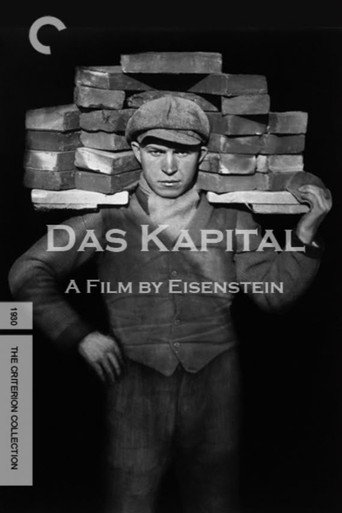 NR
NRNo synopsis available yet.
Das Kapital
—
NRNo synopsis available yet.
Das Kapital
—
 6.0
6.0Second attempt to create a feature film out of the 200,000-plus feet of film which Soviet film-maker Sergei Eisenstein shot during 1931-32 in Mexico for American socialist author Upton Sinclair, his wife and a small company of investors. The projected film, to be called "Que Viva Mexico", was never completed due to exhaustion of funds and Stalin's demand that Eisenstein return to the USSR (he had been absent since 1929). The first attempt at editing the footage, in the USA, resulted in "Thunder Over Mexico", released in 1934. In 1940, Marie Seton, from the UK, acquired some of the footage from the Sinclairs in an attempt to make a better cutting according to Eisenstein's skeletal outline for the proposed film. This film has apparently been lost.
Time in the Sun
1940
Famed Russian revolutionary film director Sergei Eisenstein traveled to Mexico in December 1930 to experience firsthand its “geographical, ethnological, cultural and historical diversity” and to make the feature film known to the world as ¡QUE VIVA MÉXICO! After shooting 200,000 feet of 35mm film footage, drawing hundreds of outlandish sketches and writing volumes of theoretical texts, he departed in April 1932 without a completed film. We will never know what Eisenstein might have edited given the chance — perhaps he did not know himself — but we can show you what he actually directed and shot in Mexico. IDOLS BEHIND ALTARS is a two-screen rearrangement of images from Jay Leyda’s 1955 genre-breaking EISENSTEIN’S MEXICAN FILM: EPISODES FOR STUDY, now newly restored and featuring a new score by Paul D. Miller, a.k.a. DJ Spooky.
Idols Behind Altars: A Poetic Reverie for Anita Brenner
2026
Famed Russian revolutionary film director Sergei Eisenstein traveled to Mexico in December 1930 to experience firsthand its “geographical, ethnological, cultural and historical diversity” and to make the feature film known to the world as ¡QUE VIVA MÉXICO! After shooting 200,000 feet of 35mm film footage, drawing hundreds of outlandish sketches and writing volumes of theoretical texts, he departed in April 1932 without a completed film. We will never know what Eisenstein might have edited given the chance — perhaps he did not know himself — but we can show you what he actually directed and shot in Mexico. IDOLS BEHIND ALTARS is a two-screen rearrangement of images from Jay Leyda’s 1955 genre-breaking EISENSTEIN’S MEXICAN FILM: EPISODES FOR STUDY, now newly restored and featuring a new score by Paul D. Miller, a.k.a. DJ Spooky.
Idols Behind Altars: A Poetic Reverie for Anita Brenner
2026
 6.2
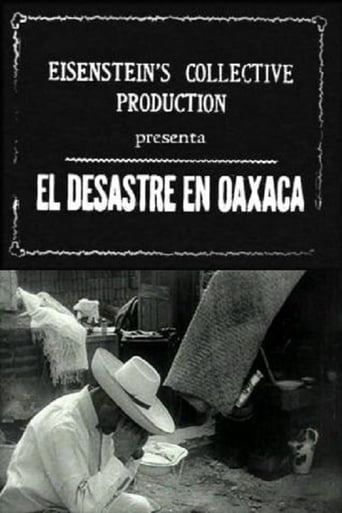
6.2Footage of the aftermath of the January 14 1931 earthquake in Oaxaca, Mexico.
The Disaster in Oaxaca
1931
6.2Footage of the aftermath of the January 14 1931 earthquake in Oaxaca, Mexico.
The Disaster in Oaxaca
1931
 6.4
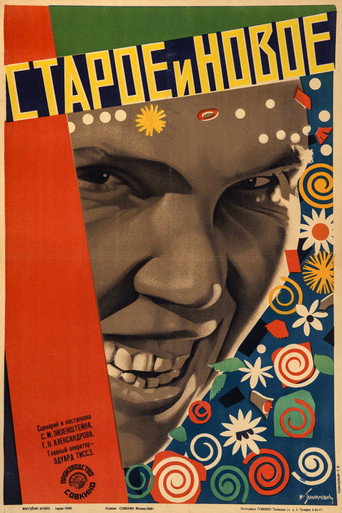
6.4100.000.000 peasants – illiterate, poor, hungry. There comes a day when one woman decides that she can live the old life no longer. Using ways of new Soviet state and industrial progress, she changes the lives and labours of her village.
The General Line
1929
6.4100.000.000 peasants – illiterate, poor, hungry. There comes a day when one woman decides that she can live the old life no longer. Using ways of new Soviet state and industrial progress, she changes the lives and labours of her village.
The General Line
1929
 6.0
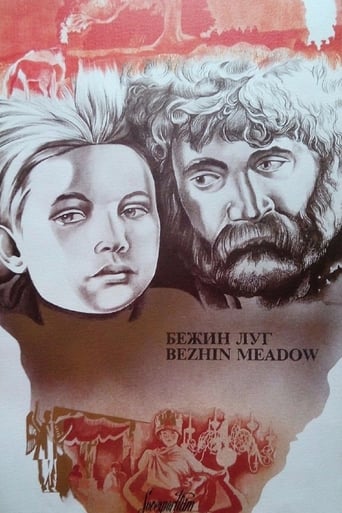
6.0Bezhin Lug (Bezhin Meadow) was to be a Soviet film about a young farm boy whose father attempts to betray the government for political reasons by sabotaging the year's harvest, and the son's efforts to stop his own father to protect the Soviet state, culminating in the boy's murder and a social uprising. Assigned to Soviet film-maker Sergei Eisenstein, the filming followed the same path as with his previous effort, "Que Viva Mexico", into cost overrun and over-shooting of footage. Furthermore, Eisenstein's usage of forbidden experimental film techniques outraged his government superiors, who ordered the film destroyed before it was even completed. All that survives are the first and last frames of each shot, preserved by Sergei Eisenstein’s wife, Pera Atasheva. The 1967 reconstruction, by Naum Kleiman of the Eisenstein Museum and Sergei Yutkevich of Gosfilmofond, places these frames in order, approximating the original film.
Bezhin Meadow: Sequences from an Unfinished Film
1968
6.0Bezhin Lug (Bezhin Meadow) was to be a Soviet film about a young farm boy whose father attempts to betray the government for political reasons by sabotaging the year's harvest, and the son's efforts to stop his own father to protect the Soviet state, culminating in the boy's murder and a social uprising. Assigned to Soviet film-maker Sergei Eisenstein, the filming followed the same path as with his previous effort, "Que Viva Mexico", into cost overrun and over-shooting of footage. Furthermore, Eisenstein's usage of forbidden experimental film techniques outraged his government superiors, who ordered the film destroyed before it was even completed. All that survives are the first and last frames of each shot, preserved by Sergei Eisenstein’s wife, Pera Atasheva. The 1967 reconstruction, by Naum Kleiman of the Eisenstein Museum and Sergei Yutkevich of Gosfilmofond, places these frames in order, approximating the original film.
Bezhin Meadow: Sequences from an Unfinished Film
1968
 5.2
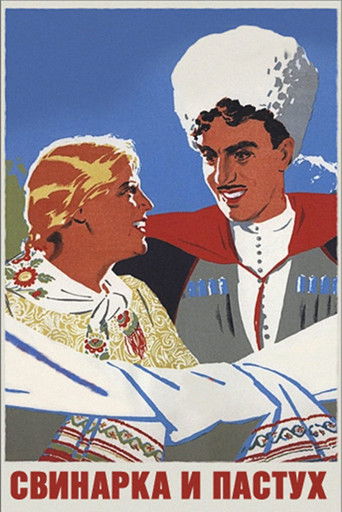
5.2They met in Moscow - a shy swineherd Glasha and shepherd Musaib. Long and difficult will be their way to love and a new meeting in this classic Soviet musical comedy.
Swineherd and Shepherd
1941
5.1Filmic insert to Eisenstein's modernized, free adaptation of Ostrovskiy's 19th-century Russian stage play, "The Wise Man" ("Na vsyakogo mudretsa dovolno prostoty"). The anti-hero Glumov tries to escape exposure in the midst of acrobatics, derring-do, and farcical clowning. Several members of Eisenstein's troupe at the legendary "Proletkult" stage theatre in Moscow briefly appear in this little film.
Glumov's Diary
1923
5.1Filmic insert to Eisenstein's modernized, free adaptation of Ostrovskiy's 19th-century Russian stage play, "The Wise Man" ("Na vsyakogo mudretsa dovolno prostoty"). The anti-hero Glumov tries to escape exposure in the midst of acrobatics, derring-do, and farcical clowning. Several members of Eisenstein's troupe at the legendary "Proletkult" stage theatre in Moscow briefly appear in this little film.
Glumov's Diary
1923
 5.8
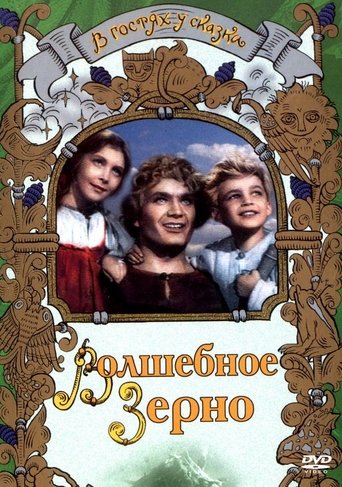
5.8Two siblings are given a magic flute and a magic seed as gifts. If you plant the seed in the ground, every wish comes true. But an evil wizard wants to steal the children’s magic seed.
The Magic Seed
1942
 6.0
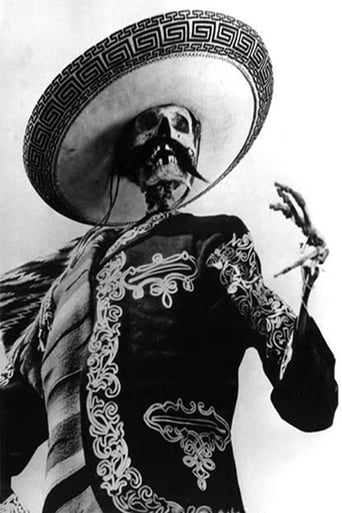
6.0During his adventure in Mexico, Sergei Eisenstein made footage of a Mexican "Death Day" celebration for inclusion in his "Que Viva Mexico!" film project. When the 200,000-plus feet of film he eventually exposed in Mexico was first attempted to be made into a feature film, "Thunder Over Mexico", the producers excluded the Death Day material for subsequent compilation as an independent short subject. Silent with music track and explanatory English intertitles.
Death Day
1934
 6.7
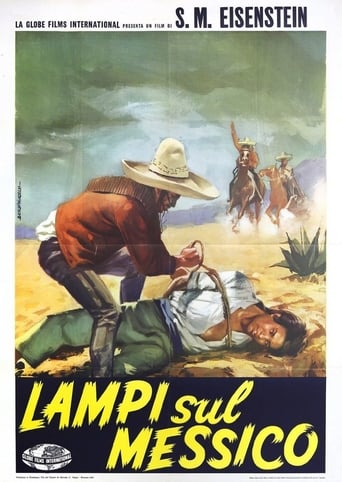
6.7As was common in Diaz's Mexico, a young hacienda worker finds his betrothed imprisoned and his life threatened by his master for confronting a hacienda guest for raping the girl. This film is the first of several attempts to make a feature-length motion picture out of the 200,000-plus feet of film shot by Sergei Eisenstein, on photographic expedition in Mexico during 1931-32 for Upton Sinclair and a cadre of private American producer-investors. Silent with music and English intertitles.
Thunder Over Mexico
1933
 7.1
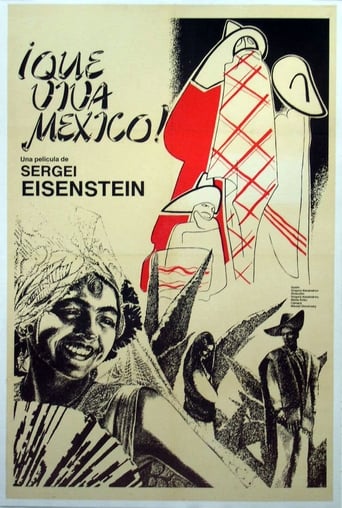
7.1Unedited film that Sergei Eisenstein, Grigoriy Aleksandrov and Eduard Tisse shot in Mexico 1931-32. This record only represents the 200,000-plus feet of unedited film that Sergei Eisenstein, Grigoriy Aleksandrov and Eduard Tisse shot in Mexico 1931/32 for Mary and Upton Sinclair and three American co-financiers. It was Eisenstein's vision to end up with movie about Mexico in six parts called "Calavera", "Sandunga", "Maguey", "Fiesta", "Soldadera", and "Epilogue". The project was canceled before it was completed due to cost overruns and months-delayed completion, and the producers refused to let Eisenstein attempt to edit anything from the material he had finished after Iosif Stalin called him back to the USSR. From this footage the following pictures were subsequently edited by other hands: Thunder Over Mexico (1933), Eisenstein in Mexico (1933), Death Day (1934), Time in the Sun (1940), and Que Viva Mexico (1979).
Hurray Mexico!
1932
 8.5
8.5"Eisenstein journeyed to Mexico in late 1930 to begin shooting a film. With backing provided by Upton and Mary Craig Sinclair, the great Soviet auteur planned to make an epoch-spanning pageant of Mexico’s political history and cultural iconography, moving from the pre-Columbian era through colonization and, finally, revolution ... with the project running over budget the film was shut down. Sinclair eventually deposited the film materials at MoMA in 1953, at which point the scholar Jay Leyda assembled and annotated the shots, ordering them according to the filmmaker’s plans and presenting the images just as they had been shot, unedited ... here one is given the opportunity to attend to Eisenstein in an entirely different way, and aspects that might otherwise be overshadowed come to the fore: the way he works with nonprofessional actors, for example, or the striking mise-en-scène." - MoMA
Eisenstein’s Mexican Film: Episodes for Study
1955
7.0Eisenstein shot 50 hours of footage on location in Mexico in 1931 and 32 for what would have become ¡Que viva México!, but was not able to finish the film. Following two wildly different reconstruction attempts in 1939 (Marie Seton's 'Time in the Sun') and 1979 (Grigori Alexandrov's '¡Que viva México!') Kovalov has here compiled another hypothetical version of what Eisenstein's film might have been.
Sergei Eisenstein: Mexican Fantasy
1998
7.0Eisenstein shot 50 hours of footage on location in Mexico in 1931 and 32 for what would have become ¡Que viva México!, but was not able to finish the film. Following two wildly different reconstruction attempts in 1939 (Marie Seton's 'Time in the Sun') and 1979 (Grigori Alexandrov's '¡Que viva México!') Kovalov has here compiled another hypothetical version of what Eisenstein's film might have been.
Sergei Eisenstein: Mexican Fantasy
1998
 6.7
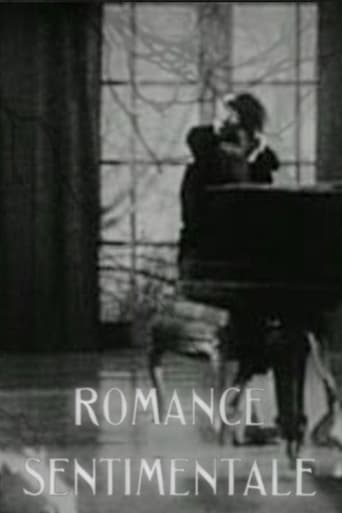
6.7Romance sentimentale is a 1930 French film directed by Grigori Aleksandrov and Sergei M. Eisenstein. A short, experimental, slightly poetic montage of city and abstract images.
Sentimental Romance
1931