
Sound
Dmitri Shostakovich
Born — Died
1906-09-25 — 1975-08-09
Place of birth
Saint Petersburg, Russian Empire [now Russia]
Known for
Sound
Credits
17 titles
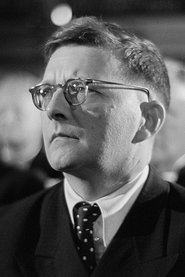
Dmitri Shostakovich (1906 – 1975) was a Soviet composer. He was regarded throughout his life as one of the major composers of the 20th century.
Known for
 NR
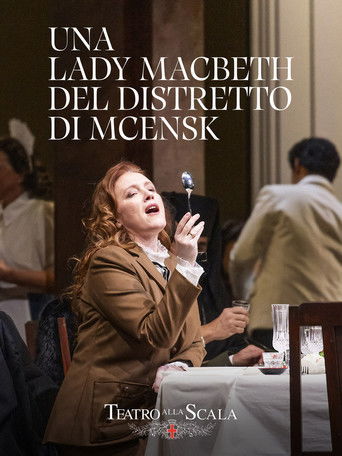
NROn the 50th anniversary of Shostakovich’s death, La Scala opens the Season with his masterpiece Lady Macbeth of the Mtsensk District, based on the novella by Nikolai Leskov. After its premiere in St. Petersburg, the opera – which was intended to be the first part of a trilogy on women’s condition in Russia – enjoyed great success at home and abroad. Stalin attended a performance in Moscow in 1936; two days later, the famous denunciation titled “Chaos Instead of Music” appeared in Pravda, through which the regime blacklisted the opera and its composer. Years later, Shostakovich prepared a new version that was staged in Moscow in 1963 under the title Katerina Izmailova, after Superintendent Ghiringhelli had unsuccessfully tried to secure its premiere for La Scala. Today, the theatre presents the original 1934 version, conducted by M° Chailly and the debut of director Barkhatov.
A Lady Macbeth of the District of Mcensk
2025
No synopsis available yet.
Легенды музыки
2015
 NR
NRLady Macbeth of Mtsensk is a powerful work of raw emotional intensity. With themes of adultery and murder, the story follows the downfall of a bored provincial merchant’s wife who seeks solace and excitement in an extra-marital affair. With a bold and contemporary setting, the staging provides the perfect backdrop to this 20th-century opera’s unflinching approach to sex and violence.
Chostakovitch: Lady Macbeth de Mzensk
2016
 NR
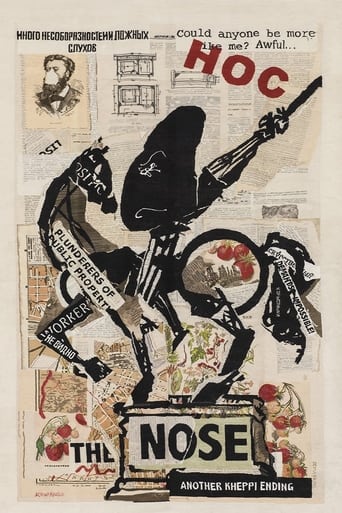
NRAcclaimed artist William Kentridge directed and designed this visually dazzling Met premiere production of Shostakovich’s satirical opera, adapted from the classic short story by Nikolai Gogol. Baritone Paulo Szot leads the cast as Kovalyov, the hapless bureaucrat whose nose has mysteriously gone missing. Alexander Lewis and Andrey Popov co-star, and Pavel Smelkov conducts.
The Metropolitan Opera: The Nose
2013
 NR
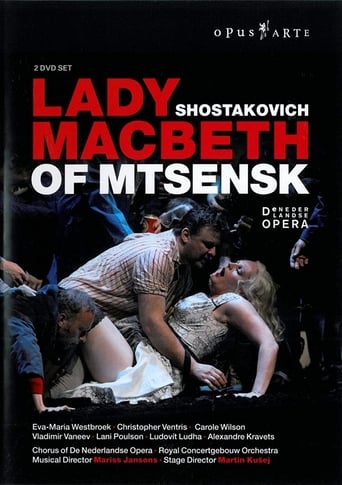
NRShostakovich's Lady Macbeth of Mtsensk, a lurid tale of sex, murder, and corruption, premiered in 1934 and was a success until Stalin saw it two years later, resulting in a Pravda review that viciously condemned it. It was later replaced by an expurgated version, now called Katerina Ismailova after the work's principal character. The original version has now reclaimed its place on international stages. The heroine is the daughter-in-law of Boris, a greedy, lecherous merchant, and the frustrated wife of his impotent son. Katerina poisons Boris and when her husband returns she and her lover, Sergei, kill him too, burying him in the cellar. The body is discovered during their wedding party. Haunted by guilt, Katerina confesses and the newlyweds are consigned to Siberia. When Sergei takes up with another woman, Katerina pushes her into the river and then jumps in herself.
Shostakovich: Lady Macbeth of Mtsensk
2007
 6.2
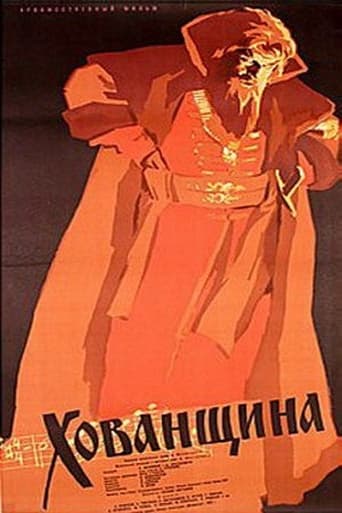
6.2Modest Mussorgsky's final opera, left unfinished at the time of this death in March of 1881.
Khovanshchina
1959
Film credits
2000s · 1 titles
1960s · 2 titles

Series credits
Behind the camera
NROn the 50th anniversary of Shostakovich’s death, La Scala opens the Season with his masterpiece Lady Macbeth of the Mtsensk District, based on the novella by Nikolai Leskov. After its premiere in St. Petersburg, the opera – which was intended to be the first part of a trilogy on women’s condition in Russia – enjoyed great success at home and abroad. Stalin attended a performance in Moscow in 1936; two days later, the famous denunciation titled “Chaos Instead of Music” appeared in Pravda, through which the regime blacklisted the opera and its composer. Years later, Shostakovich prepared a new version that was staged in Moscow in 1963 under the title Katerina Izmailova, after Superintendent Ghiringhelli had unsuccessfully tried to secure its premiere for La Scala. Today, the theatre presents the original 1934 version, conducted by M° Chailly and the debut of director Barkhatov.
A Lady Macbeth of the District of Mcensk
2025
NRLady Macbeth of Mtsensk is a powerful work of raw emotional intensity. With themes of adultery and murder, the story follows the downfall of a bored provincial merchant’s wife who seeks solace and excitement in an extra-marital affair. With a bold and contemporary setting, the staging provides the perfect backdrop to this 20th-century opera’s unflinching approach to sex and violence.
Chostakovitch: Lady Macbeth de Mzensk
2016
NRAcclaimed artist William Kentridge directed and designed this visually dazzling Met premiere production of Shostakovich’s satirical opera, adapted from the classic short story by Nikolai Gogol. Baritone Paulo Szot leads the cast as Kovalyov, the hapless bureaucrat whose nose has mysteriously gone missing. Alexander Lewis and Andrey Popov co-star, and Pavel Smelkov conducts.
The Metropolitan Opera: The Nose
2013
NRShostakovich's Lady Macbeth of Mtsensk, a lurid tale of sex, murder, and corruption, premiered in 1934 and was a success until Stalin saw it two years later, resulting in a Pravda review that viciously condemned it. It was later replaced by an expurgated version, now called Katerina Ismailova after the work's principal character. The original version has now reclaimed its place on international stages. The heroine is the daughter-in-law of Boris, a greedy, lecherous merchant, and the frustrated wife of his impotent son. Katerina poisons Boris and when her husband returns she and her lover, Sergei, kill him too, burying him in the cellar. The body is discovered during their wedding party. Haunted by guilt, Katerina confesses and the newlyweds are consigned to Siberia. When Sergei takes up with another woman, Katerina pushes her into the river and then jumps in herself.
Shostakovich: Lady Macbeth of Mtsensk
2007
6.2Modest Mussorgsky's final opera, left unfinished at the time of this death in March of 1881.
Khovanshchina
1959
 NR
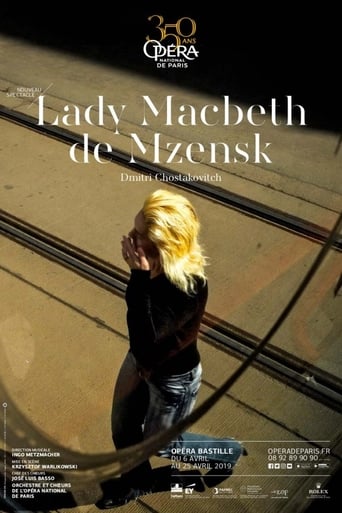
NROf Shostakovich’s initial undertaking – a trilogy on the tragic destinies of Russian women through the ages – only one opera was ever written: the hard-hitting Lady Macbeth of Mtsensk. Although one of the mainsprings of the work, the Shakespearean parallel is here bitterly ironic: unlike Lady Macbeth, Katerina Ismaïlova who, in the remote reaches of rural 19th century Russia, falls in love with one of her husband’s employees and is finally forced to commit suicide, is less a manipulator than a victim of a violent and patriarchal society. Krzysztof Warlikowski liberates all the subversive power of this scorching and scandalous work, which marked the early years of the Opéra Bastille.
Shostakovich: Lady Macbeth of Mtsensk
2019
 NR
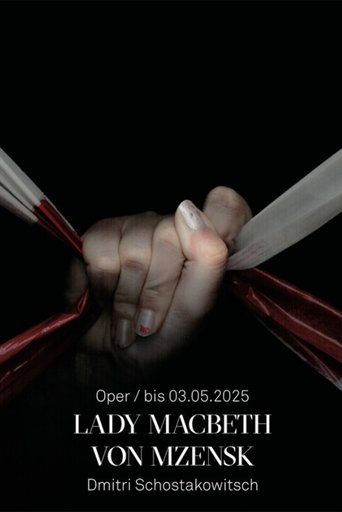
NRKaterina Ismailova is wealthily married and lonely, her husband impotent and her father-in-law a tyrant. She is trapped in a world where merciless brutality, despotism and cruelty reign. The woman with a lust for life and love gives way to her raw longing for freedom when a new labourer Sergei starts working for the Ismailov family. She throws herself into a passionate affair with him and poisons her father-in-law's food. But the increasing radicalism of her desire for self-determination will claim further victims...
Lady Macbeth of Mtsensk
2025
 NR
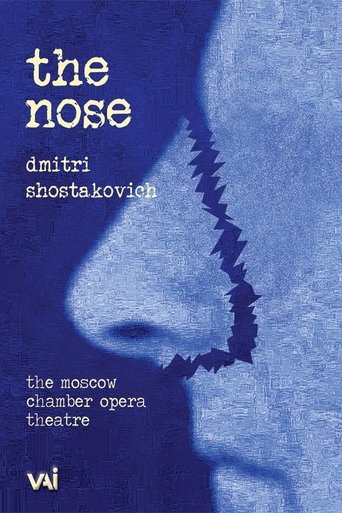
NRShostakovich’s satirical opera adapted from the classic short story by Nikolai Gogol. Baritone Eduard Akimov leads the cast as Kovalyov, the hapless bureaucrat whose nose has mysteriously gone missing.
The Nose
1979
 NR
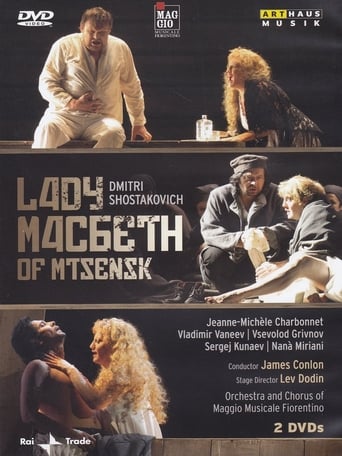
NRAt first glance, the title of Shostakovich’s opera seems to speak for itself: Katherina, neglected and unhappy in her marriage, commits the most heinous crime just like the Shakespearian Lady Macbeth. But Nikolai Leskov’s short novel, which portrays Katherina as a monster, was only the starting point for Shostakovich to elicit understanding for an oppressed woman whose pursuit for self-determination is suppressed by society. Through combining satiric, grotesque and tragic elements in his music, Shostakovich succeeds in striking the balance between repulsion at Katherina’s immoral acts and sympathy for her. Violence, eroticism and the paralysing boredom of Russian society in the 19th century are the founding elements of this composition. The choir and orchestra of the Maggio Musicale Fiorentino conducted by James Conlon accompany tremendous soloists such as Jeanne-Michèle Charbonnet, Vladimir Vaneev and Vsevolod Grivnov in the original language in this live recording.
Shostakovich: Lady Macbeth of Mtsensk
2009