

Acting
Shirley Temple
Born — Died
1928-04-23 — 2014-02-10
Place of birth
Santa Monica, California, USA
Known for
Acting
Credits
78 titles
Shirley Temple Black (born Shirley Jane Temple; April 23, 1928 – February 10, 2014) was an American actress, singer, dancer, and diplomat, who was Hollywood's number-one box-office draw as a child actress from 1934 to 1938. Later, she was named United States Ambassador to Ghana and Czechoslovakia, and also served as Chief of Protocol of the United States. Temple began her film career at the age of three in 1931. Two years later, she achieved international fame in Bright Eyes, a feature film produced especially for her talents. She received a special Juvenile Academy Award in February 1935 for her outstanding contribution as a juvenile performer in motion pictures during 1934. Film hits such…
Known for
 5.8
5.8The Mike Douglas Show is an American daytime television talk show hosted by Mike Douglas that originally aired only in the Cleveland area during much of its first two years on the air. It then went into syndication in 1963 and remained on television until 1982. It was distributed by Westinghouse Broadcasting and for much of its run, originated from studios of two of the company's TV stations in Cleveland and Philadelphia.
The Mike Douglas Show
1961
 6.8
6.8The Dick Cavett Show has been the title of several talk shows hosted by Dick Cavett on various television networks.
The Dick Cavett Show
1968
 5.6
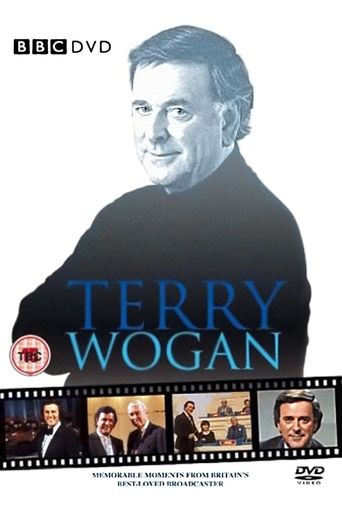
5.6Chat show hosted by Terry Wogan, featuring live studio interviews with famous and notable personalities.
Wogan
1982
 7.1
7.1An annual American awards ceremony honoring cinematic achievements in the film industry. The various category winners are awarded a copy of a statuette, officially the Academy Award of Merit, that is better known by its nickname Oscar.
The Oscars
1953
 6.8
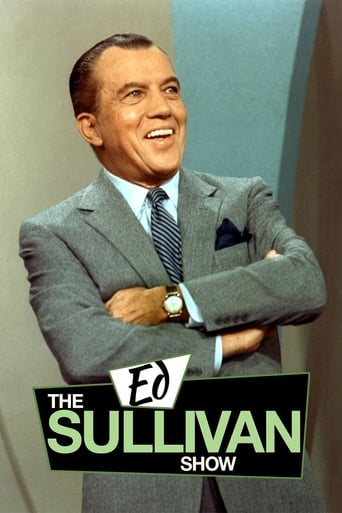
6.8The Ed Sullivan Show is an American TV variety show that originally ran on CBS from Sunday June 20, 1948 to Sunday June 6, 1971, and was hosted by New York entertainment columnist Ed Sullivan. It was replaced in September 1971 by the CBS Sunday Night Movie, which ran only one season and was eventually replaced by other shows. In 2002, The Ed Sullivan Show was ranked #15 on TV Guide's 50 Greatest TV Shows of All Time.
The Ed Sullivan Show
1948
 6.4
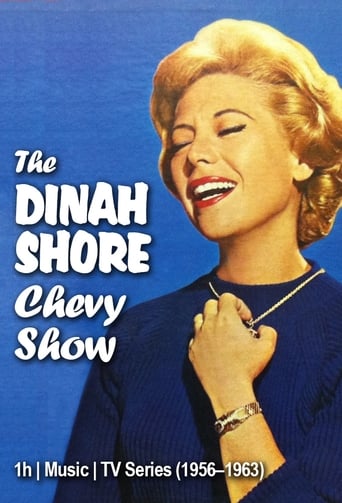
6.4The Dinah Shore Chevy Show is an American variety series hosted by Dinah Shore, and broadcast on NBC from October 1956 to June 1963. The series was sponsored by the Chevrolet Motor Division of General Motors and its theme song, sung by Shore, was "See the U.S.A. in Your Chevrolet", which continued to be used in Chevrolet advertising for several more years after the cancellation of the show.
The Dinah Shore Chevy Show
1956
Film credits
2010s · 2 titles
 7.2
7.2By the mid-1980s, the fabled animation studios of Walt Disney had fallen on hard times. The artists were polarized between newcomers hungry to innovate and old timers not yet ready to relinquish control. These conditions produced a series of box-office flops and pessimistic forecasts: maybe the best days of animation were over. Maybe the public didn't care. Only a miracle or a magic spell could produce a happy ending. Waking Sleeping Beauty is no fairy tale. It's the true story of how Disney regained its magic with a staggering output of hits - "Little Mermaid," "Beauty and the Beast ," "Aladdin," "The Lion King," and more - over a 10-year period.
Waking Sleeping Beauty
2010
 6.4
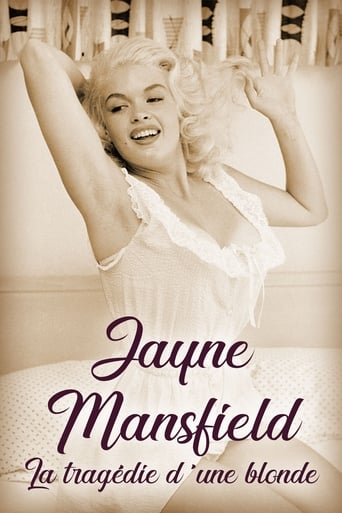
6.4On June 29, 1967, Jayne Mansfield tragically died at the age of 34. Her stunning blue Buick Electra collided with and was crushed under a semi-trailer truck. With her voluptuous figure and baby-doll face, Hollywood's most photographed actress did everything to become a star, accepting every compromise, going from icon to object. While portraying the actress, this film offers a glimpse into the Hollywood dream factory through the lens of a casting call. Like Jayne herself, who went through countless auditions...
Jayne Mansfield: The Tragedy of a Blonde
2015
2000s · 2 titles
 8.3
8.3As Hollywood biographies go, Judy Garland's story is one of the saddest success stories you'll ever hear. The sanitized studio version of her life presented a smiling kid with the big voice, who, alongside Mickey Rooney, just wanted to put on a show. But drugs, overwork, even psychological abuse at the hands of the studio is now part of the Garland legend. But despite the number of Garland books and documentaries, one account has always been missing -- Garland herself never managed to write a memoir. She did make several attempts at an autobiography, often recording stories on a tape recorder. Judy Garland: By Myself (2004), finally fills in the blanks - using Judy's personal recordings to tell the story in her own words.
Judy Garland: By Myself
2004
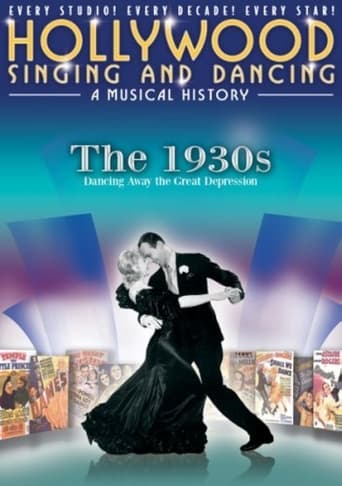 NR
NRA two-hour in-depth exploration into the Hollywood musicals of the 1930s.
Hollywood Singing and Dancing: A Musical History - The 1930s: Dancing Away the Great Depression
2009
1990s · 4 titles
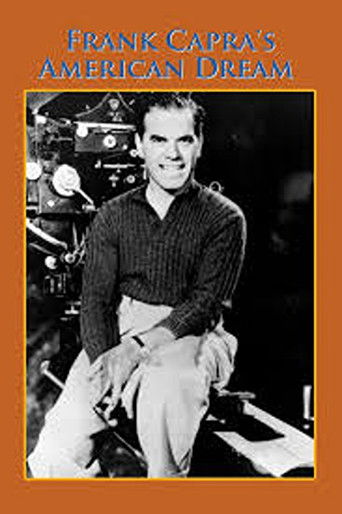 6.3
6.3A documentary looking at the life and career of film director Frank Capra. Hosted by Ron Howard.
Frank Capra's American Dream
1997
No synopsis available yet.
Shirley Temple: The Biggest Little Star
1996
 NR
NRThere never was a star quite like her. Adored by adults and children alike, at four she already led at the box office — ahead of Gable and Cooper. Her films saved a movie studio from bankruptcy, and a President credited her with raising the morale of Depression-weary Americans. Her earliest movies gave a foretaste of her talents and soon would become the songs and dances that helped make those movies immortal.
Shirley Temple: America's Little Darling
1993
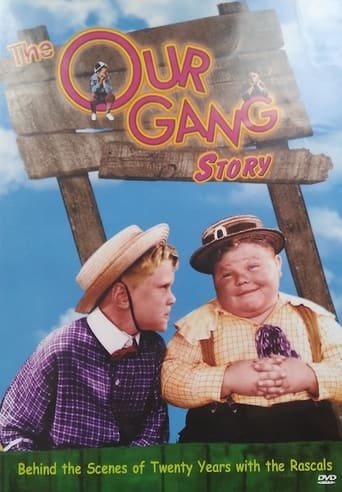 NR
NRJoin all your favorites—Spanky, Buckwheat, Alfalfa, Darla, Butch, Froggy and more—in a jam-packed special covering more than twenty years and 200 episodes of Hal Roach's inimitable brand of childhood magic. This fascinating video offers insight into the Gang's personal lives, as rare footage follows each member's career through the joys and misfortunes that went along with being one of America's most beloved kids. See how the series began in 1922 and changed after the first all-talking release in 1929, why Shirley Temple and Mickey Rooney never made the Gang, a fifteenth anniversary reunion, and clips from their only feature.
The Our Gang Story
1994
1980s · 5 titles
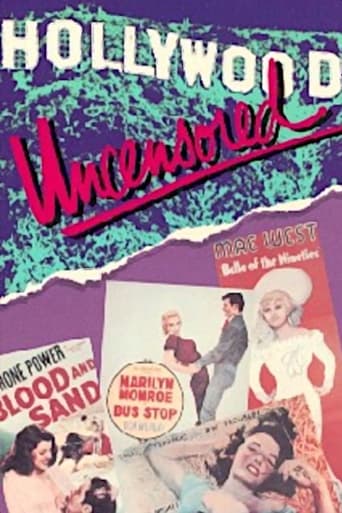 5.4
5.4Douglas Fairbanks Jr. and Peter Fonda host an examination of the history of decency standards for movies from the early 1920s onwards.
Hollywood Uncensored
1987
 6.9
6.9A documentary film about dancing on the screen, from its origins after the invention of the movie camera, over the movie musical from the late 20s, 30s, 40s, 50s, and 60s, up to the break dance and music videos from the 80s.
That's Dancing!
1985
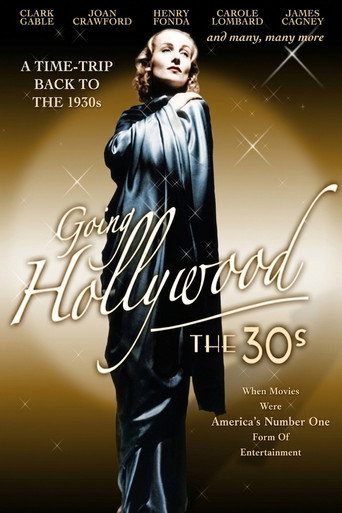 9.0
9.0Robert Preston hosts this documentary that shows what people of the 1930s were watching as they were battling the Depression as well as eventually getting ready for another World War.
Going Hollywood: The '30s
1984
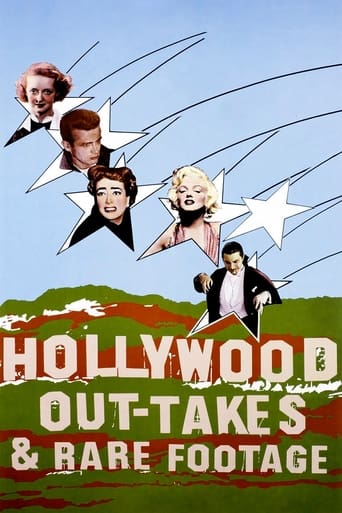 7.0
7.0Out-takes (mostly from Warner Bros.), promotional shorts, movie premieres, public service pleas, wardrobe tests, documentary material, and archival footage make up this star-studded voyeuristic look at the Golden age of Hollywood during the 30s, 40, and 50.
Hollywood Out-takes and Rare Footage
1983
 NR
NRVarious entertainers and artists look at how Walt Disney influenced these areas through his work in a variety of fields.
Walt Disney: One Man's Dream
1981
1970s · 3 titles
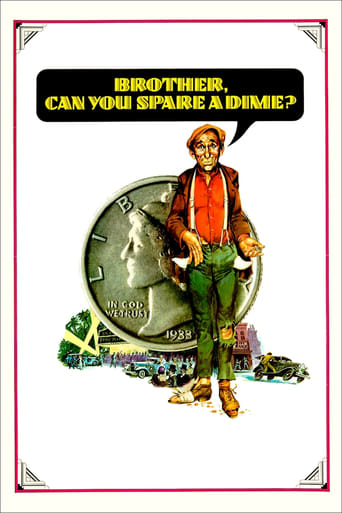 6.3
6.3Period music, film clips and newsreel footage combined into a visual exploration of the American entertainment industry during the Great Depression.
Brother, Can You Spare a Dime?
1975
 8.0
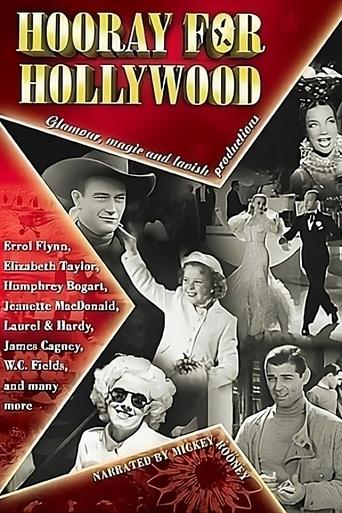
8.0A celebration of Hollywood in the 1930s, featuring a compilation of clips from features and newsreels of the era.
Hooray for Hollywood
1976
 10.0
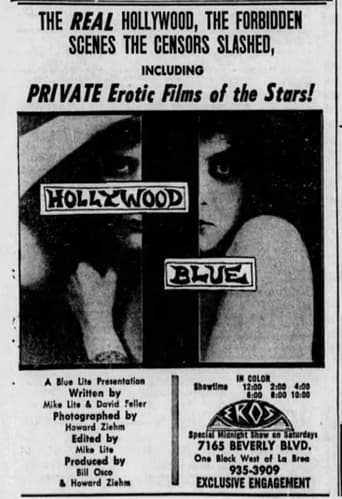
10.0A collection of vintage erotica from Hollywood movies is intercut with street interviews and newsreel footage.
Hollywood Blue
1970
1940s · 15 titles
 7.0
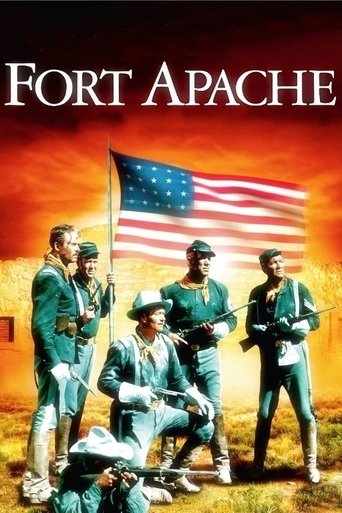
7.0Owen Thursday sees his new posting to the desolate Fort Apache as a chance to claim the military honour which he believes is rightfully his. Arrogant, obsessed with military form and ultimately self-destructive, he attempts to destroy the Apache chief Cochise after luring him across the border from Mexico, against the advice of his subordinates.
Fort Apache
1948
 6.6
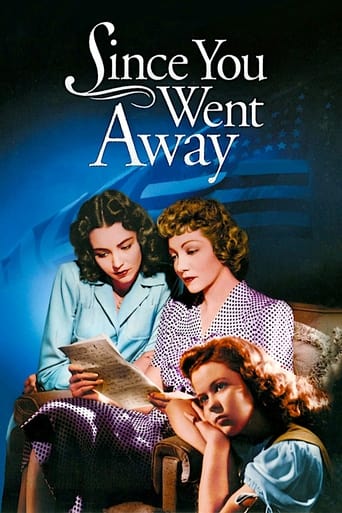
6.6In 1943, several people enter, re-enter, and exit the difficult life of a Midwestern family whose patriarch has been called up to war, leaving behind his wife and two teen daughters.
Since You Went Away
1944
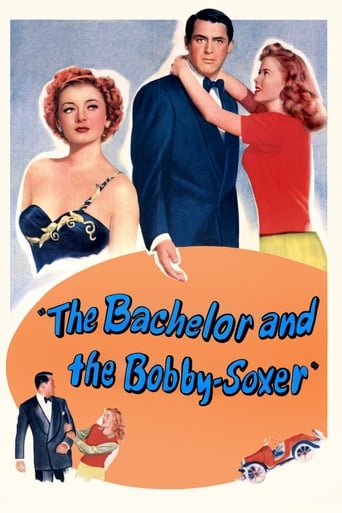 6.9
6.9Teenager Susan Turner, with a severe crush on playboy artist Richard Nugent, sneaks into his apartment to model for him and is found there by her sister Judge Margaret Turner. Threatened with jail, Nugent agrees to date Susan until the crush abates.
The Bachelor and the Bobby-Soxer
1947
 5.9
5.9Peasant children Mytyl and Tyltyl are led on a magical quest for the fabulous Blue Bird of Happiness by the fairy Berylune. On their journey, they're accompanied by the anthropomorphized presences of a Dog, a Cat, Light, Fire, and Bread, among other entities.
The Blue Bird
1940
 6.9
6.9Mary Marshall, serving six years for accidental manslaughter, is given a Christmas furlough to visit her closest relatives, her uncle and his family in a small Midwestern town. On the journey, she meets Zach Morgan, a troubled army sergeant on leave from a military hospital. Although his physical wounds have healed, he suffers from PTSD and is subject to panic attacks. The pair are attracted to one another and, in the warm atmosphere of the Christmas season friendship, blossoms into romance, but Mary is reluctant to tell him of her past and that she must shortly return to serve the remainder of her sentence.
I'll Be Seeing You
1944
 6.3
6.3This 1940 presentation features highlights of earlier (1928 onward) Oscar ceremonies including Shirley Temple and Walt Disney, plus acceptance speeches for films released in 1939 with recipients and presenters including Vivien Leigh, Judy Garland, Hattie McDaniel and more, with host Bob Hope.
Cavalcade of the Academy Awards
1940
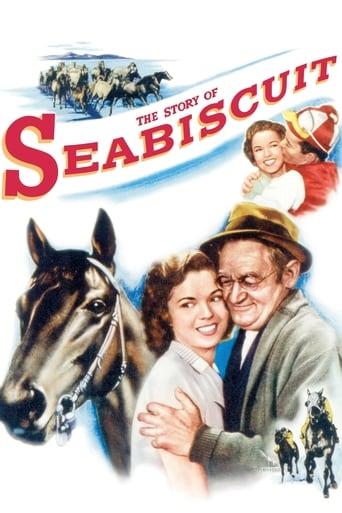 6.0
6.0Horse trainer Shawn O'Hara and his lovely niece, Margaret, come to America to escape the memory of an accident involving Margaret's brother, Danny. Working with thoroughbreds in Kentucky, Shawn takes a liking to a yearling named Seabiscuit, and fights to convince the horse's owner that the tiny horse with big knees will become a top-notch racehorse. Meanwhile, Margaret begins a tentative relationship with jockey Ted Knowles, but is haunted by her brother's death in a steeplechase spill. Written by Ray Hamel
The Story of Seabiscuit
1949
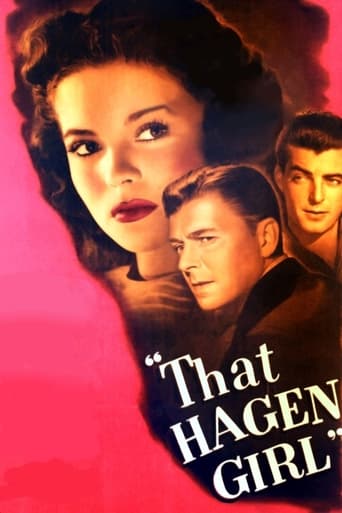 5.3
5.3Mary Hagen lives in a small town in Ohio and goes to Jordon Junior College. For years, there has been whispers, rumors and gossip about who are her real parents. When Tom Bates returns to town, he takes over the house and practice that Judge Merrivale left him when he died. As Tom has been away a number of years, this leads to more gossip and Mary believes that he is her father. The popular and rich Ken loves Mary, but his family and friends constantly remind him that she is 'not one of us'. Julia, a teacher at school encourages Mary but Mary cannot get a break in anything she does, or is accused of doing. Tom knows the answer to her true identity, and he is silent.
That Hagen Girl
1947
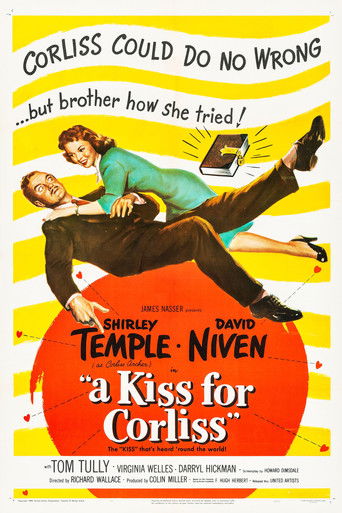 5.8
5.8After a brief encounter with the romantic and thrice divorced Kenneth Marquis, Corliss Archer decides to write in her diary that they are together in order to make her boyfriend Dexter jealous. Corliss' father had also served as attorney representing Kenneth Marquis' ex-wife during his most recent divorce trial. When Corliss and Dexter don't come home one evening until five in the morning, Corliss decides to pretend to have amnesia to avoid the inevitable punishment awaiting her.
A Kiss for Corliss
1949
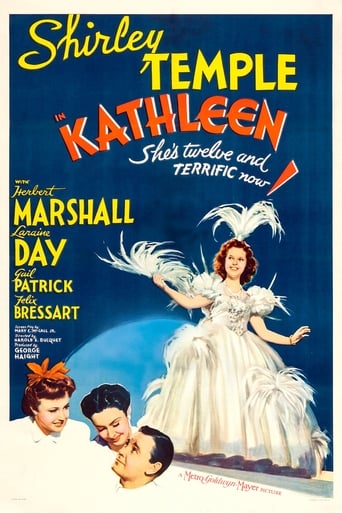 6.0
6.0Kathleen is a twelve-year-old who lives in a big house with a nanny, a butler, maids, no mother and a father who is working most of the time. She dreams of a family with a mother, father and her, and tells everyone that she has such a family. Because of this story, she cannot invite any friends over as they will see that it is not true.
Kathleen
1941
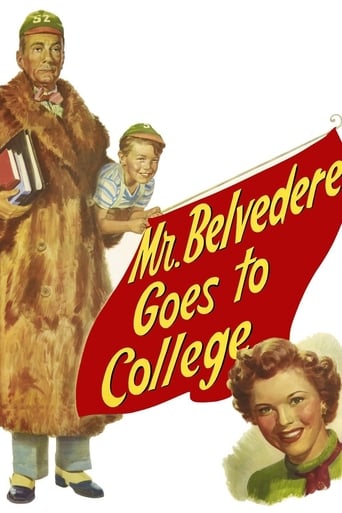 7.3
7.3A middle-aged genius goes to college for the first time.
Mr. Belvedere Goes to College
1949
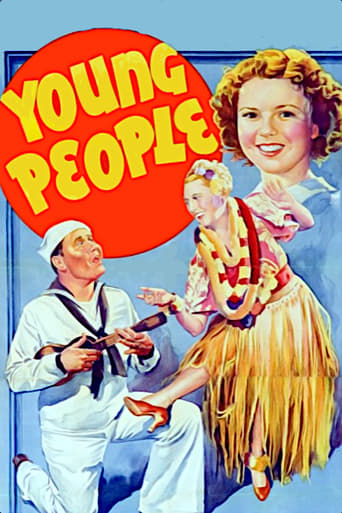 5.2
5.2Wendy Ballantine's parents decide to retire from show biz so she can have a normal life. They are unwelcome in the small town until a storm lets the family show their stuff.
Young People
1940
 6.5
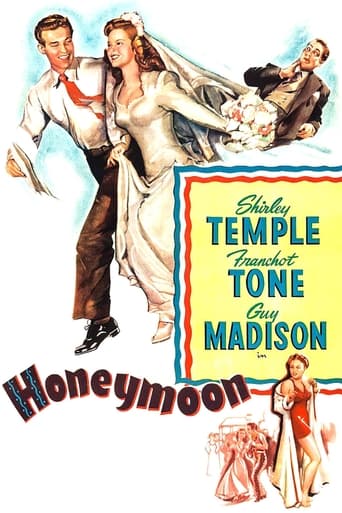
6.5A prospective bride and groom have misadventures in Mexico City.
Honeymoon
1947
 5.2
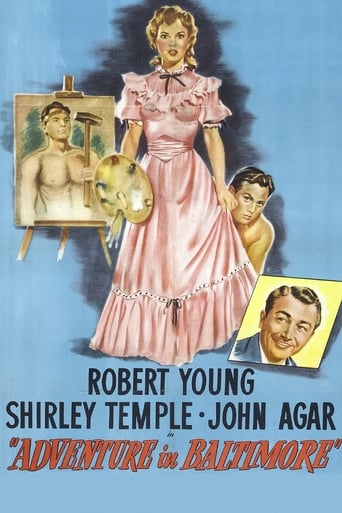
5.2Dinah Sheldon is a student at an exclusive girl's school who starts campaigning for women's rights. Her minister father and her boyfriend Tom Wade do not approve.
Adventure in Baltimore
1949
 6.0
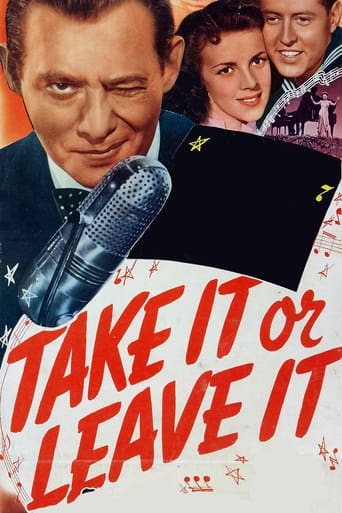
6.0A young husband becomes a game-show participant in the hopes of winning the cash to pay his pregnant wife's doctor.
Take It or Leave It
1944
1930s · 28 titles
 6.6
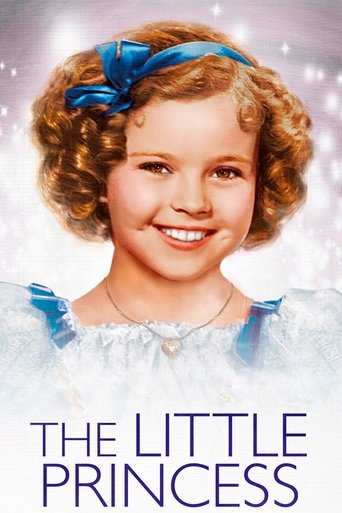
6.6A little girl goes in search of her father who is reported missing by the military during the Second Boer War.
The Little Princess
1939
 6.8
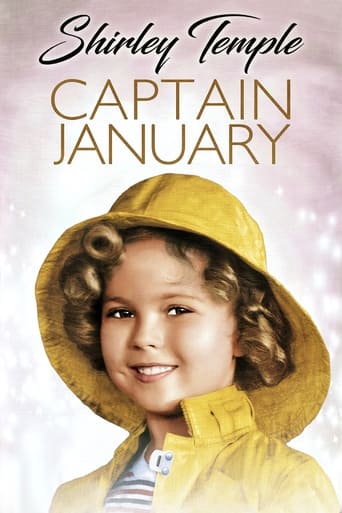
6.8A little girl named Star lives with a lighthouse keeper who rescued her when her parents drowned. A truant officer decides she should go to boarding school, but she's rescued by relatives.
Captain January
1936
 6.4
6.4Virgie Cary's father, a rebel officer, sneaks back to his rundown plantation to see his dying wife and is arrested. A Yankee officer takes pity and sets up an escape. Everyone is captured and the officers are to be executed. Virgie and Uncle Billy beg President Lincoln to intercede.
The Littlest Rebel
1935
 7.0
7.0Heidi is orphaned and her uncaring maternal Aunt Dete takes her to the mountains to live with her reclusive, grumpy paternal grandfather, Adolph Kramer. Heidi brings her grandfather back into mountain society through her sweet ways and sheer love. When Dete later returns and steals Heidi away to become the companion of a rich man's wheelchair-bound daughter, the grandfather is heartsick to discover his little girl missing and immediately sets out to get her back.
Heidi
1937
 6.6
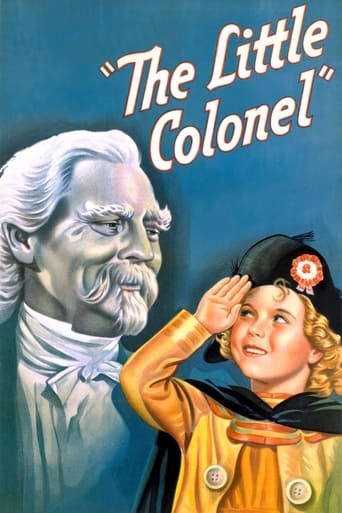
6.6After Southern belle Elizabeth Lloyd runs off to marry Yankee Jack Sherman, her father, a former Confederate colonel during the Civil War, vows to never speak to her again. Several years pass and Elizabeth returns to her home town with her husband and young daughter. The little girl charms her crusty grandfather and tries to patch things up between him and her mother.
The Little Colonel
1935
 5.3
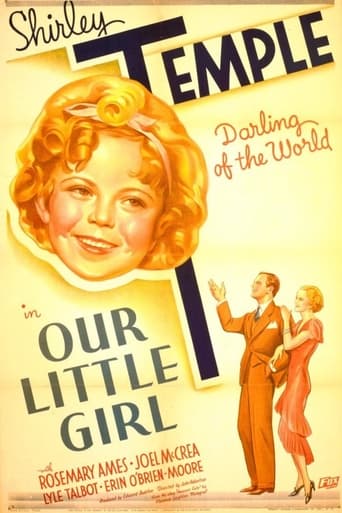
5.3Don Middleton is so caught up with his work he neglects his wife Elsa. Lonely Elsa begins to spend more time with Don's best friend and they become attracted to one another. Don and Elsa decide to get a divorce, unaware of the effect their problems are having on their daughter Molly. When Elsa announces plans to remarry, Molly runs away from home.
Our Little Girl
1935
 5.1
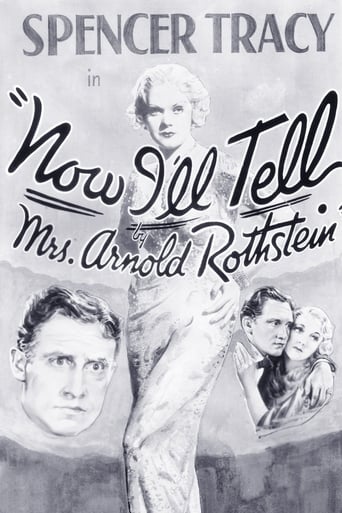
5.1A two-bit gambler somehow claws his way to the top. His love for riches is only matched by his love for his wife, but he is sometimes confused by which he loves most.
Now I'll Tell
1934
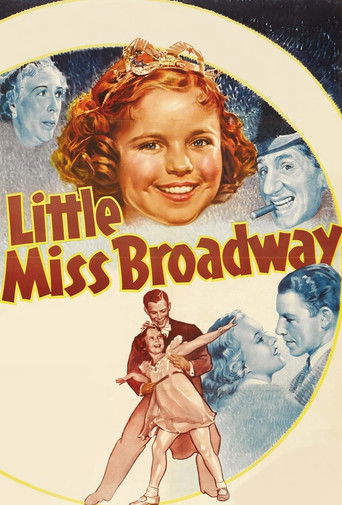 6.5
6.5An orphan is provisionally adopted by the manager of a hotel populated by show business people. The hotel's owner doesn't like the entertainers and wants the girl returned to the orphanage.
Little Miss Broadway
1938
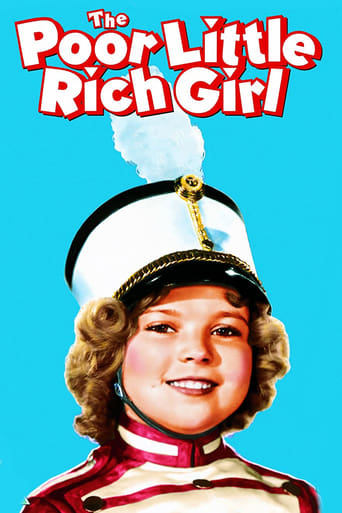 6.6
6.6Cossetted and bored, Barbara Barry is finally sent off to school by her busy if doting widowed soap manufacturer father. When her nurse is injured en route, Barbara finds herself alone in town, ending up as part of radio song-and-dance act Dolan and Dolan sponsored by a rival soap company.
Poor Little Rich Girl
1936
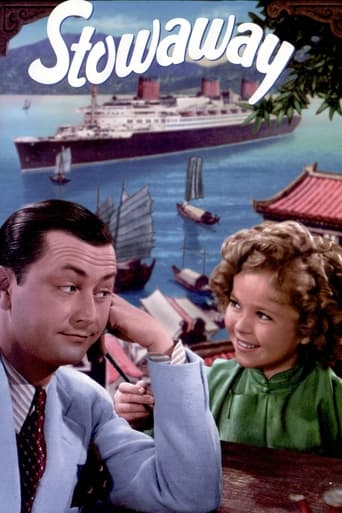 6.7
6.7Chin-Ching gets lost in Shanghai and is befriended by American playboy Tommy Randall. She falls asleep in his car which winds up on a ship headed for America. Susan Parker, also on the ship, marries Randall to give Chin-Ching a family.
Stowaway
1936
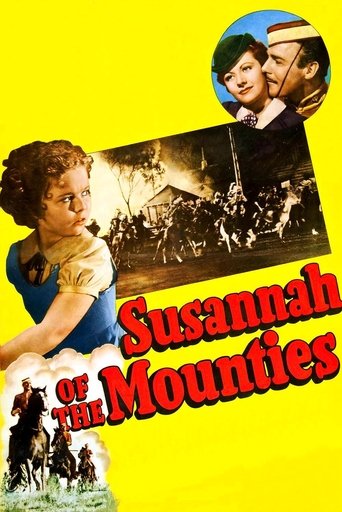 6.5
6.5This classic family drama stars Shirley Temple as young orphan Susannah Sheldon, the sole survivor of a brutal Indian attack who's befriended by Canadian Mountie Angus Montague (Randolph Scott) and his girlfriend, Vicky (Margaret Lockwood). The couple takes Susannah under their wing and soon learn that having a precocious child around can come in handy; when the Indians return, the girl uses her charm to broker peace.Shirley is the orphaned survivor of an Indian attack in the Canadian West. A Mountie and his girlfriend take her in...
Susannah of the Mounties
1939
 5.9
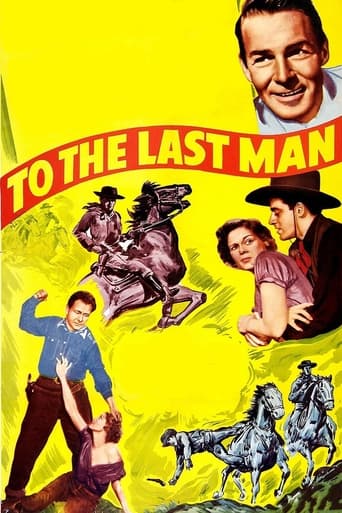
5.9In Kentucky just after the Civil War, the Hayden-Colby feud leads to Jed Colby being sent to prison for 15 years for murder. The Haydens head for Nevada and when Colby gets out of prison he heads there also seeking revenge. The head of the Hayden family tries to avoid more killing but the inevitable showdown has to occur, complicated by Lynn Hayden and Ellen Colby's plans to marry.
To the Last Man
1933
 5.7
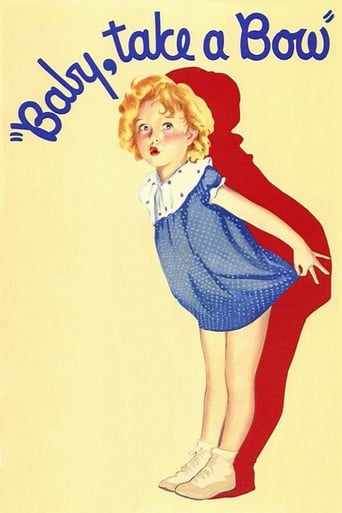
5.7Eddie Ellison is an ex-con who spent time in Sing-Sing prison. Kay marries him as soon as he serves his time. Five years later, Eddie and his ex-convict buddy Larry, have both gone straight, and Eddie and Kay have a beautiful little girl named Shirley. However, Welch has kept a close eye on them for years. He believes in "once a criminal, always a criminal." Then, when Eddie's employer's wife's pearls go missing, it comes out that Eddie and Larry both spent time in prison, and they're fired. Welch suspects that Eddie and Larry have something to do with the theft of the pearls. Will Welch prove that Eddie and Larry had something to do with the theft, or will the truth prevail?
Baby Take a Bow
1934
 6.7
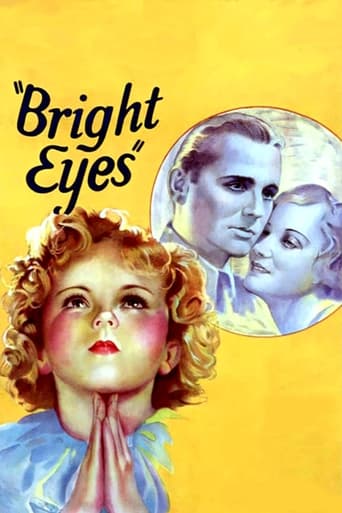
6.7An orphaned girl is taken in by a snobbish family at the insistence of their rich, crotchety uncle, even as her devoted aviator godfather fights for custody.
Bright Eyes
1934
 5.3
5.3President Franklin Roosevelt appoints a theatrical producer as the new Secretary of Amusement in order to cheer up an American public still suffering through the Depression. The new secretary soon runs afoul of political lobbyists out to destroy his department.
Stand Up and Cheer!
1934
 6.0
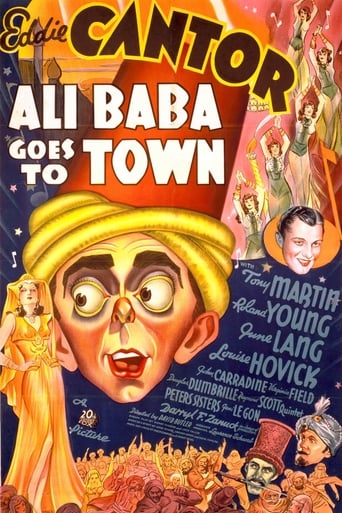
6.0While visiting Hollywood a starstruck movie fan (Eddie Cantor) fantasizes about himself cast in an Arabian adventure. Director David Butler's comedy--with many songs--also features Tony Martin, Roland Young, Gypsy Rose Lee (billed as Rose Hovick), John Carradine, June Lang, Virginia Field, Charles Lane, The Peters Sisters and many big-name guest stars playing themselves.
Ali Baba Goes to Town
1937
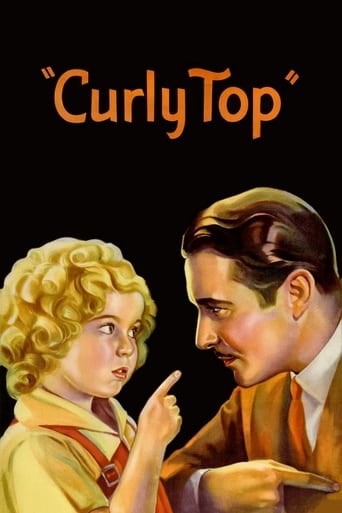 6.5
6.5Wealthy Edward Morgan becomes charmed with a curly-haired orphan and her pretty older sister Mary and arranges to adopt both under the alias of "Mr. Jones". As he spends more time with them, he soon finds himself falling in love with Mary.
Curly Top
1935
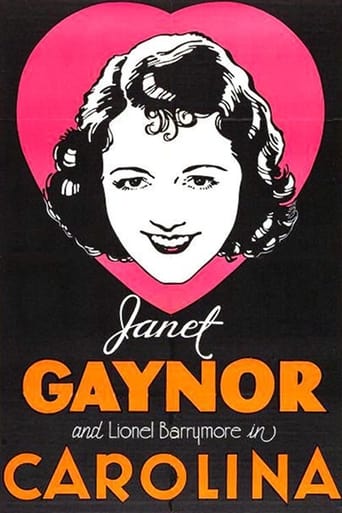 6.7
6.7During Civil War Reconstruction, the Connelly family is romantically restored to their former glory when Will Connelly marries a Yankee farm girl, Joanna Tate, despite the objects of his temperamental father Bob Connelly.
Carolina
1934
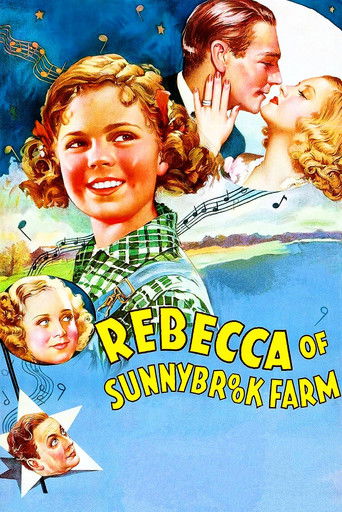 6.8
6.8Rebecca's Uncle Harry leaves her with Aunt Miranda who forbids her to associate with show people. But neighbor Anthony Kent is a talent scout who secretly set it up for her to broadcast.
Rebecca of Sunnybrook Farm
1938
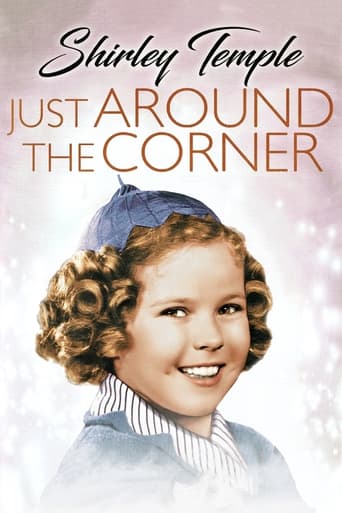 5.8
5.8Penny helps her idealistic architect father get his dream of a slum clearance project; The little miss dances with Corporal Jones.
Just Around the Corner
1938
 5.7
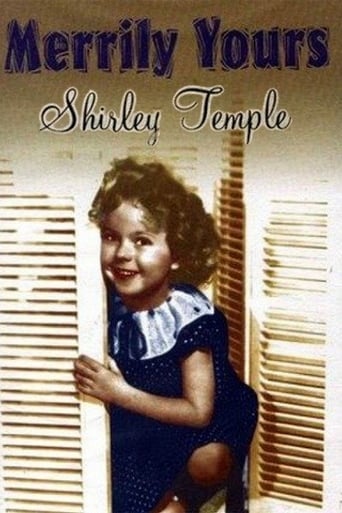
5.7Sonny falls for the pretty new girl next door and decides to take her to a part. First, however, he has to get his sister Mary Lou to go to sleep, which is proving to be a harder task than he anticipated.
Merrily Yours
1933
 6.6
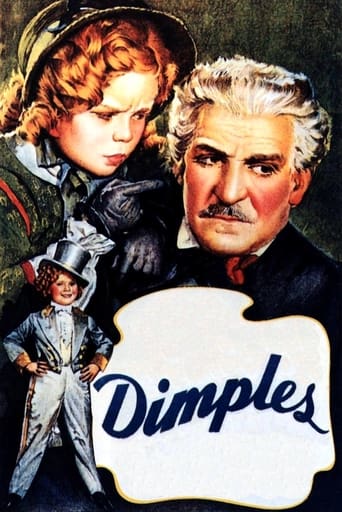
6.6Dimples Appleby lives with her pick-pocket grandfather in 19th century New York City. She entertains the crowds while he works his racket. A rich lady makes it possible for the girl to go legit.
Dimples
1936
 4.6
4.6Shirley acts as a rich "gold digger" trying to elect a cowboy politician to the office.
Polly Tix in Washington
1933
 6.7
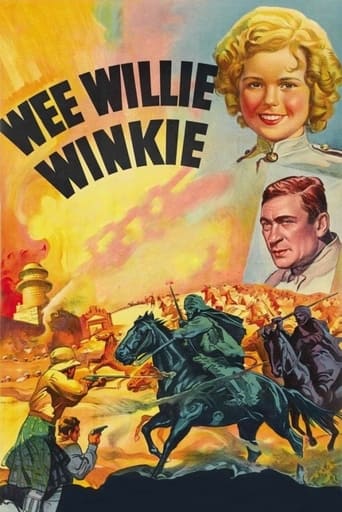
6.7In 1897, little Priscilla Williams, along with her widowed mother, goes to live with her army colonel paternal grandfather on the British outpost he commands in northern India.
Wee Willie Winkie
1937
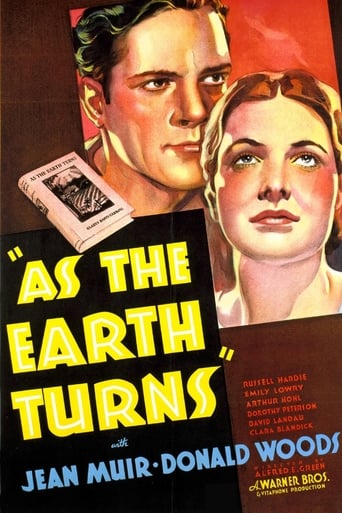 5.6
5.6Love happens between the son of Polish immigrants settled in Maine and the daughter of a neighboring farm family.
As the Earth Turns
1934
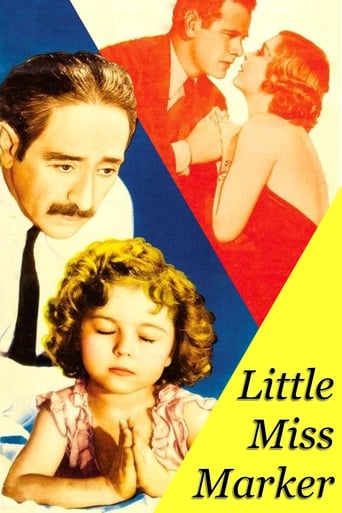 6.5
6.5Big Steve Halloway, gambler and proprietor of New York's Horseshoe Cabaret, is in desperate need of money. He arranges for his fellow bookies, especially Sorrowful Jones, to each pay him $1,000 for his racehorse, Dream Prince, to lose. With all bets being placed at the window, Sorrowful encounters a gambler, having lost $500, wanting to place his bet but unable to come up with $20. Instead, he places his little girl, Marthy Jane, as security, or in bookie's terms a "marker". "Marky", as she comes to be known, winds up under the care of Sorrowful Jones and his lady friend, singer Bangles Carson.
Little Miss Marker
1934
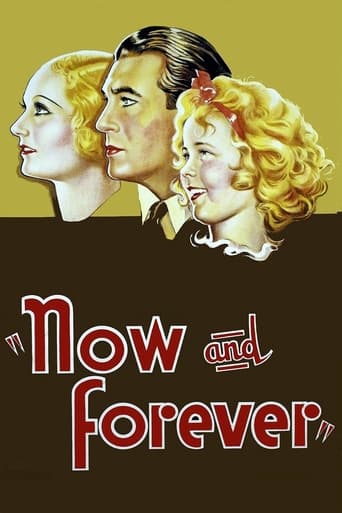 6.8
6.8Freewheeling wanderer Jerry Day and his beautiful wife Toni are at odds over their lifestyle. Jerry can't accept responsibility, but Toni yearns for a family and a settled life. Then the Days 'rediscover' Jerry's young daughter Pennie, who has been living with his rich deceased wife's family. Pennie appears to be just what Jerry needs to mend his swindling ways and lead a straight life. Then a corruptible influence enters his life.
Now and Forever
1934
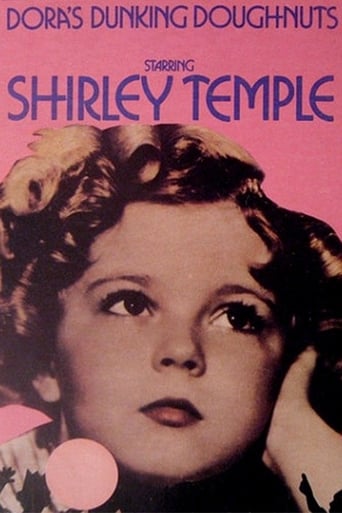 5.2
5.2A schoolteacher helps his friend Dora by getting his students to help him to make a radio commercial.
Dora's Dunking Doughnuts
1933
Series credits
5.8The Mike Douglas Show is an American daytime television talk show hosted by Mike Douglas that originally aired only in the Cleveland area during much of its first two years on the air. It then went into syndication in 1963 and remained on television until 1982. It was distributed by Westinghouse Broadcasting and for much of its run, originated from studios of two of the company's TV stations in Cleveland and Philadelphia.
The Mike Douglas Show
1961
5.8The Mike Douglas Show is an American daytime television talk show hosted by Mike Douglas that originally aired only in the Cleveland area during much of its first two years on the air. It then went into syndication in 1963 and remained on television until 1982. It was distributed by Westinghouse Broadcasting and for much of its run, originated from studios of two of the company's TV stations in Cleveland and Philadelphia.
The Mike Douglas Show
1961
6.8The Dick Cavett Show has been the title of several talk shows hosted by Dick Cavett on various television networks.
The Dick Cavett Show
1968
5.6Chat show hosted by Terry Wogan, featuring live studio interviews with famous and notable personalities.
Wogan
1982
7.1An annual American awards ceremony honoring cinematic achievements in the film industry. The various category winners are awarded a copy of a statuette, officially the Academy Award of Merit, that is better known by its nickname Oscar.
The Oscars
1953
6.8The Ed Sullivan Show is an American TV variety show that originally ran on CBS from Sunday June 20, 1948 to Sunday June 6, 1971, and was hosted by New York entertainment columnist Ed Sullivan. It was replaced in September 1971 by the CBS Sunday Night Movie, which ran only one season and was eventually replaced by other shows. In 2002, The Ed Sullivan Show was ranked #15 on TV Guide's 50 Greatest TV Shows of All Time.
The Ed Sullivan Show
1948
6.4The Dinah Shore Chevy Show is an American variety series hosted by Dinah Shore, and broadcast on NBC from October 1956 to June 1963. The series was sponsored by the Chevrolet Motor Division of General Motors and its theme song, sung by Shore, was "See the U.S.A. in Your Chevrolet", which continued to be used in Chevrolet advertising for several more years after the cancellation of the show.
The Dinah Shore Chevy Show
1956
 7.4
7.4The Kennedy Center Honors is an annual honor given to those in the performing arts for their lifetime of contributions to American culture.
The Kennedy Center Honors
1978
 6.0
6.0One of awards season's premier events, the Actor Awards annually celebrates the outstanding motion picture and television performances of the year, as voted on by SAG-AFTRA's robust and diverse membership of 122,000+ performers.
The Actor Awards Presented by SAG-AFTRA
1995
 6.5
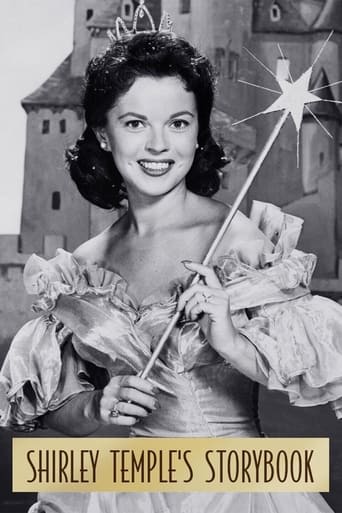
6.5Shirley Temple's Storybook is an American children's anthology series hosted and narrated by actress Shirley Temple. The series features adaptations of fairy tales like Mother Goose and other family-oriented stories performed by well-known actors, although one episode, an adaptation of The House of the Seven Gables, was meant for older youngsters. Temple's three children made their acting debuts in the last episode of the first season, "Mother Goose".
Shirley Temple's Storybook
1958
6.5Shirley Temple's Storybook is an American children's anthology series hosted and narrated by actress Shirley Temple. The series features adaptations of fairy tales like Mother Goose and other family-oriented stories performed by well-known actors, although one episode, an adaptation of The House of the Seven Gables, was meant for older youngsters. Temple's three children made their acting debuts in the last episode of the first season, "Mother Goose".
Shirley Temple's Storybook
1958
6.5Shirley Temple's Storybook is an American children's anthology series hosted and narrated by actress Shirley Temple. The series features adaptations of fairy tales like Mother Goose and other family-oriented stories performed by well-known actors, although one episode, an adaptation of The House of the Seven Gables, was meant for older youngsters. Temple's three children made their acting debuts in the last episode of the first season, "Mother Goose".
Shirley Temple's Storybook
1958
6.5Shirley Temple's Storybook is an American children's anthology series hosted and narrated by actress Shirley Temple. The series features adaptations of fairy tales like Mother Goose and other family-oriented stories performed by well-known actors, although one episode, an adaptation of The House of the Seven Gables, was meant for older youngsters. Temple's three children made their acting debuts in the last episode of the first season, "Mother Goose".
Shirley Temple's Storybook
1958
6.5Shirley Temple's Storybook is an American children's anthology series hosted and narrated by actress Shirley Temple. The series features adaptations of fairy tales like Mother Goose and other family-oriented stories performed by well-known actors, although one episode, an adaptation of The House of the Seven Gables, was meant for older youngsters. Temple's three children made their acting debuts in the last episode of the first season, "Mother Goose".
Shirley Temple's Storybook
1958
6.5Shirley Temple's Storybook is an American children's anthology series hosted and narrated by actress Shirley Temple. The series features adaptations of fairy tales like Mother Goose and other family-oriented stories performed by well-known actors, although one episode, an adaptation of The House of the Seven Gables, was meant for older youngsters. Temple's three children made their acting debuts in the last episode of the first season, "Mother Goose".
Shirley Temple's Storybook
1958
6.5Shirley Temple's Storybook is an American children's anthology series hosted and narrated by actress Shirley Temple. The series features adaptations of fairy tales like Mother Goose and other family-oriented stories performed by well-known actors, although one episode, an adaptation of The House of the Seven Gables, was meant for older youngsters. Temple's three children made their acting debuts in the last episode of the first season, "Mother Goose".
Shirley Temple's Storybook
1958
V.I.P.-Schaukel is a 45 minute documentary-family-news-talk show starring Margret Dünser as Host. The series premiered on Sun May 09, 1971 on ZDF and Folge 37 - Final Show last aired on Fri May 09, 1980.
V.I.P. Schaukel
1971
 NR
NRHe was a pioneering artist and cultural icon and his work is a history of 20th-century America. A country reinventing itself as seen through an artist's eye. 3 part documentary looking at 20th century America through the life of Warhol.
Andy Warhol's America
2022