

Acting
Ken Ogata
Born — Died
1937-07-20 — 2008-10-05
Place of birth
Tokyo, Tokyo Prefecture, Japan
Known for
Acting
Credits
85 titles
Ken Ogata (緒形 拳 Ogata Ken, 20 July 1937-5 October 2008) was a Japanese actor. Ogata was born in Tokyo, Japan. Ogata is well known for his roles in Peter Greenaway's The Pillow Book, Paul Schrader's Mishima: A Life in Four Chapters and Shohei Imamura's The Ballad of Narayama. He won the award for best actor at the 26th Blue Ribbon Awards for Okinawan Boys. In television, his starring role as Toyotomi Hideyoshi in the 1965 NHK Taiga drama Taikōki catapulted him to fame. Ken went on to many prominent roles in subsequent programs. The following year, he portrayed Benkei in Minamoto no Yoshitsune. The network tapped him again for the role of Fujiwara no Sumitomo in the 1976 Kaze to Kumo to Niji…
Known for
 8.5
8.5SMAP×SMAP was an ongoing weekly Japanese variety show on Kansai TV and Fuji TV starring the members of SMAP. The show began on April 15, 1996 and it aired from 22:00 to 22:54 every Monday. The show's usual ratings were higher than 20%, which is considered high since most variety shows range from 10-20%. Each episode begins a variety of skits, comedic performances, and/or games. These are followed by Bistro SMAP, in which the SMAP members compete against each other to impress celebrity judges with their gourmet cooking. Last is a musical performance by SMAP which may include celebrity guests, as well.
SMAP×SMAP
1996
 8.8
8.8Furuhata Ninzaburō is a Japanese television series that ran periodically on Fuji Television from 1994 until its final episodes in 2006. It was written by Japanese playwright Kōki Mitani and is often referred to as the Japanese version of Columbo. The series is a police detective drama starring actor Masakazu Tamura as Furuhata Ninzaburo and Masahiko Nishimura as his stereotypically bumbling sidekick, Shintaro Imaizumi. The program aired weekly and featured a guest villain each time, usually a famous talent in Japan. Pop-stars like SMAP, television hosts like Sanma Akashiya and even sports figures like Ichiro Suzuki have been featured on this program. It was one of the most popular television dramas in the history of Japanese television, having spawned several seasons and TV specials.
Furuhata Ninzaburo
1994
 8.0
8.0A shikakenin was an under-the-cover trade that undertook killing in Edo. Hanemon of Otowa, an agency that introduced laborers and maids, was also one of these. Katsugoro Iseya was a timber dealer who had come in as a client. His target was the constructions magistrate Hanno, and the Tatsumiya who sipped on the benefits. Hanemon who had a stong code towards killing, where he would only kill those who do no good to be in the world, accepts this request. Baian Fujieda, a needle doctor would carry out the killing. However, the professional killer Baian fails to bring down Tatsumiya. Hanemon then looks to another shikakenin, the ronin Sanai Nishimura for the role. Although Sanai's ability with the sword is good, he lives poorly in a tenement, and accepts this commission on the condition that it is kept a secret from his wife and child. Here, they close in on Hanno and Tatsumiya again...
Professional Killers
1972
 NR
NRNo synopsis available yet.
Toge no Gunzo
1982
 NR
NRBased on the life of Hideyoshi Toyotomi (February 2, 1537 – September 18, 1598) a Sengoku period daimyo who unified Japan.
Taikouki
1965
 NR
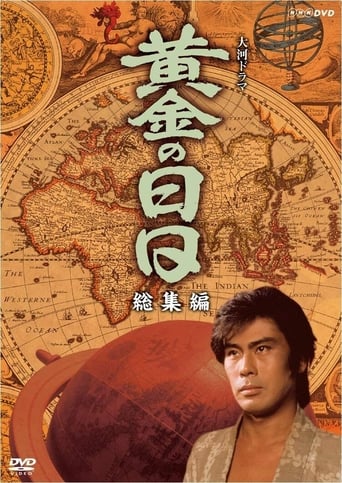
NRLuzon Sukezaemon is a merchant who imports vases from the Philippines. The vases are highly valued as tea utensils and he makes a huge profit. This was the first taiga drama to concentrate on the lives of commoners and the reviled merchant class of the Tokugawa period. It documents the rise and fall of the merchant city of Sakai, as seen by its most famous resident, the semilegendary Luzon.
Ōgon no Hibi
1978
Film credits
2000s · 13 titles
 7.4
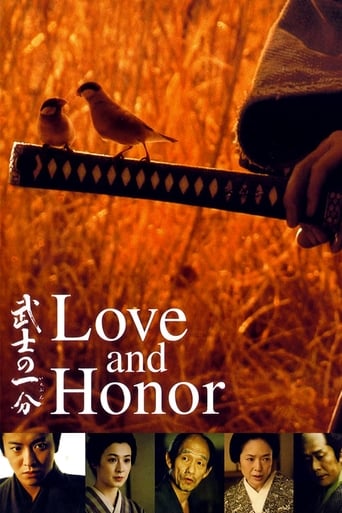
7.4A look at the relationship between a young blind samurai and his wife, who will make a sacrifice in order to defend her husband's honor.
Love and Honor
2006
 6.4
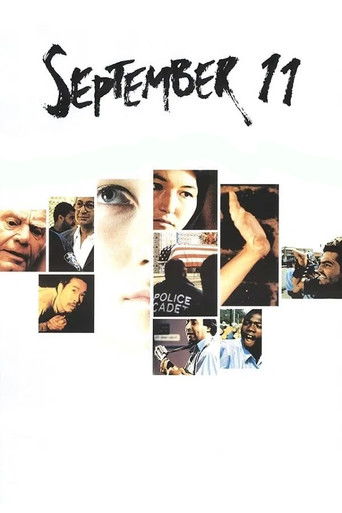
6.4Eleven directors from eleven countries each contribute an eleven-minute short reflecting on the events of 11 September 2001: A village teacher in Iran tries to explain to her young students what's happened; city kids in Burkina Faso think they've spotted Osama bin Laden; a deaf Frenchwoman in Manhattan writes a Dear John letter to a man who left that morning for work at the World Trade Center; a Chilean remembers Allende; events recall other deaths; a mother endures more than her son's death. Tones vary, as do the locales. Most concern coming to terms with the events of the day, but at least one confronts the viewer with tragedy and death.
September 11
2002
 6.9
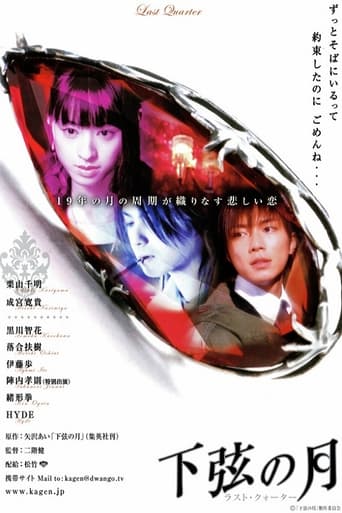
6.9Do you believe in love after death? On the eve of her 19th birthday, Mizuki (Kuriyama) doesn't have a lot to celebrate about. Her mother recently committed suicide, her stepfamily bothers her, her boyfriend has been cheating on her and her best friend has betrayed her. Hurt and disillusioned, Mizuki runs from everything and is drawn by some unknown force to a dilapidated estate. Deep within the house Mizuki discovers the mysterious Adam (Hyde), playing a hauntingly familiar melody on the guitar. Melancholy and full of secrets, it seems that Adam, and the house, have a strange, irresistible link to Mizuki. Can Mizuki's boyfriend and a couple of well-meaning schoolchildren uncover the secret of what happened 19 years ago and free Mizuki before the last quarter of the moon falls?
Last Quarter
2004
 6.1
6.1A celebration of the ancient art of Japanese rakugo, roughly translated as “comic storytelling”. The film is interspersed with numerous funerals and wakes, songs, dances, and often disgustingly crude jokes.
A Hardest Night!!
2005
 6.0
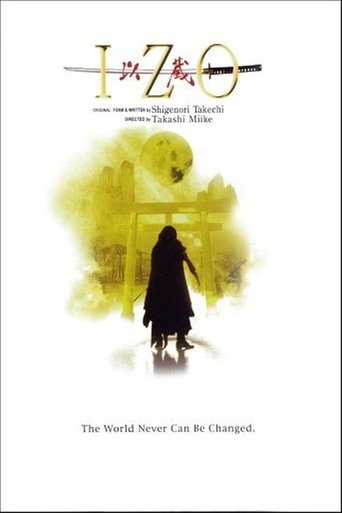
6.0Izo is an assassin in the service of a Tosa lord and Imperial supporter. After killing dozens of the Shogun's men, Izo is captured and crucified. Instead of being extinguished, his rage propels him through the space-time continuum to present-day Tokyo. Here Izo transforms himself into a new, improved killing machine.
Izo
2004
 5.1
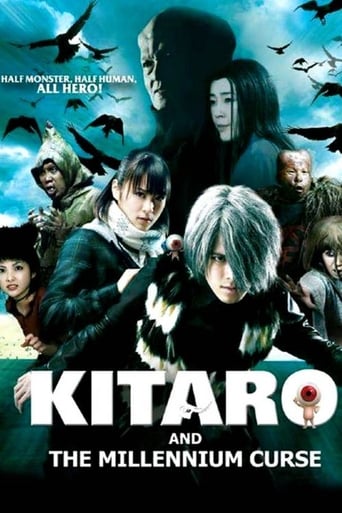
5.1Young women disappear one after another in drizzling rain. They all hear the “cursed song” of the Cage Song before they vanish into thin air. Kitaro and his friends investigate these mysterious cases when they meet Kaede Hiramoto, a high school girl who finds herself involved in this mystery. With the help from the librarian of Yokai Library, they find out that the curse was caused by an evil Yokai that was released from 1,000 years of sealing. To save Kaede, they are to gather the 5 ancient musical instruments and perform the ritual to seal the evil Yokai again, which has to be done within 48 hours!
Kitaro and the Millennium Curse
2008
 7.8
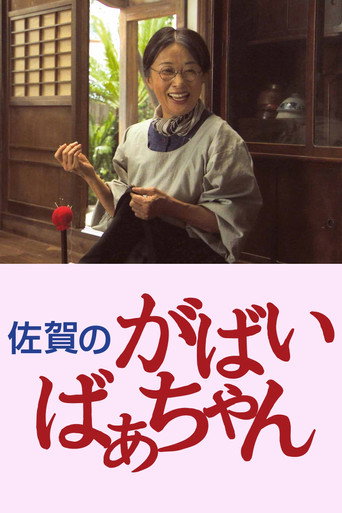
7.8Gabai Granny is based on the bestseller Saga No Gabai Baachan (Gabai Granny from Saga), which is penned by comedian Shimada Yoshichi as he recounts his childhood memories of growing up under the care of his grandmother.
Granny Gabai
2006
 6.9
6.9A lonely retired girl's High School Principal who's lost his wife to alcoholism moves to an old apartment in a country town. There he forms a relationship with a neglected little neighborhood girl.
A Long Walk
2006
 10.0
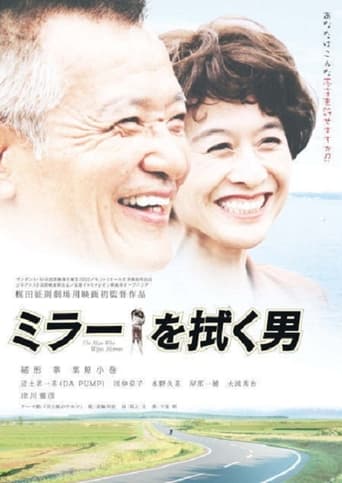
10.0Tsutomu Minagawa is set to retire; the organized business life, a perfectly normal family living in a two-story house with a garage, the once unstoppable routine is about to close down forever. However, Tsutomu's last day changes him forever, as a car accident leads to his new purpose and sets him on a mission to clean every traffic mirror in Japan in order to save lives.
The Man Who Wipes Mirrors
2003
 6.1
6.1A young-at-heart widower leads an independent life in a quiet fishing town in northern Japan. He eases his loneliness by walking in the snow and studying the growth of fish at a breeding center.
Man Walking on Snow
2002
 7.5
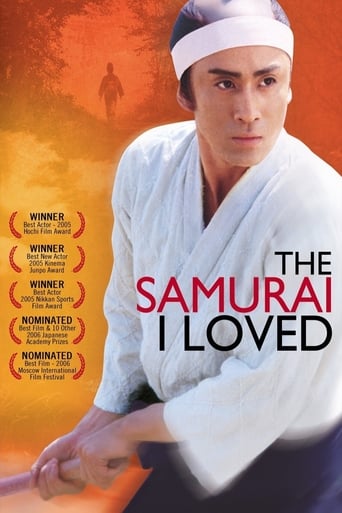
7.5A young samurai stuck at the bottom of the hierarchical order attempts to rescue his childhood sweetheart from an evil clan lord after learning of a plot to kill her and her infant child. Bunshiro Maki is a skilled swordfighter who's lethal with a blade, yet still can't rise through the ranks of the system. After his father is accused of plotting against his clan and forced to commit ritual suicide, his longtime love Fuku is sent to Edo to become the clan lord's concubine. A few years later, Fuku has bore the clan lord a son. When Maki learns that the clan has hatched a plan to kill Fuku and her son to secure succession to the throne, he recruits two childhood friends to help thwart the diabolical plot.
The Samurai I Loved
2005
 7.4
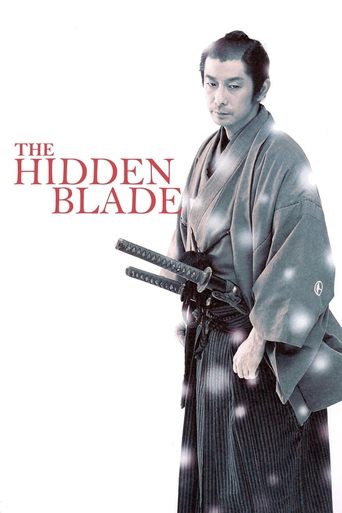
7.4Set in 19th Century Japan a young samurai who finds himself in love with a farm girl leaves his home to begin a new life. He has to take stock of his new life when he is put to the test and ordered to kill a traitor who just happens to be his dearest friend.
The Hidden Blade
2004
 NR
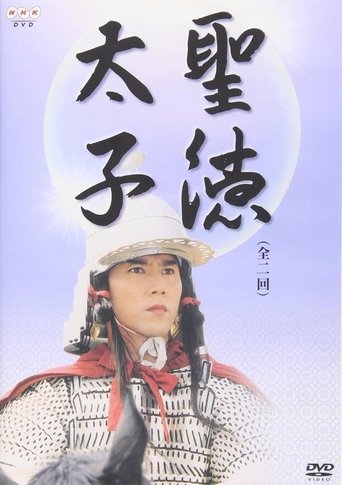
NRIn the late 6th century, the leaders of the Yamato Dynasty had no clear plan for the creation of a unified state. Battles still raged among various warrior clans. Prince Shotoku, second son of Emperor Yomei, strived to create a new nation out of this chaos. NHK captures this great man from a time in history rarely depicted on screen, in a story of epic proportions.
Prince Shōtoku
2001
1990s · 11 titles
 6.3
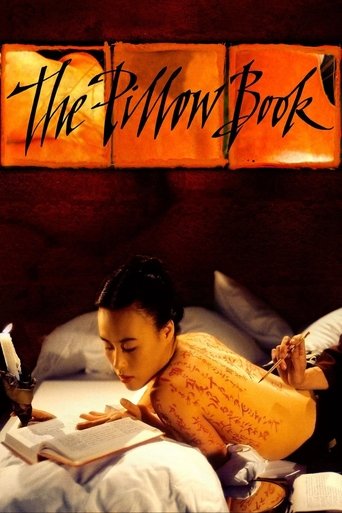
6.3Nagito has a fetish for calligraphy on the human body and meets her ideal soulmate Jerome, an English translator sent to Japan. However, once Nagiko's father's gay publisher rejoins the scene, the story is overtaken by treachery and bloodlust.
The Pillow Book
1995
 5.9
5.9Rin Jyoshima lost her father to death-by-gambling; years later, she's grown up in the Kosugi household and has fallen victim to gambling herself.
Heat Wave
1991
 6.3
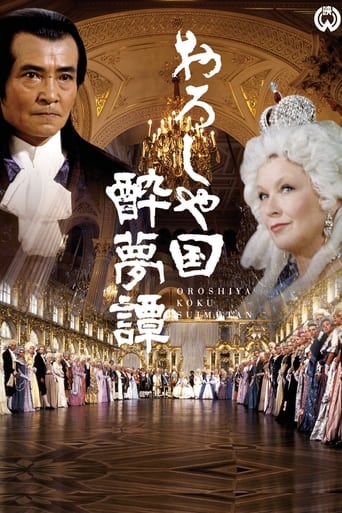
6.3Sumptuous filming of the journey of a shipwrecked Japanese expedition from the Pacific Ocean across Siberia to the court of Catherine the Great of Russia. A Russo-Japanese co-production of a unique event in history which was the hit of Cannes and other film festivals but did not receive wide distribution despite its huge scope, high production values, and very human story of culture clash.
The Dream of Russia
1992
 7.7
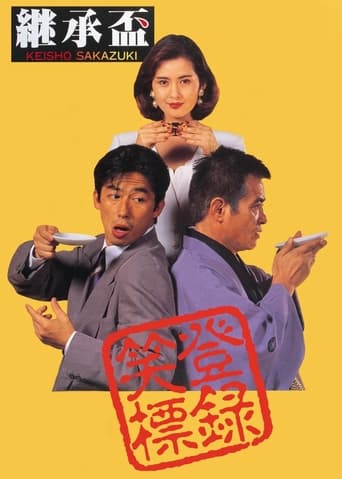
7.7A bumbling stockbroker-turned-yakuza is tasked with ensuring that an alcoholic boss is up to the task of arbitrating his syndicate's succession ceremony.
Succession
1992
 6.7
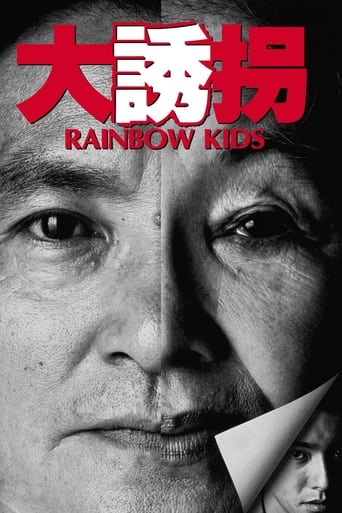
6.7A wealthy matriarch is kidnapped by a gang of three. She is insulted by the amount of money they propose to demand as ransom, and a strange interchange of roles takes place.
Rainbow Kids
1991
 7.0
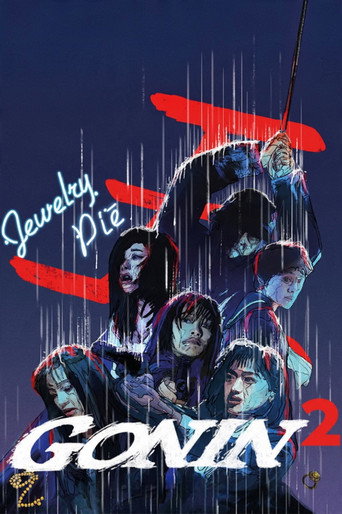
7.0Five women snatch one billion yen in jewellery from the yakuza, while construction manager Toyama burns for revenge against the mobsters who raped and caused the death of his wife. Before long, the yakuza and Toyama arrive at the women's hideout.
Gonin 2
1996
 6.7
6.7A hospital accidentally gives a man Count Dracula's blood while trying to save his life. A year later, he's back from the dead, trying to right the wrongs of his life while trying to resist the urge to become a vampire.
My Soul Is Slashed
1991
 NR
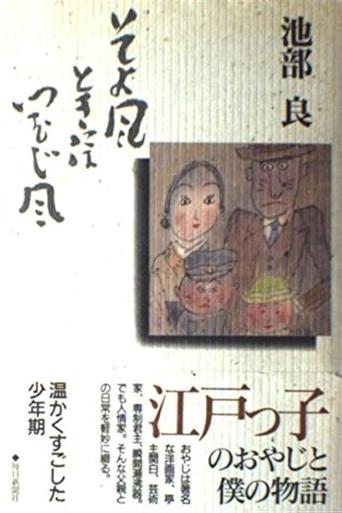
NRA dramatization of veteran actor Ryo Ikebe's essay of the same name about his parents' eccentric marriage.
Soyokaze Toki ni wa Tsumujikaze
1992
 NR
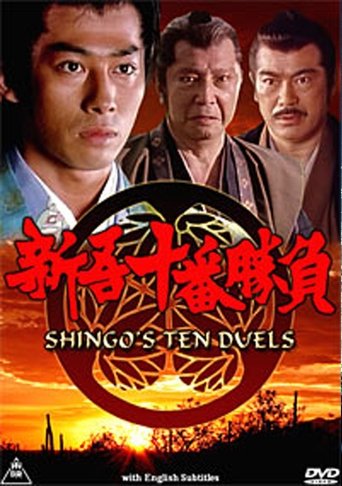
NRThe classic tale of the shogun's illegitimate son Aoi Shingo is told in three parts as he strives to become the greatest fencer in Japan, while his father Shogun Tokugawa Yoshimune seeks to reunite with his lost son. When the secrets of Shingo's birth are revealed to him, it sets off a series of events that bring him to cross swords with members of the shogun's inner circle in a series of duels that could change the destiny of Japan.
Shingo's Ten Duels
1990
 6.0
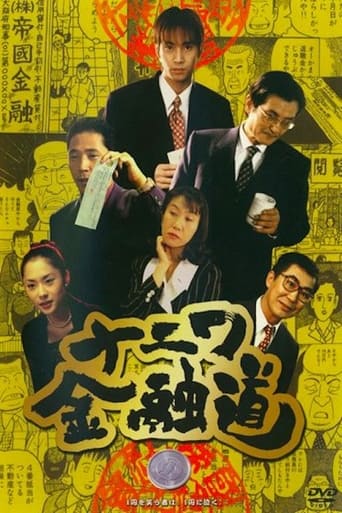
6.0A special drama starring Masahiro Nakai of SMAP, which was aired on Fuji TV six times from 1996 to 2005. The original is a comic of the same name by Yuji Aoki. The script was written by Ryoichi Kimizuka of "Bayside Shakedown", and it is a comical and fast-paced work. Tatsuyuki Haibara (Masahiro Nakai), a young man who joined Naniwa's financial company, Imperial Finance, is "the best financial company in Osaka" while witnessing the sadness, thickness, and warmth of human beings who are at the mercy of money. It is impressive to follow the figure of aiming for. By arranging attractive female guests, themes that tend to be raw, such as debt and debt collection, can be made to look friendly and gorgeous. His senior who leads Haibara, Kuwata (Kaoru Kobayashi), and other astringent men are also a must-see.
The Way of Osaka Financing 1
1996
No synopsis available yet.
Autumn Blossoms
1999
1980s · 27 titles
 7.5
7.5In a small village in a valley everyone who reaches the age of 70 must leave the village and go to a certain mountain top to die. If anyone should refuse they would disgrace their family. Old Orin is 69. This winter it is her turn to go to the mountain. But first she must make sure that her eldest son Tatsuhei finds a wife.
The Ballad of Narayama
1983
 6.3
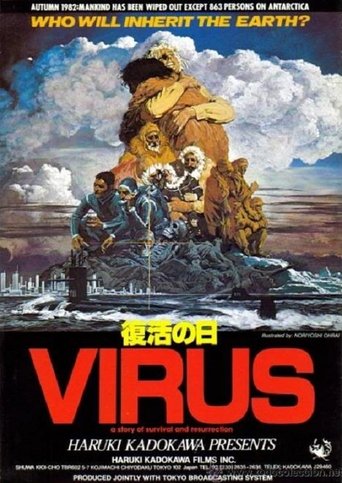
6.3Scientists in Antarctica desperately try to find a cure to a military virus that was released in a plane crash and has wiped out the rest of the world.
Virus
1980
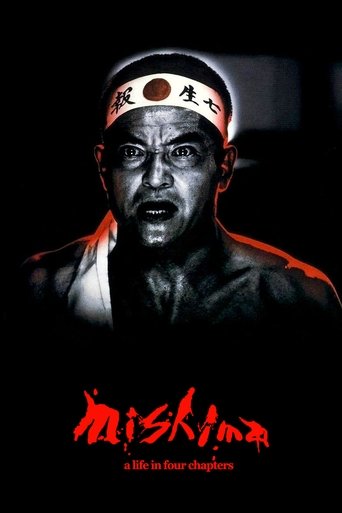 7.8
7.8A fictional account of the life of Japanese author Yukio Mishima, combining dramatizations of three of his novels and a depiction of the events of November 25th, 1970.
Mishima: A Life in Four Chapters
1985
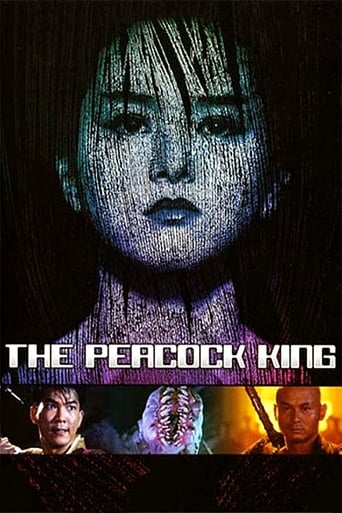 6.1
6.1Coerced by the evil Witch Raga, Ashura, the Hell Virgin, attempts to unlock the four Earth holes that lead to the Gates of Hell. Together, Raga aims to control the Earth. However, two monks skilful in magical powers set off on a journey to the cities to obstruct Ashura from unlocking the gates and stop Raga. Otherwise, not only will control of the Earth be at stake, but the King of Hell will resurrect and darkness will overcome the world.
The Peacock King
1988
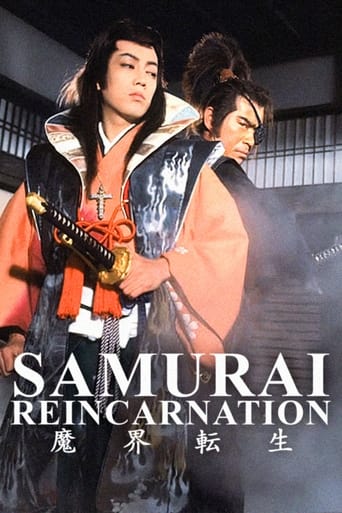 5.9
5.9After surviving the slaughter of many Christians 350 years ago, a samurai denounces God for ignoring the pleas of believers. He sells his soul to Satan and receives the power to resurrect the dead to join him in a murderous rampage.
Samurai Reincarnation
1981
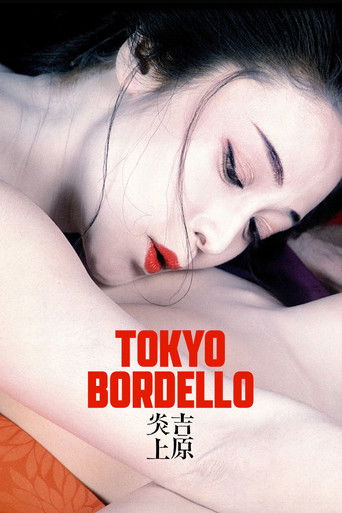 5.6
5.6A ruined businessman was forced to sell his daughter, Hisano, to a brothel in Yoshiwara, the largest red-light district in Tokyo. The owner of the brothel has hopes to make her a great new addition which will attract the richest of customers. But after several months of training, she tries to flee Yoshiwara when the time has come for her to take her first customer...
Tokyo Bordello
1987
 4.5
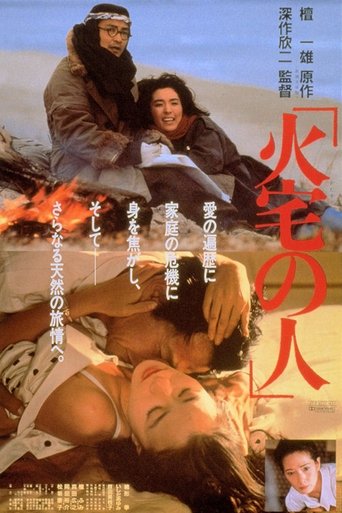
4.5In the 50s, the complicated life of a popular writer who must share his life with his family, his numerous mistresses and his work
House on Fire
1986
 6.4
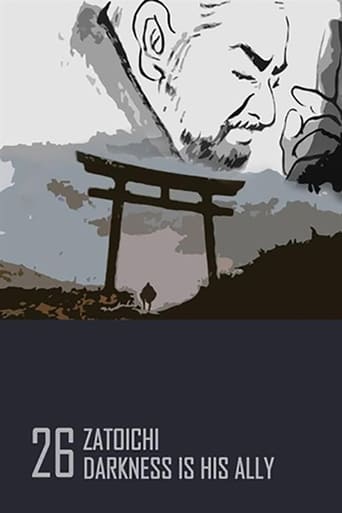
6.4Older, wiser but still a wandering loner, the blind, peace-loving masseur Ichi seeks a peaceful life in a rural village. When he's caught in the middle of a power struggle between two rival Yakuza clans, his reputation as a deadly defender of the innocent is put to the ultimate test in a series of sword-slashing showdowns.
Zatoichi: Darkness Is His Ally
1989
 6.9
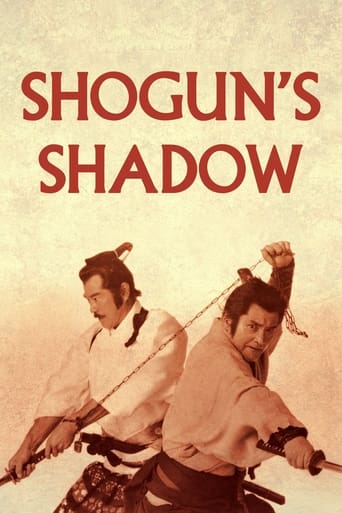
6.9A shogun's eldest son must do whatever it takes to survive a series of attempts on his life. He receives much-needed aid from seven warriors who are led by a strong leader.
Shogun's Shadow
1989
 5.9
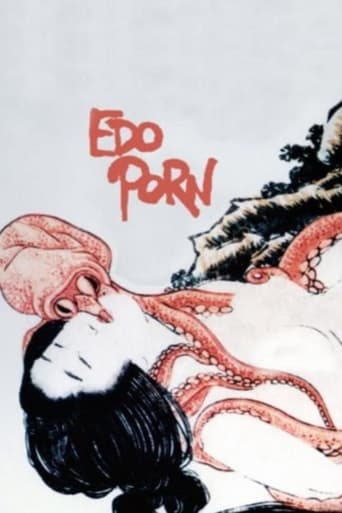
5.9The world-famous woodblock artist Hokusai (1760-1849), a widower in need of a steady income, lives with his daughter Oei in the house of his friend Bakin.
Edo Porn
1981
 5.6
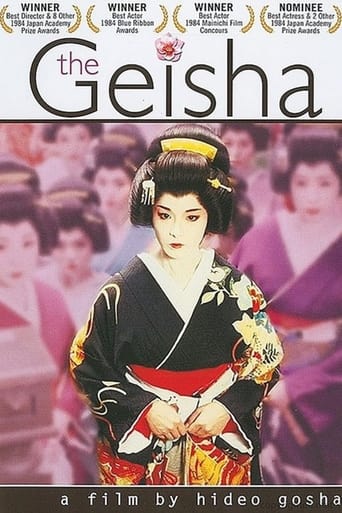
5.6Yokiro was the most successful Geisha house in Western Japan during the first half of the 20th century and remains open to this day. At its peak, it was home to over 200 geisha, however behind the fabulous facade, there were many battles - between family members, men and women, and with the Yakuza. Momokawa was sold to Yokiro at age 12, and despite being the top geisha, her many complicated relationships provide unending challenges throughout her glamorous but turbulent life.
The Geisha
1983
 6.2
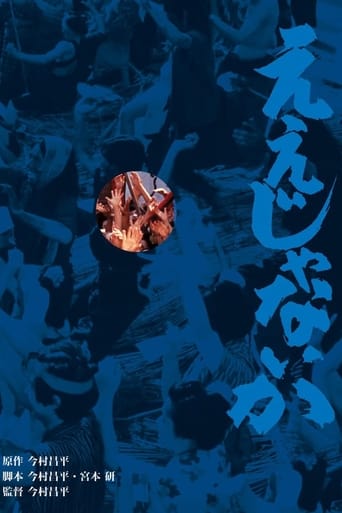
6.2The film depicts carnivalesque atmosphere summed up by the cry "Ei ja nai ka" ("Why not?") in Japan in 1867 and 1868 in the days leading to the Meiji Restoration. It examines the effects of the political and social upheaval of the time, and culminates in a revelrous march on the Tokyo Imperial Palace, which turns into a massacre. Characteristically, Imamura focuses not on the leaders of the country, but on characters in the lower classes and on the fringes of society.
Eijanaika
1981
 6.4
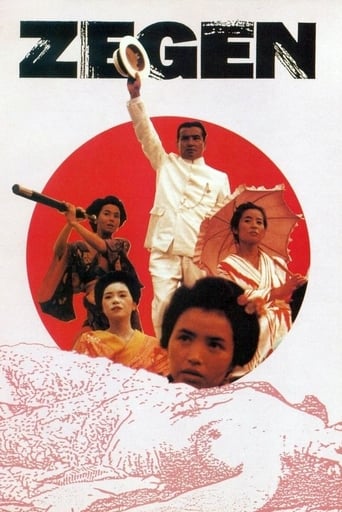
6.4At the time between the World Wars, Japan is involved in empire-building throughout East and Southeast Asia. After a brief career as a low-level military adventurer, Iheiji sets up chains of brothels throughout Asia. As Japan's power in the region grows, so does Iheiji's prosperity and patriotism.
Zegen
1987
 5.7
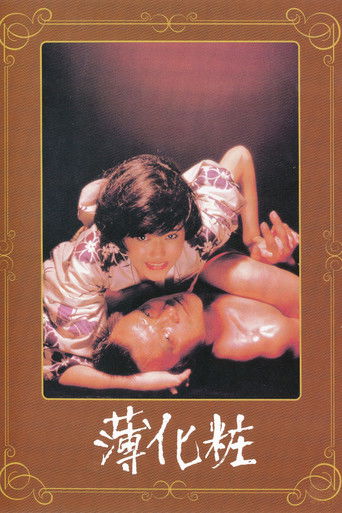
5.7When a fugitive begins a romance with the woman hiding him from the law, it becomes uncertain whether he will ever escape the shadow of his heinous crimes--or the detectives hot on his trail.
Tracked
1985
 6.6
6.6A fierce succession battle ignites at a newspaper company when the president passes away.
Company Executives
1989
 5.6
5.6Drama about the difficult relationship between a former wrestler, his wife and their adopted children.
Oar
1985
 6.7
6.7A young man tries to overcome the hostility of his girlfriend's father, a tuna fisherman, by getting the father to teach him the trade's secrets.
The Catch
1983
 6.0
6.0In a night painted with raw, incendiary desire, the story follows Shuhei as he slips from a morbid funeral into a world pulsing with illicit passions. At the seductive bar "EDEN," sultry whispers and heady intoxication set the stage for heated encounters—moments charged with forbidden attraction. An awkward, yet intensely charged reunion with his estranged brother in a steamy hotel room sparks a domino effect of erotic interludes, igniting wild nights at a pulsating disco and secret rendezvous at a coastal villa. Here, simmering rivalries and envious longings flare into explosive encounters, culminating in a searing, tumultuous climax where the boundaries between lust and violence vanish in a frenzy of physical, unrestrained ecstasy.
Scars of the Sun
1981
 6.7
6.7A selfish playboy uses rich women to pay off his debts. Divorcing his wife and marrying the woman he loves throws him into a spiral of destruction.
The Wicked
1980
 NR
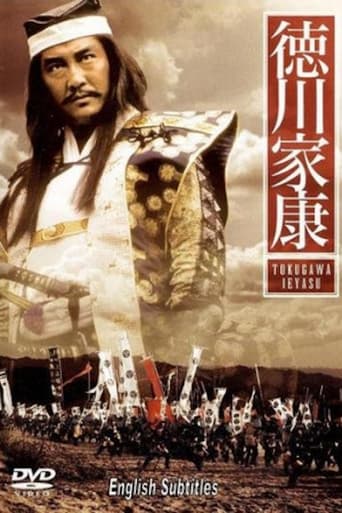
NRFrom his early days as Matsudaira Motoyasu through his rise to the most powerful man in Japan as Tokugawa Ieyasu, the first of the Tokugawa Shoguns, this is the story of the man who truly unified Japan under one ruler. Tokugawa Ieyasu is quoted as saying: “People carry burdens through life as they travel a long road. Never rush” “If you think of privation as normal, you’ll be contented. If you know only about winning and losing, harm may fall upon you. Being inferior is batter than being superior.” These writing reflected the beliefs and military strategy of Ieyasu, a man before his time who was destined to take over the entire country in order to ensure the safety of his children.
Tokugawa Ieyasu – TBS Warlord Special
1988
 7.5
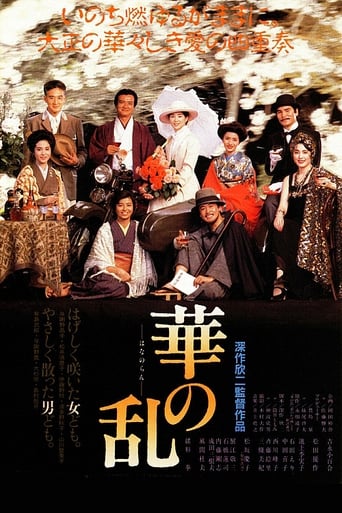
7.5Set in the Taisho era, Hana no ran is a story about fashionable people without impulse control. Much of the action centers on a popular woman writer, the real-life poet Akiko Yosano, and her experiences among the literati of early 20th century Japan. Because of her independent, anti-war and often erotic poetry, she was a lightning rod for revolutionaries and other extremists, many of whom were destined to glamorous, yet ultimately pointless, deaths.
A Chaos of Flowers
1988
 NR
NROne spring, Tasaka, an elementary school teacher, receives a new class of first graders. While taking the children's attendance, Tasaka is surprised to see a call girl he once had an encounter with standing among the parents in the back of the classroom. According to the school's files, her name is Yukako Sawada, and her child Eisaku has no legal father. The next day, Eisaku gives Tasaka a letter from Yukako asking to meet at the hotel where they first met, and Tasaka sets out with an uneasy feeling...
Jugyo Sankan no Onna
1984
 6.7
6.7Set on a quiet ranch in Hokkaido. One day, a colt is born from a legendary bloodline. It is given the name Oracion or "prayer". When Oracion is grown, a factory owner buys the horse. Will he be the key to solving the man's problems? Based on the novel by Teru Miyamoto.
Oración
1988
 6.5
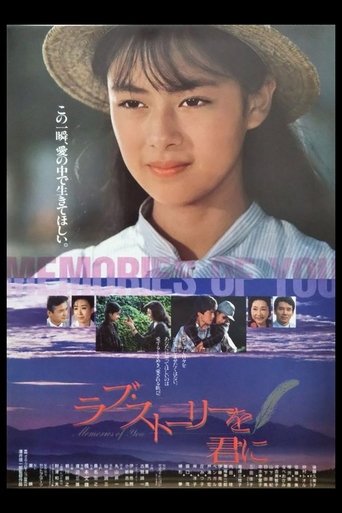
6.5A mother discovers that her 14-year-old daughter Yumi has leukemia and only six months to live. She decides to keep the information secret and pushes her past tutor Akira, now a university student, to reconnect with her.
Memories of You
1988
 6.4
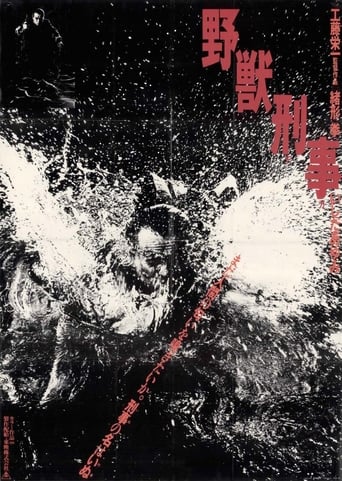
6.4Detective Seiji Otaki is determined to find the psychopathic killer of a young woman who was ostensibly a student but in reality a high-priced prostitute. Even though he has been taken off the case for beating up a suspect, he refuses to let it go and recruits his mistress to act as a decoy for the killer. Her involvement turns out to be a fatal mistake, and when her husband gets out of prison, Detective Otaki is in worse trouble than ever.
The Dropout
1982
 NR
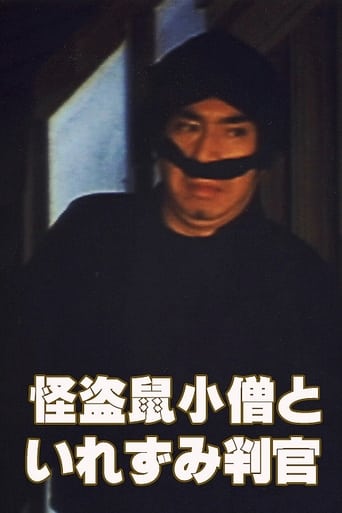
NRMagistrate Toyama no Kin-san is ordered to catch the phantom thief Nezumi Kozo, who is robbing daimyo and wealthy townspeople. Under the name of Nezumi Kozo, there is a small wholesaler Jiro. And once Toyama and Jiro, when they were young, were comrades who spent all their time gambling and having fun with women in the Yushima Tenjin area...
The Phantom Thief Nezumi Kozo and the Tattooed Judge
1981
 NR
NRA double suicide happens in Morioka in Iwate Prefecture. The two were employees of rival real estate companies. A prosecutor who senses a setup exposes the truth.
Ana
1984
1970s · 6 titles
 7.5
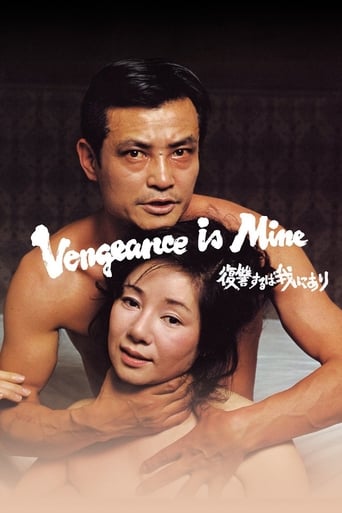
7.5A thief, a murderer, and a charming lady-killer, Iwao Enokizu is on the run from the police.
Vengeance Is Mine
1979
 7.3
7.3Two detectives are tasked to investigate the murder of an old man, found bludgeoned to death in a Tokyo rail yard.
The Castle of Sand
1974
 6.6
6.6When Sokichi stops providing his long-time lover Kikuyo enough money to pay for the care of their three young children, Kikuyo leaves the children with Sokichi - and his very surprised and angry wife Oume - and disappears.
The Demon
1978
 6.6
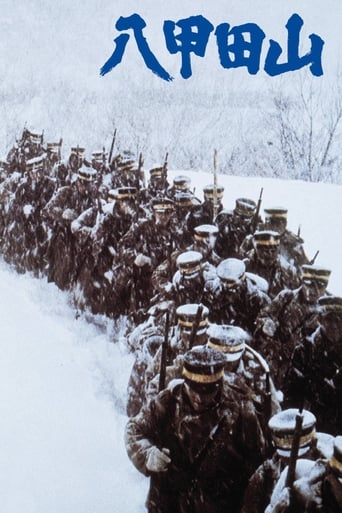
6.6Two infantry regiments of the Imperial Japanese Army—210 men overall—tackled Mt. Hakkoda in the winter of 1902 to prepare for war with Russia.
Mount Hakkoda
1977
 7.6
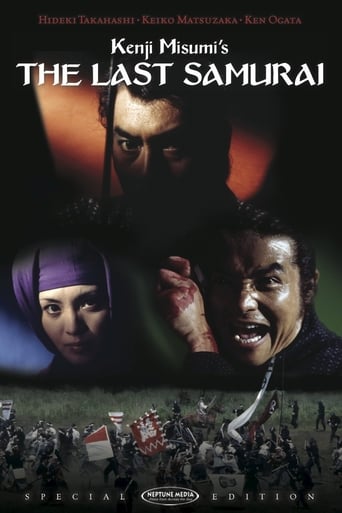
7.6The film follows the story of Sugi Toranosuke, a ronin, who returns to his home town of Edo many years after his attempted suicide as a sickly child. Rescued and adopted by a master swordsman, he has grown into a master swordsman and a very kind gentleman. The time is around 1868 the year that the nails were finally put into the coffin containing the feudal system that nurtured and sustained the samurai. Sugi is confused and unsure about what is happening but his teacher wants him out of the chaos of the multiple power struggles between the various clans.
The Last Samurai
1974
 10.0
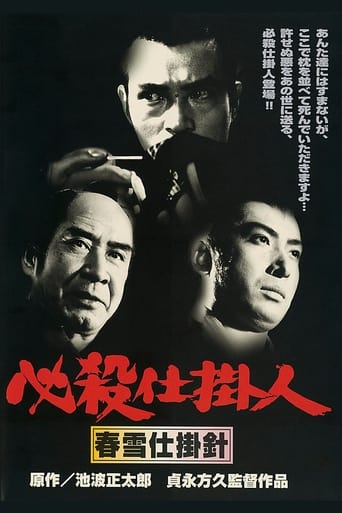
10.0Three assassins take on a band of thieves who specialize in murder.
Professional Killers – Assignment by Night
1974
1960s · 3 titles
 7.4
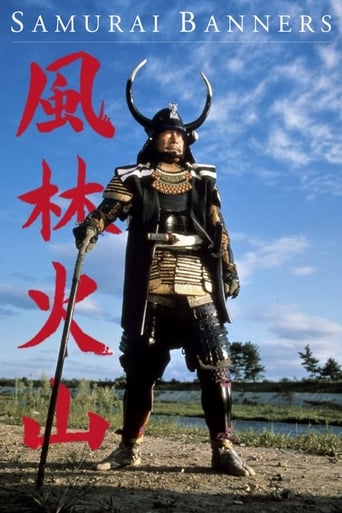
7.4Kansuke Yamamoto is a samurai who dreams of a country united, peaceful from sea to sea. He enters the service of Takeda, the lord of Kai domain. He convinces Takeda to kill the lord of neighboring Suwa and take his wife as a concubine. He then convinces the widow, Princess Yu, to accept this arrangement and to bear Takeda a son. He pledges them his life. He then spends years using treachery, poetic sensibility, military and political strategy to expand Takeda's realm, advance the claim of Yu's son as the heir, and prepare for an ultimate battle with the forces of Echigo. Has Kansuke overreached? Are his dreams, blinded by love, too big?
Samurai Banners
1969
 6.7
6.7On his return from school, young Ichiro finds his father in bed with his adopted sister, Namie. Enraged, he decides to outdo his father in terms of immoral behaviour.
The House of Wooden Blocks
1968
 8.0
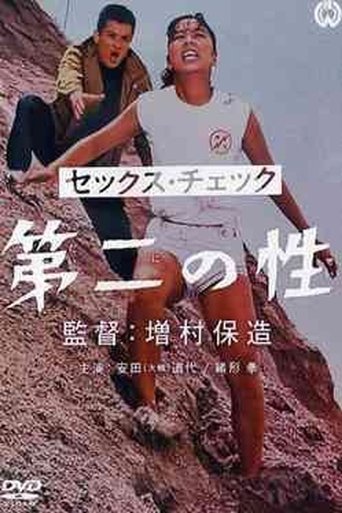
8.0Ken Ogata plays Shiro Miyagi, a sprinter with Olympic aspirations whose dreams were shattered by WWII. A broken man, he leads the dissolute life of a gigolo until a chance meeting with a fiery young athlete named Hiroko (Michiyo Yasuda). Realizing that she has talent as a sprinter, Miyagi sees a second chance at Olympic glory in becoming her coach. Following Miyagi’s unconventional, military-style training, Hiroko sets a record for the 100-meter dash, but her greatest hurdle proves to be a “sex check” which all professional athletes must pass.
The Sex Check
1968
Series credits
8.5SMAP×SMAP was an ongoing weekly Japanese variety show on Kansai TV and Fuji TV starring the members of SMAP. The show began on April 15, 1996 and it aired from 22:00 to 22:54 every Monday. The show's usual ratings were higher than 20%, which is considered high since most variety shows range from 10-20%. Each episode begins a variety of skits, comedic performances, and/or games. These are followed by Bistro SMAP, in which the SMAP members compete against each other to impress celebrity judges with their gourmet cooking. Last is a musical performance by SMAP which may include celebrity guests, as well.
SMAP×SMAP
1996
8.5SMAP×SMAP was an ongoing weekly Japanese variety show on Kansai TV and Fuji TV starring the members of SMAP. The show began on April 15, 1996 and it aired from 22:00 to 22:54 every Monday. The show's usual ratings were higher than 20%, which is considered high since most variety shows range from 10-20%. Each episode begins a variety of skits, comedic performances, and/or games. These are followed by Bistro SMAP, in which the SMAP members compete against each other to impress celebrity judges with their gourmet cooking. Last is a musical performance by SMAP which may include celebrity guests, as well.
SMAP×SMAP
1996
8.8Furuhata Ninzaburō is a Japanese television series that ran periodically on Fuji Television from 1994 until its final episodes in 2006. It was written by Japanese playwright Kōki Mitani and is often referred to as the Japanese version of Columbo. The series is a police detective drama starring actor Masakazu Tamura as Furuhata Ninzaburo and Masahiko Nishimura as his stereotypically bumbling sidekick, Shintaro Imaizumi. The program aired weekly and featured a guest villain each time, usually a famous talent in Japan. Pop-stars like SMAP, television hosts like Sanma Akashiya and even sports figures like Ichiro Suzuki have been featured on this program. It was one of the most popular television dramas in the history of Japanese television, having spawned several seasons and TV specials.
Furuhata Ninzaburo
1994
8.0A shikakenin was an under-the-cover trade that undertook killing in Edo. Hanemon of Otowa, an agency that introduced laborers and maids, was also one of these. Katsugoro Iseya was a timber dealer who had come in as a client. His target was the constructions magistrate Hanno, and the Tatsumiya who sipped on the benefits. Hanemon who had a stong code towards killing, where he would only kill those who do no good to be in the world, accepts this request. Baian Fujieda, a needle doctor would carry out the killing. However, the professional killer Baian fails to bring down Tatsumiya. Hanemon then looks to another shikakenin, the ronin Sanai Nishimura for the role. Although Sanai's ability with the sword is good, he lives poorly in a tenement, and accepts this commission on the condition that it is kept a secret from his wife and child. Here, they close in on Hanno and Tatsumiya again...
Professional Killers
1972
NRNo synopsis available yet.
Toge no Gunzo
1982
NRBased on the life of Hideyoshi Toyotomi (February 2, 1537 – September 18, 1598) a Sengoku period daimyo who unified Japan.
Taikouki
1965
NRLuzon Sukezaemon is a merchant who imports vases from the Philippines. The vases are highly valued as tea utensils and he makes a huge profit. This was the first taiga drama to concentrate on the lives of commoners and the reviled merchant class of the Tokugawa period. It documents the rise and fall of the merchant city of Sakai, as seen by its most famous resident, the semilegendary Luzon.
Ōgon no Hibi
1978
 NR
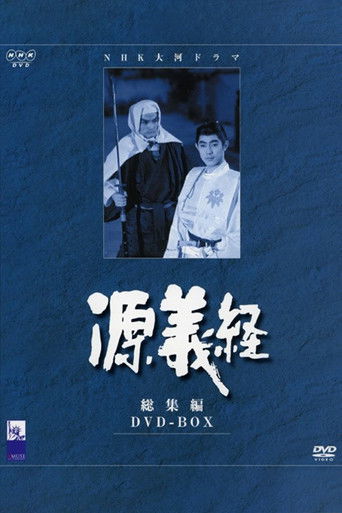
NRThe chronicles of the life of Minamoto no Yoshitsune (1159 - May 17th, 1189). He was a late Heian and early Kamakura general of the Minamoto clan of Japan. Yoshitsune was the ninth son of Minamoto no Yoshitomo. His older brother Minamoto no Yoritomo founded the Kamakura shogunate.
Minamoto no Yoshitsune
1966
 9.0
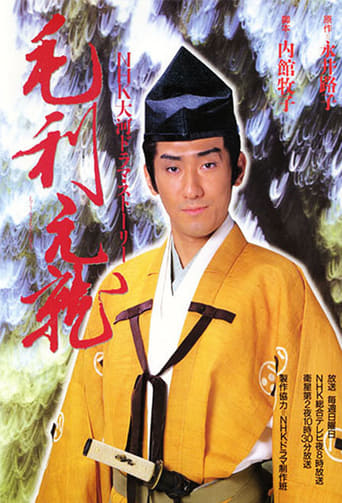
9.0The 36th NHK Taiga Drama is Mori Motonari. This series chronicles the life of Mori Motonari, a warlord of the early 1500s who stood at the vanguard of the Warring States era. All Japanese school textbooks contain the Mitsuya no kyokun, Mori's famous lesson to his three sons that teaches that while one arrow is easily broken, three arrows together cannot be broken. In 1997, 500 years after his birth, NHK dramatizes Motonari's rise from a chief of the region of Aki (now Hiroshima) to a daimyo who rules over ten provinces of the Chugoku region. Motonari was 64 years old and already the patriarch of a powerful dynasty about the time Oda Nobunaga and Takeda Shingen appeared on the scene. And even after his death, the Mori family figured prominently in Japanese history. His grandson Terumoto became a loyal Toyotomi vassal. Defeated at the Battle of Sekigahara, Ieyasu confiscated most of his lands, leaving him only with Suwo and Nagato, later known as Choshu. But 260 years later, the Mori got their ultimate revenge, leading the imperial forces against the Tokugawa in the Meiji Restoration.
Mouri Motonari
1997
 6.0
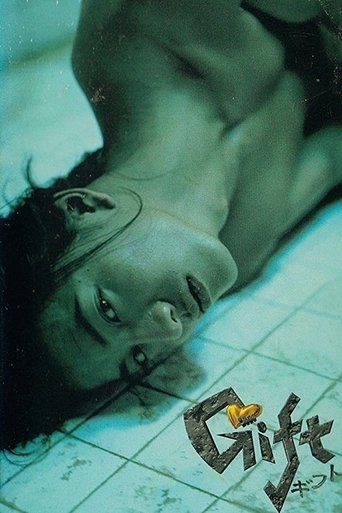
6.0An unconscious young man is found inside the closet of a missing billionaire. Amnesiac, he is given the name Yukio and kept close to Naomi—the woman who was supposed to disappear alongside the billionaire, Shibata—in case he ever recovers his memories of the night he was rescued and the whereabouts of Shibata and his fortune.
Gift
1997
 NR
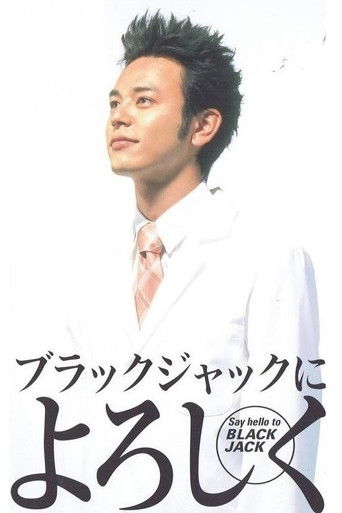
NREijiro Saito is a graduate of the prestigious Eidai Medical School and is sent to Eidai Hospital as a trainee doctor. There, under the supervision of Dr. Shiratori at the surgery department, Eijiro trains hard with Dekune and Munekata. But all they seem to do is take care of menial work for low hours and low pay. So low in fact bad that they have to do part-time work at other hospitals just to make ends meet. Eijiro picks Seido Hospital, run by Dr. Hattori, for his part-time job. The surgery is like a battleground. Eijiro is very impressed by his senior Dr. Ushida and the nurse Kaori. But one night, when he is on duty, Eijiro runs from the surgery leaving a badly injured patient behind! It is the story of an intern doctor and the various problems and contradictions of the medical industry. -- TBS
Say Hello to Black Jack
2003
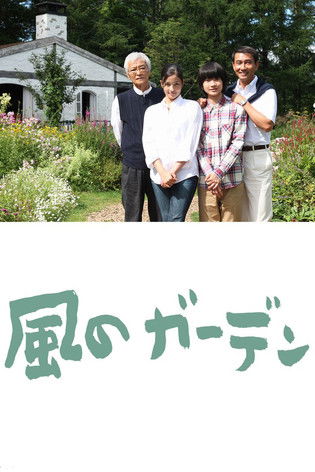 NR
NRThe lead, Dr. Sadami Shiratori worked in the operating room at a famous Tokyo hospital was around death on a daily basis. His own father, Teizo Shiratori is also a doctor, called Grandfather as he raised the estranged children of his wayward son, he practiced medicine in a small town on Hokkaido, Japan’s most northern island. His practice was limited only to terminal patients…in their own homes. He cared for them and helped both them and their families prepare for the ‘final journey’.
Garden of the Wind
2008
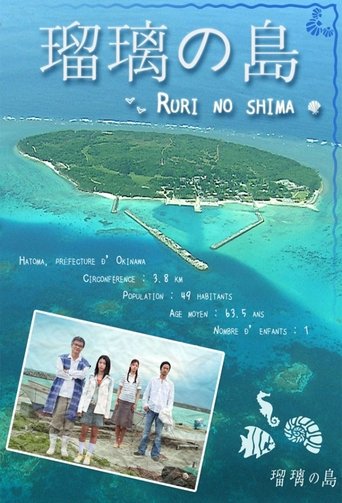 9.0
9.0Ruri, having been abandoned by her mother to a foster care facility, lives a life of reckless abandonment. When Nakama Yuzo, a kind man but for a trigger-happy temper, runs into Ruri he realizes that perhaps she's the child he's been looking for. Yuzo lives in Hatomijima, a small insland in Okinawa where the population is 49 and the average age group is 61. There are no children. The island has only one school - a primary school. If a child is not enrolled in the school, it will be closed. As a result, society will abandon the island and in a few years, it will cease to have any inhabitants. To save their island, the locals decide to bring in a foster child. Ruri is their candidate, and with her she brings the hope of the island's survival.
Ruri's Island
2005
 3.7
3.7Kuniko Mukōda's masterpiece, a poignant and subtle portrait of the jealousy and suspicion that secretly swirl behind seemingly peaceful family relationships.
Ashura no Gotoku
1979
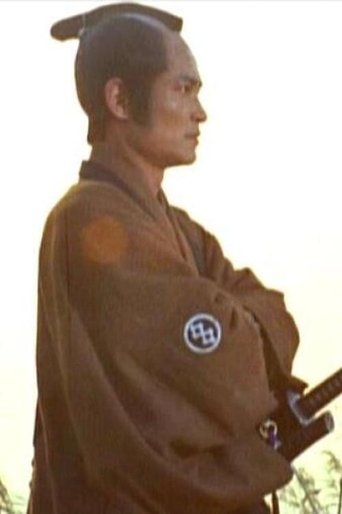 NR
NRKanto Torishimari Shutsuyaku Sakon Oyamada and Shinbei Asano, called "Hashū-sama" by the people. Sakon, a family man, and Shinbei, a serious man, travel around the crime-ridden Kanto region and solve crimes...
Hashū Hankachō
1974
No synopsis available yet.
Hachigatsu no Love Song
1996
No synopsis available yet.
ナニワ金融道
1996
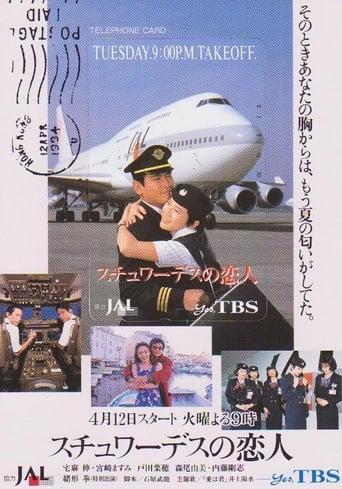 NR
NRThis romantic tale involves a co-pilot who aspires to become the pilot of a new Boeing 747-400, and the stewardess he loves. Suddenly, the wife he had believed dead reappears.
Stewardess's Sweetheart
1994
 NR
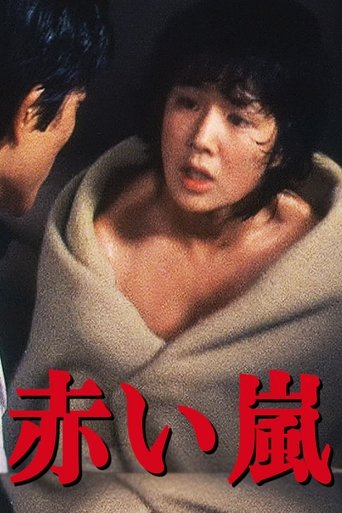
NRPolice officer Ohno Makoto discovers a lady covered in blood at Shinobazu Pond in Ueno. Feeling sorry for her, he gives her the temporary name "Koike Shinobu" and lets her live at the tofu shop run by his parents. Even though she has not regained her memory, Makoto is gradually drawn to Shinobu's brave personality. At that time, a mysterious man named Yamane began to appear around Shinobu. Yamane is actually a detective who is pursuing the culprit of a murder that occurred in Nagano. The victim was Shinobu's father, and Shinobu's stepmother has already been arrested, but Yamane is convinced that Shinobu is the real culprit and targets her. Makoto takes Shinobu on a journey to find the real culprit.
Red Storm
1979
 7.5
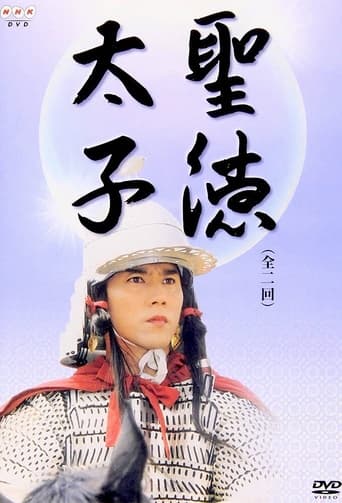
7.5In the late 6th century the leaders of the Yamato Dynasty had no clear plan for the creation of a unified state. Battles still raged among various warrior clans. Shotoku Taishi, second son of Emperor Yomei, strived to create a new nation out of this chaos. NHK captures this great man from a time in history rarely depicted on screen, in a story of epic proportions. Shotoku Taishi is known mainly through legends and myths and has been viewed as more god than man. The elaborate and colorful costumes of the time and the beauty of ancient Japan enhance this fascinating historical drama.
Prince Shotoku
2001
 NR
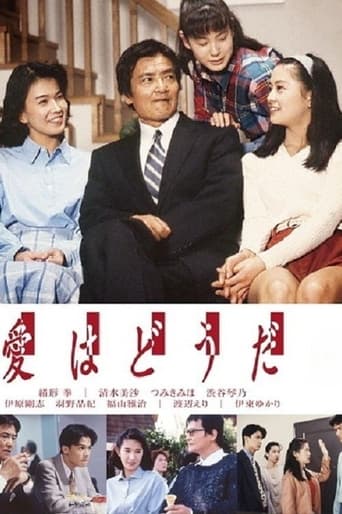
NRAlthough Shuichi has lost his wife, there is no lack of female influence in his life. He has three daughters who are eligible for marriage, and an assortment of women friends and lovers that has earned him the reputation of being a playboy. But the real love interest in his life is his female boss. How he and his daughters work out their romantic adventures provides both entertainment and enlightenment in the challenges of finding true love.
Ai wa Doda
1992
No synopsis available yet.
動く壁
1994
No synopsis available yet.
橋の雨
1996
 NR
NRNo synopsis available yet.
Totteoki no Seishun
1988
 NR
NRNo synopsis available yet.
Hissatsu Hitchu Shigotoya Kagyou
1975