
Acting
László Horváth
Born — Died
1943-02-10 — 1988-01-22
Place of birth
Dombóvár, Hungary
Known for
Acting
Credits
21 titles
László Horváth was born on 10 February 1943 in Dombóvár, Hungary. He was an actor, known for Wagner (1983), House of Angels (1992) and The Long Ride (1983). He died on 22 January 1988 in Budapest, Hungary.
Known for
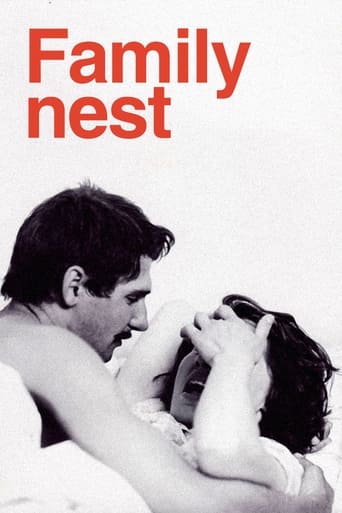 6.7
6.7A family slowly disintegrates under various pressures in late 1970s communist Hungary.
Family Nest
1979
 7.0
7.0White-clad figures in gas masks appear from time to time. They are the Program group. It is presumably the behaviour of these characters - the population - who appear in each other's strange dreams that has triggered the desire of businessmen and politicians to call in foreign help to restore order. They have come with unknown aims, and are doing their work in terror. The film is a chain of surreal dreams, yet the feeling is familiar. We are home.
A program
1998
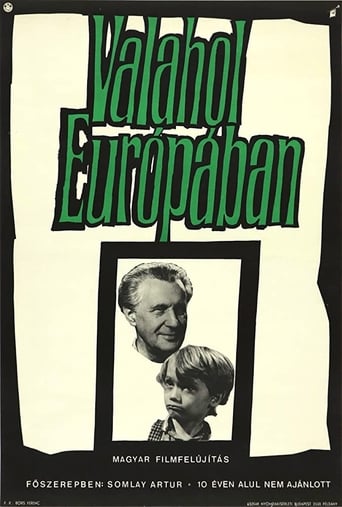 6.3
6.31944. A band of runaways and orphans of the war scour the countryside in search of food and shelter. They invade and then taken in by a musician and former concert pianist who’s hiding out in a ruined castle. After the initial altercation between them the gang accepts his guidance and he wins their respect by protecting them from the elements.
It Happened in Europe
1947
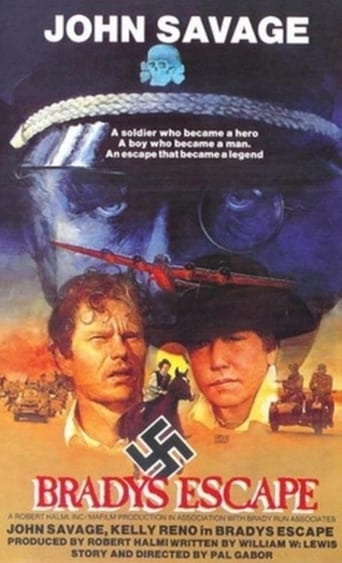 5.7
5.7This movie is about the love and protection of a man from another culture for the lowly horsemen of the the plains in Hungary during World War II.
Brady’s Escape
1983
 7.2
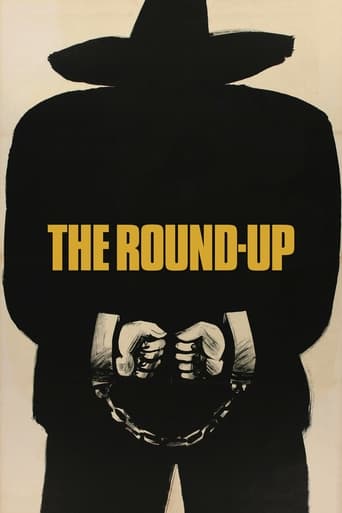
7.2After the failure of the Kossuth's revolution of 1848, people suspected of supporting the revolution are sent to prison camps. Years later, partisans led by outlaw Sándor Rózsa still run rampant. Although the authorities do not know the identities of the partisans, they round up suspects and try to root them out by any means necessary.
The Round-Up
1966
 4.9
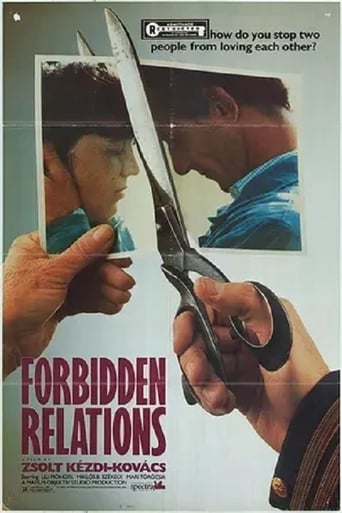
4.9Based on a true story, a love affair develops between a half brother and half-sister. When pregnancy results and word gets out the public is outraged.
Forbidden Relations
1983
Film credits
1980s · 4 titles
5.7This movie is about the love and protection of a man from another culture for the lowly horsemen of the the plains in Hungary during World War II.
Brady’s Escape
1983
4.9Based on a true story, a love affair develops between a half brother and half-sister. When pregnancy results and word gets out the public is outraged.
Forbidden Relations
1983
The penniless but handsome Count Zalavári chooses a rich girl from the countryside for her money. They don't get to marry because the butler catches him with the maid. He meets an American millionairess who gives him expensive jewelry as a gift. She is killed by her driver later that night. All suspicion falls on the Count.
Az aranyifjú
1986
 5.2
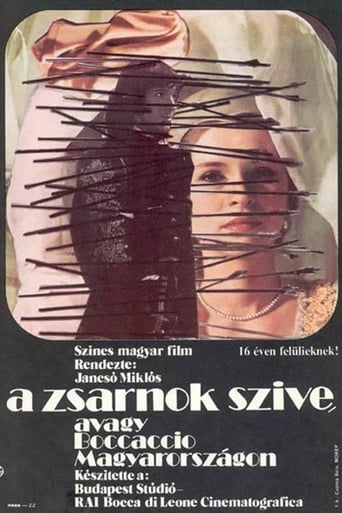
5.2A historical drama set in the 1400s, a young man sent to Italy but is forced back after his father's mysterious death.
The Tyrant's Heart, or Boccaccio in Hungary
1981
1970s · 7 titles
6.7A family slowly disintegrates under various pressures in late 1970s communist Hungary.
Family Nest
1979
 6.3
6.3The movie portrays a peasant revolt in Hungary in the early twentieth century.
Hungarian Rhapsody
1979
 4.5
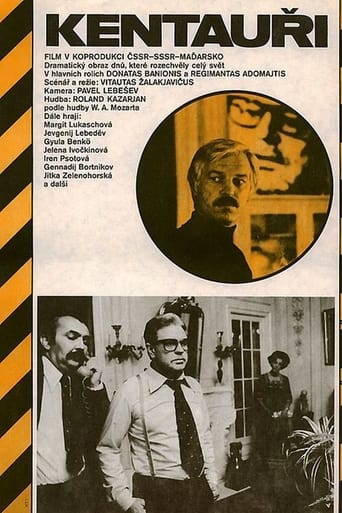
4.5A political conspiracy is brewing in an unnamed Latin American country. Everything is in play: blackmail, bribery, political assassinations, newspaper slander. The operation, code-named "Centaur", is conceived in Washington.
The Centaurs
1979
 6.2
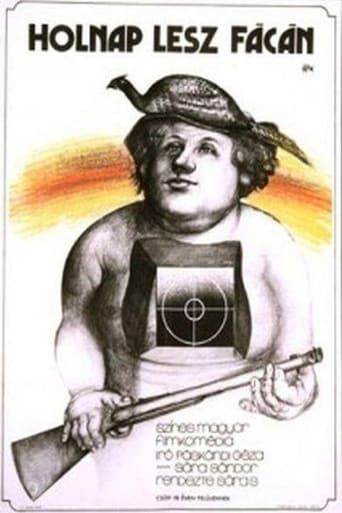
6.2The loving couple of this grotesque parable parody of the Kádár-regime, Mária and István row to an uninhabited, idyllic island. Soon crazy tent-pitchers swarm to the island, led by an official representative of the regime.
Pheasant Tomorrow
1974
 6.8
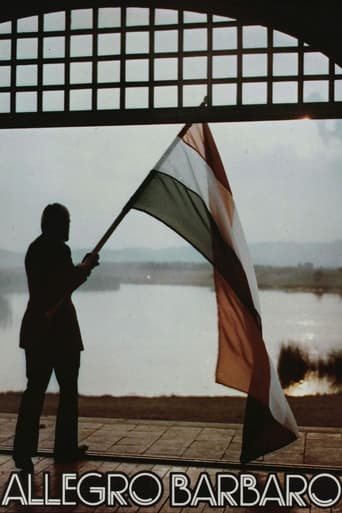
6.8Zsadányi flees from the authorities with his goddaughter, Bankós Mari, and they escape into the forest. The film then skips ahead thirty-fold years: Zsadány and Mari are now lovers, with the sound of war in the background halting their romance. The old friends of Zsadányi have joined with the Nazis, and the landowner living with his peasants in a socialist community grows distant from them. Zsadányi is held responsible for political problems in the country, and will pay with his life.
Allegro Barbaro
1979
 5.0
5.0Allegory of the suppression of the 1919 revolution and the advent of fascism in Hungary; in the countryside, a unit of the revolutionary army spares the life of father Vargha, a fanatical priest. He comes back and leads massacres. A new force, represented by Feher, apparently avenges the people, but only to impose a different, more refined and effective kind of repression.
Agnus Dei
1971
 4.7
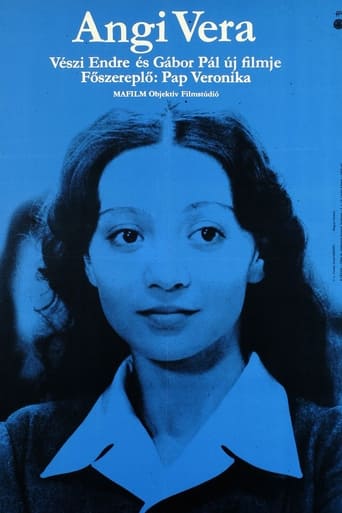
4.7Angi Vera is a young nursing assistant in a hospital. When she speaks out against the appalling conditions, she is reprimanded, but the Communist Party takes her under its wing. She is sent for ideological training, where she learns to be an agitator in exchange for accommodation and meals. Meanwhile, she falls in love with one of her teachers, but she cannot live out her love within the walls of the strict school.
Angi Vera
1978
1960s · 4 titles
7.2After the failure of the Kossuth's revolution of 1848, people suspected of supporting the revolution are sent to prison camps. Years later, partisans led by outlaw Sándor Rózsa still run rampant. Although the authorities do not know the identities of the partisans, they round up suspects and try to root them out by any means necessary.
The Round-Up
1966
 8.0
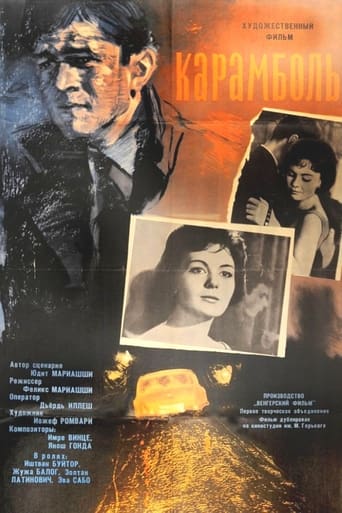
8.0Terpinkó, the bragging man of muscle likes womanising linked with betting: conquering is a great fun for him. He bet one to a hundred on his new boss, Éva. But the wife of the engineer handles all his tricks with annoying benevolence. Terpinkó falls in love with her and therefore he cannot stand her not returning his feelings.
Collision
1964
 7.1
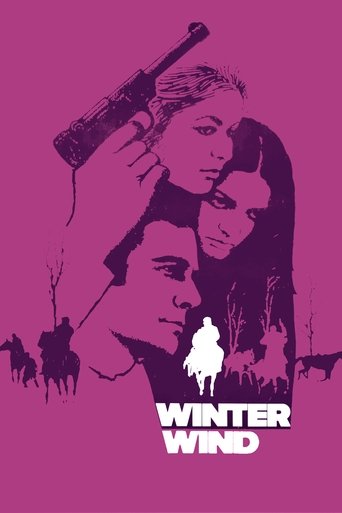
7.1Croatian anarchists collaborate with Hungarians to make a bid for the life of King Alexander of Yugoslavia.
Winter Wind
1969
 6.5
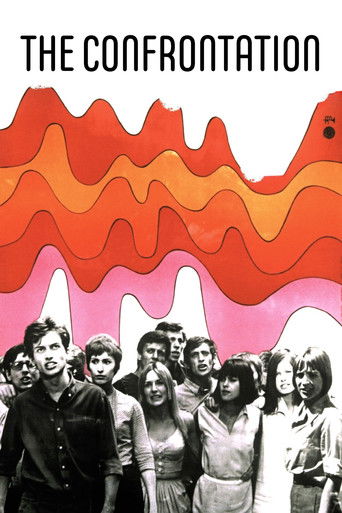
6.5In post-WWII Hungary, a group of Communist college students arrive at a Catholic seminary hoping to engage in peaceful debate with its students.
The Confrontation
1969
1950s · 2 titles
 7.7
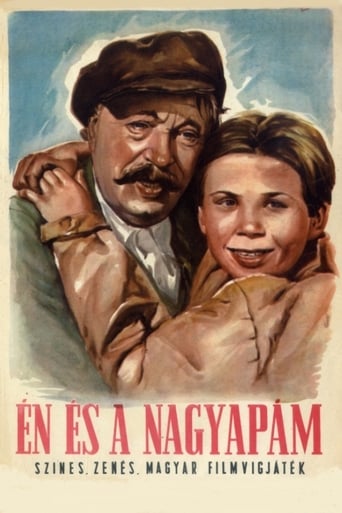
7.7A few days from a daily life of a regular school in Hungary during fifties.
Me and My Grandpa
1954
 10.0
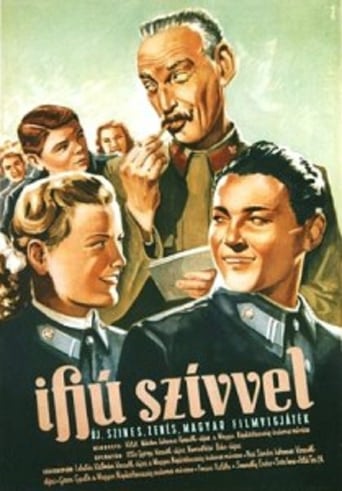
10.0In the vocational school the professionally excellent Dani János works on his own invention in his leisure time, but he does not like learning. However, even his own father learns in the evenings, he will become a teacher.
Young at Heart
1953
1940s · 2 titles
6.31944. A band of runaways and orphans of the war scour the countryside in search of food and shelter. They invade and then taken in by a musician and former concert pianist who’s hiding out in a ruined castle. After the initial altercation between them the gang accepts his guidance and he wins their respect by protecting them from the elements.
It Happened in Europe
1947
 10.0
10.0The life of King Béla IV's daughter is brought to life in the film. Blessed Margaret of the House of Árpád was raised from the age of nine in the monastery of the Domokos nuns on the island of Nyulak. In the neighbouring monastery live monks, among them Jancsi, the gardener's son, who is charmed by the little princess. The feeling of love gives him the cross and the adolescent boy becomes a monk among the "prisoners of God".
Isten rabjai
1942
