
Directing
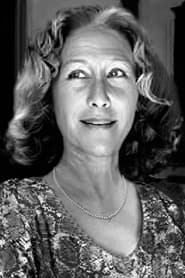
Anne-Marie Miéville
Born
1945-11-11 (80)
Place of birth
Lausanne, Vaud, Switzerland
Known for
Directing
Credits
58 titles
Anne-Marie Miéville, born November 11, 1945 in Lausanne, is a filmmaker, director, producer, screenwriter, actress and writer from Vaud. Anne-Marie Miéville works as a photographer and is the manager of a bookstore. In the 1960s, she also recorded two variety discs for Barclay, on songs by Jean-Jacques Debout. Then in 1972, she met Jean-Luc Godard in Paris, who became her companion until his death in 2022. Initially, from 1973 to 1994, she collaborated with this filmmaker as a photographer, screenwriter, editor, co-director and artistic director for some of her/their films. Then in 1983, she directed her first short film, "How Can I Love", and, a year later, a second short film, "Le Livre De…
Known for
 9.5
9.5Marcello Mastroianni, Isabelle Adjani, Alain Delon, Martin Scorsese, Woody Allen... the biggest stars in cinema were welcomed by Christian Defaye on his show Spécial cinéma. Between intimate confessions from actors and immersion in the world of the greatest filmmakers, Christian Defaye took viewers on a journey into the fascinating world of cinema for nearly thirty years.
Spécial cinéma
1974
 6.1
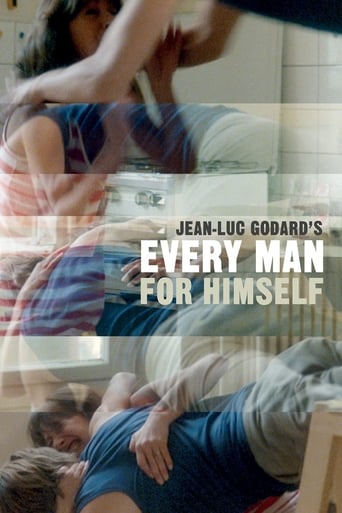
6.1A look at the sexual and professional lives of three people — a television director, his ex-girlfriend, and a sex worker.
Every Man for Himself
1980
 6.3
6.3In Le Livre d’Image, Jean-Luc Godard recycles existing images (films, documentaries, paintings, television archives, etc.), quotes excerpts from books, uses fragments of music. The driving force is poetic rhyme, the association or opposition of ideas, the aesthetic spark through editing, the keystone. The author performs the work of a sculptor. The hand, for this, is essential. He praises it at the start. “There are the five fingers. The five senses. The five parts of the world (…). The true condition of man is to think with his hands. Jean-Luc Godard composes a dazzling syncopation of sequences, the surge of which evokes the violence of the flows of our contemporary screens, taken to a level of incandescence rarely achieved. Crowned at Cannes, the last Godard is a shock film, with twilight beauty.
The Image Book
2018
 5.2
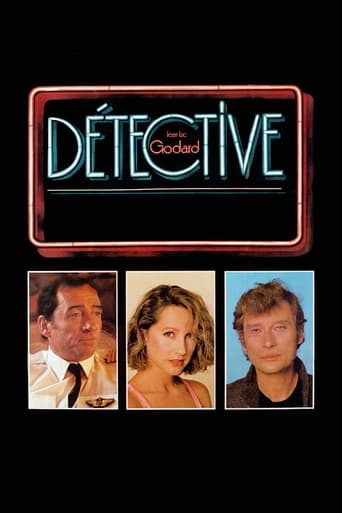
5.2Emile Chenal and his wife, Françoise, leaned on boxing manager Jim Fox Warner to cough up the considerable sum of money that he owes them, with both the police and the mob circling the situation. In the same hotel, Inspector Neveu looks into a murder that took place years before, and his storyline overlaps with the arc of the Chenals.
Detective
1985
 6.0
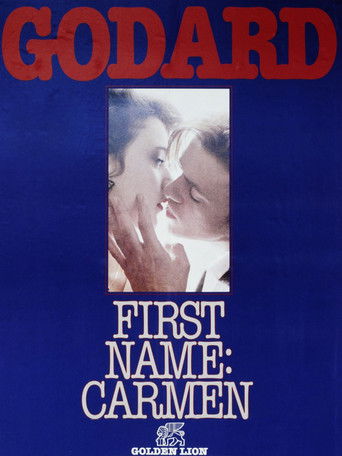
6.0A woman involved with a terrorist group becomes dangerously close to the police officer guarding the bank they plan to rob.
First Name: Carmen
1983
In this radically unconventional television series, Godard and Miéville analyze the political economy of personal and mass media communications in relation to society, culture, family and the individual. Their inquiry focuses "on and beneath" communications in a provocative critique of the power of media images in contemporary culture and everyday life. Each of the six programs is constructed of two complementary segments: A discursive visual essay on one aspect of the production and consumption of images is paired with a related interview on labor and leisure with an individual — an amateur filmmaker, a dairy farmer, the mathematician René Thom, Godard himself. These extended interviews provide a subjective counterpoint to the theoretical essays on work, economics and mass cultural imagery.
Six fois deux/Sur et sous la communication
1976
Film credits
2020s · 2 titles
 5.6
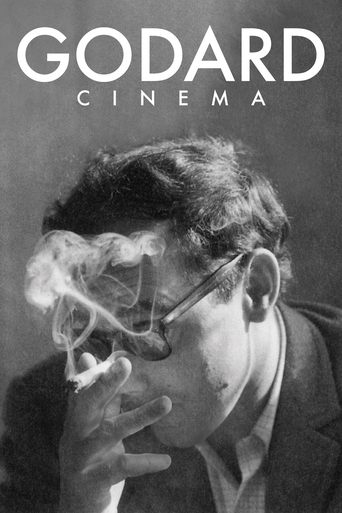
5.6Jean-Luc Godard is synonymous with cinema. With the release of Breathless in 1960, he established himself overnight as a cinematic rebel and symbol for the era's progressive and anti-war youth. Sixty-two years and 140 films later, Godard is among the most renowned artists of all time, taught in every film school yet still shrouded in mystery. One of the founders of the French New Wave, political agitator, revolutionary misanthrope, film theorist and critic, the list of his descriptors goes on and on. Godard Cinema offers an opportunity for film lovers to look back at his career and the subjects and themes that obsessed him, while paying tribute to the ineffable essence of the most revered French director of all time.
Godard Cinema
2023
 7.2
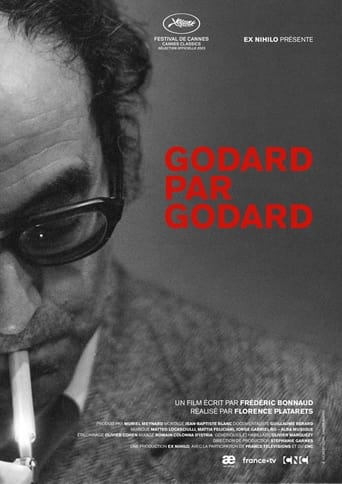
7.2Godard by Godard is an archival self-portrait of Jean-Luc Godard. It retraces the unique and unheard-of path, made up of sudden detours and dramatic returns, of a filmmaker who never looks back on his past, never makes the same film twice, and tirelessly pursues his research, in a truly inexhaustible diversity of inspiration. Through Godard’s words, his gaze and his work, the film tells the story of a life of cinema; that of a man who will always demand a lot of himself and his art, to the point of merging with it.
Godard by Godard
2023
2010s · 2 titles
6.3In Le Livre d’Image, Jean-Luc Godard recycles existing images (films, documentaries, paintings, television archives, etc.), quotes excerpts from books, uses fragments of music. The driving force is poetic rhyme, the association or opposition of ideas, the aesthetic spark through editing, the keystone. The author performs the work of a sculptor. The hand, for this, is essential. He praises it at the start. “There are the five fingers. The five senses. The five parts of the world (…). The true condition of man is to think with his hands. Jean-Luc Godard composes a dazzling syncopation of sequences, the surge of which evokes the violence of the flows of our contemporary screens, taken to a level of incandescence rarely achieved. Crowned at Cannes, the last Godard is a shock film, with twilight beauty.
The Image Book
2018
 10.0
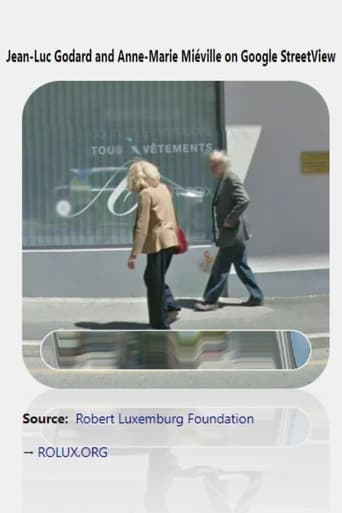
10.0A short film utilizing Google Maps' StreetView feature where Jean-Luc Godard and Anne-Marie Miéville are captured walking the streets of Switzerland. Set to music from Godard's film "Contempt" composed by Georges Delerue.
Jean-Luc Godard and Anne-Marie Miéville on Google StreetView
2018
2000s · 4 titles
 5.7
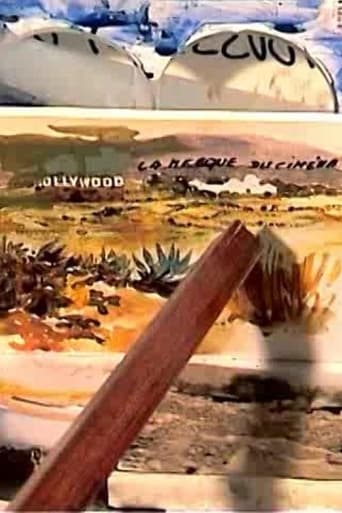
5.7Director Jean-Luc Godard reflects in this movie about his place in film history, the interaction of film industry and film as art, as well as the act of creating art.
Amateur Report (Exhibition Model)
2006
 7.1
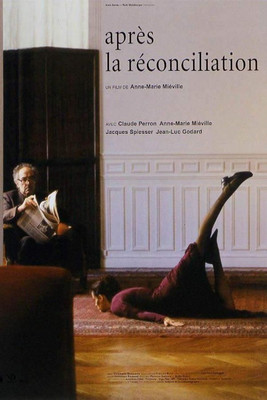
7.1An elderly couple and a younger man and woman follow up failed seduction attempts with conversation about love and the meaning of life.
After the Reconciliation
2000
 NR
NRJean-Luc Godard, and Anne-Marie Miéville Four Short Films
Four Short Films
2006
 6.5
6.5Essay on the influence of arts at the end of the 20th century produced by the Museum of Modern Art.
The Old Place
2000
1980s · 4 titles
 6.0
6.0Jean-Luc Godard and Anne-Marie Miéville talk about their films, while doing everyday tasks around their house.
Soft and Hard
1985
 5.3
5.3Notes on the inception and making of Hail Mary.
Notes on Hail Mary
1983
 5.9
5.9Godard constructs a lyrical study of the cinematic and creative process by deconstructing the story of his 1982 film Passion. “I didn’t want to write the script,” he states, “I wanted to see it.” Positioning himself in a video editing suite in front of a white film screen that evokes for him the “famous blank page of Mallarmé,” Godard uses video as a sketchbook with which to reconceive the film. The result is a philosophical, often humorous rumination on the desire and labor that inform the conceptual and image making process of the cinema.
Scénario du film Passion
1982
 6.5
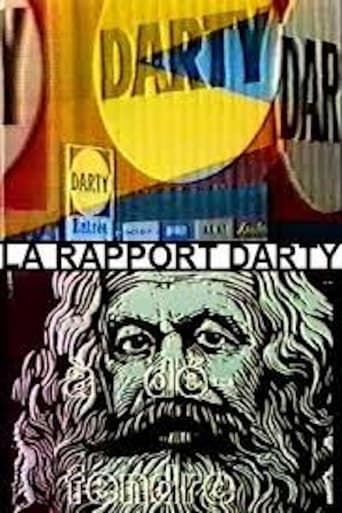
6.5A daring deconstruction of consumerist behavior featuring a robot and Miss Clio Darty, with a voiceover by Godard and Anne-Marie Miéville, this philosophical "report," like so many of Godard's commissions, was rejected by its funders.
The Darty Report
1989
1970s · 4 titles
 6.7
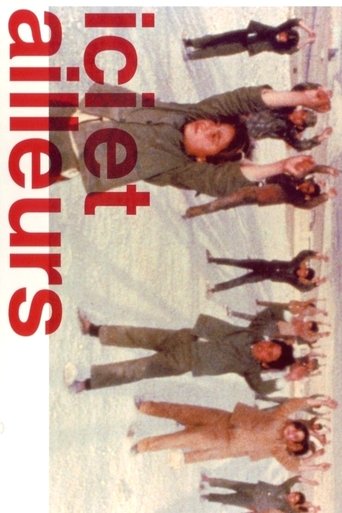
6.7Here and Elsewhere takes its name from the contrasting footage it shows of the fedayeen and of a French family watching television at home. Originally shot by the Dziga Vertov Group as a film on Palestinian freedom fighters, Godard later reworked the material alongside Anne-Marie Miéville.
Here and Elsewhere
1976
The title and subtitle of this French miniseries are “Six Times Two; Over and under the media”. The “six” refers to the fact that there are six episodes; the “two” has a double meaning.
Six fois deux/Sur et sous la communication
1976
 5.6
5.6An anti-music video for a Patrick Juvet song.
Dream On
1977
 6.1
6.1During the making of a video film about a communist printing press, a union member and a leftist activist discuss how to present their information, especially how to caption two specific images: one of a protest in Portugal, the other of a strike in France. One of them decides to write to his son, a manual worker living outside of Paris with his girlfriend, telling the young man about his troubles.
How's It Going?
1978
Series credits
9.5Marcello Mastroianni, Isabelle Adjani, Alain Delon, Martin Scorsese, Woody Allen... the biggest stars in cinema were welcomed by Christian Defaye on his show Spécial cinéma. Between intimate confessions from actors and immersion in the world of the greatest filmmakers, Christian Defaye took viewers on a journey into the fascinating world of cinema for nearly thirty years.
Spécial cinéma
1974
In this radically unconventional television series, Godard and Miéville analyze the political economy of personal and mass media communications in relation to society, culture, family and the individual. Their inquiry focuses "on and beneath" communications in a provocative critique of the power of media images in contemporary culture and everyday life. Each of the six programs is constructed of two complementary segments: A discursive visual essay on one aspect of the production and consumption of images is paired with a related interview on labor and leisure with an individual — an amateur filmmaker, a dairy farmer, the mathematician René Thom, Godard himself. These extended interviews provide a subjective counterpoint to the theoretical essays on work, economics and mass cultural imagery.
Six fois deux/Sur et sous la communication
1976
Behind the camera
6.1A look at the sexual and professional lives of three people — a television director, his ex-girlfriend, and a sex worker.
Every Man for Himself
1980
5.2Emile Chenal and his wife, Françoise, leaned on boxing manager Jim Fox Warner to cough up the considerable sum of money that he owes them, with both the police and the mob circling the situation. In the same hotel, Inspector Neveu looks into a murder that took place years before, and his storyline overlaps with the arc of the Chenals.
Detective
1985
6.0A woman involved with a terrorist group becomes dangerously close to the police officer guarding the bank they plan to rob.
First Name: Carmen
1983
6.0Jean-Luc Godard and Anne-Marie Miéville talk about their films, while doing everyday tasks around their house.
Soft and Hard
1985
6.0Jean-Luc Godard and Anne-Marie Miéville talk about their films, while doing everyday tasks around their house.
Soft and Hard
1985
 5.8
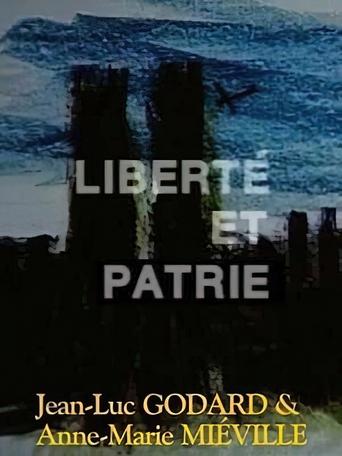
5.8The title of this twenty-minute video by Jean-Luc Godard and Anne-Marie Miéville, “Freedom and Fatherland,” is the official slogan of the Canton de Vaud, in Switzerland, where the filmmakers live and grew up. To fulfill their commission from a Swiss cultural festival, they adapted a great Swiss novel, “Aimé Pache, Painter from the Vaud,” by Charles Ferdinand Ramuz, from 1911 (about a local artist who goes to Paris for his education and then returns home) and extruded its autobiographical analogies to Godard’s own life and work. Using a choice set of clips from Godard’s films to coincide with events from the painter’s life, verbal references to modern times and to Godard’s own—Sartre, the late nineteen-sixties, the cinema—and images of the Swiss terrain, which plays a decisive role in the work of Pache, Godard, and Miéville (an important filmmaker in her own right), they produce the effect of mirrors within mirrors.
Liberty and Homeland
2002
5.8The title of this twenty-minute video by Jean-Luc Godard and Anne-Marie Miéville, “Freedom and Fatherland,” is the official slogan of the Canton de Vaud, in Switzerland, where the filmmakers live and grew up. To fulfill their commission from a Swiss cultural festival, they adapted a great Swiss novel, “Aimé Pache, Painter from the Vaud,” by Charles Ferdinand Ramuz, from 1911 (about a local artist who goes to Paris for his education and then returns home) and extruded its autobiographical analogies to Godard’s own life and work. Using a choice set of clips from Godard’s films to coincide with events from the painter’s life, verbal references to modern times and to Godard’s own—Sartre, the late nineteen-sixties, the cinema—and images of the Swiss terrain, which plays a decisive role in the work of Pache, Godard, and Miéville (an important filmmaker in her own right), they produce the effect of mirrors within mirrors.
Liberty and Homeland
2002
6.7Here and Elsewhere takes its name from the contrasting footage it shows of the fedayeen and of a French family watching television at home. Originally shot by the Dziga Vertov Group as a film on Palestinian freedom fighters, Godard later reworked the material alongside Anne-Marie Miéville.
Here and Elsewhere
1976
6.7Here and Elsewhere takes its name from the contrasting footage it shows of the fedayeen and of a French family watching television at home. Originally shot by the Dziga Vertov Group as a film on Palestinian freedom fighters, Godard later reworked the material alongside Anne-Marie Miéville.
Here and Elsewhere
1976
6.7Here and Elsewhere takes its name from the contrasting footage it shows of the fedayeen and of a French family watching television at home. Originally shot by the Dziga Vertov Group as a film on Palestinian freedom fighters, Godard later reworked the material alongside Anne-Marie Miéville.
Here and Elsewhere
1976
 7.4
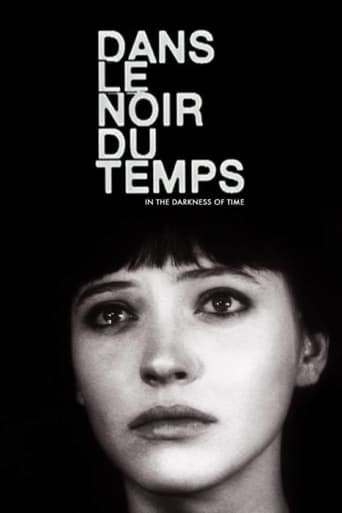
7.4Conceived as a reflection on the theme of time at the turn of the millennium, "Dans le noir du temps" functions as a Pandora’s box which hides all the horrors of the world: the last moments of youth, fame, thoughts, memory, love, silence, history, fear, eternity and, of course, cinema.
In the Darkness of Time
2002
 7.5
7.5Moments and aspects of the life of a contemporary married couple undergoing a metamorphosis.
Lou Didn’t Say No
1994
7.5Moments and aspects of the life of a contemporary married couple undergoing a metamorphosis.
Lou Didn’t Say No
1994
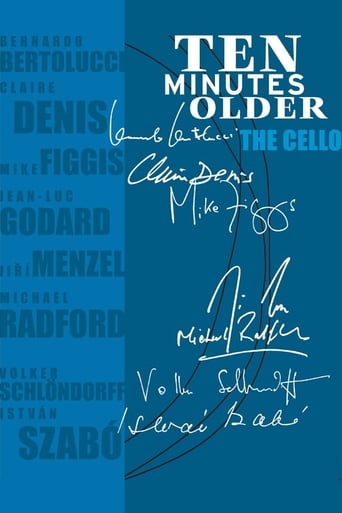 6.6
6.6Collection of short films the summaries of which include; a foreign man moving to Italy, getting married and having a child; a four split scene short involving plot-less images of old people with television sets for heads, a beautiful woman having sex, and overall confusion; and an old man reminiscing over his youth.
Ten Minutes Older: The Cello
2002
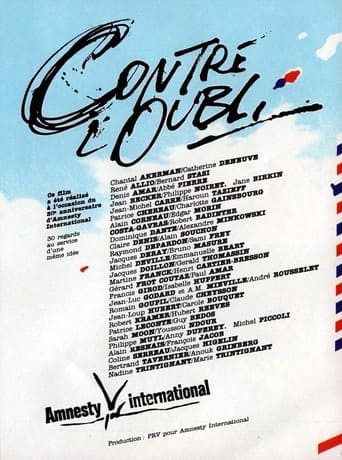 7.0
7.0A compilation of 30 French filmmakers, Alain Resnais and Jean Luc Godard among them, who use film to make a plea on behalf of a political prisoner. Jean Luc Godard and Anne Marie Mieville's film concerns the plight of Thomas Wanggai, West Papuan activist who has since died in prison. The short films were commissioned by Amnesty International.
Lest We Forget
1991
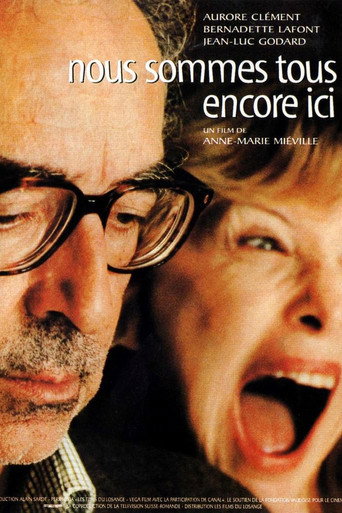 7.5
7.5Two housewives discuss philosophical themes (actually an updated dialogue between Plato and Socrates) while doing the house work. The husband of one of them rehearses his part in a theatrical play, reading a 20th century philosophical text about totalitarianism.
We're All Still Here
1997
7.5Two housewives discuss philosophical themes (actually an updated dialogue between Plato and Socrates) while doing the house work. The husband of one of them rehearses his part in a theatrical play, reading a 20th century philosophical text about totalitarianism.
We're All Still Here
1997
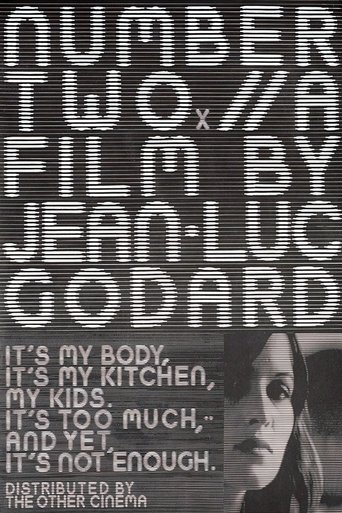 6.0
6.0Jean-Luc Godard mixes video and film in his Grenoble studio, discussing how he secured funding for the film. The action unfolds on two monitors, as a young working-class couple lives in a claustrophobic, high-rise apartment complex and marital discord is set off by the wife’s infidelity.
Number Two
1975
 5.5
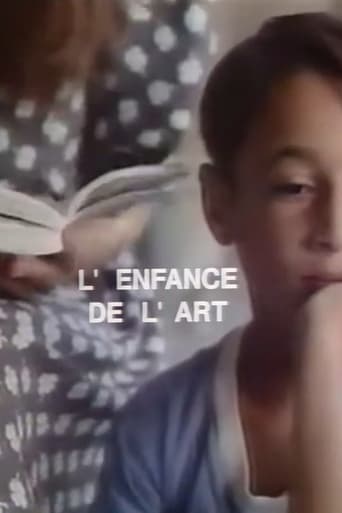
5.5Children living and playing in a war zone are touched by violence. Part of How Are the Kids? (1990), a UNICEF-sponsored six-film anthology depicting childhood horrors around the world.
The Childhood of Art
1990
5.5Children living and playing in a war zone are touched by violence. Part of How Are the Kids? (1990), a UNICEF-sponsored six-film anthology depicting childhood horrors around the world.
The Childhood of Art
1990
 NR
NRA special version of ‘Dans le noir du temps’ for viewers in Ramallah and the Gaza Strip.
Sang titre
2025
In these five concatenated sequences, each begun in medias res and each resulting in the same conclusion, a woman meets a man and, each time, the encounter is their last.
How Can I Love (A Man When I Know He Don't Want Me)
1983
In these five concatenated sequences, each begun in medias res and each resulting in the same conclusion, a woman meets a man and, each time, the encounter is their last.
How Can I Love (A Man When I Know He Don't Want Me)
1983
 8.0
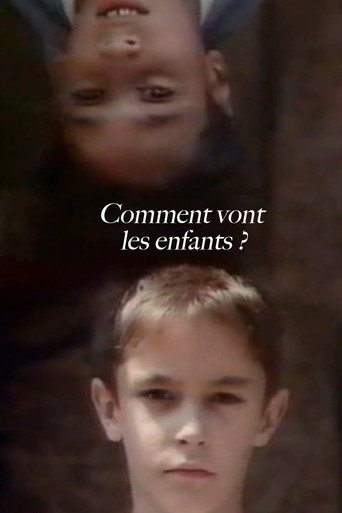
8.0A UNICEF-sponsored six-film anthology depicting childhood horrors around the world. "Hassane" - a malnourished child in Niger needs help from the doctors, but village traditions prohibit it. "Liouba" - a child escapes to the forest after a beating by his alcoholic mother, but the games he plays in the forest mirror his troubles at home. "Boy" - a child faces discrimination as the only white student at his school. "Carmelo" - in Bogota a child living on the streets fights to survive. "Oca" - when his twelve year old brother dies free-diving in the Philippines, seven year old Oca must take his place on the job. "L'enfance de l'art" - children living and playing in a war zone are touched by violence.
How Are The Kids?
1992
 7.0
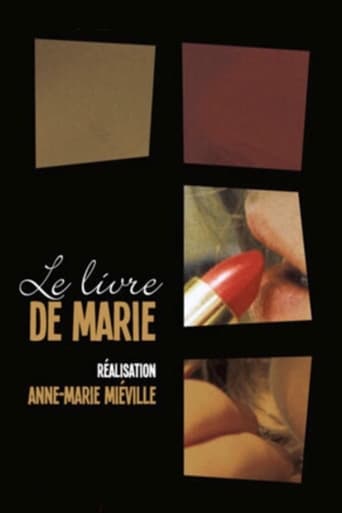
7.0Marie, eleven years old, is experiencing difficult times. Her parents will separate. The perception of her universe is profoundly disturbed. This exacting portrait of a child immersed in her books, music and dancing casts a dispassionate yet touching eye on the girl's reaction to the new upheaval in her life.
The Book of Mary
1985
7.0Marie, eleven years old, is experiencing difficult times. Her parents will separate. The perception of her universe is profoundly disturbed. This exacting portrait of a child immersed in her books, music and dancing casts a dispassionate yet touching eye on the girl's reaction to the new upheaval in her life.
The Book of Mary
1985
5.7Director Jean-Luc Godard reflects in this movie about his place in film history, the interaction of film industry and film as art, as well as the act of creating art.
Amateur Report (Exhibition Model)
2006
5.7Director Jean-Luc Godard reflects in this movie about his place in film history, the interaction of film industry and film as art, as well as the act of creating art.
Amateur Report (Exhibition Model)
2006
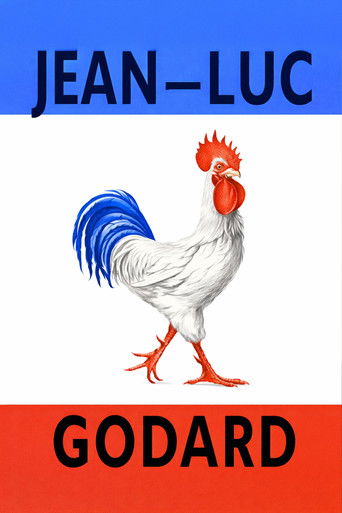 NR
NRA short commissioned piece on 'famous last words' set in WWII.
The Last Word
1988
7.1An elderly couple and a younger man and woman follow up failed seduction attempts with conversation about love and the meaning of life.
After the Reconciliation
2000
7.1An elderly couple and a younger man and woman follow up failed seduction attempts with conversation about love and the meaning of life.
After the Reconciliation
2000
NRJean-Luc Godard, and Anne-Marie Miéville Four Short Films
Four Short Films
2006
 6.4
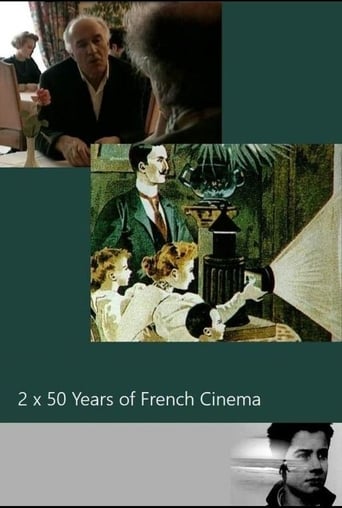
6.4At a lakeside hotel, Michel Piccoli discusses the centennial of cinema with Jean-Luc Godard. Godard asks why should cinema's birthday be celebrated when the history of film is a forgotten subject. Through the remainder of his hotel stay, Piccoli tests Godard's hypothesis.
2 x 50 Years of French Cinema
2008
The title and subtitle of this French miniseries are “Six Times Two; Over and under the media”. The “six” refers to the fact that there are six episodes; the “two” has a double meaning.
Six fois deux/Sur et sous la communication
1976
6.5Essay on the influence of arts at the end of the 20th century produced by the Museum of Modern Art.
The Old Place
2000
6.5Essay on the influence of arts at the end of the 20th century produced by the Museum of Modern Art.
The Old Place
2000
 7.0
7.0Jean-Luc Godard proposes a diary of his creative process. Looking at photos of three actors, Jacques Dutronc, Isabelle Huppert, and Miou-Miou, who were previously cast to play in "Sauve qui peut (la vie)," Godard speaks about great image makers: Dreyer and Wim Wenders, the painters Edward Hopper and Pierre Bonnard.
Scénario de 'Sauve qui peut la vie'
1979
6.1During the making of a video film about a communist printing press, a union member and a leftist activist discuss how to present their information, especially how to caption two specific images: one of a protest in Portugal, the other of a strike in France. One of them decides to write to his son, a manual worker living outside of Paris with his girlfriend, telling the young man about his troubles.
How's It Going?
1978
6.1During the making of a video film about a communist printing press, a union member and a leftist activist discuss how to present their information, especially how to caption two specific images: one of a protest in Portugal, the other of a strike in France. One of them decides to write to his son, a manual worker living outside of Paris with his girlfriend, telling the young man about his troubles.
How's It Going?
1978
6.1During the making of a video film about a communist printing press, a union member and a leftist activist discuss how to present their information, especially how to caption two specific images: one of a protest in Portugal, the other of a strike in France. One of them decides to write to his son, a manual worker living outside of Paris with his girlfriend, telling the young man about his troubles.
How's It Going?
1978