
Acting
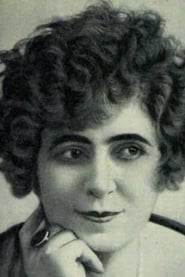
Renée Carl
Born — Died
1875-06-10 — 1954-07-31
Place of birth
Fontenay-le-Comte
Known for
Acting
Credits
62 titles
Renée Carl (10 June 1875 – 31 July 1954) was a French actress of the silent era. She was born in Fontenay-le-Comte, Vendée, France, and died in Paris, France. Between 1907 and 1937, she appeared in 186 films. A favorite of film director Louis Feuillade, she appeared in, at least, 150 films directed by him including the short Bébé and Bout de Zan comedies. Of the many characters she played in Feuillade's films, perhaps her most famous portrayal was that of Lady Beltham, mistress of the notorious Fantômas in the serial of the same name. She makes an uncredited appearance, as "L'Andalouse," in The Vampires. In 1922, she directed and starred in the film A Shout from the Abyss, also known as Un…
Known for
 7.2
7.2Pépé le Moko, one of France's most wanted criminals, hides out in the Casbah section of Algiers. He knows police will be waiting for him if he tries to leave the city. When Pépé meets Gaby, a gorgeous woman from Paris who is lost in the Casbah, he falls for her.
Pépé le Moko
1937
 NR
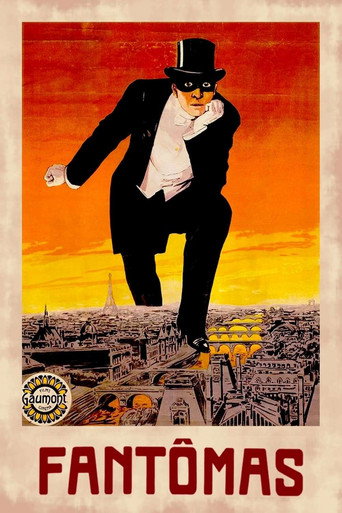
NRA French silent film serial which follows the exploits of the archvillain Fantômas, who commits crimes while eluding Inspector Juve’s tireless persecution.
Fantômas
1913
 NR
NRA young shepherd and servant girl are separated when she is sold into slavery and taken to Alexandria. Far from home, she struggles with the loss of her beloved as fate brings their paths together once again.
Idylle corinthienne
1909
 6.4
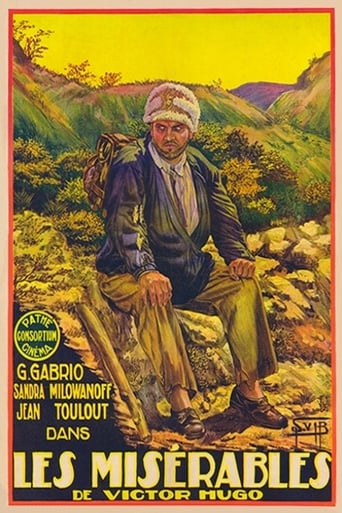
6.4In 19th century France, Jean Valjean, a man imprisoned for stealing bread, must flee a relentless policeman named Javert. The pursuit consumes both men's lives, and soon Valjean finds himself in the midst of the student revolutions in France.
Les Misérables
1925
 8.0
8.0No synopsis available yet.
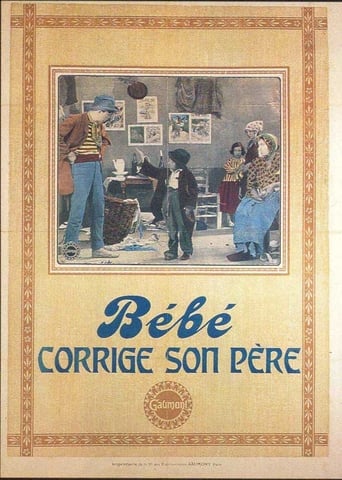
Bébé Corrects His Father
1911
 7.0
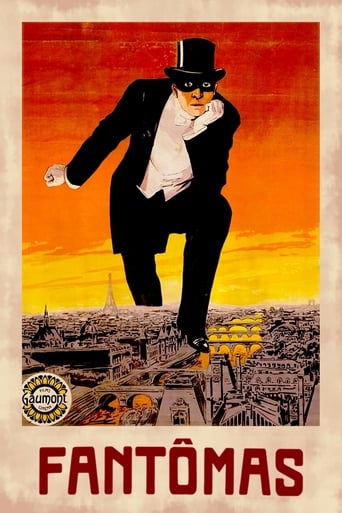
7.0A French silent film serial which follows the exploits of the archvillain Fantômas, who commits crimes while eluding Inspector Juve's tireless persecution.
Fantômas
1913
Film credits
1930s · 2 titles
7.2Pépé le Moko, one of France's most wanted criminals, hides out in the Casbah section of Algiers. He knows police will be waiting for him if he tries to leave the city. When Pépé meets Gaby, a gorgeous woman from Paris who is lost in the Casbah, he falls for her.
Pépé le Moko
1937
In 1907, the Gaumont Films company in France made a slapstick comedy (silent, of course) with a title that would translate from the French as 'A gentleman who ate some bull'. Eugene Deslow got hold of that film and added an introduction plus a soundtrack, the latter consisting of commentary narrated by the single-named actor Bétove.
Un monsieur qui a mangé du taureau
1935
1920s · 3 titles
6.4In 19th century France, Jean Valjean, a man imprisoned for stealing bread, must flee a relentless policeman named Javert. The pursuit consumes both men's lives, and soon Valjean finds himself in the midst of the student revolutions in France.
Les Misérables
1925
 3.0
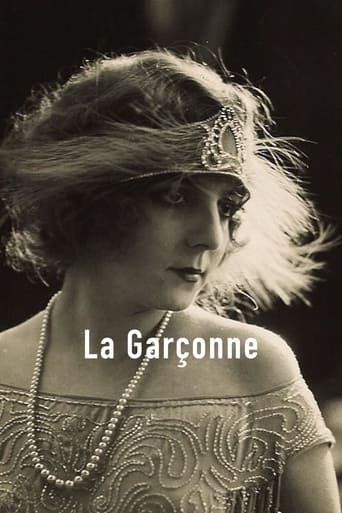
3.0Monique is an ingenue, a clueless girl who believes in true love. A marriage is the only thing a decent girl must long for. When she discovers that her future husband has a lover, she rebels against her bourgeois family.
The Bachelor Girl
1923
After the divorce of her parents, Colette gets sent to her grandfather's who she never really knows. Mrs. Lapierre, her new governess is very severe indeed. Later, due to their disputes, Colette runs away from home and gets sick.
Les Larmes de Colette
1926
1910s · 47 titles
8.0No synopsis available yet.
Bébé Corrects His Father
1911
7.0A French silent film serial which follows the exploits of the archvillain Fantômas, who commits crimes while eluding Inspector Juve's tireless persecution.
Fantômas
1913
Part of the series La Vie telle qu'elle est.
Le Poison
1911
Bout de Zan is a young boy by description and a petty thief by vocation. In this short, he does indeed steal an elephant from a circus, parading it around town and using it to beg for money. Due to their rambunctiousness, Bout de Zan and the elephant (!) need saving from the authorities.
Bout de Zan Steals an Elephant
1913
Bébé's father is attacked by the "apaches", a group of hooligans. Bébé and his sister decide to avenge him by gaining the group's trust and bringing them into a trap.
Bébé apache
1910
Having faked an automobile accident, an adventuress is taken into the home of a "ganadero" (a landowner of the Camargue), whom she seduces. Her intention is to steal, with the aid of an accomplice, a cheque which represents the proceeds of a sale of cattle. Her plan is foiled however, thanks to the dedication of the ganadero’s young secretary. Entirely shot on location in the Camargue, this is one of the earliest of Feuillade’s surviving films clearly to demonstrate his predilection for systematically mixing documentary and fiction — though the idea seems already to have been evident in the films he shot in Britanny during the summer of 1909, for example La Légende des phares. Unfortunately none of these films has survived complete.
L’Aventurière
1910
No synopsis available yet.
The Exodus
1910
 4.6
4.6A manuscript delivered to a playhouse is eventually turned into a major hit with critics and audience alike. The only problem is that no one knows who wrote it. The actress of the play receives a call from the author and the two quickly becomes friends, but the man won't give any details about himself- He has a secret.
The Dwarf
1912
 NR
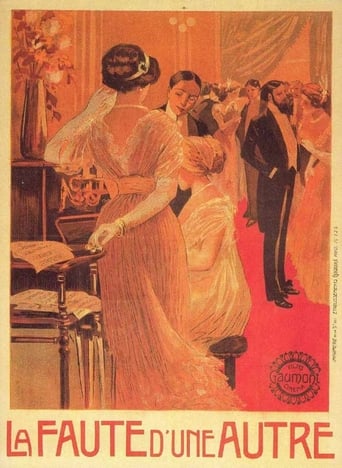
NRNo synopsis available yet.
The Fault of Another
1910
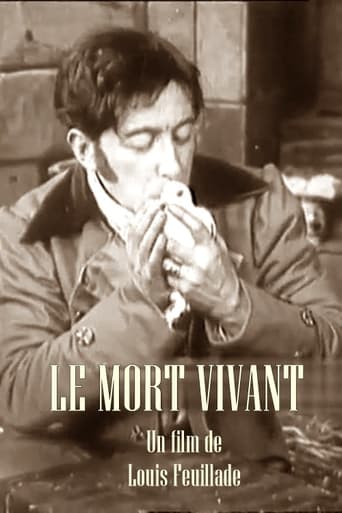 10.0
10.0No synopsis available yet.
The Living Dead
1912
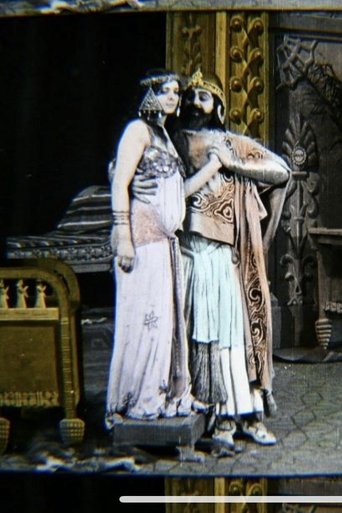 7.5
7.5No synopsis available yet.
Esther
1910
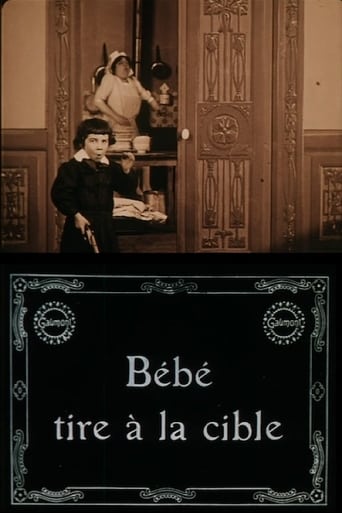 5.5
5.5A short from Feuillade's Bébé series
Jimmy Pulls The Trigger
1912
On his way to visit his mistress, a man has a serious car accident. His wife cares for him with such devotion that he rediscovers his love for her.
L'Accident
1912
 5.8
5.8A mother (Renee Carl) goes to see a palm reader who informs her that a loved one is about to die. The woman doesn't know if it's her son or her husband (Rene Navarre) but history buffs will know who it is as it's April 10, 1912 and the husband is about to board the Titanic.
The Obsession
1912
No synopsis available yet.
Baby Fisherman
1910
No synopsis available yet.
Bébé nègre
1911
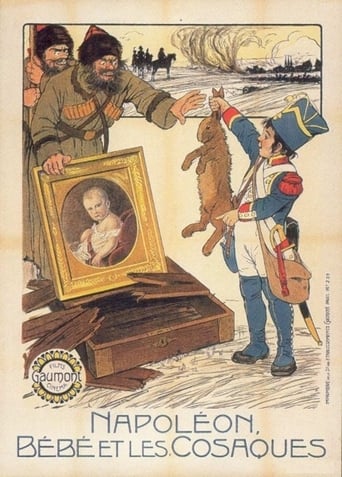 10.0
10.0At the front, Bébé meets two Russian soldiers.
Napoléon, Bébé, and the Cossacks
1912
 NR
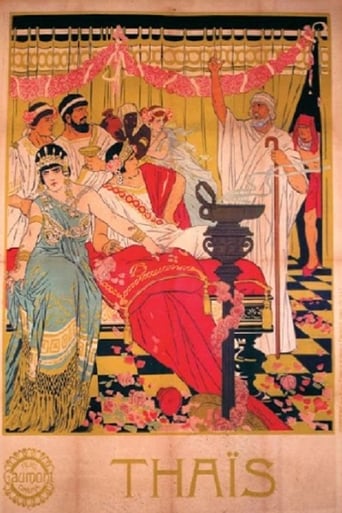
NRNo synopsis available yet.
Thaïs
1911
 6.8
6.8A child is kidnapped and forced to sell flowers on the street.
L'Intruse
1913
A newly married couple moves into a house. But the bride disappears.
The Dungeon
1912
 7.0
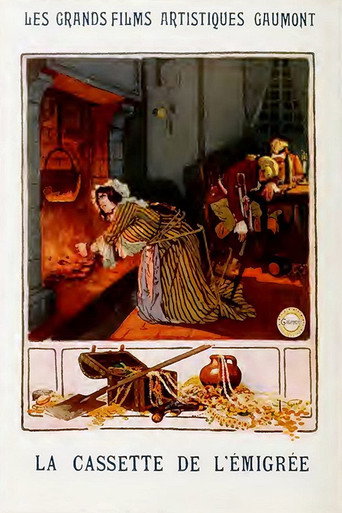
7.0No synopsis available yet.
La Cassette de l'émigrée
1912
 7.5
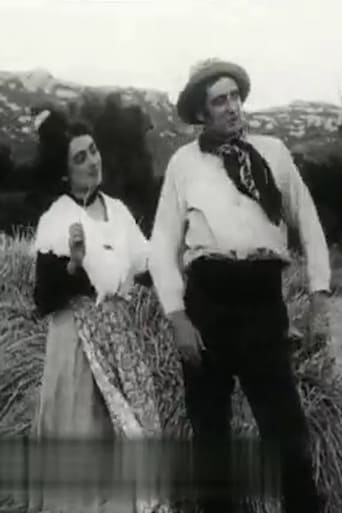
7.5This charming short film was shot in the Camargue, probably in the same place where Jean Durand filmed his cowboy movies. The plot is very simple. A guardian falls in love with a Parisian. Desperate, he commits suicide when she returns to the capital. But, as always with Perret, we appreciate the framing, the skilful use of the exteriors and the documentary side of life of the time. We see the young Arlesianas in traditional dress go out to collect almonds and return with their baskets to the city. The actor in the role of the guardian overreacts, imitating bombastic despair. But the finale, in which he rides a horse through the waves to find the rest of death, preserves its charm intact. Perret knows how to set the rhythm of a sequence and give it the necessary atmosphere.
The Guardian of Camargue
1910
After returning from the circus, Bout-de-Zan starts doing acrobatic tricks.
Bout-de-Zan revient du cirque
1912
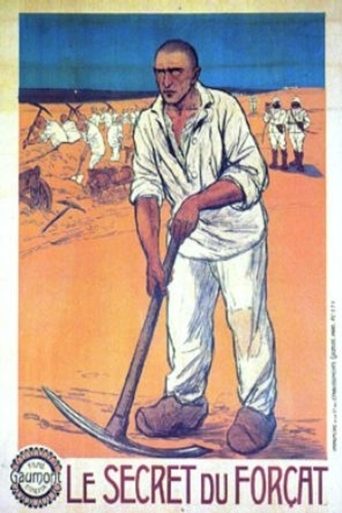 8.0
8.0No synopsis available yet.
The Secret of Forçat
1913
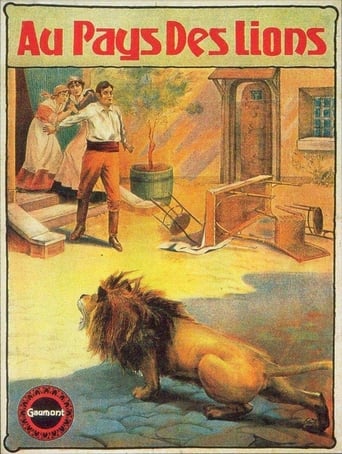 8.0
8.0A French silent film directed by Louis Feuillade.
In the Land of Lions
1912
 5.6
5.6A silent French film depicting the story of the nativity.
The Nativity
1910
One night, Bout-de-Zan finds a wanderer and shares his bed to him. The next morning there is a general panic among the servants...
Bout-de-Zan et le cheminot
1913
To secure victory against the Ammonites, the Israeli judge Jephthah vowed to sacrifice the first person who greeted him upon his return. After crushing the enemy, he was devastated when his only daughter emerged first. Resigned to her fate, she requested two months to weep in the mountains before heroically submitting to her father’s tragic oath.
Jephthah's Daughter
1910
 5.6
5.6The innkeeper's daughter is in love, but her mother has already decided that she is going to be married to another man.
The Heart and the Money
1912
Part of the series La Vie telle qu'elle est
Le Chef-lieu de canton
1911
 8.0
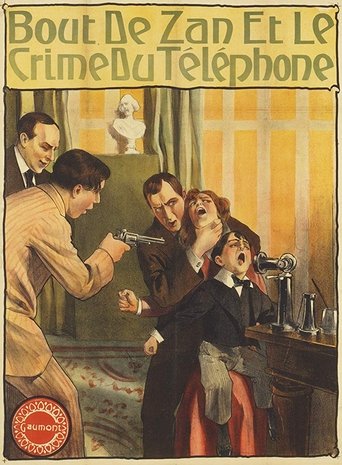
8.0Some amateur players rehearse a crime play in the apartment of one of the company. Bout-de-Zan connects the telephone to the room of the concierge, who thinks that a crime is being committed in her lodging house.
Bout-de-Zan et le crime au téléphone
1914
 7.0
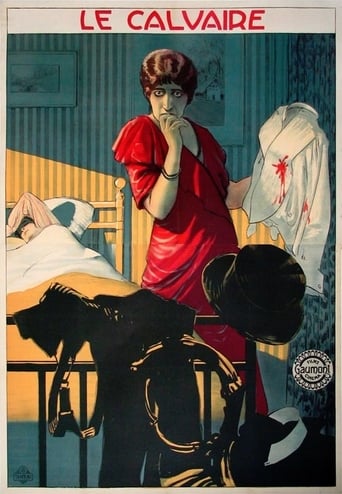
7.0A French silent film directed by Louis Feuillade.
The Cavalry
1914
Part of the series La Vie telle qu'elle est
Le Bas de laine
1911
No synopsis available yet.
The Wagon Child
1914
 7.0
7.0Pisa, 1494. Young Severo, who has sworn to stab the tyrant in his town, learns that it is his own father.
Severo Torelli
1914
 5.8
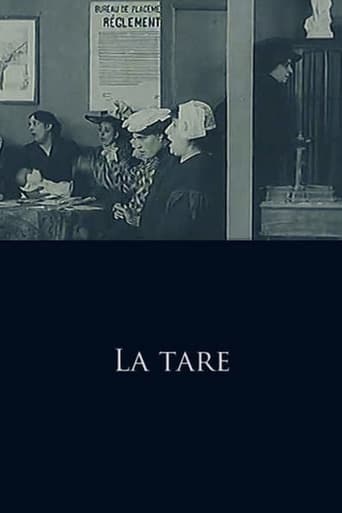
5.8LA TARE is about Anna, a woman who is rescued from a Parisian dance hall to work in a charitable hospital. Over the years, she rises to become the head of the institution, but when an old habitué of the dance hall recognizes her picture, he attempts to blackmail her.
The Defect
1911
No synopsis available yet.
The Toledo Chest
1914
The atmosphere in the living-room of Bébé's parents living-room is peaceful. Bébé is reading a children's book and his father the newspaper while Madam is playing the piano. Peaceful at least until the maid comes in and gives Bébé's mother a document that makes her wince. Her husband takes notice of the paper and realizes it is an invoice from a clothes shop, whose amount gives him vertigo. Beside himself one more time, he starts one of those quarrels Bébé is fed up with. When his exasperated mother decides to leave home, Bébé has no other solution but to kill himself, or rather to simulate suicide, in order to reunite his parents.
Le Suicide de Bébé
1912
The son of Emperor Nero's poisoner drinks the fatal potion prepared by his mother.
Le Fils de Locuste
1911
A series of seven short films of varying length demonstrating each of the seven deadly sins.
The Seven Deadly Sins
1910
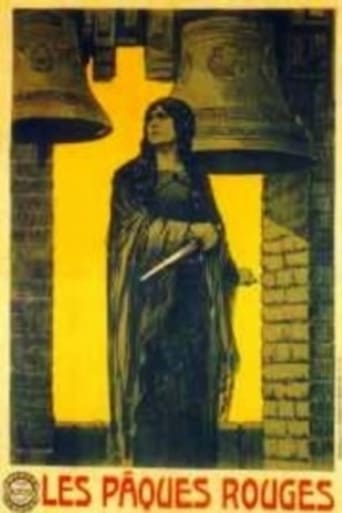 8.0
8.0When a bandit captures a medieval Italian city, he imprisons and threatens to execute the betrothed of the city's absent ruler, who must return in time to rescue his beloved and save the city.
At the Hour of Dawn
1914
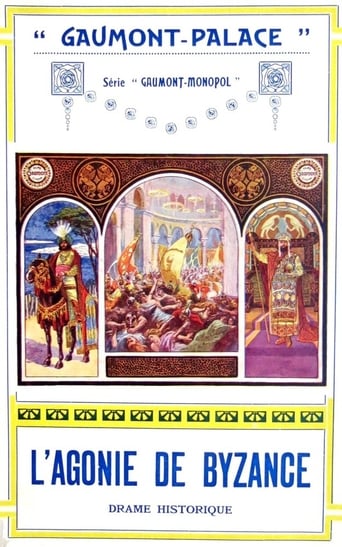 5.9
5.9The fall of Constantinople to the Ottoman Turks, an event that marked the end of the Byzantine Empire.
The Agony of Byzantium
1913
No synopsis available yet.
Bébé veut payer ses dettes
1912
No synopsis available yet.
Bébé roi de Rome
1911
Part of the series La Vie telle qu'elle est.
Tant que vous serez heureux
1911
Part of the series La Vie telle qu'elle est
A General Strike
1911
Part of the series La Vie telle qu'elle est.
Le Pont sur l'abîme
1912
1900s · 8 titles
NRA young shepherd and servant girl are separated when she is sold into slavery and taken to Alexandria. Far from home, she struggles with the loss of her beloved as fate brings their paths together once again.
Idylle corinthienne
1909
Forced to renounce the woman he loves because she is to marry another, a young sailor sets sail for a distant fishing voyage. While the wedding in the village is being celebrated without joy for the bride, a shipwreck drifts towards the shore. The villagers and the wedding party rush to the lifeboat. The body of the former fiancé is brought ashore. The woman who loved him so much, overcome with grief, throws herself upon the lifeless body while the young husband goes mad.
The Shipwreck
1909
Directed by either Louis Feuillade (atributed) or by Etienne Arnaud (atributed), according to the Gaumont archives.
The Huguenot
1909
 4.5
4.5Once Madame Ducordon discovers the joys of a new fashionable dance, she starts performing it wherever she happens to be.
La Bous Bous Mée
1909
 5.7
5.7This short film consists of a crazy old colonel being asked to entertain party guests about his exploits of daring. However, being a totally insane old coot, he runs amok acting out his war-time heroics--smashing and throwing everything in the room!
The Colonel's Account
1907
 5.0
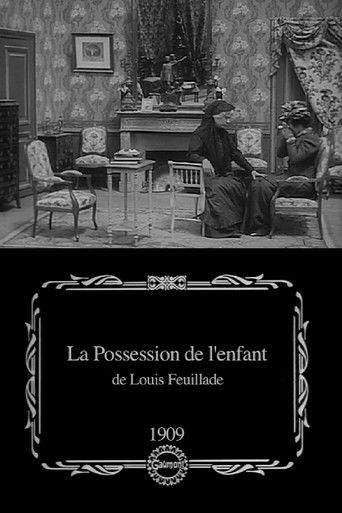
5.0Melodrama about a rich father who gains custody of his child while the mother goes off in tears. Of course, the child is miserable even though he has everything in the world but after a weekend trip at his poor mother's house, the child realizes that money isn't everything and he has to convince the father that his money is evil.
Custody of the Child
1909
 6.1
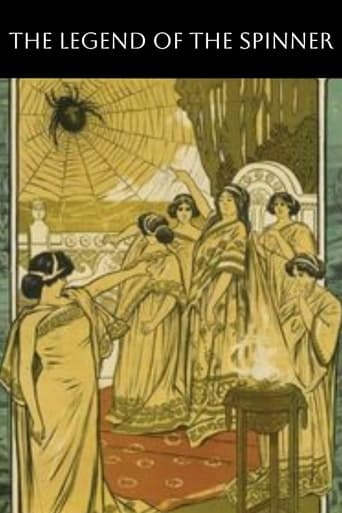
6.1The goddess Minerva is jealous of the young Arachne who is more clever it in weaving. Out of spite, Arachne Minerva rushed into hell, then transforms into a spider that will forever spinning its web.
The Legend of the Spinner
1908
A traveler is welcomed into a fully automated hotel, where no human intervention is required. But the machines malfunction, giving the guest a nightmarish experience. Extremely dissatisfied, he wants to leave without paying. However, this possibility having been anticipated, he has no choice but to pay the bill, and also to leave a tip.
The Hotel of Silence
1908