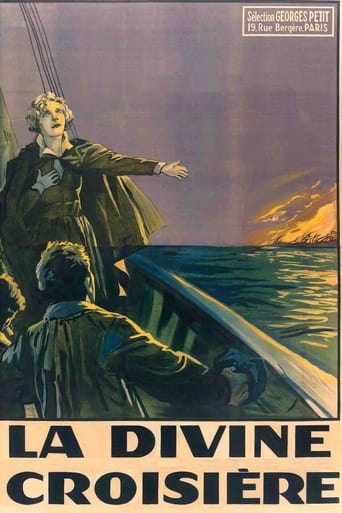
Acting
Line Noro
Born — Died
1900-02-22 — 1985-11-04
Place of birth
Houdelaincourt, Meuse, Lorraine, France
Known for
Acting
Credits
49 titles
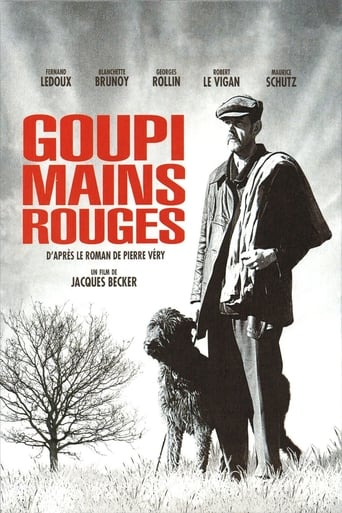
Aline Simone Noro, known as Line Noro, born February 22, 1900 in Houdelaincourt (Meuse) and died November 4, 1985 in the 13th arrondissement of Paris, is a French actress. Line Noro is the granddaughter of the communard couple Jean-Baptiste and Émilie Noro, originally from Lyon. In the theatre, Line Noro has notably worked with Jacques Copeau, Charles Dullin and Louis Jouvet. For more than twenty years, she was a resident of the Comédie-Française (from 1945 to 1966). Actress of composition roles, also specializing in "weeping roles", she played in the cinema in about fifty films between 1928 and 1956, among which: "Pépé le Moko" by Julien Duvivier (1937), "Goupi Mains Rouges " by Jacques Be…
Known for
 7.2
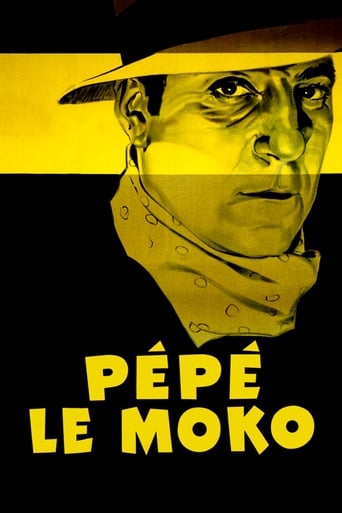
7.2Pépé le Moko, one of France's most wanted criminals, hides out in the Casbah section of Algiers. He knows police will be waiting for him if he tries to leave the city. When Pépé meets Gaby, a gorgeous woman from Paris who is lost in the Casbah, he falls for her.
Pépé le Moko
1937
 6.7
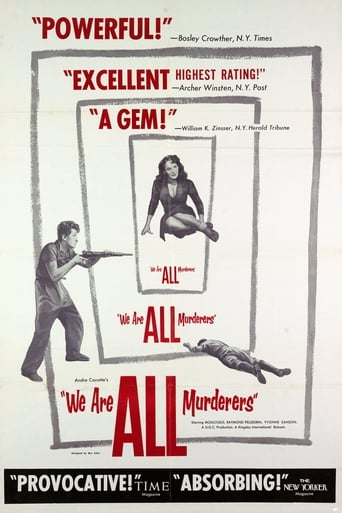
6.7Originally titled Nous Sommes Tout des Assassins, We Are All Murderers was directed by Andre Cayette, a former lawyer who detested France's execution system. Charles Spaak's screenplay makes no attempt to launder the four principal characters (Marcel Mouloudji, Raymond Pellegrin, Antoinine Balpetre, Julien Verdeir): never mind the motivations, these are all hardened murderers. Still, the film condemns the sadistic ritual through which these four men are brought to the guillotine. In France, the policy is to never tell the condemned man when the execution will occur--and then to show up without warning and drag the victim kicking and screaming to his doom, without any opportunity to make peace with himself or his Maker. By the end of this harrowing film, the audience feels as dehumanized as the four "protagonists." We Are All Murderers was roundly roasted by the French law enforcement establishment, but it won a special jury prize at the 1952 Cannes Film Festival.
We Are All Murderers
1952
 6.4
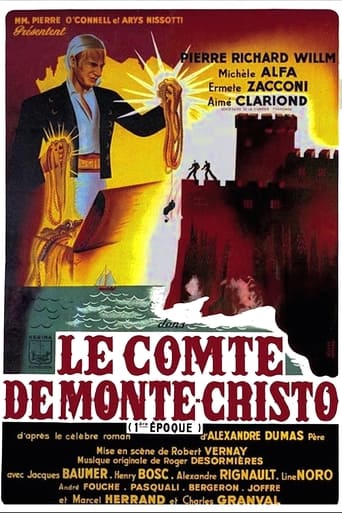
6.4Edmond Dantes is falsely accused by those jealous of his good fortune, and is sentenced to spend the rest of his life in the notorious island prison, Chateau d'If. While imprisoned, he meets the Abbe Faria, a fellow prisoner whom everyone believes to be mad. The Abbe tells Edmond of a fantastic treasure hidden away on a tiny island, that only he knows the location of. After many years in prison, the old Abbe dies, and Edmond escapes disguised as the dead body. Now free, Edmond must find the treasure the Abbe told him of, so he can use the new-found wealth to exact revenge on those who have wronged him.
The Count of Monte Cristo Part 1 - The Prisoner of Kastell
1943
 6.7
6.7An old woman living in an inn is killed and her family members seem like the likely culprits.
It Happened at the Inn
1943
 7.1
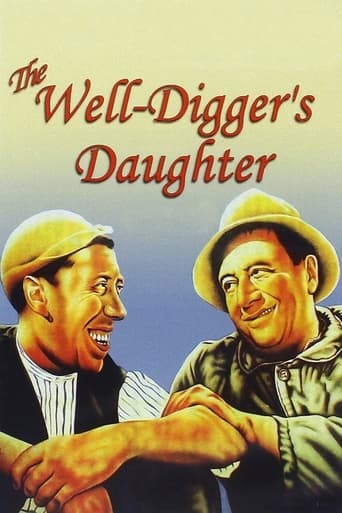
7.1A rural maiden's two suitors go off to war, leaving her pregnant.
The Well-Digger's Daughter
1940
 6.8
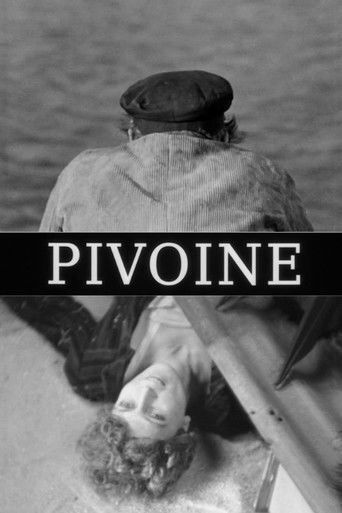
6.8Pivoine, a tramp living on the docks near Notre Dame, Macaroni and Georgette are his companions in misfortune. Could no longer bear the insults of passersby and stone throwing children, Pivoine decided to move...
Pivoine
1929
Film credits

1950s · 7 titles
6.7Originally titled Nous Sommes Tout des Assassins, We Are All Murderers was directed by Andre Cayette, a former lawyer who detested France's execution system. Charles Spaak's screenplay makes no attempt to launder the four principal characters (Marcel Mouloudji, Raymond Pellegrin, Antoinine Balpetre, Julien Verdeir): never mind the motivations, these are all hardened murderers. Still, the film condemns the sadistic ritual through which these four men are brought to the guillotine. In France, the policy is to never tell the condemned man when the execution will occur--and then to show up without warning and drag the victim kicking and screaming to his doom, without any opportunity to make peace with himself or his Maker. By the end of this harrowing film, the audience feels as dehumanized as the four "protagonists." We Are All Murderers was roundly roasted by the French law enforcement establishment, but it won a special jury prize at the 1952 Cannes Film Festival.
We Are All Murderers
1952
 7.3
7.3Jean Michaut is a bargeman who lives near an old barge cemetery named "Bras-Mort". He is in love with Monique, the daughter of a wealthy boat owner. The girl returns his affection which goes against her family's class prejudices. Her family prove willing to do anything to separate the lovers, but, Monique will not buy in. On the contrary, she leaves her intolerant family to live with Jean among simple, more tolerant bargemen.
The Lovers of Bras-Mort
1951
 5.4
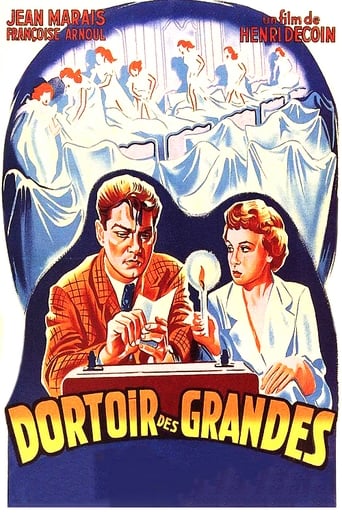
5.4In a little town with a renowned college a female student is found after she was hogtied and strangled to death. Inspector Marco is assigned to catch the murderer.
Inside a Girls' Dormitory
1953
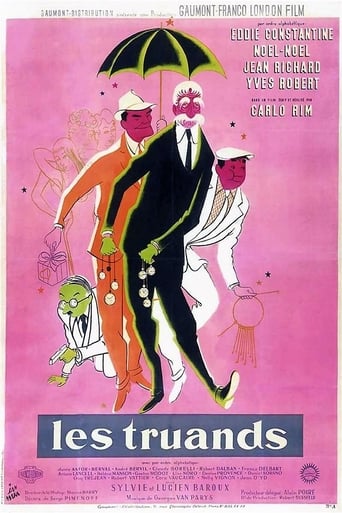 5.7
5.7"Thieves We Are" - In flashback, the audience learns why 104-year-old Amedee steals the watch belonging to the town mayor. The story develops into a history of the watch-thievery business, told in anecdotal fashion.
Les Truands
1956
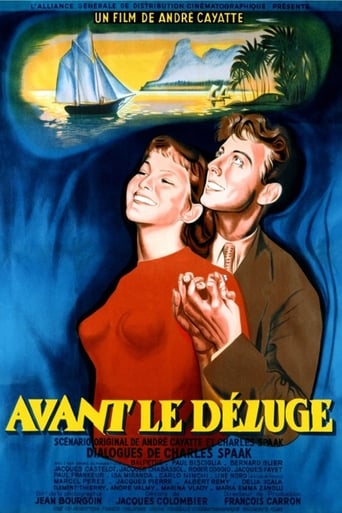 6.6
6.6The title of this French "reality" drama, which translates to Before the Deluge, is a play on Louis XVI's famous prognostication, "Apres moi, le deluge." Set in 1950, the film concentrates on five Parisian adolescents. Certain that the next war will herald the apocalypse, the youngster make plans to run off to a desert island and set up a new society. This, however, will require money, which is why the boys decide to pull off a "necessary" robbery. Idealism collapses in the face of cold reality, as the five youths suffer from the consequences of their actions. Avant le Deluge was one of a group of films cowritten by director Andre Cayatte and Charles Spaak which endeavored to explore the touchy social issues of the day: others in the Cayatte-Spaak canon include the euthanasia-themed Justice est Faite and the capital-punishment tract Nous sommes tous des assassins.
Before the Deluge
1954
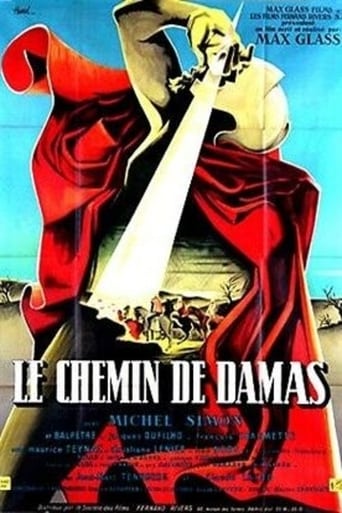 8.0
8.0Saul De Tarse is a Roman soldier who is making rough all over. He arrives at the Golgotha when the apostles remove the cross. He ruthlessly persecutes the Christians, even though they are his own friends.
The Road to Damascus
1952
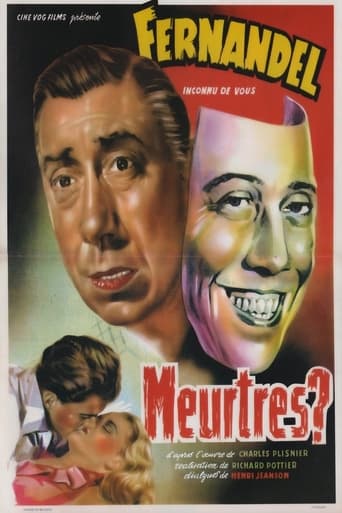 7.0
7.0A man assists his gravely ill wife to die and wants to face justice for this, but his brothers try everything to keep the family's name clean.
Three Sinners
1950
1940s · 21 titles
6.4Edmond Dantes is falsely accused by those jealous of his good fortune, and is sentenced to spend the rest of his life in the notorious island prison, Chateau d'If. While imprisoned, he meets the Abbe Faria, a fellow prisoner whom everyone believes to be mad. The Abbe tells Edmond of a fantastic treasure hidden away on a tiny island, that only he knows the location of. After many years in prison, the old Abbe dies, and Edmond escapes disguised as the dead body. Now free, Edmond must find the treasure the Abbe told him of, so he can use the new-found wealth to exact revenge on those who have wronged him.
The Count of Monte Cristo Part 1 - The Prisoner of Kastell
1943
6.7An old woman living in an inn is killed and her family members seem like the likely culprits.
It Happened at the Inn
1943
7.1A rural maiden's two suitors go off to war, leaving her pregnant.
The Well-Digger's Daughter
1940
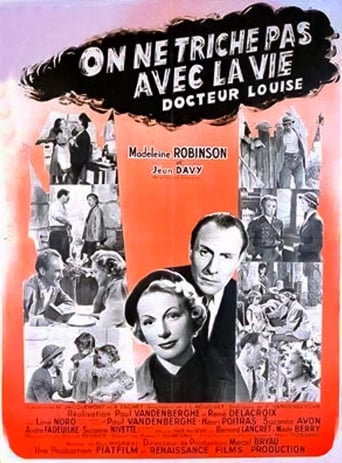 8.0
8.0The struggle of a female doctor against superstition and healers.
The Story of Dr. Louise
1949
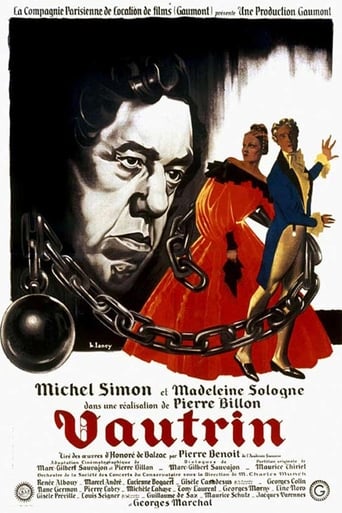 7.9
7.9A famous convict Jacques Collin, alias Trompe la mort, or abbot Carlos Herrera, also called Vautrin, escapes from prison. Chance makes him meet Lucien de Rubempré, an impetuous and eternal lover who, when he is dismissed, collapses. Moved by this fragility, he takes him under his wing, and will do everything possible to ensure that his creature reaches happiness, even if it means imagining the worst shenanigans and other scams, with the help of a band of clever villains.
Vautrin the Thief
1943
 6.2
6.2On Christmas Eve, Swiss minister Jean Martens takes in a blind, half-crippled orphan and brings her up among his own four children. But Gertrude grows into a woman and Jean gradually falls in love with her without admitting it to himself. On the contrary, he lulls his conscience by interpreting the Scriptures to his advantage. But neither his wife nor his oldest son are fooled. Following a long-delayed operation, Gertrude recovers her sight but she is not long to find out that sin has corrupted the soul of her benefactor.
Pastoral Symphony
1946
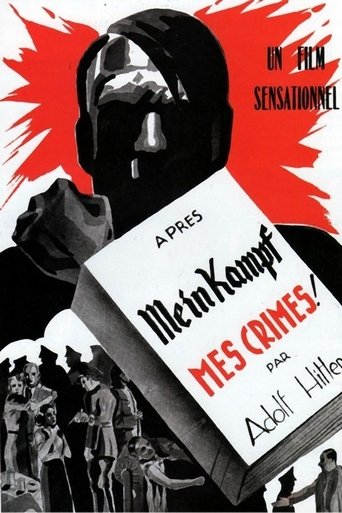 5.3
5.3The film shows the seizure of power by the Nazis and Hitler wants a trial, at a time when France has just declared war on Germany (Sept. 3, 1939). Hybrid composition, it alternates originals and reconstructions performed by actors (docudrama). A not-so-subtle condemnation of Hitler, Nazism and Germany by the movie's French film makers, which conveniently makes no mention of how the policies of Great Britain and France created Hitler and allowed him to go as far as he did prior to the beginning of the Second World War.
My Crimes After Mein Kampf
1940
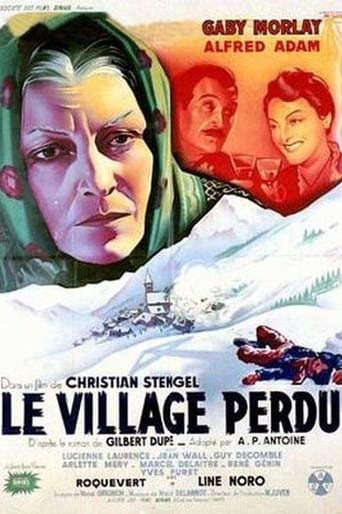 5.8
5.8In the peaceful alpine village of Granges-de-Mortes, a tragedy has just taken place: Gustave Boeuf, the local Casanova, has mysteriously died at the foot of a wayside cross. Shortly afterwards, a peasant, who is suspected of having murdered him, hangs himself from a branch of the calvary. But was he the real culprit? Angélique Barrodet, an old maid , who had been Gustave's fiancée before he abandoned her on the very day of their wedding, leads the investigation in her own way.
The Lost Village
1947
 6.1
6.1Sylvie, a young woman who believes to be cursed, lives in the town of Carcassonne with her guardian, Mr. Toulzac. He is a retired teacher who wishes to discover the secret of the Cathars, a Christian sect of the Middle Ages that glorified death over life. Sylvie meets Roland, a composer who instills new hope into her troubled mind. Mr. Toulzac then asks her then to renounce the world and go down a secret tomb he has just found.
The Bride of Darkness
1945
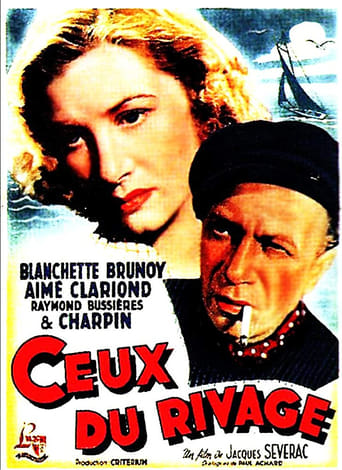 9.0
9.0In the oyster and fishing town of Arcachon, one man doesn't want his adopted son to get married to the daughter of his rival, and he suspects a dark underlying secret.
Ceux du rivage
1943
 7.0
7.0Pierre and Florence meet at the fair in Paris. They vow eternal love and go to Cassis, under the Southern sun. But Florence has a burdensome past: before meeting Pierre she was a kept woman. Her chivalrous lover, Dominique, chooses to set her free. But Pierre is an uncompromising man and, furious with Florence, threatens to leave her...
La Prière aux étoiles
1941
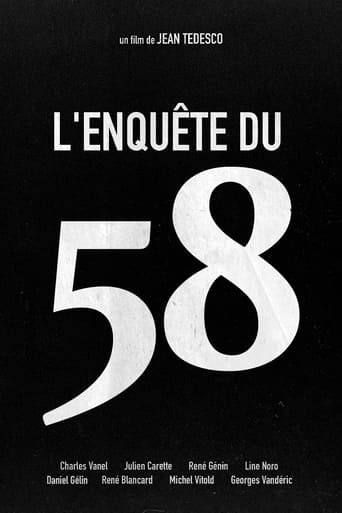 8.5
8.5A train driver has not slowed down at a signal and caused an accident whose victim is a gatekeeper. Two inspectors come to investigate the affair. During his interrogation, the driver refuses to provide an explanation for his action and is charged with malpractice. The only one he will tell the truth to is the gatekeeper's wife.
L'Enquête du 58
1945
 6.2
6.2A violinist passes on to his daughter three rings which represent three passions of his romantic past, and urges her to save each for men who truly deserve one.She squanders them all on one man who is undeserving.
Blind Desire
1945
 10.0
10.0A young pilot, Martin, applies for the Ecole Militaire de Salon. He is accused of having caused the accident of one of his bosses, his career is then threatened.
La Grande Volière
1948
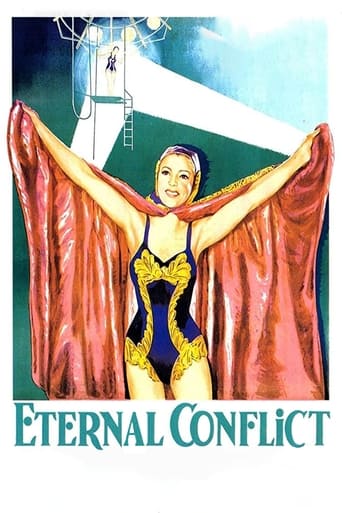 5.6
5.6Janvier, an embittered teacher, is fed up with his colorless, monotonous life. One day he breaks away and ends up becoming a circus clown. In his new world, he meets a beautiful acrobat nicknamed Lili and grows fonder and fonder of her every day of his life. The trouble is that the lady bestows her favors to two different lovers : wealthy married man Chardeuil and good-looking but listless young Antonio. He now considers his duty to make Lili recover her dignity.
Eternal Conflict
1948
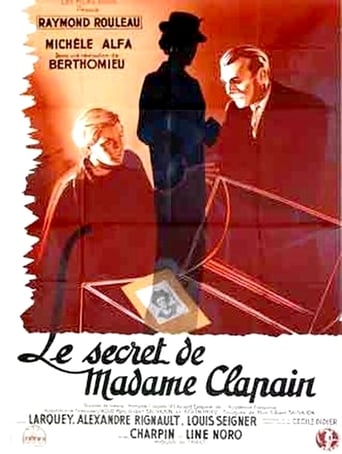 9.0
9.0Madame Clapain dies in dubious circumstances at the home of the Cadifon ladies, of which she was a tenant. A friendly inspector and Thérèse Cadifon each carry out their own investigation.
The Secret of Madame Clapain
1943
 7.0
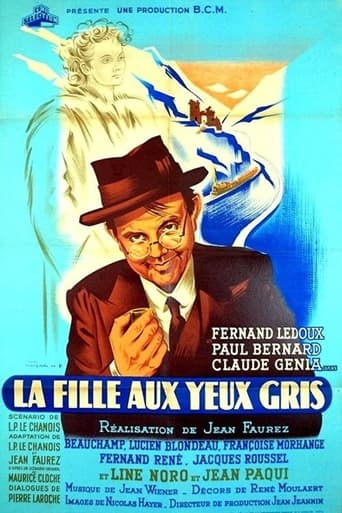
7.0A village lost in the mountains where Catherine called L'Airelle's love affair takes place with a young doctor. Catherine's father is the local bonesetter whose wife threw herself into a glacier out of despair of love and whose body reappears intact twenty years later. In addition, the pharmacist of the country is accused of having seduced a young girl who is avenged by her mother. The bonesetter also dies, the village fortunately continues to live.
Girl with Grey Eyes
1945
Abandoned by her husband Marc, Thérèse Romanay cheats on him with André Norans. When Romanay finds out, he drives her away. She runs away with her lover. But, during a mountain excursion, Norans is killed and Thérèse is herself seriously injured. But she recovers. The husband then forgives the unfaithful wife, and the couple reunites.
La Neige sur les pas
1942
 6.4
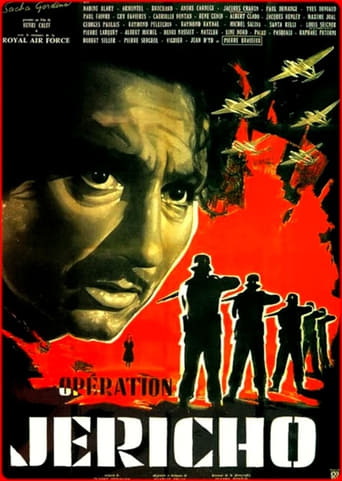
6.4June 1944, a French town towards the end of the occupation. Following several attacks perpetrated by the resistance, the inhabitants who listen to English radio are rounded up by the Germans in a prison and considered as hostages. In one of the cells are found men from all walks of life: an aristocrat, the Viscount of Saint-Leu, Doctor Noblet, a resistance fighter, Béquille the wanderer with a wooden leg, and a strange character nicknamed "Black Market". The latter arouses mistrust among the prisoners, because it could well have been introduced by the enemy.
Behind These Walls
1946
 NR
NRNo synopsis available yet.
La Prière aux étoiles (80min cut)
1941
 10.0
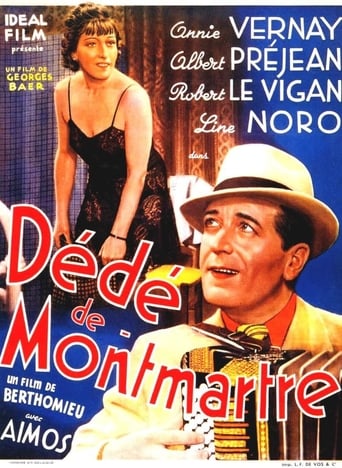
10.0Dédé de Montmartre, former king of the accordion, has become a bad boy who lives off drug trafficking and prostitution. He sets his sights on a young girl, fresh and naive, Odette, saleswoman at Galeries Lafayette. But he is touched by the charm of this midinette.
Dédé la musique
1940
1930s · 17 titles
7.2Pépé le Moko, one of France's most wanted criminals, hides out in the Casbah section of Algiers. He knows police will be waiting for him if he tries to leave the city. When Pépé meets Gaby, a gorgeous woman from Paris who is lost in the Casbah, he falls for her.
Pépé le Moko
1937
 9.0
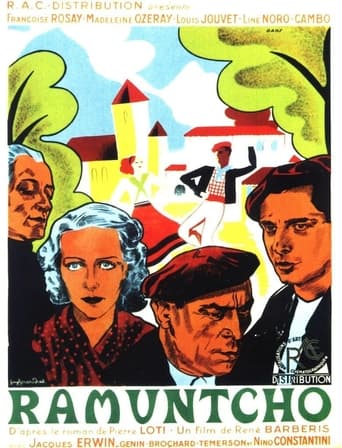
9.0Ramuntcho is a young man who has fallen in with a gang of smugglers, led by Itchoua, who carry their contraband across the border into Spain. He is in love with Gracieuse whose mother, Dolorès, bitterly dislikes Ramuntcho because he was born an illegitimate child. His smuggling activities force him to join the army and he is sent to Saigon and, because of her mother's desire to marry her off to someone else, Gracieuse joins a convent.
Ramuntcho
1938
 6.1
6.1Willy Ferrière is a gambler living beyond his means, and his mistress is as greedy as he's dead broke. One day, he says out of loud in a a Montparnasse café that he would give 100,000 francs to get rid of his wealthy aunt so he could claim his inheritance. Someone secretly lets Willy know it's a deal. The old lady is murdered, and a low-life criminal is manipulated to be the perfect suspect. But Superintendant Maigret feels something is wrong.
A Man's Head
1933
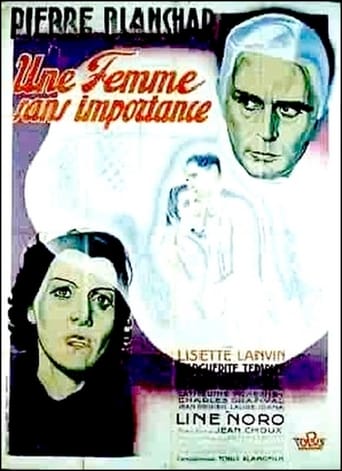 10.0
10.0A young lord who has abandoned his pregnant mistress hires his son, twenty years later, as secretary. He will try to fix his mistake.
A Woman of No Importance
1937
 6.0
6.0This is the story of two sisters: one of them is a semi-whore with her pimp, the other one tries to walk the line, in spite of her sisters’ attempts to debauch her. Enter a not-so-handsome young man the younger sister falls in love with.
Faubourg Montmartre
1931
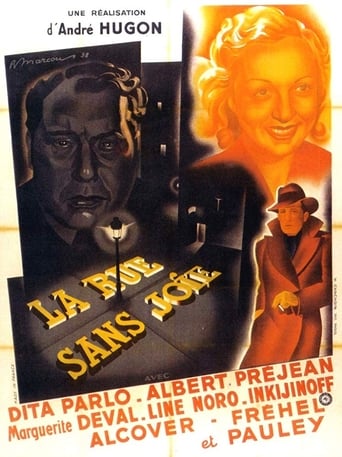 7.0
7.0Jeanne supports supports his family on his modest salary. Her boss is arrested for fraud. Jeanne is forced, out of poverty, in the street.
Street Without Joy
1938
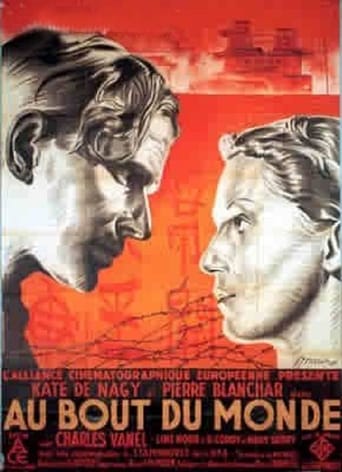 7.0
7.0No synopsis available yet.
At the End of the World
1934
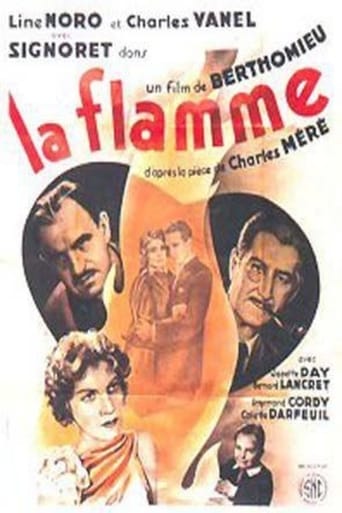 8.0
8.0A woman of easy virtue rejects a proposal of marriage made to her by a rich lover. But when her son is taken from her to be brought up in the best conditions, she keeps thinking about him. When she finds him, twenty years later, she can not adapt to the environment to which he now belongs.
The Flame
1936
 9.0
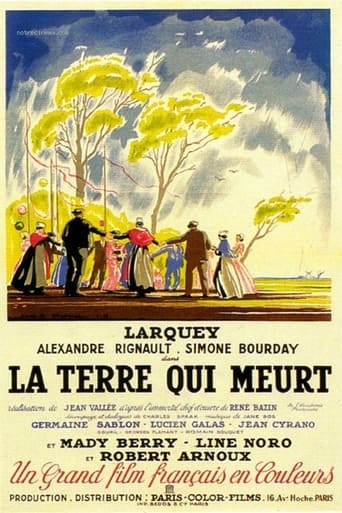
9.0In Vendée, an old farmer is gradually abandoned by his family who do not see their future in the fields. Only a cripple in love and abandoned remain at his side.
The Land That Dies
1936
 6.5
6.5After serving in the trenches of World War I, Jean Diaz recoils with such horror that he renounces love and personal pleasure to immerse himself in scientific research, seeking a machine to prevent war. He thinks he has succeeded, but the government subverts his discovery, and Europe slides with seeming inevitability toward World War II. In desperation, Diaz summons the ghosts of the war dead from the graves and fields of France to give silent, accusing protest.
J'Accuse
1938
 10.0
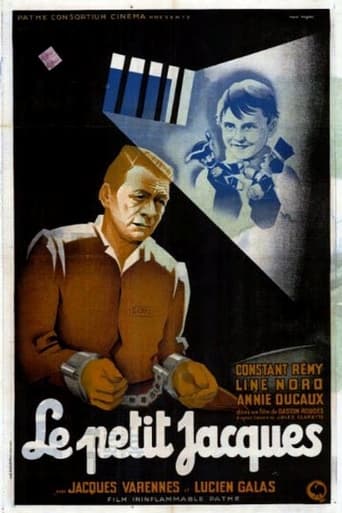
10.0An honest worker is unjustly accused of murder. The culprit promises him to give his son a good education if he allows himself to be condemned.
Le Petit Jacques
1934
 5.9
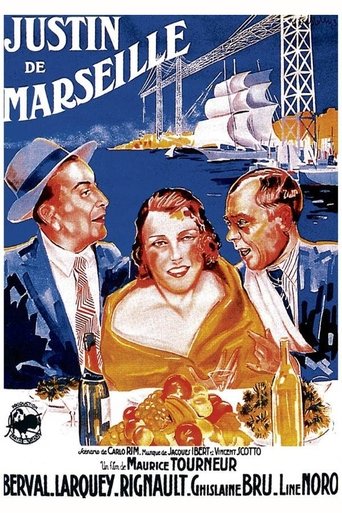
5.9A respected gangster, Justin, finds himself in a deadly feud with his rival, the unscrupulous Esposito. The latter plans to steal a cargo of opium bound for China and to have Justin killed.
Justin de Marseille
1935
 8.0
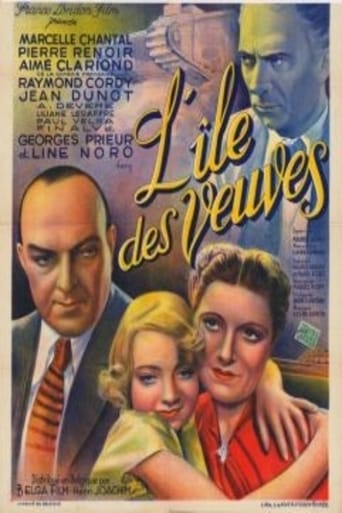
8.0During World War I, in Flanders, Berry and Trent were in love with the same girl, Yvonne. During a battle in the Widow's Island sector, Trent is wounded and abandoned by Berry. Trent being reported missing, Berry now has a clear path to marry Yvonne. Two decades later, Yvonne incidentally meets a tourist guide in the former combat zone region who looks fiendishly like - Trent.
L'Île des veuves
1937
 8.0
8.0One of the most popular melodrama films directed by Abel Gance. A paranoide, fanatical and obsessively jealous husband obducts his own son to bully his wife.
Mater Dolorosa
1933
A young woman flees with her lover, after having killed her brutal husband; hoping to live a few hours of happiness, before his arrest...
Dernière heure
1934
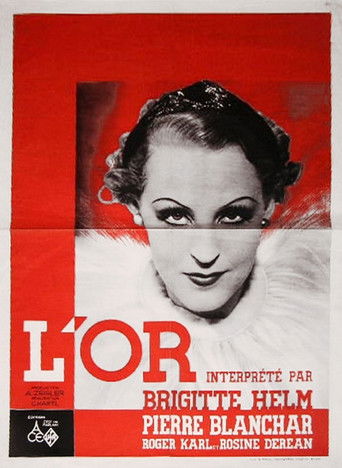 5.8
5.8No synopsis available yet.
L’Or
1934
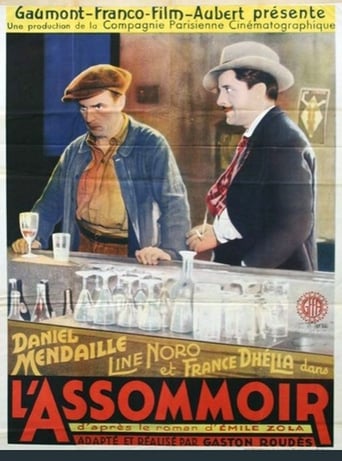 7.0
7.0Young Gervaise has been very unhappy since her friend abandoned her. The man named Coupeau, a sympathetic roofing worker, takes her under his protection and tries to make her forget her dramatic breakup. But Coupeau is unable to free himself from alcoholism and soon Gervaise finds herself on the street.
L'Assommoir
1933