
Known for
 7.3
7.3Soccer Aid is a biennial British charity event that has raised £6.5 million in aid of UNICEF UK through ticket sales and donations. The event is a football match between two teams of celebrities and former professional players, representing England and the Rest of the World. Television coverage began on ITV on 22 May 2006 in a show presented by Ant & Dec. Soccer Aid was initiated by Robbie Williams and Jonathan Wilkes. The event returned on 7 September 2008 and again on 6 June 2010. England beat Rest of the World in 2012.
Soccer Aid
2006
A hundred years after the theft from New Zealand of three irreplaceable tribal carvings, two members of a Māori tribe decide it's time for ancient grievances to be put right. Variously praised as a major step forward in indigenous cinema, attacked for overambition, and little screened, Te Rua marked Barry Barclay’s impassioned follow-up to his acclaimed debut feature Ngāti.
Te Rua
1991
 8.0
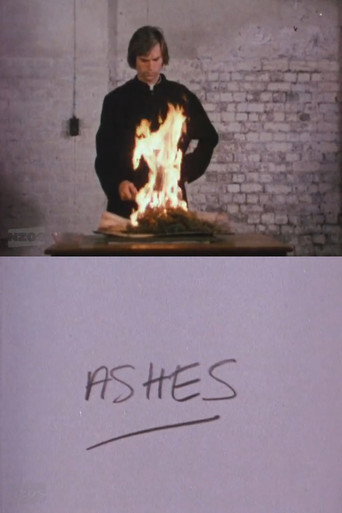
8.0Conversations with four people — an artist, a woman struggling with her identity as a high achiever, an actor, and a priest — exploring their inner worlds, their self-image and how they feel they fit into society. Are all of them acting, or only Sam Neill? The film features readings from Ash Wednesday, the poem written by TS Eliot after converting to anglicanism.
Ashes
1975
 10.0
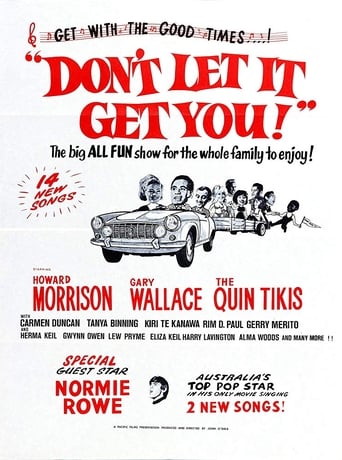
10.0“The big ALL FUN show for the whole family to enjoy!” was the tagline for this musical comedy classic. Sir Howard Morrison (as himself) and Rotorua are the stars in the tiki-flavoured tale. Moving from Sydney to a Rotorua music festival the plot centres on a romance between a young drummer (Gary Wallace) and his girl Judy (Carmen Duncan) and the hurdles they face to stay true. But this is only an excuse for a melange of madcap, pep-filled musical fun. Made by John O’Shea’s Pacific Films, it features Kiri Te Kanawa, Lew Pryme and Aussie star Norman Rowe.
Don't Let It Get You
1966
 6.5
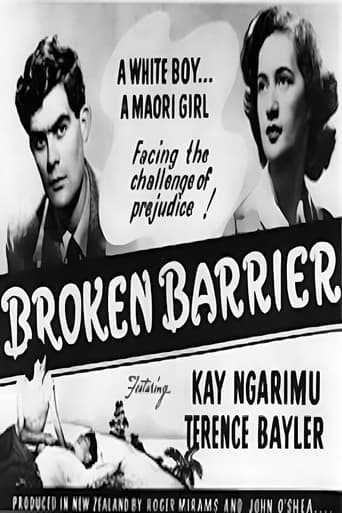
6.5Tom Sullivan, a young Pakeha journalist researching a series of exploitative, tabloid articles on "the" Maori people becomes a casual labourer on a Mahia Peninsular farm. The emotional liaison he forms with Rawi, a young Maori woman exposes the racism engendered by the particular social attitudes and expectations of that time.
Broken Barrier
1952
 7.2
7.2The life story of Colin McKenzie, a forgotten pioneer of international cinema who was born in rural New Zealand in 1888.
Forgotten Silver
1997
Film credits
1990s · 2 titles
7.2The life story of Colin McKenzie, a forgotten pioneer of international cinema who was born in rural New Zealand in 1888.
Forgotten Silver
1997
 NR
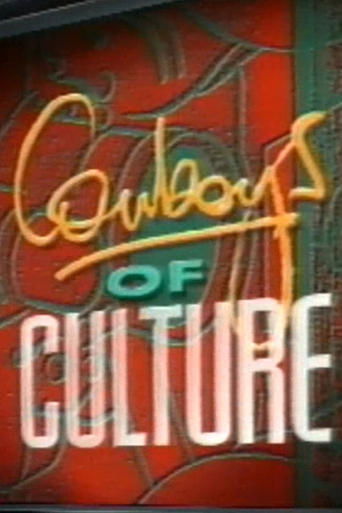
NRDirector Geoff Steven's personal perspective on the Kiwi cinema renaissance of the 1970s. It traces the development of the local film industry from the ‘she'll be right' days when filming permits were unknown, and all that was needed to get a picture up were a Bolex camera, enthusiasm and ingenuity.
Cowboys of Culture
1990
Series credits
Behind the camera
A hundred years after the theft from New Zealand of three irreplaceable tribal carvings, two members of a Māori tribe decide it's time for ancient grievances to be put right. Variously praised as a major step forward in indigenous cinema, attacked for overambition, and little screened, Te Rua marked Barry Barclay’s impassioned follow-up to his acclaimed debut feature Ngāti.
Te Rua
1991
8.0Conversations with four people — an artist, a woman struggling with her identity as a high achiever, an actor, and a priest — exploring their inner worlds, their self-image and how they feel they fit into society. Are all of them acting, or only Sam Neill? The film features readings from Ash Wednesday, the poem written by TS Eliot after converting to anglicanism.
Ashes
1975
10.0“The big ALL FUN show for the whole family to enjoy!” was the tagline for this musical comedy classic. Sir Howard Morrison (as himself) and Rotorua are the stars in the tiki-flavoured tale. Moving from Sydney to a Rotorua music festival the plot centres on a romance between a young drummer (Gary Wallace) and his girl Judy (Carmen Duncan) and the hurdles they face to stay true. But this is only an excuse for a melange of madcap, pep-filled musical fun. Made by John O’Shea’s Pacific Films, it features Kiri Te Kanawa, Lew Pryme and Aussie star Norman Rowe.
Don't Let It Get You
1966
10.0“The big ALL FUN show for the whole family to enjoy!” was the tagline for this musical comedy classic. Sir Howard Morrison (as himself) and Rotorua are the stars in the tiki-flavoured tale. Moving from Sydney to a Rotorua music festival the plot centres on a romance between a young drummer (Gary Wallace) and his girl Judy (Carmen Duncan) and the hurdles they face to stay true. But this is only an excuse for a melange of madcap, pep-filled musical fun. Made by John O’Shea’s Pacific Films, it features Kiri Te Kanawa, Lew Pryme and Aussie star Norman Rowe.
Don't Let It Get You
1966
6.5Tom Sullivan, a young Pakeha journalist researching a series of exploitative, tabloid articles on "the" Maori people becomes a casual labourer on a Mahia Peninsular farm. The emotional liaison he forms with Rawi, a young Maori woman exposes the racism engendered by the particular social attitudes and expectations of that time.
Broken Barrier
1952
6.5Tom Sullivan, a young Pakeha journalist researching a series of exploitative, tabloid articles on "the" Maori people becomes a casual labourer on a Mahia Peninsular farm. The emotional liaison he forms with Rawi, a young Maori woman exposes the racism engendered by the particular social attitudes and expectations of that time.
Broken Barrier
1952
 NR
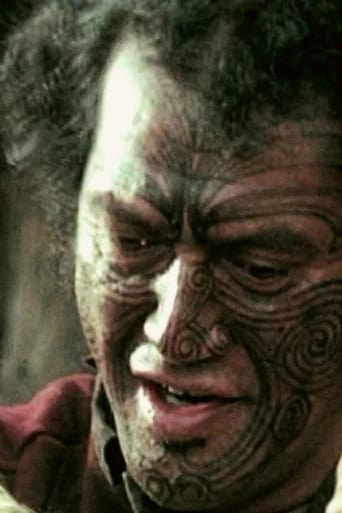
NRIn a Maori settlement, Ngati Toa leader Te Rauparaha composes the famous chant "Ka Mate", also known as the haka, after evading enemy capture by hiding in a kumara pit.
Ka Mate! Ka Mate!
1987
 6.8
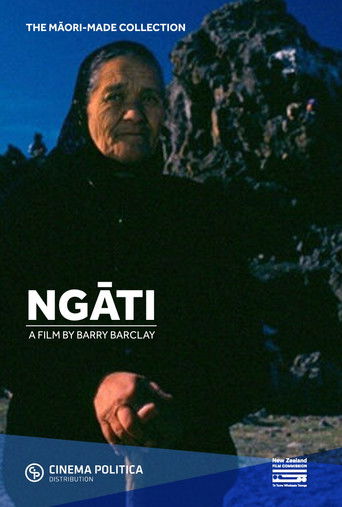
6.8Set in and around the fictional town of Kapua in 1948, Ngāti is the story of a Māori community. The film comprises three narrative threads: a boy, Ropata, is dying of leukaemia; the return of a young Australian doctor, Greg, and his discovery that he has Māori heritage; and the fight to keep the local freezing works open.
Ngāti
1987
 8.0
8.0When a suicidal prostitute confesses to a priest her plans to end her life on her birthday, he searches for her to intervene.
Into Temptation
2009
 8.5
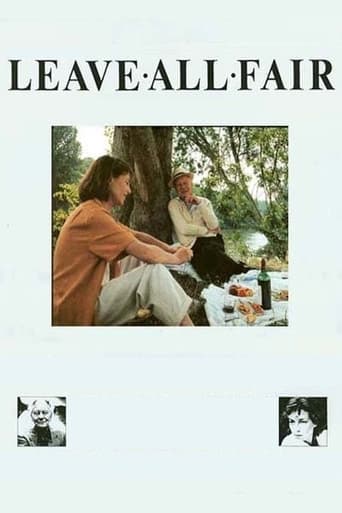
8.5John Middleton Murry visits France to finalize the publication of a collection of his late wife, Katherine Mansfield's, letters and journals. The publisher's girlfriend Marie (who physically resembles Mansfield) and Murry become friends. Marie gradually learns that Murry not only profited greatly from his publication of Mansfield's writings, but that as her editor he sacrificed the real Mansfield to his own romantic dream, and even that he published her letters and journals against her expressed wishes.
Leave All Fair
1985
This promotion for the Edmonds Baking Powder Company features beloved radio personality Aunt Daisy (Maud Ruby Basham). Its narrative is entrenched with the gender stereotypes of 1950s suburbia.
Cookery Nook
1955
This promotion for the Edmonds Baking Powder Company features beloved radio personality Aunt Daisy (Maud Ruby Basham). Its narrative is entrenched with the gender stereotypes of 1950s suburbia.
Cookery Nook
1955
 6.0
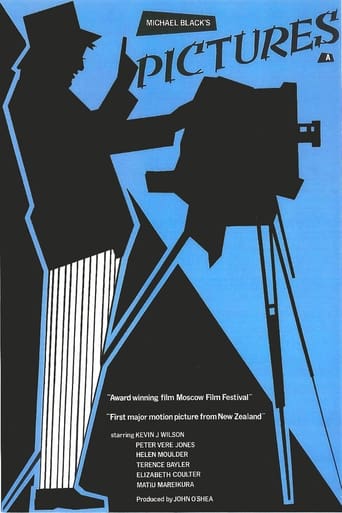
6.0Walter Burton's realistic photographs depicting poor treatment of Maori prisoners are rejected by late 19th century government officials. Walter is condemned to making a living from everyday studio work, the frustration of which is apparently quite sufficient to make him a drunk. His brother Alfred is happy to take the photos that the officials want and therefore gets the commissions. Alfred's photos are well received, but when Walter shows his own photos, toughs are sent around to smash up his plates.
Pictures
1981
6.0Walter Burton's realistic photographs depicting poor treatment of Maori prisoners are rejected by late 19th century government officials. Walter is condemned to making a living from everyday studio work, the frustration of which is apparently quite sufficient to make him a drunk. His brother Alfred is happy to take the photos that the officials want and therefore gets the commissions. Alfred's photos are well received, but when Walter shows his own photos, toughs are sent around to smash up his plates.
Pictures
1981
 7.2
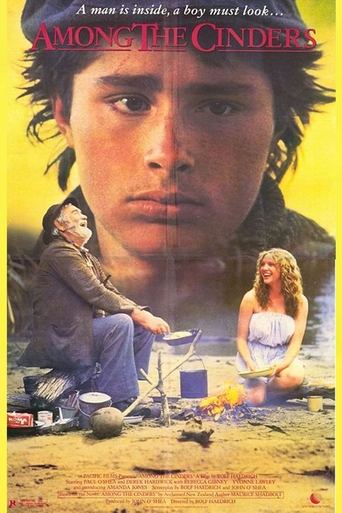
7.2A teenage boy, Nick, has difficulty coping with the death of a friend. When Nick's grandmother also dies, his grandfather, thinking that the boy will not be able to handle another loss, conceals her death and takes Nick on a journey into the countryside.
Among the Cinders
1984
7.2A teenage boy, Nick, has difficulty coping with the death of a friend. When Nick's grandmother also dies, his grandfather, thinking that the boy will not be able to handle another loss, conceals her death and takes Nick on a journey into the countryside.
Among the Cinders
1984
 NR
NRCannes is the town in France where Bergman meets bikinis, and the art of filmmaking meets the art of the deal. In 1975, a group of expat Kiwis managed to score interviews with some of the festival's emerging talents, indulging their own cinematic dreams in the process. Werner Herzog waxes lyrical on the trials and scars of directing; a boyish Steven Spielberg recalls the challenges of framing shots during Jaws; Martin Scorsese and Dustin Hoffman talk a gallon.
Lost in the Garden of the World
1975
 9.0
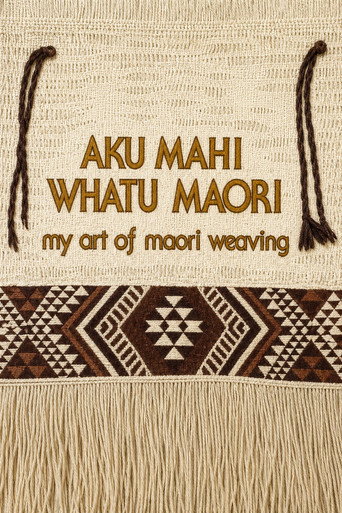
9.0The traditional materials and methods used in Māori weaving. Rangimarie Hetet and her daughter, Rangituatahi Te Kanawa, of Ngāti Maniapoto, talk to Tilly Reedy and demonstrate their skills as they gather and prepare harakeke for work on piupiu korowai and tāniko border. Other women are instructed in the weaver's craft. Rangimarie and Rangituatahi discuss the innovations and changes which have influenced their art.
My Art of Maori Weaving
—
Indigenous farmers in Peru, Nicaragua, Italy, France, Australia and New Zealand share their intimacy with the land and the seeds they have nurtured for generations; global corporations attempt to 'own' the intellectual property of seeds.
The Neglected Miracle
1985
A documentary taking its cues from children's imaginative flights of fancy.
The Day We Landed on the Most Perfect Planet in the Universe
1971
 NR
NRDocumentary about sailing legend Geoff Stagg and his yacht Whispers.
The Hum
1974
 10.0
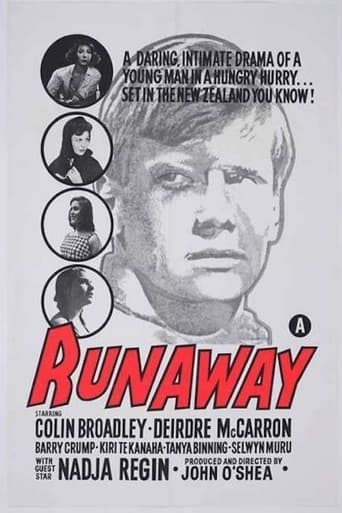
10.0A nightmare chase across the scenic splendor of a wild continent. David Manning, a young accountant, is unable to live within his income. He spends his spare time in Auckland with the young set - and his friends Sandra, Dorothy and Athol all like the outdoor life in the daytime and the bright lights at night. David finds himself in financial difficulties and leaves his job.
Runaway
1964
10.0A nightmare chase across the scenic splendor of a wild continent. David Manning, a young accountant, is unable to live within his income. He spends his spare time in Auckland with the young set - and his friends Sandra, Dorothy and Athol all like the outdoor life in the daytime and the bright lights at night. David finds himself in financial difficulties and leaves his job.
Runaway
1964
10.0A nightmare chase across the scenic splendor of a wild continent. David Manning, a young accountant, is unable to live within his income. He spends his spare time in Auckland with the young set - and his friends Sandra, Dorothy and Athol all like the outdoor life in the daytime and the bright lights at night. David finds himself in financial difficulties and leaves his job.
Runaway
1964
 6.0
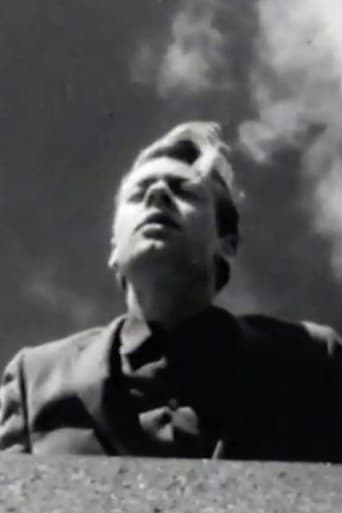
6.0Made on a wind-up Bolex camera, The Sound of Seeing announced the arrival of 21-year-old filmmaker Tony Williams. Based around a painter and a composer wandering the city (and beyond), the film meshes music and imagery to show the duo taking inspiration from their surroundings.
The Sound of Seeing
1963
 9.0
9.0Actor Martyn Sanderson returns in 1977 to the Hokianga of his youth and visits his elderly and romantic aunt, Olive Bracey. Her reminiscences of pioneer life mesh with nostalgic songs and readings from her fiction.
Autumn Fires
1977