
Acting
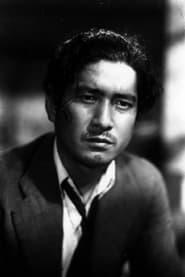
Shūji Sano
Born — Died
1912-10-20 — 1978-12-21
Place of birth
Tokyo, Japan
Known for
Acting
Credits
63 titles
Shūji Sano (October 10, 1912 – December 21, 1978) was a Japanese actor active from 1936 to 1977. A popular star of the Shōchiku film studios, he is best known for his appearances in the films of Yasujirō Ozu, Keisuke Kinoshita, Heinosuke Gosho, and Hiroshi Shimizu.
Known for
 NR
NRNo synopsis available yet.
Edogawa Rampo no bijo shirīzu
1977
 NR
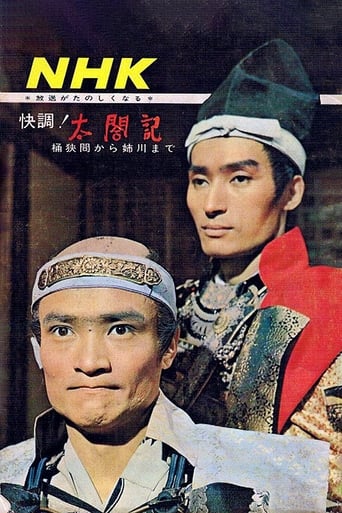
NRBased on the life of Hideyoshi Toyotomi (February 2, 1537 – September 18, 1598) a Sengoku period daimyo who unified Japan.
Taikouki
1965
 7.9
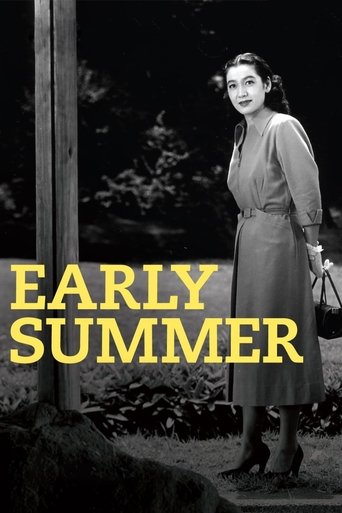
7.9In postwar Tokyo, Noriko lives with her extended family. Although she enjoys her career and her social life, her more traditional family worries about her single marital status at the advanced age of 28. 40-year-old business associate Takako proposes, Noriko's family press her into accepting, but when her widowed childhood friend Kenkichi returns to the neighborhood, she finds her heart leading in another direction.
Early Summer
1951
 6.7
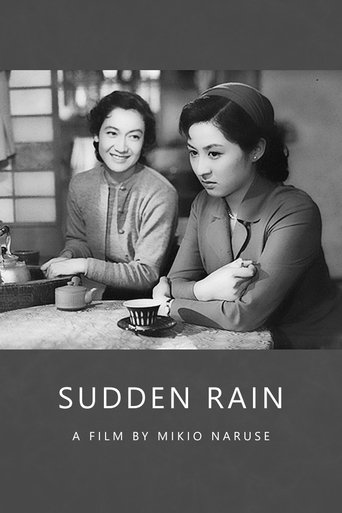
6.7Fumiko and Ryōtarō Namiki's marriage has gone stale, with both constantly arguing over what to do on a day off, or about her cutting out recipes from the newspaper before he finishes reading it. Their animosities are witnessed by Fumiko's niece Ayako, who visits to complain about her own husband's inattentiveness, and their new neighbours, the Imasatos.
Sudden Rain
1956
 NR
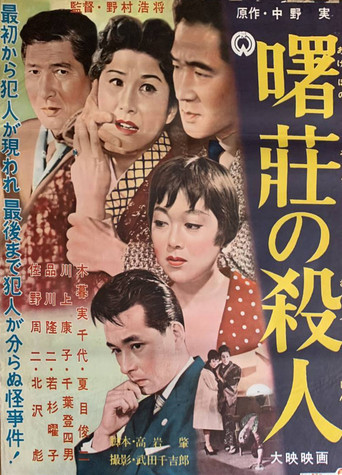
NRA body is found poisoned in a room of a luxury apartment late at night and a beautiful mother turns herself in to protect her rebellious daughter.
Akebono sō no satsujin
1957
 7.1
7.1Tokiko patiently awaits her husband's return from WWII when her four-year old son falls ill. She takes him to the doctor but has no means of paying, so she resorts to prostitution. A month later, her husband returns to find his desperate wife, who tells him the truth. Together, they must deal with the consequences.
A Hen in the Wind
1948
Film credits
1970s · 4 titles
 5.6
5.6A rookie golfer must cope with the stress of fame after a marketing executive transforms her into a sports celebrity.
A Tale of Sorrow and Sadness
1977
 NR
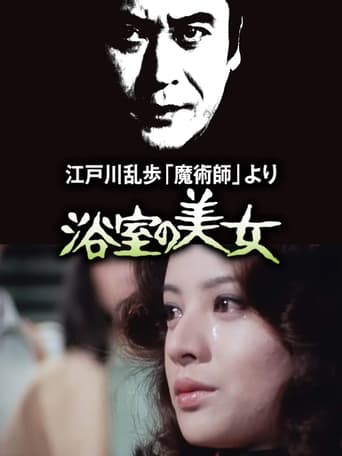
NRA magician who targets the Yucun family, who obtain huge wealth through gemstones. Even the wise Kogoro was fooled by his meticulous criminal plan
The Beauty in the Bathroom
1978
 7.5
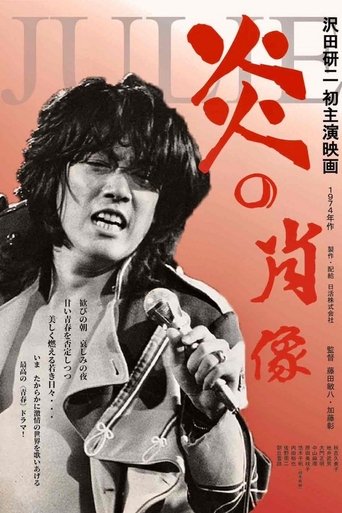
7.5Drama about young people in the Japanese rock scene starring the lead singer of Japanese rock band The Tigers (1966-1971, 1981-1983).
Statue in Fire
1974
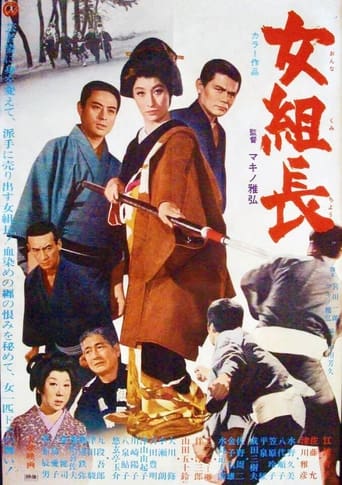 8.0
8.0No synopsis available yet.
Woman Boss
1970
1960s · 17 titles
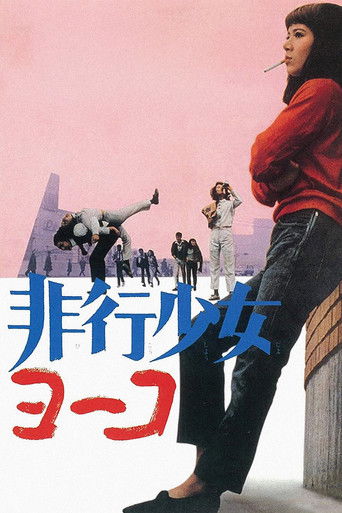 3.3
3.3Easily bored, but still innocent and naive countryside girl discovers partying in Tokyo is a ton of fun. Yakuza-to-be is an acquaintance who tries to rape her, and the typically bland but very-good-here the first boyfriend.
Pretty Devil Yoko
1966
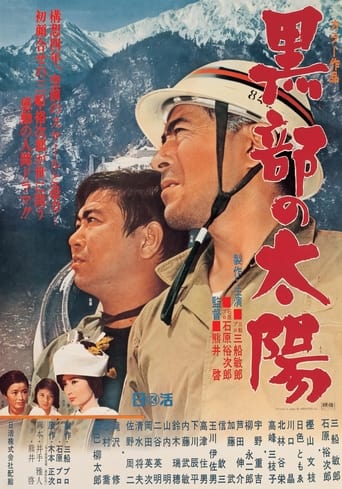 7.0
7.0Kitagawa is an engineer charged with construction of a gigantic tunnel through the Japan Alps for the transportation of equipment in the building of the massive Kurobe Dam. The tunnel crosses an earthquake fault and Kitagawa is beleaguered not only by cave-ins and flooding, but by strife between management and the workers's union. Adding to Kitagawa's stress is the knowledge that as his attention is pulled inexorably toward the tunnel construction, his youngest daughter is dying from leukemia.
The Sands of Kurobe
1968
 6.7
6.7Young lord Saburo Nobuyasu struggles to find comfort in life. His arranged marriage to Tokuhime, daughter of one-time family enemy Oda Nobunaga, provides little happiness. His manipulative mother adds further complications through her constant interference and attempts at defeating the Nobunaga family.
The Conspirator
1961
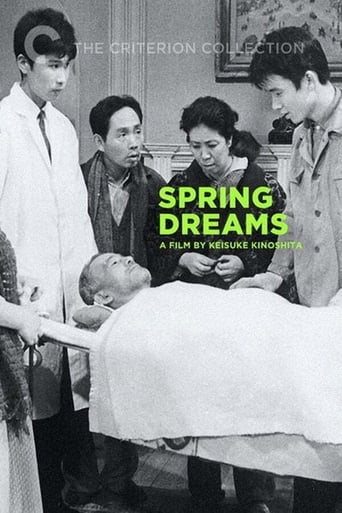 6.0
6.0When a wealthy, selfish family decides to take care of an elderly hobo who collapsed near their home, they are beset by visits from his numerous friends.
Spring Dreams
1960
 NR
NRJapanese comedy film.
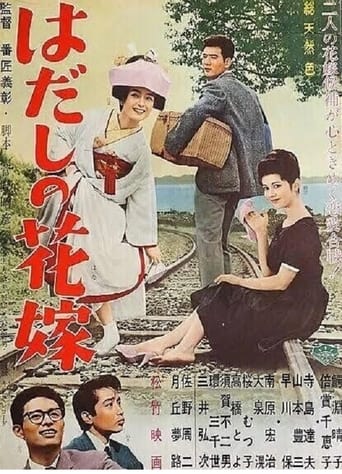
Hadashi no hanayome
1962
 NR
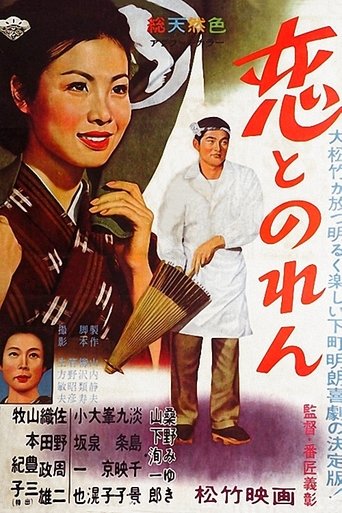
NROtami and daughter Yuri run the Matsuoka, a 150-year-old Japanese-style inn in Tokyo which they plan to renovate into a modern hotel before the ‘64 Tokyo Olympics. Maki, the son of the owner of the Benten Hotel, likes Yuri and wants to get closer to her. So, he asks Milton, an American exchange student, to stay at her inn so he can get closer to her. But Yuri is in love with Shin, a cook at her inn. And although Shin likes her too, the two are constantly bickering. Complicating matters more, is that every other available girl also likes Shin including Chikako, who lives at his boarding house, and Chikoma, who is a geisha. One day when Yuri gets a phone call, she suspects that her mother might be having an affair. But it turns out that Otami reunited with her old flame Tomo, who also used to work as a chef at the inn but left because he feared that their class backgrounds were too different. When Shin learns that Yuri is going to marry...will history repeat itself?
Love and the Shop Curtain
1961
 NR
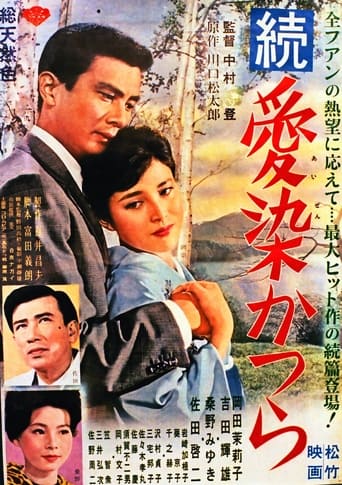
NR1962 Japanese movie
Zoku aizen katsura
1962
 7.0
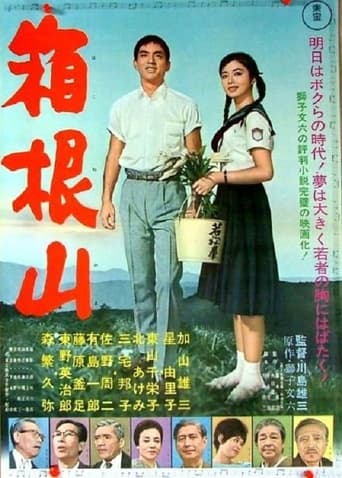
7.0Japanese drama.
Mount Hakone
1962
 8.0
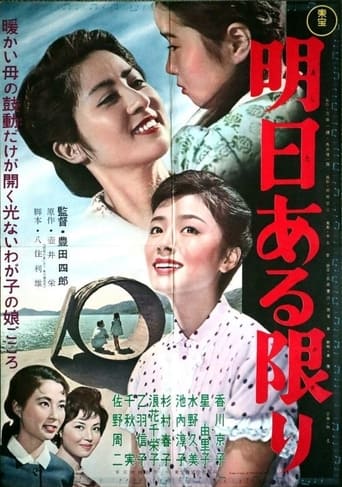
8.0Natsuko’s daughter Saori is born blind in 1941, just before her father is drafted. Despite an attempted surgery and years of struggle, her condition proves permanent. Growing up, she faces stigma and danger but eventually finds hope and love with a fellow blind student.
Till Tomorrow Is
1962
 NR
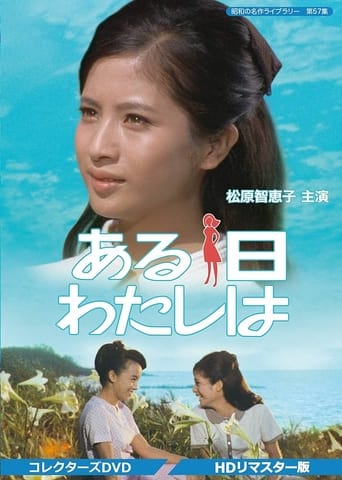
NRThe four kinds of love that Yuriko experiences, namely, a childhood longing love, a dream of marriage, a maternal love, and a destined love between parents and children over two generations, as well as the sisterly love between Yuriko and her sister Kaori.
Aruhi watashi wa
1967
 NR
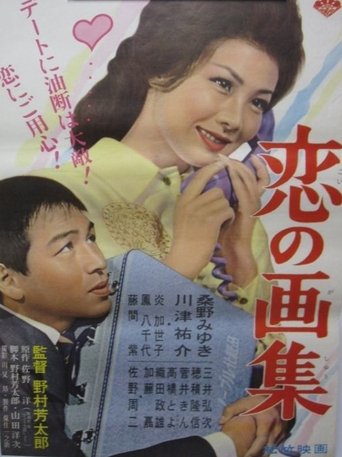
NRTaiji (Kawazu Yusuke), who works at Noble Cosmetics, wants to marry his girlfriend Tomie (Kuwano Miyuki), but is having a hard time saving up the money. On a night train, he casually takes a photo of a middle-aged man and a young woman sleeping close together in seats diagonally opposite each other. In reality, the man is Aizawa (Sano Shuji), the section chief at the government agency where Tomie works. Tomie tells Taiji that she is pregnant and wants them to get married soon, so Taiji sends Aizawa the same photo. This is to ask him to buy it...
Koi no gashū
1961
 7.0
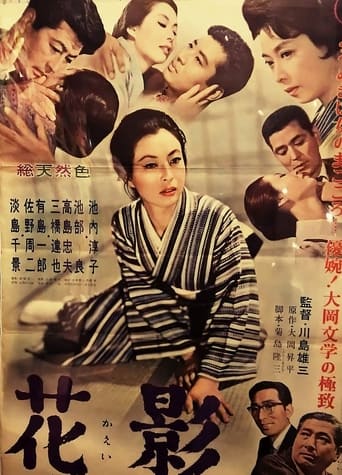
7.0No synopsis available yet.
Shadow of a Flower
1961
A suspense comedy about thieves starring Kazuo Funaki.
Dorobō Sodachi Dorobōi
1968
 NR
NR1962 Japanese movie
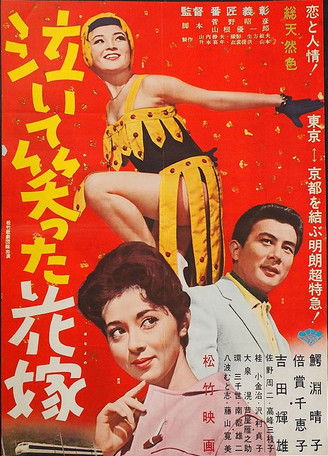
Naite waratta hanayome
1962
 NR
NR1962 Japanese movie
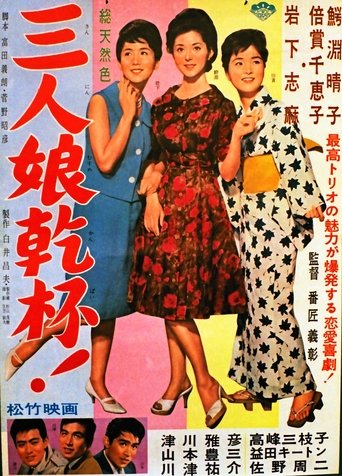
San'nin musume kanpai!
1962
 NR
NRNo synopsis available yet.
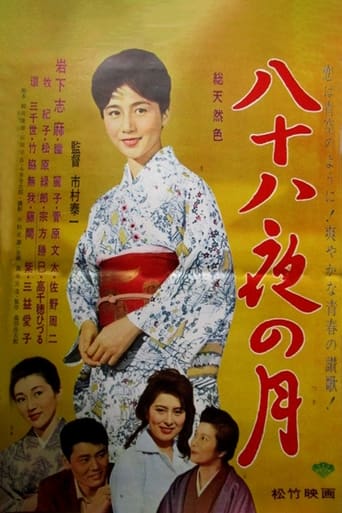
August Moon
1962
 NR
NR1962 Japanese movie
The Injured Boy
1962
1950s · 25 titles
7.9In postwar Tokyo, Noriko lives with her extended family. Although she enjoys her career and her social life, her more traditional family worries about her single marital status at the advanced age of 28. 40-year-old business associate Takako proposes, Noriko's family press her into accepting, but when her widowed childhood friend Kenkichi returns to the neighborhood, she finds her heart leading in another direction.
Early Summer
1951
6.7Fumiko and Ryōtarō Namiki's marriage has gone stale, with both constantly arguing over what to do on a day off, or about her cutting out recipes from the newspaper before he finishes reading it. Their animosities are witnessed by Fumiko's niece Ayako, who visits to complain about her own husband's inattentiveness, and their new neighbours, the Imasatos.
Sudden Rain
1956
NRA body is found poisoned in a room of a luxury apartment late at night and a beautiful mother turns herself in to protect her rebellious daughter.
Akebono sō no satsujin
1957
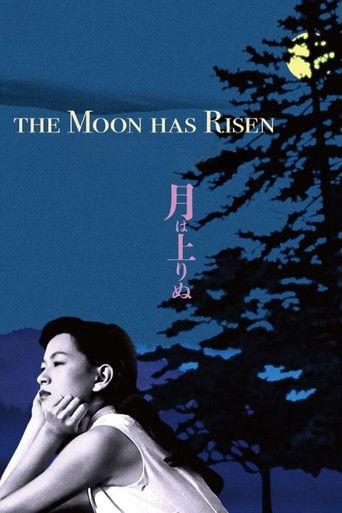 6.9
6.9Mokichi Asai is a widowed father living in Nara with three daughters—Chizuru, Ayako, and Setsuko. The youngest, Setsuko, plays matchmaker for her older sisters, leading to humorous and awkward romantic entanglements.
The Moon Has Risen
1955
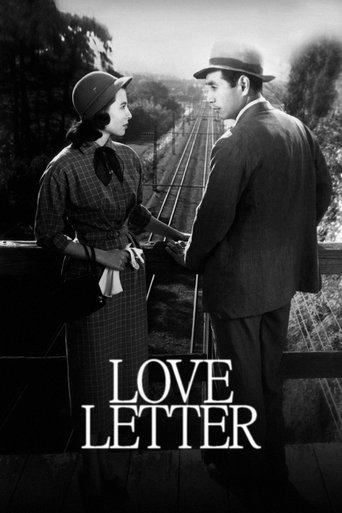 6.9
6.9Five years after the end of the Second World War, Reikichi, a repatriated veteran, translates love letters for Japanese women to American GIs, while searching for his lost love, Michiko.
Love Letter
1953
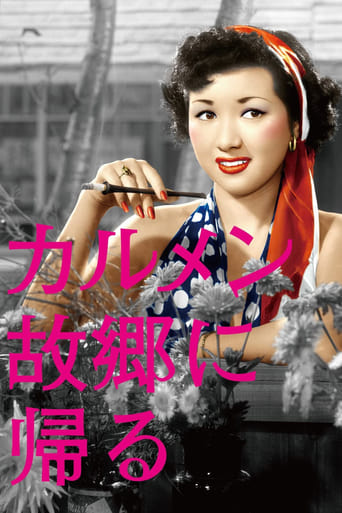 6.3
6.3A rural village elder plans an event on the return of a farmer's daughter from the city, unaware that she has become a Westernized burlesque artist.
Carmen Comes Home
1951
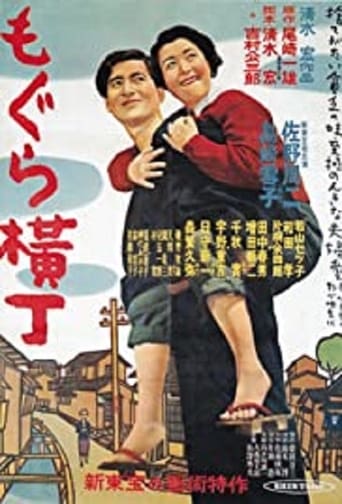 8.0
8.033-year-old poor writer Ogata was able to endure his miserable life cheerfully thanks to Yoshie, a 19-year-old innocent young wife. After graduating from a girls' school in Hokuriku, she immediately moved to Tokyo to meet and marry Ogata. After neatly writing Ogata's manuscript, he would buy dorayaki as a gratuity and devour it.
Mole Alley
1953
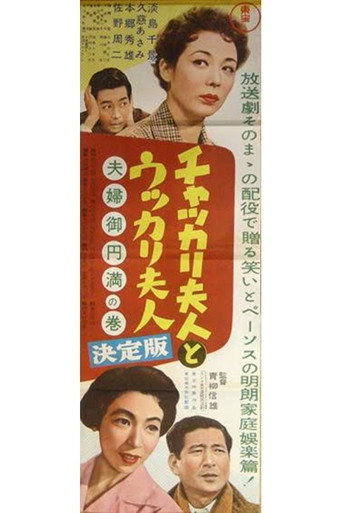 NR
NRNo synopsis available yet.
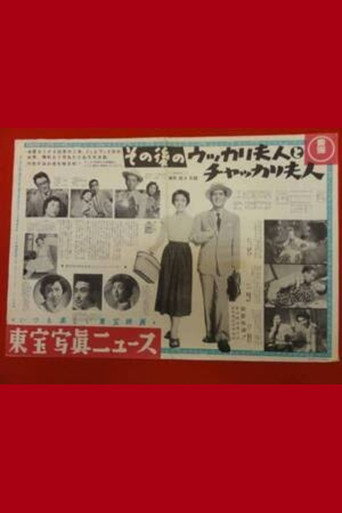
Careful Wife and Careless Wife: A Peaceful Couple
1956
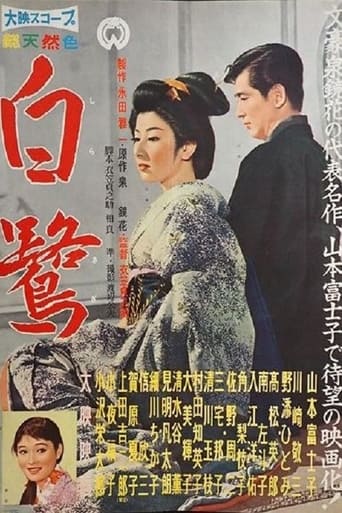 5.0
5.0The story follows Oshino, a geisha who is trying to start a new life with a lover who is a painter. However, her past filled with debts and pimps catches up to her.
The Snowy Heron
1958
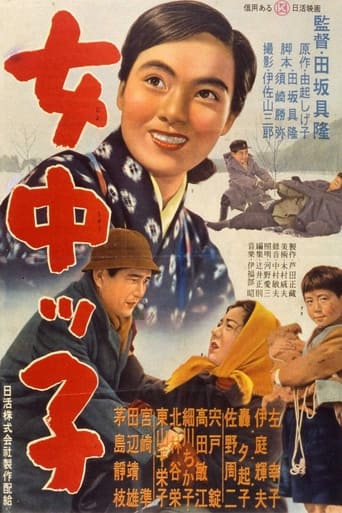 8.3
8.3In order to pay back Mrs. Kajiki for her good deed in the past, Hatsu moves from her village in Akita to Tokyo to start working as a maid for her family. She grows close to their youngest son Katsumi, experiencing things that will change her view on life.
The Maid's Kid
1955
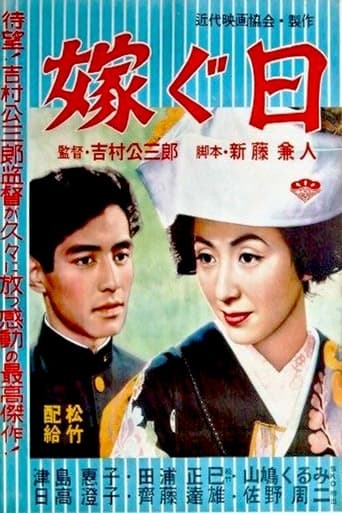 7.0
7.0Shinsaku was once a renowned playwright, has now been left behind by journalism and is living a lethargic life in Oiso. His family is concerned with Shinsaku regaining his old vigor as a writer and Sakie, his daughter, finding a suitable match, while the family is struggling with the losses of war.
Wedding Day
1956
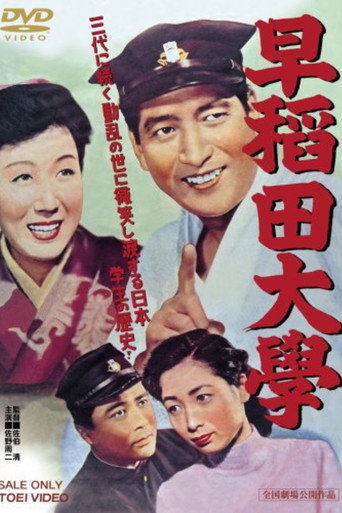 NR
NRIn the 15th year of the Meiji era (1882), Ōkuma Shigenobu, expelled from the Council of State by the Satsuma-Chōshō clique, poured his personal fortune into establishing the Tokyo Professional School in a tea field in Waseda Village. With seven professors, including Takada Sanae and Tsubouchi Yūzō, and eighty-seven students, government interference extended even to finances; Ono Azusa, who tirelessly worked to secure funding, died from overwork.
Waseda University
1953
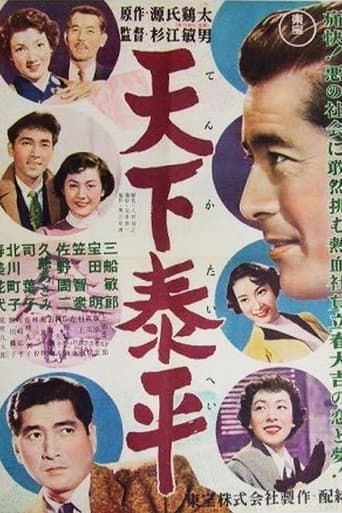 10.0
10.0No synopsis available yet.
All is Well
1955
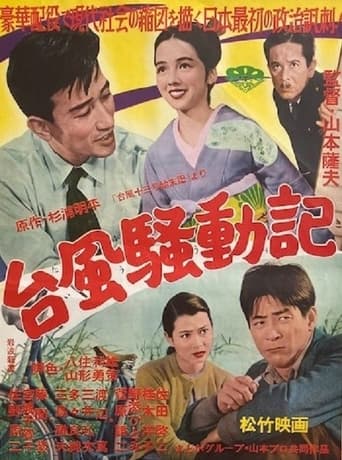 10.0
10.0A group of shady politicians want to make money after a typhoon by claiming the schoolhouse has been destroyed and then cashing in on building a new one.
Typhoon Furor
1956
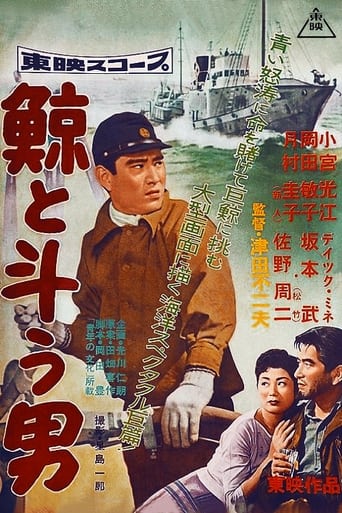 NR
NRA film about the rivalry between Captain Gondo and the harpooner Yosuke Yamagami, working on the best whaling ship Hayabusa Maru. One day they will have to face a giant, monstrous whale.
Men Fighting Whales
1957
 NR
NRNo synopsis available yet.
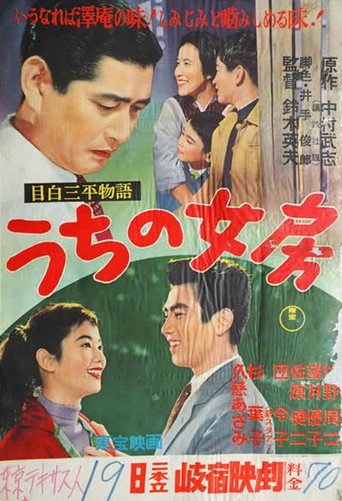
Sanpei Mejiro Story: My Wife
1957
 NR
NRNo synopsis available yet.
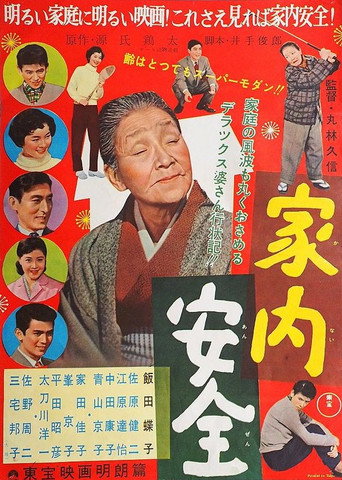
Family Safety
1958
 NR
NRNo synopsis available yet.
Husband on the Run
1954
 8.0
8.0Matsuki, a former war photojournalist, returns home and starts a modest life with his wife, Komiko. Driven by his passion for capturing the truth, he takes on daring assignments that impress many, though his risky work worries his wife. Through his lens, he experiences deeply moving moments that give him a new perspective on the meaning of his profession. As he struggles to balance his career and family life, new challenges force him to reconsider his priorities.
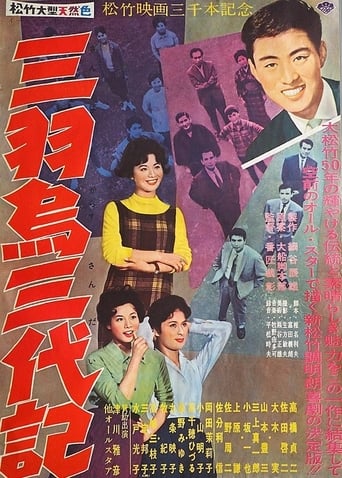
Go and Get It
1958
 NR
NRThe story tells of Tsuchiya, a university professor and a widower who is in love with a widow who runs a small restaurant, and his son is in love with a runaway girl who turns out to be the leader of a religious sect. Kusano is the henpecked proprietor of a rice biscuit shop who dreams of owning a bird and dog shop and his daughter is in love with a boarder, employed by the private detective agency searching for the runaway girl. The agency head has his own dream of arranging thirty marriages and has already accomplished twenty-seven. Tatsumi is a newspaper reporter who dreams of a big scoop to enable him to marry a girl TV producer and his friend a mountain climbing enthusiast who dreams of joining a Himalayan expedition but is opposed by his wife. His love of the mountains is shared by a boarder in their home and by a fishmonger's son.
Tokyo Omnibus
1959
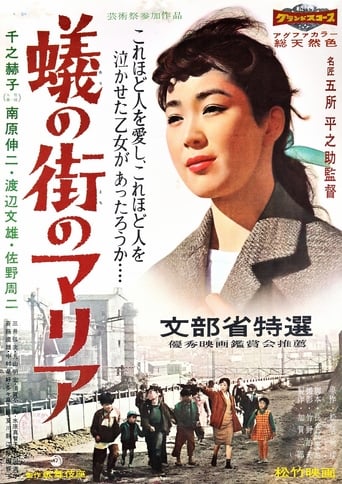 8.0
8.0Alongside Tokyo's Sumida River is a ragpickers' settlement known as Ant Village. One night, a young Catholic girl, Satoko Kitahara, who has been baptized under the name of Maria, comes to offer her services. However, Ant Village is not just an ordinary vagrants' community but a fine autonomous organization, and as the municipal authorities have long been demanding that the people of Ant Village leave the site, Satoko is utilized to publicize the Village and win public sympathy. While being utilized in this manner, Satoko is nevertheless glad to be able to help the people of Ant Village, especially the children, and when the summer vacation comes she decides to take the children on an excursion to Hakone. To raise funds for this purpose she becomes a rag-picker herself.
Maria of the Ant Village
1958
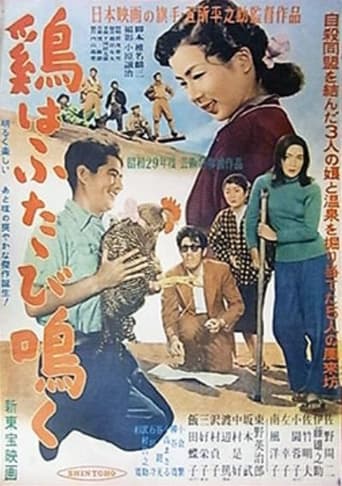 6.5
6.5Three young women make a suicide pact, but they grow to have a better understanding of themselves.
The Cock Crows Twice
1954
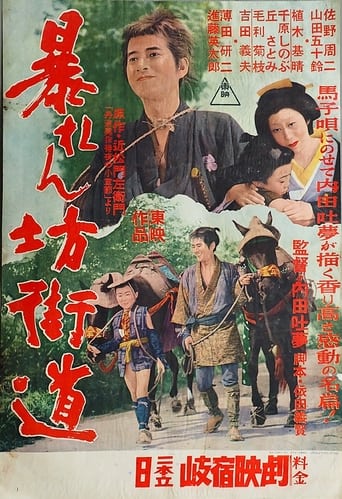 NR
NRA humble page fathers a child by the daughter of a clan official and is banished. Years later, the child, now a stable boy, is reunited with his father, but feudal codes threaten their happiness. Uchida’s poignant masterpiece condemns the inflexible class system and launches an indictment of values that favor symbolic objects over human life. The film’s focus is on character rather than swordplay, and charged performances - especially child actor Motoharu Ueki - add to the emotional power.
The Horse Boy
1957
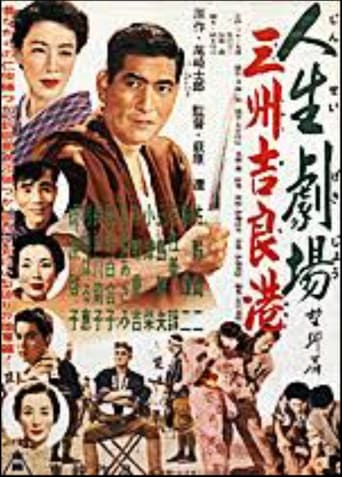 8.0
8.01954 Theater of Life adaptation.
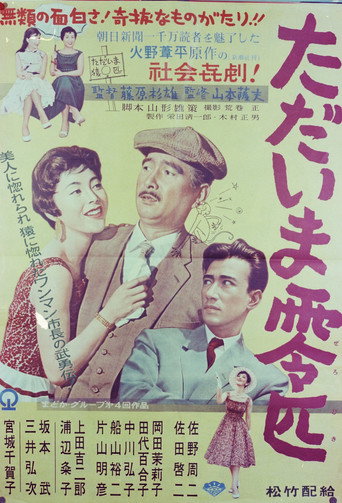
Jinsei Gekijo Yokubo hen: sanshu kirako
1954
 NR
NRNo synopsis available yet.
Monkey Business
1957
1940s · 9 titles
7.1Tokiko patiently awaits her husband's return from WWII when her four-year old son falls ill. She takes him to the doctor but has no means of paying, so she resorts to prostitution. A month later, her husband returns to find his desperate wife, who tells him the truth. Together, they must deal with the consequences.
A Hen in the Wind
1948
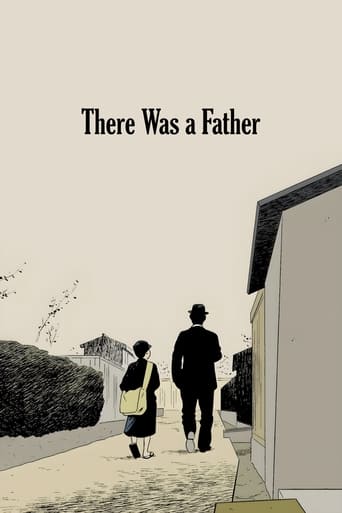 7.0
7.0Shuhei Horikawa, a poor schoolteacher, struggles to raise his son Ryohei by himself, despite neither money nor prospects.
There Was a Father
1942
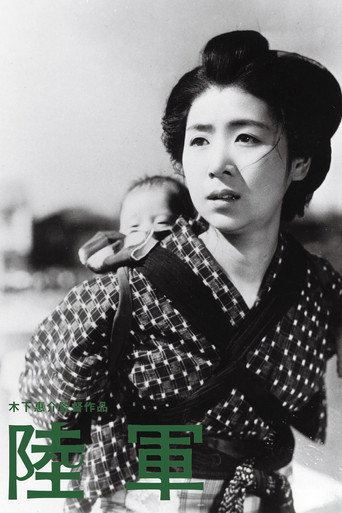 6.8
6.8Though plagued by ill health all his life, a young Japanese man is obligated to fulfill his family's longstanding military tradition.
Army
1944
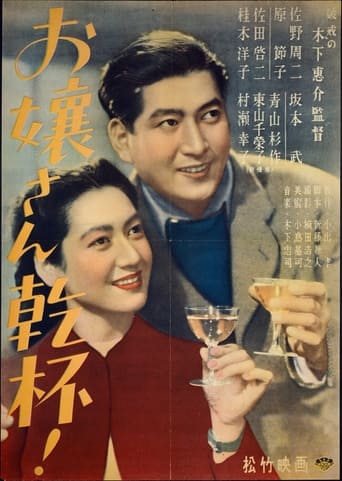 6.8
6.8A matchmaker looks to unite a young woman from a wealthy Tokyo family with the humble owner of an auto garage.
Here's to the Young Lady
1949
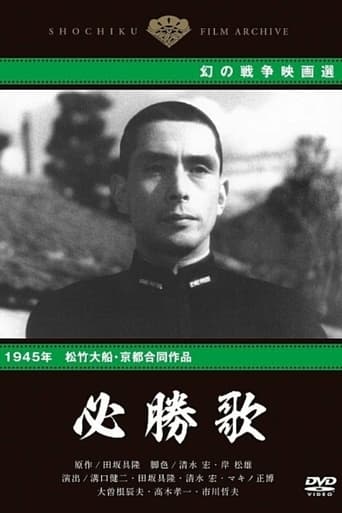 5.7
5.7An anthology of thirteen patriotic stories about Japanese citizens contributing to the war effort.
Victory Song
1945
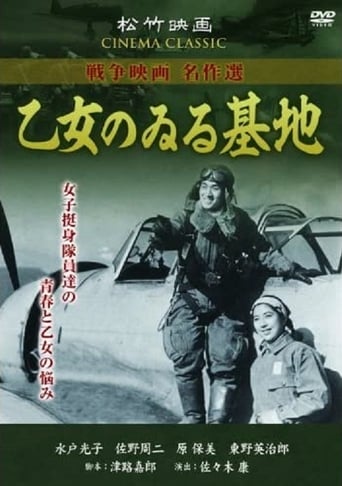 NR
NRJapanese war movie.
Otome no iru kichi
1945
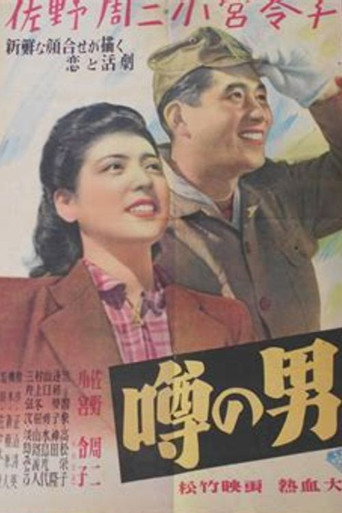 NR
NRNo synopsis available yet.
The Man of Rumor
1948
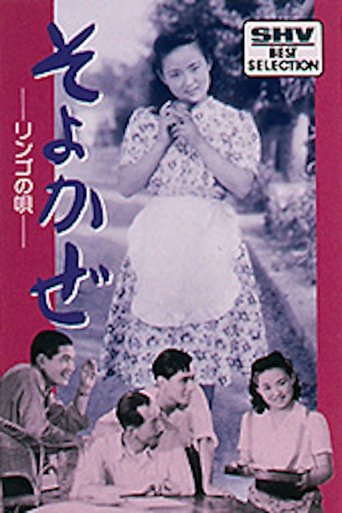 7.0
7.0No synopsis available yet.
Soyokaze
1945
 7.0
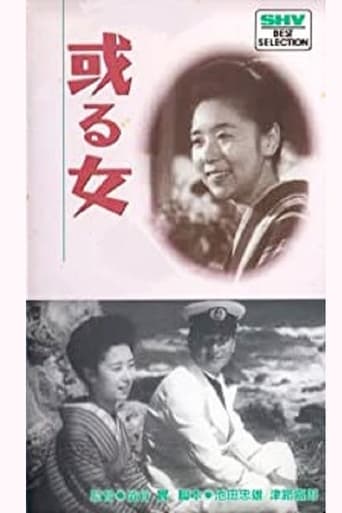
7.0Pretty Oshige is deceived by her first love. After this, she lives a hard lifestyle, working at a number of jobs. Her only pleasure is her nephew, who eventually becomes a merchant marine. When Oshige meets her old love ten years later, she is able to forgive him and even thank him for the path her life has taken.
A Certain Woman
1942
1930s · 5 titles
 6.3
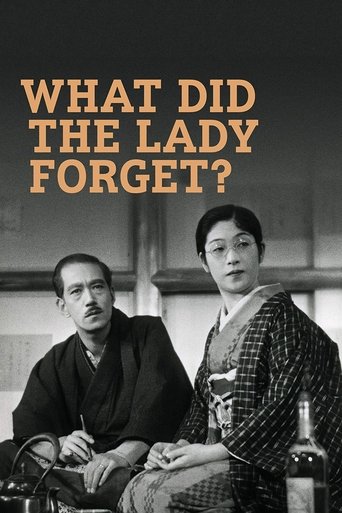
6.3A professor, Komiya, and his bossy wife, Tokiko, are to look after Setsuko, their high-spirited niece from Osaka. Despite being a minor, Setsuko is a liberated woman who does whatever she wants, including smoking. She even convinces Koyima to take her to a geisha house. When she gets rather tipsy, the professor calls Okada, one of his students, to take her home. The wife becomes suspicious of Setsuko when she sees Okada bringing her home.
What Did the Lady Forget?
1937
 8.0
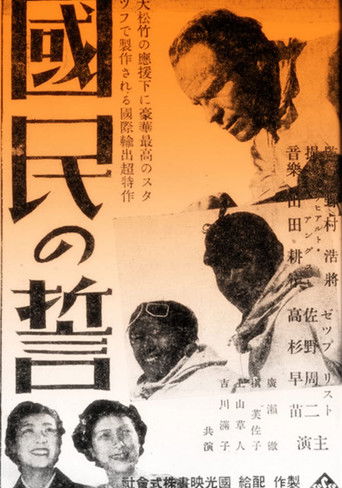
8.0This film was mainly shot in the Japanese skiing resort Hokkaido in 1937-38 and was intended to create support for the coming winter olympics of 1940 in Japan which however were cancelled because of the Japanese-Chinese war. A Japanese production, it was nevertheless made with German involvement in the form of skiing champion Sepp Rist and celebrated cinematographer Richard Angst (who also contributed to the script). Both had regularly worked with the inventor of the mountain film genre, Dr. Arnold Fanck, who had helmed the German-Japanese co-production "Die Tochter des Samurai", also shot by Angst, the year before. Angst apparently stayed in Japan until mid-1939 when he returned to Germany, carrying this film with him. Angst submitted it to the German censors later that year, but for reasons unknown to me it took three more years before the film was finally shown in Germany under the name "Das heilige Ziel" (The Holy Aim). (Karargara)
Kokumin no chikai
1938
 7.0
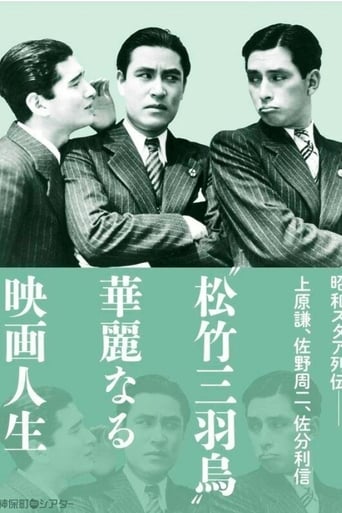
7.0Three men vying for the same job end up chasing the same girl in this comedy-drama from noted Japanese director Yasujiro Shimazu.
The Trio's Engagements
1937
 6.0
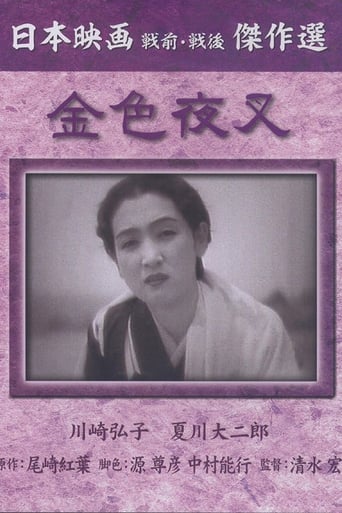
6.0A penniless orphan loses the woman he loves, when her family arranges a marriage to a wealthy playboy. He believes she was blinded by greed, and becomes a miser.
The Golden Demon
1937
 8.5
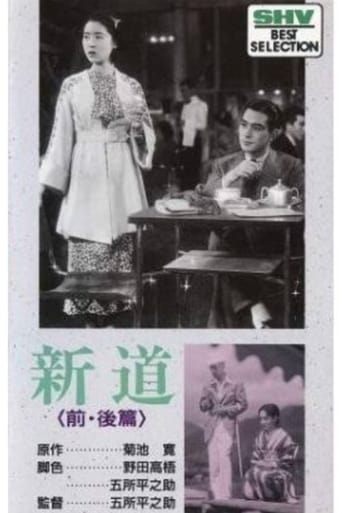
8.5The eldest daughter of a noble family is in love with an aviator while being courted by a fellow aristocrat she thinks is a dullard. This part is told from the perspective of Akemi.
The New Road: Akemi
1936
Series credits
NRNo synopsis available yet.
Edogawa Rampo no bijo shirīzu
1977
NRBased on the life of Hideyoshi Toyotomi (February 2, 1537 – September 18, 1598) a Sengoku period daimyo who unified Japan.
Taikouki
1965
 NR
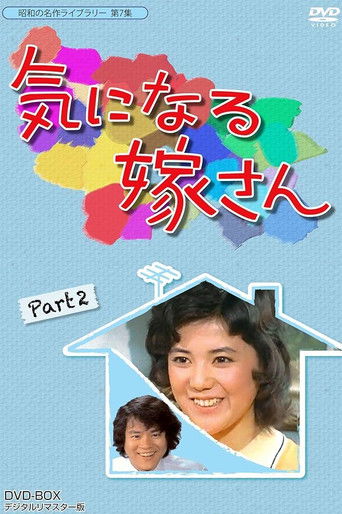
NRA bride arrives at the Shimizu household, where the seven members of the family live as they please. However, the groom, the youngest son of the family, is going to study alone in the USA, and the bride is left alone in the eccentric house.
Kininaru Yomesan
1971