

Directing
Howard Brookner
Born — Died
1954-04-30 — 1989-04-27
Place of birth
New York City, New York, USA
Known for
Directing
Credits
10 titles
Howard Brookner (April 30, 1954 – April 27, 1989) was an American film director. He produced and directed the documentary Burroughs: the Movie about William S. Burroughs (1983), Robert Wilson and the Civil Wars on theatre director Robert Wilson (1986), and directed, co-produced and co-wrote Bloodhounds of Broadway (1989). From Wikipedia, the free encyclopedia.
Known for
 6.6
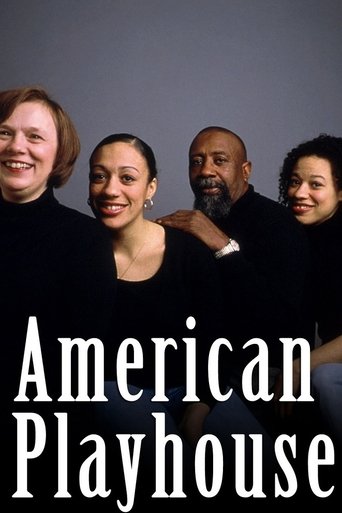
American Playhouse is an anthology television series periodically broadcast by Public Broadcasting Service in the United States.
American Playhouse
1982
 5.7
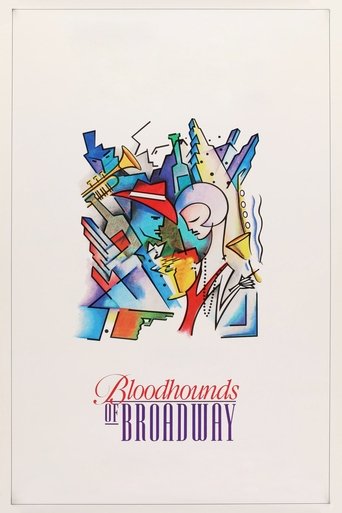
On New Year's Eve 1928, in the New York underworld, a gambler sells his body to science, a gangster needs a transfusion, and a gambler is on the run
Bloodhounds of Broadway
1989
 7.0
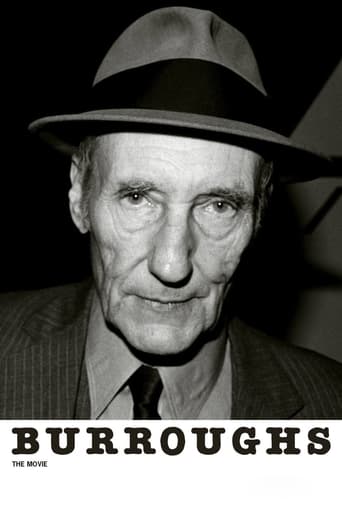
An exploration of Burroughs’ life story, as told by Burroughs himself along with many of his contemporaries, including Allen Ginsberg, Brion Gysin, Francis Bacon, Herbert Huncke, Patti Smith, Terry Southern, and William Burroughs Jr.
Burroughs: The Movie
1984
 9.0
Robert Wilson and the Civil Wars is an in-depth documentation of Robert Wilson’s ambitious attempt to stage an epic, twelve-hour, multinational opera for the 1984 Summer Olympics. Filmmaker Howard Brookner follows the avant-garde theatre director as he confronts a hectic work schedule, funding difficulties and relentless international travel in attempt to complete his preparations. The film examines Wilson’s unique theatrical style during The Civil Wars: A Tree Is Best Measured When It Is Down, which involves the continual creation of evocative stage sets, owing to a unique juxtaposition of movement, sound, text and image. Known for his precise, painterly images Wilson’s work derives more from visual art than the orthodox literary traditions of theatre. As a result, Wilson often challenges actors to perform in a boldly minimalist style, as well as collaborating with non-actors, such as young autistic poet Christopher Knowles in Einstein on the Beach.
Robert Wilson and the Civil Wars
1987
 NR
After two years of filming, director Howard Brookner brought inventor and photographer Robert E. Fulton III a trunkful of William S. Burroughs footage to see if Fulton could edit his film. The result was a decidedly experimental 23-minute cut. The director was looking for a more narrative approach, so Fulton’s edit was never used.
Robert E. Fulton III Edit of Burroughs: The Movie
2015
Film credits
Series credits
Behind the camera
5.7On New Year's Eve 1928, in the New York underworld, a gambler sells his body to science, a gangster needs a transfusion, and a gambler is on the run
Bloodhounds of Broadway
1989
5.7On New Year's Eve 1928, in the New York underworld, a gambler sells his body to science, a gangster needs a transfusion, and a gambler is on the run
Bloodhounds of Broadway
1989
5.7On New Year's Eve 1928, in the New York underworld, a gambler sells his body to science, a gangster needs a transfusion, and a gambler is on the run
Bloodhounds of Broadway
1989
7.0An exploration of Burroughs’ life story, as told by Burroughs himself along with many of his contemporaries, including Allen Ginsberg, Brion Gysin, Francis Bacon, Herbert Huncke, Patti Smith, Terry Southern, and William Burroughs Jr.
Burroughs: The Movie
1984
7.0An exploration of Burroughs’ life story, as told by Burroughs himself along with many of his contemporaries, including Allen Ginsberg, Brion Gysin, Francis Bacon, Herbert Huncke, Patti Smith, Terry Southern, and William Burroughs Jr.
Burroughs: The Movie
1984
9.0Robert Wilson and the Civil Wars is an in-depth documentation of Robert Wilson’s ambitious attempt to stage an epic, twelve-hour, multinational opera for the 1984 Summer Olympics. Filmmaker Howard Brookner follows the avant-garde theatre director as he confronts a hectic work schedule, funding difficulties and relentless international travel in attempt to complete his preparations. The film examines Wilson’s unique theatrical style during The Civil Wars: A Tree Is Best Measured When It Is Down, which involves the continual creation of evocative stage sets, owing to a unique juxtaposition of movement, sound, text and image. Known for his precise, painterly images Wilson’s work derives more from visual art than the orthodox literary traditions of theatre. As a result, Wilson often challenges actors to perform in a boldly minimalist style, as well as collaborating with non-actors, such as young autistic poet Christopher Knowles in Einstein on the Beach.
Robert Wilson and the Civil Wars
1987
NRAfter two years of filming, director Howard Brookner brought inventor and photographer Robert E. Fulton III a trunkful of William S. Burroughs footage to see if Fulton could edit his film. The result was a decidedly experimental 23-minute cut. The director was looking for a more narrative approach, so Fulton’s edit was never used.
Robert E. Fulton III Edit of Burroughs: The Movie
2015