
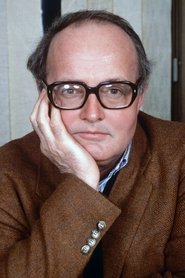
Directing
Pierre-André Boutang
Born — Died
1937-01-01 — 2008-08-20
Place of birth
Paris, Ile-de-France, France
Known for
Directing
Credits
29 titles
Pierre-André Boutang, born March 25, 1937, in Paris and died August 20, 2008, in Grosseto-Prugna, Corsica, was a French documentary filmmaker, producer, and director. He was one of the directors of the Franco-German channel Arte, after previously being one of the directors of La Sept. A major figure in French television, Pierre-André Boutang, producer, director, programmer, and interviewer, knew how to combine intelligence and a broad audience through films and documentary series for ORTF since the 1960s. Throughout his long career, Pierre-André Boutang explored the worlds of literature, film, and television while fostering intellectual debate. The son of philosopher Pierre Boutang, he was…
Known for
 5.0
5.0No synopsis available yet.
Ciné regards
1978
 NR
NRNo synopsis available yet.
Pour le plaisir
1964
 5.5
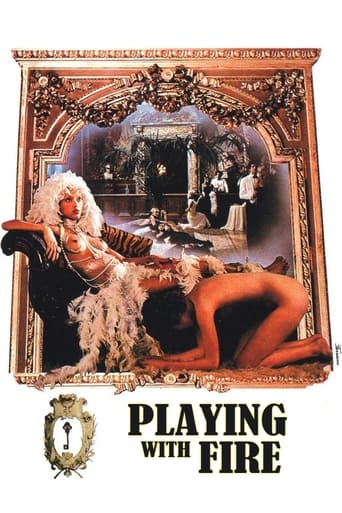
5.5A banker hires a seedy detective to find his daughter and keep her safe from kidnappers.
Playing with Fire
1975
 8.0
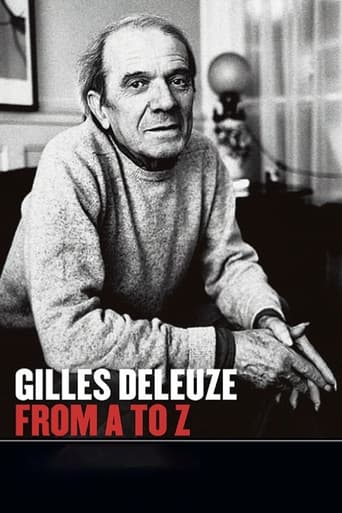
8.0The eight-hour series of interviews between Gilles Deleuze and Claire Parnet, filmed by Pierre-André Boutang in 1988-1989.
Gilles Deleuze from A to Z
1989
 NR
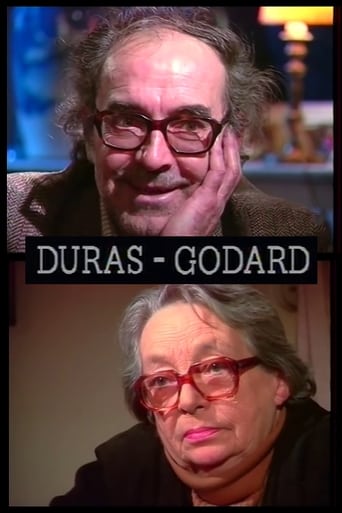
NROn December 2, 1987, the filmmaker visited the novelist at her home in Paris. This meeting gave rise to this hour-long documentary in which JLG and Marguerite Duras attempt to establish a dialogue about artistic creation.
Duras/Godard
1987
 6.3
6.3Examines the public scandal and private tragedy which led to legendary director Roman Polanski's sudden flight from the United States.
Roman Polanski: Wanted and Desired
2008
Film credits
1970s · 3 titles
5.5A banker hires a seedy detective to find his daughter and keep her safe from kidnappers.
Playing with Fire
1975
 9.5
9.5This almost 8 hour humongous 1973 documentary by two of the filmmakers who made The Sorrow and the Pity recounts fifty years of the history of France from the 1920s to 1972. It is particularly thorough in documenting the significance and rise to power of Charles De Gaulle. The film's most valuable contributions are its interviews with all sorts of people who lived through this period of history, from Marshall Petain's lawyer (Petain headed the Vichy government of occupied France) to resistance figures, and Frenchmen who fought on the side of the Nazis in Russia.
Français, si vous saviez
1973
 NR
NRHenri Langlois, interviewed in the Cinema Museum at the Palais de Chaillot, talks about his vision of cinema's past, present and future, before a brief jaunt through the museum as it was in 1975.
Conversation avec Henri Langlois
1975
Series credits
Behind the camera
8.0The eight-hour series of interviews between Gilles Deleuze and Claire Parnet, filmed by Pierre-André Boutang in 1988-1989.
Gilles Deleuze from A to Z
1989
NROn December 2, 1987, the filmmaker visited the novelist at her home in Paris. This meeting gave rise to this hour-long documentary in which JLG and Marguerite Duras attempt to establish a dialogue about artistic creation.
Duras/Godard
1987
 NR
NRTelevision documentary about the making of Roman Polanski's 1979 film, Tess.
Ciné regards: Tess: Roman Polanski
1979
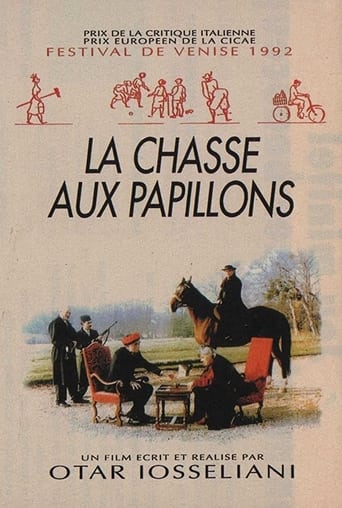 5.8
5.8Two old ladies live in a French chateau. When one of them dies, her sister, who lives in Moscow, inherits the property, which soon ends up in the hands of Japanese businessmen.
Chasing Butterflies
1992
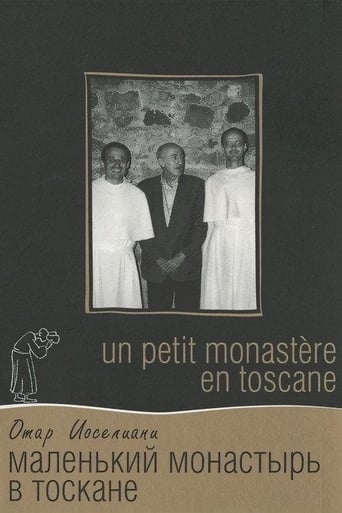 5.0
5.0It is a brief documentary which records the life of five Augustinian monks in the little monastery of Castelnuovo dell'Abate, a Tuscan village, as well as the everyday life of people in the small town, from farmers to meat-hackers, from wine-makers to wild boar hunters.
A Little Monastery in Tuscany
1988
This documentary is an account of the life and work of Louis Malle, a unique figure in cinema, who was one of the world's best-known French film directors.
Louis Malle - Un cinéaste français
2003
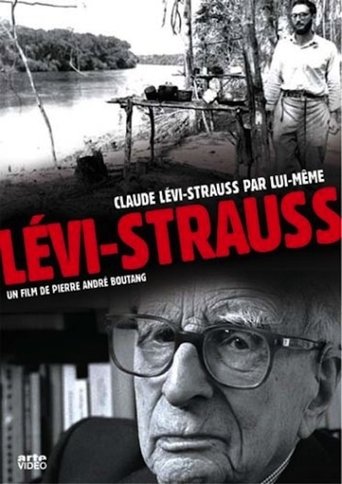 NR
NRIn what way can reflecting on worlds very far from our own, either in space or time, bear relevance for us today? Is there a scientific legacy - a before and after Lévi-Strauss - in anthropology? This documentary retraces the intellectual path of the author of "Tristes tropiques" ("A World on the Wane") and "La Pensée sauvage" ("The Savage Mind"), Claude Lévi-Strauss. The anthropologist and founder of structural anthropology in France is portrayed via numerous selected extracts of interviews he has given since the 1960s. The film is a fascinating introduction into the mind of a man who is interested in all men. Lévi-Strauss has great confidence (in spite of a pessimistic view of our contemporary world) in the creative capacities of the human mind.
Claude Lévi-Strauss par lui-même
2008
NRHenri Langlois, interviewed in the Cinema Museum at the Palais de Chaillot, talks about his vision of cinema's past, present and future, before a brief jaunt through the museum as it was in 1975.
Conversation avec Henri Langlois
1975
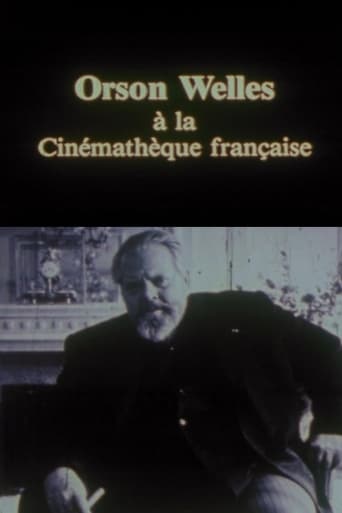 10.0
10.0On April 24th, 1982, when Orson Welles was invited to Paris to receive the Légion d'honneur from François Mitterand, a lively filmed interview took place inside the French Cinémathèque.
Orson Welles at the Cinémathèque Française
1983
 NR
NRNo synopsis available yet.
Toni Negri, des années de plomb à "l'Empire"
2004
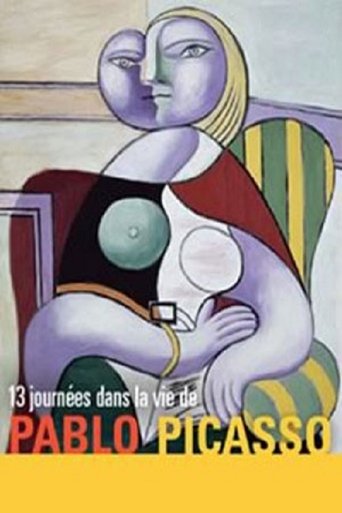 NR
NRA French documentary charting the life of the Spanish artist Pablo Picasso through the events of 13 significant days of his life, including his marriage to Olga Kokhlova, the birth of his daughter, the bombing of Guernica and the death of Stalin. Archive footage of Picasso, his lover Françoise Gilot, writer Jean Cocteau, photographer Brassat and critic Pierre Daix is accompanied by new interviews with Picasso's daughter Maya and son Claude.
13 Days in the Life of Pablo Picasso
1999
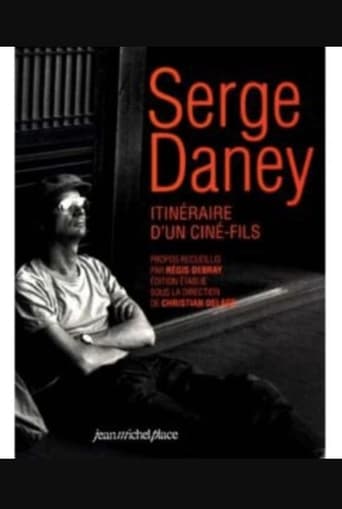 9.0
9.0Serge Daney, the most influential film critic after André Bazin, interviewed by Régis Debray a few months before his death.
Journey of a “Cine-Son”
1992
Based on the Spanish artist's diaries, sketches and paintings, Pierre Philippe's film for the international documentary strand charts 13 days in the life of Pablo Picasso. Events include the death of a friend, his marriage, the birth of his daughter Maya, the bombing of Guernica and the death of Joseph Stalin.
Picasso Days
2000
 NR
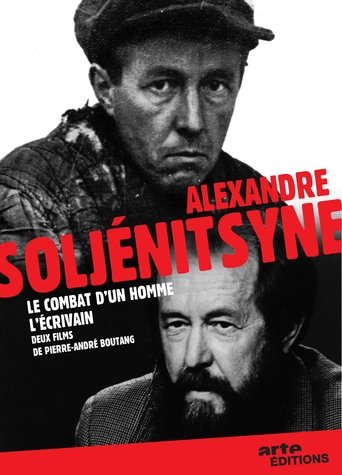
NRNo synopsis available yet.
Alexandre Soljenitsyne, le combat d'un homme
2005
Roman Polanski hasn't given an interview for many years. However, in the conversation from 2006 with the author Pierre-André Boutang, illustrated with numerous film clips and archives, the filmmaker provides insights into his life and work.
Polanski par Polanski
2006
Roman Polanski hasn't given an interview for many years. However, in the conversation from 2006 with the author Pierre-André Boutang, illustrated with numerous film clips and archives, the filmmaker provides insights into his life and work.
Polanski par Polanski
2006
 10.0
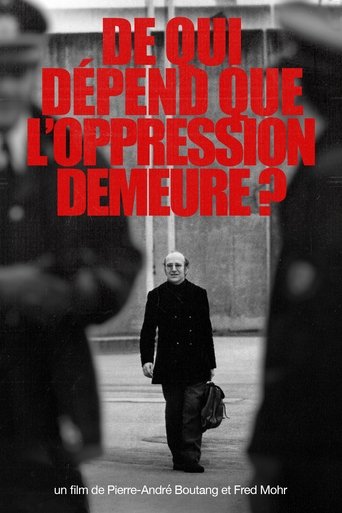
10.0On May 21, 1975, the trial of the members of the Red Army Faction (also known as the Baader-Meinhof Gang) began. Four members appeared before the Stuttgart court to answer for the attacks that had been raging for five years in the young Federal Republic of Germany. The documentary, whose title is borrowed from Berthold Brecht's In Praise of Dialectics, recounts the conditions of the trials and detention of the Baader-Meinhof Gang members and the disqualification of Klaus Croissant as their lawyer.
De qui dépend que l’oppression demeure ?
1975
10.0On May 21, 1975, the trial of the members of the Red Army Faction (also known as the Baader-Meinhof Gang) began. Four members appeared before the Stuttgart court to answer for the attacks that had been raging for five years in the young Federal Republic of Germany. The documentary, whose title is borrowed from Berthold Brecht's In Praise of Dialectics, recounts the conditions of the trials and detention of the Baader-Meinhof Gang members and the disqualification of Klaus Croissant as their lawyer.
De qui dépend que l’oppression demeure ?
1975
No synopsis available yet.
The Making of The Lover
1991
No synopsis available yet.
The Making of The Lover
1991
 NR
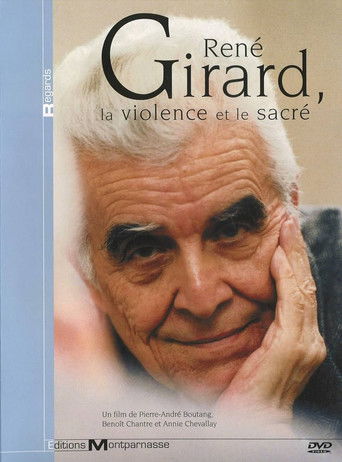
NRNo synopsis available yet.
René Girard - La Violence et le Sacré
—
 5.0
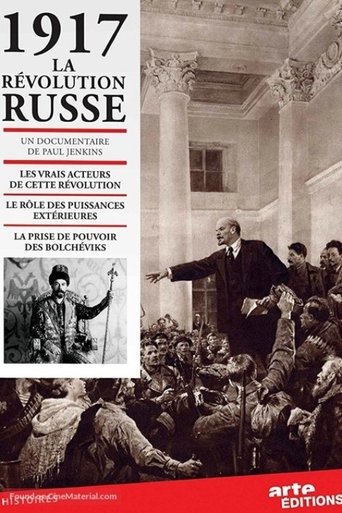
5.0No synopsis available yet.
1917: La révolution russe
2007
No synopsis available yet.
Satyajit ray, calcutta 89
—