
Acting
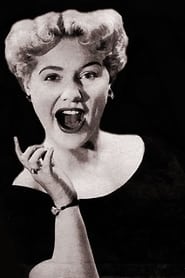
Gloria Wood
Born — Died
1923-09-08 — 1995-03-04
Place of birth
Medford, Massachusetts, USA
Known for
Acting
Credits
11 titles
From Wikipedia, the free encyclopedia Gloria Wood (September 8, 1923 – March 4, 1995) was an American singer and voice actress. Her rare voice was in the four-octave range. She was able to imitate other voices. Born in Medford, Massachusetts in 1923, her father was Robert E. Wood, a Boston radio singer in the 1920s, who with wife Gertrude Anderson-Wood, was the influence which had encouraged both Gloria and her older sister Donna to cultivate their vocal skills. Shortly after leaving high school in 1941, Gloria joined Donna in The Horace Heidt Band. In 1947, Kay Kyser offered Gloria the emotional problem of replacing Donna in his Campus Kids vocal group when she died on April 8, 1947 at th…
Known for
 6.7
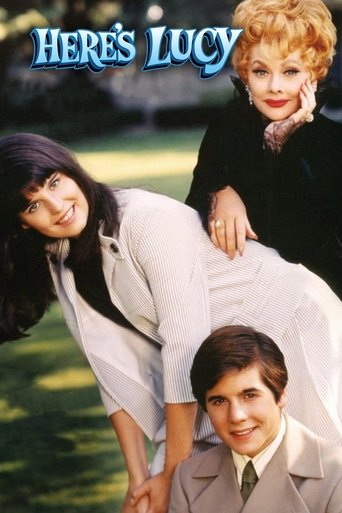
6.7Lucille Ball's third network sitcom, following I Love Lucy (1951–57) and The Lucy Show (1962–68).
Here's Lucy
1968
 6.5
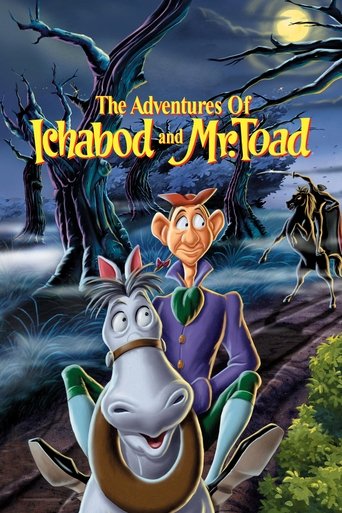
6.5The Wind in the Willows: Concise version of Kenneth Grahame's story of the same name. J. Thaddeus Toad, owner of Toad Hall, is prone to fads, such as the newfangled motor car. This desire for the very latest lands him in much trouble with the wrong crowd, and it is up to his friends, Mole, Rat and Badger to save him from himself. - The Legend of Sleepy Hollow: Retelling of Washington Irving's story set in a tiny New England town. Ichabod Crane, the new schoolmaster, falls for the town beauty, Katrina Van Tassel, and the town Bully Brom Bones decides that he is a little too successful and needs "convincing" that Katrina is not for him.
The Adventures of Ichabod and Mr. Toad
1949
 7.2
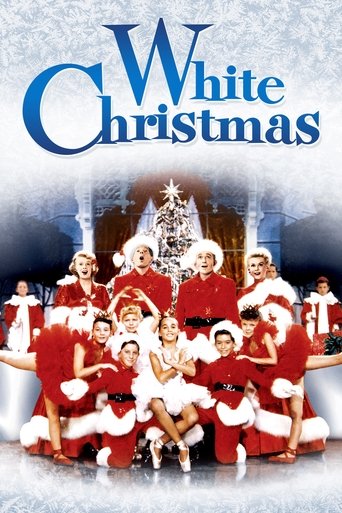
7.2Two talented song-and-dance men team up after the war to become one of the hottest acts in show business. In time they befriend and become romantically involved with the beautiful Haynes sisters who comprise a sister act.
White Christmas
1954
 5.5
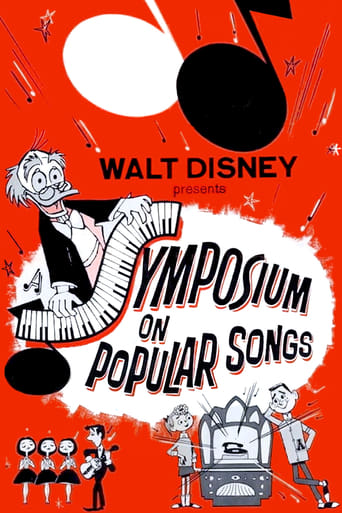
5.5Professor Ludwig von Drake plays a variety of popular music, all of which he wrote. First, ragtime: the Rutabaga Rag, with vegetables dancing in stop-motion. Next, the Charleston, with cut-out animation of a singer and dancers. Dixieland and more cut-out animation; the crooner/love ballad; 50's doo-wop; and finally, rockabilly.
A Symposium on Popular Songs
1962
 6.7
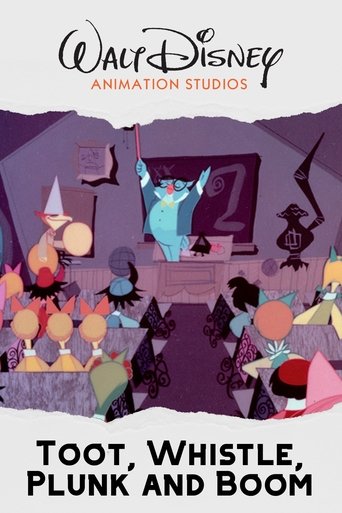
6.7Professor Owl gives a lecture on the evolution of Western musical instruments, starting with the advent of rudimentary brass, woodwind, string and percussion instruments by ancient cave dwellers at the dawn of history.
Toot, Whistle, Plunk and Boom
1953
 6.1
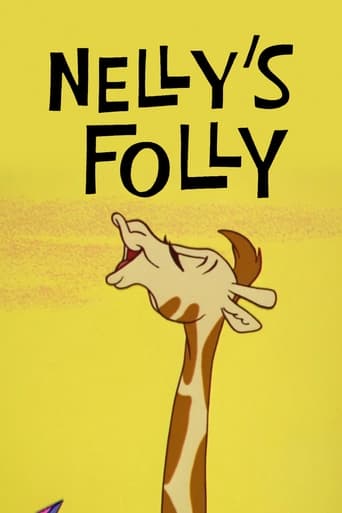
6.1Nelly the Giraffe is discovered in Africa and leaves to begin a singing career, but finds that chasing fame brings her nothing but unhappiness.
Nelly's Folly
1961
Film credits
1960s · 3 titles
5.5Professor Ludwig von Drake plays a variety of popular music, all of which he wrote. First, ragtime: the Rutabaga Rag, with vegetables dancing in stop-motion. Next, the Charleston, with cut-out animation of a singer and dancers. Dixieland and more cut-out animation; the crooner/love ballad; 50's doo-wop; and finally, rockabilly.
A Symposium on Popular Songs
1962
6.1Nelly the Giraffe is discovered in Africa and leaves to begin a singing career, but finds that chasing fame brings her nothing but unhappiness.
Nelly's Folly
1961
Stan Freberg satirizes contemporary television, particularly commercials.
Chun King Chow Mein Hour
1962
1950s · 3 titles
7.2Two talented song-and-dance men team up after the war to become one of the hottest acts in show business. In time they befriend and become romantically involved with the beautiful Haynes sisters who comprise a sister act.
White Christmas
1954
6.7Professor Owl gives a lecture on the evolution of Western musical instruments, starting with the advent of rudimentary brass, woodwind, string and percussion instruments by ancient cave dwellers at the dawn of history.
Toot, Whistle, Plunk and Boom
1953
 7.0
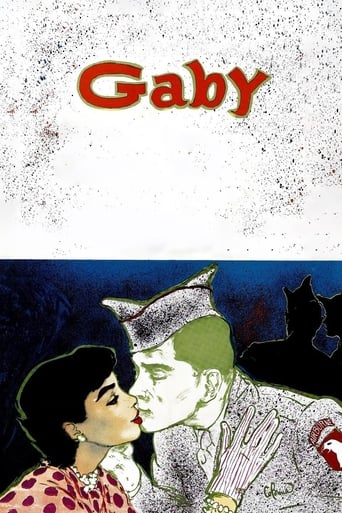
7.0A French ballerina falls in love with an American paratrooper on a two day pass in London near the end of World War II.
Gaby
1956
1940s · 2 titles
6.5The Wind in the Willows: Concise version of Kenneth Grahame's story of the same name. J. Thaddeus Toad, owner of Toad Hall, is prone to fads, such as the newfangled motor car. This desire for the very latest lands him in much trouble with the wrong crowd, and it is up to his friends, Mole, Rat and Badger to save him from himself. - The Legend of Sleepy Hollow: Retelling of Washington Irving's story set in a tiny New England town. Ichabod Crane, the new schoolmaster, falls for the town beauty, Katrina Van Tassel, and the town Bully Brom Bones decides that he is a little too successful and needs "convincing" that Katrina is not for him.
The Adventures of Ichabod and Mr. Toad
1949
 7.0
7.0Woody Woodpecker buys life insurance with the beneficiary being Buzz Buzzard who wants to collect early.
Wet Blanket Policy
1948
Series credits
6.7Lucille Ball's third network sitcom, following I Love Lucy (1951–57) and The Lucy Show (1962–68).
Here's Lucy
1968
6.7Lucille Ball's third network sitcom, following I Love Lucy (1951–57) and The Lucy Show (1962–68).
Here's Lucy
1968
6.7Lucille Ball's third network sitcom, following I Love Lucy (1951–57) and The Lucy Show (1962–68).
Here's Lucy
1968