
Directing
Diego Rísquez
Born — Died
1949-12-15 — 2018-01-13
Place of birth
Venezuela
Known for
Directing
Credits
30 titles
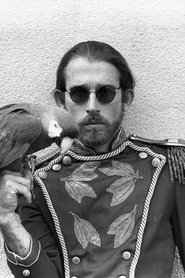
Diego Rísquez was born on 15 December 1949 in Juan Griego, Venezuela. He was an art director and director, known for Reveròn (2011), Orinoko, New World (1984) and Amerika, Terra Incognita (1988). He died on 13 January 2018 in Caracas, Venezuela.
Known for
 8.6
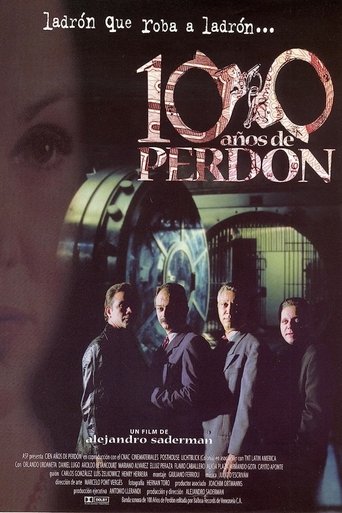
8.6In the wake of a banking crisis, four middle class friends throw a 'white glove' hold up, only to find out that their bank has already gone bankrupt.
Little Thieves, Big Thieves
1998
 8.5
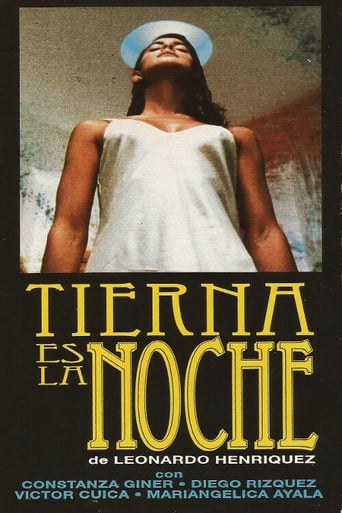
8.5Tierna es la Noche is a film without bullets nor sea, without mosquitoes, without peasants nor flowers. It only contains a barman, a man and a beautiful woman who lives in a bathroom. For commercial reasons, we have included two policemen, a drop of blood and a multilingual nymphomaniac. For aesthetic reasons, a tear and a black man. For both reasons, the film takes place anachronically, during the fifties and nineties in a make-believe city called Caracas. It's a story of histerics, like all stories, unfinished.
Tierna es la Noche
1990
 NR
NRDocumentary in four parts on Latin American cinema. Third episode: from the 1960s, France and Europe showed a real enthusiasm for Latin American cinema, but the latter remained hampered by numerous economic and political obstacles.
Claves, 3: Small mother country, great mother country
1984
 NR
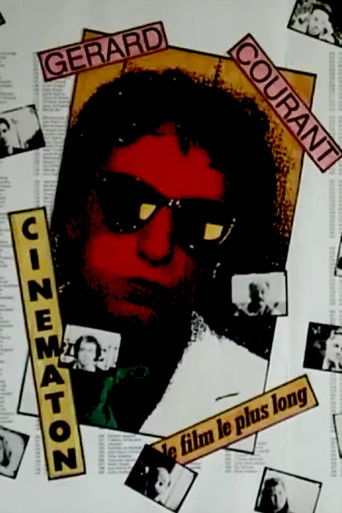
NRReel 21 of Gérard Courant’s on-going Cinematon series.
Cinématon XXI
1982
 5.4
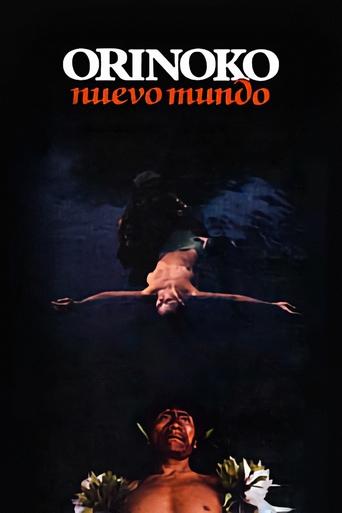
5.4The Orinoko: main character in the film. The first part is set during the pre-conquest and is represented as an earthly paradise. A shaman has precognitive visions: go to Columbus and the Catholic missionary in 1498.
Orinoko, New World
1984
 7.5
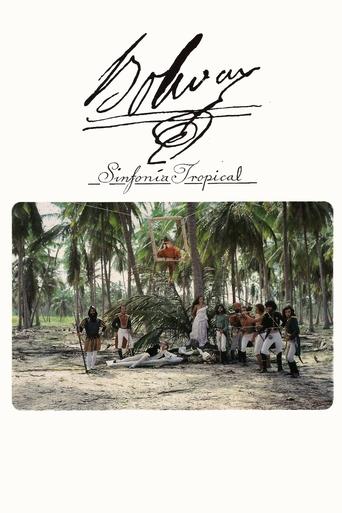
7.5This is the first of Diego Risquez’ trilogy of avant-garde cinematic treatments of historical subjects. Using a painterly style, it features portraits, still lifes, and scenes shot as tableaux vivants, the film provides an experimental interpretation of the arrival of the Spanish and their domination of the New World, as well as the Venezuelan Independence movement, focusing on the role of Simón Bolívar. There is no dialogue or narration, simply a musical score and the depiction of events from Bolívar’s career.
Bolívar, a Tropical Symphony
1979
Film credits
1990s · 3 titles
8.6In the wake of a banking crisis, four middle class friends throw a 'white glove' hold up, only to find out that their bank has already gone bankrupt.
Little Thieves, Big Thieves
1998
8.5Tierna es la Noche is a film without bullets nor sea, without mosquitoes, without peasants nor flowers. It only contains a barman, a man and a beautiful woman who lives in a bathroom. For commercial reasons, we have included two policemen, a drop of blood and a multilingual nymphomaniac. For aesthetic reasons, a tear and a black man. For both reasons, the film takes place anachronically, during the fifties and nineties in a make-believe city called Caracas. It's a story of histerics, like all stories, unfinished.
Tierna es la Noche
1990
 9.0
9.0An homage to the painter Armando Reveron, this is the story of a contemporary painter who chooses to live in isolation in a hut alongside the Caribbean Sea. Along with Claudia, his muse, he works using nature as his source of inspiration. Alfredo, a friend and art connoisseur, forces the painter to create a series of paintings for an exhibition in New York that aims at achieving fame and putting him on the contemporary art market. The film presents a tropical perspective of the dilemma between artist and the commercializing of his work.
Karibe con tempo
1995
1980s · 4 titles
NRDocumentary in four parts on Latin American cinema. Third episode: from the 1960s, France and Europe showed a real enthusiasm for Latin American cinema, but the latter remained hampered by numerous economic and political obstacles.
Claves, 3: Small mother country, great mother country
1984
NRReel 21 of Gérard Courant’s on-going Cinematon series.
Cinématon XXI
1982
5.4The Orinoko: main character in the film. The first part is set during the pre-conquest and is represented as an earthly paradise. A shaman has precognitive visions: go to Columbus and the Catholic missionary in 1498.
Orinoko, New World
1984
 5.8
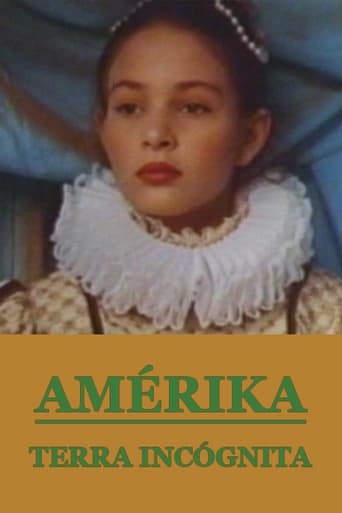
5.8This low-budget avant garde feature uses no dialogue in telling the story of the reaction of the Spanish court after the initial exploration of America. A botanist revels in his collection of new plants. A native is baptized in a church ceremony, and nuns and court jesters appear throughout this rambling feature.
Amerika, Terra Incognita
1988
1970s · 2 titles
7.5This is the first of Diego Risquez’ trilogy of avant-garde cinematic treatments of historical subjects. Using a painterly style, it features portraits, still lifes, and scenes shot as tableaux vivants, the film provides an experimental interpretation of the arrival of the Spanish and their domination of the New World, as well as the Venezuelan Independence movement, focusing on the role of Simón Bolívar. There is no dialogue or narration, simply a musical score and the depiction of events from Bolívar’s career.
Bolívar, a Tropical Symphony
1979
 10.0
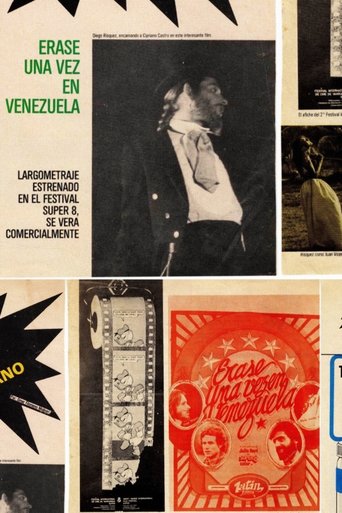
10.0Film by Julio Neri.
Érase una vez en Venezuela
1977
Behind the camera
5.4The Orinoko: main character in the film. The first part is set during the pre-conquest and is represented as an earthly paradise. A shaman has precognitive visions: go to Columbus and the Catholic missionary in 1498.
Orinoko, New World
1984
5.4The Orinoko: main character in the film. The first part is set during the pre-conquest and is represented as an earthly paradise. A shaman has precognitive visions: go to Columbus and the Catholic missionary in 1498.
Orinoko, New World
1984
5.4The Orinoko: main character in the film. The first part is set during the pre-conquest and is represented as an earthly paradise. A shaman has precognitive visions: go to Columbus and the Catholic missionary in 1498.
Orinoko, New World
1984
7.5This is the first of Diego Risquez’ trilogy of avant-garde cinematic treatments of historical subjects. Using a painterly style, it features portraits, still lifes, and scenes shot as tableaux vivants, the film provides an experimental interpretation of the arrival of the Spanish and their domination of the New World, as well as the Venezuelan Independence movement, focusing on the role of Simón Bolívar. There is no dialogue or narration, simply a musical score and the depiction of events from Bolívar’s career.
Bolívar, a Tropical Symphony
1979
7.5This is the first of Diego Risquez’ trilogy of avant-garde cinematic treatments of historical subjects. Using a painterly style, it features portraits, still lifes, and scenes shot as tableaux vivants, the film provides an experimental interpretation of the arrival of the Spanish and their domination of the New World, as well as the Venezuelan Independence movement, focusing on the role of Simón Bolívar. There is no dialogue or narration, simply a musical score and the depiction of events from Bolívar’s career.
Bolívar, a Tropical Symphony
1979
9.0An homage to the painter Armando Reveron, this is the story of a contemporary painter who chooses to live in isolation in a hut alongside the Caribbean Sea. Along with Claudia, his muse, he works using nature as his source of inspiration. Alfredo, a friend and art connoisseur, forces the painter to create a series of paintings for an exhibition in New York that aims at achieving fame and putting him on the contemporary art market. The film presents a tropical perspective of the dilemma between artist and the commercializing of his work.
Karibe con tempo
1995
9.0An homage to the painter Armando Reveron, this is the story of a contemporary painter who chooses to live in isolation in a hut alongside the Caribbean Sea. Along with Claudia, his muse, he works using nature as his source of inspiration. Alfredo, a friend and art connoisseur, forces the painter to create a series of paintings for an exhibition in New York that aims at achieving fame and putting him on the contemporary art market. The film presents a tropical perspective of the dilemma between artist and the commercializing of his work.
Karibe con tempo
1995
5.8This low-budget avant garde feature uses no dialogue in telling the story of the reaction of the Spanish court after the initial exploration of America. A botanist revels in his collection of new plants. A native is baptized in a church ceremony, and nuns and court jesters appear throughout this rambling feature.
Amerika, Terra Incognita
1988
 4.9
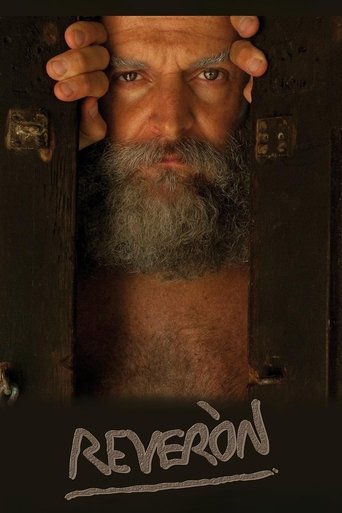
4.9It is a love story that takes place between 1924 and 1954 on the shore of the Caribbean Seawhere we discover the universe of the great Venezuelan artist Armando Reveron, his relationship with his muse Juanita and inseparable companion, the friends who frequent the building andrecreation of the objects that make up his world, his obsession with tropical light that blinds. We will see the development of his mental illness and the universe playful, emotional and painful inthis magical space called The Castillete.
Reverón
2011
4.9It is a love story that takes place between 1924 and 1954 on the shore of the Caribbean Seawhere we discover the universe of the great Venezuelan artist Armando Reveron, his relationship with his muse Juanita and inseparable companion, the friends who frequent the building andrecreation of the objects that make up his world, his obsession with tropical light that blinds. We will see the development of his mental illness and the universe playful, emotional and painful inthis magical space called The Castillete.
Reverón
2011
 6.7
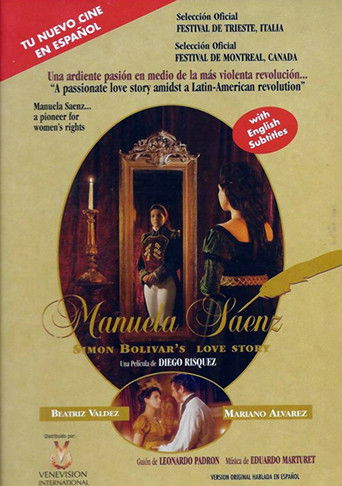
6.7In 1856, a whaler arrives in Paita, Peru; on board is Herman Melville, who is astonished to learn that Manuela Sáenz, for eight years the lover of Simón Bolívar, is still alive. He calls on her, and although she will not talk to him about her life, his visit sends her to her chest of Bolívar's letters. As she reads them, the sepia-toned present gives way to flashbacks in color: she meets 'the Liberator' in 1822, becomes his lover, and also becomes a colonel in his military movement to realize the 'Gran Colombia', one nation across South America. As plague (brought by the ship) closes in on Manuela's household, so does her tempestuous story move toward Bolívar's betrayal and death.
Manuela Sáenz
2000
 5.4
5.4In 1750, in the glare of the Caribbean, the man who created history known as the forerunner of independence in Venezuela. His name is Francisco de Miranda and, to be exact, is the largest globetrotter who has known the Americas, Miranda has a reputation as an inveterate wanderer, an eternal conspirator, a turncoat, a conqueror of nobles and courtiers, a lover of asylums, libraries, prisons and brothels, has written 63 volumes of his autobiography, a friend of princes, military and world-renowned artists, collector of women and unthinkable dreams, restless fugitive, owner of ten different names, and presented by the British press the moment as the future liberator of Spanish America.
Francisco de Miranda
2006
 NR
NRThe film follows the rise to fame of venezuelan singer Felipe Pirela. From the beginnings when he worked alongside Billo Frometa and his band Billo's Caracas Boys to the days of his death at the hands of a drug dealer.
El Malquerido
2015
NRThe film follows the rise to fame of venezuelan singer Felipe Pirela. From the beginnings when he worked alongside Billo Frometa and his band Billo's Caracas Boys to the days of his death at the hands of a drug dealer.
El Malquerido
2015
Short film by Diego Rísquez.
A propósito del hombre del maíz
1979
Short film by Diego Rísquez.
A propósito de Simón Bolívar
1976
Short by Diego Rísquez.
El misterioso secuestro de las gafas negras
1973
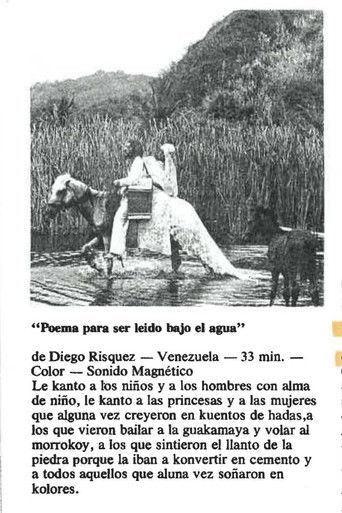 7.0
7.0Short film by Diego Rísquez.
Poema para ser leído bajo el agua
1977
Short movie by Diego Rísquez.
El entierro de los valores
1970
Short film by Diego Rísquez.
A propósito de la luz tropical
1978