

Acting
Jiřina Švorcová
Born — Died
1928-05-25 — 2011-08-08
Place of birth
Kociánovice, Czechoslovakia
Known for
Acting
Credits
40 titles
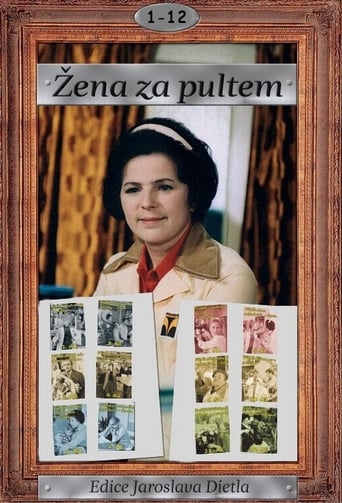
Jiřina Švorcová (May 25, 1928 – August 8, 2011) was a Czech actress and pro-Communist activist. Her acting career lasted more than forty years, but she largely retired after the 1989 Velvet Revolution and devoted herself to advocacy of the Communist Party. Švorcová worked in television, theater and film during the Czechoslovak Socialist Republic. She spent more than forty years at the Vinohrady Theatre in Prague. Her best known work came during the 1970s in the Czechoslovak television series, Žena za pultem or A Woman Behind the Counter. From Wikipedia, the free encyclopedia
Known for
 7.0
7.0No synopsis available yet.
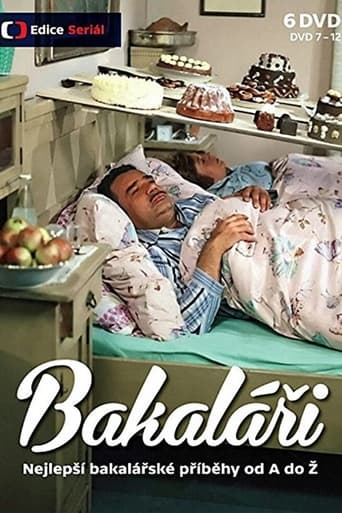
Bakaláři
1972
 4.0
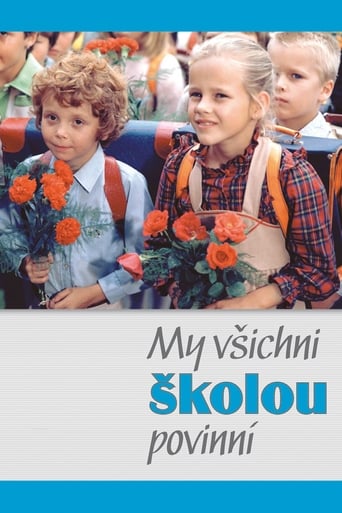
4.0Stories from a daily life of children attending a regular school.
We All Are Required to Attend School
1984
 6.5
6.5No synopsis available yet.
Žena za pultem
1977
 8.0
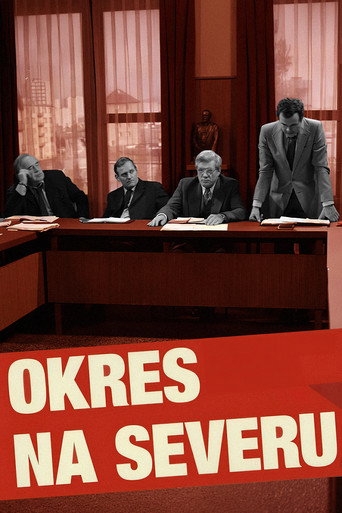
8.0Okres na severu is a Czechoslovak/Czech TV series filmed by Evžen Sokolovský in 1981.
Okres na severu
1981
No synopsis available yet.
Německé pohádky
1973
 5.3
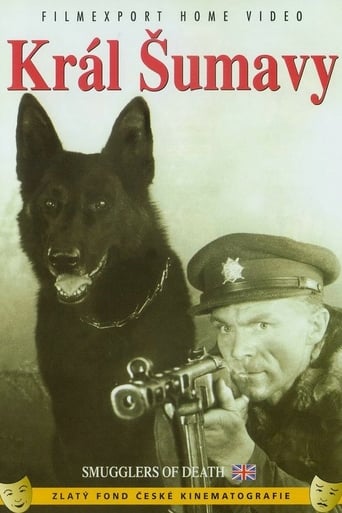
5.3A movie about Czechoslovak border guards trying to arrest the famous escapee called "King of the Sumava".
King of the Sumava
1959
Film credits
1990s · 1 titles
1980s · 6 titles
No synopsis available yet.
Paní Marjánka, matka pluku aneb Ženské srdce
1980
No synopsis available yet.
Než poznáš první úsměv
1989
 5.5
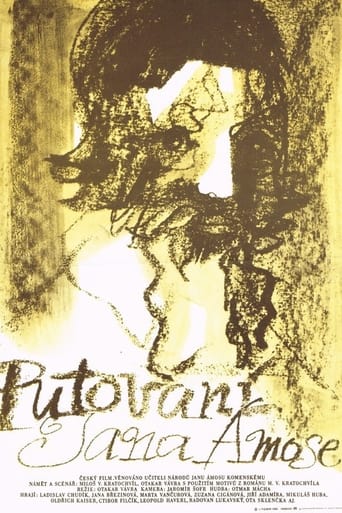
5.5The distressing fate of the Czech great Jan Amos Komenský, forced to leave his homeland after the White Mountain disaster. It depicts his encounters with various European personalities of the 17th century - the Queen of Sweden, artists and scientists. It emphasises the hero's nobility, but also his inner resilience, which allowed him to overcome many personal and professional tragedies. The parable of The Labyrinth of the World and the Paradise of the Heart becomes part of the story. However, Comenius's concept is sculpturally lifeless and, in particular, the religious dimension is "erased" from it. The simplistic biography therefore does not avoid schoolboyish dryness.
Putování Jana Amose
1983
 6.8
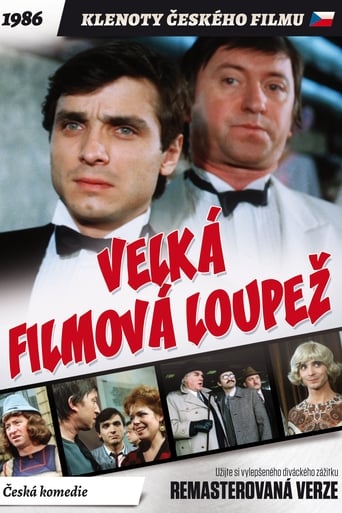
6.8The film is essentially a feature-length commercial for an exhibition to mark the 40th anniversary of the nationalisation of the Czechoslovak film industry, to be held at the Prague U Hybernu venue. The protagonists of the piece are comedians Oldrich Kaiser and Jirí Lábus, who are set to accept an award from Japanese television representatives at the exhibition. At the same time, five gangsters plot to seize a revolutionary invention devised by professor Suzuki - a super holograph, which enables any figure from television to be transported in the flesh into the real world, and vice-versa.
The Great Movie Robbery
1987
No synopsis available yet.
Poslední koncert
1980
 6.5
6.5No synopsis available yet.
Anynka a čert
1984
1970s · 3 titles
No synopsis available yet.
Silvestr na přání aneb Čí jsou hory Kavčí
1977
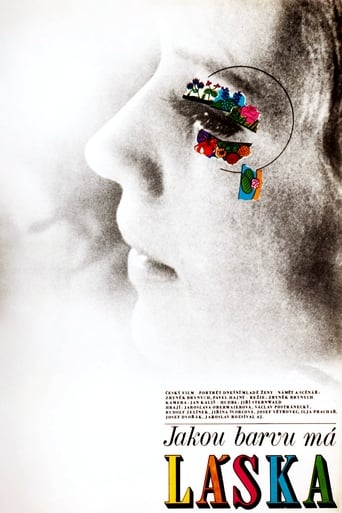 7.0
7.0Cyril Dadák (Václav Postránecký), a TV reporter falls in love at first sight with a young engineer Milena (Jaroslava Obermaierová) while he makes a reportage in a chemical factory. Milena has been dating for several years with a test driver Pavel (Rudolf Jelínek), however when she meets Cyril she feels that he might be the Mr Right. She accepts Cyril's invitation for a date and she spends a night with him. In the morning she finds in her flat Pavel. She wants to explain to him everything but Pavel makes coffee with a smile and gives her back the keys from the flat.
Jakou barvu má láska
1974
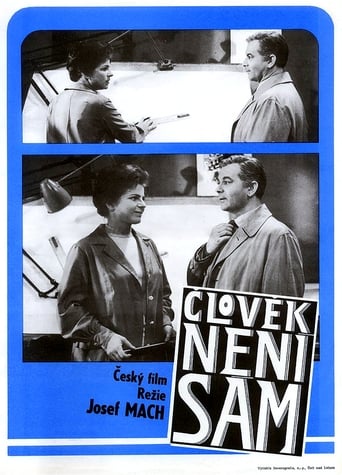 6.0
6.0A dedicated chairwoman of the Communist Party of Czechoslovakia in cooperation with a StB major clears a politically immature researcher of the charge of aiding subversives...
Člověk není sám
1972
1960s · 10 titles
No synopsis available yet.
Hermína Týrlová
1961
No synopsis available yet.
Odnes’ to všechno čas?
1968
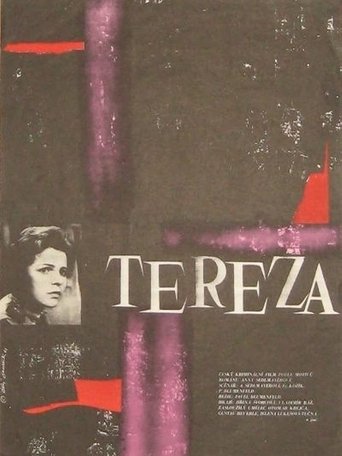 3.2
3.2Ing. Bernard announces that his wife has not returned from visiting relatives in Berlin. Lieutenant Tereza Machátová, who together with Captain Landa is investigating the matter, puts the facts into connection with the discovery of the drowned woman's body.
Tereza
1961
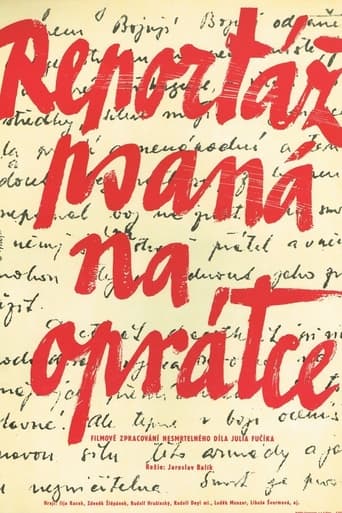 6.5
6.5Screen adaptation of Julius Fucik's story about communist fighters.
Reportáž psaná na oprátce
1962
No synopsis available yet.
Neprovdaná paní Rosita
1960
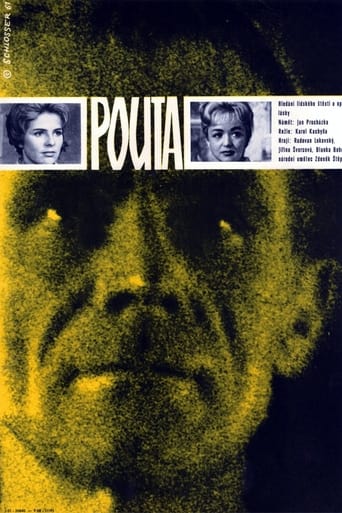 9.0
9.0A young veterinarian, Jiří Klimeš, returns to his native village after graduation.
Pouta
1961
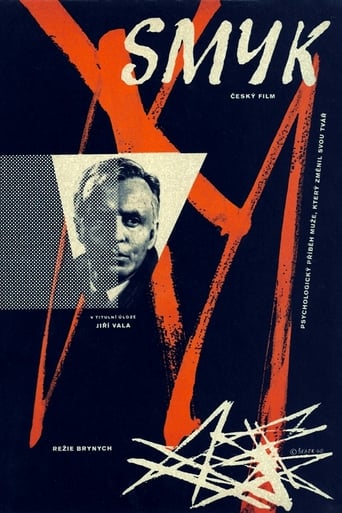 4.8
4.8Spy film about a man with a face lift who gets recruited by western organisations.
Skid
1960
Three nine-year-old boys are ridden with guilt after chasing their classmate into a busy street, causing him to get hit by a truck.
Tragic Monday
1960
The years 1851-1856: events from the life of the writer Božena Němcová, who, because of her free-thinking views and strong patriotic feelings, comes into conflict with the society, the church and the Austrian authorities... A cold, too readable version of the writer's biography. The playwright František Pavlíček dealt with the theme of "Němcová" also later - in the times of his dissidence.
Horoucí srdce
1963
Two stories from the lives of border guards. In the story "The Pursuit", an experienced border guard and his young and inexperienced colleague follow the tracks of ski boots in a snowstorm. The second story, Wandering, is about a frontiersman whose wife wants to go inland with their child.
No Entrance
1960
1950s · 13 titles
5.3A movie about Czechoslovak border guards trying to arrest the famous escapee called "King of the Sumava".
King of the Sumava
1959
No synopsis available yet.
Dobrá píseň
1955
No synopsis available yet.
Hedvábný šál
1954
No synopsis available yet.
Nad námi svítá
1953
Defence education film intended for children and young people, in which young heroes switch from the class to the training ground and their job is to fulfil a number of onerous tasks. Audiences are educated using the example of a young boy who repeatedly fails to overcome obstacles and who is taught by more adept pupils and the teacher.
Defence Education II
1951
Defence education film intended for children and young people. It is devoted to teaching the theory of defence in schools. It primarily demonstrates its educational component with an instructive commentary and explanation of the history of Czechoslovakia.
Defence Education I
1951
No synopsis available yet.
Fučík
1956
No synopsis available yet.
Písně kosmické
1954
In a South Bohemian village in 1951, the local rich organize acts of sabotage and try to stop the establishment of an agricultural cooperative with threatening letters and arson. A kulak's son even secretly returns from the West to terrorize the village with his brother. However, the ordinary villagers stand up to them.
Přicházejí z tmy
1954
No synopsis available yet.
Hadrián z Římsů
1954
No synopsis available yet.
Nositelé řádů
1953
The Counter-Reformation period: Myslivec Machovec is forced by representatives of the Jesuit order to flee his home for his religious beliefs. His teenage children Helenka and Tomáš do not give up the faith and traditions of the Czech Brethren despite the increasing pressure.
Temno
1951
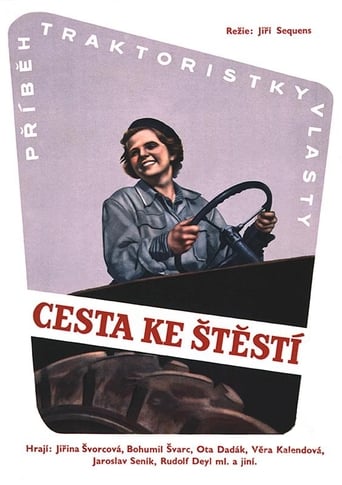 8.0
8.0Despite her father's protests, Vlasta Tomešová wants to become a tractor driver. However, before her first plowing, she falls in love and has to face the pitfalls of a rich farmer who does not want to join the cooperative.
Way Leading to Happiness
1951
Series credits
7.0No synopsis available yet.
Bakaláři
1972
4.0Stories from a daily life of children attending a regular school.
We All Are Required to Attend School
1984
6.5No synopsis available yet.
Žena za pultem
1977
8.0Okres na severu is a Czechoslovak/Czech TV series filmed by Evžen Sokolovský in 1981.
Okres na severu
1981
No synopsis available yet.
Německé pohádky
1973