
Directing
Elo Havetta
Born — Died
1938-06-13 — 1975-02-03
Place of birth
Velké Vozokany, Czechoslovakia [now Slovakia]
Known for
Directing
Credits
13 titles
Elo Havetta was born on June 13, 1938 in Velké Vozokany, Czechoslovakia [now Slovakia]. He was a director and writer, known for Slávnost v botanickej záhrade (1969), Predpoved: Nula (1966) and Svatá Jana (1963). He died on February 3, 1975 in Bratislava, Czechoslovakia (now Slovakia).
Known for
Television series Golden Sixties examines new insights into Czech and Slovak cinema of the 1960s and the role of the Czechoslovak New Wave. Each episode focuses on a different filmmaker.
Golden Sixties
2009
A tram pasted with posters travels through Prague. The mounted loudspeakers invite passers-by to a series of concerts of Giuseppe Verdi's masterpieces. On the tram a party of young people is getting drunk.
Forecast: Zero
1966
 6.7
6.7Maria, an inn keeper, is always a bride but never a wife. She meets newcomer Pierre, who disturbs the peace of the small village and teaches the locals how to enjoy life. E. Havetta's debut was inspired by naïve art, French impressionism, silent slap-stick and Western Slovakian folk traditions.
Celebration in the Botanical Garden
1969
It was autumn 1939, shortly after the attack on Poland by the German army. The military component of the Slovak State are allies of the Nazis, and with them came on Polish territory. They're alongside the mighty army of Hitler's occupation force. In the decimated Polish town the Commander of the Slovak company Major Valenta issues orders that all residents surrender weapons if they own any. Insubordination will be punishable by death. Shortly after, the charming young Polish lady Žofie reports Valenta about: Professor Klosowski, who is Professor of Botany at the local high school, said to be hiding out at home in the library of the gun. Valenta reluctantly executes search warrant and weapon is found, but it is immediately clear that the old Professor became the victim of misunderstandings or possible fraud. To his surprise, he soon discovers that Sophie has a close relationship with Klosowski. But just before he fathoms the mystery, the occupation machinery executes havoc.
Dáma
1967
 NR
NRA story about a man in a caravan who checks the suitability and abundance of water wells. A suggestive, sometimes ironic, but always biased portrait of modern Robinson. The film shows the flip side of the modern myth of returning to the bosom of nature.
34 Days of Absolute Calm
1965
 NR
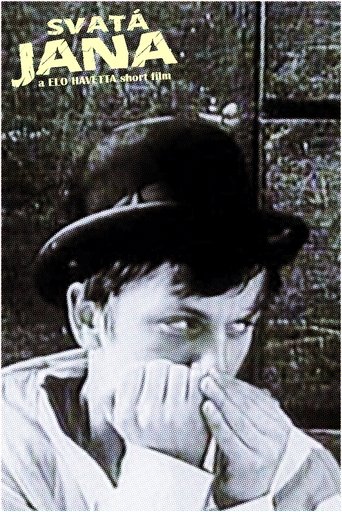
NRElo Havetta's student film.
Saint Jane
1963
Film credits
1970s · 1 titles
1960s · 2 titles
6.7Maria, an inn keeper, is always a bride but never a wife. She meets newcomer Pierre, who disturbs the peace of the small village and teaches the locals how to enjoy life. E. Havetta's debut was inspired by naïve art, French impressionism, silent slap-stick and Western Slovakian folk traditions.
Celebration in the Botanical Garden
1969
It was autumn 1939, shortly after the attack on Poland by the German army. The military component of the Slovak State are allies of the Nazis, and with them came on Polish territory. They're alongside the mighty army of Hitler's occupation force. In the decimated Polish town the Commander of the Slovak company Major Valenta issues orders that all residents surrender weapons if they own any. Insubordination will be punishable by death. Shortly after, the charming young Polish lady Žofie reports Valenta about: Professor Klosowski, who is Professor of Botany at the local high school, said to be hiding out at home in the library of the gun. Valenta reluctantly executes search warrant and weapon is found, but it is immediately clear that the old Professor became the victim of misunderstandings or possible fraud. To his surprise, he soon discovers that Sophie has a close relationship with Klosowski. But just before he fathoms the mystery, the occupation machinery executes havoc.
Dáma
1967
Series credits
Behind the camera
A tram pasted with posters travels through Prague. The mounted loudspeakers invite passers-by to a series of concerts of Giuseppe Verdi's masterpieces. On the tram a party of young people is getting drunk.
Forecast: Zero
1966
6.7Maria, an inn keeper, is always a bride but never a wife. She meets newcomer Pierre, who disturbs the peace of the small village and teaches the locals how to enjoy life. E. Havetta's debut was inspired by naïve art, French impressionism, silent slap-stick and Western Slovakian folk traditions.
Celebration in the Botanical Garden
1969
6.7Maria, an inn keeper, is always a bride but never a wife. She meets newcomer Pierre, who disturbs the peace of the small village and teaches the locals how to enjoy life. E. Havetta's debut was inspired by naïve art, French impressionism, silent slap-stick and Western Slovakian folk traditions.
Celebration in the Botanical Garden
1969
NRA story about a man in a caravan who checks the suitability and abundance of water wells. A suggestive, sometimes ironic, but always biased portrait of modern Robinson. The film shows the flip side of the modern myth of returning to the bosom of nature.
34 Days of Absolute Calm
1965
NRElo Havetta's student film.
Saint Jane
1963
NRElo Havetta's student film.
Saint Jane
1963
 7.9
7.9Two repatriated soldiers search for stability and love when they return home after the First World War.
Field Lilies
1973
No synopsis available yet.
Škoda lásky
1973