
Acting
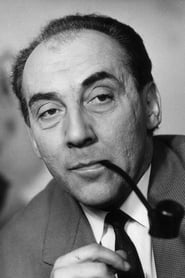
Miloš Kopecký
Born — Died
1922-08-22 — 1996-02-16
Place of birth
Prague, Czechoslovakia [now Czech Republic]
Known for
Acting
Credits
86 titles
Miloš Kopecký was a Czech actor, active mainly in the second half of the 20th century. He was born into the family of craftsmen, Kopecký was involved with music and theater throughout his entire life. Starting on stage in 1939, as a member of an amateur elocution group, Kopecký performed with numerous young artists during the German occupation of then Czechoslovakia. Near the end of World War II, Kopecký’s mother was murdered at the Auschwitz concentration camp for her Jewish heritage, while Miloš was interned in the labor camp Bystřice u Benešova. He would later credit these experiences as the cause for his struggle with Bipolar Disorder, then known as Manic-Depressive Disease. Follo…
Known for
 7.0
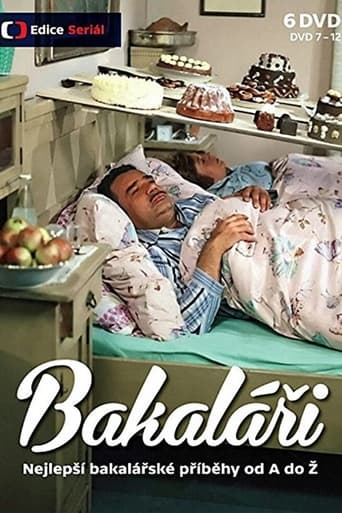
7.0No synopsis available yet.
Bakaláři
1972
 7.3
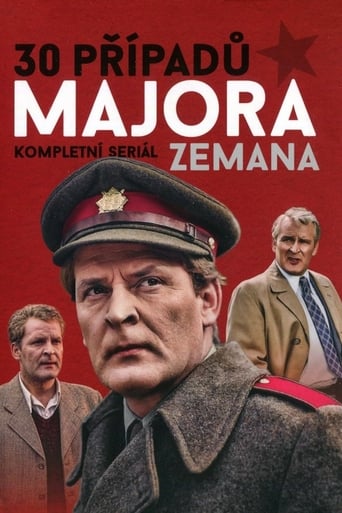
7.3Thirty Cases of Major Zeman is a Czechoslovak action-drama television show intended as a political propaganda to support the official attitude of the communist party. The series were filmed in the 1970s. Each episode encompasses one year, and investigations are stylized to that year. Most are inspired by real cases. The series follows the life of police investigator Jan Zeman during his career from 1945 to 1975.
Thirty Cases of Major Zema
1976
 7.1
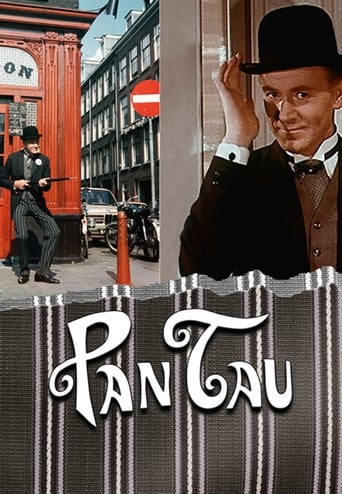
7.1Pan Tau always had a gentle expression and a friendly smile, he was elegantly dressed in a stroller, with an umbrella and a white carnation in the lapel. Foremost, he was famous for his magic bowler hat. By tapping on his hat, Pan Tau was able to change his appearance into a puppet, to conjure up miscellaneous objects or to do other magic. His most characteristically behavior is that he would help children who were experiencing some sort of difficulties in-between their dreams and reality, like finding a place for skiing, settling family problems on Christmas, and even give a boy a good time at a fair when he is supposed to have piano lessons. To adults, he usually remained invisible.
Pan Tau
1970
No synopsis available yet.
GENUS
1995
 6.7
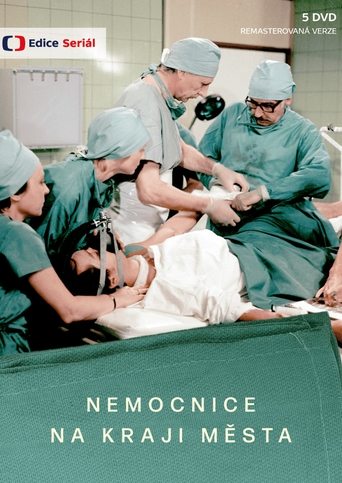
6.7Hospital at the End of the City is a popular television series first released in Czechoslovakia in 1977, it featured an ensemble cast and received much viewer praise in central Europe. The series ran from 1977 to 1981 for a total of twenty episodes. The success of the series inspired the German television series The Black Forest Clinic.
Nemocnice na kraji města
1978
 8.0
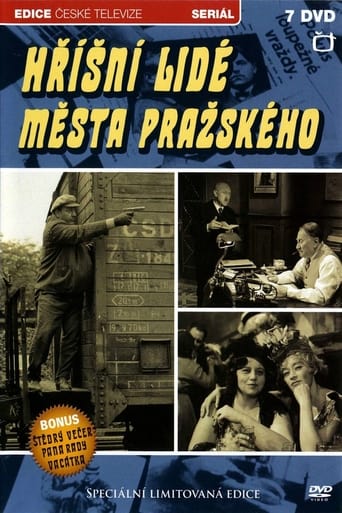
8.0No synopsis available yet.
Hříšní lidé města pražského
1969
Film credits
2020s · 1 titles
1980s · 14 titles
 6.1
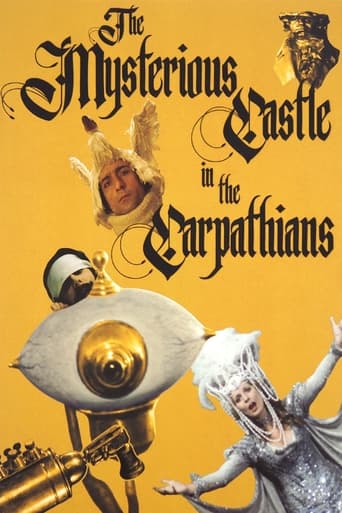
6.1In 1897, in a castle near the town of Werewolfville in the Carpithians, a slightly deranged Professor Orfanik experiments with his new inventions which include, even at this early date, television and a film camera. He is also an obsessed opera fan, keeps the body of his favorite diva preserved in a crypt in the castle. In order to keep away nosy visitors, the baron's mad-scientist assistant invents all sorts of spooky phenomena in order to give the castle a creepy reputation.
The Mysterious Castle in the Carpathians
1981
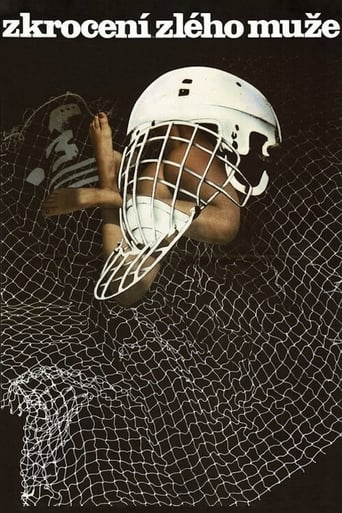 3.4
3.4Tereza lives and works in Prague. She meets a handsome man, Tommie, speaking in a language incomprehensible to her. It seems that he is the manager of the Finnish ice hockey team. A love story starts to blossom. When the coach of the Czech ice hockey team tries to use Tereza to retrieve information about the strategy of the Finnish team, Tommie leaves Tereza. Will Tereza be able to clear up this misunderstanding?
Fair Play
1987
No synopsis available yet.
Cesta na Borneo
1983
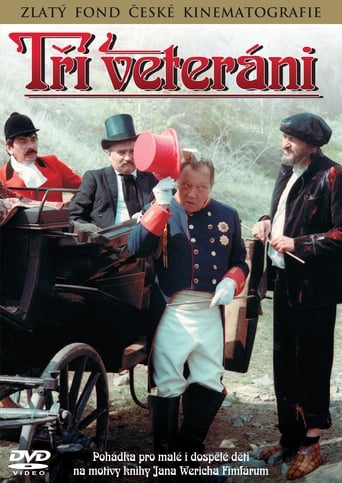 7.8
7.8It is a story of three veterans released from the army. During one night spent camping in the country they one by one wake up and meet three elvish brothers. Each of the veterans is given a magic item - one gets magic harp that provides him with servants by wish, other one endless pouch of gold and the last one owns magic hat that can create all the staff excluding money and people.
The Three Veterans
1984
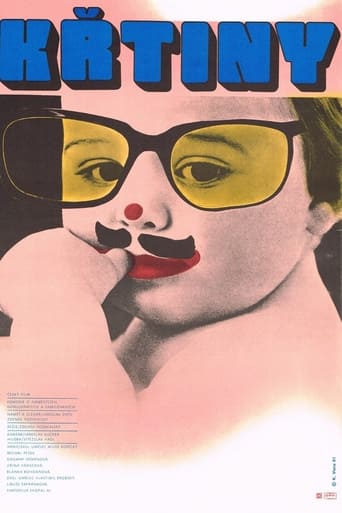 5.2
5.2Deputy of cartography enterprise Mr. Ciruvka tries to seduce the colleague's assistant to destabilize his confident in a run for the director's chair. But things can go wrong.
Christening
1981
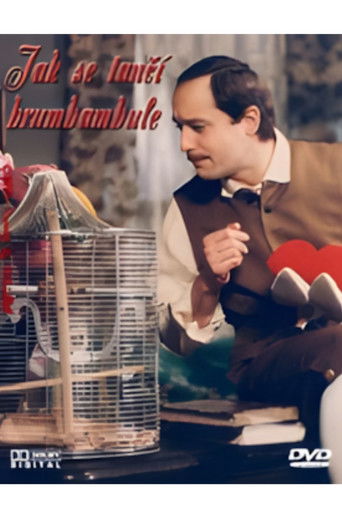 5.0
5.0No synopsis available yet.
Jak se tančí brumbambule
1985
 6.9
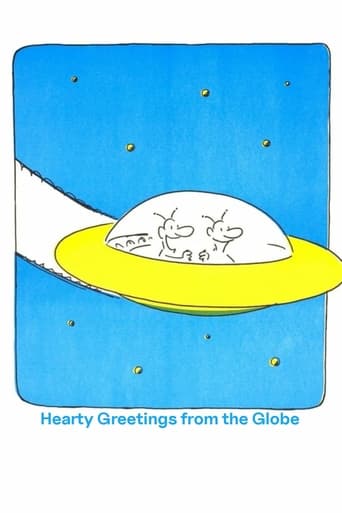
6.9Two aliens stir up trouble on Earth in order to study humans. Misunderstandings ensue.
Hearty Greetings from the Globe
1983
 7.3
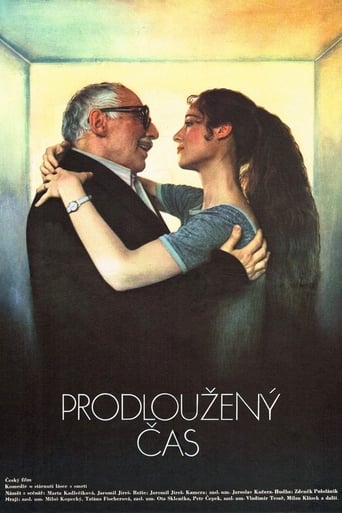
7.3The dramatic story of Karel Svozil, an aging professor of art history, tells of love and old age, illness, death and the worries of everyday life with a humorous touch. A diagnosis of a cancerous tumour unexpectedly interferes with the life of the wise and sophisticated man and his love affair with the much younger Alena, leading him to contemplate suicide. However, the gloomy thoughts are soon replaced by feverish activity, with which Professor Svozil tries to make the most of his remaining time. He finishes his book, marries his mistress, and openly speaks out against his superior. However, an accident radically changes the whole situation.
Extended Time
1985
 5.9
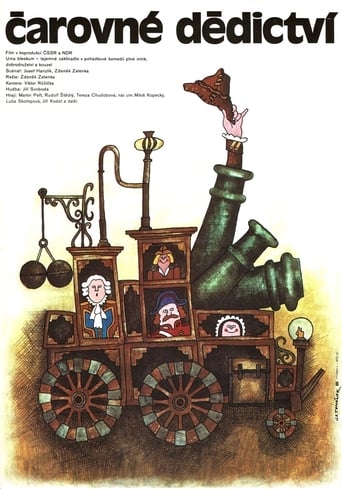
5.9In 18th century Bohemia, the mercenary troops of a cruel duke roam the countryside. A cap maker who defends himself against injustice is thrown into prison. His ten-year-old son tries to free his father with the help of his friends of the same age and a magic cap, but the duke's henchmen are soon after the magic cap.
Eine zauberhafte Erbschaft
1986
No synopsis available yet.
Stařeček vavříny vídeňské slávy ověnčený aneb Zpronevěra
1988
No synopsis available yet.
Románek za tři krejcary
1982
 8.0
8.0A twelve-year-old is looking for his biological parents after discovering the fact that he was adopted.
Escape Home
1980
 4.7
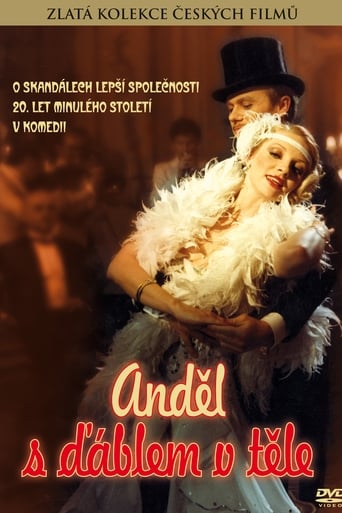
4.7In a chateau near Prague there is a chantry and brothel Riviera, designed for the clientele from the higher circles. Mrs. Gábi Stolařová, called Madame, keeps a close eye on order, but otherwise she runs the place in a family spirit and makes sure that the customers are satisfied. A new employee, the beautiful Renata, disrupts the order of things and immediately draws the attention of all the guests to herself. But beneath her angelically innocent exterior, she hides a fierce ambition and a coldly calculating brain, which, to her own detriment...
Angel in a Devil's Body
1984
No synopsis available yet.
Šéfredaktor čehokoli
1980
1970s · 15 titles
 NR
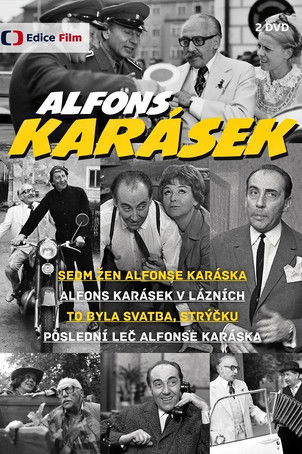
NRAlfons is invited by his brother-in-law to his niece's wedding. The uncle arrives in his luxury car. However, the wedding guests ignore his anxious worries about the car and send him here for beer, there for cement. The uncle objects, but the energetic bridesmaid acts. The car suffers, and so does the uncle. When the wedding guests finally decide to go to the town hall, the car is almost impassable. However, the confusion is far from over...
To byla svatba, strýčku
1977
 6.8
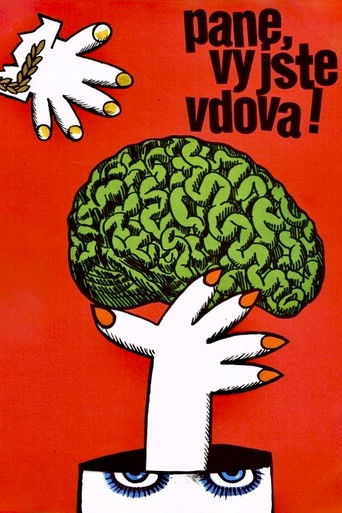
6.8After a soldier cuts off the arm of king's cousin, king decides to deactivate the army. Of course, generals don't like it at all and they try to kill the king. The assassin should be artificial body in the shape of actress Evelina Keleti and with brain of psychotic serial killer Fany Stubová. They also manage to kill king's astrologer Stuart Hampl, who warns the king. Accidentally, Hampl's brain is implanted into assassin's body, actress Keleti is killed and chaos begins.
You Are a Widow, Sir
1971
 7.5
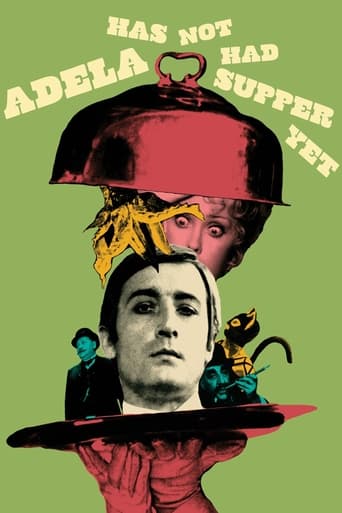
7.5When famous detective Nick Carter visits Prague, he becomes involved in strange case of a missing dog and even stranger carnivorous plant. He becomes convinced that he is standing against his greatest enemy, the Gardener, who supposedly died years ago in a swamp...
Adela Has Not Had Supper Yet
1978
 7.0
7.0The owner of a circus decides to swap his trained bears for trained pigs, and fires clown Cibulka. The clown gets a job at a local school, bears escape and seek him out and a school inspector comes into town.
Six Bears and a Clown
1972
 6.6
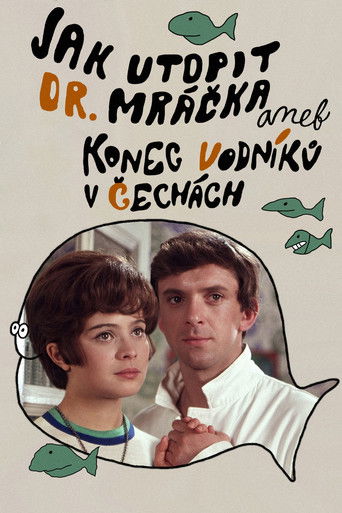
6.6There are still water spirits among us. One group lives in Prague, led by Mr. Wassermann, who is using his wife's family as a servants. All they need is their old house near the river. But the house is to be demolished. They have to stop it. And the only way is to drown Dr. Mrácek, who is responsible for the demolition. But he falls in love with Wassermann's niece Jana. He changes to fish, is mistaken for water spirit from Germany, is drowned and revived again. The other problem is the flour with ears... and so on...
How to Drown Dr. Mracek, the Lawyer
1975
 5.9
5.9This futuristic science fiction comedy features an atomic bomb blast that causes women to grow beards and lose the ability to have children. A summit meeting is held at the United Nations, with the proposed solution of building a time machine. The decision is made to travel back in time and murder Einstein, with the hopeful result being that without the noted mathematician's research there will be no atomic bombs.
I Killed Einstein, Gentlemen
1970
 5.9
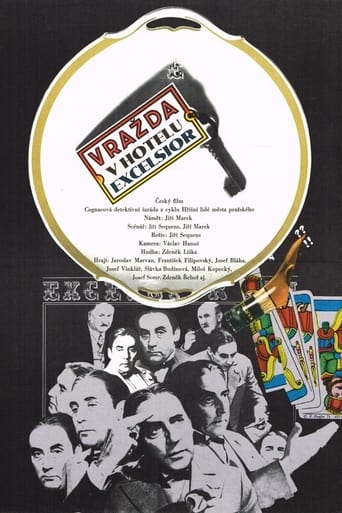
5.9In Vražda v hotelu Excelsior, the interwar period homicide detective squad from Prague investigates the murder of a wealthy woman, Mrs Matoušová, which threatens the reputation of the eponymous luxury hotel popular with Prague’s elite. Even the retired police inspector Mrázek (František Filipovský), who works at the Excelsior as a hotel detective, is unable to help at first. Although the investigation inevitably uncovers the hotel staff’s scheming, Vacátko and his team unerringly follow the trail that leads them to the murderer…
Murder in the Excelsior Hotel
1971
 NR
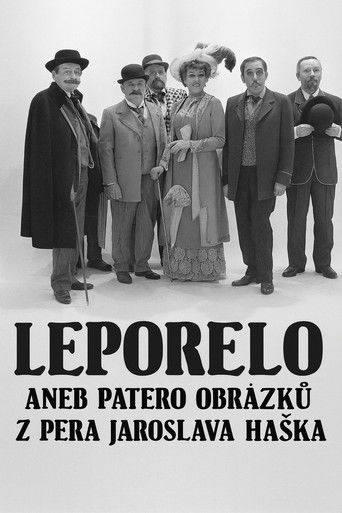
NRNo synopsis available yet.
Leporelo aneb Patero obrázků z pera Jaroslava Haška
1974
No synopsis available yet.
Potulné pohádkové divadlo
1974
 5.8
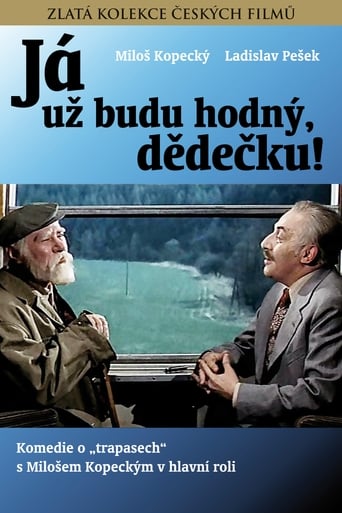
5.8To the intolerant and bloody-minded Prague actor Bergner (Milos Kopecký) is the lead in Moliere's Misanthrope which he is studying now as tailor-made. On top of that he is malicious and he advises to the new actress Helenka (Dagmar Havlová) in such a way that she upsets the theatre director. If Bergner accuses somebody of a mischief and he is wrong, he never apologizes. When he almost crashes an older elegant lady by his car on the zebra crossing, instead of an apology he calls her an old ballet dancer... But in Brno's TV he takes part in a discussion on manners and he gives himself as an example of good manners and grace. In the train he meets a magic old man (Ladislav Pesek) who warns him and admonishes him to change his behavior. After he arrives to Prague the old man's threat comes true.
I'll Be Good, Old Man!
1979
No synopsis available yet.
Silvestr na přání aneb Čí jsou hory Kavčí
1977
 NR
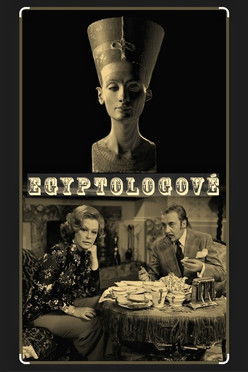
NRComedy, 1974 (Czech Republic) : The movie takes place in England. A group of married middle-aged gentlemen have founded a pretense amateur Egyptology society to maintain some degree of freedom from their wives. The elaborate trick gradually escalates into more and more tangled web of lies and tricks, until they have no option but to disband the society for good.
Egyptologové
1974
 NR
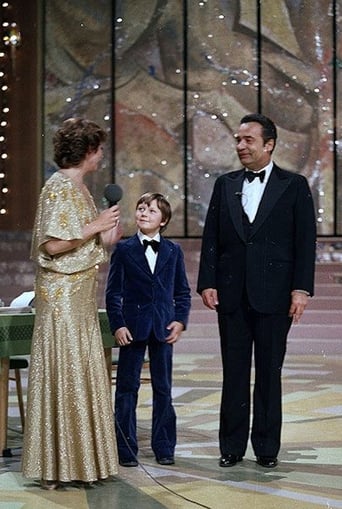
NRA New Year's Eve television variety show from late 1979.
Silvestr 79 aneb Hrajeme si jako děti
1979
 6.2
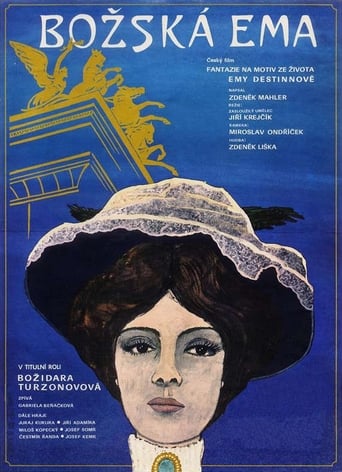
6.2The opera lady singer Ema Destinnová is in all her splendor at the American stages. But in Europe there rages war and she decides to return home to Bohemia.
The Divine Emma
1979
 NR
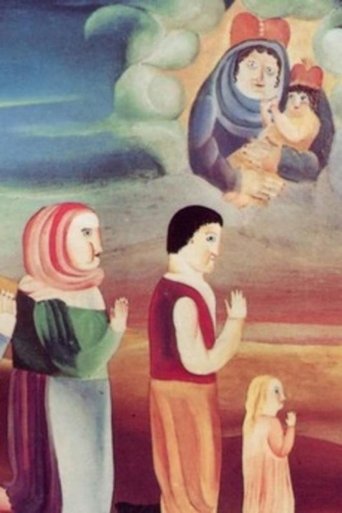
NRA picture based on an old folk song tells us a horrifying story about a soldier returning home after twenty years. His parents do not recognize him, they rob and kill him.
There Was a Miller on a River
1971
1960s · 16 titles
 7.4
7.4A 20th century man lands on the Moon and discovers that Baron Munchausen has beaten him to it, accompanied by Cyrano de Bergerac and the characters from Jules Verne's novels about the conquest of the satellite.
The Fabulous Baron Munchausen
1962
 7.1
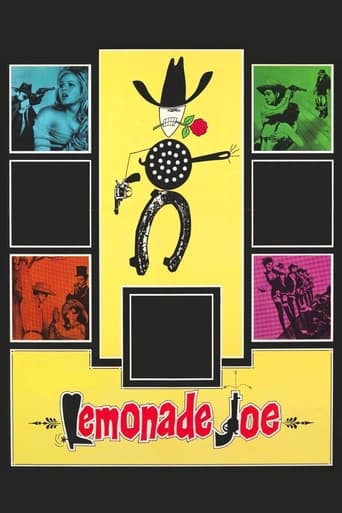
7.1A satire of the Great American Way, with Lemonade Joe a "clean living" gunfighter who drinks only Kola-Loca Lemonade and convinces everyone else in town (with his gun skills) that all "real men" drink ONLY lemonade!
Lemonade Joe
1964
4.2Alfons Karásek says goodbye to his wife Růžena at the train station, who is going to the spa. He plans an erotically filled week, full of women and flings. One lover for each day. But right from the start, the intricately constructed itinerary goes awry. In the end, he finds himself in his apartment full of beautiful women, including, unfortunately, his returning wife...
Sedm žen Alfonse Karáska aneb Když holky berou, já nevím kterou
1967
No synopsis available yet.
Bidýlko
1967
No synopsis available yet.
Úřad
1968
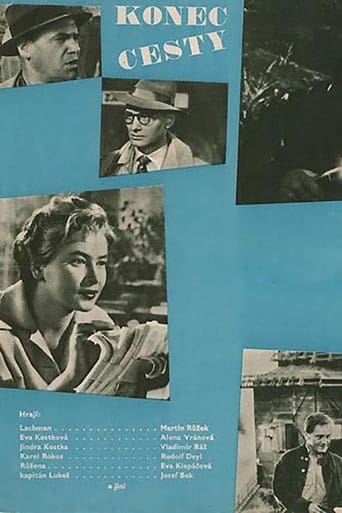 7.3
7.3Josef Lachman, once a security officer, serves twelve years for aiding an SS fugitive’s escape. Upon release, he works as a driver on a dam project, hunting buried English pounds Meyer told him about. With miner Rokos’s help, he retrieves the cash and hides it with his daughter Eva, but she spends some at Tuzex, Rokos blackmails him, and they discover the notes are WWII forgeries.
Konec cesty
1960
No synopsis available yet.
Učitel a přítel zůstal veřejnosti neznám
1969
 7.5
7.5In a rare instance of literary adaptation, Chytilová was inspired by Franz Kafka’s writings. Mr. K stashes stolen jewelry away at home and seldom allows his wife to wear it. A nosy neighbour, Mr. B, drops in. A cat observes it all.
Caterwauling
1960
The servant Josef enters the seemingly peaceful household of the psychiatrist Jaroslav and his wife Žofie, a great lover of the theatre. He is supposed to serve the purpose of increasing the prestige of the family, but he is the true source of confusion and senseless actions. The household becomes a real madhouse. Friend Arthur advises how to get rid of the servant. He will have to be persuaded that Madame Sophie is a psychiatric case. But as we watch this mess, the question gradually arises - who is the madman here?
Blázinec v 1. poschodí
1969
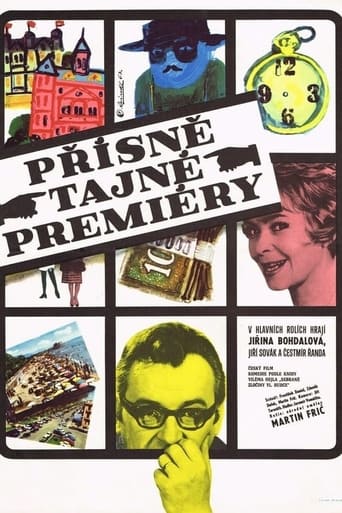 7.0
7.0A crime writer is accused of being too imaginative and his ideas unworkable, but everything changes when an international criminal demands his professional cooperation. The somewhat freaked out and disbelieving hero is also surprised to discover that his own wife has unsuspected criminal tendencies...
Přísně tajné premiéry
1968
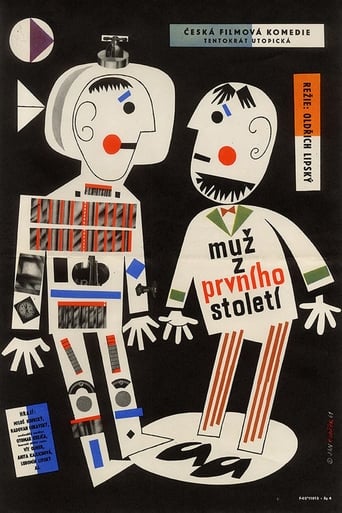 5.9
5.9An upholsterer who is preparing a rocket for takeoff accidentally jettisons himself into space and returns to Earth 500 years later with an alien companion who wishes to learn more about the human race.
Man in Outer Space
1962
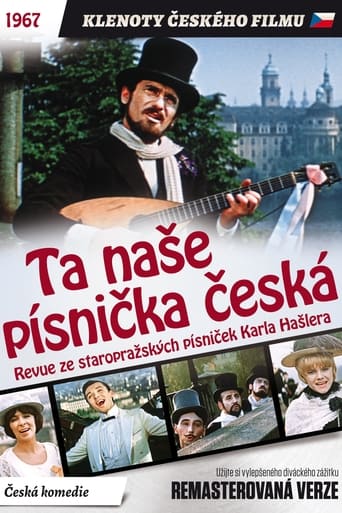 7.7
7.7The Haszler songs of Prague, so popular in the late nineteenth and early twentieth centuries, have not aged. They are still sung in pubs and on construction sites, in short, everywhere. They also have their place in the love stories from old Prague, so beautifully told by Miss Veronika. Their heroine is Miss Stázi, who at first had no luck in love with the student Tadeáš. But then she fell in love with three gentlemen at once. The shy Mr. Alois, the cheerful Mr. France and Mr. Johannes, who seduced her behind the Horse Gate. But in the end she preferred the old but rich landlord. Three abandoned gentlemen nearly took their own lives under the Stone Bridge. But grief overcame them and the gentlemen settled down to marriages richly blessed with adorable children. And Miss Stasi? She ran away from the old man and returned to Mr. Franco when he came home from the army.
Ta naše písnička česká
1967
A look at an over-loaded freight train departing from Prague.
Green Street
1962
A silent slapstick with a band of absurd gags.
Klíč
1962
No synopsis available yet.
Jindřich IV.
1968
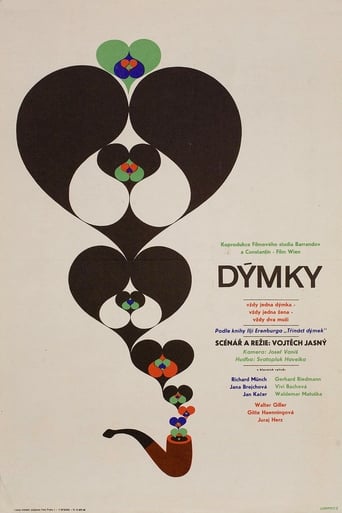 6.0
6.0This three-part Austrian/Czech comedy stretches the boundaries of what is considered to be humorous. Part one finds a silent film actor upset because of a rival actor's attention to the former's wife. When he kills his rival, it is only when he is strapped to the electric chair that he realizes that this is his last live scene. The second episode has the wife of an elderly British nobleman having an affair with the young gamekeeper of their estate. Part three finds a peasant woman taking a lover when her husband goes off to fight the war.
The Pipes
1966
1950s · 12 titles
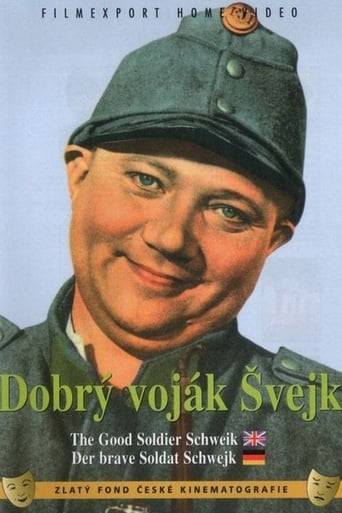 7.5
7.5Good-natured and garrulous, Schweik becomes the Austrian army's most loyal Czech soldier when he is called up on the outbreak of World War I -- although his bumbling attempts to get to the front serve only to prevent him from reaching it. Playing cards and getting drunk, he uses all his cunning and genial subterfuge to deal with the police, clergy, and officers who chivy him toward battle.
The Good Soldier Švejk
1957
 10.0
10.0Working in the city office is a bitter clerk who believes he has only 14 days to live and so he bravely stands up to his bureaucratic director.
Mezi nebem a zemí
1958
 7.2
7.2It's very human and nice story about lofty princess (her father is amiable but incapable - unforgettable performance of S. Neumann) and good, nice, kind and well-principled young king (prince) who tries to make tender her calm heart to get married with her. After being refused (she's very capricious), he conclude to make her better. He start to work as a gardener at her castle (in secret) and successively bring she to her senses...The story continues when already reformed princess and the young king (she learn about his real identity later) have to take refuge from troops, that princess father (old king) has sent (of course he took a bad and mean counsellors advice). They have to take shelter by several ordinary and poor families, which are always very friendly and give them a help... Of course the tale has happy end.
The Proud Princess
1952
 7.0
7.0The Emperor's mismanagement of his country is provoking some in his court to plot to overthrow him. He feels successful, at least, when he discovers the legendary Golem, which he believes can protect him and even cure his imaginary illnesses but, when he disappears while on a bender, his kindly baker, who looks just like him, is mistaken for him, and begins to put things in order. However, the conspirators, not to be outdone, determine to bring the Golem back to life to do their bidding.
The Emperor and the Golem
1951
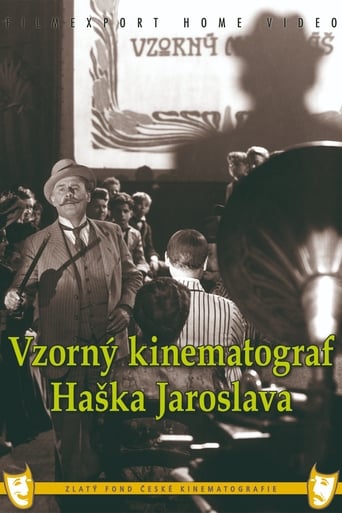 5.9
5.9Jaroslav Hašek screens four film stories in the fairground shed around 1900. After period advertising slides and a "newspaper", we see "the first part of a sensational, exemplary, parfuss, salon program - a film from the life of school-age children, shot under very difficult circumstances". The plot of this film takes place partly in a school classroom and partly in a gymnasium toilet, where the primate Chocholka took refuge from a Latin composition. "Exemplary Family Happiness" is the second film that takes the viewer into the family of the municipal official Honzátek, in which many stormy scenes occurred when the hamster, provided by Honzátek Jr., moved into the sofa - a wedding gift from Sister Ema. Equally surprising are two other stories, one of which tells about the "father of the poor", the owner of a company with unrecoverable cash flow and a famous patron, and the other about the fateful consequences of a joint trip between the old bachelor Mr. Hanzlíček and his neighbors.
Jaroslav Hasek's Exemplary Cinematograph
1956
 8.0
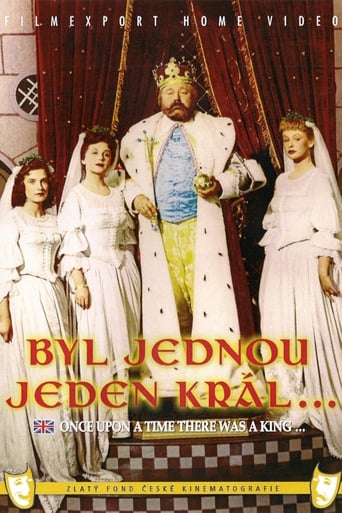
8.0A selfish self-centered widowed ruler, barely tolerated by his subjects and called appropriately enough, 'King Myself, First' asks his three daughters to name the measure of their love for him. When one of them says, "more than salt", he banishes her from the kingdom. Not understanding what she meant the King assumes love can only be measured by precious metals or one's own talent, the 'correct' answers from his other two daughters. The arrogance of the King leads him to gather all the salt in the kingdom and destroy it. Of course, this backfires as he slowly learns the universal value of the substance, and of course, the essence of his daughter's reply. With the help of the wise and magical old 'herb woman', the King also learns what it means to be a true and wise ruler.
Once Upon a Time, There Was a King...
1955
 6.0
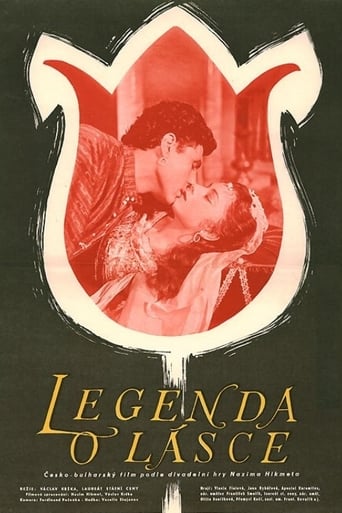
6.0A spring is hidden in the Iron Mountain but the people of Arzen cannot get to it and they are suffering from thirst.
Legend of Love
1957
No synopsis available yet.
Stará čínská opera
1954
 6.0
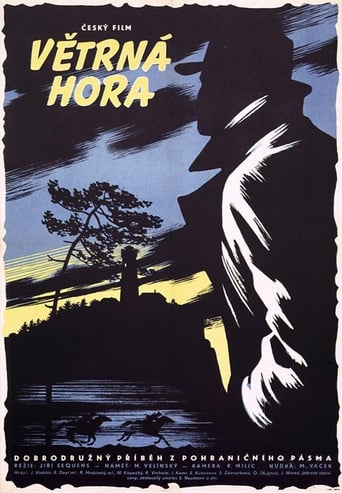
6.0A group of temporary workers arrive at the Czech-German border to conduct geological exploration. However, not all people have pure intentions and a past, and so the group of geologists is threatened by saboteurs who want to blow up an abandoned mine and escape across the border...
The Windy Mountain
1956
No synopsis available yet.
Muž s puškou
1955
No synopsis available yet.
Sen
1956
 6.5
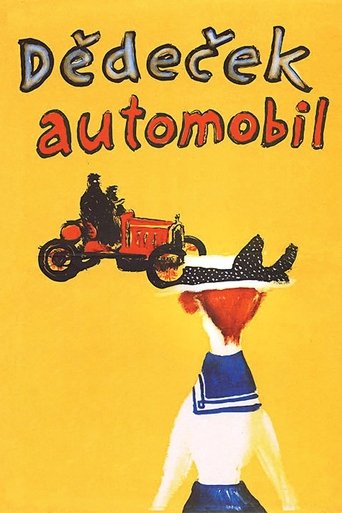
6.5The history of motoring in Bohemia begins when Laurin and Klement founded a factory for the production of motorcycles. In 1904, the first motorcycle races were held in Dourdan, France, in which Czechs also participated. Czech mechanic František and Nanette, daughter of French mechanic Frontenac, met and fell in love there. Czech racer Vondřich finished second due to a breakdown. In 1905, the race was held again, Vondřich insured himself with a suitcase of spare parts and won. Nanette and František, who had been writing to each other all year, met again. After motorcycles, cars began to be produced everywhere, and in 1909 their first race was organized in Gaillon, France. The Czech racer Count Kolovrat won. His mechanic František married his beloved Nanette in the local church.
Vintage Car
1957
Series credits
7.0No synopsis available yet.
Bakaláři
1972
7.3Thirty Cases of Major Zeman is a Czechoslovak action-drama television show intended as a political propaganda to support the official attitude of the communist party. The series were filmed in the 1970s. Each episode encompasses one year, and investigations are stylized to that year. Most are inspired by real cases. The series follows the life of police investigator Jan Zeman during his career from 1945 to 1975.
Thirty Cases of Major Zema
1976
7.1Pan Tau always had a gentle expression and a friendly smile, he was elegantly dressed in a stroller, with an umbrella and a white carnation in the lapel. Foremost, he was famous for his magic bowler hat. By tapping on his hat, Pan Tau was able to change his appearance into a puppet, to conjure up miscellaneous objects or to do other magic. His most characteristically behavior is that he would help children who were experiencing some sort of difficulties in-between their dreams and reality, like finding a place for skiing, settling family problems on Christmas, and even give a boy a good time at a fair when he is supposed to have piano lessons. To adults, he usually remained invisible.
Pan Tau
1970
No synopsis available yet.
GENUS
1995
6.7Hospital at the End of the City is a popular television series first released in Czechoslovakia in 1977, it featured an ensemble cast and received much viewer praise in central Europe. The series ran from 1977 to 1981 for a total of twenty episodes. The success of the series inspired the German television series The Black Forest Clinic.
Nemocnice na kraji města
1978
8.0No synopsis available yet.
Hříšní lidé města pražského
1969
No synopsis available yet.
Úsměvy světa
1969
No synopsis available yet.
Šaráda
1990
 7.0
7.0No synopsis available yet.
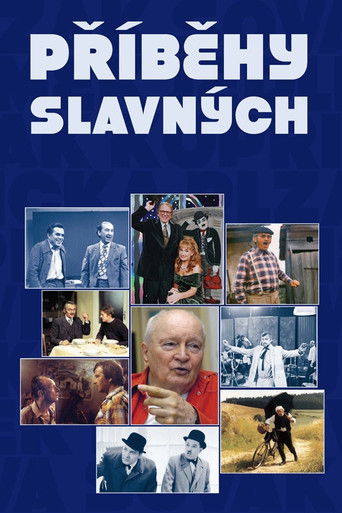
Příběhy slavných
2000
 7.7
7.7No synopsis available yet.
Možná přijde i kouzelník
1983
 7.8
7.8No synopsis available yet.
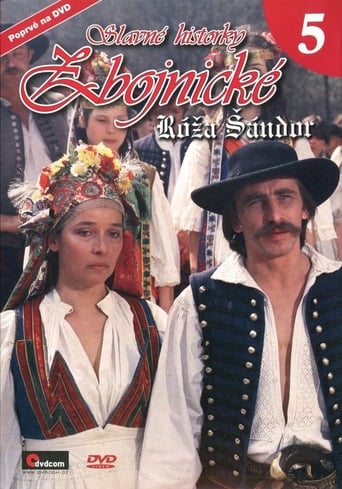
Slavné historky zbojnické
1986
 7.0
7.0No synopsis available yet.
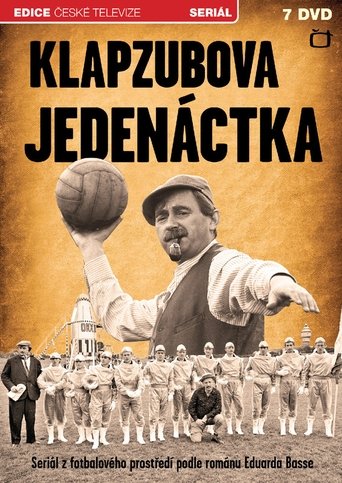
Klapzubova jedenáctka
1968
 NR
NRNo synopsis available yet.
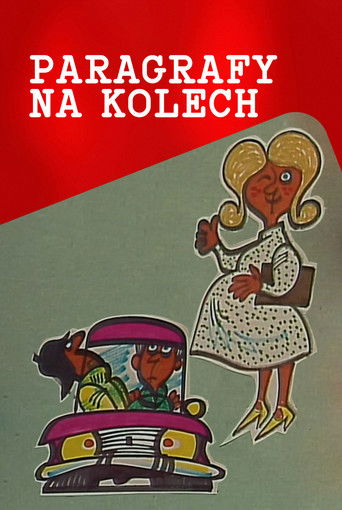
Paragrafy na kolech
1985
No synopsis available yet.
Země úsměvů a snů
1970
 8.0
8.0No synopsis available yet.
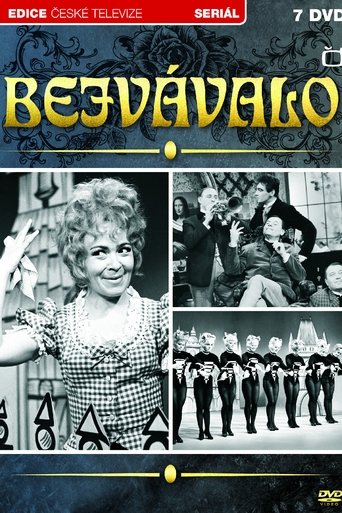
Bejvávalo
1966
No synopsis available yet.
Galasuperšou
1984
 6.2
6.2No synopsis available yet.
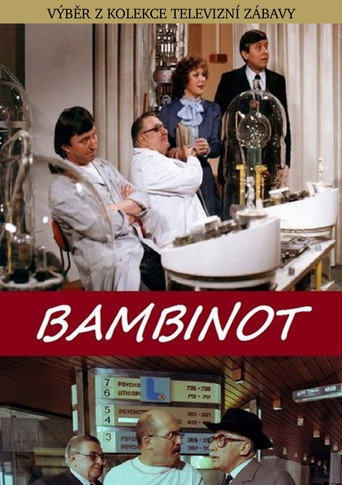
Bambinot
1984
No synopsis available yet.
Uctivá poklona, pane Kohn
1992
No synopsis available yet.
Ctná paní Lucie
1972
No synopsis available yet.
Štipku soli
1977
No synopsis available yet.
Kouzelný svět divadla a melodií
1979
No synopsis available yet.
Honorární konzul
1991
 8.3
8.3No synopsis available yet.
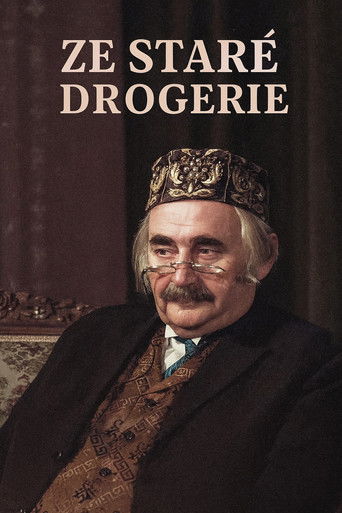
Ze staré drogerie
1983
No synopsis available yet.
Vyhnanství
1987
 NR
NRNo synopsis available yet.
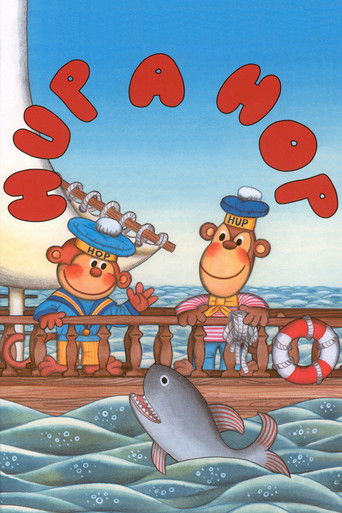
Hup a Hop
1972
No synopsis available yet.
Prášilové
1974