
Directing
Alfred Travers
Place of birth
Constantinople, Ottoman Empire [now Istanbul, Turkey]
Known for
Directing
Credits
12 titles
Alfred Travers (born 1906, date of death unknown) was a Turkish-born British screenwriter and film director. Travers was born in 1906 in Constantinople, Ottoman Empire [now Istanbul, Turkey]. He is a director and writer, known for Dual Alibi (1947), Girls of the Latin Quarter (1960) and The Primitives (1962).
Known for
South African Movie
Raka
1968
A young man inherits a fortune, but with a number of conditions attached.
Girls of the Latin Quarter
1960
 7.0
7.0The owner of a Berlin villa invites 4 friends to stay with him and hires a baroness to supervise their affairs. Meanwhile an ex boxer released from prison becomes involved with the villa when he is arrested for a burglary there.
Die Villa im Tiergarten
1927
 5.8
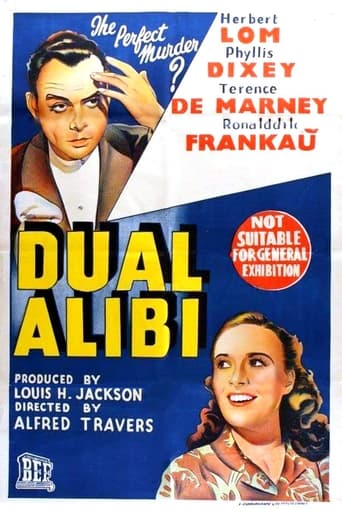
5.8A French PR man and his girlfriend steal a lottery ticket from twin trapeze artists, prompting murder.
Dual Alibi
1947
 5.7
5.7During World War II, the Canadian Navy gathered a troupe of diverse performers (dancers, comedians, singers, musicians) from its ranks and sent them off to entertain their shipmates, and the show/revue ultimately played London's Hioopodrome. The acceptance was based more on wartime-London's appreciation of the gallantry of Britain's sons and daughters from over the seas than it was on the artistic value of the show or the talent of the performers. The film is a fictional/fact mixture of the adventures of the troupe members, and the ending, only part filmed in Technicolor, is primarily the Revue as seen at the Hippodrome.
Meet the Navy
1946
 8.5
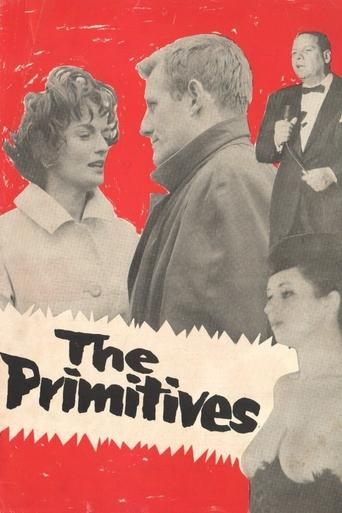
8.5A group of night club entertainers supplement their income by being international jewel thieves
The Primitives
1962
Film credits
Behind the camera
South African Movie
Raka
1968
A young man inherits a fortune, but with a number of conditions attached.
Girls of the Latin Quarter
1960
5.8A French PR man and his girlfriend steal a lottery ticket from twin trapeze artists, prompting murder.
Dual Alibi
1947
5.8A French PR man and his girlfriend steal a lottery ticket from twin trapeze artists, prompting murder.
Dual Alibi
1947
5.7During World War II, the Canadian Navy gathered a troupe of diverse performers (dancers, comedians, singers, musicians) from its ranks and sent them off to entertain their shipmates, and the show/revue ultimately played London's Hioopodrome. The acceptance was based more on wartime-London's appreciation of the gallantry of Britain's sons and daughters from over the seas than it was on the artistic value of the show or the talent of the performers. The film is a fictional/fact mixture of the adventures of the troupe members, and the ending, only part filmed in Technicolor, is primarily the Revue as seen at the Hippodrome.
Meet the Navy
1946
8.5A group of night club entertainers supplement their income by being international jewel thieves
The Primitives
1962
8.5A group of night club entertainers supplement their income by being international jewel thieves
The Primitives
1962
Irish quota quickie
The Strangers Came
1949
A tycoon is conned into believing a homeless man is in actuality the exiled prince of a Balkan nation. The tycoon agrees to bank roll the revolution that is needed to reinstall the prince onto his rightful throne.
Alive on Saturday
1957
Propaganda short showing how boy scouts can help the war effort in Britain.
Men of Tomorrow
1942
The story of the formation in war-time Britain of the Royal Netherlands Brigade. Made on behalf of the Rijksvoorlichtingsdienst (the London-based Dutch government in exile) to appeal to Dutch nationals to resist German occupation.
Glorious Colours
1943